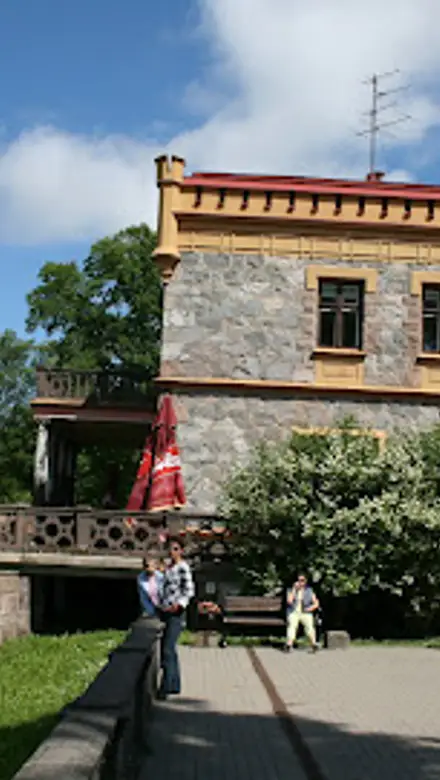
Gauja Travel Guide
Free Guide: Explore Latvia's longest river: Gauja, a scenic paradise within Gauja National Park, offering history, nature, and adventure for every traveler.


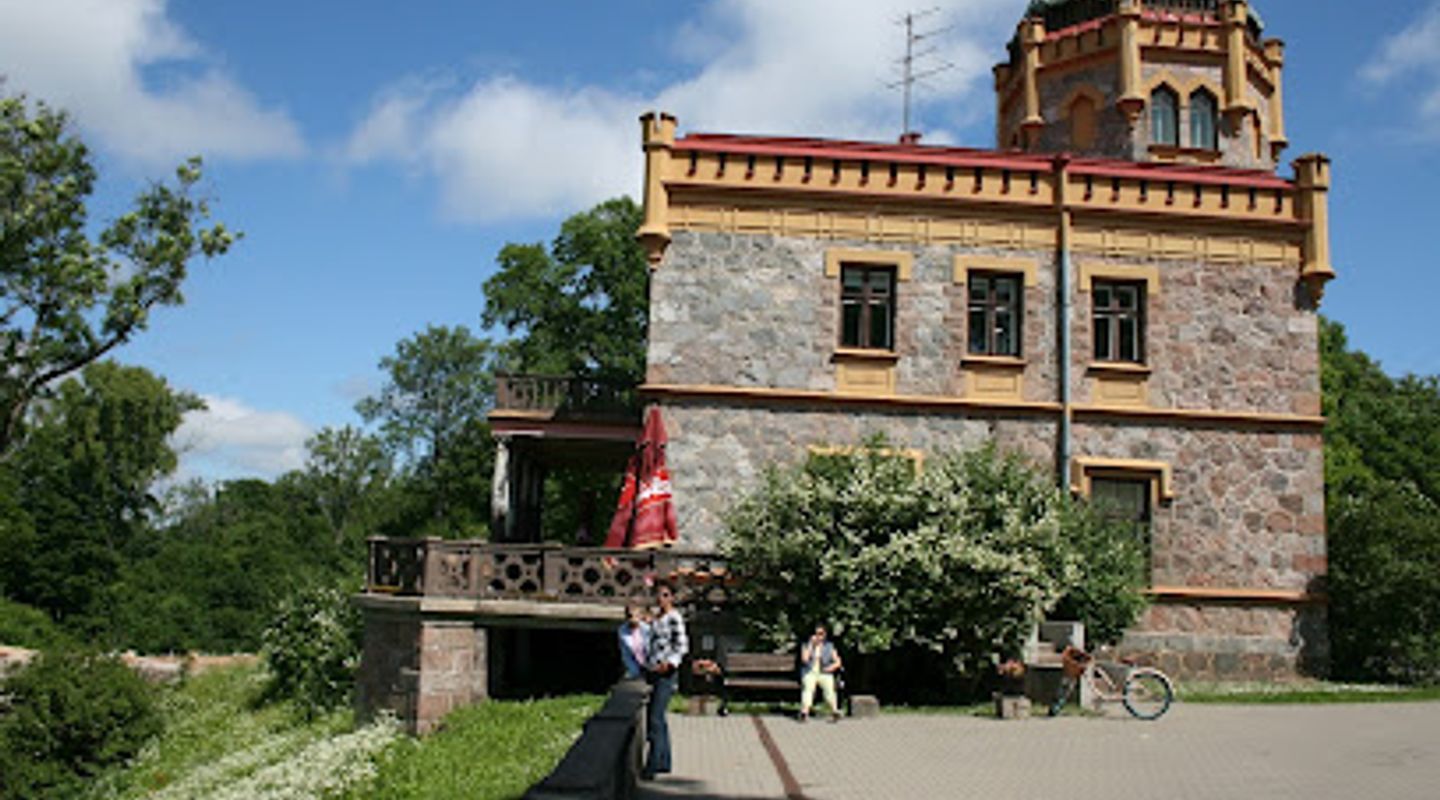
A brief summary of Gauja
Explore Latvia's longest river: Gauja, a scenic paradise within Gauja National Park, offering history, nature, and adventure for every traveler.
The Gauja River, Latvia's longest river, flows 460 km, originating and ending within the country. A significant portion runs through Gauja National Park, offering stunning landscapes, diverse wildlife, and historical sites. It's a popular destination for nature lovers and adventure seekers.
- Address
- Gauja
Getting there
Car
Public Transport
Bicycle
Discover more about Gauja
Overview
The Gauja River is more than just a waterway; it's a vibrant thread woven into the fabric of Latvia's natural and cultural heritage. As the longest river in Latvia, it stretches for 460 kilometers, entirely within the country's borders. Approximately one-fifth of its length meanders through the Gauja National Park, established in 1973 to protect the region's exceptional biodiversity and stunning landscapes.The river's history is deeply intertwined with the land and its people. Before the 13th century, it served as a vital trade route and a boundary between Livonian and Latgalian territories. Known then as Koivo, meaning 'the Birch River,' it witnessed the ebb and flow of cultures and the construction of medieval castles like Sigulda, Cēsis, and Turaida, testaments to its strategic importance.Today, the Gauja River offers a wealth of recreational opportunities. Canoeing and kayaking are popular, allowing visitors to explore the scenic waterways and admire the towering sandstone cliffs that date back millions of years. Hiking trails wind along its banks, leading to ancient castle mounds, nature trails, and breathtaking viewpoints. The river is also known for its fishing, offering a chance to catch various fish species.The Gauja's charm lies in its ever-changing nature. Its bed, composed of unconsolidated sand and gravel, shifts with the current, creating boulder rapids and a sense of constant renewal. Whether you're seeking adventure on the water, exploring historical landmarks, or simply immersing yourself in the tranquility of nature, the Gauja River promises an unforgettable experience.
Evendo Review Centre
 Google
Guest reviews
Explore Gauja on the map
A handpicked selection of must-see spots near Gauja, mapped for you.
Get your free copy of our complete guide to Gauja, delivered straight to you.
Everything on this page, from opening hours and how to get there to Eve’s tips and the best time to go, in one PDF you can read offline, print or share.
Already have an account? Sign in
Your Gauja guide is ready.
We'll send it to · Not you? Sign out

Getting your guide ready…
We are putting together a fresh copy of the Gauja guide. This can take up to a minute.
This can take a few moments. If your browser asks, choose Allow so the download can start. You'll find the guide in your Downloads folder.
Nothing happened? Download it again
Sorry, the guide is taking longer than usual. Please try again in a minute, or get it by email instead.
Other nearby places you may find interesting
The closest places of the same kind, if this one is not quite what you had in mind.
-
-
-
-
-


Swipe for more places
More to explore near Gauja

 Best experiences near Gauja
 Best hotels near Gauja
 Best landmarks near Gauja
 Best attractions near Gauja
 Best shops near Gauja
 Best restaurants near Gauja
 Best bars near Gauja
Do you manage this location?
Take control to get all the benefits, like improved information, better appearance, and stronger visibility across AI-powered discovery.
Explore more
Explore more of Livonia
Explore the historical charm, natural beauty, and culinary delights of Livonia in Latvia—a hidden gem in the heart of the Baltics.
Explore Livonia
Explore more of Latvia
Explore Latvia: A Baltic treasure with rich history, stunning landscapes, vibrant festivals, and warm hospitality. Discover Riga's charm and Latvia's natural beauty.
Explore Latvia