

Free Livonia Travel Guide & Mobile App
Explore Livonia with free travel guides. Discover regional history, expert tips, proposed trips, and audio guides on web or mobile app.


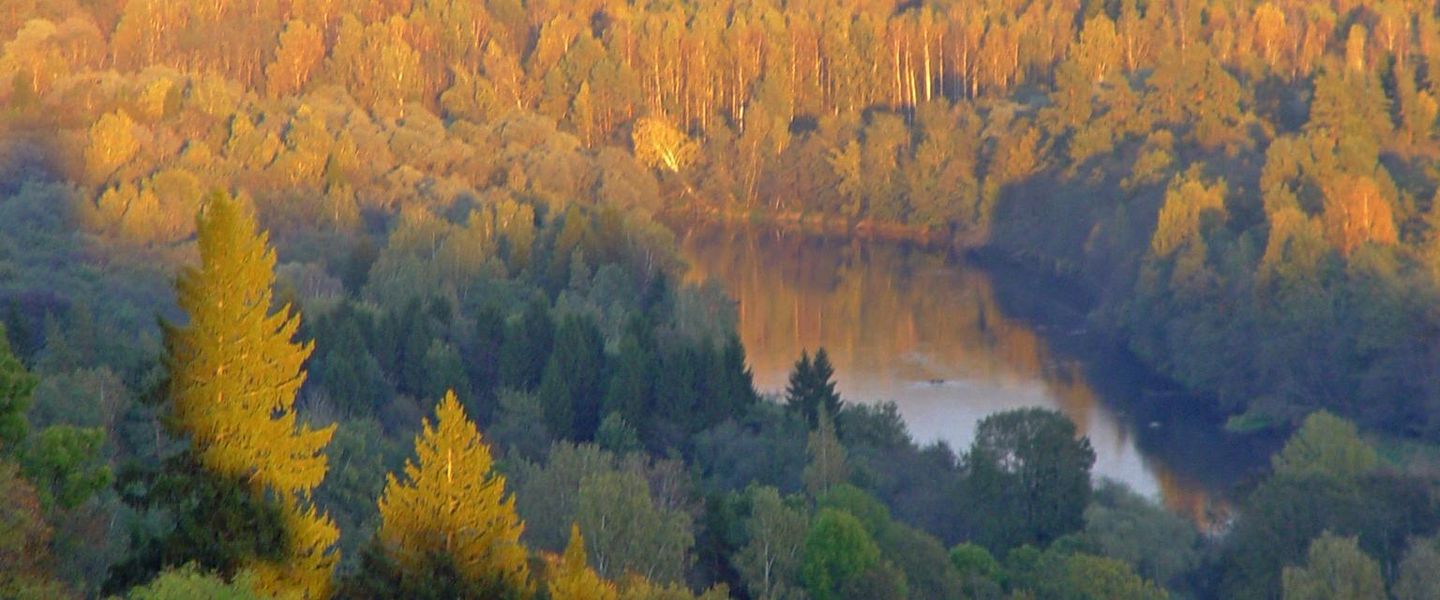


Explore Latvian Livonia through Cēsis and Sigulda, Gauja National Park, medieval castles, forest trails, lakes and northern coastal landscapes.
Read more about Livonia
When is the best time to visit Livonia?
Best: June–August · 22–24°C| Month | High (°C) | Rainfall (mm) |
|---|---|---|
| January | 0 | 30 |
| February | 2 | 25 |
| March | 6 | 35 |
| April | 11 | 40 |
| May | 18 | 50 |
| June (best) | 22 | 60 |
| July (best) | 24 | 70 |
| August (best) | 23 | 65 |
| September | 18 | 55 |
| October | 13 | 45 |
| November | 6 | 40 |
| December | 1 | 35 |
Getting to and around Livonia
How to get there
Transportation
Top city travel guides in Livonia
The cities of Livonia, and the easiest places to base yourself.
-

-

-
-


Swipe for more cities
Destinations in Livonia
Resorts, valleys and scenic spots worth a trip of their own.
-

-

-

-


Swipe for more destinations
Best attractions in Livonia
Latvian Livonia offers a varied but coherent set of attractions centred on history, forests and river landscapes. Gauja National Park is the region’s principal outdoor area, with walking routes, cycling, canoeing, wildlife experiences and viewpoints over the wooded Gauja valley. Sigulda provides access to Turaida Museum Reserve, while nearby Ligatne is associated with woodland trails and a nature area where native and formerly native Latvian animals can be observed. Cēsis combines a medieval castle complex, an attractive historic centre and cultural venues. The archaeological park at Āraiši presents a reconstructed lake settlement, giving visitors insight into the region before the crusading period. Valmiera offers museums, riverside recreation and a useful urban base for northern Vidzeme. Further north, the coast around Salacgrīva and the Vidzeme coastal landscape introduce beaches, pine forests and sandstone formations. Manor parks, Lutheran churches, small local museums and railway heritage sites add quieter stops beyond the principal towns, although opening arrangements can vary seasonally.
-
Performing arts theater
Latvian National Theatre
Experience the essence of Latvian culture at the stunning Latvian National Theatre, a premier venue for performing arts in Riga.
-
Museum
The Corner House
Delve into Latvia's history at The Corner House, a poignant museum that reveals the operations of the KGB and its impact on the nation.
-
Recreation center
Valguma World / Barefoot trail
Discover the enchanting Valguma World and experience the unique Barefoot Trail that connects you with nature in Latvia's beautiful Tukuma region.
-
River
Gauja
Discover the enchanting Gauja River, a natural wonder with stunning landscapes and rich history, perfect for adventure and relaxation in Latvia.


Best landmarks in Livonia
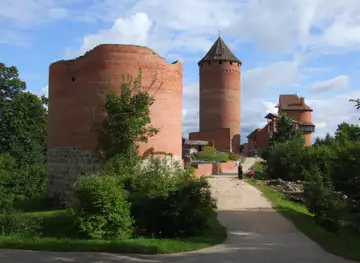
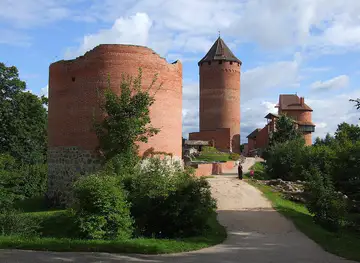
Cēsis Castle is the most powerful medieval landmark in Latvian Livonia, with substantial ruins, towers and surviving sections that reflect the importance of the Livonian Order. In the Gauja valley, Turaida Castle rises above the landscape as part of the Turaida Museum Reserve, whose church, manor buildings and sculpture garden broaden the historical setting beyond the fortress itself. Sigulda Castle ruins and the nearby medieval castle mound mark the strategic importance of the valley’s crossing points. Āraiši Lake Castle is distinctive because its reconstructed timber settlement represents a much earlier phase of regional history than the stone castles. Valmiera’s medieval church and castle-area remains recall its position as an old trading centre, while Alūksne’s lake, elevated town setting and historic railway structures give the north-east a different visual identity. The Gauja valley itself is a landmark landscape: sandstone cliffs, wooded slopes and winding riverbanks form the geographical feature around which many of the region’s best-known historic sites developed.
-
Castle
Rundāle Palace Museum
Explore the majestic Rundāle Palace Museum, an exquisite Baroque masterpiece surrounded by lush gardens, rich in history and cultural heritage.
-
National park
Gauja National Park
Discover Latvia's natural beauty and history in Gauja National Park: hiking, castles, stunning landscapes, and outdoor adventures await!
-
Monument
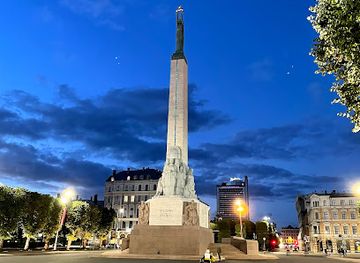
The Freedom Monument
A towering symbol of Latvia's freedom and unity, commemorating the nation's fight for independence and cultural heritage in the heart of Riga.
-
Museum
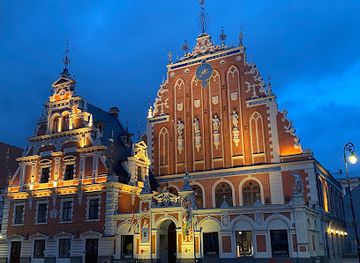
House of the Black Heads
Explore Riga's iconic House of the Black Heads: a symbol of history, culture, and architectural beauty in the heart of Old Town.


Explore Livonia on the map
Plan your trip on one map. See where the top cities, national parks and sights are, and book hotels and experiences in a few clicks.
Best hotels in Livonia
Best restaurants in Livonia
Dining in Latvian Livonia reflects the country’s northern climate and agricultural traditions, with rye bread, potatoes, root vegetables, mushrooms, berries, dairy products and smoked fish appearing frequently on menus. River and coastal areas may offer locally prepared fish, while rural kitchens and farm-based producers often emphasise preserves, breads, seasonal vegetables and meat dishes. Cēsis, Sigulda and Valmiera have the broadest choice of cafés, restaurants, pubs and contemporary Latvian cooking, whereas smaller towns tend to rely on cafés, bakeries and straightforward daily menus. Market stalls and farm shops are useful for cheese, honey, berry products and other regional produce. Craft beer and berry-based drinks are increasingly common alongside Latvia’s established traditions of beer and herbal beverages. In the countryside, restaurants and manor-based dining venues may be separated by considerable distances, so planning meals around the day’s route is sensible.
-
Restaurant
Rozengrāls (Vinarium civitatis rigensis)
Discover the rich flavors of Latvian cuisine at Rozengrāls - a medieval dining experience in the heart of Riga.
-
Restaurant
36.line Grill Restaurant
Experience exquisite dining at 36.line Grill Restaurant in Jūrmala, where gourmet cuisine meets stunning beach views.
-
Italian
Italissimo
Experience authentic Italian cuisine at Italissimo in Riga's Central District - where every meal is a delightful journey through Italy.
-
Family-friendly
Province restaurant
Discover authentic Latvian flavors at Province Restaurant in Riga's Central District - perfect for families and food enthusiasts.


Best bars in Livonia
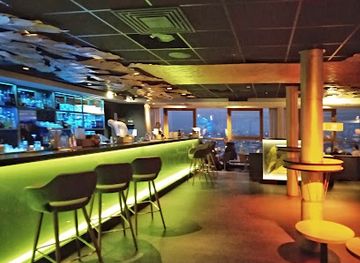
Evening life in Latvian Livonia is concentrated in Cēsis, Sigulda and Valmiera rather than spread across the rural landscape. These towns offer pubs, cafés, restaurants and occasional live music or cultural programmes, with Valmiera having a particularly visible theatre and student-oriented cultural presence. Cēsis combines historic-town dining with small bars and seasonal events, while Sigulda’s evening scene is closely linked to visitors staying in the Gauja valley. Outside the main centres, the traditional option is a local pub, inn or hotel restaurant rather than a nightclub. Summer brings longer evenings and more outdoor activity, but rural venues may close earlier or operate on limited schedules. Visitors should check current arrangements locally and treat nightlife as one part of a wider experience that also includes concerts, theatre, museums and evening walks in settled areas.
-
Restaurant
Ala Pagrabs
Discover the vibrant nightlife and authentic Latvian cuisine at Ala Pagrabs, an underground gem in the heart of Riga.
-
Bar
Skyline bar
Experience the breathtaking views and sophisticated atmosphere at Skyline Bar in Riga, where cocktails meet stunning cityscapes.
-
Cultural center
Kaņepes Kultūras centrs
Experience the vibrant cultural scene of Riga at Kaņepes Kultūras centrs, where art, music, and delicious drinks come together.
-
Museum
Livonian Order Castle
Discover the rich history and stunning architecture of the Livonian Order Castle, a must-see museum and tourist attraction in Ventspils, Latvia.



Best nightclubs in Livonia
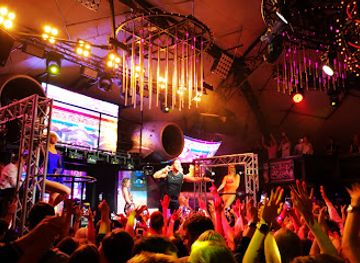
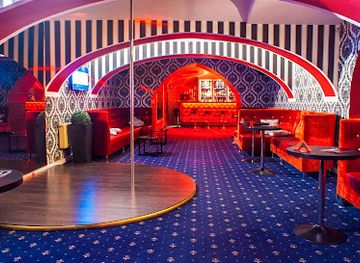
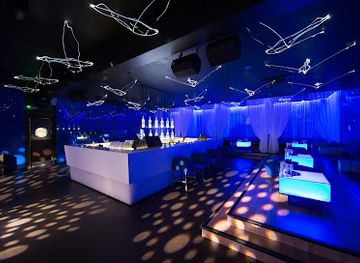
Evening life in Latvian Livonia is concentrated in Cēsis, Sigulda and Valmiera rather than spread across the rural landscape. These towns offer pubs, cafés, restaurants and occasional live music or cultural programmes, with Valmiera having a particularly visible theatre and student-oriented cultural presence. Cēsis combines historic-town dining with small bars and seasonal events, while Sigulda’s evening scene is closely linked to visitors staying in the Gauja valley. Outside the main centres, the traditional option is a local pub, inn or hotel restaurant rather than a nightclub. Summer brings longer evenings and more outdoor activity, but rural venues may close earlier or operate on limited schedules. Visitors should check current arrangements locally and treat nightlife as one part of a wider experience that also includes concerts, theatre, museums and evening walks in settled areas.
-
Night club
FIRST Club
Discover the electrifying nightlife at FIRST Club, Riga's vibrant destination for unforgettable dance parties and live DJ performances.
-
Night club
Royal Club
Discover the electrifying nightlife at Royal Club, Riga's premier destination for unforgettable nights filled with music, dancing, and vibrant energy.
-
Night club
Coyote Fly
Discover the excitement of Coyote Fly, a vibrant night club in Riga where the music never stops and the energy is contagious.
-
Night club
TOP Club Riga
Dive into Riga's nightlife at TOP Club, where electrifying music and a lively atmosphere await you for an unforgettable night out.

Best shops in Livonia
Shopping in Latvian Livonia is strongest in the historic centres and market areas of Cēsis, Sigulda and Valmiera, where independent shops, cafés, bookshops, galleries and small craft outlets sit alongside everyday retail. Visitors can look for Latvian ceramics, woven textiles, woodwork, amber jewellery, locally made soaps and contemporary design goods, although selection varies between towns. Farmers’ markets and seasonal fairs are useful places to buy rye bread, honey, berry preserves, mushrooms, smoked products, cheese and small-batch drinks. In smaller communities, farm shops and roadside producers may provide more regionally distinctive purchases than conventional souvenirs. Alūksne and other northern towns have a quieter, practical shopping character, while Cēsis generally offers the broadest concentration of cultural and craft-oriented shops. Check payment options before buying from market stalls or rural producers, as cash is still useful beyond the main commercial streets.
-
Market
Riga Central Market
Explore Riga Central Market for an authentic taste of Latvia with fresh produce, local delicacies, and unique crafts in a vibrant atmosphere.
-
Shopping mall
Domina
Explore Domina Shopping Mall in Riga - a vibrant hub of fashion, food, and family fun, perfect for every traveler!
-
Shopping mall
Riga Plaza shopping center
Explore Riga Plaza, the ultimate shopping destination in Latvia, featuring a mix of international brands, local shops, and diverse dining options.
-
Shopping mall
Gallery Centre, Shopping mall
Discover the best of shopping, dining, and culture at Gallery Centre, Riga's premier shopping destination.



Get your free copy of our complete guide to Livonia, delivered straight to you.
Everything on this page, from attractions and restaurants to essentials and local phrases, in one PDF you can read offline, print or share.
Already have an account? Sign in
Your Livonia guide is ready.
We'll send it to · Not you? Sign out

Getting your guide ready…
We are putting together a fresh copy of the Livonia guide. This can take up to a minute.
This can take a few moments. If your browser asks, choose Allow so the download can start. You'll find the guide in your Downloads folder.
Nothing happened? Download it again
Sorry, the guide is taking longer than usual. Please try again in a minute, or get it by email instead.
Livonia essentials
Currency and Payment
Safety
Emergency Situations
Do's and Don'ts
Local Tips
From Eve
Local phrases worth knowing
You don't need to get them perfect. A few words go a long way, and locals appreciate the effort.
Basics
| English | Local | Say it |
|---|---|---|
| Hello | Sveiki | [Svey-kee] |
| Goodbye | Uz redzēšanos | [Ooz red-zay-shah-nos] |
| Yes | Jā | [Yah] |
| No | Nē | [Nay] |
| Please/You're welcome | Lūdzu | [Lood-zoo] |
| Thank you | Paldies | [Pahl-dees] |
| Excuse me/Sorry | Atvainojiet | [Aht-vai-noh-yet] |
| How are you? | Kā tev klājas? | [Kah tev klah-yas] |
| Fine. And you? | Labi. Un tu? | [Lah-bee. Oon too?] |
| Do you speak English? | Vai tu runā angliski? | [Vye too roo-nah ahn-glis-kee] |
| I don't understand | Es nesaprotu | [Es neh-sah-proh-too] |
Eating & Drinking
| English | Local | Say it |
|---|---|---|
| I'd like to see the menu, please | Es gribētu redzēt ēdienkarti, lūdzu | [Es gree-bah-too red-zayt eh-dee-en-kahr-tee, lood-zoo] |
| I don't eat meat | Es neēdu gaļu | [Es neh-eh-doo gah-loo] |
| Cheers! | Priekā! | [Pree-kah!] |
| I would like to pay, please | Es gribētu samaksāt, lūdzu | [Es gree-bah-too sah-mahk-saat, lood-zoo] |
Emergencies
| English | Local | Say it |
|---|---|---|
| Help! | Palīdziet! | [Pah-leed-zee-et!] |
| Go away! | Aiziet prom! | [Aiz-yet prohm!] |
| Call the Police! | Izsauciet policiju! | [Eez-sow-tsee-et poh-lee-tsee-yoo] |
| Call a doctor! | Izsauciet ārstu! | [Eez-sow-tsee-et ahr-stoo] |
| I'm lost | Es esmu pazudis | [Es es-moo pah-zoo-dis] |
| I'm ill | Es esmu slims | [Es es-moo sleems] |
Shopping
| English | Local | Say it |
|---|---|---|
| I'd like to buy... | Es gribētu nopirkt... | [Es gree-bah-too noh-peerkt...] |
| I'm just looking | Es tikai skatos | [Es tee-kai skah-tos] |
| How much is it? | Cik tas maksā? | [Tseek tahs mahk-sah?] |
| That's too expensive | Tas ir pārāk dārgs | [Tahs eer pah-rahk dahrgs] |
| Can you lower the price? | Vai tu vari samazināt cenu? | [Vye too vah-ree sah-mah-zee-naht tseh-noo] |
Time & Numbers
| English | Local | Say it |
|---|---|---|
| What time is it? | Cik pulkstenis? | [Tseek poolk-steh-nees?] |
| It's one o'clock | Ir vienpadsmit | [Eer vyen-pahds-mint] |
| Half past (10) | Pusstundas (10) | [Poo-sstoon-dahs (10)] |
| Morning | Rīts | [Ree-ts] |
| Afternoon | Pēcpusdiena | [Pehts-poos-dee-nah] |
| Evening | Vakars | [Vah-kahrs] |
| Yesterday | Vakar | [Vah-kar] |
| Today | Šodien | [Shoh-dee-en] |
| Tomorrow | Rīt | [Reet] |
| 1 | 1 | [1] |
| 2 | 2 | [2] |
| 3 | 3 | [3] |
| 4 | 4 | [4] |
| 5 | 5 | [5] |
| 6 | 6 | [6] |
| 7 | 7 | [7] |
| 8 | 8 | [8] |
| 9 | 9 | [9] |
| 10 | 10 | [10] |
Transport & Directions
| English | Local | Say it |
|---|---|---|
| Where's a/the...? | Kur ir...? | [Koor eer...?] |
| What's the address? | Kāda ir adrese? | [Kah-dah eer ah-dreh-seh?] |
| Can you show me (on the map)? | Vai tu vari parādīt (uz kartes)? | [Vye too vah-ree pah-rah-deet (ooz kar-tes)?] |
| When's the next (bus)? | Kad ir nākamais (autobuss)? | [Kahd eer nah-kah-mice (ow-toh-boos)?] |
| A ticket (to ....) | Biļete (uz....) | [Bee-lyeh-teh (ooz....)] |
History of Livonia
Early Communities and the Āraiši Settlement
Long before the name Livonia became associated with crusading orders and German-speaking towns, the area was inhabited by Baltic Finnic and Baltic peoples living through farming, fishing, craft production and trade. The archaeological site at Āraiši, near Cēsis, is especially important because its reconstructed lake settlement illustrates a fortified community of the Viking Age, usually dated to the ninth and tenth centuries. Finds from the surrounding region show connections with wider Baltic networks. This earlier history complicates the idea that Livonia began with medieval German expansion: the landscape already supported organised communities, local elites and long-distance exchange.
The Medieval Conquest and Livonian Confederation
During the thirteenth century, crusading campaigns and missionary activity brought northern areas of present-day Latvia and Estonia into the political sphere of the Bishopric of Riga and the Livonian Order. Castles were built at strategic points, including Cēsis and Sigulda, while towns and churches developed within a new Latin Christian and German-influenced order. Livonia was not a unified kingdom but a loose confederation of ecclesiastical territories, towns and the Order’s possessions. Its legacy remains visible in castle ruins, medieval street plans and the layered architecture of towns along the Gauja valley.
Cēsis and the Power of the Livonian Order
Cēsis, known historically as Wenden, became one of the most important centres of the Livonian Order. Its castle served as a residence and administrative stronghold, and the settlement grew around it as a regional political and commercial centre. The castle complex was damaged during warfare in the sixteenth and seventeenth centuries, but its surviving walls and towers still convey the scale of the Order’s presence. Cēsis also demonstrates the changing balance between military power, urban commerce and religious institutions that shaped Livonian society before the confederation collapsed.
The Livonian War and Swedish Vidzeme
The Livonian War, fought from 1558 to 1583, ended the old Livonian political order and drew the region into struggles involving Russia, Poland-Lithuania and Sweden. Northern Latvian territories later came under Swedish control, particularly after the Polish-Swedish conflicts of the early seventeenth century. This period is often remembered as Swedish Vidzeme. Administrative and educational reforms were introduced, and Swedish rule left an enduring place in regional historical memory, although the period also brought warfare and economic disruption. The Great Northern War transferred Vidzeme to Russia in the early eighteenth century.
Russian Rule, Manors and Changing Transport
Under the Russian Empire, Vidzeme became part of a wider imperial economy while retaining a distinctive pattern of German-Baltic estates, Lutheran congregations and Latvian-speaking rural communities. Manor houses, agricultural estates and planned small towns shaped the countryside, even as social inequality remained pronounced. From the nineteenth century, improved roads and railways connected places such as Valmiera, Cēsis and Gulbene with larger markets. Growing literacy, publishing and cultural associations also supported the Latvian national awakening, helping develop a modern Latvian public identity within the empire.
Independence, Occupation and Restoration
The creation of the Latvian state in 1918 brought the region into a national framework after centuries of rule by external powers. Land reform substantially altered the old manor system, while schools, local government and cultural institutions expanded. Latvia was occupied and incorporated into the Soviet Union during the Second World War, with the German occupation interrupting Soviet rule before it returned in 1944. Soviet collectivisation and industrial development changed the countryside and towns. After the restoration of independence in 1991, castle conservation, national parks, cultural tourism and local enterprise became important parts of Vidzeme’s contemporary economy.
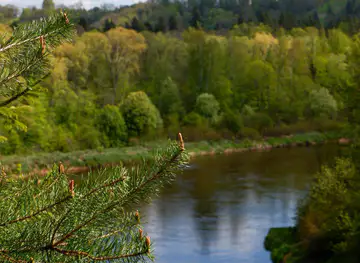
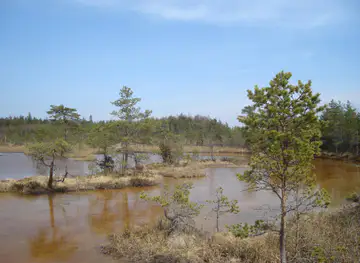
Livonia in Photos
Browse through our photo collection highlighting the charm and character of the destination.
Neighbouring regions of Livonia
The closest regions to Livonia, if you have time for more than one.
-
-
-

-
-


Swipe for more regions
Explore more

Explore more of Latvia
Explore Latvia: A Baltic treasure with rich history, stunning landscapes, vibrant festivals, and warm hospitality. Discover Riga's charm and Latvia's natural beauty.
Explore Latvia