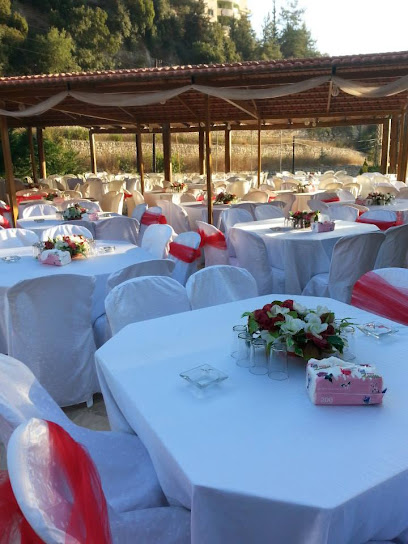
Shouf Biosphere Reserve: Cedars and Culture
Explore ancient cedar forests, diverse wildlife, and rich cultural heritage in Lebanon's Shouf Biosphere Reserve, a UNESCO-protected natural wonder.
The Shouf Biosphere Reserve, encompassing the Al-Shouf Cedar Nature Reserve, is a protected area in the Shouf Mountains of Lebanon, known for its ancient cedar forests and diverse ecosystems. It's a place where you can witness the rejuvenation of Lebanon's iconic cedar trees and engage with local communities involved in sustainable ecotourism.
A brief summary to Shouf Biosphere Reserve / Maasser Cedar Forest
- MMGR+3PR, Joub Jannine, LB
- +9615350250
- Visit website
Local tips
- Wear comfortable shoes for hiking the trails.
- Visit the Maasser Cedar Forest to see the oldest and most impressive cedar trees.
- Check the official website for details on guesthouses if you plan to stay overnight.
- Consider hiring a local guide at one of the entrances for a more in-depth exploration of the reserve.

Getting There
-
Taxi
From Beirut, a taxi to Maasser El Chouf, near the Maasser Cedar Forest entrance, takes approximately 48 minutes. The estimated cost is $60-$80. Taxis can be found throughout Beirut, especially near major hotels and the airport.
-
Public Transport
Buses to the Chouf area depart from the Cola intersection in Beirut. Look for buses heading towards Kfarhim; the fare is approximately $1.40 USD. From Kfarhim, it's about a 30-45 minute walk to Deir al-Qamar, from where you can take a taxi to the reserve. Keep in mind that bus schedules can be unreliable.
Discover more about Shouf Biosphere Reserve / Maasser Cedar Forest
Iconic landmarks you can’t miss

Shouf Biosphere Reserve / Maasser Cedar Forest
0.0 km
Explore ancient cedar forests, diverse wildlife, and rich cultural heritage in Lebanon's Shouf Biosphere Reserve, a UNESCO-protected natural wonder.
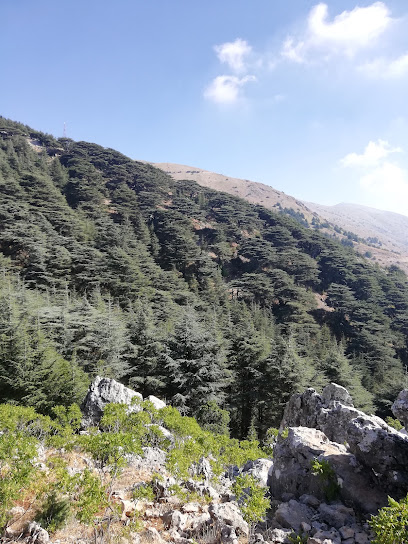
Cedars Of Lebanon
0.0 km
Discover the ancient Cedars of Lebanon, a UNESCO World Heritage site, offering breathtaking beauty, rich history, and serene hiking trails in the Chouf Mountains.
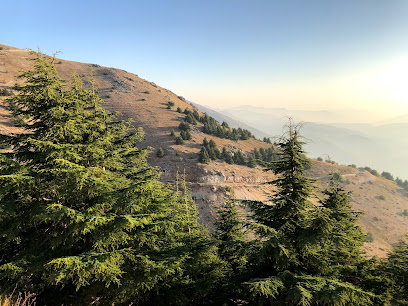
Moonlights Farm And Resorts
1.8 km
Discover the charm of Moonlights Farm And Resorts, a serene escape in Lebanon perfect for relaxation, exploration, and unforgettable experiences.
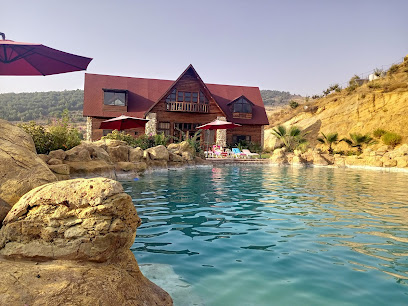
AL FUNDOK
2.2 km
Experience the beauty and tranquility of Maaser El Chouf at AL FUNDOK, where modern comforts meet Lebanese hospitality in a picturesque setting.
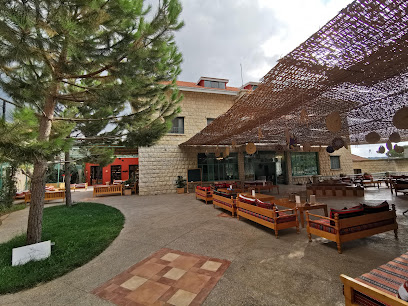
Shallalat Al Barouk Hotel & Restaurant
4.1 km
Discover the charming Shallalat Al Barouk Hotel & Restaurant in Lebanon, where stunning nature, exquisite dining, and warm hospitality await you in the heart of Chouf.
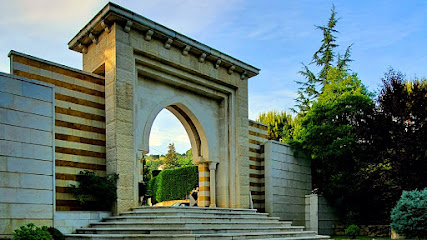
Farmvillebarouk
4.2 km
Experience the beauty of Lebanese agriculture at Farmvillebarouk, a picturesque farm offering fresh produce and a taste of local culture amidst stunning nature.
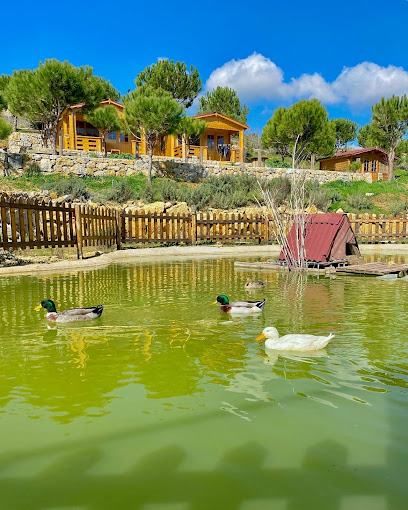
Chateau kefraya winery
5.5 km
Discover Château Kefraya: A fusion of Lebanese heritage, exquisite wines, and breathtaking Bekaa Valley views. A unique viticultural experience.
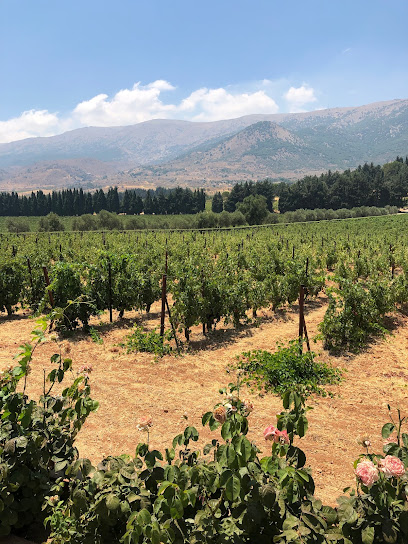
West Bekaa Country Club
6.6 km
Escape to the serene Bekaa Valley at West Bekaa Country Club: recreation, nature, and relaxation await in a stunning Lebanese setting.

Shouf Highland
7.6 km
Experience the breathtaking beauty of Shouf Highland, a serene escape in Lebanon's Biosphere Reserve, offering cozy lodging and stunning nature views.
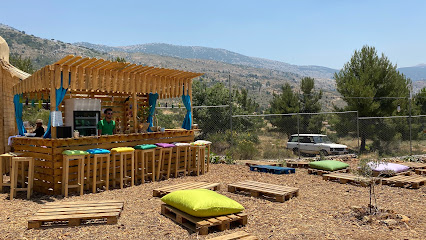
Baadaran Castle
7.9 km
Explore the enchanting Baadaran Castle in Lebanon, a historical marvel showcasing stunning architecture and breathtaking views.
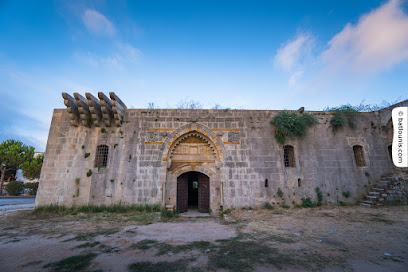
Chourit
9.0 km
Discover the vibrant community spirit of Ramliyeh at Chourit, a hub for culture, connection, and local traditions.
Jebjannine Wonderland Amusement Park
9.3 km
Experience fun and adventure at Jebjannine Wonderland Amusement Park in Joub Jannine, perfect for families seeking a memorable day of laughter and joy!
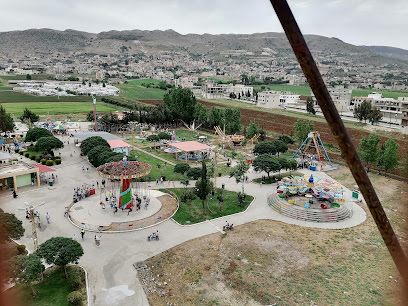
Jbaâ - جباع،علية الشوف
9.7 km
Explore Jbaâ, the historical gem of El Chouf, where stunning landscapes meet rich Lebanese culture and timeless architecture.
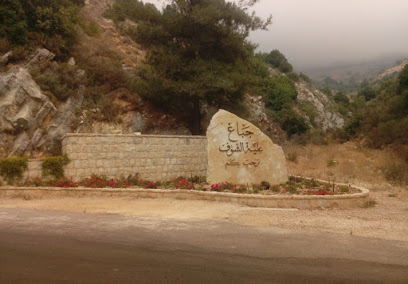
Lebanon Stories - احكيلي عن بلدي tours in Lebanon
9.8 km
Uncover Lebanon's rich heritage and stunning landscapes with personalized tours from Lebanon Stories, your ultimate travel companion.
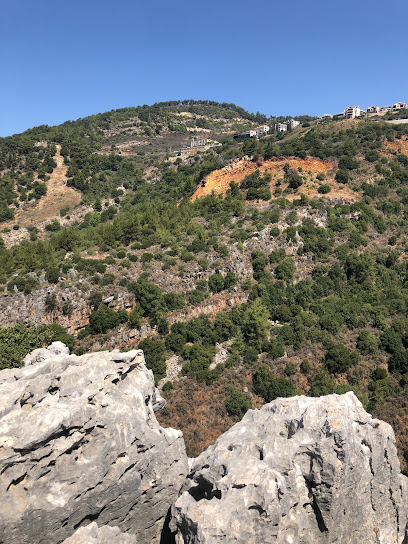
Bouyouti
9.8 km
Experience the tranquil charm of Bouyouti in Beit ed-Dine, where traditional Lebanese hospitality meets modern comfort amidst breathtaking landscapes.
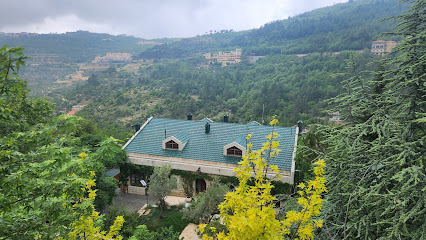
Unmissable attractions to see

The Donkey Farm
1.9 km
Discover tranquility and connection with nature at The Donkey Farm in Maaser El Chouf, where delightful donkeys and stunning views await.
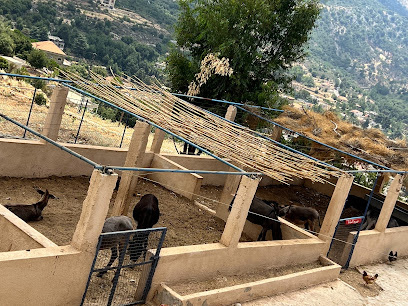
Maaser El Chouf
2.2 km
Explore the breathtaking landscapes and rich culture of Maaser El Chouf, a hidden gem in the heart of Lebanon's majestic Chouf Mountains.
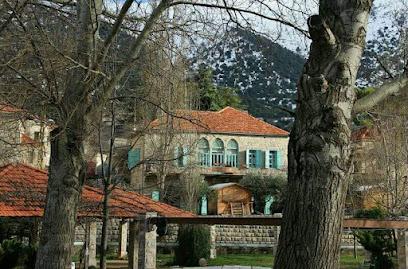
Shouf Biosphere Reserve - Park House
2.2 km
Explore the breathtaking Shouf Biosphere Reserve, a sanctuary of biodiversity and stunning landscapes in Lebanon's Maaser El Chouf.
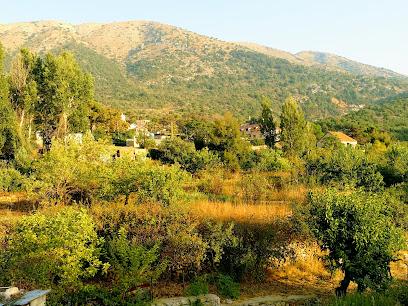
محمية ارز الشوف غابة ارز الباروك
3.5 km
Discover the enchanting Shouf Cedar Nature Reserve, a stunning national reserve in Lebanon, perfect for hiking, wildlife watching, and enjoying breathtaking nature.
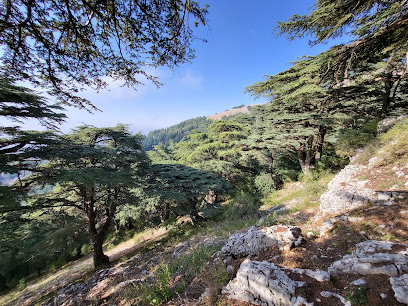
Shouf biosphere reserve/ Entrance to the Barouk Cedar forest
3.5 km
Discover the breathtaking beauty of the Shouf Biosphere Reserve, Lebanon’s largest cedar forest, rich in biodiversity and adventure.
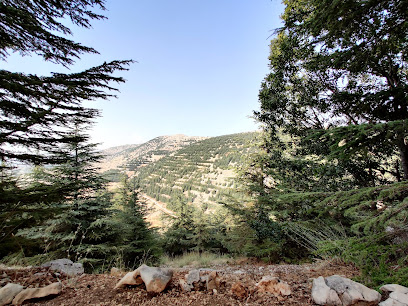
BAROUK RESERVE
3.9 km
Explore the breathtaking Barouk Reserve, Lebanon's natural gem for hiking, wildlife, and serene landscapes, perfect for nature lovers and adventurers.
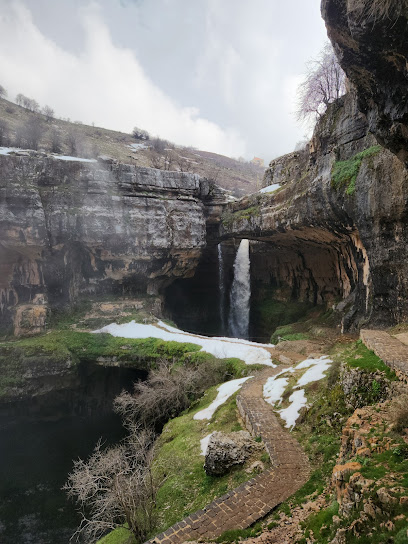
Relic Lodges
4.0 km
Experience the beauty of Barouk at Relic Lodges, where comfort meets local charm in the heart of Lebanon's breathtaking landscapes.
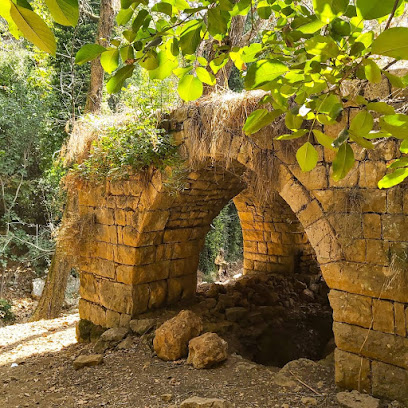
Barouk River
4.0 km
Explore the enchanting Barouk River in Lebanon, a serene destination for nature lovers and adventure seekers alike, surrounded by stunning landscapes.
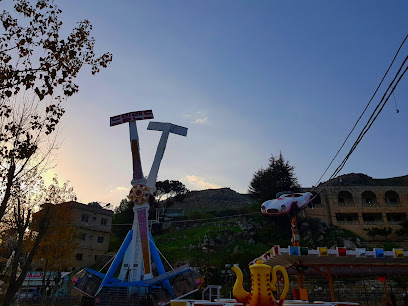
BIRAK PARK
4.2 km
Experience endless fun and excitement at Birak Park, the premier amusement park in Fraidis, Lebanon, perfect for families and thrill-seekers alike.
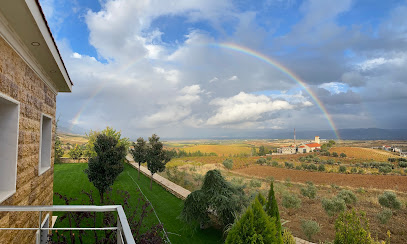
Cave Kouroum
5.0 km
Discover the enchanting Cave Kouroum in Kafraiya, Lebanon - a winery that blends exquisite wines with stunning landscapes.
Château Kefraya Restaurant
5.5 km
Explore the exquisite flavors of Lebanon at Château Kefraya, a premier winery and restaurant in Kafraiya, offering stunning views and unforgettable dining experiences.
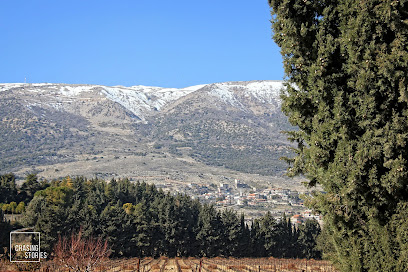
Aïn Al Adas
5.9 km
Discover Aïn Al Adas, a serene tourist attraction in Maasser El, Lebanon, where nature’s beauty meets tranquility and adventure.
مغارة عين وزين الطبيعية
6.0 km
Discover the breathtaking natural beauty of Mghara Ain Wazeen, Lebanon's serene haven for nature lovers and adventure enthusiasts alike.
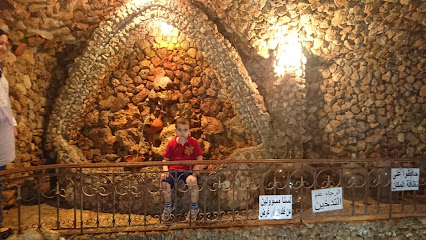
Atelier Assaf
6.2 km
Experience the vibrant world of art and creativity at Atelier Assaf, a must-visit museum in Lebanon showcasing local and international talent.
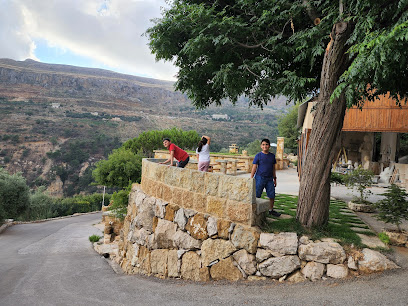
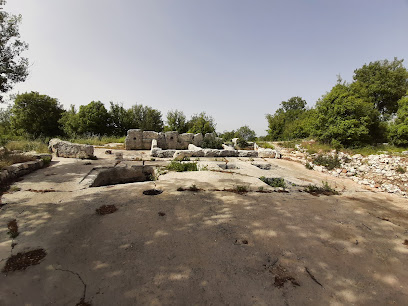
Ancien pressoir de raisin
7.2 km
Explore the rich history of winemaking at the Ancien pressoir de raisin, a captivating attraction showcasing ancient grape pressing techniques.
Essential places to dine

Farm barouk
1.8 km
Discover authentic Lebanese cuisine at Farm Barouk in Maaser El Chouf, where every dish tells a story amidst stunning natural beauty.
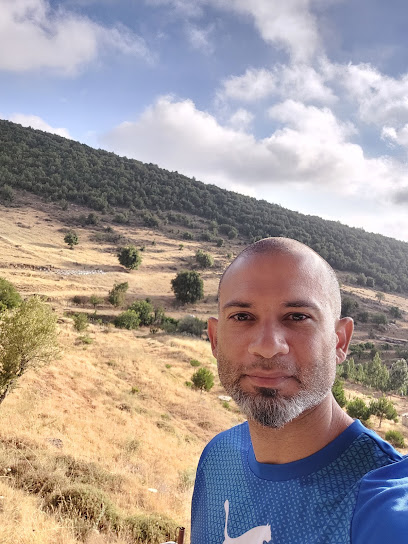
Em Boutros Le Restaurant
2.2 km
Experience authentic Lebanese cuisine at Em Boutros Le Restaurant in Maaser El Chouf - where tradition meets taste.
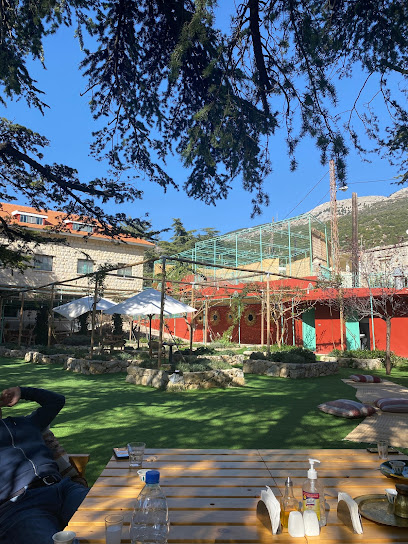
St. Michael Winery, Maasser El Chouf
2.4 km
Discover exquisite wines amidst breathtaking landscapes at St. Michael Winery in Maaser El Chouf, Lebanon's charming hidden gem.
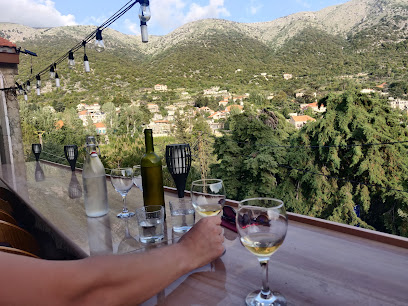
Restaurant Em Fares
3.1 km
Discover the authentic taste of Lebanon at Restaurant Em Fares – a delightful culinary journey awaits on Barouk - Joub Jannine Rd.
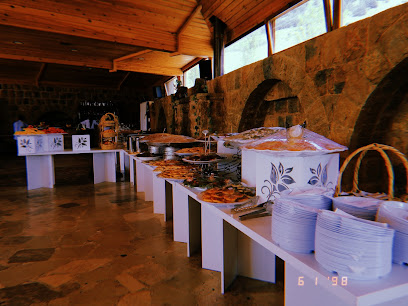
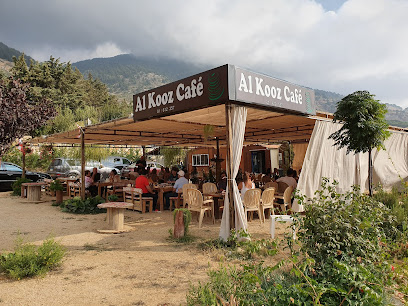
Al Kooz Cafe
3.2 km
Discover authentic Lebanese flavors at Al Kooz Cafe in Barouk – where every meal tells a story.
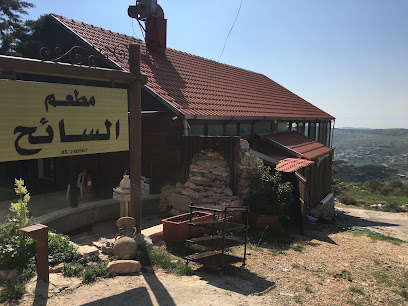
Tourist restaurant
3.3 km
Experience authentic Lebanese flavors fused with international cuisine at Barouk's beloved Tourist Restaurant.
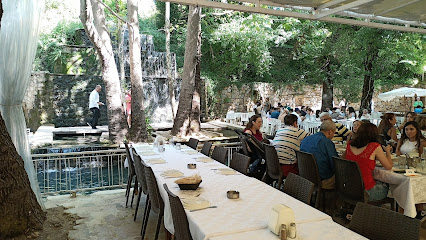
Al Midyaf restaurant
3.6 km
Experience exquisite Lebanese cuisine amidst lush greenery at Al Midyaf Restaurant in Barouk.
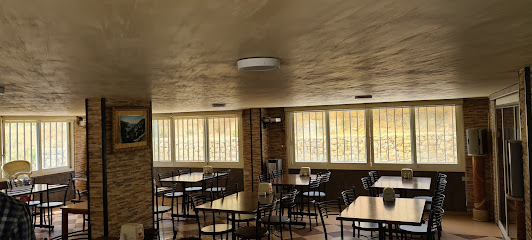
Best Food Restaurant
3.9 km
Discover authentic Lebanese cuisine at Best Food Restaurant in Barouk - A must-visit for food lovers seeking local flavors.
Baytna restaurant , Barouk
4.0 km
Experience the flavors of Lebanon at Baytna Restaurant in Barouk – where tradition meets taste amidst breathtaking scenery.
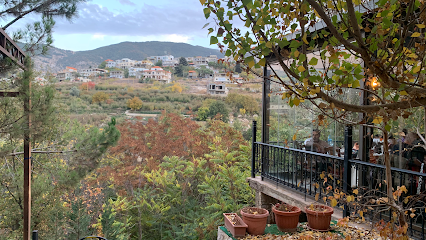
Al Mamlaka Restaurant
4.1 km
Experience authentic Lebanese flavors amidst breathtaking views at Al Mamlaka Restaurant in Barouk.
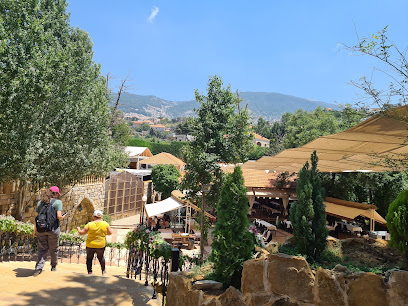
Old Rock Restaurant
6.0 km
Experience authentic Lebanese cuisine at Old Rock Restaurant - where tradition meets taste in every bite.
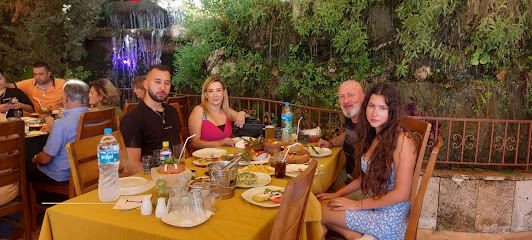
LaYali AlQamar ليالي القمر
6.5 km
Experience authentic Lebanese cuisine at LaYali AlQamar in West Bekaa - where tradition meets taste in every dish.
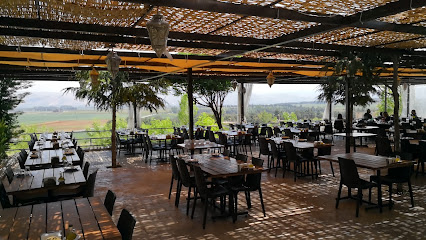
nabe3 mirched
6.6 km
Discover the rich flavors of authentic Lebanese cuisine at nabe3 mirched in Boutmeh – where every dish tells a story.
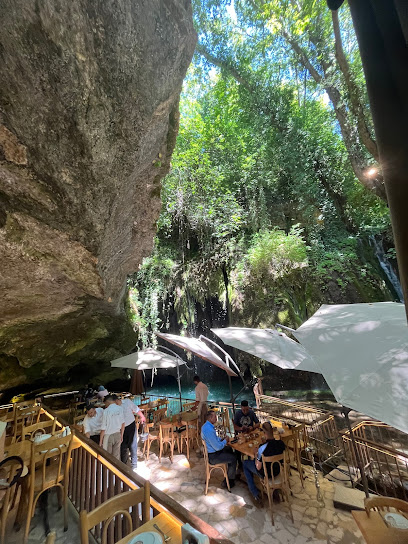
مطعم نبع مرشد - Nabeh Merched Restaurant
6.7 km
Experience authentic Lebanese cuisine with stunning views at Nabeh Merched Restaurant in Moukhtara, Shouf - a true culinary delight.
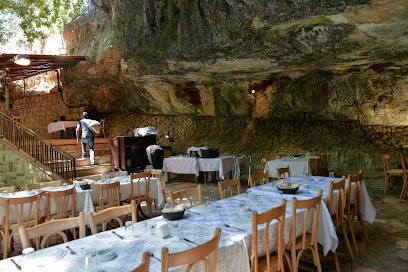
Jar Al Arez - جار الأرز
7.3 km
Savor authentic Lebanese cuisine amidst breathtaking views at Jar Al Arez in Ain Zhalta's Shouf Biosphere Reserve.
Markets, malls and hidden boutiques

Shouf
6.2 km
Explore Shouf Supermarket in Boutmeh for a diverse selection of local flavors and fresh ingredients that embody the essence of Lebanese cuisine.
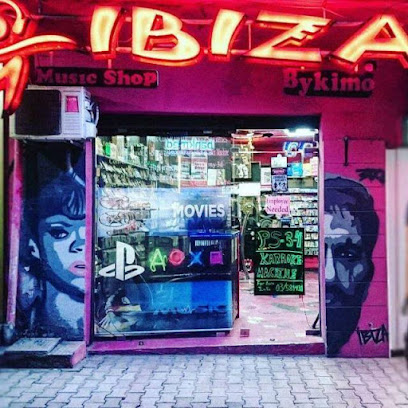
IBIZA Music Shop
8.5 km
Experience the heartbeat of music culture at Ibiza Music Shop in Boqaata, where vibrant sounds meet eclectic finds.
beayni design
9.6 km
Explore Beayni Design in Samqaniyeh for exquisite home goods blending local craftsmanship and modern design.
Harmouch Auto Parts
9.6 km
Discover top-quality car accessories at Harmouch Auto Parts in Samqaniyeh, where automotive excellence meets customer satisfaction.
Bag n Save
9.7 km
Explore Bag n Save in Samqaniyeh for unbeatable deals on fashion, home goods, and unique souvenirs at an exceptional outlet store.
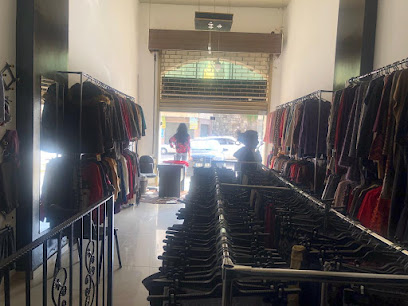
Mobilium Lebanon
9.8 km
Explore Mobilium Lebanon for exquisite furniture that merges style, quality, and local craftsmanship in a breathtaking setting.
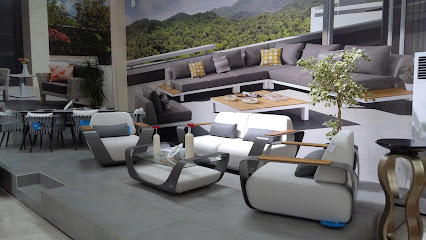
Khattar Group KGC Offices
9.9 km
Discover the vibrant shopping experience at Khattar Group KGC Offices in Samqaniyeh, Lebanon, where local culture meets modern retail.
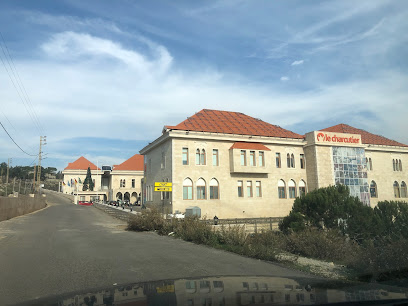
Karaca Lebanon
9.9 km
Explore the exquisite craftsmanship of Karaca Lebanon, where tradition meets modern elegance in stunning furniture and decor.
PrimeTech Electronics & Home Appliances
9.9 km
Explore the latest in technology at PrimeTech Electronics & Home Appliances, your go-to destination for innovative gadgets and essential home electronics.
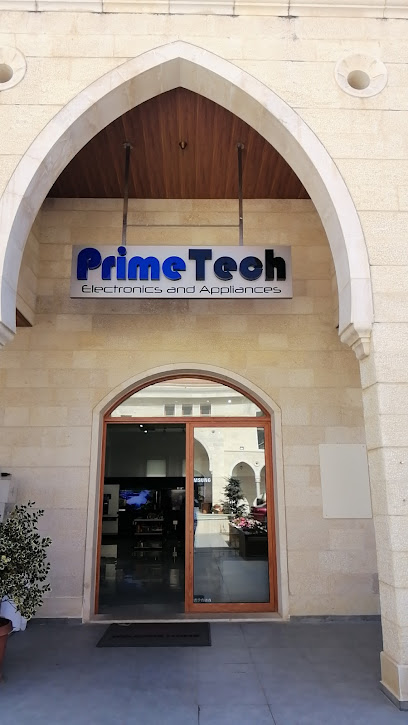
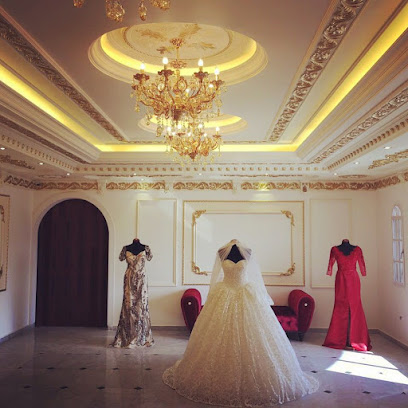
DK Haute Couture
10.0 km
Explore luxury fashion at DK Haute Couture in Beit ed-Dine, where elegance meets exquisite craftsmanship in every piece.
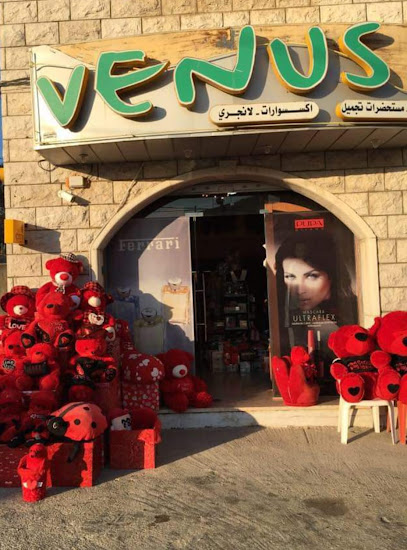
Venus Perfumerie
10.0 km
Discover the art of fragrance at Venus Perfumerie in Samqaniyeh, where unique scents and artisanal craftsmanship come together.
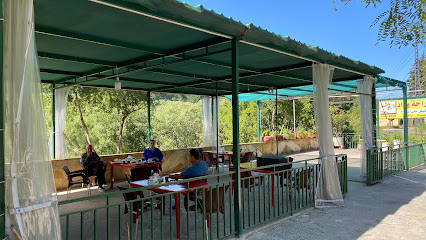
Ghandour Fadoul Saj
10.1 km
Experience the authentic flavors of Lebanon at Ghandour Fadoul Saj, a delightful bakery in Deir El Qamar, where every bite tells a story.
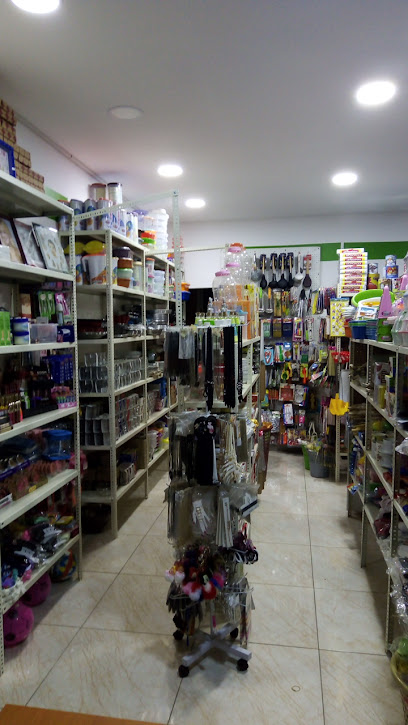
المعرض الشعبي 1$ shop
11.0 km
Experience the best of Baakleen at الم exhibition الشعبي 1$ shop, where affordability meets unique local treasures.
COIN PAIN
11.0 km
Experience the authentic taste of Lebanese pastries and breads at COIN PAIN, a must-visit bakery in Baakleen.
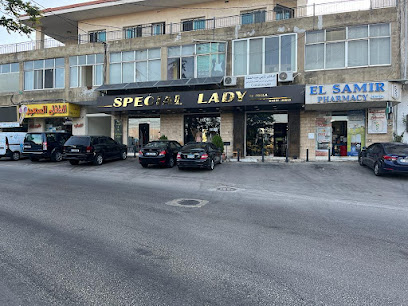
Special Lady Boutique
11.3 km
Explore stylish clothing and unique accessories at Baakleen's Special Lady Boutique, where fashion meets elegance in a delightful shopping experience.
Essential bars & hidden hideouts

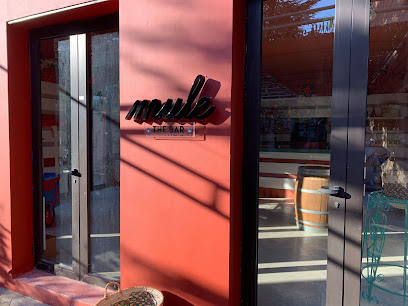
Mule the Bar
2.3 km
Experience the charm of Mule the Bar in Maaser El Chouf, where local flavors meet a vibrant atmosphere for an unforgettable night out.
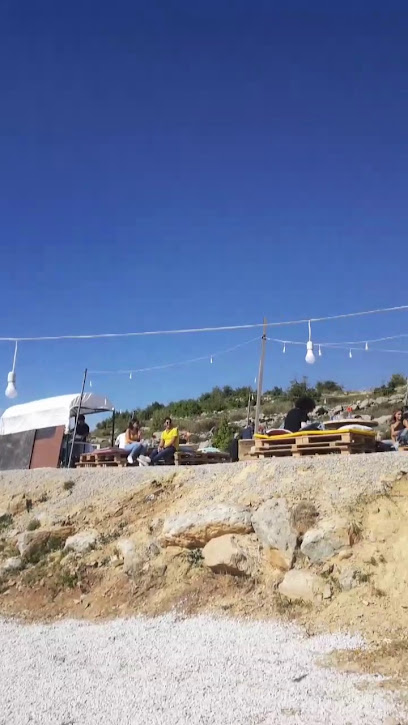
Chalalat Al Barouk
4.1 km
Discover the flavors of Lebanon at Chalalat Al Barouk, a charming restaurant in Fraidis renowned for its authentic cuisine and stunning views.
Liqueur Alcoholic Shop
6.9 km
Discover the rich flavors of Lebanon at the Liqueur Alcoholic Shop, where local spirits come to life in a charming and inviting atmosphere.
Masay
7.1 km
Discover the lively bar scene at Masay in Saghbine, where local culture meets vibrant nightlife and refreshing drinks await.
Sunbeat
7.7 km
Discover the vibrant nightlife at Sunbeat in Kfar Niss, where delicious cocktails and a lively atmosphere await every visitor.
The Bear
8.8 km
Experience the charm of The Bear pub in Samqaniyeh, where local brews meet hearty fare in a cozy atmosphere.
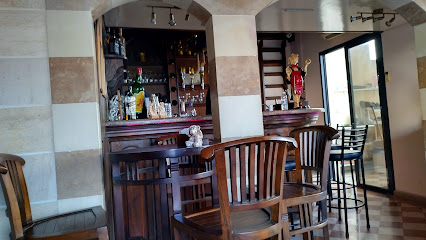
Snou-bar
10.3 km
Discover the lively charm of Snou-bar in Beit ed-Dine, where local drinks and a vibrant atmosphere await every visitor.
Blue room
11.0 km
Experience the serene charm of the Blue Room Lounge in Niha, where relaxation meets Lebanese hospitality in a cozy atmosphere.
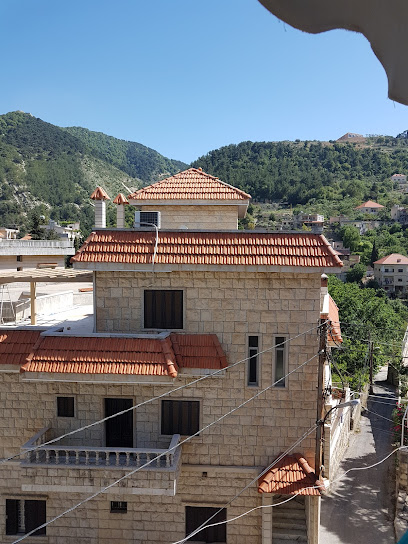
Portico
12.0 km
Discover Portico, a charming bar in Deir El Qamar offering delightful drinks and stunning views in a vibrant atmosphere.
Zaya Pub
12.1 km
Discover Zaya Pub in Deir El Qamar, where local charm meets a lively atmosphere perfect for unwinding with friends and enjoying delicious refreshments.
Cintra
12.2 km
Experience the vibrant nightlife of Deir El Qamar at Cintra, where local flavors and a lively atmosphere invite you to unwind and socialize.
Gardenia - Restaurant
12.2 km
Experience authentic Lebanese flavors at Gardenia Restaurant in Deir El Qamar, where culinary tradition meets stunning scenery.
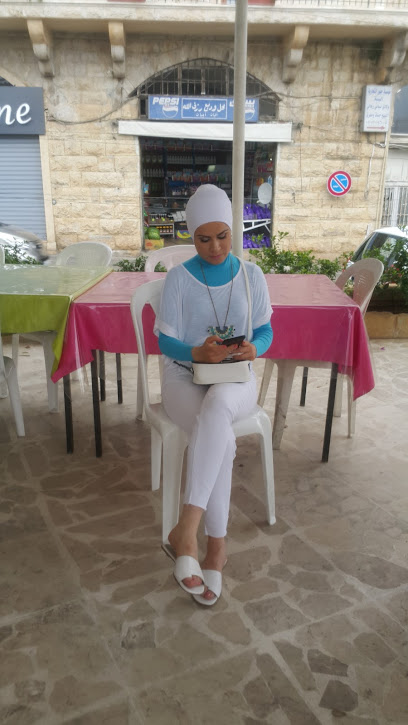
O Nature
12.4 km
Experience the serenity of O Nature in Deir El Qamar, Lebanon's hidden gem for cultural immersion and natural beauty.
Deir al Oumara
12.4 km
Discover the historical beauty and authentic Lebanese flavors at Deir al Oumara in Deir al Qamar, a perfect getaway for travelers.
The Bush of Aindara
12.9 km
Discover the perfect blend of local charm and refreshing drinks at The Bush of Aindara, a must-visit bar in Ain Dara, Lebanon.
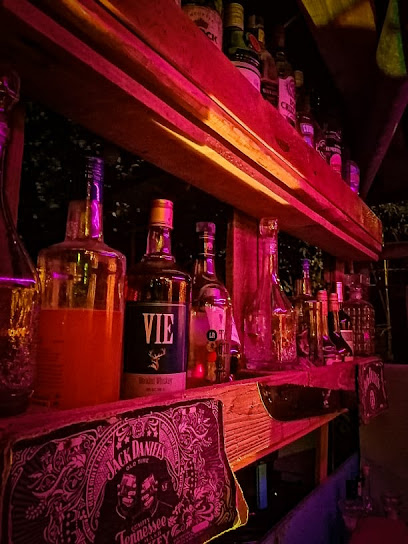
Nightclubs & after hour spots

Beit El Hana
2.3 km
Discover the charm of Lebanon at Beit El Hana, a cozy lodging nestled in picturesque surroundings offering a warm and homely atmosphere.
Royal venue
6.2 km
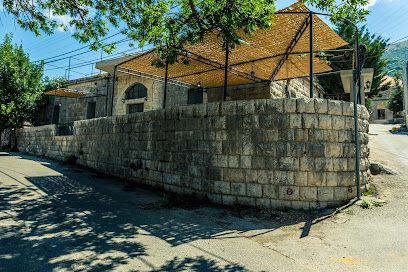
Discover the electrifying atmosphere and vibrant nightlife at the Royal Venue, the premier night club in Tal Znoub El Jdideh.
RAD Night Club
11.2 km
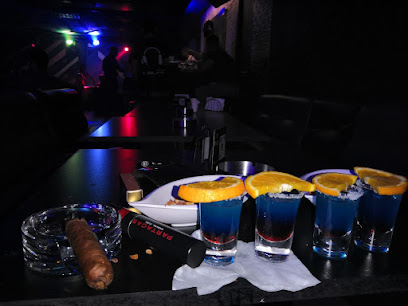
Dive into Baakleen's nightlife at RAD Night Club, where electrifying music, vibrant atmosphere, and unforgettable experiences await you.
Yammine's home
12.2 km
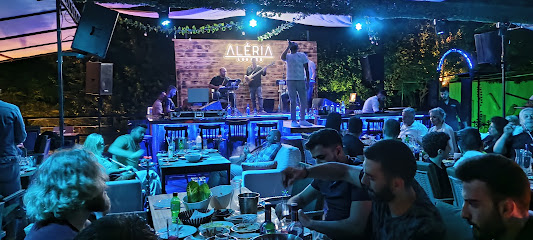
Unleash your night at Yammine's Home, Ain Dara's vibrant nightlife haven filled with music, dance, and unforgettable experiences.
Aleria Lounge
17.0 km
Discover the ultimate lounge experience at Aleria Lounge in Aley, where exquisite drinks and a vibrant atmosphere await you.
THE cLAN
17.1 km
Experience the ultimate gaming adventure at The cLAN in Aley, Lebanon - where gamers unite for fun and competition.
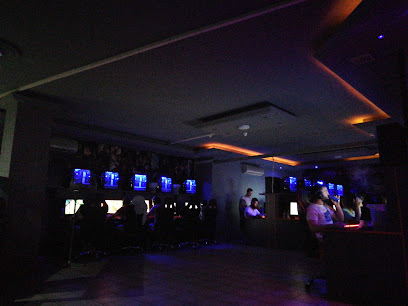
Idyll Bar
17.6 km
Idyll Bar: A serene lakeside retreat offering refreshing beverages and stunning views for a perfect relaxation experience in Jezzine.
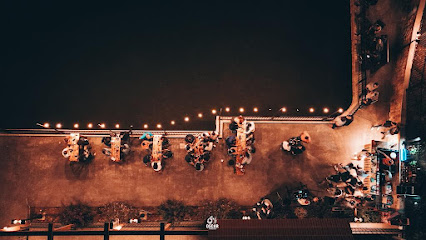
Cheers On Top
17.8 km
Discover Cheers On Top, Jezzine's vibrant lounge offering stunning views, delicious drinks, and a taste of local culture.
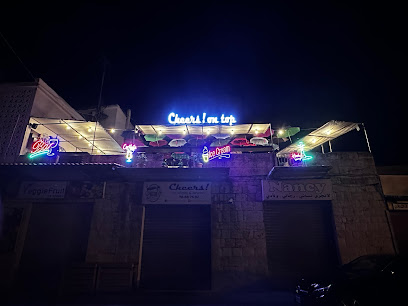
La Pizzeria Lebanon
17.9 km
Experience the authentic taste of Italy at La Pizzeria Lebanon, a charming bar and restaurant in Jezzine, perfect for food lovers and travelers.
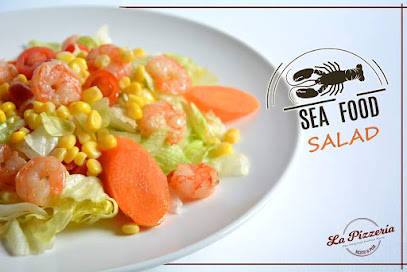
Amsterdam Bar - Lebanon
18.1 km
Discover the lively ambiance and exquisite cocktails at Amsterdam Bar in Aley, Lebanon, a premier destination for nightlife enthusiasts.
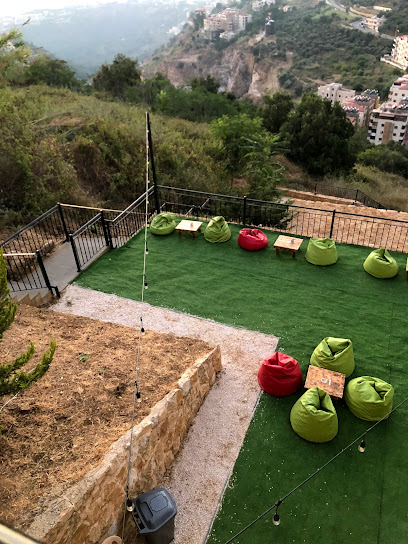
Livtheclub on the Roof
18.2 km
Discover the vibrant nightlife at Livtheclub on the Roof in Bkassine, where stunning views meet electrifying music and unforgettable experiences.
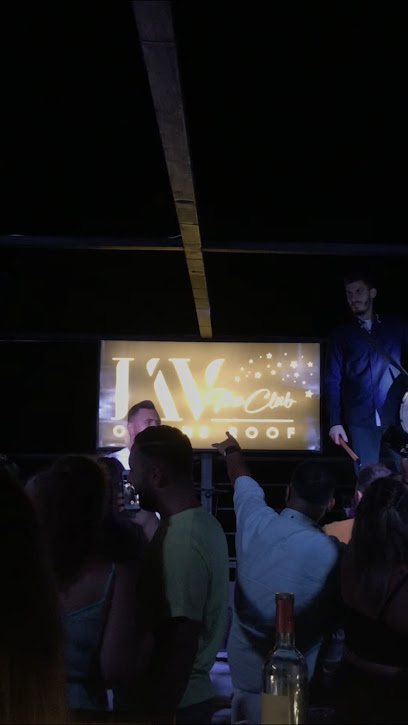
Fusion Cocktail Lounge
19.7 km
Discover the vibrant nightlife of Azour at Fusion Cocktail Lounge, where exquisite cocktails and a stylish ambiance await every visitor.
Al Achkar Rooftop
19.9 km
Experience the breathtaking views and exquisite cuisine at Al Achkar Rooftop Lounge, the perfect getaway in Aaraiya for unforgettable evenings under the stars.
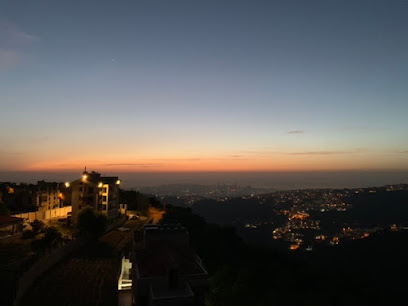
livtheclub
20.0 km
Discover the pulse of Saida's nightlife at livtheclub, where unforgettable nights and vibrant memories come to life.
Ashtar Hall
20.2 km
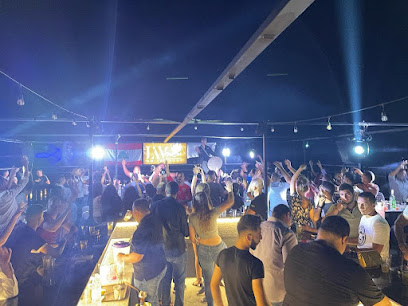
Experience tranquility at Ashtar Hall in Mazboud, a perfect lounge for relaxation amidst local culture and delightful refreshments.