Heneine palace, Beirut Travel Guide
Discover the Ottoman-era Heneine Palace in Beirut, a historical landmark with Moorish-inspired architecture, once a hub for consulates and intellectuals.
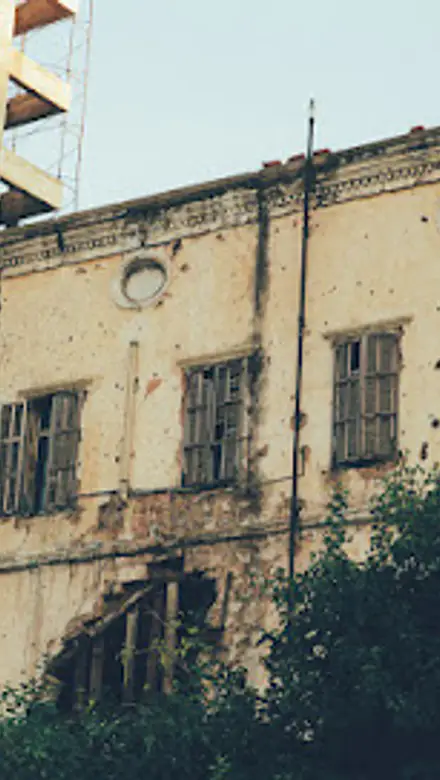
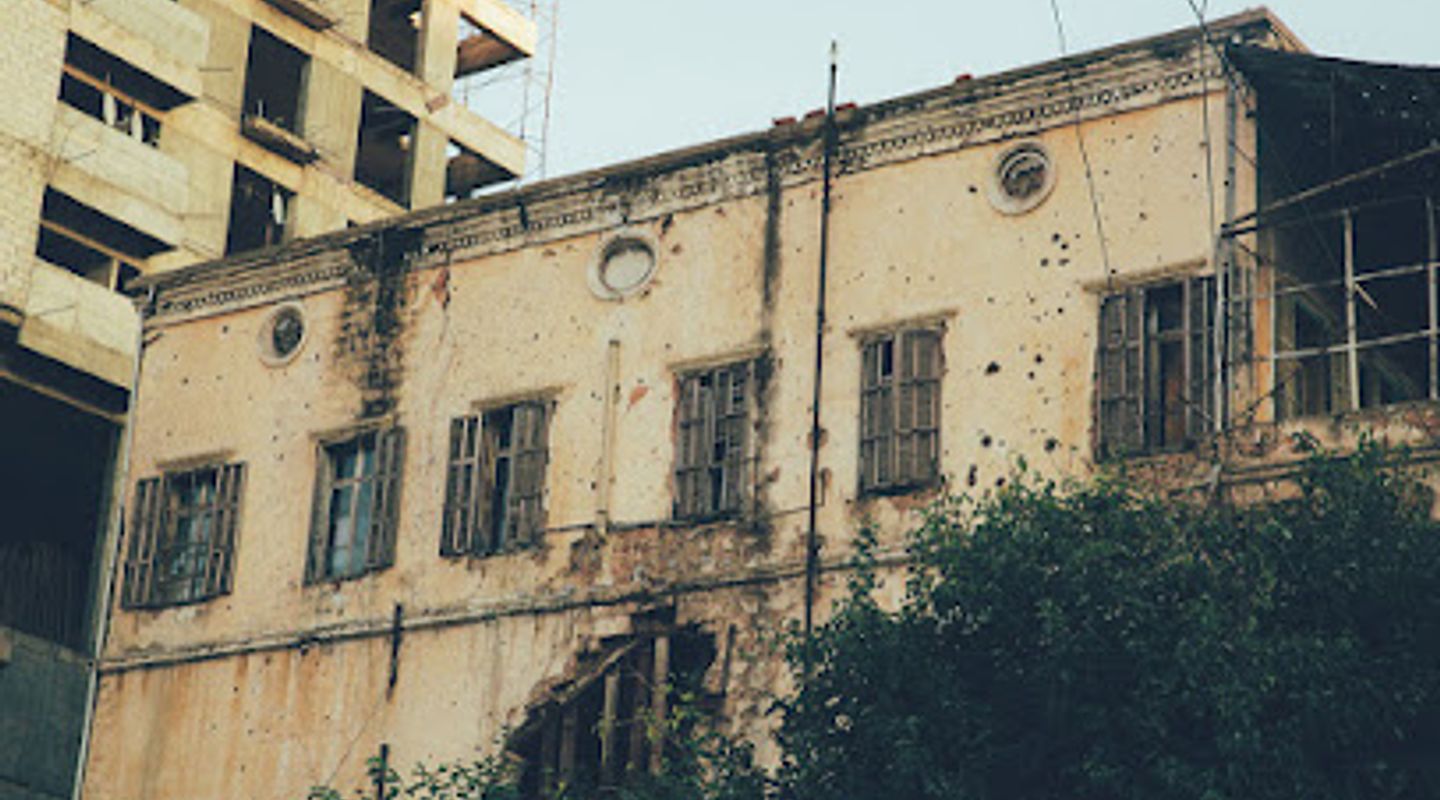
Heneine Palace, located in Beirut's Zokak el-Blat district, is a late 19th-century Ottoman-era palace showcasing Moorish-inspired architecture. Once a symbol of Beirut's elite, it housed consulates and intellectuals before falling into disrepair during the Lebanese Civil War. Today, it stands as a landmark, a reminder of Beirut's rich, though endangered, cultural heritage.
A brief summary to Heneine palace
- VFVW+QFM, Beirut, LB
- Click to display

Know before you go
Hi, I'm Eve. Here are a few practical things to know before exploring Heneine palace.
- Explore the Zokak el-Blat district, known for its historical buildings and cultural significance.
- Take photos during the golden hour for the best lighting to capture the palace's architectural details.
- Check local news for potential open days or events at the palace, as access is limited.
Do you manage this location?
Take control to get all the benefits, like improved information, better appearance, and stronger visibility across AI-powered discovery. Learn more about listing your business on Evendo
Activate your presenceOther nearby places you may find interesting
The closest places of the same kind, if this one is not quite what you had in mind.

Explore Heneine palace on the Map
A handpicked selection of must-see spots near Heneine palace, mapped for you.
Getting There
-
Walking
From the Beirut City Center, head southwest towards Zokak el-Blat. Heneine Palace is located in the heart of this historic district. The walk is approximately 15-20 minutes, allowing you to appreciate the surrounding architecture. Note that the palace may not be open to the public, so viewing is typically limited to the exterior.
-
Public Transport
Several buses and service taxis (shared taxis) operate in Beirut. From major transport hubs like Charles Helou Station or Cola, take a bus or service taxi heading towards Zokak el-Blat. Ask the driver to drop you off near the palace. Bus fares are typically inexpensive, costing around 0.78 to 1.12 USD. Service taxis may require some fare negotiation, but a short trip should cost approximately 3 to 6 USD.
-
Taxi
Taxis are readily available throughout Beirut. A taxi ride from Beirut City Center to Heneine Palace in Zokak el-Blat will take around 10-15 minutes, depending on traffic. Agree on a fare before starting your journey. A standard taxi trip within the city should cost around 6 EUR (approximately 6.40 USD), but fares may be higher at night. App-based taxi services like CTaxi are also available, potentially offering fixed per-kilometer fares.
Discover more about Heneine palace













Your all‑in‑one travel companion app
Explore expert travel guides, compare and book tours, experiences, hotels, and more—all from the palm of your hand. Download now for seamless trip planning wherever your wanderlust takes you.


Explore More of Beirut
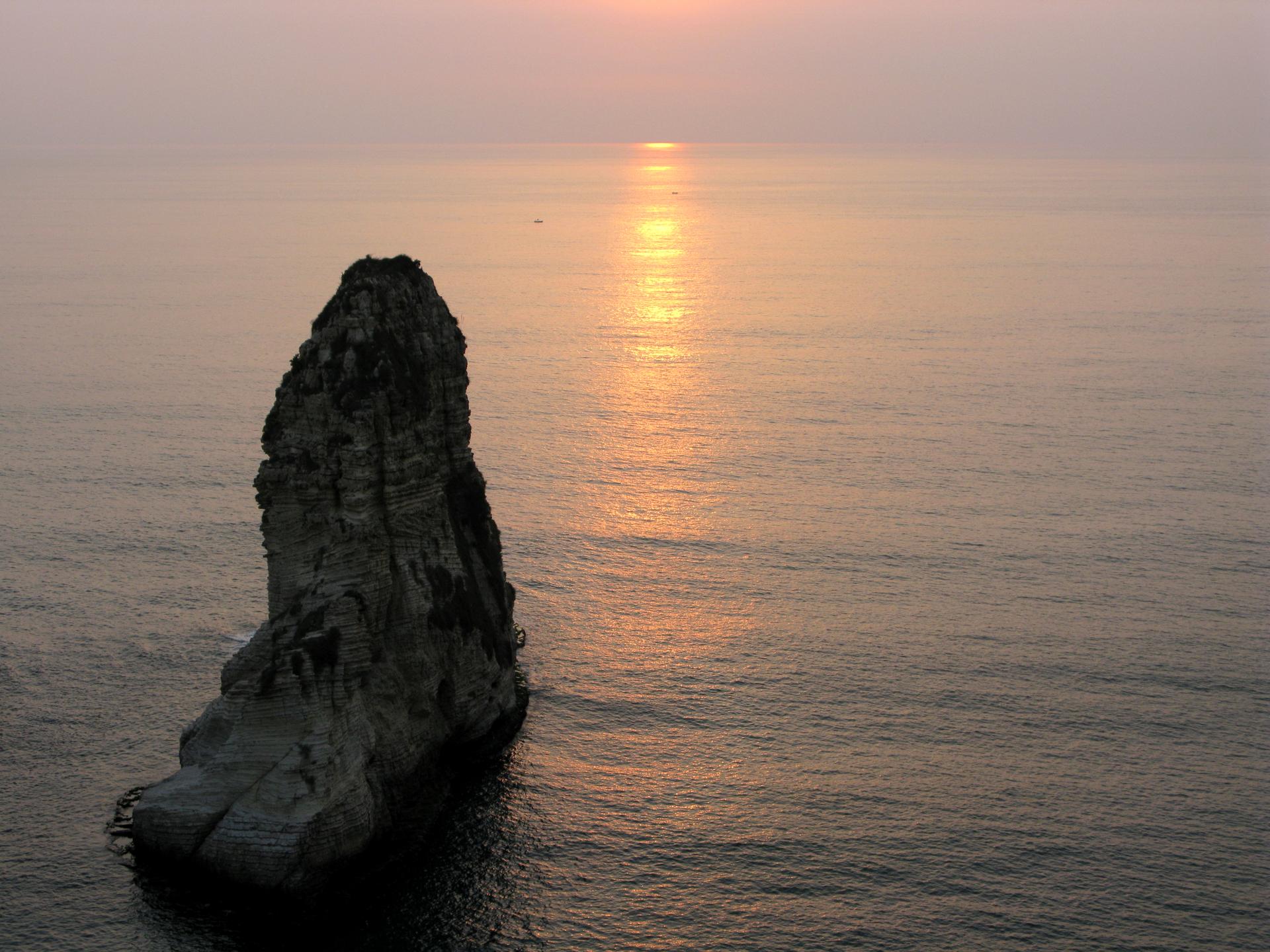
Looking beyond Heneine palace? Discover Beirut for broader travel guides, local hot-spots, and regional highlights.
Explore Beirut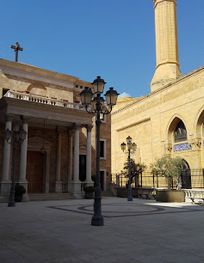
Discover Beirut's hidden history at the Saint George Cathedral Crypt Museum, showcasing artifacts from the Hellenistic to Ottoman periods.
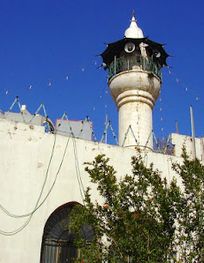
Explore the historic مسجد زقاق البلاط in Beirut, a serene mosque with stunning Ottoman architecture and a rich cultural heritage.