

Free Berea Travel Guide & Mobile App
Explore Berea with free travel guides. Discover regional history, expert tips, proposed trips, and audio guides on web or mobile app.


Explore Berea in Lesotho for plateau landscapes, Basotho history, Teyateyaneng crafts, village life and accessible highland excursions.
Read more about Berea
When is the best time to visit Berea?
Best: March, October–November · 24–26°C| Month | High (°C) | Rainfall (mm) |
|---|---|---|
| January | 27 | 60 |
| February | 26 | 50 |
| March (best) | 25 | 55 |
| April | 22 | 45 |
| May | 19 | 40 |
| June | 16 | 35 |
| July | 16 | 30 |
| August | 18 | 36 |
| September | 21 | 40 |
| October (best) | 24 | 45 |
| November (best) | 26 | 50 |
| December | 26 | 55 |
Getting to and around Berea
How to get there
Transportation
Top city travel guides in Berea
The cities of Berea, and the easiest places to base yourself.
-

-

-


Swipe for more cities
Destinations in Berea
Resorts, valleys and scenic spots worth a trip of their own.
-

-


Swipe for more destinations
Best attractions in Berea
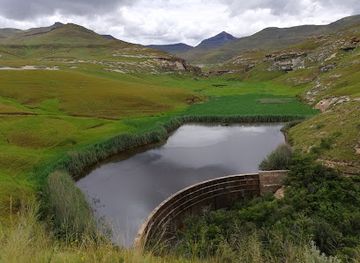
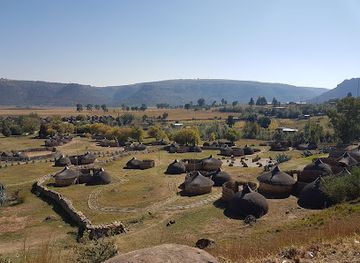
Berea’s attractions are concentrated in its landscape, living culture and historical associations rather than in a dense collection of ticketed sites. Teyateyaneng is the district’s principal visitor stop, with craft shops and textile workshops where visitors can see and buy woven goods, blankets, baskets and other products linked to Lesotho’s material culture. Beyond the town, the Berea plateau offers open views, village scenery and opportunities for walking or scenic driving, while sandstone valleys and seasonal watercourses create a varied setting for outdoor exploration. The district’s churches, schools and settlements reflect the influence of nineteenth-century missions and the continuing importance of Christian community life. History can be encountered through the terrain associated with the Battle of Berea and through local accounts of Basotho state formation, colonial rule and chiefly authority. Rural visits are most rewarding when arranged with local guidance, since many places are working communities rather than formal attractions. Travellers should not expect the interpretive facilities, marked trails or regular opening hours found at major national museums, but this less formal character provides a direct view of everyday highland life, agriculture, livestock keeping and craft production.
-
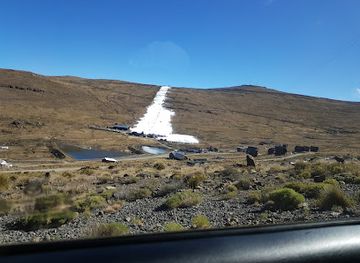
Ski resort
Afriski Mountain Resort
Experience alpine adventure in the heart of Africa at Afriski Mountain Resort, Lesotho. Skiing, snowboarding, and year-round outdoor activities await!
-
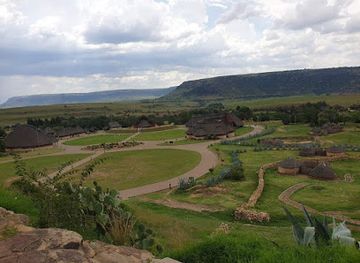
Tourist attraction
Thaba Bosiu Cultural Village
Explore the heart of Lesotho at Thaba Bosiu Cultural Village, where history, culture, and breathtaking scenery converge. A Basotho heritage experience.
-
 Lodge
LodgeSemonkong Lodge
Experience Lesotho's highlands: adventure, culture, and stunning scenery at Semonkong Lodge, the 'Place of Smoke'.
-
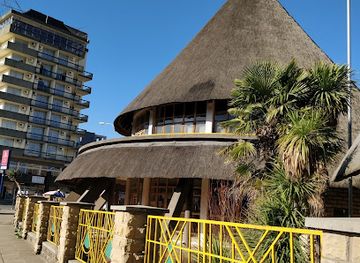
Stores and shopping
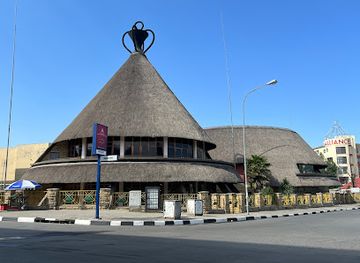
Basotho Hat
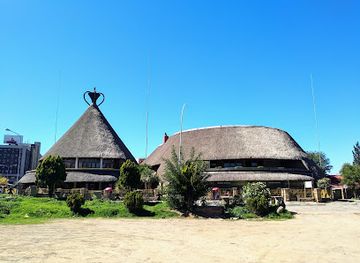
Discover Lesotho's culture at the iconic Basotho Hat, a unique shopping experience in Maseru showcasing traditional crafts and the famous Mokorotlo.
Best landmarks in Berea
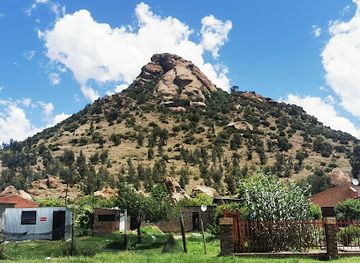
Berea Mountain and the surrounding plateau are the district’s most significant geographical and historical landmarks. The high ground is associated with the Battle of Berea of 1852, when Basotho forces resisted a British expedition, and it helps explain why the district held strategic importance during the formation of the kingdom. The terrain is marked by broad grasslands, steep valley edges and exposed sandstone, with views that reveal the relationship between settlement, cultivation and grazing. Teyateyaneng itself is a recognisable civic and commercial landmark within the district, not because of a single monumental building but because it represents Berea’s administrative centre and its modern association with Basotho textile production. Village churches and mission-era school buildings, where preserved, provide smaller architectural markers of the nineteenth-century expansion of Christianity and literacy. The most meaningful landmarks are often dispersed and locally interpreted rather than signposted as major monuments, so visitors should seek permission before entering church grounds, photographing buildings or walking across apparently open land that may be privately used.
-
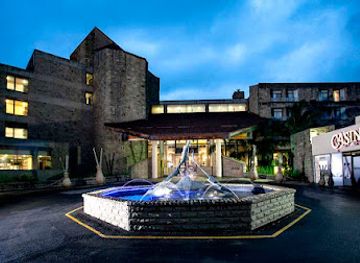
Hotel
Avani Lesotho Hotel & Casino
Discover the perfect blend of luxury and excitement at Avani Lesotho Hotel & Casino, your gateway to the breathtaking beauty of Maseru.
-
River
Mohokare River
Experience the natural beauty and tranquility of the Mohokare River in Lesotho, a serene destination for relaxation and outdoor adventures.
-
Tourist attraction
Thaba Bosiu Cultural Village
Discover the vibrant culture and history of Lesotho at Thaba Bosiu Cultural Village, where tradition meets breathtaking landscapes.
-
Hotel
Maliba Lodge
Discover the unmatched beauty and luxury of Maliba Lodge in Lesotho, where adventure meets relaxation in breathtaking surroundings.
Explore Berea on the map
Plan your trip on one map. See where the top cities, national parks and sights are, and book hotels and experiences in a few clicks.
Best hotels in Berea
Best restaurants in Berea
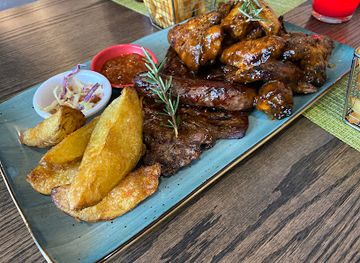
Dining in Berea is largely local and practical, centred on family kitchens, cafés, small restaurants, roadside vendors and informal food stalls rather than a specialised fine-dining scene. Common Basotho foods include papa, a stiff maize meal served with vegetables, beans, meat or gravy, as well as stews, leafy greens and dishes using sorghum or other grains. Chicken, beef and mutton may appear in town restaurants, while bread, fried dough and tea are useful choices during road journeys. Teyateyaneng offers the broadest selection of everyday meals and provisions in the district, although rural trading centres have fewer options and may close early. Local markets can be useful for fruit, vegetables and simple snacks when available. Lesotho’s hot drinks and South African-influenced refreshments are widely encountered, while commercially produced beer is more common than a distinct Berea beverage tradition. Carry water and snacks when travelling through the countryside, and ask about ingredients if you have dietary restrictions, since menus may be informal or communicated verbally.
-
Hotel
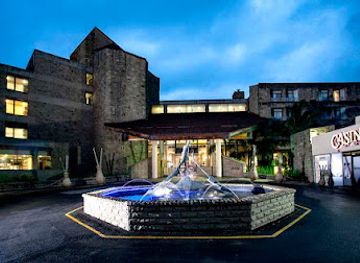
Avani Lesotho Hotel & Casino
Experience unparalleled luxury and entertainment at Avani Lesotho Hotel & Casino – your perfect getaway in Maseru.
-
Restaurant
Lancer's Inn Hotel Maseru
Experience delightful dining and cozy accommodations at Lancer's Inn Hotel in Maseru - your gateway to authentic Basotho hospitality.
-
Guest house
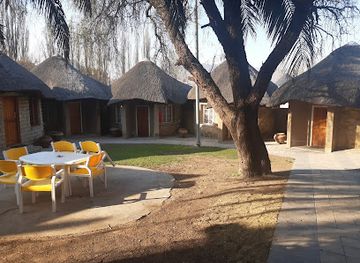
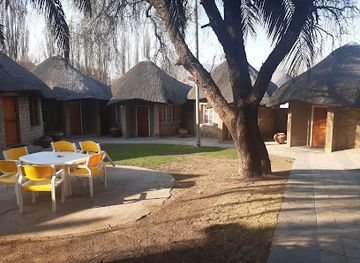
Botleng Guest House
Discover comfort and culture at Botleng Guest House in Bokatis Store, Lesotho - your ideal retreat for exploring stunning landscapes.
-
Restaurant
The Market
Discover the delightful fusion of local and international flavors at The Market in Maseru – where every meal tells a story.
Best bars in Berea
Berea’s evening culture is modest and community-based. In Teyateyaneng, visitors can find a selection of pubs, taverns, casual restaurants and small venues where people meet after work, watch sport or listen to music, but the district does not have the concentrated nightclub scene associated with larger urban centres. In rural areas, evenings usually revolve around households, church groups, local gatherings and occasional social events rather than late-night entertainment. Live music and choral traditions are important across Lesotho, although performances vary by season and community and should not be assumed to follow a regular tourist schedule. Some lodges and guesthouses provide a quiet bar or communal evening space, while larger nightlife options are more likely to be found in nearby Maseru, outside Berea. Travel back to accommodation before late night, particularly on unfamiliar rural roads, and arrange a trusted taxi or driver rather than walking long distances in darkness.
-
Hotel
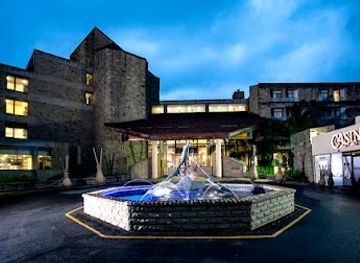
Avani Lesotho Hotel & Casino
Discover the perfect blend of luxury and entertainment at Avani Lesotho Hotel & Casino in Maseru, where comfort meets excitement amidst stunning views.
-
Hotel
Lancer's Inn Hotel Maseru
Discover the elegance of Lancer's Inn Hotel in Maseru, Lesotho, where comfort meets local culture.
-
Stores and shopping
Basotho Hat
Explore authentic Basotho crafts at the Basotho Hat in Maseru, where cultural heritage meets vibrant shopping for unforgettable souvenirs.
-
Tourist attraction
The Lion Rock Mountain
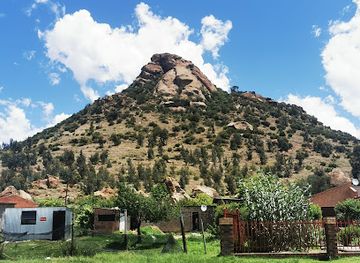
Discover the breathtaking views and rich cultural heritage at The Lion Rock Mountain, a must-visit tourist attraction in Maseru, Lesotho.
Best nightclubs in Berea
Berea’s evening culture is modest and community-based. In Teyateyaneng, visitors can find a selection of pubs, taverns, casual restaurants and small venues where people meet after work, watch sport or listen to music, but the district does not have the concentrated nightclub scene associated with larger urban centres. In rural areas, evenings usually revolve around households, church groups, local gatherings and occasional social events rather than late-night entertainment. Live music and choral traditions are important across Lesotho, although performances vary by season and community and should not be assumed to follow a regular tourist schedule. Some lodges and guesthouses provide a quiet bar or communal evening space, while larger nightlife options are more likely to be found in nearby Maseru, outside Berea. Travel back to accommodation before late night, particularly on unfamiliar rural roads, and arrange a trusted taxi or driver rather than walking long distances in darkness.
-
Hotel
Avani Lesotho Hotel & Casino
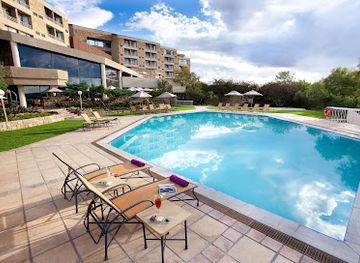
Discover the blend of luxury and adventure at Avani Lesotho Hotel & Casino, where modern comfort meets the rich culture of Lesotho.
-
Hotel
Lancer's Inn Hotel Maseru
Discover comfort and elegance at Lancer's Inn Hotel in Maseru, where modern amenities meet local charm for an unforgettable stay.
-
Night club
Khubetsoana
Experience the vibrant nightlife at Khubetsoana in Maseru, where music and dance create unforgettable moments.
-
Tourist attraction
The Lion Rock Mountain
Discover the breathtaking views and rich heritage at Lion Rock Mountain, a must-visit natural attraction in Maseru, Lesotho.

Best shops in Berea
Teyateyaneng is Berea’s main shopping destination and is particularly known for Basotho textiles and handicrafts. Visitors can look for woollen goods, traditional blankets, woven fabrics, baskets, pottery, leather items and small decorative objects, with quality and materials varying between sellers. A blanket is a practical and culturally significant purchase, but ask about washing, fibre content and whether the design is locally made before buying. The town also has ordinary shops for food, clothing and household goods, while smaller settlements rely on basic stores and informal trading. Market activity may be strongest on particular days and can change with weather, holidays and local supply, so do not depend on finding a specialist product at a fixed time. Bargaining is not always expected in formal shops; in open markets, polite negotiation is more appropriate than aggressive haggling. Pack fragile crafts carefully and retain receipts for higher-value purchases, especially when crossing the border into South Africa.
-
Hotel
Avani Lesotho Hotel & Casino
Discover a luxurious stay at Avani Lesotho Hotel & Casino, where comfort meets entertainment amidst stunning mountain views.
-
Shopping mall
Maseru Mall
Explore Maseru Mall, Lesotho's vibrant shopping hub with diverse stores, dining options, and a lively atmosphere for tourists and locals alike.
-
Shopping mall
Pioneer Mall Maseru
Discover a vibrant shopping experience at Pioneer Mall Maseru, blending local culture with global brands in the heart of Lesotho.
-
Stores and shopping
Basotho Hat
Explore Basotho Hat in Maseru: A vibrant shopping destination showcasing traditional crafts, textiles, and the rich heritage of Lesotho.
Get your free copy of our complete guide to Berea, delivered straight to you.
Everything on this page, from attractions and restaurants to essentials and local phrases, in one PDF you can read offline, print or share.
Already have an account? Sign in
Your Berea guide is ready.
We'll send it to · Not you? Sign out

Getting your guide ready…
We are putting together a fresh copy of the Berea guide. This can take up to a minute.
This can take a few moments. If your browser asks, choose Allow so the download can start. You'll find the guide in your Downloads folder.
Nothing happened? Download it again
Sorry, the guide is taking longer than usual. Please try again in a minute, or get it by email instead.
Berea essentials
Currency and Payment
Safety
Emergency Situations
Do's and Don'ts
Local Tips
From Eve
Local phrases worth knowing
You don't need to get them perfect. A few words go a long way, and locals appreciate the effort.
Basics
| English | Local | Say it |
|---|---|---|
| Hello | Hello | [Hello] |
| Goodbye | Goodbye | [Goodbye] |
| Yes | Yes | [Yes] |
| No | No | [No] |
| Please/You're welcome | Please/You're welcome | [Please/You're welcome] |
| Thank you | Thank you | [Thank you] |
| Excuse me/Sorry | Excuse me/Sorry | [Excuse me/Sorry] |
| How are you? | How are you? | [How are you?] |
| Fine. And you? | Fine. And you? | [Fine. And you?] |
| Do you speak English? | Do you speak English? | [Do you speak English?] |
| I don't understand | I don't understand | [I don't understand] |
Eating & Drinking
| English | Local | Say it |
|---|---|---|
| I'd like to see the menu, please | I'd like to see the menu, please | [I'd like to see the menu, please] |
| I don't eat meat | I don't eat meat | [I don't eat meat] |
| Cheers! | Cheers! | [Cheers!] |
| I would like to pay, please | I would like to pay, please | [I would like to pay, please] |
Emergencies
| English | Local | Say it |
|---|---|---|
| Help! | Help! | [Help!] |
| Go away! | Go away! | [Go away!] |
| Call the Police! | Call the Police! | [Call the Police!] |
| Call a doctor! | Call a doctor! | [Call a doctor!] |
| I'm lost | I'm lost | [I'm lost] |
| I'm ill | I'm ill | [I'm ill] |
Shopping
| English | Local | Say it |
|---|---|---|
| I'd like to buy... | I'd like to buy... | [I'd like to buy...] |
| I'm just looking | I'm just looking | [I'm just looking] |
| How much is it? | How much is it? | [How much is it?] |
| That's too expensive | That's too expensive | [That's too expensive] |
| Can you lower the price? | Can you lower the price? | [Can you lower the price?] |
Time & Numbers
| English | Local | Say it |
|---|---|---|
| What time is it? | What time is it? | [What time is it?] |
| It's one o'clock | It's one o'clock | [It's one o'clock] |
| Half past (10) | Half past (10) | [Half past (10)] |
| Morning | Morning | [Morning] |
| Afternoon | Afternoon | [Afternoon] |
| Evening | Evening | [Evening] |
| Yesterday | Yesterday | [Yesterday] |
| Today | Today | [Today] |
| Tomorrow | Tomorrow | [Tomorrow] |
| 1 | 1 | [1] |
| 2 | 2 | [2] |
| 3 | 3 | [3] |
| 4 | 4 | [4] |
| 5 | 5 | [5] |
| 6 | 6 | [6] |
| 7 | 7 | [7] |
| 8 | 8 | [8] |
| 9 | 9 | [9] |
| 10 | 10 | [10] |
Transport & Directions
| English | Local | Say it |
|---|---|---|
| Where's a/the...? | Where's a/the...? | [Where's a/the...?] |
| What's the address? | What's the address? | [What's the address?] |
| Can you show me (on the map)? | Can you show me (on the map)? | [Can you show me (on the map)?] |
| When's the next (bus)? | When's the next (bus)? | [When's the next (bus)?] |
| A ticket (to ....) | A ticket (to ....) | [A ticket (to ....)] |
History of Berea
Early Settlement and San Rock Art
The valleys and sandstone shelters of the region belong to a wider landscape inhabited by San hunter-gatherers before the formation of the Basotho kingdom. Rock paintings and archaeological traces elsewhere in Lesotho record hunting traditions, animals and ritual imagery, although many sites are remote, fragile and not arranged for casual tourism. Later communities used the same valleys for farming, grazing and movement between the lowlands and mountains. This long human history is important because it places Berea within a much older cultural landscape than the nineteenth-century kingdom usually associated with Lesotho.
Moorosi, Difaqane and the Rise of Moshoeshoe I
During the upheavals commonly called the Difaqane or Mfecane in the early nineteenth century, displaced communities moved across southern Africa as warfare and political change disrupted older settlements. Moshoeshoe I gathered followers at mountain strongholds and gradually built the Basotho polity through diplomacy, protection and military organisation. Berea’s plateaux and valleys became part of the developing kingdom’s western heartland. The region’s later settlement patterns, chiefly structures and oral traditions were shaped by this period of migration, alliance-building and conflict.
Christian Missions and Literacy
Missionaries arrived in the territory of the Basotho during the nineteenth century, bringing Christianity, schools and new forms of written communication alongside the disruption of older political and religious arrangements. Mission stations and churches in and around the lowlands helped establish literacy in Sesotho and English and connected local communities to wider networks of trade and administration. In Berea, as across Lesotho, church life became an enduring part of community identity. Mission influence can still be seen in historic churches, school traditions and the prominence of choral and congregational music.
The Battle of Berea, 1852
The Battle of Berea was fought in December 1852 during a British expedition led by Major-General George Cathcart against Moshoeshoe I. British forces advanced into Basotho territory intending to impose authority and collect disputed tribute, but Basotho fighters used the difficult terrain and knowledge of the plateau to resist them. The British withdrawal exposed the limits of military coercion and encouraged a more cautious approach to relations with Moshoeshoe. The conflict gave Berea lasting significance in the political and military history of Lesotho, even though battle locations are not developed as a large formal visitor complex.
Colonial Rule and the Consolidation of Lesotho
After the mid-nineteenth-century conflicts, Basutoland became a British protectorate in 1868, later administered with increasing colonial control while retaining the position of hereditary chiefs and important elements of Basotho political life. Berea’s communities were drawn more closely into taxation, schooling, labour migration and administrative systems centred on district authorities. Roads and mission education altered access to markets and employment, but many households continued to depend on mixed farming and livestock. The period left a layered legacy visible in local authority structures, church institutions and the movement of workers to South African towns and mines.
Teyateyaneng and the Modern Craft Economy
Teyateyaneng developed as an important administrative and commercial centre in the modern district, becoming particularly associated with textiles, weaving and other handicrafts. These activities draw on Lesotho’s long relationship with wool, mohair, blankets and practical household goods, while also responding to tourist and export markets. Craft production has provided income beyond subsistence agriculture and helped give Berea a recognisable economic identity. Contemporary Teyateyaneng combines trading, government services, schools and workshops, reflecting the movement of the district from chiefly organised rural communities towards a more connected modern economy.
Berea in Photos
Browse through our photo collection highlighting the charm and character of the destination.
Neighbouring regions of Berea
The closest regions to Berea, if you have time for more than one.

Swipe for more regions

