

Eastern Region, Liberia Travel Guide
Explore the Eastern Region of Liberia: A haven of rainforests, rare wildlife, rich cultural heritage, and historical landmarks, perfect for adventurers and culture enthusiasts.
The Eastern Region of Liberia is a treasure trove of natural wonders and cultural heritage. This area is home to lush rainforests, breathtaking waterfalls, and diverse wildlife. Visitors can explore the Sapo National Park, Liberia's largest protected area, which is renowned for its dense forests and rare species such as the pygmy hippopotamus and Diana monkey. The park's trails offer a chance to experience the pristine wilderness and listen to the symphony of nature. For those interested in cultural experiences, the Eastern Region provides a glimpse into the rich traditions and customs of local tribes. The region is inhabited by various ethnic groups, including the Grebo and Kru people, who are known for their vibrant festivals, traditional dances, and artisanal crafts. Engaging with the local communities offers a unique opportunity to learn about their way of life and history. The Eastern Region is also known for its historical landmarks. Visitors can explore the remnants of old settlements and colonial-era structures that tell the story of Liberia's past. The region's rivers and beaches offer serene spots for relaxation and reflection. Whether you're an adventure seeker, history buff, or culture enthusiast, the Eastern Region of Liberia promises an unforgettable experience.

Know before you go
Hi, I'm Eve. Here are a few practical things to know before exploring Eastern Region.
- Pack light and breathable clothing as the climate is humid and temperatures can be high.
- Hire a local guide when exploring Sapo National Park for a safer and more informative experience.
- Respect local customs and traditions when visiting tribal communities; always ask for permission before taking photos.
- Carry insect repellent and necessary medications, as medical facilities can be scarce in remote areas.
- Ensure you have a reliable means of transportation as public transport options may be limited.
Top City Travel Guides in Eastern Region
The cities of Eastern Region, and the easiest places to base yourself.


Destinations in Eastern Region
Resorts, valleys and scenic spots worth a trip of their own.


Best landmarks in Eastern Region
Top-rated picks
Best Landmarks

Mamba Point Hotel
Experience luxury and local culture at Mamba Point Hotel, your perfect retreat in the heart of Monrovia, Liberia.

Libassa Ecolodge
Discover the beauty of Liberia at Libassa Ecolodge, a serene resort hotel offering eco-friendly accommodations and a peaceful retreat for nature lovers.

RLJ Kendeja Resort & Villas
Experience luxury and local culture at RLJ Kendeja Resort & Villas, your perfect escape in Liberia's breathtaking coastal paradise.

National Museum of Liberia
Explore Liberia's rich cultural heritage at the National Museum of Liberia, where history comes alive through engaging exhibits and artifacts.

Best restaurants in Eastern Region
Top-rated picks
Best Restaurants

FuZion D'Afrique Restaurant
Experience authentic African cuisine with a modern twist at FuZion D'Afrique Restaurant in Monrovia.

Sajj House
Discover the flavors of Liberia at Sajj House in Monrovia - where tradition meets taste in a welcoming atmosphere.

Diana Restaurant
Experience the rich flavors of Liberia at Diana Restaurant—where European cuisine meets local traditions in a cozy Monrovia setting.

Evelyn's Cuisine
Discover the rich flavors of Liberia at Evelyn's Cuisine – where local ingredients meet culinary creativity in Monrovia.

Best bars in Eastern Region
Top-rated picks
Best Bars
The Royal Grand Hotel
Discover luxury and comfort at The Royal Grand Hotel in Monrovia, Liberia, where elegance meets exceptional service for an unforgettable stay.
Mamba Point Hotel
Experience luxury and comfort at Mamba Point Hotel, Monrovia's premier destination for travelers seeking elegance and local culture.

Boulevard Palace Hotel
Experience luxury and comfort at Boulevard Palace Hotel, your ultimate destination in Monrovia, Liberia, offering exquisite dining and exceptional hospitality.

FuZion D'Afrique Restaurant
Discover the vibrant flavors of Africa at FuZion D'Afrique Restaurant in Monrovia, a must-visit destination for food lovers.

Best nightclubs in Eastern Region
Top-rated picks
Best Nightclubs

Club Wanwosu
Unleash your inner party spirit at Club Wanwosu, the ultimate night club destination in Lou King, Liberia, where unforgettable memories await.

Celavi nightclub
Experience the vibrant nightlife of Monrovia at Celavi Nightclub, where music, dance, and exceptional cocktails come together.

Summer Beach
Experience the vibrant nightlife of Monrovia at Summer Beach, where great music and unforgettable moments await.

Candel Light Night Club
Discover the vibrant nightlife at Candel Light Night Club in Harper, Liberia, a premier destination for dancing, drinks, and unforgettable memories.

Best shops in Eastern Region
Top-rated picks
Best Shops

BabyBoom Shop
Discover the joy of parenting at BabyBoom Shop, Monrovia's premier destination for quality baby products and essentials.

Musu Hair Braiding And Fashion center
Experience the vibrant culture of Liberia at Musu Hair Braiding and Fashion Center, your go-to destination for hair braiding and local fashion.

Mango Rags
Discover unique fashion at Mango Rags in Monrovia, where modern style meets traditional Liberian culture in a vibrant shopping experience.

SHOP LIBERIA Inc.
Experience seamless e-commerce in Liberia with Shop Liberia Inc., offering quality products and exceptional service for every traveler.

Explore Eastern Region on the Map
A handpicked selection of must-see spots in Eastern Region, mapped for you.
Eastern Region Essentials
-
The Eastern Region of Liberia can be accessed via the Roberts International Airport (RIA) in Harbel, which is about 60 kilometers from Monrovia, the capital city. From Monrovia, travelers can take a domestic flight to the local airports in the Eastern Region, such as Zwedru. Alternatively, you can hire a taxi or use bus services that connect Monrovia to the Eastern Region. The journey by road can be long and arduous due to variable road conditions, particularly during the rainy season.
-
Within the Eastern Region, transportation options include taxis, motorbikes, and local minibuses known as 'keh-kehs'. While taxis are relatively inexpensive and can be hired for both short and long distances, motorbikes are a common and cost-effective mode of transport for shorter trips. Public minibuses operate between major towns and cities, offering an affordable means of travel. Renting a car can also be an option but is recommended only for experienced drivers due to the challenging road conditions.
-
The official currency in Liberia is the Liberian Dollar (LRD), though US Dollars are widely accepted. Credit card usage is limited, especially outside major cities, so carrying sufficient cash is advisable. ATMs are available in larger towns, but they may not always be reliable, so it is recommended to withdraw cash in Monrovia before traveling to the Eastern Region.
-
The Eastern Region of Liberia is generally safe for tourists, but caution should be exercised. Avoid traveling alone at night and stay aware of your surroundings. Areas with higher crime rates targeting tourists include certain parts of Zwedru and other larger towns. Petty theft and pickpocketing can occur, so keep your valuables secure. Always use registered taxis and avoid accepting rides from strangers.
-
In case of emergency, dial 911 for immediate assistance. For medical emergencies, there are clinics and hospitals in major towns like Zwedru. It is advisable to have travel insurance that covers medical emergencies. Local pharmacies are available for minor health issues, and it is recommended to carry a basic first-aid kit. For police assistance, visit the nearest police station.
-
Fashion: Do dress modestly, especially when visiting rural areas. Avoid wearing flashy jewelry or revealing clothing. Religion: Do respect local customs and traditions. Many communities are religious, so dress conservatively and act respectfully in places of worship. Public Transport: Do be patient, as public transport can be crowded and schedules may not always be reliable. Don’t haggle aggressively with taxi drivers. Greetings: Do greet people warmly with a handshake and use formal titles when addressing elders. Eating & Drinking: Do try local dishes and accept food offerings graciously. Don’t refuse hospitality, as it may be considered impolite.
-
To experience the Eastern Region like a local, visit the vibrant markets where you can purchase fresh produce and traditional crafts. Engage with locals, who are often friendly and eager to share their culture and history. Explore the beautiful Sapo National Park for a taste of Liberia’s rich biodiversity. Participate in local festivals and events to immerse yourself in the cultural fabric of the region.
When is the best time to visit Eastern Region?
Useful Local Phrases for Eastern Region
You don't need to speak the language perfectly. Even learning a few simple words can make conversations warmer—and locals usually appreciate the effort.
— Eve

Here are the phrases I use most often in Eastern Region. Try a few—you'll be surprised how far they go! 😊
❤️
-
- HelloKwah
[kwah] - GoodbyeWah gwaan
[wah gwahn] - YesYea
[yeh] - NoNah
[nah] - Please/You're welcomePleez
[pleez] - Thank youTenki
[tehn-kee] - Excuse me/SorrySowee
[soh-wee] - How are you?How you dey?
[how you day?] - Fine. And you?I fine. And you?
[I fine. And you?] - Do you speak English?You sabi English?
[you sah-bee in-glish?] - I don't understandI no sabi
[I no sah-bee]
- HelloKwah
-
- I'd like to see the menu, pleaseI wan see di menu, please
[I wan see dee men-oo, pleez] - I don't eat meatI no eat meat
[I no eat meet] - Cheers!Cheers!
[cheers] - I would like to pay, pleaseI wan pay, please
[I wan pay, pleez]
- I'd like to see the menu, pleaseI wan see di menu, please
-
- Help!Help!
[help] - Go away!Make you waka!
[make you wah-kah] - Call the Police!Call di police!
[call dee po-lees] - Call a doctor!Call a doctor!
[call a doc-tah] - I'm lostI lost
[I lost] - I'm illI sick
[I sik]
- Help!Help!
-
- I'd like to buy...I wan buy...
[I wan buy...] - I'm just lookingI just dey look
[I just day look] - How much is it?How much be dat?
[how much beh dat?] - That's too expensiveDat too expensive
[dat too ex-pen-sive] - Can you lower the price?You fit lower di price?
[you fit low-er dee price?]
- I'd like to buy...I wan buy...
-
- What time is it?Wetin time be?
[weh-tin time beh?] - It's one o'clockNa one o'clock
[nah one o-clock] - Half past (10)Half past ten
[half past ten] - MorningMornin'
[morn-in'] - AfternoonAfternoon
[af-teh-noon] - EveningEvenin'
[ee-ven-in'] - YesterdayYestaday
[yes-ta-day] - TodayToday
[to-day] - TomorrowTomorrah
[to-mor-rah] - 1One
[one] - 2Two
[two] - 3Three
[three] - 4Four
[four] - 5Five
[five] - 6Six
[six] - 7Seven
[seven] - 8Eight
[eight] - 9Nine
[nine] - 10Ten
[ten]
- What time is it?Wetin time be?
-
- Where's a/the...?Wetin de...?
[weh-tin de...?] - What's the address?Wetina di address?
[weh-tin-a dee ad-dress?] - Can you show me (on the map)?You fit show me (for di map)?
[you fit show me (for dee map)?] - When's the next (bus)?When di next (bus)?
[when dee next (bus)?] - A ticket (to ....)One ticket (to ....)
[one tick-et (to ....)]
- Where's a/the...?Wetin de...?
History of Eastern Region
-
The Eastern Region of Liberia is steeped in ancient history, with indigenous tribes such as the Krahn, Grebo, and Kru people having settled in the area long before the arrival of European explorers. These tribes developed rich cultural traditions, including intricate wood carvings, storytelling, and mask-making, which are still celebrated today.
-
In the late 15th century, Portuguese explorers arrived on the Liberian coast, marking the beginning of European interest in the region. The Eastern Region, however, remained largely under the control of the indigenous tribes. The European presence introduced new trade opportunities but also led to conflicts and changes in local power dynamics.
-
In the early 19th century, the American Colonization Society began resettling freed African Americans in what would become Liberia. While the Eastern Region was less affected by the initial settlements along the coast, waves of migration and the establishment of Monrovia led to increased interactions between settlers and indigenous populations.
-
A significant historical event in the Eastern Region was the Grebo War, a series of conflicts between the Grebo people and the Liberian government. These wars were driven by tensions over land, autonomy, and cultural preservation. The Grebo War highlighted the struggle for power and the resistance of indigenous communities against central authority.
-
In the 20th century, the Eastern Region saw economic developments, including the establishment of rubber plantations. The Firestone Rubber Company, one of the largest employers in Liberia, expanded its operations into the region. This brought infrastructure development but also labor disputes and environmental concerns.
-
The Eastern Region was heavily impacted by the Liberian Civil Wars, which caused widespread displacement, destruction, and loss of life. The conflicts disrupted traditional social structures and economies, but the resilience and cultural heritage of the local communities played a crucial role in the region's recovery.
-
Since the end of the civil wars, the Eastern Region has been undergoing a process of reconstruction and cultural revival. Efforts to rebuild infrastructure, promote tourism, and preserve cultural heritage are ongoing. Festivals, traditional ceremonies, and community-led initiatives are helping to restore a sense of normalcy and pride in the region's rich history.
Neighbouring Regions of Eastern Region
The closest regions to Eastern Region, if you have time for more than one.


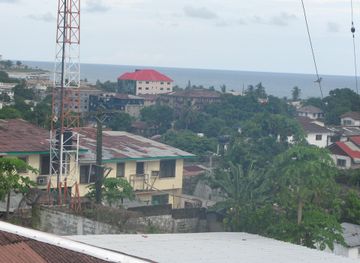


Your all‑in‑one travel companion app
Explore expert travel guides, compare and book tours, experiences, hotels, and more—all from the palm of your hand. Download now for seamless trip planning wherever your wanderlust takes you.


Explore More of Liberia

Looking beyond Eastern Region? Discover Liberia for broader travel guides, local hot-spots, and regional highlights.
Explore LiberiaEastern Region in Photos
Browse through our photo collection highlighting the charm and character of the destination.


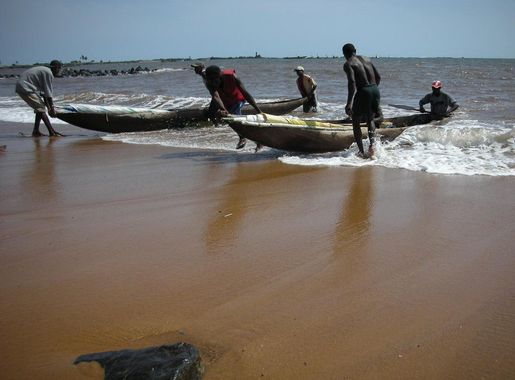
Discover the Untamed Beauty of Liberia's Eastern Region
The Eastern Region of Liberia is a treasure trove of natural wonders and cultural heritage. This area is home to lush rainforests, breathtaking waterfalls, and diverse wildlife. Visitors can explore the Sapo National Park, Liberia's largest protected area, which is renowned for its dense forests and rare species such as the pygmy hippopotamus and Diana monkey. The park's trails offer a chance to experience the pristine wilderness and listen to the symphony of nature. For those interested in cultural experiences, the Eastern Region provides a glimpse into the rich traditions and customs of local tribes. The region is inhabited by various ethnic groups, including the Grebo and Kru people, who are known for their vibrant festivals, traditional dances, and artisanal crafts. Engaging with the local communities offers a unique opportunity to learn about their way of life and history. The Eastern Region is also known for its historical landmarks. Visitors can explore the remnants of old settlements and colonial-era structures that tell the story of Liberia's past. The region's rivers and beaches offer serene spots for relaxation and reflection. Whether you're an adventure seeker, history buff, or culture enthusiast, the Eastern Region of Liberia promises an unforgettable experience.