

Free Sinoe County Travel Guide & Mobile App
Explore Sinoe County with free travel guides. Discover regional history, expert tips, proposed trips, and audio guides on web or mobile app.


Sinoe County pairs Greenville’s river-port heritage with rainforest, wildlife and Liberia’s remote south-eastern coast.
Read more about Sinoe County
When is the best time to visit Sinoe County?
Best: December–February · 28–29°C| Month | High (°C) | Rainfall (mm) |
|---|---|---|
| January (best) | 28 | 60 |
| February (best) | 29 | 50 |
| March | 29 | 80 |
| April | 30 | 110 |
| May | 30 | 140 |
| June | 30 | 170 |
| July | 30 | 180 |
| August | 29 | 190 |
| September | 29 | 180 |
| October | 29 | 160 |
| November | 28 | 130 |
| December (best) | 28 | 90 |
Getting to and around Sinoe County
How to get there
Transportation
Best attractions in Sinoe County
Sinoe’s principal attractions are environmental and cultural rather than heavily developed commercial sites. Sapo National Park is the county’s leading destination, offering access to extensive Upper Guinean rainforest and the possibility of seeing signs of forest elephants, pygmy hippos, chimpanzees and diverse birdlife with trained local guidance. Wildlife is elusive, and visits are as much about the forest ecosystem as about sightings. Around Greenville, the Sinoe River, its estuaries and the town’s waterfront provide a sense of the county’s maritime geography and continuing fishing and trading life. Rural journeys reveal farms, villages and forest-edge landscapes, while seasonal waterways and mangroves are important for both wildlife and local livelihoods. The region is suited to visitors who value conservation, photography, birdwatching, cultural exchange and slow travel. Facilities are limited, and many excursions require advance arrangements, a suitable vehicle and tolerance for changing conditions. Coastal exploration can be rewarding, but isolated beaches should not be treated as serviced swimming destinations: tides, currents, lack of supervision and difficult emergency access all matter.
-
National park
Sapo National Park
Explore Liberia's Sapo National Park: A pristine rainforest sanctuary teeming with unique wildlife and natural beauty.
-
 Animal park
SAPO
Discover Liberia's wild heart at SAPO, a rainforest haven teeming with rare wildlife and natural beauty.

Best landmarks in Sinoe County
The Sinoe River is the county’s defining natural and historical landmark, forming the setting for Greenville and explaining the town’s growth as a port and administrative centre. Greenville’s waterfront and river approaches remain important visual reminders of the relationship between settlement, coastal trade and inland communities, even though the town’s built environment has been altered by conflict, weather and reconstruction. Sapo National Park is the county’s most significant landscape landmark: its broad rainforest represents one of Liberia’s major surviving blocks of Upper Guinean forest and gives Sinoe national environmental importance. The park is not a single monument or scenic viewpoint but a protected ecological landscape whose significance lies in its habitats, waterways and wildlife. Elsewhere, mangrove-lined creeks, forest margins and the Atlantic coast provide less formal landmarks shaped by seasonal water levels and local use. Their meaning is best understood with community guidance and without treating working landscapes as empty wilderness.
-
Mosque
Sinoe county
Explore the tranquil beauty of Sinoe County, Liberia, where stunning coastlines meet rich cultural experiences and natural wonders.

Explore Sinoe County on the map
Plan your trip on one map. See where the top cities, national parks and sights are, and book hotels and experiences in a few clicks.
Best hotels in Sinoe County
Best restaurants in Sinoe County
Dining in Sinoe is closely connected to household cooking, fishing, farming and the produce that can reach Greenville by road or river. Rice is central to Liberian meals and is commonly served with pepper-seasoned sauces, greens, beans, cassava, plantain or fish; fresh and smoked fish are particularly relevant in a county shaped by the Atlantic coast and the Sinoe River. Small restaurants, cookshops and market stalls in Greenville provide the most dependable opportunities to eat locally, although menus and supplies vary with season, road access and catches. Palm oil, cassava and plantain feature in regional foodways, while imported staples may also appear. Visitors should carry snacks for journeys beyond town and ask about preparation and drinking water where hygiene arrangements are unclear. There is little reason to expect a formal fine-dining scene or a wide range of international cuisine, but simple local meals offer a direct connection with the county’s agricultural and riverine economy.
-
Restaurant
La MODE HOTEL
Discover authentic Liberian cuisine at La MODE HOTEL in Greenville – where local flavors meet warm hospitality.
-
Catering food and drink supplier
Julteh Bar & Restaurant
Discover local delights at Julteh Bar & Restaurant in Kuma - where authentic flavors meet vibrant hospitality.
-
Restaurant
Mississippi Blues
Discover Mississippi Blues: A Culinary Journey Through Southern Flavors and Live Music in Greenville, Liberia.
-
Bar
Fish Town Greenville
Experience authentic Liberian hospitality at Fish Town Greenville - your go-to bar for refreshing drinks and vibrant local culture.


Best bars in Sinoe County
Sinoe County does not have a large, organised nightclub scene. Evening social life is concentrated in Greenville, where small bars, locally oriented drinking places, restaurants and informal music settings provide opportunities to meet residents and hear contemporary Liberian music. In rural areas, evenings are quieter and generally revolve around community life, family visits and locally run establishments rather than late-night entertainment. Opening arrangements, power supply and available venues can change, so visitors should not plan around a fixed nightlife itinerary. Drink responsibly, take care when walking after dark and arrange transport in advance, particularly in unfamiliar parts of Greenville. The county’s evenings are better understood through conversation, food and the rhythm of a river-port town than through a conventional club circuit.
-
Bar
FuZion D'Afrique Restaurant
Experience the vibrant atmosphere and fusion flavors at FuZion D'Afrique Restaurant, a must-visit culinary gem in Monrovia, Liberia.
-
Restaurant
Club Montserrado
Discover the vibrant culinary scene at Club Montserrado, where local flavors meet international cuisine in the heart of Monrovia.
-
Hotel
Mississippi Inn
Experience comfort and hospitality at Mississippi Inn, your cozy retreat in Greenville, Liberia, perfect for exploring the region's rich cultural heritage.
-
Cigar shop
Savvy Lounge
Discover Savvy Lounge in Monrovia, a top-notch cigar shop offering a unique blend of relaxation and premium cigars in Liberia's vibrant capital.


Best shops in Sinoe County
Shopping in Sinoe is practical and locally focused, with Greenville serving as the county’s main centre for everyday goods, food supplies, clothing, household items and transport provisions. Market stalls and small shops reflect the county’s agricultural and fishing economy, and visitors may find rice, cassava products, plantains, palm-derived goods, smoked fish and other locally produced foods when supplies permit. Handicrafts and small locally made items can appear through informal sellers, but there is no large, dedicated tourist-shopping quarter or dependable luxury retail scene. Purchases should be made respectfully and prices confirmed clearly, especially where goods are sold through informal arrangements. Do not buy wildlife parts, rare timber or products claimed to come from protected species. Because journeys through rural Sinoe can be long and shops are widely dispersed, obtain essential toiletries, medication, batteries, snacks and drinking water before leaving Greenville or Monrovia.
-
Baby store
BabyBoom Shop
Discover high-quality baby products in Monrovia at BabyBoom Shop, where parents find everything for their little ones in a delightful shopping environment.
-
Building materials store
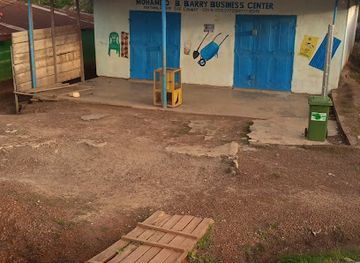
Mohammed B. Barry
Discover quality building materials at Mohammed B. Barry in Kahnwiekehn, Liberia, your trusted source for construction needs.
-
Shopping mall
Musu Hair Braiding And Fashion center
Discover the artistry of Liberian hair braiding at Musu Hair Braiding And Fashion Center in Monrovia, a cultural gem for beauty and style.
-
Boutique
Nour Store
Explore the heart of Monrovia at Nour Store, where local crafts and vibrant culture await every visitor.


Get your free copy of our complete guide to Sinoe County, delivered straight to you.
Everything on this page, from attractions and restaurants to essentials and local phrases, in one PDF you can read offline, print or share.
Already have an account? Sign in
Your Sinoe County guide is ready.
We'll send it to · Not you? Sign out

Getting your guide ready…
We are putting together a fresh copy of the Sinoe County guide. This can take up to a minute.
This can take a few moments. If your browser asks, choose Allow so the download can start. You'll find the guide in your Downloads folder.
Nothing happened? Download it again
Sorry, the guide is taking longer than usual. Please try again in a minute, or get it by email instead.
Sinoe County essentials
Currency and Payment
Safety
Emergency Situations
Do's and Don'ts
Local Tips
From Eve
Local phrases worth knowing
You don't need to get them perfect. A few words go a long way, and locals appreciate the effort.
Basics
| English | Local | Say it |
|---|---|---|
| Hello | Kɛlɛ | [keh-leh] |
| Goodbye | Nya nyɛ | [nyah nyey] |
| Yes | Yɛ | [yeh] |
| No | Dɔɔ | [doh] |
| Please/You're welcome | Nya dɔ | [nyah doh] |
| Thank you | Mɛngɛ | [men-geh] |
| Excuse me/Sorry | Kɔkɔ | [koh-koh] |
| How are you? | Wɔlɛ kɛ? | [woh-leh keh] |
| Fine. And you? | Mɛngɛ. Wɔlɛ kɛ? | [men-geh. woh-leh keh] |
| Do you speak English? | Nɔ tɛlɛ English? | [noh teh-leh English] |
| I don't understand | Mɛngɛ nɔ tɛlɛ | [men-geh noh teh-leh] |
Eating & Drinking
| English | Local | Say it |
|---|---|---|
| I'd like to see the menu, please | Nya mɛngɛ fɛɛ mɛnu | [nyah men-geh feh men-oo] |
| I don't eat meat | Mɛngɛ nɔ dɔtɔ | [men-geh noh doh-toh] |
| Cheers! | Sɔlɛ! | [soh-leh] |
| I would like to pay, please | Nya mɛngɛ fɛɛ pɛy | [nyah men-geh feh pay] |
Emergencies
| English | Local | Say it |
|---|---|---|
| Help! | Bɔkɛ! | [boh-keh] |
| Go away! | Bɔ tɛlɛ! | [boh teh-leh] |
| Call the Police! | Kɔlɛ Pɔlɛs! | [koh-leh poh-leh] |
| Call a doctor! | Kɔlɛ dɔktɔ! | [koh-leh doh-ktoh] |
| I'm lost | Mɛngɛ nɔ fɛɛ sɔtɛ | [men-geh noh feh soh-teh] |
| I'm ill | Mɛngɛ nɔ bɔlɛ | [men-geh noh boh-leh] |
Shopping
| English | Local | Say it |
|---|---|---|
| I'd like to buy... | Nya mɛngɛ fɛɛ bɔkɛ... | [nyah men-geh feh boh-keh] |
| I'm just looking | Mɛngɛ nɔ dɔ mɔtɛ | [men-geh noh doh mo-teh] |
| How much is it? | Kɛlɛ tɛlɛ? | [keh-leh teh-leh] |
| That's too expensive | Dɔɔ tɛlɛ pɛlɛ | [doh teh-leh peh-leh] |
| Can you lower the price? | Nɔ tɛlɛ fɛɛ nɔtɔ? | [noh teh-leh feh noh-toh] |
Time & Numbers
| English | Local | Say it |
|---|---|---|
| What time is it? | Kɛlɛ kɛ kɔtɛ? | [keh-leh keh koh-teh] |
| It's one o'clock | Kɛ lɛɛ kɔtɛ | [keh leh leh koh-teh] |
| Half past (10) | Hɛf pɛlɛ (10) | [hef peh-leh (ten)] |
| Morning | Mɔrniŋ | [mor-ning] |
| Afternoon | Afɛnnuŋ | [ah-fen-nuhng] |
| Evening | Ivninŋ | [iv-ning] |
| Yesterday | Yɛstɛdɛ | [yes-teh-deh] |
| Today | Tudɛ | [tu-deh] |
| Tomorrow | Tɔmɔrɔ | [toh-moh-roh] |
| 1 | Yɛ | [yeh] |
| 2 | Dɔ | [doh] |
| 3 | Tɛ | [teh] |
| 4 | Fɔ | [foh] |
| 5 | Fɛfɛ | [feh-feh] |
| 6 | Sɛsɛ | [seh-seh] |
| 7 | Sɛvɛn | [seh-ven] |
| 8 | Eit | [eight] |
| 9 | Nɛ | [neh] |
| 10 | Tɛn | [ten] |
Transport & Directions
| English | Local | Say it |
|---|---|---|
| Where's a/the...? | Wɛrɛ kɛ...? | [weh-reh keh] |
| What's the address? | Kɛlɛ dɔrɛs? | [keh-leh dor-eh] |
| Can you show me (on the map)? | Nɔ tɛlɛ fɛɛ mɛpɛ? | [noh teh-leh feh meh-peh] |
| When's the next (bus)? | Kɛlɛ kɛ nɛkɛ (bɔs)? | [keh-leh keh neh-keh] |
| A ticket (to ....) | A tɪkɛt (tɔ ...) | [ah tee-keh-t (toh ...)] |
History of Sinoe County
Indigenous societies and the forest economy
Long before the creation of Liberia, the area now known as Sinoe was inhabited by indigenous communities including Kru and Grebo peoples, alongside other communities whose movements and relationships crossed modern county boundaries. Livelihoods developed around farming, fishing, hunting, forest products and river trade. The rainforest was not an empty wilderness but a lived-in landscape governed by local knowledge, customary responsibilities and regional exchange. These traditions remain important to understanding settlement patterns, languages and the relationship between communities and the forest.
The arrival of settlers in the nineteenth century
American settlers sponsored by the American Colonization Society established a settlement on the south-eastern Liberian coast in the 1830s. The settlement grew beside the Sinoe River and was later known as Greenville, a name associated with settler leader James Green. Its development formed part of the wider creation of Liberia, while the presence of settlers introduced new political institutions, religious organisations and commercial connections alongside existing indigenous authority and society.
Greenville and the Sinoe River port
The Sinoe River shaped the county’s nineteenth- and twentieth-century history by linking inland communities with the coast. Greenville became a regional port and administrative centre, handling coastal trade and the movement of agricultural and forest products. River access was especially significant before modern roads connected south-eastern Liberia more consistently with Monrovia. The port’s story also illustrates the unequal relationships between settler institutions, indigenous communities and commercial interests that influenced Liberia’s coastal towns.
Plantation agriculture and forest products
During the twentieth century, Liberia expanded commercial agriculture and the extraction of forest resources. Rubber, palm products, timber and subsistence crops all contributed to the economy of Sinoe, although the benefits and burdens were unevenly distributed. Roads and commercial links were developed to support production, while forests were increasingly treated as economic assets as well as sources of food, materials and cultural value. Agriculture and forest products remain part of the county’s economy, but conservation and community rights are central issues in their future management.
The creation of Sapo National Park
Sapo National Park was established in 1983 to protect a major block of Liberia’s remaining Upper Guinean rainforest. Its importance grew as logging, farming and other pressures affected forests elsewhere in the region. The park contains habitats associated with forest elephants, pygmy hippos, chimpanzees and many bird and plant species. Civil conflict interrupted conservation work, but the park later became a focus for renewed environmental protection, research and community engagement. Its history reflects both Liberia’s biodiversity and the practical challenges of conserving forests in a working landscape.
Civil conflict and post-war reconstruction
Liberia’s civil wars affected Sinoe through displacement, insecurity, disrupted administration and damage to transport and public services. Greenville and rural communities experienced the consequences of conflict even though the county’s remoteness sometimes limited outside access. Since the end of the wars, reconstruction has improved connections and public institutions in stages, but infrastructure remains uneven. Contemporary visitors encounter a county whose travel conditions, local economy and conservation priorities are still shaped by this recent history.
Sinoe County in Photos
Browse through our photo collection highlighting the charm and character of the destination.
Neighbouring regions of Sinoe County
The closest regions to Sinoe County, if you have time for more than one.
-

-

-

-

-


Swipe for more regions
Explore more

Explore more of Liberia
Discover Liberia: where pristine beaches meet lush rainforests, and vibrant culture blends with rich history in the heart of West Africa.
Explore Liberia