

Southeastern Region, Liberia Travel Guide
Discover the unspoiled beauty and rich culture of Southeastern Liberia, where lush rainforests, pristine beaches, and vibrant local traditions await.
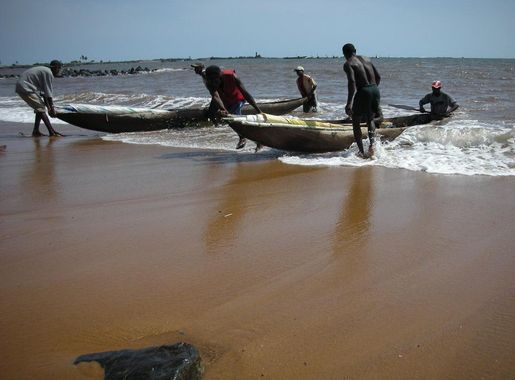
The Southeastern Region of Liberia is a hidden gem, offering an unspoiled landscape of lush rainforests, pristine beaches, and vibrant local culture. This area is perfect for those who seek a blend of adventure, relaxation, and cultural immersion. The region is less frequented by tourists, giving you a more authentic and intimate experience. Explore Sapo National Park, Liberia's largest protected area, home to diverse wildlife including the rare pygmy hippopotamus and a variety of bird species. The park's dense rainforests offer excellent opportunities for hiking and wildlife spotting. Don't miss the chance to experience the tranquility of this natural paradise. The coastline of Southeastern Liberia is dotted with picturesque beaches such as those found in the towns of Harper and Greenville. These coastal towns offer a laid-back atmosphere where you can soak up the sun, swim in the Atlantic Ocean, or enjoy fresh seafood from local markets. The beaches here are less crowded, making it an ideal spot for relaxation and reflection. Cultural enthusiasts will appreciate the rich history and traditions of the local communities. Visit the historic town of Harper, once the capital of Maryland County, to see colonial-era architecture and learn about Liberia's past. Engage with local artisans and witness traditional crafts and performances that provide insight into the region's cultural heritage.

Know before you go
Hi, I'm Eve. Here are a few practical things to know before exploring Southeastern Region.
- Best Time to Visit: Plan your trip between November and April to avoid the rainy season.
- Local Guides: Hire a local guide for exploring Sapo National Park to enhance your wildlife spotting experience.
- Cash is King: Carry sufficient cash, as ATMs are limited and credit cards are not widely accepted.
- Respect Local Customs: Dress modestly and ask for permission before taking photos of local people.
- Stay Connected: Purchase a local SIM card for better connectivity, as internet access can be unreliable.
Top City Travel Guides in Southeastern Region
The cities of Southeastern Region, and the easiest places to base yourself.


Destinations in Southeastern Region
Resorts, valleys and scenic spots worth a trip of their own.


Explore Southeastern Region: Things to Do, Places to Eat, Hotels & More
Handpicked recommendations for top attractions, local dining, accommodations, and more

Top Attractions & Sightseeing in Southeastern Region
Top-rated picks
Best Attractions

Kpatawee Waterfall
Discover Kpatawee Waterfall: An eco-friendly Liberian paradise with cascading waters, lush rainforest, and tranquil eco-lodge accommodations.

Waterside Market
Experience the vibrant chaos of Monrovia's Waterside Market: a sensory explosion of local culture, commerce, and community.

Kpatawee Waterfalls
Escape to Kpatawee Waterfalls in Liberia: Discover cascading beauty, eco-friendly adventures, and tranquil rainforest serenity in the heart of Bong County.

National Museum of Liberia
Explore Liberia's rich history and cultural heritage at the National Museum of Liberia in Monrovia. Discover artifacts, art, and stories of this West African nation.

Best landmarks in Southeastern Region
Top-rated picks
Best Landmarks

Mamba Point Hotel
Experience luxury and comfort at Mamba Point Hotel in Monrovia, where stunning ocean views meet warm hospitality for an unforgettable stay.

Boulevard Palace Hotel
Discover the elegance of Boulevard Palace Hotel in Monrovia, Liberia, where luxury meets unparalleled hospitality in a vibrant setting.

Libassa Ecolodge
Experience the serenity of Libassa Ecolodge in Liberia, a perfect blend of comfort, nature, and eco-friendly hospitality for every traveler.
The Cape Hotel
Experience the charm of Monrovia at The Cape Hotel, where comfort meets breathtaking seaside views and local hospitality.

Best restaurants in Southeastern Region
Top-rated picks
Best Restaurants

Boulevard Palace Hotel
Discover unparalleled luxury and exquisite dining at Boulevard Palace Hotel in Monrovia, Liberia – where comfort meets culinary artistry.

Libassa Ecolodge
Experience serenity at Libassa Ecolodge - where eco-friendly luxury meets natural beauty in Liberia's breathtaking landscape.

Tropicana Beach
Experience sun-soaked days and vibrant nights at Tropicana Beach in Paynesville - where relaxation meets adventure on Liberia's stunning coastline.

FuZion D'Afrique Restaurant
Discover the authentic taste of Liberia at FuZion D'Afrique Restaurant—where traditional flavors meet modern culinary artistry.

Best bars in Southeastern Region
Top-rated picks
Best Bars

Tropicana Beach
Experience the beauty and vibrancy of Tropicana Beach in Paynesville, Liberia, a perfect blend of relaxation, entertainment, and stunning coastal views.

Club Montserrado
Discover the essence of Liberian cuisine at Club Montserrado, where delicious flavors and a vibrant atmosphere await in Monrovia.

Viewpoint Bar and Restaurant
Experience the vibrant nightlife and stunning views at Viewpoint Bar and Restaurant in Liberia, where delicious food meets lively entertainment.

Savvy Lounge
Discover Savvy Lounge in Monrovia, where cigar enthusiasts find a unique selection and a welcoming atmosphere for relaxation and socializing.

Best nightclubs in Southeastern Region
Top-rated picks
Best Nightclubs

Club Wanwosu
Experience the vibrant nightlife of Lou King at Club Wanwosu, where music, dance, and fun come together for an unforgettable evening.

Celavi nightclub
Discover the vibrant nightlife at Celavi Nightclub in Monrovia, Liberia, where great music and a lively atmosphere await you.

Summer Beach
Dive into the vibrant nightlife of Summer Beach, Monrovia's premier night club, where music, dance, and excitement await!

Candel Light Night Club
Experience the lively ambiance and pulsating beats of Candel Light Night Club in Harper, where tourists and locals unite for unforgettable nights.

Best shops in Southeastern Region
Top-rated picks
Best Shops
Mamba Point Hotel
Discover luxury and hospitality at Mamba Point Hotel, the premier destination for travelers in Monrovia, Liberia, offering stunning views and a vibrant atmosphere.

Libassa Ecolodge
Experience the harmony of nature and comfort at Libassa Ecolodge, a sustainable paradise in Liberia's lush landscapes.
The Cape Hotel
Discover comfort and luxury at The Cape Hotel in Monrovia, Liberia, where modern amenities meet local charm for an unforgettable stay.
Murex Plaza Hotel & Suites
Discover the charm of Monrovia with a stay at Murex Plaza Hotel & Suites, where comfort meets convenience in the heart of Liberia.

Explore Southeastern Region on the Map
A handpicked selection of must-see spots in Southeastern Region, mapped for you.
Southeastern Region Essentials
-
The Southeastern Region of Liberia can be accessed primarily by land and air. Roberts International Airport (RIA) in Monrovia is the main international gateway to Liberia. From Monrovia, you can take a domestic flight to Harper Airport in Maryland County. Alternatively, you can travel by road, although the journey can be long and challenging due to varying road conditions. Private vehicles, shared taxis, and buses are available for travel from Monrovia to the Southeastern Region.
-
Within the Southeastern Region, transportation options include shared taxis, motorbikes (locally known as 'pen-pen'), and minibuses. Shared taxis and motorbikes are the most common and cost-effective means of transport, but they may not always adhere to strict safety standards. Renting a car with a driver is another option, offering more comfort and flexibility. For short distances within towns, walking is often the most convenient way to get around.
-
The official currency in Liberia is the Liberian Dollar (LRD), but US Dollars (USD) are widely accepted. Credit cards are not commonly used, especially in rural areas, so it's advisable to carry cash. ATMs are scarce in the Southeastern Region, so withdraw sufficient cash in Monrovia before your trip. Ensure you have small denominations for easier transactions.
-
The Southeastern Region is generally safe for tourists, but standard precautions should be taken. Avoid walking alone at night, particularly in isolated areas. Petty theft can occur, so keep an eye on your belongings. Areas with higher crime rates targeting tourists are not well-documented, but staying vigilant and cautious is always recommended.
-
In case of emergency, dial 911 for immediate assistance. Local police stations and medical facilities are available in towns like Harper and Zwedru. It is crucial to have travel insurance that covers medical emergencies. For minor health issues, local pharmacies can provide over-the-counter medications. Keep contact information for your country's embassy or consulate handy.
-
Fashion: Do dress modestly and comfortably, especially in rural areas. Avoid wearing flashy jewelry. Religion: Do respect local customs and religious practices. Remove your hat and shoes when entering religious sites. Public Transport: Do be respectful to drivers and fellow passengers. Don't argue over fares; negotiate politely if necessary. Greetings: Do greet people with a friendly 'Hello' or 'Good morning/afternoon.' Handshakes are common and appreciated. Eating & Drinking: Do try local dishes and accept food offerings graciously. Don't waste food, as it is considered disrespectful.
-
To experience the Southeastern Region like a local, visit the bustling markets in towns such as Harper and Zwedru. Engage with locals, who are often friendly and eager to share their culture and traditions. Don’t miss the opportunity to explore Sapo National Park, Liberia’s largest protected rainforest, and the beautiful coastal areas in Maryland County. Participating in local festivals and events can also provide a richer cultural experience.
When is the best time to visit Southeastern Region?
Useful Local Phrases for Southeastern Region
You don't need to speak the language perfectly. Even learning a few simple words can make conversations warmer—and locals usually appreciate the effort.
— Eve

Here are the phrases I use most often in Southeastern Region. Try a few—you'll be surprised how far they go! 😊
❤️
-
- HelloHey
[Heɪ] - GoodbyeLater
[Leɪtər] - YesYea
[Jeɪ] - NoNah
[Nɑ] - Please/You're welcomeNo problem
[Noʊ ˈprɒbləm] - Thank youThanks
[θæŋks] - Excuse me/SorryMy bad
[Maɪ bæd] - How are you?How you doing?
[Haʊ ju ˈduɪŋ] - Fine. And you?Good. You?
[ɡʊd. ju?] - Do you speak English?You speak English?
[Ju spiːk ˈɪŋɡlɪʃ?] - I don't understandI ain't got it
[Aɪ eɪnt ɡɑt ɪt]
- HelloHey
-
- I'd like to see the menu, pleaseCan I see the menu?
[Kæn aɪ si ðə ˈmɛnju?] - I don't eat meatI don't do meat
[Aɪ doʊnt du mit] - Cheers!Cheers!
[ʧɪrz] - I would like to pay, pleaseI wanna pay now
[Aɪ ˈwɑnə peɪ naʊ]
- I'd like to see the menu, pleaseCan I see the menu?
-
- Help!Help!
[hɛlp] - Go away!Get lost!
[ɡɛt lɔst] - Call the Police!Call the cops!
[Kɔl ðə kɑps] - Call a doctor!Get a doctor!
[ɡɛt ə ˈdɑktər] - I'm lostI'm turned around
[Aɪm tɜrnd əˈraʊnd] - I'm illI'm sick
[Aɪm sɪk]
- Help!Help!
-
- I'd like to buy...I wanna buy...
[Aɪ ˈwɑnə baɪ...] - I'm just lookingJust browsing
[Dʒʌst ˈbraʊzɪŋ] - How much is it?What that cost?
[Wʌt ðæt kɔst?] - That's too expensiveThat's way too high
[ðæts weɪ tu haɪ] - Can you lower the price?Can you bring it down?
[Kæn ju brɪŋ ɪt daʊn?]
- I'd like to buy...I wanna buy...
-
- What time is it?What time it be?
[Wʌt taɪm ɪt bi?] - It's one o'clockIt's one o'clock
[ɪts wʌn əˈklɒk] - Half past (10)Half past ten
[Hæf pæst tɛn] - MorningMorning
[ˈmɔrnɪŋ] - AfternoonAfternoon
[ˌæftərˈnun] - EveningEvening
[ˈivnɪŋ] - YesterdayYesterday
[ˈjɛstərdeɪ] - TodayToday
[təˈdeɪ] - TomorrowTomorrow
[təˈmɔroʊ] - 1One
[wʌn] - 2Two
[tu] - 3Three
[θri] - 4Four
[fɔr] - 5Five
[faɪv] - 6Six
[sɪks] - 7Seven
[ˈsɛvən] - 8Eight
[eɪt] - 9Nine
[naɪn] - 10Ten
[tɛn]
- What time is it?What time it be?
-
- Where's a/the...?Where the ... at?
[Wɛr ðə ... æt?] - What's the address?What the address?
[Wʌt ðə əˈdrɛs?] - Can you show me (on the map)?Can you point it out?
[Kæn ju pɔɪnt ɪt aʊt?] - When's the next (bus)?When the next bus coming?
[Wɛn ðə nɛkst bʌs ˈkʌmɪŋ?] - A ticket (to ....)A ticket to ...
[ə ˈtɪkɪt tu ...]
- Where's a/the...?Where the ... at?
History of Southeastern Region
-
The Southeastern Region of Liberia is home to several indigenous tribes, including the Kru, Grebo, and Krahn. These tribes have a rich cultural heritage that dates back centuries. They are known for their unique languages, traditional ceremonies, and intricate art forms. The Kru people, in particular, are renowned for their skills in navigation and fishing, having once been essential traders and seafarers along the West African coast.
-
In the 15th century, European explorers, including the Portuguese and the British, made contact with the tribes in the Southeastern Region of Liberia. This period marked the beginning of the Atlantic Slave Trade, during which many indigenous people were captured and sold into slavery. The region's coastline became a significant point of departure for enslaved Africans.
-
In the early 19th century, the American Colonization Society began resettling freed African Americans in West Africa. This led to the establishment of Liberia in 1822. However, the Southeastern Region remained largely autonomous and was only gradually incorporated into the new nation-state. The indigenous tribes often resisted the encroachment of settlers, leading to various conflicts.
-
The Grebo Wars, which occurred in the mid-19th century, were a series of conflicts between the Grebo people and the Americo-Liberian settlers. These wars were fueled by cultural and political differences and had a significant impact on the region. The Grebo sought to maintain their independence and resist the centralizing efforts of the Liberian government.
-
In the early 20th century, the discovery of rubber in Liberia led to economic changes in the Southeastern Region. Plantations were established, and many locals were employed in the rubber industry. This period also saw the construction of infrastructure, such as roads and railways, to support the burgeoning industry. The region's economy became closely tied to global markets.
-
The Southeastern Region was significantly affected by the Liberian Civil Wars that took place between 1989 and 2003. The conflicts led to widespread displacement, destruction, and loss of life. Many communities in the region were caught in the crossfire between various warring factions. The post-war period has been marked by efforts to rebuild and promote reconciliation.
-
Despite the challenges faced throughout history, the Southeastern Region of Liberia has maintained its vibrant cultural heritage. Annual festivals, such as the Grebo Cultural Festival, celebrate the region's traditions, music, dance, and cuisine. These events are an opportunity for both locals and visitors to experience the rich cultural tapestry of the area.
Neighbouring Regions of Southeastern Region
The closest regions to Southeastern Region, if you have time for more than one.




Your all‑in‑one travel companion app
Explore expert travel guides, compare and book tours, experiences, hotels, and more—all from the palm of your hand. Download now for seamless trip planning wherever your wanderlust takes you.


Explore More of Liberia

Looking beyond Southeastern Region? Discover Liberia for broader travel guides, local hot-spots, and regional highlights.
Explore LiberiaSoutheastern Region in Photos
Browse through our photo collection highlighting the charm and character of the destination.



Southeastern Liberia: Where Nature and Culture Converge
The Southeastern Region of Liberia is a hidden gem, offering an unspoiled landscape of lush rainforests, pristine beaches, and vibrant local culture. This area is perfect for those who seek a blend of adventure, relaxation, and cultural immersion. The region is less frequented by tourists, giving you a more authentic and intimate experience. Explore Sapo National Park, Liberia's largest protected area, home to diverse wildlife including the rare pygmy hippopotamus and a variety of bird species. The park's dense rainforests offer excellent opportunities for hiking and wildlife spotting. Don't miss the chance to experience the tranquility of this natural paradise. The coastline of Southeastern Liberia is dotted with picturesque beaches such as those found in the towns of Harper and Greenville. These coastal towns offer a laid-back atmosphere where you can soak up the sun, swim in the Atlantic Ocean, or enjoy fresh seafood from local markets. The beaches here are less crowded, making it an ideal spot for relaxation and reflection. Cultural enthusiasts will appreciate the rich history and traditions of the local communities. Visit the historic town of Harper, once the capital of Maryland County, to see colonial-era architecture and learn about Liberia's past. Engage with local artisans and witness traditional crafts and performances that provide insight into the region's cultural heritage.