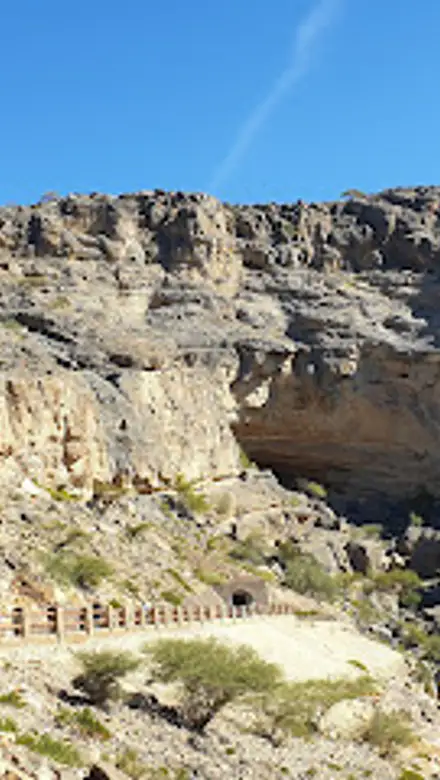
Al Hoota Cave Travel Guide
Free Guide: Discover Oman's hidden gem: Al Hoota Cave, a natural wonder with stunning formations and unique wildlife, millions of years in the making.


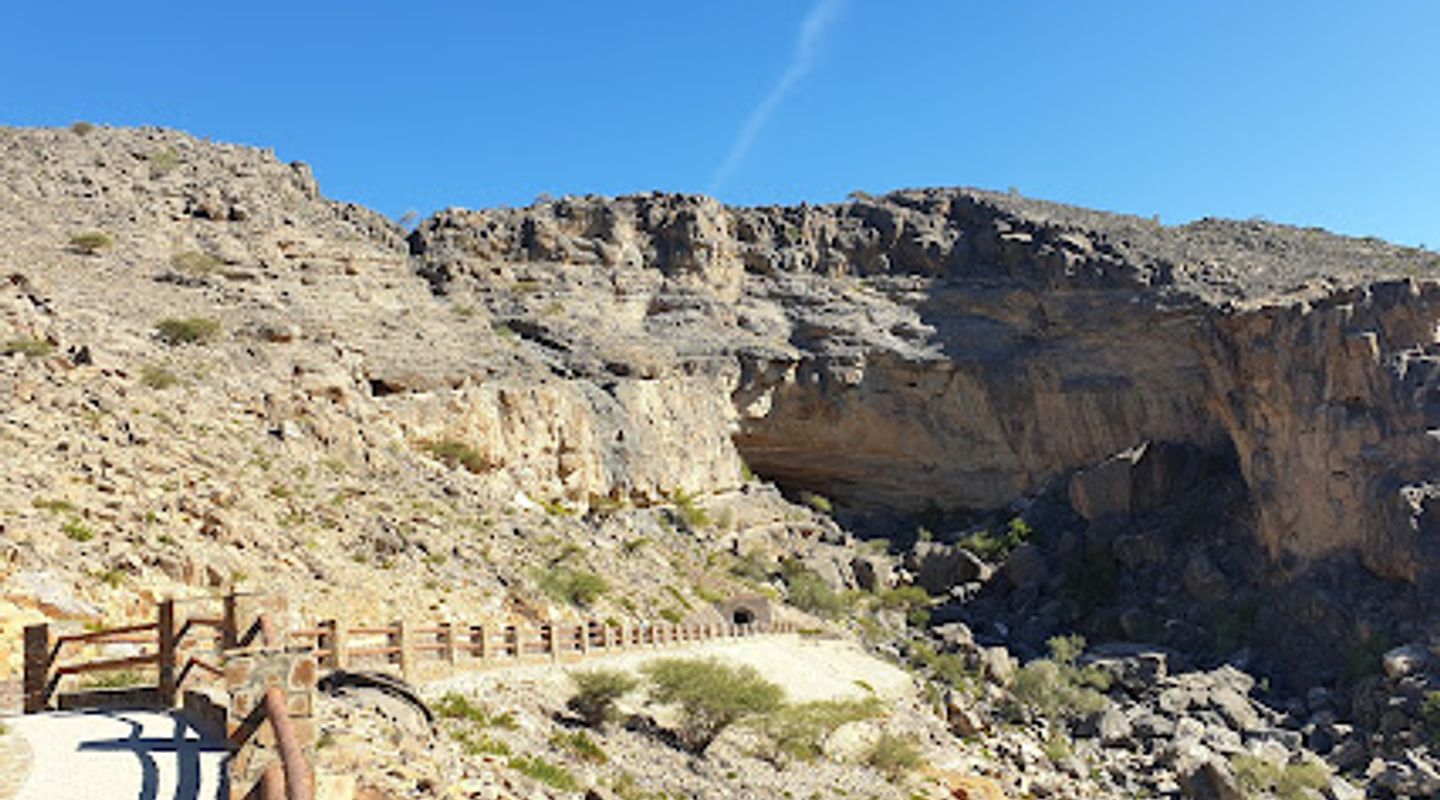
A brief summary of Al Hoota Cave
Discover Oman's hidden gem: Al Hoota Cave, a natural wonder with stunning formations and unique wildlife, millions of years in the making.
Explore the depths of Al Hoota Cave, one of the largest cave systems in the Arabian Peninsula, formed over two million years ago. Marvel at stalactites, stalagmites, and the unique blind cave fish in its underground lake.
- Address
- Western Hajar, Al Hoota Caves Access Road, Rwadah-Hamra Road, Al Hamra, Oman
- Phone
- Website
Getting there
Car
Bus and Taxi
Discover more about Al Hoota Cave
Overview
Al Hoota Cave, nestled at the foot of Jebel Shams in Oman's Al Hamra region, is a captivating natural wonder estimated to be over two million years old. Spanning approximately 5 kilometers, it stands as one of the largest and most accessible cave systems in the Arabian Peninsula, with about 500 meters open for public exploration.Formed through the dissolution of limestone by acidic water over millennia, Al Hoota Cave showcases an array of stunning geological formations. Visitors can marvel at intricate stalactites and stalagmites, as well as unique rock structures. The cave has four main chambers, each with its own characteristics. The first chamber is the largest and most impressive, adorned with stalactites and stalagmites. The second chamber is smaller and darker, featuring a lake that covers most of its area.Beyond its geological features, the cave harbors a diverse ecosystem. It is home to over 100 animal species, including bats, arthropods, mollusks, snails, and the rare blind cave fish known as Garra barreimiae. These fish have adapted to the cave's dark environment, losing their pigmentation and eyesight over generations.Since opening to the public in 2006, Al Hoota Cave has been equipped to enhance visitor experience while preserving its natural integrity. Guests begin their journey at a visitor center, which offers a geological museum displaying various rock formations and fossils. A guided tour leads visitors through the cave's illuminated pathways, providing insights into its formation and ecosystem.
Evendo Review Centre
 Google
Guest reviews
Explore Al Hoota Cave on the map
A handpicked selection of must-see spots near Al Hoota Cave, mapped for you.
Get your free copy of our complete guide to Al Hoota Cave, delivered straight to you.
Everything on this page, from opening hours and how to get there to Eve’s tips and the best time to go, in one PDF you can read offline, print or share.
Already have an account? Sign in
Your Al Hoota Cave guide is ready.
We'll send it to · Not you? Sign out

Getting your guide ready…
We are putting together a fresh copy of the Al Hoota Cave guide. This can take up to a minute.
This can take a few moments. If your browser asks, choose Allow so the download can start. You'll find the guide in your Downloads folder.
Nothing happened? Download it again
Sorry, the guide is taking longer than usual. Please try again in a minute, or get it by email instead.
Unlock the best of Al Hoota Cave
Skip-the-line tickets, guided tours with entry, and walking tours of the area, booked in a few clicks.


Other nearby places you may find interesting
The closest places of the same kind, if this one is not quite what you had in mind.
-
-


Swipe for more places
More to explore near Al Hoota Cave

 Best experiences near Al Hoota Cave
 Best hotels near Al Hoota Cave
 Best landmarks near Al Hoota Cave
 Best attractions near Al Hoota Cave
 Best shops near Al Hoota Cave
 Best restaurants near Al Hoota Cave
 Best bars near Al Hoota Cave
Do you manage this location?
Take control to get all the benefits, like improved information, better appearance, and stronger visibility across AI-powered discovery.
Explore more
Explore more of Jebel Akhdar
Discover Jebel Akhdar, Libya's Green Mountain, a stunning highland region rich in history, lush vegetation, and breathtaking landscapes.
Explore Jebel Akhdar
Explore more of Libya
Discover Libya: Ancient ruins, vast deserts, and Mediterranean charm await in this North African gem.
Explore Libya