Ruins of Cyrene: A Journey Through Time
Discover Cyrene's ancient wonders: Explore Greek & Roman ruins in Libya, a UNESCO site with temples, theaters, & rich history.
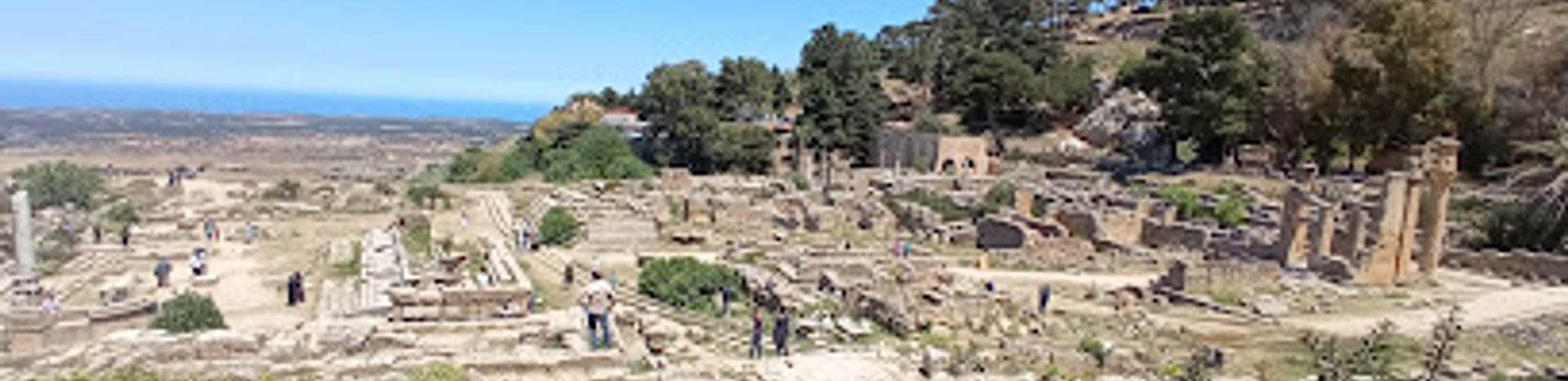
Explore the extensive ruins of Cyrene, a UNESCO World Heritage Site in present-day Shahhat, Libya. Founded by the Greeks in 631 BC, it showcases a blend of Greek and Roman architecture, including the Temple of Zeus and the Sanctuary of Apollo. Wander through this once-thriving metropolis and experience its rich history and stunning setting.
A brief summary to Ruins of Cyrene
- RVF3+964, Skyrota, Shahat, LY
- +21891-3796829
Local tips
- Wear comfortable walking shoes, as the site is extensive and has uneven terrain.
- Visit early in the morning or late afternoon to avoid the heat and get the best lighting for photography.
- Consider hiring a local guide for a more enriching experience and deeper understanding of the site's history.
- Bring water and snacks, as there are limited facilities on-site.

Getting There
-
Driving
From Shahhat, the ruins of Cyrene are easily accessible by car. Follow the main road towards the site, which is well-signposted. Parking is available near the entrance. Be aware that the roads leading to the site can be uneven in places.
-
Taxi
Taxis are available in Shahhat and can take you directly to the Ruins of Cyrene. Agree on a fare before starting your journey. A typical taxi ride from the center of Shahhat to Cyrene should cost around 20-30 LYD. Confirm the driver knows the location, referencing RVF3+964, Skyrota, Shahat.
Discover more about Ruins of Cyrene
Iconic landmarks you can’t miss

الجسر الايطالي القديم- اخذه الطوفان
29.5 km
Discover the Old Italian Bridge in Sayyid Abdulwaḥd, a stunning heritage site reflecting Italy's architectural influence in Libya.

سد وادي درنة - Derna Valley Dam
72.1 km
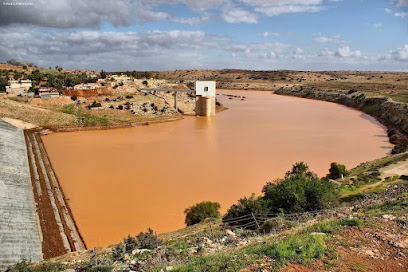
Experience the serene beauty of Derna Valley Dam, a picturesque park in Libya perfect for nature lovers and outdoor enthusiasts.
I love Derna
73.6 km
Experience tranquility and natural beauty at I Love Derna Park, a peaceful retreat in the heart of Derna, Libya.
Ptolemais
85.1 km
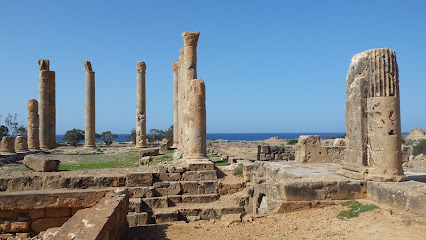
Explore the ancient ruins of Ptolemais, a historical landmark in Libya that showcases the splendor of ancient civilizations and their architectural brilliance.
Unmissable attractions to see

Hospitum
0.4 km
Explore the historical echoes of Shahat at Hospitum, a gateway to Libya's ancient past and cultural heritage.
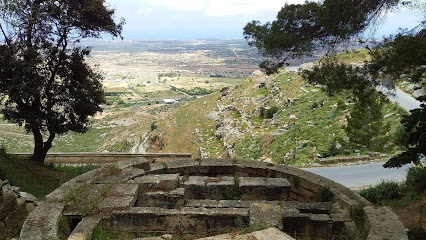
Necropolis of Cyrene
0.5 km
Discover the ancient Necropolis of Cyrene in Libya, a UNESCO site with Greek tombs and monuments dating back to the 6th century BC.
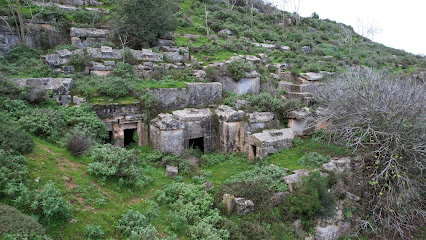
Ancient City of Cyrene
0.7 km
Discover Cyrene, Libya: Explore the stunning ruins of this ancient Greek and Roman city, a UNESCO World Heritage site with a rich history.
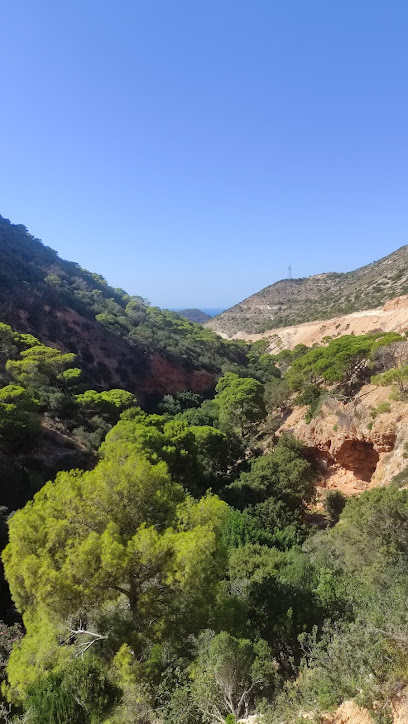
Temple of Zeus
0.9 km
Explore the Temple of Zeus in Shahat, Libya, an ancient Greek temple withstanding the test of time, showcasing remarkable architecture and rich history.
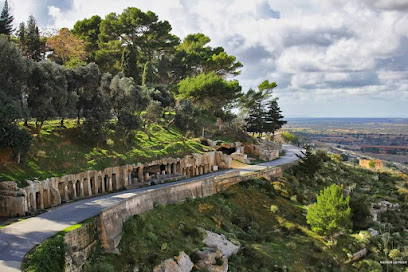
Haua Fteah Cave
20.4 km
Explore Haua Fteah Cave: A journey through 200,000 years of human history in Libya's Green Mountain, a must-see for history and nature lovers.
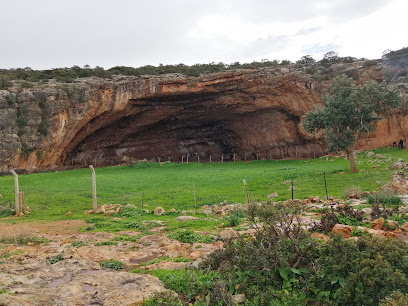
Jebel Akhdar
43.5 km
Discover Oman's Green Mountain: Hike through stunning landscapes, explore traditional villages, and experience a unique cultural heritage.
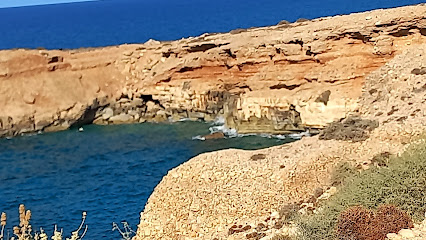
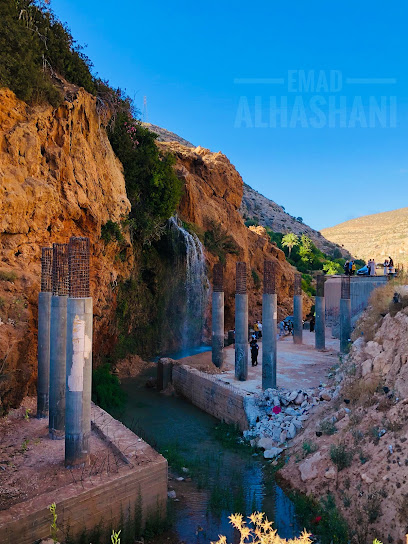
Derna Waterfalls
72.2 km
Discover the breathtaking Derna Waterfalls in Libya: a serene escape with cascading waters, lush landscapes, and abundant wildlife, perfect for nature and adventure lovers.
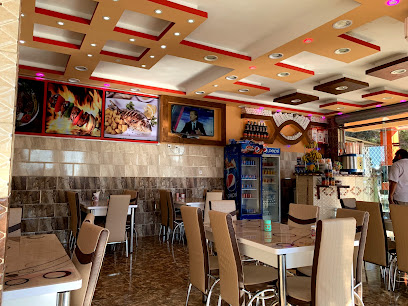
Essential places to dine

Good Taste
1.8 km
Discover the authentic flavors of Shahat at Good Taste Restaurant, where every dish tells a story of local culinary tradition.
مطعم تشيليز Chilis
3.8 km
Experience diverse international cuisine at Chilis Restaurant in Shahat – where every dish tells a story!
Kentucky Chicken Restaurant
10.6 km
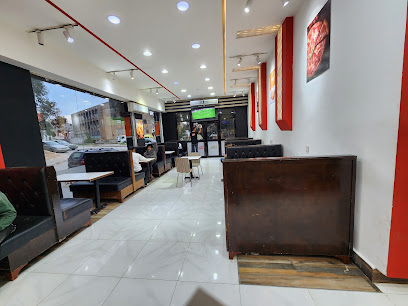
Discover delicious comfort food at Kentucky Chicken Restaurant in Al Bayda – where every bite feels like home.
Happy Chicken
11.9 km
Experience the vibrant flavors of Libyan cuisine at Happy Chicken in Al Bayda – where every bite tells a story.
Liberia Restaurant
73.0 km
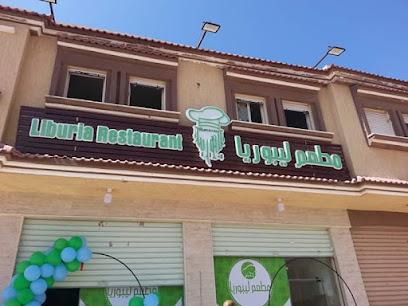
Experience authentic Libyan cuisine at Liberia Restaurant in Derna – where local flavors meet warm hospitality.
Al Sayad Seafood Restaurant
73.1 km
Experience authentic Mediterranean seafood at Al Sayad Seafood Restaurant in Derna – where fresh flavors meet local hospitality.
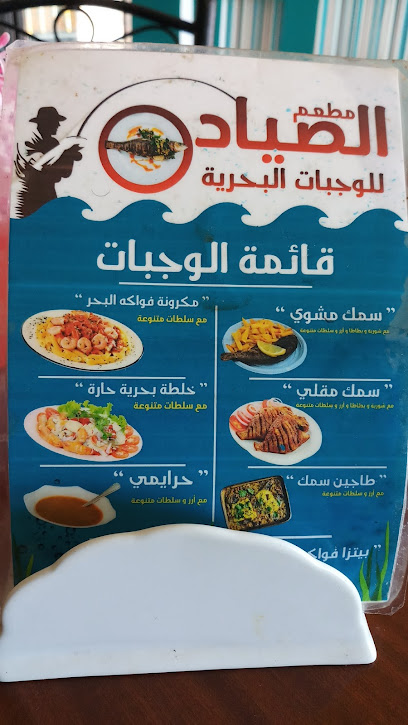
Al Rabie Arabians Restaurant
73.5 km
Experience authentic Arabian flavors at Al Rabie Arabians Restaurant in Derna, where culinary tradition meets warm hospitality.
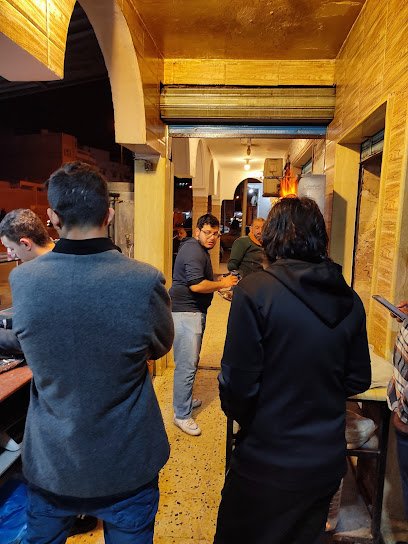
chicken land
73.8 km
Experience delightful chicken dishes at Chicken Land in Derna - where flavor meets tradition!
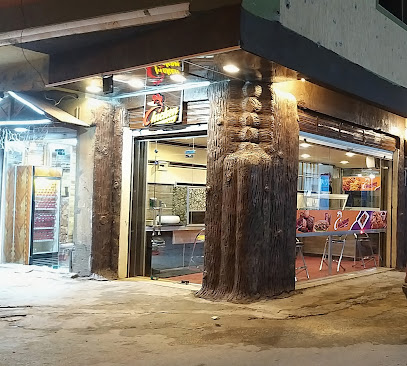
BBQ grill
73.8 km
Experience the taste of authentic Libyan grilled dishes at BBQ Grill in Derna - where flavor meets tradition.
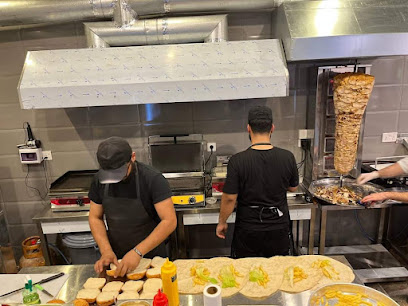
Tasty_Burger
73.9 km
Experience mouthwatering burgers at Tasty Burger in Derna – where flavor meets hospitality!

ali café
74.1 km
Experience authentic Libyan flavors at Ali Café in Derna - your cozy retreat amidst stunning coastal views.
BURGER_JOINT
74.1 km
Discover the ultimate burger experience at Burger Joint in Derna – where flavor meets friendly service.
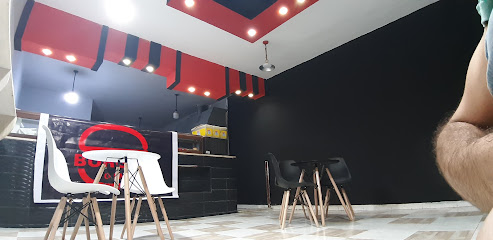
Lumberjack Restaurant, Derna
74.2 km
Discover authentic Libyan cuisine at Lumberjack Restaurant in Derna - where tradition meets taste in a cozy setting.
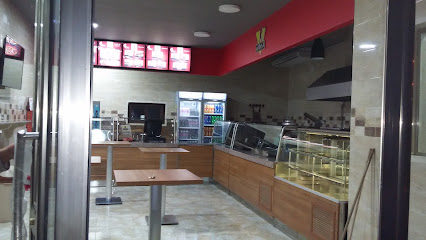
Cafe BTN
74.4 km
Discover the inviting atmosphere of Cafe BTN in Derna – where local flavors meet cozy comfort.
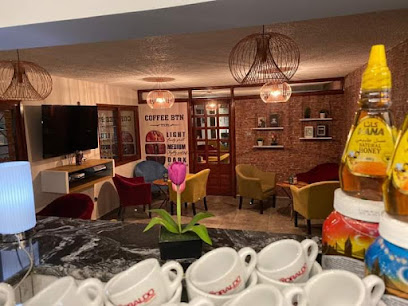
Salsabel Cafe قهوة سلسبيل
74.5 km
Discover Salsabel Cafe in Derna: A charming spot where you can enjoy authentic Libyan drinks and immerse yourself in local culture.
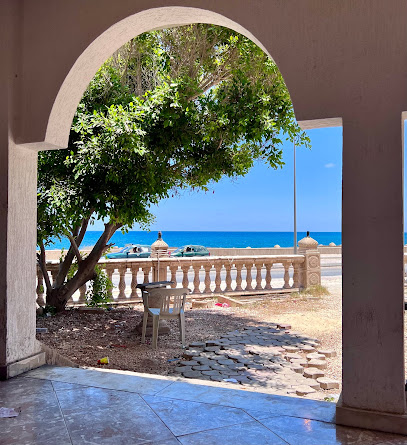
Markets, malls and hidden boutiques

نحبك T❤️🫂
11.8 km
Explore local crafts and unique souvenirs at نحبك T❤️🫂 in Al Bayda, where culture and craftsmanship meet in a welcoming atmosphere.

Alawamy
11.9 km
Discover Alawamy in Al Bayda, the go-to clothing store for trendy fashion and unique local styles that every tourist will adore.
Kado fashion
11.9 km
Explore unique clothing styles at Kado Fashion in Al Bayda, where local fashion meets a vibrant shopping experience.
متجر 2 دينار للتسوق
12.0 km
Discover the 2 Dinar Shopping Store in Al Bayda for unbeatable prices on home goods, blending quality with local charm.
Top Tattoo Agency
12.0 km
Experience the vibrant artistry and culture at Top Tattoo Agency in Al Bayda, where every tattoo tells a unique story.
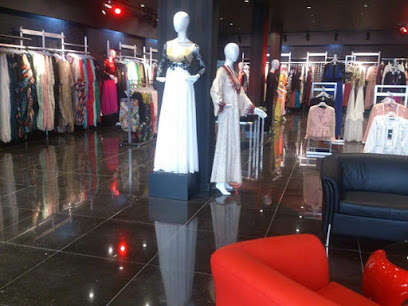
Chc Me
12.1 km
Discover unique and stylish women's clothing at Chc Me in Al Bayda, the perfect shop for fashion-savvy travelers seeking local flair.
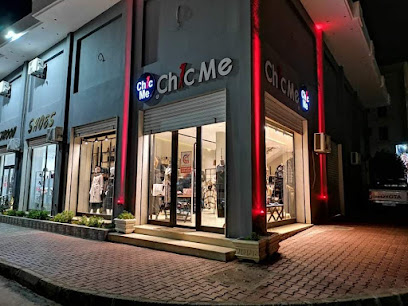
4G
12.1 km
Discover the latest electronics and gadgets at 4G in Al Bayda, a technological hub for tourists and locals alike.
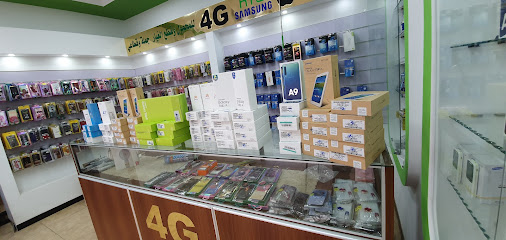
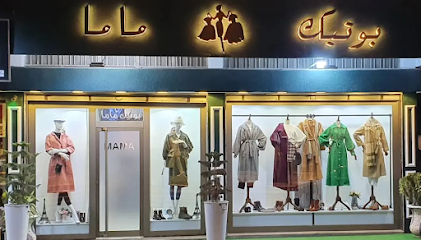
Mama Boutique for Women's Clothes
12.1 km
Discover unique women's fashion at Mama Boutique in Al Bayda, where style meets local culture in a delightful shopping experience.
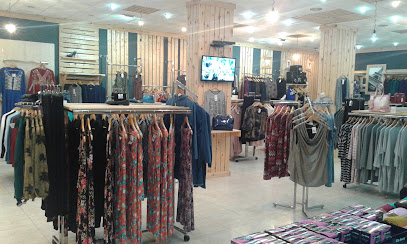
Linh Store for women Clothes
12.1 km
Discover stylish women's clothing at Linh Store in Al Bayda, where fashion meets comfort for every occasion.
GoldenSilk السلك الذهبي للأقمشه
12.2 km
Explore GoldenSilk in Al Bayda: Your gateway to exquisite Libyan fabrics and timeless craftsmanship in the heart of Libya.
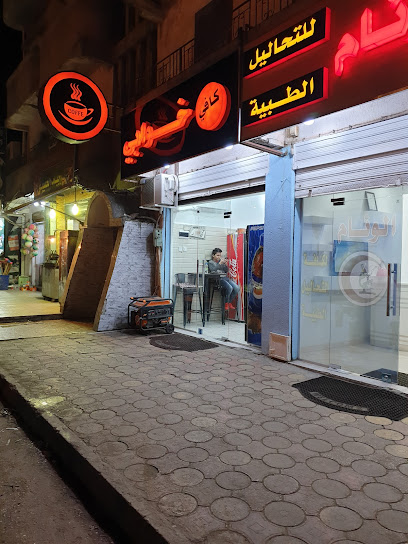
كافي خوابي Khawaby Coffee
12.3 km
Discover the cozy charm of Khawaby Coffee in Al Bayda, where exceptional brews meet a welcoming atmosphere for a perfect coffee experience.
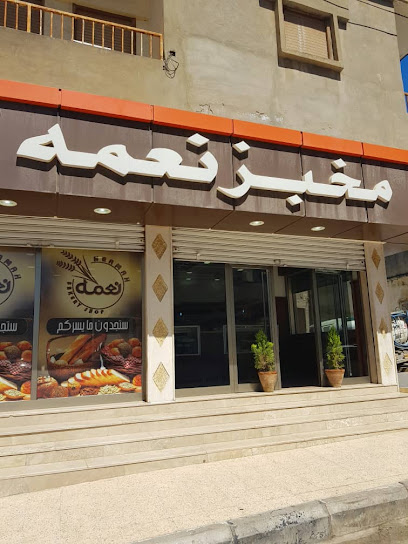
مخبز نعمة Neamah Bakery shop
12.3 km
Discover the authentic taste of Libya at Neamah Bakery, where freshly baked delights await every visitor in Al Bayda.
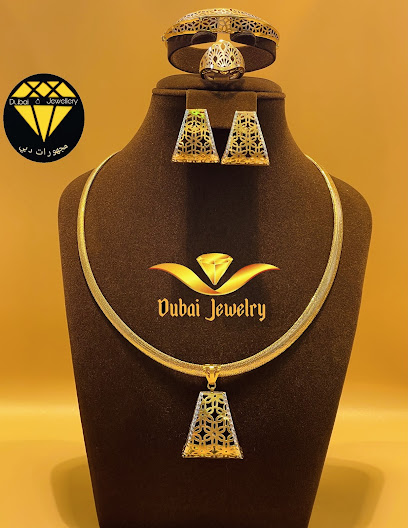
gold market
13.2 km
Explore Al Bayda's Gold Market for an authentic shopping experience filled with intricate jewelry and vibrant local culture.
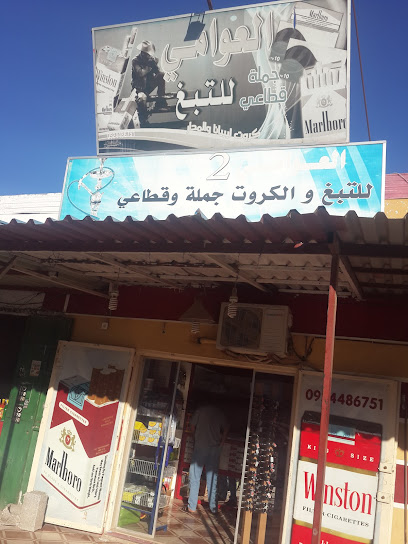
Awami For Tobacco
22.8 km
Experience the rich flavors of tobacco at Awami For Tobacco in Massah, a unique shop that embodies local culture and tradition.
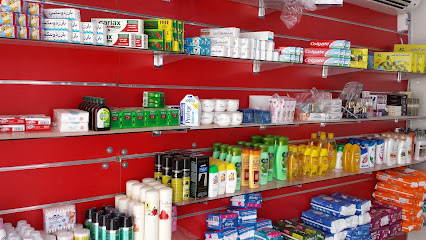
Libya Pharmacy
63.4 km
Explore the world of natural healing at Libya Pharmacy, your destination for homeopathic remedies and holistic health solutions in Al Bayyadah.
Essential bars & hidden hideouts

قاعة ⭐ROCKSTAR للألعاب
3.9 km
Discover the ultimate gaming experience at قاعة ⭐ROCKSTAR للألعاب in Shahat, where fun meets friendship in a vibrant lounge setting.
Al Manara Seafood Restaurant
7.0 km
Experience the best of Mediterranean seafood at Al Manara Seafood Restaurant in Al Bayda, a culinary delight for every seafood lover.
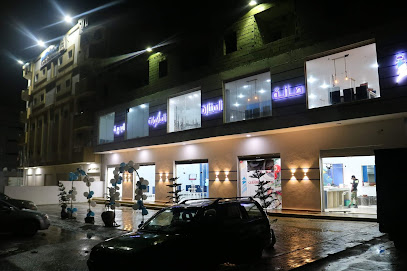
زوزو ساندويتش - ZOZO Sandwich
9.8 km
Experience the vibrant flavors of Al Bayda at زوزو ساندويتش, offering delicious sandwiches in a casual atmosphere.
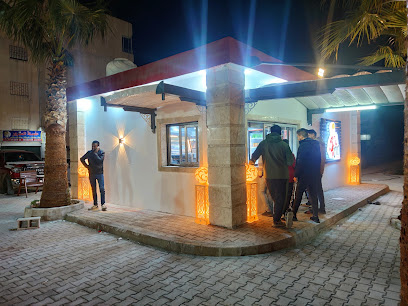
Burger King
11.7 km
Experience the iconic taste of flame-grilled burgers at Burger King Al Bayda, a must-visit for fast-food lovers!
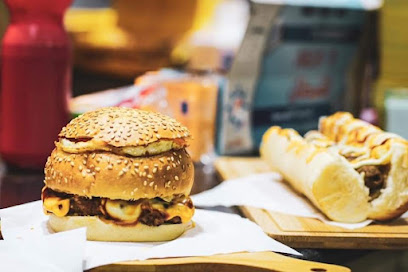
بريو Brio
11.9 km
Discover the vibrant flavors of local cuisine at بريو Brio in Al Bayda, a must-visit for food lovers seeking small plate delights.

مطعم mix food
12.2 km
Savor authentic American cuisine at مطعم mix food in Al Bayda, where comfort food meets Libyan hospitality in a vibrant dining atmosphere.
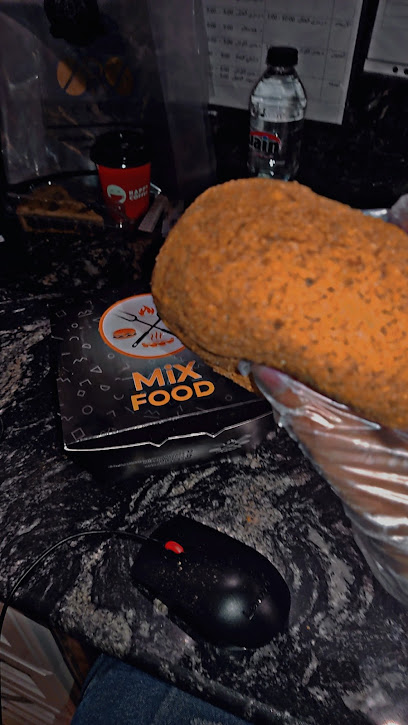
Almadina restaurant مطعم المدينة
12.2 km
Experience the rich flavors of Libya at Almadina Restaurant, where authentic dishes and warm hospitality await every visitor.
Al-Barasi Restaurant
12.7 km
Experience the authentic taste of Libya at Al-Barasi Restaurant, a culinary haven in Al Bayda offering traditional dishes and a warm atmosphere.
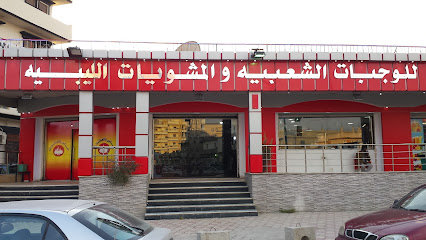
مطعم وكافي الخشبي cafe alkshby
12.8 km
Discover the flavors of Libya at Café Al Kshby in Al Bayda, where every dish tells a story and every visit feels like home.
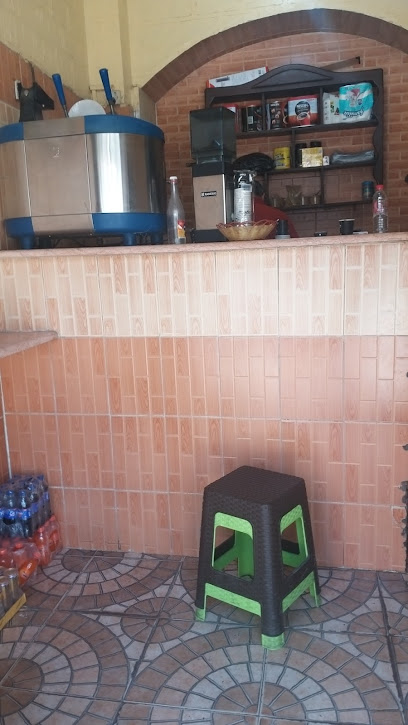
مقهي الرحالة 3
14.1 km
Discover a blend of relaxation and culture at مقهي الرحالة 3, Al Bayda's premier hookah bar offering a cozy atmosphere and delightful refreshments.
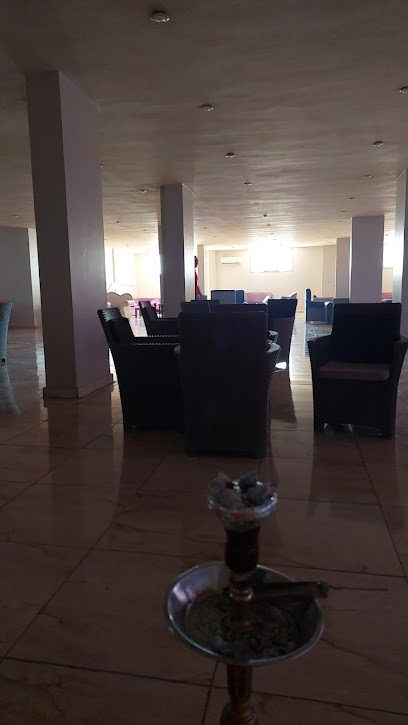
Nova coffe
73.1 km
Experience the aromatic delights of Nova Coffee, a premier espresso bar in Derna, perfect for coffee enthusiasts and casual drinkers alike.
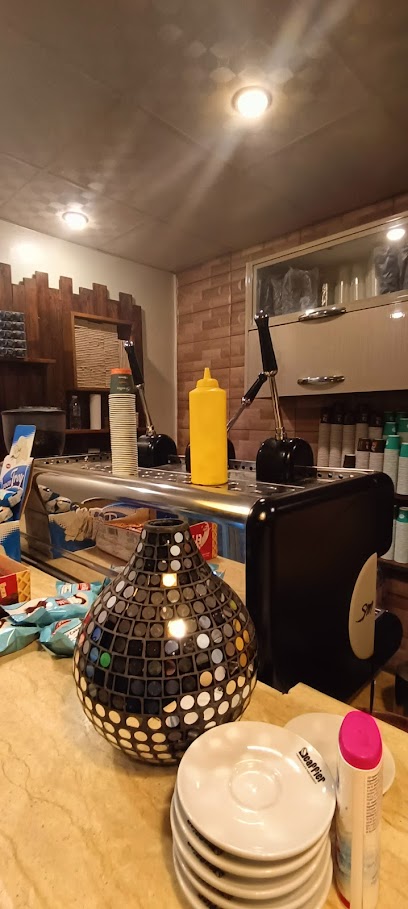
مطعم بيانتو pianto
73.6 km
Discover the rich flavors of Libyan cuisine at مطعم بيانتو Pianto in Derna, where every dish tells a story.
Taknis Restaurant إستراحة تاكنس
77.5 km
Experience the rich flavors of Libyan cuisine at Taknis Restaurant, a welcoming gem in the heart of Taknis.