

Free Jebel Akhdar Travel Guide & Mobile App
Explore Jebel Akhdar with free travel guides. Discover regional history, expert tips, proposed trips, and audio guides on web or mobile app.


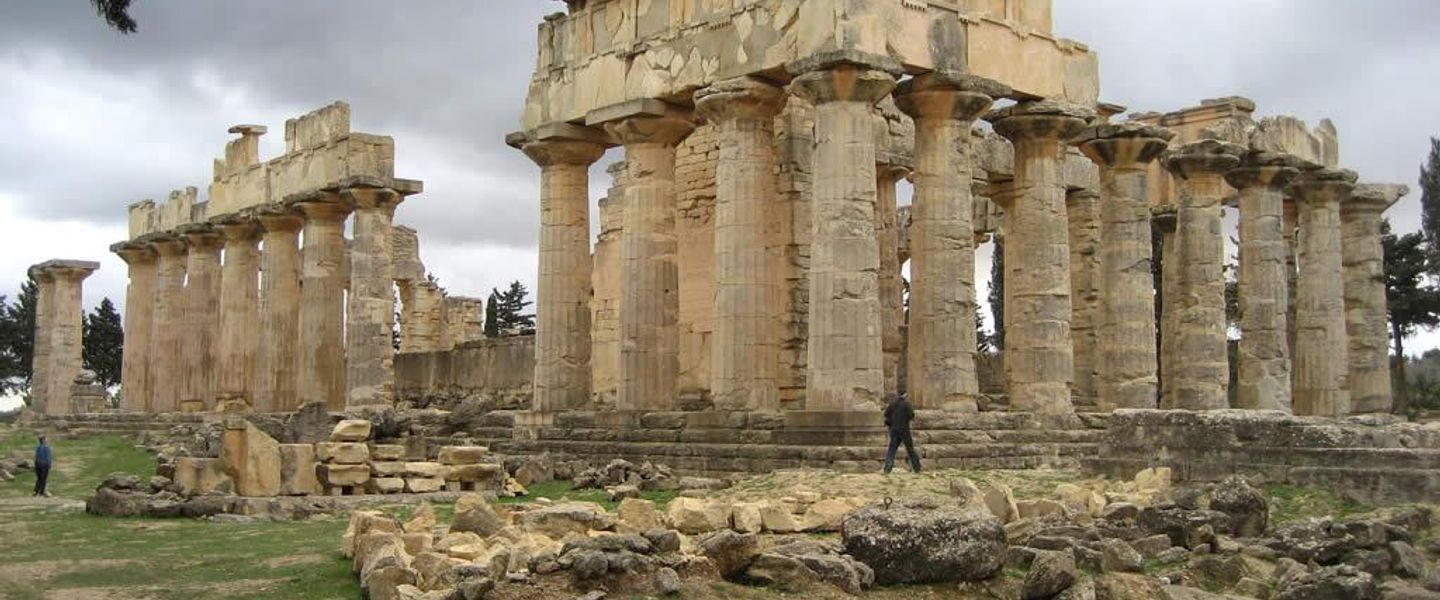


Explore Jebel Akhdar in Libya for ancient Cyrene, Mediterranean cliffs, highland landscapes and the layered history of Cyrenaica.
Read more about Jebel Akhdar
When is the best time to visit Jebel Akhdar?
Best: May–June, October · 26–30°C| Month | High (°C) | Rainfall (mm) |
|---|---|---|
| January | 15 | 40 |
| February | 16 | 35 |
| March | 18 | 30 |
| April | 21 | 25 |
| May (best) | 26 | 20 |
| June (best) | 30 | 10 |
| July | 33 | 5 |
| August | 33 | 5 |
| September | 30 | 10 |
| October (best) | 26 | 20 |
| November | 19 | 25 |
| December | 16 | 30 |
Getting to and around Jebel Akhdar
How to get there
Transportation
Best attractions in Jebel Akhdar
Jebel Akhdar’s attractions combine major classical archaeology with highland scenery and a rugged Mediterranean coast. The archaeological zone of Cyrene near Shahat is the region’s central cultural attraction, extending across sanctuaries, public buildings, theatres, tombs and elevated viewpoints that show the scale of the ancient Greek and Roman city. At the coast, Apollonia near Susah provides a contrasting setting, with ancient remains close to the sea and evidence of the port that served Cyrene. The wider uplands offer agricultural landscapes, wooded ravines and steep valleys rather than formal theme-park facilities. Wadi al-Kuf is known for its broad gorge and dramatic road crossing, while coastal areas around Ras al-Hilal and Susah provide viewpoints and access to the region’s limestone shore when local conditions allow. Al Bayda and Shahat contain the practical urban infrastructure for many excursions, though museums, cafés and visitor services may operate irregularly. This is a region for planned archaeological visits, landscape observation and locally guided drives, not spontaneous touring; current security advice, permissions, road access and the condition of individual sites must be confirmed before setting out.
-
Al Hoota Cave
Discover Oman's hidden gem: Al Hoota Cave, a natural wonder with stunning formations and unique wildlife, millions of years in the making.
-
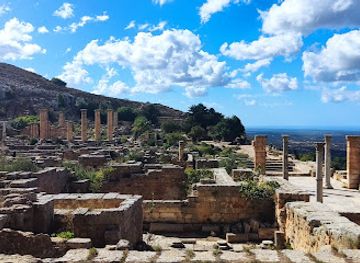
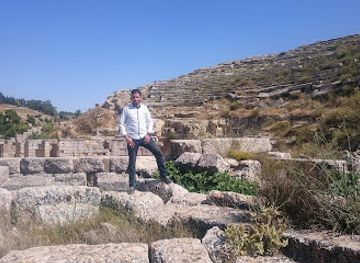
Ruins of Cyrene
Discover Cyrene's ancient wonders: Explore Greek & Roman ruins in Libya, a UNESCO site with temples, theaters, & rich history.
-
Jebel al Harim
Discover Jebel al Harim: Musandam's highest peak, offering stunning views, ancient fossils, and a glimpse into Omani culture and history.
Best landmarks in Jebel Akhdar
The most important landmark in Jebel Akhdar is the archaeological landscape of Cyrene, where the Sanctuary of Apollo, the Temple of Zeus, ancient theatres and the extensive necropolis express the wealth and ambition of the classical city. Its position above the Mediterranean is as significant as the surviving masonry, linking the ruins to the fertile plateau and the port below. Apollonia near Susah is a second defining landmark: the remains of the ancient harbour settlement occupy a coastal setting shaped by earthquakes, erosion and the changing shoreline. Wadi al-Kuf is the region’s major natural landmark, a deep limestone gorge cut through the Green Mountain and associated with a prominent road bridge. The wooded slopes and ravines around the uplands are also geographically distinctive within Libya, while sites connected with the resistance of Omar al-Mukhtar carry strong national symbolism. Some locations traditionally associated with the broader Cyrenaican landscape lie outside the core mountain area, so visitors should confirm boundaries, access and local terminology when planning a route.
-
Historical landmark
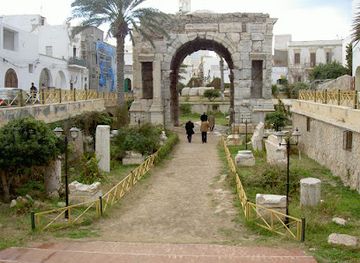
Arc of Marcus Aurelius
Discover the Arc of Marcus Aurelius in Tripoli—an architectural wonder reflecting Libya's rich Roman heritage.
-
Zoo
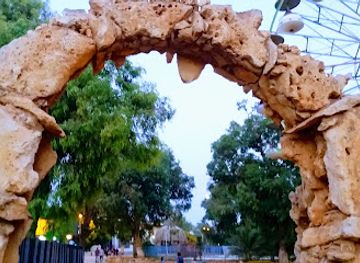
Benghazi Zoo
Explore the enchanting Benghazi Zoo, a wildlife haven in the heart of Libya, perfect for family fun and unforgettable experiences.
-
Historical place
Ruins of Cyrene
Discover the ancient marvels of the Ruins of Cyrene, a UNESCO World Heritage site, where history and stunning landscapes intertwine in Libya.
-
Archaeological museum
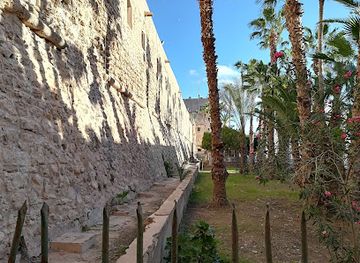
Saraya Museum
Explore Libya's rich history at the Saraya Museum, an archaeological gem in Tripoli's Old City, showcasing ancient artifacts and culture.
Explore Jebel Akhdar on the map
Plan your trip on one map. See where the top cities, national parks and sights are, and book hotels and experiences in a few clicks.
Best hotels in Jebel Akhdar
Best restaurants in Jebel Akhdar
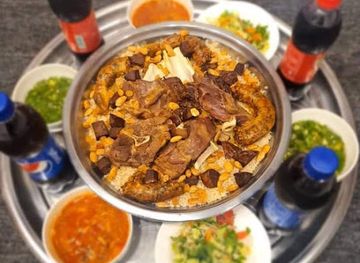
Food in Jebel Akhdar reflects the wider culinary traditions of eastern Libya, with meals commonly centred on couscous, bazeen, rice, soups, flatbreads, vegetables, dates, grilled meat and strong Arabic coffee or tea. In Al Bayda and Shahat, visitors are most likely to find simple restaurants, cafés and family-run establishments serving filling local dishes rather than a broad international dining scene. Lamb, chicken and stewed vegetables are common, while fish and seafood become more relevant near Susah and other coastal settlements. Olive oil, herbs and locally grown produce reflect the mountain’s comparatively fertile agricultural environment, although menus vary with supply. Breakfast may be informal and bread-based, and meals often take place later in the day than some international visitors expect. Independent travellers should not rely on finding food beside archaeological sites or along rural roads; arrange meals with accommodation or a guide and carry provisions for longer excursions. Alcohol is not part of ordinary public dining culture, and hospitality should be approached with respect for local customs.
-
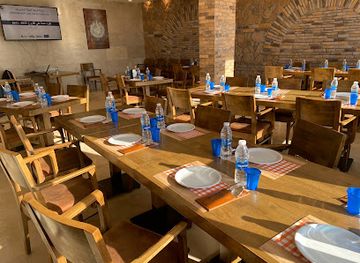
Lebanese
Fattoush Lebanese Restaurant
Savor authentic Lebanese dishes in Tripoli's vibrant Fattoush Restaurant - where tradition meets flavor.
-
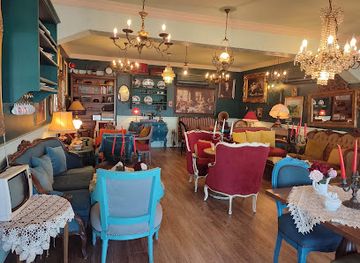
Cafe
At Home Cafe
Discover the charm of At Home Cafe in Tripoli, where delicious breakfasts meet cozy ambiance for an unforgettable dining experience.
-
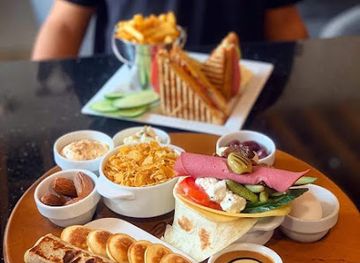
Cafe
Pause Café
Experience the vibrant flavors of Libya at Pause Café – your go-to spot for breakfast and relaxation in Benghazi.
-
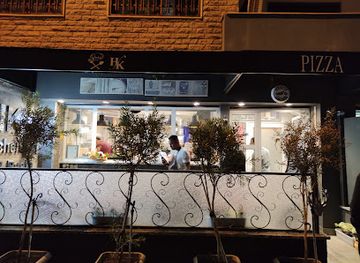
Pizza
Hk pizza
Experience authentic Libyan flavors at Hk Pizza in Tripoli – where every slice tells a story.
Best bars in Jebel Akhdar
Jebel Akhdar does not have a conventional bar or nightclub scene. Evening social life is concentrated in cafés, restaurants, family homes and informal meeting places in Al Bayda, Shahat and other larger settlements, where tea, coffee and conversation are more typical than licensed nightlife. Some cafés may remain open later than daytime businesses, but opening arrangements and the atmosphere can change according to local conditions. Coastal towns may have simple seafood restaurants and cafés rather than a developed seafront entertainment district. Alcohol is not appropriate in ordinary public settings, and visitors should not expect the nightlife infrastructure found in major European or Middle Eastern resort cities. For most travellers, evenings are better suited to dining, arranging the following day’s guided excursion and observing the quiet atmosphere of the highland towns, subject always to current security advice and any local movement restrictions.
-
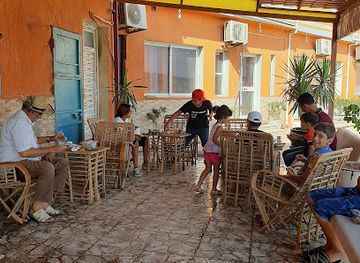
Taknis Restaurant إستراحة تاكنس
Experience the rich flavors of Libyan cuisine at Taknis Restaurant, a welcoming gem in the heart of Taknis.
-
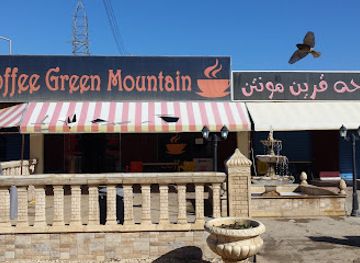
Green Mountain
Experience the delightful ambiance and exquisite flavors at Green Mountain Cafe in Baracca, Libya - a must-visit for every traveler.
-
Angler fish restaurant
مقهي ومطعم الجبل الاخضر
Experience the taste of Libya at مقهي ومطعم الجبل الاخضر in Al Bayda, where authentic cuisine meets a welcoming atmosphere.
-
Angler fish restaurant
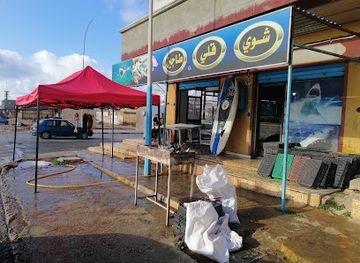
تشاركية كركارة للأسماك الطازجة
Discover the authentic flavors of fresh seafood at تشاركية كركارة للأسماك الطازجة in Susah, where every dish tells a story.
Best nightclubs in Jebel Akhdar
Jebel Akhdar does not have a conventional bar or nightclub scene. Evening social life is concentrated in cafés, restaurants, family homes and informal meeting places in Al Bayda, Shahat and other larger settlements, where tea, coffee and conversation are more typical than licensed nightlife. Some cafés may remain open later than daytime businesses, but opening arrangements and the atmosphere can change according to local conditions. Coastal towns may have simple seafood restaurants and cafés rather than a developed seafront entertainment district. Alcohol is not appropriate in ordinary public settings, and visitors should not expect the nightlife infrastructure found in major European or Middle Eastern resort cities. For most travellers, evenings are better suited to dining, arranging the following day’s guided excursion and observing the quiet atmosphere of the highland towns, subject always to current security advice and any local movement restrictions.
-
Benghazi Zoo
Explore the vibrant wildlife and lush landscapes of Benghazi Zoo, a family-friendly attraction in Libya's historical city.
-
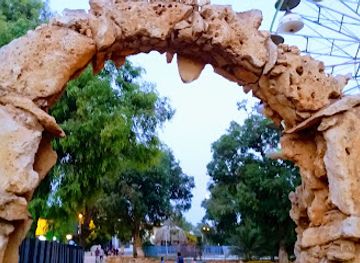
Ruins of Cyrene
Discover the breathtaking Ruins of Cyrene, a UNESCO World Heritage site rich in history, culture, and stunning Mediterranean landscapes.
-
Mine Beirut
Discover the pulse of Daoura's nightlife at Mine Beirut, a prime night club featuring live music and stunning seaside views.
-
نادي شباب الجبل - shabab al jabl
Discover the vibrant sports culture at Shabab Al Jabl Sports Club in Shahat, Libya. A must-visit for sports lovers and cultural enthusiasts alike.

Best shops in Jebel Akhdar
Shopping in Jebel Akhdar is practical and locally focused rather than centred on large retail complexes. Al Bayda offers the broadest selection of everyday shops, bakeries, clothing stores and small markets, while Shahat and other towns provide basic supplies for archaeological visits and road journeys. Look for olive oil, dates, honey, herbs, locally produced foods and regional sweets where provenance and quality can be established, as well as woven goods or modest handicrafts sold through local shops rather than formal tourist markets. Small groceries are useful for water and provisions because services become sparse beyond the main settlements. Visitors should compare prices politely, carry cash and avoid buying antiquities, coins, fossils or archaeological objects, whose export and ownership can involve serious legal and ethical problems. Retail hours and stock may change with local circumstances, and any market or craft outlet should be confirmed locally rather than assumed to operate on a fixed tourist schedule.
-
Shopping mall
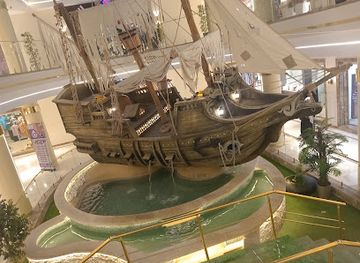
Budzirh Mall
Experience the vibrant shopping and dining scene at Budzirh Mall in Benghazi, where local culture meets international flair.
-
Sportswear store
Alriqa Sport
Explore Alriqa Sport in Tripoli for high-quality, affordable sportswear to elevate your athletic game while enjoying your travels.
-
Fashion accessories store
SOOMRAN SHOP
Explore Soomran Shop in Tripoli for unique fashion accessories that blend local craftsmanship with contemporary styles, perfect for all fashion enthusiasts.
-
Tobacco shop
Awami For Tobacco
Experience the rich flavors of tobacco at Awami For Tobacco in Massah, a unique shop that embodies local culture and tradition.



Get your free copy of our complete guide to Jebel Akhdar, delivered straight to you.
Everything on this page, from attractions and restaurants to essentials and local phrases, in one PDF you can read offline, print or share.
Already have an account? Sign in
Your Jebel Akhdar guide is ready.
We'll send it to · Not you? Sign out

Getting your guide ready…
We are putting together a fresh copy of the Jebel Akhdar guide. This can take up to a minute.
This can take a few moments. If your browser asks, choose Allow so the download can start. You'll find the guide in your Downloads folder.
Nothing happened? Download it again
Sorry, the guide is taking longer than usual. Please try again in a minute, or get it by email instead.
Jebel Akhdar essentials
Currency and Payment
Safety
Emergency Situations
Do's and Don'ts
Local Tips
From Eve
Local phrases worth knowing
You don't need to get them perfect. A few words go a long way, and locals appreciate the effort.
Basics
| English | Local | Say it |
|---|---|---|
| Hello | مرحبا | [Marhaban] |
| Goodbye | وداعا | [Wada'a] |
| Yes | نعم | [Na'am] |
| No | لا | [La] |
| Please/You're welcome | من فضلك | [Min fadlik] |
| Thank you | شكرا | [Shukran] |
| Excuse me/Sorry | عفوا | [Afwan] |
| How are you? | كيف حالك؟ | [Kayfa halak?] |
| Fine. And you? | بخير. وأنت؟ | [Bikhayr. Wa anta?] |
| Do you speak English? | هل تتحدث الإنجليزية؟ | [Hal tatahaddath al-ingliziyya?] |
| I don't understand | لا أفهم | [La afham] |
Eating & Drinking
| English | Local | Say it |
|---|---|---|
| I'd like to see the menu, please | أود رؤية القائمة، من فضلك | [Awad ru'yat al-qa'ima, min fadlik] |
| I don't eat meat | لا أكل اللحم | [La akul al-lahm] |
| Cheers! | في صحتك! | [Fi sihtak!] |
| I would like to pay, please | أود الدفع، من فضلك | [Awad al-daf', min fadlik] |
Emergencies
| English | Local | Say it |
|---|---|---|
| Help! | نجدة! | [Najda!] |
| Go away! | ابتعد! | [Ibt'id!] |
| Call the Police! | اتصل بالشرطة! | [Ittasil bil-shurta!] |
| Call a doctor! | اتصل بطبيب! | [Ittasil bi-tabib!] |
| I'm lost | أنا ضائع | [Ana da'i'] |
| I'm ill | أنا مريض | [Ana marid] |
Shopping
| English | Local | Say it |
|---|---|---|
| I'd like to buy... | أود شراء... | [Awad shirā'] |
| I'm just looking | أنا فقط أنظر | [Ana faqat anzur] |
| How much is it? | كم ثمنه؟ | [Kam thamanu?] |
| That's too expensive | هذا مكلف جدا | [Hatha mukallaf jiddan] |
| Can you lower the price? | هل يمكنك تخفيض السعر؟ | [Hal yumkinuka takhfid al-si'r?] |
Time & Numbers
| English | Local | Say it |
|---|---|---|
| What time is it? | كم الساعة؟ | [Kam al-sa'a?] |
| It's one o'clock | الساعة واحدة | [Al-sa'a wahida] |
| Half past (10) | نصف الساعة (10) | [Nisf al-sa'a (10)] |
| Morning | صباح | [Sabah] |
| Afternoon | بعد الظهر | [Ba'd al-zuhur] |
| Evening | مساء | [Masa'] |
| Yesterday | أمس | [Ams] |
| Today | اليوم | [Al-yawm] |
| Tomorrow | غدا | [Ghadan] |
| 1 | واحد | [Wahid] |
| 2 | اثنان | [Ithnan] |
| 3 | ثلاثة | [Thalatha] |
| 4 | أربعة | [Arba'a] |
| 5 | خمسة | [Khamsa] |
| 6 | ستة | [Sitta] |
| 7 | سبعة | [Sab'a] |
| 8 | ثمانية | [Thamaniya] |
| 9 | تسعة | [Tis'a] |
| 10 | عشرة | [Ashra] |
Transport & Directions
| English | Local | Say it |
|---|---|---|
| Where's a/the...? | أين...؟ | [Ayn...?] |
| What's the address? | ما هو العنوان؟ | [Ma huwa al-'unwan?] |
| Can you show me (on the map)? | هل يمكنك أن تريني (على الخريطة)؟ | [Hal yumkinuka an turini (ala al-kharita)?] |
| When's the next (bus)? | متى يأتي (الحافلة) التالية؟ | [Mata ya'ti (al-hafila) al-taliya?] |
| A ticket (to ....) | تذكرة (إلى....) | [Tadhkira (ila....)] |
History of Jebel Akhdar
Early settlement and the Green Mountain environment
Jebel Akhdar has supported human settlement for thousands of years because its rainfall, springs, fertile soils and defensible uplands distinguish it from the surrounding semi-arid country. Prehistoric communities used caves, valleys and open agricultural land, while later populations developed farming systems based on grain, olives, livestock and orchard cultivation. The plateau’s relationship with the sea was equally important: its coastal edge provided harbours and landing places, while routes across the uplands connected maritime settlements with inland communities.
Greek Cyrene and the classical period
The Greek city of Cyrene was founded in the seventh century BC by settlers from the island of Thera, near modern Shahat. It became the leading city of Cyrenaica and gave its name to the wider region. Cyrene prospered through agriculture, trade and its position above the Mediterranean, producing the philosopher and mathematician Eratosthenes among other notable figures. Temples, public buildings, theatres, sanctuaries and tombs spread across the plateau, leaving one of North Africa’s most important classical archaeological landscapes.
Roman and Byzantine Cyrenaica
Cyrene and the surrounding settlements were absorbed into the Roman world and later formed part of the Byzantine sphere. Roman administration encouraged roads, civic construction and agricultural production, while the port of Apollonia served as Cyrene’s maritime outlet. In the Byzantine period, churches and other Christian buildings appeared across the region, and coastal and inland settlements remained connected despite political and economic change. Earthquakes, including a major sixth-century disaster, damaged Cyrene and contributed to the long transformation of the ancient urban landscape.
Arab, Ottoman and Senussi influence
Arab-Muslim rule reshaped Cyrenaica from the seventh century onwards, although the region’s scattered settlements and tribal networks retained considerable local importance. Later centuries brought Ottoman authority, periods of decentralised rule and the growth of the Senussi religious and political movement, which became especially influential in eastern Libya. The Green Mountain’s agricultural resources, strategic position and links with the coast made it a significant zone within Cyrenaica rather than an isolated rural backwater.
Italian colonial rule and the resistance of Omar al-Mukhtar
Italy invaded Libya in 1911 and established colonial control through military campaigns, settlement policies and coercive administration. Jebel Akhdar became a major centre of resistance, with Omar al-Mukhtar and other Senussi-aligned forces using the mountain’s ravines, forests and difficult terrain in opposition to Italian rule. The conflict brought severe repression, displacement and the closure of rural communities. Omar al-Mukhtar’s capture and execution in 1931 remain central to Libyan national memory, and the Green Mountain is closely associated with the anti-colonial struggle.
War, independence and the modern eastern region
During the Second World War, Cyrenaica became a major theatre of fighting between British Commonwealth and Axis forces, with movement across eastern Libya repeatedly changing. Libya gained independence as a kingdom in 1951, with the Senussi monarch Idris I representing the eastern tradition, before the 1969 revolution established a republic under Muammar Gaddafi. Since 2011, political division, armed conflict and changing local authorities have affected travel, infrastructure and heritage management throughout eastern Libya, including Jebel Akhdar.
The 2023 Derna disaster and regional recovery
In September 2023, Storm Daniel caused catastrophic flooding in and around Derna after the failure of two upstream dams, with particularly severe loss of life in the city and surrounding valleys. The disaster exposed the vulnerability of eastern Libya’s infrastructure and created continuing humanitarian, reconstruction and access issues. Although Derna is at the eastern edge of the Jebel Akhdar landscape rather than synonymous with the whole mountain, the event is important context for understanding present-day travel conditions, road disruption and the sensitivity required when visiting affected communities.
Jebel Akhdar in Photos
Browse through our photo collection highlighting the charm and character of the destination.
Neighbouring regions of Jebel Akhdar
The closest regions to Jebel Akhdar, if you have time for more than one.
-

-

-

-

-


Swipe for more regions
Explore more

Explore more of Libya
Discover Libya: Ancient ruins, vast deserts, and Mediterranean charm await in this North African gem.
Explore Libya