

Free Biddeford Travel Guide & Mobile App
Plan your Biddeford trip with Evendo. Get free guides to top attractions, restaurants, hotels, and bars. Web access or download the mobile app.


Biddeford, Maine blends mill-town history, coastal beaches, independent food culture and Saco River scenery near southern Maine’s Atlantic shore.
River, Mills and the Coast
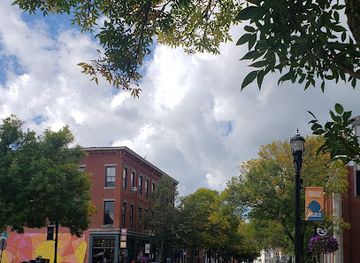
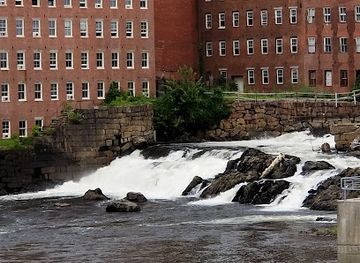
Biddeford occupies a distinctive stretch of southern Maine where the Saco River meets a working coastal landscape. The city grew around the river’s falls, first as a centre of timber and trade and later as one of New England’s important textile towns. Today, the red-brick mill buildings beside the river give Biddeford its strongest visual identity, while the downtown streets reveal a more contemporary life of independent cafés, restaurants, galleries and small businesses.Read more about Biddeford
A City with Two Landscapes
Everyday Maine, Reworked
When is the best time to visit Biddeford?
Best: June–August · 23–26°C| Month | High (°C) | Rainfall (mm) |
|---|---|---|
| January | 0 | 80 |
| February | 2 | 70 |
| March | 6 | 90 |
| April | 12 | 90 |
| May | 18 | 90 |
| June (best) | 23 | 90 |
| July (best) | 26 | 80 |
| August (best) | 25 | 90 |
| September | 21 | 90 |
| October | 15 | 100 |
| November | 9 | 100 |
| December | 3 | 90 |
Getting to and around Biddeford
How to get there
Transportation
Best attractions in Biddeford
Biddeford’s main attractions reveal the city through its river, mills and coast. The Pepperell Mill Campus is the defining sightseeing area, with vast brick industrial buildings beside the Saco River now containing creative businesses, offices and places to eat. Downtown Biddeford brings together historic commercial streets, the City Theater and the McArthur Library, while nearby Clifford Park provides wooded trails, rocky outcrops and river views within the city. For a change of landscape, Biddeford Pool has salt marshes, tidal water and a village-like coastal setting, and Fortunes Rocks offers a broad Atlantic beach backed by dunes and residential roads. The Biddeford Mills Museum adds context to the textile era, while the Saco River itself explains why industry developed here. These attractions are spread across a city that rewards combining a walk through the centre with a separate coastal outing.
-
Tourist attraction
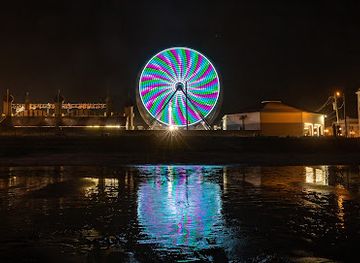
Palace Playland
Experience the thrill of rides and the joy of games at Palace Playland, Maine's premier amusement park in Old Orchard Beach.
24 min drive · 8.1 km from city centre
-
Tourist attraction
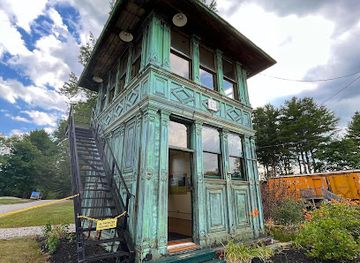
Seashore Trolley Museum
Explore the Seashore Trolley Museum in Kennebunkport for a unique journey through the history of rail transportation, perfect for families and history lovers.
25 min drive · 8.3 km from city centre
-
Tourist attraction
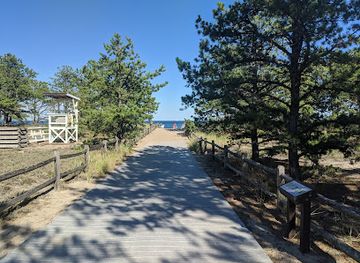
Ferry Beach State Park
Explore Ferry Beach State Park, a scenic coastal paradise in Saco, Maine, perfect for beach lovers, hikers, and nature enthusiasts.
12 min drive · 3.9 km from city centre
-
Tourist attraction
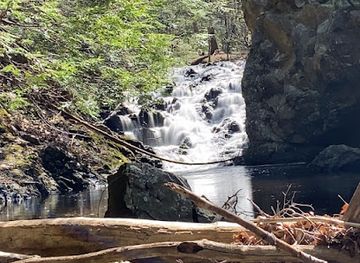
Clifford Park
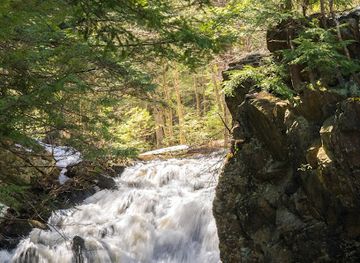
Discover the natural beauty and recreational charm of Clifford Park, a top destination for outdoor enthusiasts in Biddeford, Maine.
19 min drive · 6.4 km from city centre
Best landmarks in Biddeford
Biddeford’s landmarks are closely tied to the Saco River and the city’s industrial rise. The Pepperell Mill buildings form the most extensive historic ensemble, their masonry façades and large-scale factory spaces preserving the character of a nineteenth-century textile district. Downtown Biddeford’s City Hall and surrounding civic buildings express the confidence of the industrial era, while the City Theater remains an important performing-arts landmark in the commercial centre. St Mary’s Church, associated with Biddeford’s large Franco-American Catholic community, reflects the social and religious institutions created by mill workers and immigrant families. The McArthur Library is another notable civic building, linking education and public life with the city’s historic streetscape. Together these places show how manufacturing, migration, religion and municipal ambition shaped Biddeford’s physical identity.
-
Coffee shop
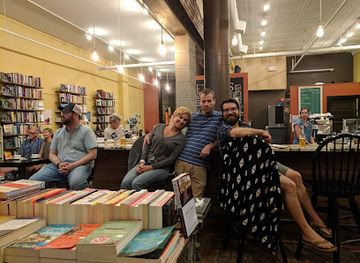
Elements Books Coffee Beer
Discover the unique fusion of coffee, craft beers, and literature at Elements Books Coffee Beer in Biddeford, Maine—a must-visit for every traveler.
22 min drive · 7.4 km from city centre
-
Shopping mall
Five Points Shopping Center
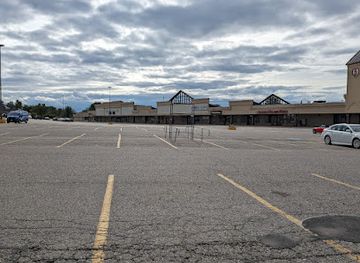
Experience shopping, dining, and entertainment at the lively Five Points Shopping Center in Biddeford, Maine, perfect for all ages!
24 min drive · 7.8 km from city centre
-
Park
Clifford Park
Explore the natural beauty and recreational opportunities at Clifford Park, Biddeford's serene retreat for nature lovers and families alike.
19 min drive · 6.4 km from city centre
-
Brewery
Banded Brewing Company Biddeford
Discover the essence of Maine’s craft beer at Banded Brewing Company in Biddeford, where quality and community come together in every pint.
21 min drive · 7.0 km from city centre
Explore Biddeford on the map
Plan your Biddeford trip on one map. See where the top attractions, landmarks, restaurants, bars and hotels are, find what's near where you're staying, and book hotels and experiences in a few clicks.
Best hotels in Biddeford
Best restaurants in Biddeford
Biddeford’s dining scene has become one of southern Maine’s most distinctive, with independent restaurants and cafés concentrated around Main Street, downtown and the Pepperell Mill Campus. The city’s food culture reflects both its working-class industrial past and Maine’s coastal setting: seafood, shellfish, local produce and New England staples appear alongside contemporary cooking influenced by the area’s immigrant communities. Palace Diner, a compact and widely recognised downtown institution, represents the city’s interest in polished cooking served in an informal setting. Bakeries, coffee shops, casual eateries and mill-district restaurants create an active daytime scene, while seasonal farm and seafood ingredients shape menus throughout the year. Visitors will find more choice in the centre than in the outlying coastal districts, where dining is quieter and more limited outside the main summer period.
-
American
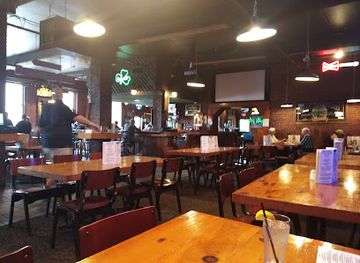
Mulligan's
Discover Mulligan's in Biddeford: Affordable American cuisine and a lively bar atmosphere perfect for all occasions.
22 min drive · 7.4 km from city centre
-
Pizza
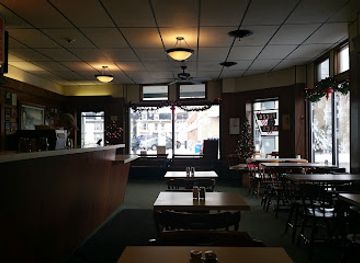
Pizza By Alex
Discover the unique crust and delicious toppings at Pizza By Alex in Biddeford, Maine – a must-visit pizza destination!
21 min drive · 7.0 km from city centre
-
Diner
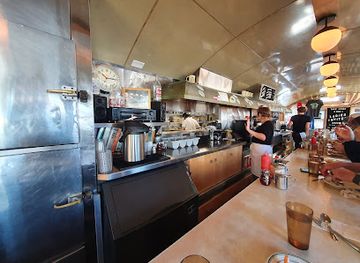
Palace Diner
Discover Palace Diner in Biddeford, Maine - where classic American comfort food meets friendly service in a nostalgic setting.
21 min drive · 7.1 km from city centre
-
Japanese
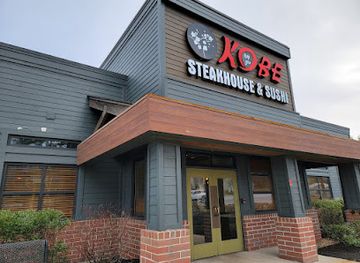
Kobe Japanese Grill
Discover an unforgettable dining experience at Kobe Japanese Grill featuring exquisite sushi and thrilling hibachi performances in Biddeford.
29 min drive · 9.7 km from city centre
Best bars in Biddeford
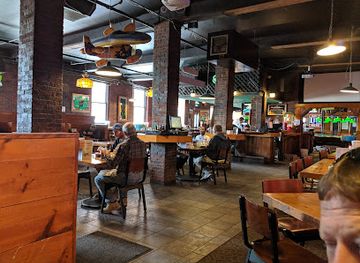
Biddeford’s evening scene is compact rather than centred on large nightclubs. Downtown Main Street and the Pepperell Mill Campus provide the main concentration of bars, breweries, restaurants and informal places for an evening drink, with the atmosphere generally favouring conversation, food and locally produced beer over late-night clubbing. The City Theater contributes a cultural dimension through performances and other events, while occasional live music and community programming bring activity to the centre after dark. Biddeford Pool and Fortunes Rocks are predominantly residential and coastal, so evenings there are quieter than in downtown. Seasonal events can alter the rhythm of the city, but visitors should expect a relaxed small-city nightlife scene, with Portland offering a much broader choice of late entertainment nearby.
-
American
Mulligan's
Discover Mulligan's in Biddeford - a cozy American restaurant serving up comfort food in a welcoming atmosphere.
22 min drive · 7.4 km from city centre
-
Restaurant
Applebee's Grill + Bar
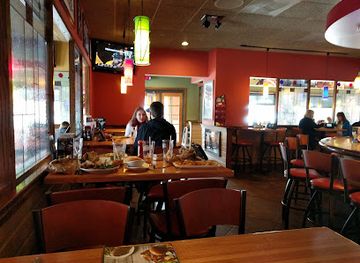
Experience casual dining at its finest at Applebee's Grill + Bar in Biddeford, where delicious American cuisine meets a welcoming atmosphere.
28 min drive · 9.5 km from city centre
-
New England
99 Restaurants
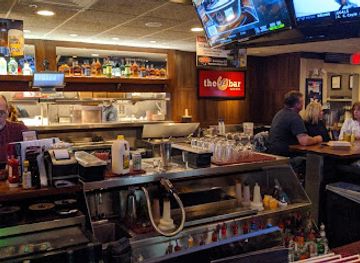
Experience the best of New England dining at 99 Restaurants in Biddeford, where comfort food meets a welcoming atmosphere.
23 min drive · 7.8 km from city centre
-
Mexican
Coco Bar and Grill
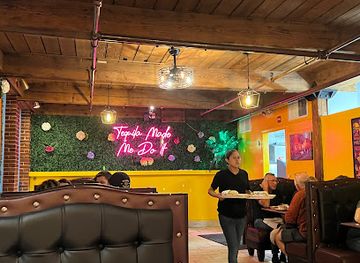
Experience authentic Mexican cuisine at Coco Bar and Grill in Biddeford, Maine, where vibrant flavors meet warm hospitality.
22 min drive · 7.2 km from city centre
Best nightclubs in Biddeford
Biddeford’s evening scene is compact rather than centred on large nightclubs. Downtown Main Street and the Pepperell Mill Campus provide the main concentration of bars, breweries, restaurants and informal places for an evening drink, with the atmosphere generally favouring conversation, food and locally produced beer over late-night clubbing. The City Theater contributes a cultural dimension through performances and other events, while occasional live music and community programming bring activity to the centre after dark. Biddeford Pool and Fortunes Rocks are predominantly residential and coastal, so evenings there are quieter than in downtown. Seasonal events can alter the rhythm of the city, but visitors should expect a relaxed small-city nightlife scene, with Portland offering a much broader choice of late entertainment nearby.
-
Night club
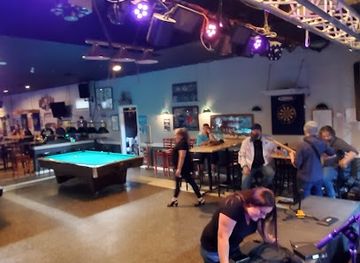
Champions Sports Bar
Discover the vibrant atmosphere of Champions Sports Bar, where sports, live music, and fun come together in Biddeford, Maine.
23 min drive · 7.6 km from city centre
-
Restaurant
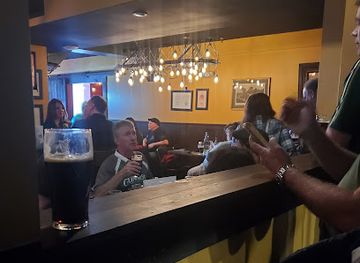
The Dunn Bar
Discover the vibrant atmosphere and delicious Irish cuisine at The Dunn Bar, a beloved restaurant and sports bar in Biddeford, Maine.
21 min drive · 7.1 km from city centre
-
Cocktail bar
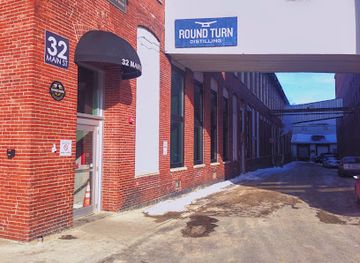
Round Turn Distilling
Discover the heart of Biddeford's craft scene at Round Turn Distilling, where artisanal spirits and unforgettable cocktails await.
21 min drive · 7.0 km from city centre
-
Cocktail bar
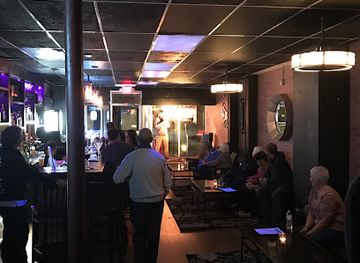
Martini's On Main (The Martini Bar)
Discover the finest cocktails in Biddeford at Martini's On Main, where every drink is a work of art and the ambiance is perfect for any occasion.
21 min drive · 7.1 km from city centre
Best shops in Biddeford
Shopping in Biddeford is centred on independent businesses rather than a large enclosed retail district. Main Street and the surrounding downtown blocks offer small shops, cafés, galleries and specialist businesses, while the Pepperell Mill Campus adds studios and creative enterprises within its converted industrial buildings. Visitors may find locally made goods, artwork, homewares, books and Maine food products, with the selection changing as independent businesses open, move or operate seasonally. The coastal areas are more residential than retail-focused, although nearby communities provide additional practical shopping and beach-oriented services. Biddeford’s most characteristic purchases are connected to its contemporary maker culture and Maine’s food traditions rather than mass-produced souvenirs. A walk through the centre is the best way to understand the contrast between historic commercial architecture and the city’s newer independent economy.
-
Coffee shop
Elements Books Coffee Beer
Discover a unique blend of coffee, books, and local brews at Elements Books Coffee Beer in Biddeford, Maine, where every visit is a delightful experience.
22 min drive · 7.4 km from city centre
-
Discount store
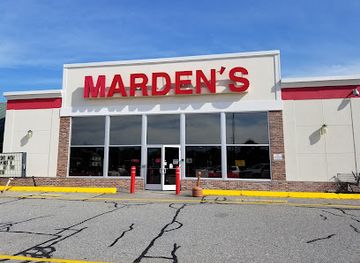
Marden's
Explore Marden's in Biddeford, Maine - a discount store offering unbeatable deals and unique surplus items for every savvy shopper.
22 min drive · 7.2 km from city centre
-
Department store
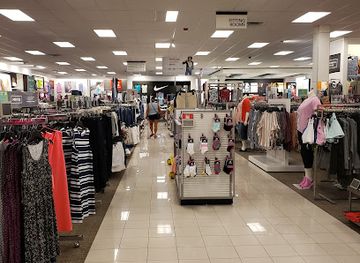
Kohl's
Explore a diverse range of affordable products at Kohl's in Biddeford, Maine, where shopping meets local charm and variety.
28 min drive · 9.4 km from city centre
-
Shopping mall
Five Points Shopping Center
Discover an array of shops, dining, and entertainment at Five Points Shopping Center in Biddeford, Maine – a perfect destination for all shopping enthusiasts.
24 min drive · 7.8 km from city centre
Get your free copy of our complete guide to Biddeford, delivered straight to you.
Everything on this page, from attractions and restaurants to essentials and local phrases, in one PDF you can read offline, print or share.
Already have an account? Sign in
Your Biddeford guide is ready.
We'll send it to · Not you? Sign out

Getting your guide ready…
We are putting together a fresh copy of the Biddeford guide. This can take up to a minute.
This can take a few moments. If your browser asks, choose Allow so the download can start. You'll find the guide in your Downloads folder.
Nothing happened? Download it again
Sorry, the guide is taking longer than usual. Please try again in a minute, or get it by email instead.
Biddeford essentials
Currency and Payment
Safety
Emergency Situations
Do's and Don'ts
Local Tips
From Eve
Local phrases worth knowing
You don't need to get them perfect. A few words go a long way, and locals appreciate the effort.
Basics
| English | Local | Say it |
|---|---|---|
| Hello | Hey there | [hey thair] |
| Goodbye | See ya later | [see ya lay-tah] |
| Yes | Yup | [yuhp] |
| No | Nah | [nah] |
| Please/You're welcome | Sure thing | [shur thang] |
| Thank you | Thanks a lot | [thanks uh laht] |
| Excuse me/Sorry | Pardon me | [pahrd-n me] |
| How are you? | How's it going? | [hows it goin] |
| Fine. And you? | Good. You? | [good. yuh?] |
| Do you speak English? | Ya speak English? | [ya speak ing-glish?] |
| I don't understand | I don't get it | [i dont get it] |
Eating & Drinking
| English | Local | Say it |
|---|---|---|
| I'd like to see the menu, please | Can I check out the menu? | [kan eye chek out the men-yoo?] |
| I don't eat meat | I'm vegetarian | [im veg-ih-tair-ee-an] |
| Cheers! | Cheers! | [cheers!] |
| I would like to pay, please | I'm ready to settle up | [im red-ee to set-ul up] |
Emergencies
| English | Local | Say it |
|---|---|---|
| Help! | I need help! | [eye need help!] |
| Go away! | Get lost! | [get lost!] |
| Call the Police! | Ring the cops! | [ring the cops!] |
| Call a doctor! | Get a doc! | [get a doc!] |
| I'm lost | I'm all turned around | [im all turned a-rand] |
| I'm ill | I'm sick | [im sick] |
Shopping
| English | Local | Say it |
|---|---|---|
| I'd like to buy... | I wanna purchase... | [i wanna pur-chase] |
| I'm just looking | Just browsing | [just brow-zing] |
| How much is it? | What's the price? | [whats the price?] |
| That's too expensive | That's pricey | [thats pry-see] |
| Can you lower the price? | Any chance for a discount? | [an-ee chance for a dis-count?] |
Time & Numbers
| English | Local | Say it |
|---|---|---|
| What time is it? | What's the time? | [whats the time?] |
| It's one o'clock | It's one | [its one] |
| Half past (10) | Ten thirty | [ten thur-tee] |
| Morning | Mornin' | [mornin] |
| Afternoon | Afternoon | [after-noon] |
| Evening | Evenin' | [evenin] |
| Yesterday | Yesterdee | [yester-dee] |
| Today | Today | [to-day] |
| Tomorrow | Tomorrow | [to-mor-row] |
| 1 | One | [wun] |
| 2 | Two | [too] |
| 3 | Three | [three] |
| 4 | Four | [four] |
| 5 | Five | [five] |
| 6 | Six | [six] |
| 7 | Seven | [seven] |
| 8 | Eight | [eight] |
| 9 | Nine | [nine] |
| 10 | Ten | [ten] |
Transport & Directions
| English | Local | Say it |
|---|---|---|
| Where's a/the...? | Where's the... | [wheres the] |
| What's the address? | What's the addy? | [whats the add-ee] |
| Can you show me (on the map)? | Can ya point it out? | [can ya point it out] |
| When's the next (bus)? | When's the next ride? | [whens the next ride] |
| A ticket (to ....) | A fare (to ....) | [a fair (to)] |
History of Biddeford
Native Homeland and Early Settlement
The Biddeford area lies within the traditional homeland of Wabanaki peoples, including the Abenaki, whose communities used the Saco River and surrounding coast for travel, fishing and seasonal activity. English settlement developed along the river in the seventeenth century, encouraged by access to timber, agricultural land and maritime routes. European settlement brought conflict, displacement and disease, while relations between colonists and Indigenous communities changed repeatedly during the colonial period. The river’s falls later became the foundation of the town’s industrial economy, but the geography that attracted mills had long supported Indigenous life and movement.
Colonial Town and River Commerce
English settlers established a permanent presence on the Saco River during the colonial era, and the community became associated with the wider settlement known as Saco. Biddeford was incorporated as a separate town in 1718, taking its name from Bideford in Devon, England. Timber, shipbuilding, farming and river commerce supported the developing settlement, while the falls provided an increasingly valuable source of mechanical power. The neighbouring communities of Biddeford and Saco evolved on opposite sides of the river, sharing an economy while maintaining separate civic identities.
Industrial Growth along the Saco
During the nineteenth century, Biddeford became a major textile manufacturing centre in southern Maine. The Saco River powered mills producing cotton cloth and other textiles, and companies such as the Pepperell Manufacturing Company helped transform the riverfront into a large industrial complex. Immigration supplied much of the mill workforce, bringing French Canadian and other communities whose religious, social and cultural institutions shaped the city. Dense housing, commercial streets, churches and civic buildings expanded around the mills. The brick industrial structures that dominate parts of the riverfront are the most visible legacy of this period.
Immigration, Labour and Civic Identity
Industrial Biddeford was also a city of labour, migration and social organisation. Textile work created employment but involved demanding conditions, and workers formed communities around language, faith and family networks. Catholic parishes, including institutions serving French Canadian residents, became important parts of local life. As the city matured, public buildings, schools, shops and theatres reflected the prosperity and civic ambitions generated by manufacturing. Biddeford’s identity therefore developed not simply from its mills, but from the people who operated them, lived nearby and created durable cultural traditions in an increasingly urban setting.
Textile Decline and Urban Change
Like many New England mill cities, Biddeford faced industrial contraction during the twentieth century as textile production moved elsewhere and factories closed or reduced operations. The decline affected employment, neighbourhood life and the use of the riverfront, but the mills remained a powerful part of the city’s built inheritance. In later decades, vacant industrial buildings attracted redevelopment and new businesses, particularly around the Pepperell Mill Campus. Downtown revitalisation and an expanding independent food and arts scene have added new activity without erasing the industrial framework that continues to distinguish Biddeford from nearby coastal resort communities.
Biddeford in Photos
Browse through our photo collection highlighting the charm and character of the destination.
Cities near Biddeford
The closest cities to Biddeford, if you have time for more than one stop.
-

-
 Saco
Saco, Maine pairs a historic Saco River downtown with coastal walks, Ferry Beach State Park, local museums and easy access to southern Maine’s beaches.
Saco
Saco, Maine pairs a historic Saco River downtown with coastal walks, Ferry Beach State Park, local museums and easy access to southern Maine’s beaches.
-

-

-


Swipe for more cities
Explore more

Explore more of Maine
Discover Maine's breathtaking landscapes, charming coastal towns, and rich cultural heritage. From Acadia's cliffs to fresh lobster feasts, Maine promises an unforgettable adventure.
Explore Maine