

Free Portland Travel Guide & Mobile App
Plan your Portland trip with Evendo. Get free guides to top attractions, restaurants, hotels, and bars. Web access or download the mobile app.


Portland, Maine pairs a historic waterfront, acclaimed museums, island ferries, seafood, craft breweries and walkable neighbourhoods on Casco Bay.
A Working Harbour with Deep Roots
Portland occupies a peninsula on Casco Bay, where wooded islands, tidal water and a long-established working waterfront shape the city's character. Maine's largest city is compact enough to explore on foot, yet layered with distinct neighbourhoods: the cobbled lanes and brick warehouses of the Old Port, the elegant residential streets of the West End, the elevated views from Munjoy Hill and the lively galleries, cafés and restaurants along Congress Street. Fishing boats, ferries and pleasure craft share the harbour with commercial piers, keeping Portland connected to the sea rather than presenting it as a purely historic backdrop.Read more about Portland
Architecture, Art and Island Horizons
A City Shaped by Food and the Sea
When is the best time to visit Portland?
Best: June–August · 23–27°C| Month | High (°C) | Rainfall (mm) |
|---|---|---|
| January | 0 | 85 |
| February | 1 | 75 |
| March | 6 | 95 |
| April | 12 | 100 |
| May | 18 | 90 |
| June (best) | 23 | 95 |
| July (best) | 27 | 90 |
| August (best) | 26 | 100 |
| September | 22 | 105 |
| October | 17 | 100 |
| November | 10 | 105 |
| December | 2 | 100 |
Getting to and around Portland
How to get there
Transportation
Best attractions in Portland
Portland's attractions range from maritime scenery to serious art and architecture. The Old Port's brick warehouses and narrow streets provide an atmospheric starting point, while the working piers along Commercial Street reveal the city's continuing relationship with fishing and ferry traffic. The Portland Museum of Art presents an important collection in the heart of the cultural district, with Maine artists represented alongside American and European works. Nearby, the Wadsworth-Longfellow House offers an intimate glimpse of nineteenth-century domestic life and the family of poet Henry Wadsworth Longfellow. The Eastern Promenade combines open lawns, harbour views and access to the waterfront, and Casco Bay Lines opens the possibility of exploring nearby islands by ferry. Victoria Mansion adds ornate Victorian interiors to the city's sightseeing range, while the Portland Observatory provides a maritime perspective on the historic port.
-
Historical landmark
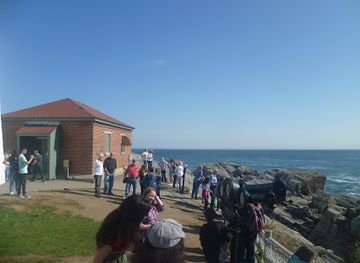
Portland Head Light
Explore the iconic Portland Head Light, a historic lighthouse in Cape Elizabeth, Maine, offering stunning coastal views and rich maritime history.
17 min drive · 5.8 km from city centre
-
Park
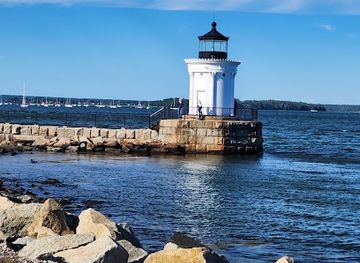
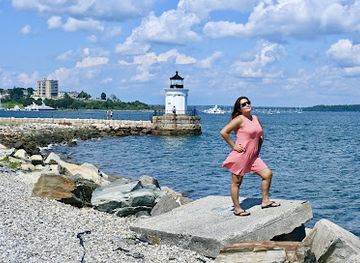
Bug Light Park
Experience the natural beauty and historical charm of Bug Light Park in South Portland, Maine, with stunning views and recreational activities for all ages.
6 min drive · 2.0 km from city centre
-
Park
Bug Light
Experience the charm of Bug Light in South Portland, Maine, where scenic views and historical allure await every visitor.
6 min drive · 1.9 km from city centre
-
Museum
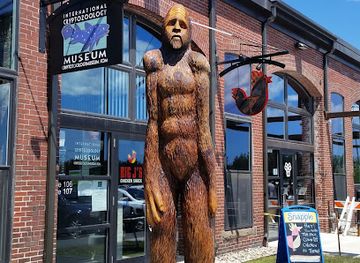
International Cryptozoology Museum
Explore the intriguing world of cryptids at the International Cryptozoology Museum in Portland, Maine, where legends come to life through captivating exhibits.
9 min drive · 2.9 km from city centre
Best landmarks in Portland
Portland's landmarks express its maritime economy, civic ambition and Victorian rebuilding. The Portland Observatory, a preserved nineteenth-century signal tower on Munjoy Hill, recalls the era when visual communication helped ships and merchants navigate the harbour. The Custom House, City Hall and the Cathedral of the Immaculate Conception mark different stages of the city's commercial, civic and religious development, while the Wadsworth-Longfellow House connects Portland with the influential literary family that lived there. Victoria Mansion is distinguished by its elaborate nineteenth-century interiors, offering a counterpoint to the restrained brick warehouses of the Old Port. The Eastern Promenade is a landmark landscape as much as a park, framing Casco Bay and the islands beyond. Portland Head Light, often associated with visits to Portland, is actually in neighbouring Cape Elizabeth rather than within the city.
-
Historical landmark
Portland Head Light
Explore Portland Head Light, a historic lighthouse in Cape Elizabeth, Maine, offering breathtaking views and rich maritime history on the beautiful coast.
17 min drive · 5.8 km from city centre
-
Park
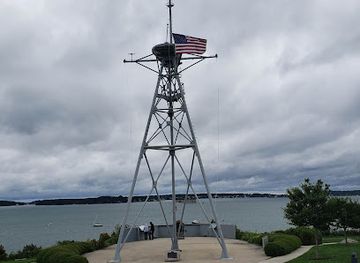
Fort Allen Park
Experience the natural beauty and historical charm of Fort Allen Park, a top destination in Portland, Maine, perfect for relaxation and stunning views.
17 min walk · 1.4 km from city centre
-
Concert hall
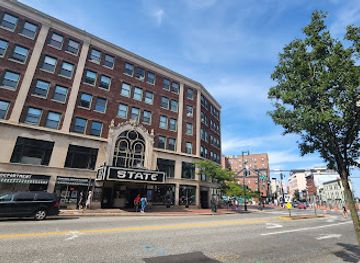
State Theatre
Experience the magic of live performances at State Theatre, Portland's historic concert hall and cultural landmark.
12 min walk · 1.0 km from city centre
-
Historical landmark
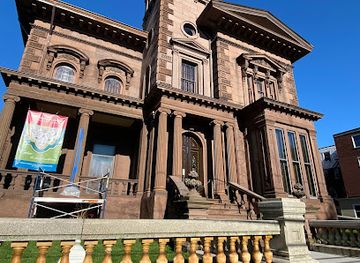
Victoria Mansion
Step into the grandeur of the 19th century at Victoria Mansion, Portland's exquisite historical landmark showcasing Italianate architecture and rich cultural history.
14 min walk · 1.1 km from city centre

Explore Portland on the map
Plan your Portland trip on one map. See where the top attractions, landmarks, restaurants, bars and hotels are, find what's near where you're staying, and book hotels and experiences in a few clicks.
Neighbourhoods in Portland
-

-

-


Swipe for more neighbourhoods
Best hotels in Portland
Best restaurants in Portland
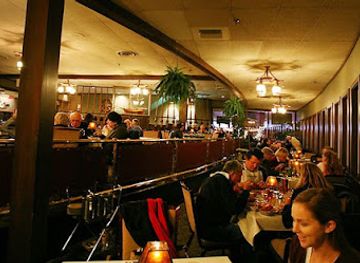
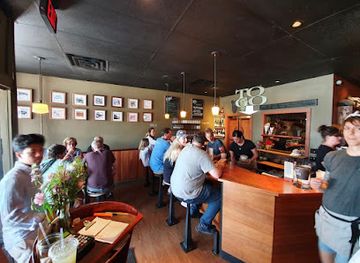
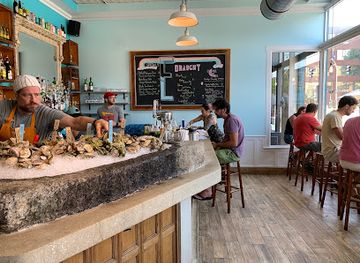
Portland's food culture is grounded in Maine's coast but extends well beyond lobster rolls. Seafood counters, fish markets and restaurants serve lobster, clams, scallops, oysters and other Atlantic catches, with Commercial Street retaining a close connection to the working waterfront. Across the Old Port, East Bayside and the peninsula, dining rooms and casual eateries draw on local farms, seasonal produce, craft brewing and New England traditions while also reflecting Portland's immigrant communities and international influences. Bakery cafés, coffee shops and small food businesses give the city a strong daytime character, and food halls and markets provide informal ways to sample regional ingredients. Menus change with the seasons, and visitors will find both classic preparations and contemporary cooking that treats Maine seafood, dairy, grains and vegetables with equal seriousness.
-
Breakfast
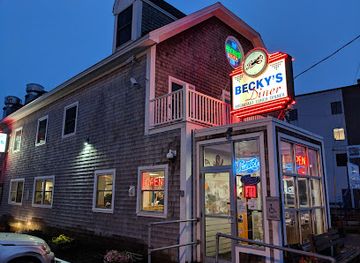
Becky's Diner
Experience authentic American breakfasts at Becky's Diner in Portland - where great food meets a nostalgic atmosphere.
15 min walk · 1.2 km from city centre
-
Seafood
DiMillo's On the Water
Experience fresh seafood dining aboard a converted ferry in Portland's scenic waterfront district.
12 min walk · 0.9 km from city centre
-
Belgian
Duckfat
Discover Duckfat in Portland, ME: Experience exceptional Belgian cuisine featuring famous duck fat fries and artisanal delights in a cozy atmosphere.
7 min walk · 0.5 km from city centre
-
Oyster Bar
Eventide Oyster Co.
Experience the best oysters and seafood in Portland at Eventide Oyster Co., where freshness meets culinary creativity.
6 min walk · 0.5 km from city centre
Best bars in Portland
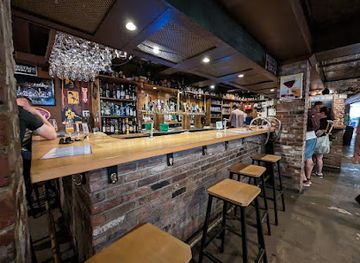
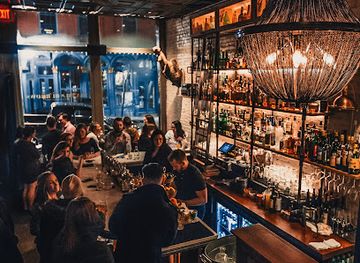
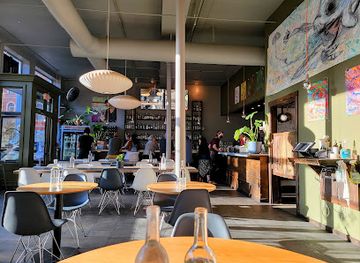
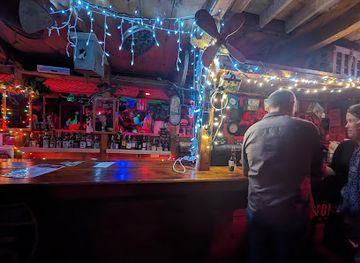
Portland's evening life is concentrated around the Old Port, Congress Street and East Bayside, with a scale that feels social rather than metropolitan. Traditional pubs, breweries, cocktail bars and wine-led venues occupy a mixture of historic commercial buildings and newer spaces, while live music is represented by established performance venues such as the State Theatre and by smaller stages around the peninsula. The city's brewing culture gives evenings a strong local identity, although non-drinkers can also find cafés, cinemas, theatre and gallery events. Seasonal concerts and performances at Thompson's Point add a larger outdoor dimension beyond the central districts. Nightlife is generally busiest at weekends, while winter evenings are quieter and more locally oriented; visitors should observe age requirements and venue-specific entry rules.
-
Beer hall
Novare Res Bier Cafe
Experience the best of craft beers and Belgian cuisine at Novare Res Bier Cafe in Portland's charming Old Port.
6 min walk · 0.5 km from city centre
-
Cocktail bar
Blyth & Burrows
Experience the best of Portland's cocktail culture at Blyth & Burrows, where innovative drinks meet fresh coastal seafood.
7 min walk · 0.6 km from city centre
-
Bar
Bonfire Country Bar Portland
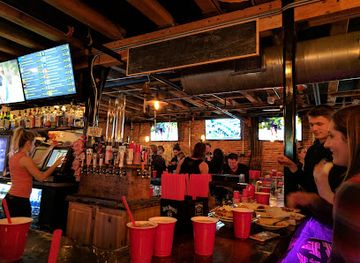
Experience the vibrant nightlife at Bonfire Country Bar in Portland, where local flavors meet a lively atmosphere in the heart of Old Port.
8 min walk · 0.7 km from city centre
-
Bar
Arcadia - Portland, Me
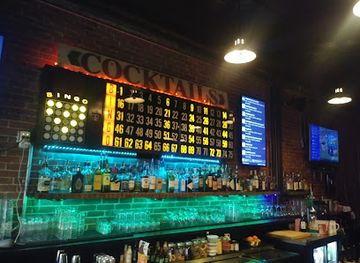
Discover the lively Arcadia bar in downtown Portland, Maine, offering unique cocktails and a vibrant atmosphere for an unforgettable night out.
8 min walk · 0.7 km from city centre
Best nightclubs in Portland
Portland's evening life is concentrated around the Old Port, Congress Street and East Bayside, with a scale that feels social rather than metropolitan. Traditional pubs, breweries, cocktail bars and wine-led venues occupy a mixture of historic commercial buildings and newer spaces, while live music is represented by established performance venues such as the State Theatre and by smaller stages around the peninsula. The city's brewing culture gives evenings a strong local identity, although non-drinkers can also find cafés, cinemas, theatre and gallery events. Seasonal concerts and performances at Thompson's Point add a larger outdoor dimension beyond the central districts. Nightlife is generally busiest at weekends, while winter evenings are quieter and more locally oriented; visitors should observe age requirements and venue-specific entry rules.
-
Bar
Bonfire Country Bar Portland
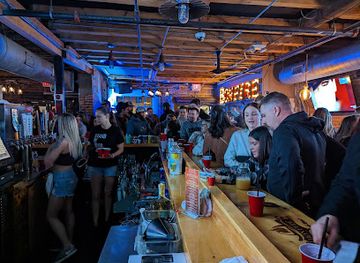
Experience the vibrant nightlife of Portland at Bonfire Country Bar, where delicious food and refreshing drinks meet lively entertainment.
8 min walk · 0.7 km from city centre
-
Cocktail bar
The Portland Hunt & Alpine Club
Experience the flavors of Scandinavia at The Portland Hunt & Alpine Club, where innovative cocktails meet culinary craftsmanship in a cozy atmosphere.
5 min walk · 0.4 km from city centre
-
Grill
Bramhall
Experience the best of Portland's culinary scene at Bramhall, where delicious grill dishes meet crafted cocktails in a vibrant atmosphere.
18 min walk · 1.5 km from city centre
-
Lounge
Bubba's Sulky Lounge
Experience the vibrant nightlife at Bubba's Sulky Lounge, Portland's eclectic cocktail bar with unique decor and lively entertainment.
10 min walk · 0.8 km from city centre

Best shops in Portland
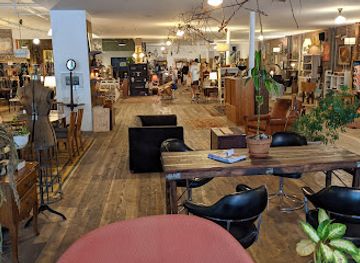
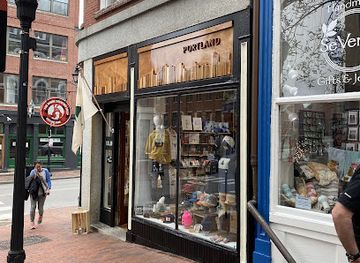
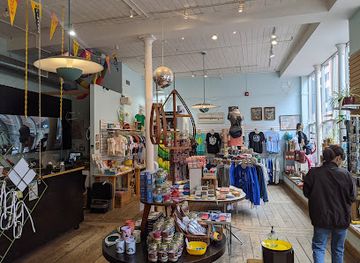
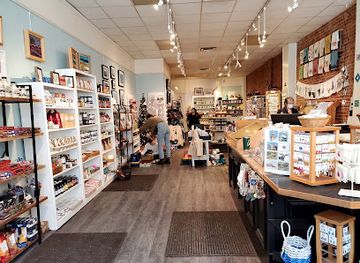
Shopping in Portland combines independent retail with the visual character of historic commercial districts. The Old Port is known for small clothing, design, gift and speciality shops in converted brick buildings, while Congress Street and the West End offer books, art, vintage goods and locally minded businesses. Commercial Street remains associated with seafood and maritime commerce, and East Bayside has a more mixed, contemporary retail and food character. Maine-made purchases may include woollen goods, ceramics, woodwork, artwork, preserves, maple products and carefully packaged seafood, though the range varies by shop and season. The appeal lies less in a single department-store district than in browsing compact streets where galleries, design studios, independent retailers and cafés share space with older warehouses and residential neighbourhoods.
-
Flea market
Portland Flea-for-All
Explore Portland Flea-for-All: A vibrant flea market offering vintage treasures, unique crafts, and a taste of local culture in downtown Portland, Maine.
11 min walk · 0.9 km from city centre
-
Gift shop
The Maine Souvenir Shop - Portland
Explore the vibrant selection of unique gifts and authentic Maine souvenirs at The Maine Souvenir Shop in Portland, a treasure for every traveler.
8 min walk · 0.6 km from city centre
-
Gift shop
Pinecone+Chickadee
Explore Pinecone + Chickadee, Portland's eclectic gift shop featuring unique art, vintage finds, and locally crafted treasures for every taste.
6 min walk · 0.5 km from city centre
-
Gift shop
Lisa-Marie's Made in Maine
Discover unique handcrafted gifts at Lisa-Marie's Made in Maine, showcasing the artistry of local artisans in the heart of Portland's Old Port.
7 min walk · 0.5 km from city centre
Get your free copy of our complete guide to Portland, delivered straight to you.
Everything on this page, from attractions and restaurants to essentials and local phrases, in one PDF you can read offline, print or share.
Already have an account? Sign in
Your Portland guide is ready.
We'll send it to · Not you? Sign out

Getting your guide ready…
We are putting together a fresh copy of the Portland guide. This can take up to a minute.
This can take a few moments. If your browser asks, choose Allow so the download can start. You'll find the guide in your Downloads folder.
Nothing happened? Download it again
Sorry, the guide is taking longer than usual. Please try again in a minute, or get it by email instead.
Portland essentials
Currency and Payment
Safety
Emergency Situations
Do's and Don'ts
Local Tips
From Eve
Local phrases worth knowing
You don't need to get them perfect. A few words go a long way, and locals appreciate the effort.
Basics
| English | Local | Say it |
|---|---|---|
| Hello | Hi there | [hi thair] |
| Goodbye | See ya | [see yah] |
| Yes | Yup | [yuhp] |
| No | Nah | [na] |
| Please/You're welcome | Please/No problem | [pleez/no problum] |
| Thank you | Thanks | [thaynks] |
| Excuse me/Sorry | Pardon me/My bad | [pardn me/my bad] |
| How are you? | Howdy? | [haudi] |
| Fine. And you? | Good. You? | [gud yu] |
| Do you speak English? | Ya speak English? | [ya speek inglish] |
| I don't understand | I'm lost | [aim lost] |
Eating & Drinking
| English | Local | Say it |
|---|---|---|
| I'd like to see the menu, please | Menu, please | [men-yu pleez] |
| I don't eat meat | No meat for me | [no meet for mee] |
| Cheers! | Cheers! | [cheers] |
| I would like to pay, please | Check, please | [chek pleez] |
Emergencies
| English | Local | Say it |
|---|---|---|
| Help! | Help! | [help] |
| Go away! | Go away! | [go away] |
| Call the Police! | Call the cops! | [kol the cops] |
| Call a doctor! | Need a doc! | [need a dok] |
| I'm lost | Lost | [lost] |
| I'm ill | Sick | [sik] |
Shopping
| English | Local | Say it |
|---|---|---|
| I'd like to buy... | I want to buy... | [ai want tu buy] |
| I'm just looking | Just browsing | [just bro-zing] |
| How much is it? | How much? | [hau much] |
| That's too expensive | Too pricey | [tuu prai-see] |
| Can you lower the price? | Can you drop it? | [kan yu drop it] |
Time & Numbers
| English | Local | Say it |
|---|---|---|
| What time is it? | What time? | [wut taim] |
| It's one o'clock | It's one | [its wun] |
| Half past (10) | Half ten | [haf ten] |
| Morning | Morning | [morning] |
| Afternoon | Afternoon | [aft-er-noon] |
| Evening | Evening | [ee-ven-ing] |
| Yesterday | Yesterday | [yess-ter-day] |
| Today | Today | [toh-day] |
| Tomorrow | Tomorrow | [toh-mor-row] |
| 1 | One | [wun] |
| 2 | Two | [too] |
| 3 | Three | [three] |
| 4 | Four | [four] |
| 5 | Five | [five] |
| 6 | Six | [six] |
| 7 | Seven | [sev-en] |
| 8 | Eight | [ayt] |
| 9 | Nine | [nine] |
| 10 | Ten | [ten] |
Transport & Directions
| English | Local | Say it |
|---|---|---|
| Where's a/the...? | Where's the...? | [wheres the] |
| What's the address? | Address? | [uh-dres] |
| Can you show me (on the map)? | Show me (on the map)? | [show mee] |
| When's the next (bus)? | When's the next (bus)? | [whens the next] |
| A ticket (to ....) | Ticket (to ....) | [tik-it] |
History of Portland
Wabanaki Homeland and Early Settlement
The Portland peninsula lies within the homeland of the Wabanaki peoples, whose communities used the coast, islands and waterways of what is now Maine long before European settlement. English colonisation in the Casco Bay area began in the seventeenth century, and the settlement that developed on the peninsula was known as Falmouth. Its sheltered harbour encouraged fishing, maritime trade and contact with the wider Atlantic world, while relations between Indigenous communities and colonists were shaped by both commerce and conflict. The area's geography remained its defining asset: a protected approach to the bay, access to coastal resources and a natural setting for a port that would later become central to Maine's economy.
Falmouth and Colonial Conflict
Colonial Falmouth grew through farming, fishing and shipping, but its position on the coast also left it exposed during conflicts between European powers and their allied Indigenous communities. In 1690, during King William's War, the settlement was attacked and abandoned for a period before being re-established. A further settlement emerged as the peninsula's harbour continued to attract maritime activity. These disruptions formed part of a broader pattern across northern New England, where coastal towns were repeatedly affected by imperial rivalry, changing alliances and the pressures of expansion into Indigenous territories.
Portland Emerges from Falmouth
The peninsula was incorporated as Portland in 1786, after separating from the larger town of Falmouth. Its port benefited from coastal shipping, timber, fishing and trade with other Atlantic communities, and the town developed a commercial identity distinct from the surrounding rural settlements. In the early nineteenth century Portland became increasingly important as a regional centre, with mercantile buildings, churches and civic institutions reflecting its growing population. The arrival of the railroad in the 1850s strengthened connections to the interior and helped establish Portland as a gateway for goods and travellers moving between northern New England and the coast.
War, Fire and Civic Rebuilding
Portland's strategic harbour made it significant during the American Revolution and the War of 1812, while its commercial growth brought prosperity and dense urban development. Much of the town was destroyed when British forces burned Falmouth in 1775, an event remembered as part of the Revolution's wider coastal conflict. Another devastating fire swept through Portland in 1866, destroying large areas of the city. Rebuilding produced the Victorian streetscapes and substantial brick and granite buildings that remain visible in the peninsula's historic core, giving present-day Portland much of its architectural coherence.
Industry, Immigration and the Modern Port
During the nineteenth and early twentieth centuries, Portland expanded as a maritime, rail and industrial centre. Shipbuilding, fishing, warehousing and commerce supported successive communities of immigrants, while neighbourhood institutions, churches and businesses reflected the city's changing population. The waterfront remained economically important even as manufacturing and transport patterns shifted. Portland's long relationship with the sea also brought cultural exchange, linking the city to Atlantic Canada, Europe and other American ports. In the twentieth century, parts of the historic core faced decline before preservation, adaptive reuse and renewed interest in the working waterfront helped reshape the city centre.
Preservation and Cultural Renewal
Late twentieth-century Portland saw historic buildings, waterfront warehouses and residential districts increasingly valued as cultural and economic assets. The Old Port's former commercial structures gained new life through conservation and adaptive reuse, while institutions such as the Portland Museum of Art strengthened the city's role as a regional arts centre. The peninsula also developed a reputation for independent restaurants, breweries, galleries and small businesses, adding contemporary layers to an older maritime identity. Portland today remains a working port and a gateway to Casco Bay, balancing heritage preservation with the pressures and opportunities of a growing visitor economy.
Portland in Photos
Browse through our photo collection highlighting the charm and character of the destination.
Cities near Portland
The closest cities to Portland, if you have time for more than one stop.
-

-
 Saco
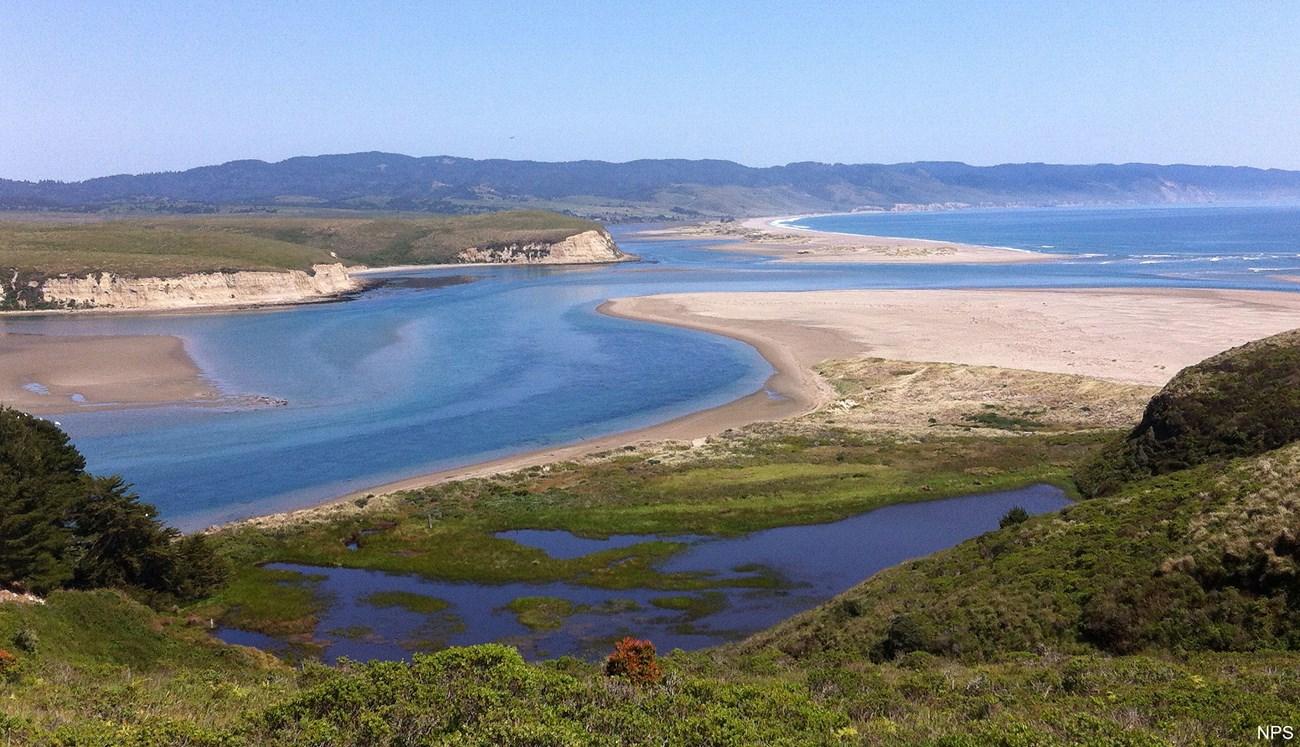
Saco, Maine pairs a historic Saco River downtown with coastal walks, Ferry Beach State Park, local museums and easy access to southern Maine’s beaches.
43 min drive · 23 km from city centre
Saco
Saco, Maine pairs a historic Saco River downtown with coastal walks, Ferry Beach State Park, local museums and easy access to southern Maine’s beaches.
43 min drive · 23 km from city centre
-

-

-


Swipe for more cities
Explore more

Explore more of Maine
Discover Maine's breathtaking landscapes, charming coastal towns, and rich cultural heritage. From Acadia's cliffs to fresh lobster feasts, Maine promises an unforgettable adventure.
Explore Maine