

Free Saco Travel Guide & Mobile App
Plan your Saco trip with Evendo. Get free guides to top attractions, restaurants, hotels, and bars. Web access or download the mobile app.


Saco, Maine pairs a historic Saco River downtown with coastal walks, Ferry Beach State Park, local museums and easy access to southern Maine’s beaches.
A River City with Coastal Roots
Saco stands on the southern Maine coast where the Saco River broadens towards the Atlantic, combining a compact historic centre with beaches, marshes and wooded conservation land. Its position in York County places it close to Biddeford, Old Orchard Beach and the wider coastline, yet Saco has a character of its own: the downtown streets reflect a long history of commerce and manufacturing, while the river and ocean continue to shape local life.Read more about Saco
Industrial Heritage and Historic Streets
Beaches, Marshes and Open Space
When is the best time to visit Saco?
Best: June–August · 23–26°C| Month | High (°C) | Rainfall (mm) |
|---|---|---|
| January | 0 | 85 |
| February | 2 | 75 |
| March | 8 | 90 |
| April | 13 | 95 |
| May | 19 | 95 |
| June (best) | 23 | 90 |
| July (best) | 26 | 90 |
| August (best) | 26 | 90 |
| September | 21 | 95 |
| October | 15 | 100 |
| November | 9 | 100 |
| December | 2 | 90 |
Getting to and around Saco
How to get there
Transportation
Best attractions in Saco
Saco’s attractions range from a compact historic centre to protected coastal landscapes. The Saco Museum, housed in the York Institute building, introduces local history and regional art through collections connected with southern Maine. Downtown streets around Main Street reveal nineteenth-century commercial buildings, churches and houses, while the Saco River provides a natural thread through the city’s older industrial story. At the coast, Ferry Beach State Park combines sandy shoreline, dunes, salt marsh and wooded trails, making it one of the area’s most varied places for walking and wildlife observation. Saco Heath Preserve offers another distinctive setting, with a trail through a rare coastal heathland and peatland environment. Camp Ellis, at the mouth of the Saco River, has a more open maritime character, with views shaped by tides, weather and shifting coastal sands. The city’s proximity to Old Orchard Beach and Biddeford also broadens its sightseeing possibilities without obscuring Saco’s quieter identity.
-
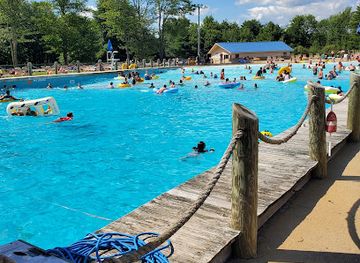
Water park
Aquaboggan Water Park
Dive into adventure at Aquaboggan Water Park in Saco, Maine, featuring thrilling slides, relaxing pools, and family-friendly attractions for summer fun.
8 min drive · 2.8 km from city centre
-
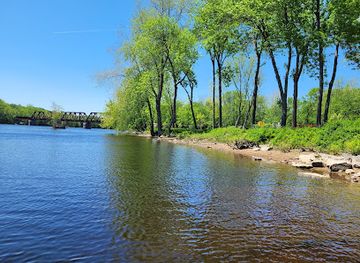
Tourist attraction
Diamond Riverside Park
Discover tranquility and natural beauty at Diamond Riverside Park in Saco, Maine—perfect for relaxation and outdoor activities.
14 min drive · 4.5 km from city centre
-
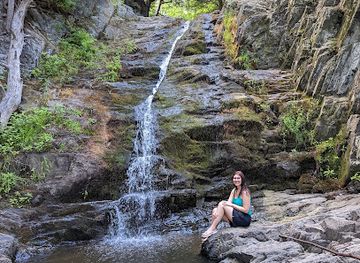
Hiking area
Cascade Falls Trail
Explore the natural beauty of Cascade Falls Trail in Saco, Maine, where stunning waterfalls and scenic hikes await every nature lover.
6 min drive · 1.9 km from city centre
-
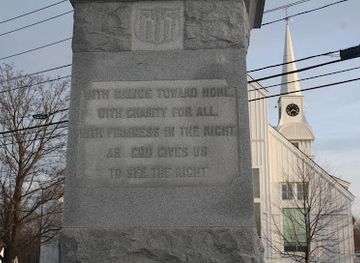
Park
Eastman Park
Explore the natural beauty of Eastman Park in Saco, Maine, perfect for family outings, picnics, and peaceful retreats amidst lush greenery.
11 min drive · 3.5 km from city centre
Best landmarks in Saco
Saco’s historic identity is expressed through the buildings gathered around its central streets and the river that supported the city’s development. The Saco Museum in the York Institute building is both a cultural institution and a landmark of local civic history. Saco City Hall and nearby churches, commercial blocks and traditional residences illustrate the city’s growth from river settlement to industrial municipality. The Saco Historic District preserves parts of this architectural setting, with nineteenth-century buildings arranged along streets that retain a recognisable New England scale. Farther south, Ferry Beach and Camp Ellis are natural rather than monumental landmarks, but they are important to the city’s geographic identity: one represents protected coastal habitat, while the other marks the meeting of the Saco River and Atlantic Ocean. The river itself remains the central historical landmark, linking Indigenous routes, colonial trade, industrial power and present-day recreation.
-
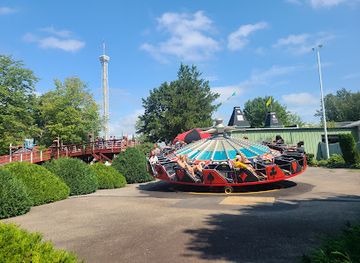
Amusement park
Funtown Splashtown USA
Experience thrill and chill at Funtown Splashtown USA, the ultimate amusement and water park for family fun in Saco, Maine.
8 min walk · 0.7 km from city centre
-
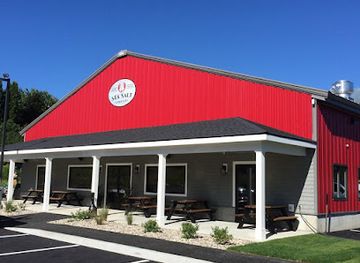
Seafood
Sea Salt Lobster
Discover the freshest lobster and seafood dishes at Sea Salt Lobster, a top-rated seafood restaurant and market in Saco, Maine.
5 min drive · 1.5 km from city centre
-
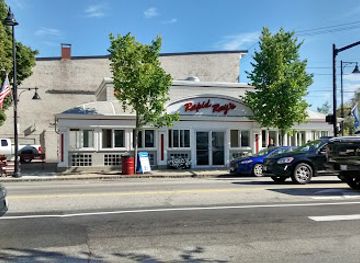
Fast Food
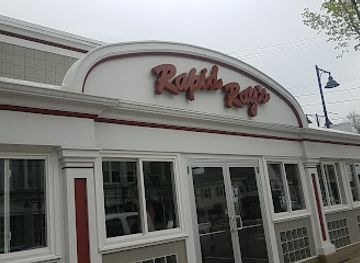
Rapid Ray's
Experience the flavor of classic American fast food at Rapid Ray's in Saco, Maine, where delicious meals meet friendly service.
12 min drive · 4.1 km from city centre
-
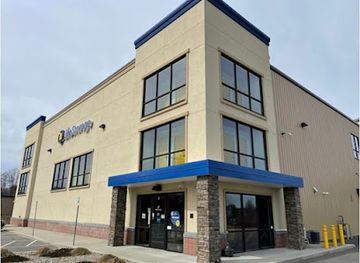
Self-storage facility
Life Storage - Saco
Discover convenient self-storage solutions in Saco, Maine, perfect for tourists and locals looking for secure storage options.
9 min drive · 2.9 km from city centre
Explore Saco on the map
Plan your Saco trip on one map. See where the top attractions, landmarks, restaurants, bars and hotels are, find what's near where you're staying, and book hotels and experiences in a few clicks.
Best hotels in Saco
Best restaurants in Saco
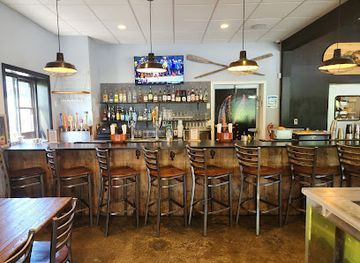
Saco’s dining scene reflects its position between the Saco River and the southern Maine coast, where seafood remains especially prominent. Lobster, fried clams, haddock, oysters and chowder appear alongside burgers, sandwiches and seasonal New England cooking, while bakeries and cafés provide relaxed options around the historic centre. Camp Ellis and the coastal roads have a more maritime feel, whereas downtown Saco offers independent restaurants and casual eateries in a compact setting. Maine’s food culture also extends beyond seafood: local farms contribute vegetables, berries, dairy products and craft beverages, and menus often change with the season. Nearby Biddeford adds a broader range of contemporary restaurants and international influences, easily reached for an evening meal. Visitors should expect a mixture of year-round businesses and coastal establishments whose schedules and menus may change outside the summer season.
-
Seafood
Sea Salt Lobster
Experience the best of Maine's seafood at Sea Salt Lobster - where freshness meets flavor in every bite.
5 min drive · 1.5 km from city centre
-
Diner
Palace Diner
Discover the essence of American comfort food at Palace Diner in Biddeford – where every meal feels like home.
14 min drive · 4.8 km from city centre
-
Fast Food
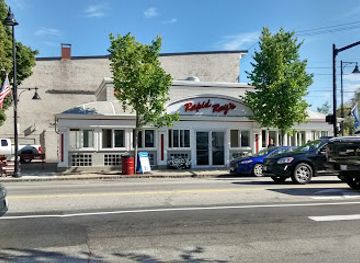
Rapid Ray's
Discover Rapid Ray's in Saco: Where fast food meets fresh flavors in a lively atmosphere perfect for tourists.
12 min drive · 4.1 km from city centre
-
Seafood
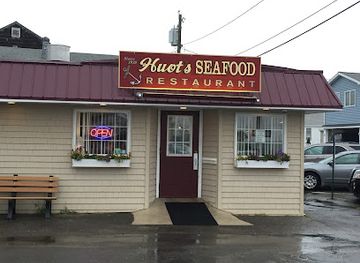
Huot's Seafood Restaurant
Experience the best of coastal Maine dining at Huot's Seafood Restaurant with fresh catches and stunning beach views.
23 min drive · 7.8 km from city centre

Best bars in Saco
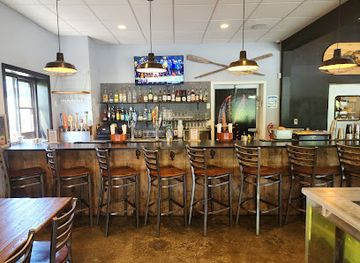
Saco’s evenings are generally low-key rather than centred on a large nightclub district. Downtown bars and restaurants provide places for local drinks, conversation and informal dining, while seasonal coastal businesses around Camp Ellis and nearby Old Orchard Beach bring a more pronounced seaside atmosphere in warmer months. Biddeford, across the river, has a growing concentration of bars, breweries, restaurants and live cultural events, making it the closest broader evening scene. Entertainment can also include community performances, local arts events and summer activities rather than clubbing alone. The character of the night changes considerably with the season: summer brings more activity near the beaches, while winter evenings are quieter and more locally focused. Visitors should check current venue schedules and arrange transport carefully after late events, particularly when moving between Saco, Biddeford and the coast.
-
Seafood
Sea Salt Lobster
Experience the essence of Maine's coastal seafood cuisine at Sea Salt Lobster in Saco, where fresh flavors and a welcoming atmosphere await.
5 min drive · 1.5 km from city centre
-
American
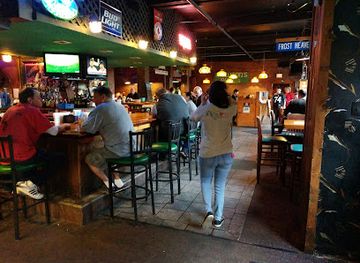
Mulligan's
Experience delicious American cuisine at Mulligan's in Biddeford, Maine, where vibrant atmosphere meets exceptional food and hospitality.
14 min drive · 4.7 km from city centre
-
Fast Food
Rapid Ray's
Experience the vibrant atmosphere and delicious fast food at Rapid Ray's in Saco, Maine – a local favorite for quick bites and friendly service.
12 min drive · 4.1 km from city centre
-
American
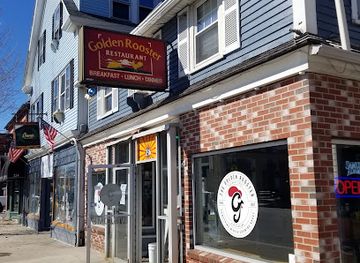
Golden Rooster
Discover the cozy delight of Golden Rooster, Saco's favorite American breakfast spot, serving fresh, locally sourced meals in a warm atmosphere.
12 min drive · 4.0 km from city centre
Best nightclubs in Saco
Saco’s evenings are generally low-key rather than centred on a large nightclub district. Downtown bars and restaurants provide places for local drinks, conversation and informal dining, while seasonal coastal businesses around Camp Ellis and nearby Old Orchard Beach bring a more pronounced seaside atmosphere in warmer months. Biddeford, across the river, has a growing concentration of bars, breweries, restaurants and live cultural events, making it the closest broader evening scene. Entertainment can also include community performances, local arts events and summer activities rather than clubbing alone. The character of the night changes considerably with the season: summer brings more activity near the beaches, while winter evenings are quieter and more locally focused. Visitors should check current venue schedules and arrange transport carefully after late events, particularly when moving between Saco, Biddeford and the coast.
-
Night club
Champions Sports Bar
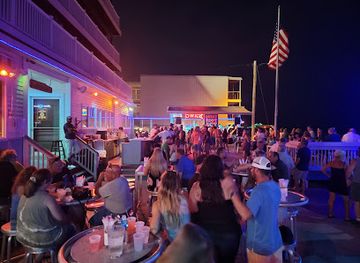
Discover Champions Sports Bar in Biddeford, Maine – your ultimate destination for sports, live music, and unforgettable nights out.
14 min drive · 4.6 km from city centre
-
Lounge
Brunswick Lounge
Discover the vibrant Brunswick Lounge in Old Orchard Beach, where beachside relaxation meets lively entertainment for an unforgettable coastal experience.
12 min drive · 3.9 km from city centre
-
Cocktail bar
Up & Up Cocktail Lounge
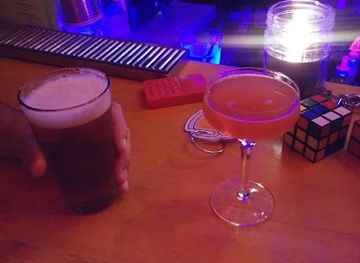
Discover the vibrant nightlife at Up & Up Cocktail Lounge in Saco, where expertly crafted cocktails meet a cozy ambiance for a night to remember.
12 min drive · 4.0 km from city centre
-
Bar
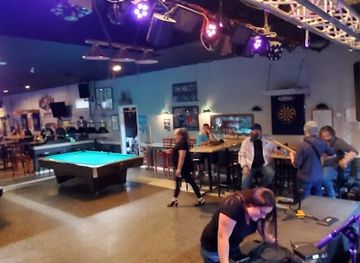
Maine Silverball Tavern
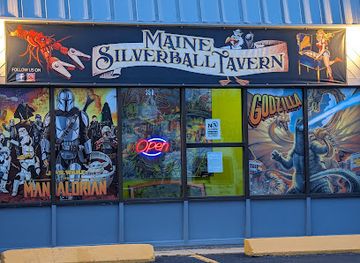
Discover the vibrant atmosphere and local craft beers at Maine Silverball Tavern, a must-visit bar in Saco, Maine.
11 min drive · 3.7 km from city centre
Best shops in Saco
Shopping in Saco is concentrated around the historic downtown, where independent businesses, cafés, small retailers and service shops occupy traditional commercial buildings along and near Main Street. The experience is local and practical rather than dominated by large luxury malls, with opportunities to browse gifts, books, clothing, antiques and Maine-themed goods depending on current businesses. Seasonal farmers’ markets and regional food producers add a direct connection to southern Maine’s agricultural economy, while coastal areas may offer beach-oriented souvenirs and locally made items. For a wider choice of specialist shops, Biddeford and the larger commercial areas along the Route 1 corridor are nearby. Travellers looking for distinctive purchases should consider Maine food products, craft beverages, handmade work and maritime-themed goods, while checking seasonal opening patterns for smaller independent retailers and market stalls.
-
Grocery store
Hannaford
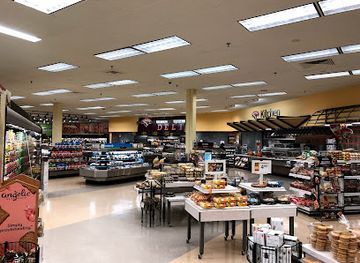
Discover Hannaford in Saco, Maine - your local supermarket for fresh produce, local flavors, and convenient shopping.
7 min drive · 2.2 km from city centre
-
Shopping mall
Saco Valley Shopping Center
Discover retail bliss at Saco Valley Shopping Center, where shopping, dining, and entertainment come together in the heart of Maine.
11 min drive · 3.6 km from city centre
-
Department store
Renys Department Store
Explore the charm of Renys Department Store in Saco, Maine - your one-stop-shop for clothing, home goods, and unique local treasures.
11 min drive · 3.7 km from city centre
-
Grocery store
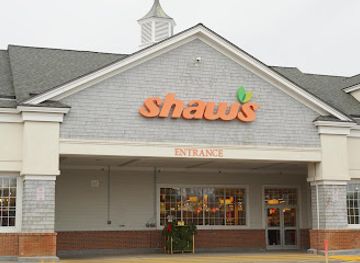
Shaw's
Experience the best of Saco at Shaw's, your local grocery store for fresh produce, baked goods, and organic delicacies in Maine.
11 min drive · 3.7 km from city centre
Get your free copy of our complete guide to Saco, delivered straight to you.
Everything on this page, from attractions and restaurants to essentials and local phrases, in one PDF you can read offline, print or share.
Already have an account? Sign in
Your Saco guide is ready.
We'll send it to · Not you? Sign out

Getting your guide ready…
We are putting together a fresh copy of the Saco guide. This can take up to a minute.
This can take a few moments. If your browser asks, choose Allow so the download can start. You'll find the guide in your Downloads folder.
Nothing happened? Download it again
Sorry, the guide is taking longer than usual. Please try again in a minute, or get it by email instead.
Saco essentials
Currency and Payment
Safety
Emergency Situations
Do's and Don'ts
Local Tips
From Eve
Local phrases worth knowing
You don't need to get them perfect. A few words go a long way, and locals appreciate the effort.
Basics
| English | Local | Say it |
|---|---|---|
| Hello | Hey there | [hey thair] |
| Goodbye | See ya later | [see ya lay-ter] |
| Yes | Yep | [yep] |
| No | Nope | [nope] |
| Please/You're welcome | Please/No problem | [pleez/no prob-lem] |
| Thank you | Thanks a lot | [thanks uh lot] |
| Excuse me/Sorry | Pardon/My bad | [par-dun/my bad] |
| How are you? | How's it goin'? | [hows it go-in] |
| Fine. And you? | Good. You? | [good. you?] |
| Do you speak English? | Ya speak English? | [ya speak ing-glish?] |
| I don't understand | I don't get it | [i don't get it] |
Eating & Drinking
| English | Local | Say it |
|---|---|---|
| I'd like to see the menu, please | Can I check out the menu? | [can i chek out the menu?] |
| I don't eat meat | I'm vegetarian | [im ve-ji-tear-ee-an] |
| Cheers! | Cheers! | [cheers] |
| I would like to pay, please | I'll settle up now, thanks | [ill set-ul up now, thanks] |
Emergencies
| English | Local | Say it |
|---|---|---|
| Help! | Help! | [help] |
| Go away! | Get lost! | [get lost] |
| Call the Police! | Call the cops! | [call the cops] |
| Call a doctor! | Get a doc! | [get a doc] |
| I'm lost | I'm turned around | [im turned uh-round] |
| I'm ill | I'm under the weather | [im un-der the wea-ther] |
Shopping
| English | Local | Say it |
|---|---|---|
| I'd like to buy... | I wanna buy... | [i wanna buy] |
| I'm just looking | Just browsing | [just brows-in] |
| How much is it? | How much does it cost? | [how much duz it cost] |
| That's too expensive | That's steep | [thats steep] |
| Can you lower the price? | Can ya knock it down? | [can ya nok it down] |
Time & Numbers
| English | Local | Say it |
|---|---|---|
| What time is it? | What's the time? | [whats the time] |
| It's one o'clock | It's one | [its one] |
| Half past (10) | Ten thirty | [ten thur-tee] |
| Morning | Mornin' | [mornin] |
| Afternoon | Afternoon | [after-noon] |
| Evening | Evenin' | [evenin] |
| Yesterday | Yesterday | [yes-ter-day] |
| Today | Today | [to-day] |
| Tomorrow | Tomorrow | [to-mor-row] |
| 1 | One | [wun] |
| 2 | Two | [too] |
| 3 | Three | [three] |
| 4 | Four | [four] |
| 5 | Five | [five] |
| 6 | Six | [six] |
| 7 | Seven | [seven] |
| 8 | Eight | [ate] |
| 9 | Nine | [nine] |
| 10 | Ten | [ten] |
Transport & Directions
| English | Local | Say it |
|---|---|---|
| Where's a/the...? | Where's the...? | [wheres the] |
| What's the address? | What's the street? | [whats the street] |
| Can you show me (on the map)? | Can you point it out (on the map)? | [can you point it out on the map] |
| When's the next (bus)? | When's the next (bus) comin'? | [whens the next bus com-in] |
| A ticket (to ....) | A ticket (to ....) | [a ticket to] |
History of Saco
Indigenous Saco River Country
Before English settlement, the Saco River valley was inhabited and travelled by Wabanaki peoples, including communities associated with the Abenaki cultural world. The river provided routes through the coastal landscape and supported fishing, hunting, gathering and seasonal movement. European contact brought trade, disease and increasing pressure on Indigenous territories, altering established patterns of life. The river’s importance as a transport corridor later encouraged colonial settlement, but the region’s history does not begin with the town’s incorporation; Indigenous connections to southern Maine remain an essential part of its longer cultural story.
English Settlement and Colonial Growth
English settlement developed along the lower Saco River during the seventeenth century, within a region contested by colonial powers and affected by conflict between Indigenous communities and settlers. Agriculture, timber and river trade gradually shaped the settlement, while the falls supplied energy for early mills. The community was first known as Saco and Biddeford Plantation before developing into separate centres on opposite sides of the river. As roads, wharves and local institutions expanded, Saco became an established coastal settlement connected to both inland timber country and Atlantic commerce.
Incorporation and Civic Development
Saco was incorporated as a town in 1762, formalising a community whose economy already depended on the river and surrounding agricultural land. Its position near the river mouth enabled trade, while sawmills processed the timber carried downstream from the interior. Following independence, local government, churches, schools and commercial buildings gave the settlement a more defined civic identity. Saco was incorporated as a city in 1867, reflecting its growing population and economic importance. Surviving houses, churches and civic structures in and around the historic centre testify to this period of institutional and urban development.
Mills, Textiles and the River Economy
The nineteenth century brought industrial expansion along the Saco River. Water power supported sawmills and textile manufacturing, and the Saco Manufacturing Company, established in 1826, became an important part of the city’s industrial story. Factories, worker housing and associated commercial activity changed the riverfront and connected Saco to the wider New England textile economy. Rail connections strengthened the movement of raw materials and finished goods. Industrial employment attracted workers and encouraged urban growth, although mill work also brought the demanding conditions common to nineteenth-century manufacturing communities.
Changing Industry and Modern Saco
Like many New England mill cities, Saco experienced major economic change as textile production declined and manufacturing patterns shifted during the twentieth century. Some industrial structures disappeared or were adapted, while the historic centre retained evidence of its earlier commercial and civic life. Residential growth extended beyond the old core towards the beaches, marshes and neighbouring communities. Today, Saco’s identity reflects several overlapping histories: Wabanaki homeland, colonial river settlement, industrial city and coastal municipality. Museums, historic streets, preserved open spaces and the working landscape around the river help keep those layers visible.
Saco in Photos
Browse through our photo collection highlighting the charm and character of the destination.
Cities near Saco
The closest cities to Saco, if you have time for more than one stop.
-

-

-

-

-


Swipe for more cities
Explore more

Explore more of Maine
Discover Maine's breathtaking landscapes, charming coastal towns, and rich cultural heritage. From Acadia's cliffs to fresh lobster feasts, Maine promises an unforgettable adventure.
Explore Maine