

Free South Portland Travel Guide & Mobile App
Plan your South Portland trip with Evendo. Get free guides to top attractions, restaurants, hotels, and bars. Web access or download the mobile app.


Discover South Portland, Maine: A perfect blend of coastal beauty and urban convenience, offering stunning waterfront views, rich history, and vibrant shopping and dining experiences.
Read more about South Portland
When is the best time to visit South Portland?
Best: June–August · 24–27°C| Month | High (°C) | Rainfall (mm) |
|---|---|---|
| January | 1 | 75 |
| February | 2 | 64 |
| March | 7 | 80 |
| April | 13 | 89 |
| May | 19 | 85 |
| June (best) | 24 | 87 |
| July (best) | 27 | 90 |
| August (best) | 26 | 90 |
| September | 21 | 88 |
| October | 16 | 92 |
| November | 9 | 95 |
| December | 4 | 90 |
Getting to and around South Portland
How to get there
Transportation
Best attractions in South Portland
South Portland in Maine offers a unique blend of historical sites, picturesque waterfront views, and outdoor recreational opportunities. Visitors can explore the historic Fort Preble, take a scenic walk along the Eastern Promenade Trail, or visit the Portland Head Light - one of the most iconic lighthouses in the United States. The city also boasts a vibrant culinary scene with a variety of restaurants serving fresh seafood and local cuisine. Whether you're looking to relax on the beach, shop at boutiques, or immerse yourself in history, South Portland has something for everyone to enjoy.
-
Park
Fort Williams Park
Explore stunning coastal views, historic lighthouses, and lush gardens at Fort Williams Park in Cape Elizabeth, Maine, the ultimate destination for nature lovers.
18 min drive · 6.1 km from city centre
-
 Park
ParkFort Williams Park
Immerse yourself in the scenic beauty and rich history of Fort Williams Park in Cape Elizabeth, Maine – a must-visit destination for nature lovers and history buffs alike.
18 min drive · 6.1 km from city centre
-
Park
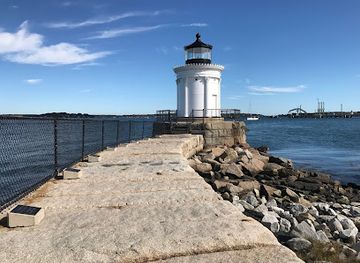
Bug Light Park
Discover the serene landscapes of Bug Light Park in South Portland, where breathtaking views and historical charm await every visitor.
14 min drive · 4.8 km from city centre
-
Art museum
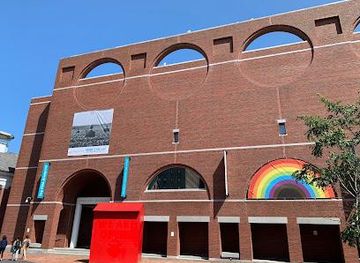
Portland Museum of Art
Explore the Portland Museum of Art, where American and European masterpieces come to life in a stunning architectural setting in the heart of Portland, Maine.
9 min drive · 3.1 km from city centre


Best landmarks in South Portland
South Portland in Maine offers visitors a diverse range of landmarks to explore, from the historic Portland Head Light, one of the oldest lighthouses in the United States, to the scenic Bug Light Park with stunning views of the Portland skyline. Visitors can also enjoy the quaint shops and restaurants in the charming Willard Square area, or take a stroll along the picturesque Greenbelt Walkway. With its rich history and beautiful coastal scenery, South Portland is a destination that will captivate any tourist.
-
Stadium
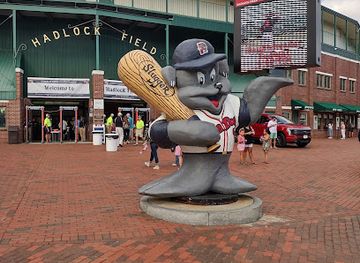
Hadlock Field
Discover Hadlock Field in Portland, Maine – a vibrant minor league baseball stadium filled with excitement, local culture, and family-friendly fun.
9 min drive · 2.9 km from city centre
-
Park
Bug Light Park
Experience the beauty of Bug Light Park in South Portland, Maine, where stunning views, historical charm, and serene landscapes await you.
14 min drive · 4.8 km from city centre
-
Historical landmark
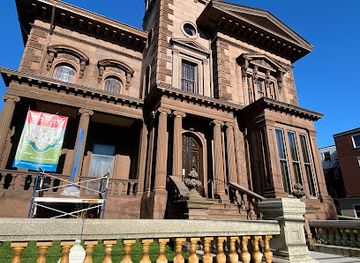
Victoria Mansion
Experience the grandeur of Victoria Mansion, a historical landmark in Portland, Maine, where 19th-century elegance meets captivating art and history.
9 min drive · 3.0 km from city centre
-
Park
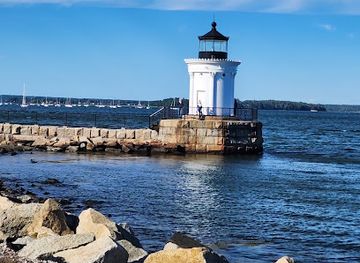
Bug Light
Explore Bug Light Park, a scenic haven in South Portland featuring stunning waterfront views and the historic Bug Light lighthouse, perfect for relaxation and photography.
15 min drive · 4.9 km from city centre
Explore South Portland on the map
Plan your South Portland trip on one map. See where the top attractions, landmarks, restaurants, bars and hotels are, find what's near where you're staying, and book hotels and experiences in a few clicks.
Best hotels in South Portland
Best restaurants in South Portland
South Portland offers a diverse dining scene that caters to all tastes and preferences. From fresh seafood restaurants overlooking the harbor to cozy cafes serving up artisanal coffee and pastries, visitors can indulge in a wide range of culinary delights. Food trucks and local markets provide a unique and authentic dining experience, showcasing the creativity and flavors of the region. Whether you're in the mood for fine dining or casual eats, South Portland's restaurants are sure to satisfy your cravings and leave you wanting more.
-
American
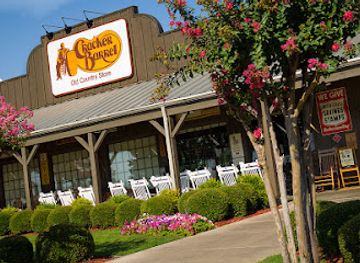
Cracker Barrel Old Country Store
Experience the warmth of traditional American dining at Cracker Barrel Old Country Store in South Portland – where comfort food meets nostalgia.
13 min drive · 4.3 km from city centre
-
Italian
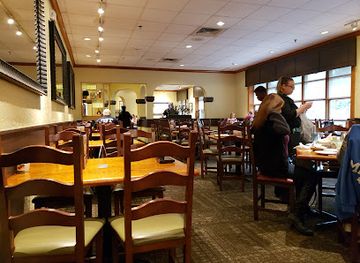
Olive Garden Italian Restaurant
Savor authentic Italian flavors at Olive Garden in South Portland - where family-style dining meets culinary excellence.
10 min drive · 3.2 km from city centre
-
Seafood
Scales
Experience exquisite seafood dining at Scales in Portland's Waterfront District – where fresh meets fabulous.
12 min drive · 4.0 km from city centre
-
American
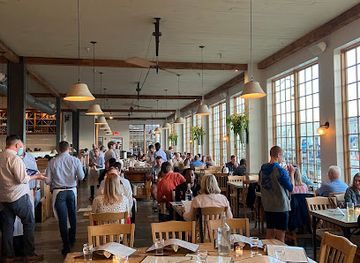
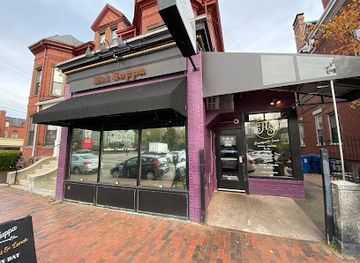
Hot Suppa
Discover the vibrant flavors of Southern cuisine at Hot Suppa in Portland - where comfort food meets a lively atmosphere.
8 min drive · 2.8 km from city centre
Best bars in South Portland
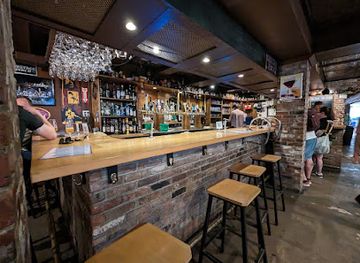
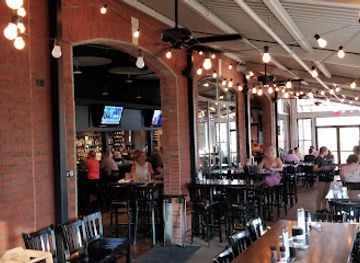
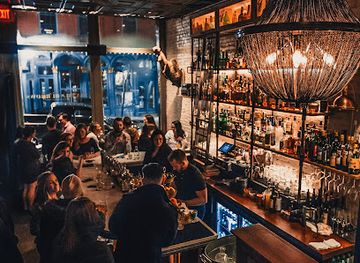
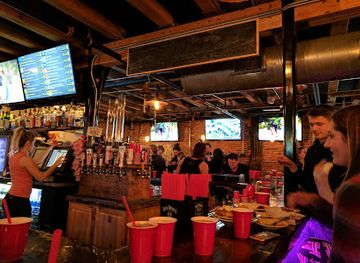
South Portland offers a vibrant nightlife scene with a variety of bars and nightclubs catering to different tastes. From cozy pubs serving local craft beers to trendy cocktail lounges with live music, visitors can expect a lively atmosphere and friendly locals. Whether you're looking to dance the night away or enjoy a quiet drink with a waterfront view, South Portland has something for everyone. Don't miss out on the chance to experience the city's unique blend of history and modern entertainment after dark.
-
Beer hall
Novare Res Bier Cafe
Experience the best of craft beer at Novare Res Bier Cafe in Portland, Maine, featuring over 400 brews, delicious Belgian cuisine, and a vibrant atmosphere.
11 min drive · 3.8 km from city centre
-
Restaurant
Sea Dog Brewing Co. - South Portland
Experience the best of Maine's craft beer and delicious cuisine at Sea Dog Brewing Co., a lively brewpub in South Portland.
8 min drive · 2.7 km from city centre
-
Cocktail bar
Blyth & Burrows
Discover the ultimate cocktail experience in Portland at Blyth & Burrows, where fresh seafood meets innovative drinks in a vibrant coastal setting.
11 min drive · 3.8 km from city centre
-
Bar
Bonfire Country Bar Portland
Discover the lively atmosphere, delicious food, and craft drinks at Bonfire Country Bar, the heart of Portland's Old Port district.
11 min drive · 3.7 km from city centre
Best nightclubs in South Portland
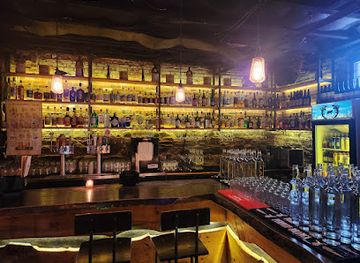
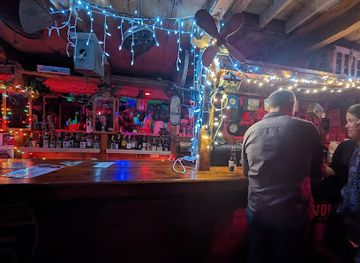
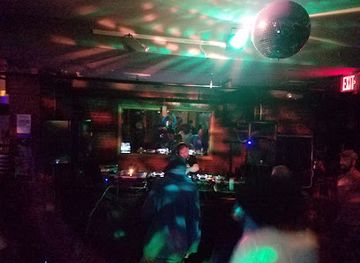
South Portland offers a vibrant nightlife scene with a variety of bars and nightclubs catering to different tastes. From cozy pubs serving local craft beers to trendy cocktail lounges with live music, visitors can expect a lively atmosphere and friendly locals. Whether you're looking to dance the night away or enjoy a quiet drink with a waterfront view, South Portland has something for everyone. Don't miss out on the chance to experience the city's unique blend of history and modern entertainment after dark.
-
Grill
Bramhall
Experience the vibrant culinary scene at Bramhall, Portland's premier grill and bar, offering delicious dishes and creative cocktails in a lively setting.
8 min drive · 2.7 km from city centre
-
Lounge
Bubba's Sulky Lounge
Experience the eclectic charm and vibrant nightlife of Bubba's Sulky Lounge, Portland's top cocktail bar and dance destination.
10 min drive · 3.3 km from city centre
-
Night club
Flask Lounge
Experience the vibrant nightlife of Portland at Flask Lounge, your go-to destination for live music and dancing in a welcoming atmosphere.
9 min drive · 3.0 km from city centre
-
Bar
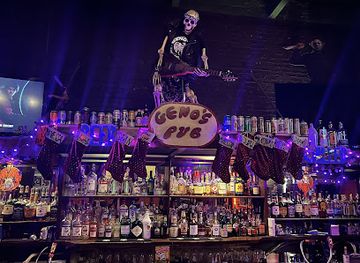
Geno’s Rock Club
Experience the heart of Portland’s music scene at Geno’s Rock Club, where great bands and affordable drinks create unforgettable nights.
9 min drive · 3.0 km from city centre
Best shops in South Portland
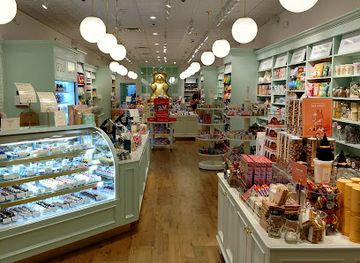
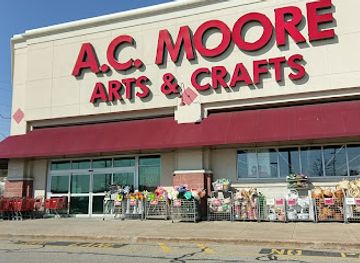
Shopaholics will delight in the diverse shopping scene in South Portland, offering everything from upscale boutiques to charming local shops. The Maine Mall is a shopper's paradise with a wide selection of stores, while the historic Old Port district is perfect for finding unique gifts and souvenirs. Don't miss the local farmer's markets for fresh produce and handmade goods, or explore the quaint streets lined with antique stores and art galleries. Whether you're looking for designer brands or one-of-a-kind treasures, South Portland has something for every type of shopper.
-
Shopping mall
The Maine Mall
Experience the ultimate shopping destination at The Maine Mall, where over 140 stores and delightful dining options await your exploration in South Portland.
12 min drive · 3.9 km from city centre
-
Gift shop
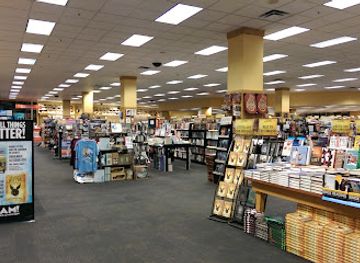
Books-A-Million
Discover a diverse selection of books, collectibles, and unique gifts at Books-A-Million in South Portland, ME—a haven for every book lover.
11 min drive · 3.8 km from city centre
-
Shopping mall
Maine Crossing
Discover the ultimate shopping experience at Maine Crossing, South Portland's premier shopping mall with diverse stores and delightful dining options.
15 min drive · 5.0 km from city centre
-
Shopping mall
Pine Tree Shopping Center
Explore the Pine Tree Shopping Center in Portland, ME: a vibrant hub of shopping, dining, and local culture, perfect for every tourist's itinerary.
17 min drive · 5.7 km from city centre

Get your free copy of our complete guide to South Portland, delivered straight to you.
Everything on this page, from attractions and restaurants to essentials and local phrases, in one PDF you can read offline, print or share.
Already have an account? Sign in
Your South Portland guide is ready.
We'll send it to · Not you? Sign out

Getting your guide ready…
We are putting together a fresh copy of the South Portland guide. This can take up to a minute.
This can take a few moments. If your browser asks, choose Allow so the download can start. You'll find the guide in your Downloads folder.
Nothing happened? Download it again
Sorry, the guide is taking longer than usual. Please try again in a minute, or get it by email instead.
South Portland essentials
Currency and Payment
Safety
Emergency Situations
Do's and Don'ts
Local Tips
From Eve
Local phrases worth knowing
You don't need to get them perfect. A few words go a long way, and locals appreciate the effort.
Basics
| English | Local | Say it |
|---|---|---|
| Hello | Hey there | [hey thair] |
| Goodbye | See you later | [see yoo lay-tur] |
| Yes | Yup | [yuhp] |
| No | Nah | [nah] |
| Please/You're welcome | Please | [pleez] |
| Thank you | Thanks | [thangs] |
| Excuse me/Sorry | Sorry | [sor-ee] |
| How are you? | How's it goin'? | [hows it go-in] |
| Fine. And you? | Good. And you? | [good and yoo] |
| Do you speak English? | Do you talk English? | [do yoo tahk ing-glish] |
| I don't understand | I don't get it | [I dont get it] |
Eating & Drinking
| English | Local | Say it |
|---|---|---|
| I'd like to see the menu, please | Can I see the menu? | [can eye see the menu] |
| I don't eat meat | I don't eat meat | [I dont eat meet] |
| Cheers! | Cheers! | [cheers] |
| I would like to pay, please | Can I pay now? | [can eye pay now] |
Emergencies
| English | Local | Say it |
|---|---|---|
| Help! | Help! | [help] |
| Go away! | Get outta here! | [get out-uh here] |
| Call the Police! | Call the cops! | [call the cops] |
| Call a doctor! | Call a doc! | [call a doc] |
| I'm lost | I'm lost | [I'm lost] |
| I'm ill | I'm sick | [I'm sick] |
Shopping
| English | Local | Say it |
|---|---|---|
| I'd like to buy... | I wanna buy... | [I wanna buy] |
| I'm just looking | I'm just browsing | [I'm just browsing] |
| How much is it? | How much does it cost? | [how much duz it cost] |
| That's too expensive | That's pricey | [thats prye-see] |
| Can you lower the price? | Can you drop the price? | [can yoo drop the price] |
Time & Numbers
| English | Local | Say it |
|---|---|---|
| What time is it? | What's the time? | [whats the time] |
| It's one o'clock | It's one | [its one] |
| Half past (10) | Almost 10:30 | [almost ten-thirty] |
| Morning | Morning | [morning] |
| Afternoon | Afternoon | [afternoon] |
| Evening | Evening | [evening] |
| Yesterday | Yesterday | [yesterday] |
| Today | Today | [today] |
| Tomorrow | Tomorrow | [tomorrow] |
| 1 | One | [wun] |
| 2 | Two | [too] |
| 3 | Three | [three] |
| 4 | Four | [four] |
| 5 | Five | [five] |
| 6 | Six | [six] |
| 7 | Seven | [seven] |
| 8 | Eight | [eight] |
| 9 | Nine | [nine] |
| 10 | Ten | [ten] |
Transport & Directions
| English | Local | Say it |
|---|---|---|
| Where's a/the...? | Where's the...? | [wheres the] |
| What's the address? | What's the street? | [whats the street] |
| Can you show me (on the map)? | Can you show me (on the map)? | [can yoo show me on the map] |
| When's the next (bus)? | When's the next bus? | [whens the next bus] |
| A ticket (to ....) | A ticket (to ....) | [a ticket to] |
History of South Portland
The Founding and Early Settlements
South Portland's roots are deeply embedded in early American history. Originally part of the colonial settlement of Cape Elizabeth, it was established in the 17th century. The area was inhabited by European settlers who engaged in farming, fishing, and trading with the local Native American tribes. The town officially separated from Cape Elizabeth and was incorporated as South Portland in 1895, reflecting its growth and development as a distinct community.
Shipbuilding and Maritime Heritage
South Portland's strategic location along the Fore River and Casco Bay played a significant role in its maritime history. During the 19th and early 20th centuries, the city was a bustling hub for shipbuilding. The Portland Shipbuilding Company, which later became the New England Shipbuilding Corporation, produced many vessels, especially during World War II. The Liberty Ships built here were crucial to the Allied war effort, marking a period of intensive industrial activity and economic growth.
World War II and Liberty Ships
World War II brought significant changes to South Portland. As part of the war effort, the New England Shipbuilding Corporation constructed over 200 Liberty Ships between 1941 and 1945. These cargo ships were vital for transporting supplies and troops. The shipyards employed thousands of workers, including many women who took on roles traditionally held by men. This period marked a high point in South Portland's industrial history and left a lasting legacy on the community.
The South Portland Historical Society
The South Portland Historical Society, established in 1964, plays a crucial role in preserving and promoting the city’s history. The society operates the Cushing’s Point Museum, which houses extensive collections of artifacts, photographs, and documents. The museum's exhibits offer a comprehensive look into South Portland's past, from its early settlements and maritime heritage to its industrial boom during World War II. The society actively engages the community through educational programs, walking tours, and historical reenactments.
The Eastern Waterfront and Bug Light Park
Bug Light Park, located on the Eastern Waterfront, is one of South Portland's most iconic landmarks. The park is home to the Portland Breakwater Lighthouse, affectionately known as 'Bug Light' due to its small size. Built in 1875, the lighthouse guided ships safely into Portland Harbor for decades. Today, Bug Light Park is a popular recreational area offering panoramic views of the Portland skyline and Casco Bay. It serves as a venue for community events and a reminder of the city's rich maritime history.
Cultural Diversity and Community Growth
South Portland has evolved into a vibrant and diverse community. Throughout the 20th century, the city saw an influx of immigrants from various parts of the world, contributing to a rich cultural tapestry. Neighborhoods like Ferry Village and Knightville showcase a mix of architectural styles and cultural influences. The city's commitment to inclusivity is evident in its numerous cultural festivals, community programs, and public spaces that celebrate its diverse heritage.
The Transformation of Mill Creek
Mill Creek is a prime example of South Portland's adaptive reuse of urban spaces. Once an industrial area, it has been transformed into a lively commercial and recreational hub. Mill Creek Park, with its serene pond and beautifully landscaped gardens, is a focal point for community activities. The surrounding area features a mix of shops, restaurants, and businesses, reflecting South Portland's dynamic blend of historical preservation and modern development.
South Portland in Photos
Browse through our photo collection highlighting the charm and character of the destination.
Cities near South Portland
The closest cities to South Portland, if you have time for more than one stop.
-

-
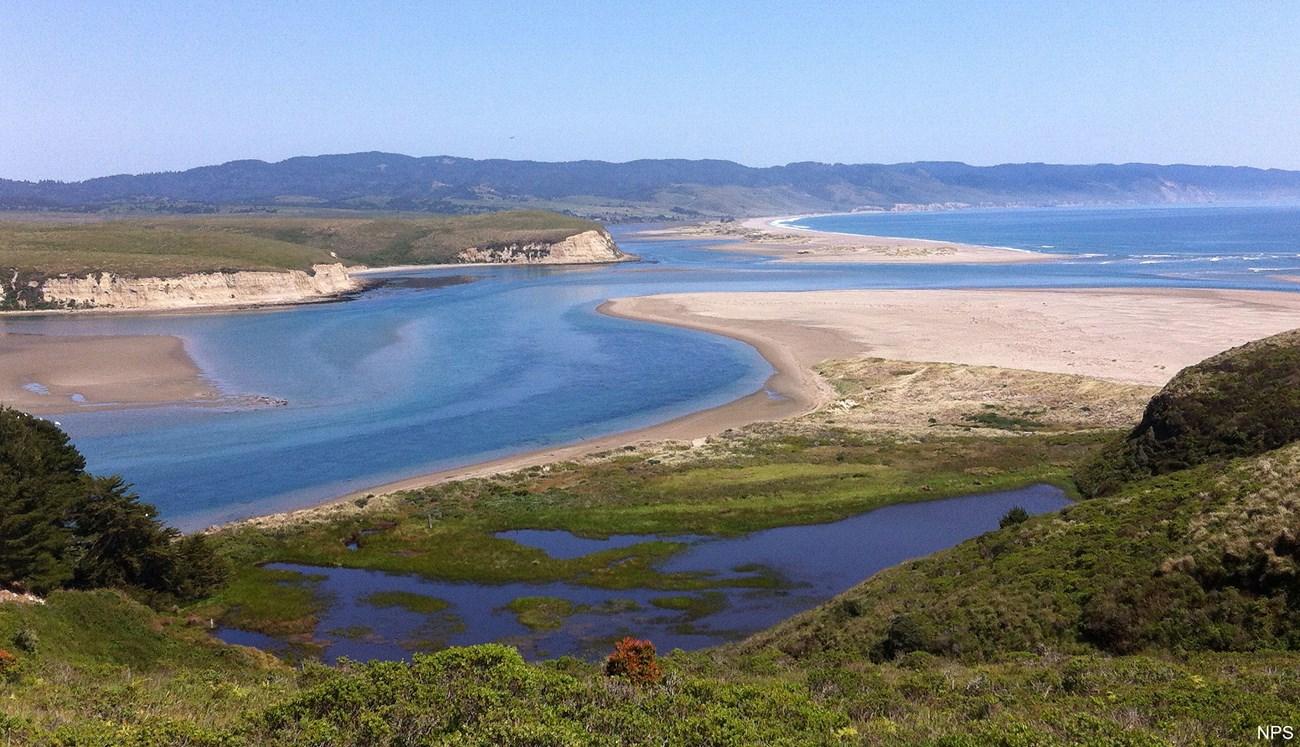 Saco
Saco, Maine pairs a historic Saco River downtown with coastal walks, Ferry Beach State Park, local museums and easy access to southern Maine’s beaches.
39 min drive · 19 km from city centre
Saco
Saco, Maine pairs a historic Saco River downtown with coastal walks, Ferry Beach State Park, local museums and easy access to southern Maine’s beaches.
39 min drive · 19 km from city centre
-

-

-


Swipe for more cities
Explore more

Explore more of Maine
Discover Maine's breathtaking landscapes, charming coastal towns, and rich cultural heritage. From Acadia's cliffs to fresh lobster feasts, Maine promises an unforgettable adventure.
Explore Maine