

Free Knox County Travel Guide & Mobile App
Explore Knox County with free travel guides. Discover regional history, expert tips, proposed trips, and audio guides on web or mobile app.


Explore Knox County, Maine, for Penobscot Bay islands, working harbours, lighthouses, art museums, forest walks and classic coastal food.
Read more about Knox County
Getting to and around Knox County
How to get there
Transportation
Top city travel guides in Knox County
The cities of Knox County, and the easiest places to base yourself.
-
 Camden
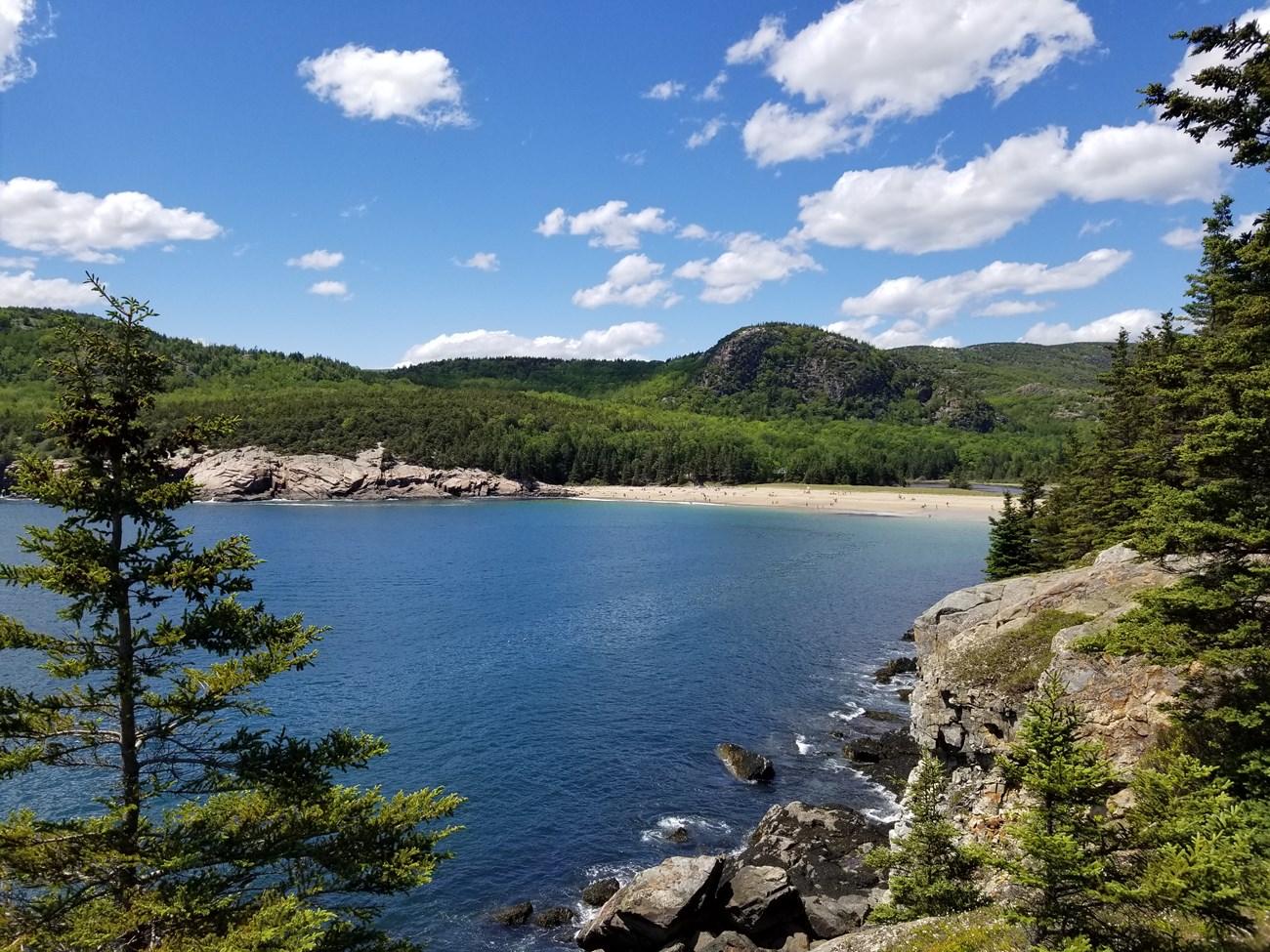
Discover Camden, Maine: A scenic coastal town offering historic charm, outdoor adventures, and vibrant cultural events, nestled between Camden Hills and Penobscot Bay.
-


Swipe for more cities
Best attractions in Knox County
Knox County’s attractions range from substantial cultural institutions to working harbours and accessible coastal landscapes. Rockland is the county’s strongest museum centre, with the Farnsworth Art Museum, the Center for Maine Contemporary Art and the Maine Lighthouse Museum offering different perspectives on Maine’s artistic and maritime identity. The Owls Head Transportation Museum presents historic vehicles and aircraft, while nearby Owls Head Light overlooks Penobscot Bay. Camden Hills State Park provides woodland trails and elevated views from Mount Battie, and the Camden waterfront is a departure point for sailing and sightseeing on the bay. Historic Thomaston, the St George peninsula and Port Clyde offer quieter drives, fishing-village scenery and artists’ connections. Ferry-served islands such as Vinalhaven and North Haven add a more self-contained coastal experience, with walks, granite landscapes and working communities. The county also appeals to kayakers, cyclists, birdwatchers and visitors interested in lighthouses, although many outdoor activities require attention to tides, weather and seasonal access.
-
Tourist attraction
Acadia National Park
Explore Acadia National Park, Maine's coastal gem, where breathtaking landscapes and outdoor adventures await at every turn.
-
 Tourist attraction
Portland Head Light
Explore Portland Head Light, Maine's historic lighthouse, offering stunning coastal views, rich maritime history, and scenic landscapes.
-
Tourist attraction
Fort Knox and Penobscot Narrows Observatory
Explore Fort Knox and Penobscot Narrows Observatory for an unforgettable blend of history, breathtaking views, and outdoor adventure in Maine.
-
Museum
Owls Head Lighthouse
Experience the maritime history and stunning views at Owls Head Lighthouse, a coastal gem in Maine, perfect for your next adventure.


Best landmarks in Knox County
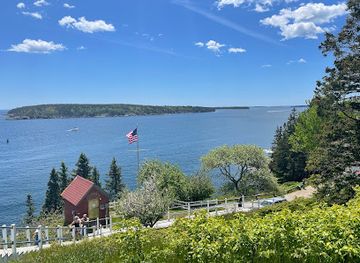
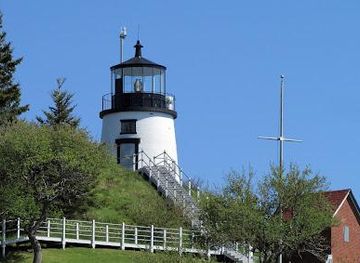
Rockland’s working harbour and breakwater lighthouse form one of Knox County’s most recognisable maritime scenes, linking the city directly to Penobscot Bay. The Farnsworth Art Museum building and the contemporary structure housing the Center for Maine Contemporary Art give the downtown a notable cultural presence, while the Maine Lighthouse Museum records the technology and people behind coastal navigation. Camden’s harbour, framed by historic buildings and Camden Hills, leads visually towards Mount Battie, whose summit is one of the county’s clearest viewpoints over the bay and offshore islands. Owls Head Light stands on a prominent coastal headland within a state historic site, and Marshall Point Lighthouse at Port Clyde marks the southern end of the St George peninsula. Thomaston’s streets and waterfront preserve reminders of the county’s nineteenth-century commercial development, when lime, shipbuilding and coastal trade shaped the town. Offshore, Vinalhaven’s granite shorelines and island harbours express a different but equally important part of Knox County’s maritime geography.
-
Historical landmark
Owls Head Lighthouse
Discover the enchanting Owls Head Lighthouse, a historic landmark offering rich maritime history, stunning ocean views, and a charming gift shop in Maine.
Explore Knox County on the map
Plan your trip on one map. See where the top cities, national parks and sights are, and book hotels and experiences in a few clicks.
Best hotels in Knox County
Best restaurants in Knox County
Dining in Knox County is shaped by Penobscot Bay and by Maine’s broader farm-and-sea traditions. Lobster, haddock, mussels, oysters, clams and other shellfish appear in restaurants, lobster pounds and informal waterfront settings, while local bakeries and cafés provide bread, pastries and coffee for travellers on the move. Rockland has the broadest range, including seafood restaurants, contemporary kitchens, casual counters and bars; Camden and Rockport add inns, cafés and harbour dining. In St George, Port Clyde and the islands, choices are more dispersed and often closely tied to seasonal trade. Look for Maine blueberries, apples, dairy products, farm vegetables, craft beer and cider alongside seafood. Menus change with landings and availability, so the most authentic approach is to ask what is local that day rather than expect a single fixed county cuisine.
-
Seafood
The Highroller Lobster Co.
Discover fresh seafood delights at The Highroller Lobster Co., where Maine's culinary traditions meet modern flair in Portland's Old Port.
-
Restaurant
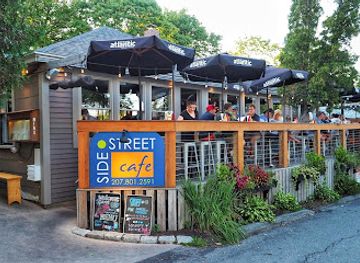
Side Street Cafe
Discover Side Street Cafe: A charming American restaurant in Bar Harbor serving delicious food and drinks in a cozy setting.
-
Seafood
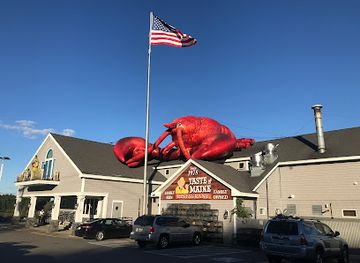
Taste of Maine Restaurant
Discover the flavors of New England at Taste of Maine Restaurant – your ultimate destination for fresh seafood and family-friendly dining in Woolwich.
-
Grill
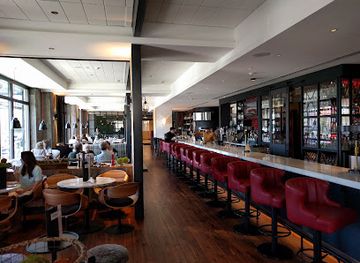
Timber Kitchen & Bar
Experience the best of local cuisine at Timber Kitchen & Bar in Bangor – where fresh ingredients meet unforgettable flavors.
Best bars in Knox County
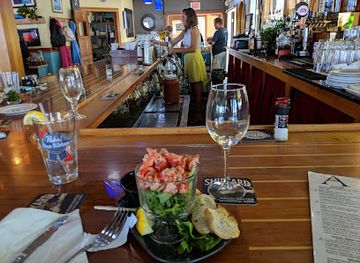
Evening life in Knox County is centred on pubs, restaurants, hotel bars, breweries and live performances rather than a large nightclub scene. Rockland offers the widest choice of places to eat and drink after dark, with Camden and Rockport providing additional bars, seasonal music and harbour-oriented venues. Traditional inns and taverns remain important in smaller communities, while summer brings more outdoor seating, concerts and sailing-related events. The county’s arts institutions and theatres contribute to the evening calendar, although programmes and opening arrangements vary by season. On the islands and rural peninsulas, nightlife is quieter and often consists of a meal, a local gathering or a drink overlooking the water. Plan transport ahead, particularly outside the main towns, and do not assume that late-night taxis or public transport will be readily available.
-
Seafood
Archer’s on the Pier
Discover the best of coastal Maine at Archer’s on the Pier, where fresh seafood meets breathtaking views for an unforgettable dining experience.
-
Restaurant
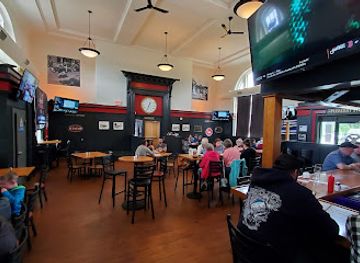
Sea Dog Brewing Co.
Discover the flavors of Maine at Sea Dog Brewing Co., your go-to brewpub in Camden for craft beers and delicious cuisine.
-
American
Trackside Station
Experience the best of American barbecue and live music at Trackside Station in Rockland, Maine, a perfect spot for food lovers and fun seekers.
-
Restaurant
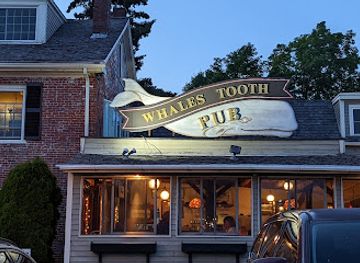
Whale's Tooth Pub
Experience the best of Maine's seafood at Whale's Tooth Pub, a charming restaurant with stunning coastal views and a welcoming atmosphere.
Best nightclubs in Knox County
Evening life in Knox County is centred on pubs, restaurants, hotel bars, breweries and live performances rather than a large nightclub scene. Rockland offers the widest choice of places to eat and drink after dark, with Camden and Rockport providing additional bars, seasonal music and harbour-oriented venues. Traditional inns and taverns remain important in smaller communities, while summer brings more outdoor seating, concerts and sailing-related events. The county’s arts institutions and theatres contribute to the evening calendar, although programmes and opening arrangements vary by season. On the islands and rural peninsulas, nightlife is quieter and often consists of a meal, a local gathering or a drink overlooking the water. Plan transport ahead, particularly outside the main towns, and do not assume that late-night taxis or public transport will be readily available.
-
Lounge
Bubba's Sulky Lounge
Discover the quirky charm of Bubba's Sulky Lounge, a cocktail bar in Portland known for its unique decor and vibrant dance atmosphere.
-
Night club
Flask Lounge
Discover the heartbeat of Portland's nightlife at Flask Lounge, a vibrant venue for live music, dancing, and delightful drinks.
-
Bar
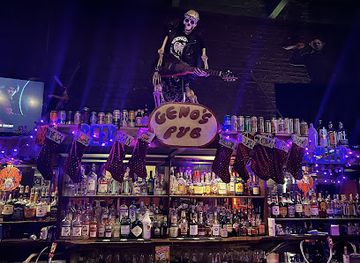
Geno’s Rock Club
Geno's Rock Club: The ultimate destination for live rock music and vibrant nightlife in Portland, Maine.
-
Night club
Aura
Experience the vibrant nightlife at Aura, a premier night club and restaurant in downtown Portland, Maine, with great food and drinks.


Best shops in Knox County
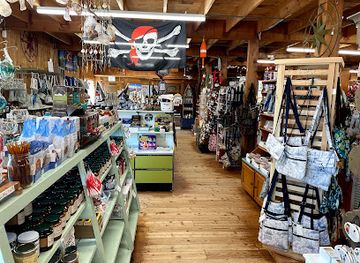
Rockland, Camden and Rockport are the county’s principal shopping centres, with independent bookshops, galleries, craft stores, clothing shops, homewares and food retailers concentrated around their historic downtowns and harbours. Rockland is particularly strong for art and contemporary craft, reflecting its museums and year-round cultural institutions, while Camden and Rockport offer a more seasonal mix of galleries, Maine-made goods and nautical-themed items. Thomaston and the St George peninsula provide smaller-scale browsing, including antiques, studios and local produce when businesses are open. Farmers’ markets and farm stands are useful places to find blueberries, preserves, baked goods, vegetables, seafood and other Maine products, though schedules vary. On Vinalhaven and North Haven, shopping is limited and community-oriented rather than extensive. Good regional souvenirs include artwork, handmade pottery, woven goods, books about Maine, lighthouse-related items and responsibly sourced food products.
-
Gift shop
Land's End Gift Shop
Explore Land's End Gift Shop for unique souvenirs and local crafts, capturing the spirit of Maine's coastal charm and artistry.
-
Gift shop
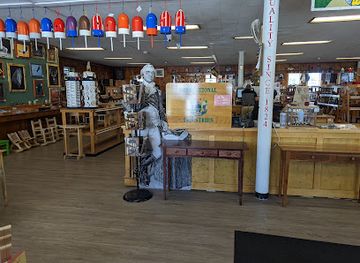
Maine State Prison Showroom
Explore the Maine State Prison Showroom for unique handcrafted gifts and support local artisans while visiting Thomaston.
-
Gift shop
Cool As A Moose
Explore the charm of Maine at Cool As A Moose, where unique gifts and souvenirs await every traveler in Bar Harbor.
-
Antique store
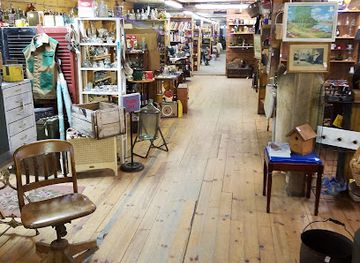
Elmer's Barn
Explore Elmer's Barn in Coopers Mills, Maine, where a treasure trove of antiques awaits, enriching your journey with history and unique collectibles.

Get your free copy of our complete guide to Knox County, delivered straight to you.
Everything on this page, from attractions and restaurants to essentials and local phrases, in one PDF you can read offline, print or share.
Already have an account? Sign in
Your Knox County guide is ready.
We'll send it to · Not you? Sign out

Getting your guide ready…
We are putting together a fresh copy of the Knox County guide. This can take up to a minute.
This can take a few moments. If your browser asks, choose Allow so the download can start. You'll find the guide in your Downloads folder.
Nothing happened? Download it again
Sorry, the guide is taking longer than usual. Please try again in a minute, or get it by email instead.
Knox County essentials
Currency and Payment
Safety
Emergency Situations
Do's and Don'ts
Local Tips
From Eve
Local phrases worth knowing
You don't need to get them perfect. A few words go a long way, and locals appreciate the effort.
Basics
| English | Local | Say it |
|---|---|---|
| Hello | Howdy | [Hau-dee] |
| Goodbye | See ya | [See yah] |
| Yes | Yep | [Yep] |
| No | Nope | [Nope] |
| Please/You're welcome | Sure thing | [Shoor thing] |
| Thank you | Thanks a lot | [Thanks a lot] |
| Excuse me/Sorry | Pardon me | [Pardon mee] |
| How are you? | How ya doin'? | [How ya doin'?] |
| Fine. And you? | Good. And you? | [Good. An' you?] |
| Do you speak English? | Do ya speak English? | [Do ya speak English?] |
| I don't understand | I ain't got it | [I ain't got it] |
Eating & Drinking
| English | Local | Say it |
|---|---|---|
| I'd like to see the menu, please | Can I see the menu? | [Can I see the menu?] |
| I don't eat meat | I don't do meat | [I don't do meat] |
| Cheers! | Cheers! | [Cheers!] |
| I would like to pay, please | Can I get the check? | [Can I get the check?] |
Emergencies
| English | Local | Say it |
|---|---|---|
| Help! | Help! | [Help!] |
| Go away! | Leave me be! | [Leave me be!] |
| Call the Police! | Call the cops! | [Call the cops!] |
| Call a doctor! | Get a doctor! | [Get a doctor!] |
| I'm lost | I’m turned around | [I’m turned around] |
| I'm ill | I ain't feelin' good | [I ain't feelin' good] |
Shopping
| English | Local | Say it |
|---|---|---|
| I'd like to buy... | I wanna buy... | [I wanna buy...] |
| I'm just looking | Just browsing | [Just browsing] |
| How much is it? | What’s the price? | [What’s the price?] |
| That's too expensive | That’s a bit much | [That’s a bit much] |
| Can you lower the price? | Can ya drop the price? | [Can ya drop the price?] |
Time & Numbers
| English | Local | Say it |
|---|---|---|
| What time is it? | What time ya got? | [What time ya got?] |
| It's one o'clock | It's one | [It's one] |
| Half past (10) | Half past ten | [Half past ten] |
| Morning | Mornin' | [Mornin'] |
| Afternoon | Afternoon | [Afternoon] |
| Evening | Evenin' | [Evenin'] |
| Yesterday | Yesterday | [Yesterday] |
| Today | Today | [Today] |
| Tomorrow | Tomorrow | [Tomorrow] |
| 1 | One | [One] |
| 2 | Two | [Two] |
| 3 | Three | [Three] |
| 4 | Four | [Four] |
| 5 | Five | [Five] |
| 6 | Six | [Six] |
| 7 | Seven | [Seven] |
| 8 | Eight | [Eight] |
| 9 | Nine | [Nine] |
| 10 | Ten | [Ten] |
Transport & Directions
| English | Local | Say it |
|---|---|---|
| Where's a/the...? | Where's the nearest...? | [Where's the nearest...?] |
| What's the address? | What’s the address? | [What’s the address?] |
| Can you show me (on the map)? | Can ya point it out? | [Can ya point it out?] |
| When's the next (bus)? | When's the next bus? | [When's the next bus?] |
| A ticket (to ....) | One ticket to... | [One ticket to...] |
History of Knox County
Wabanaki Homeland and Coastal Exchange
Before European settlement, the islands, rivers and shorelands of Knox County formed part of the homeland of Wabanaki peoples, including communities connected with the Penobscot and related tribal nations. Coastal travel, fishing, shellfishing and seasonal movement shaped relationships with the bay and its islands. European traders and fishermen entered these networks from the early modern period, bringing new goods, diseases and political pressures. The region’s waterways were practical routes long before roads existed, and present-day place names and continuing Wabanaki presence are reminders that the county’s history did not begin with colonial settlement.
Colonial Settlement and the Maritime Coast
European settlement expanded along the mainland and islands during the eighteenth century, although conflict and changing imperial control made coastal communities insecure for long periods. Harbours around Thomaston, Rockland and Camden gradually became centres for fishing, coastal trade, shipbuilding and the movement of timber and farm goods. The natural advantages of Penobscot Bay—deep water, numerous inlets and access to inland resources—encouraged small settlements to develop around wharves and boatyards rather than around a single inland commercial centre.
Henry Knox and the Naming of the County
Knox County was created in 1860 and named for Henry Knox, the Revolutionary War general and first United States Secretary of War. Knox lived at Montpelier, his Thomaston estate, although the house was demolished in the nineteenth century; the reconstructed Montpelier museum now interprets his life and the Federal period. The connection reflects Thomaston’s importance and the county’s place within the early national history of Maine, which became a state in 1820. Knox’s career also links the local landscape to the political and military formation of the United States.
Lime, Granite and Nineteenth-Century Industry
During the nineteenth century, the mid-coast economy expanded beyond small-scale fishing. Lime production became particularly important around Thomaston and Rockland, where limestone was burned in kilns and shipped for construction and agriculture. Granite quarrying, woodworking, shipbuilding and coastal commerce also supported the growing towns. Rail connections later strengthened Rockland’s role as a regional port and commercial centre. Remnants of industrial waterfronts, old warehouses, quarries and town architecture reveal how strongly Knox County once depended on materials extracted from its land and transported by sea.
Shipbuilding, Fishing and the Working Waterfront
Sailing vessels, coastal schooners and later powered boats connected Knox County to wider markets in Maine and beyond. Fishing and lobstering remained central as other industries changed, while boatbuilding survived in smaller yards and through the preservation and operation of traditional schooners. Harbours such as Rockland, Camden, Port Clyde and Vinalhaven developed distinct working identities. The modern visitor economy is substantial, but it exists alongside commercial fishing, ferry transport and marine trades that continue to give the coast its practical character.
Maine’s Art Colony and Cultural Institutions
From the late nineteenth century onwards, Maine’s coast attracted painters, photographers, writers and summer visitors drawn by its light, islands and maritime scenery. Rockland’s Farnsworth Art Museum built a major collection around Maine’s artistic heritage, while Camden and nearby communities developed galleries, studios and cultural programmes. This artistic history has helped shape the county’s contemporary identity, but it should not obscure the older working coast. Museums in Rockland and Owls Head preserve both the creative and technological stories that have influenced the region.
Conservation, Heritage and Contemporary Tourism
Twentieth-century changes in transport, manufacturing and coastal employment encouraged Knox County to develop tourism while retaining its maritime foundations. State parkland, lighthouse preservation, museums and historic districts helped protect important landscapes and buildings. Camden Hills State Park made accessible a prominent section of the county’s interior mountains and woods, while ferry-served islands continued to maintain strong local communities. Today, the county balances seasonal tourism, arts institutions, fishing, conservation and year-round residents, with summer demand placing particular pressure on accommodation, roads and ferry capacity.
Knox County in Photos
Browse through our photo collection highlighting the charm and character of the destination.
Neighbouring regions of Knox County
The closest regions to Knox County, if you have time for more than one.
-

-

-

-

-


Swipe for more regions
Explore more

Explore more of Maine
Discover Maine's breathtaking landscapes, charming coastal towns, and rich cultural heritage. From Acadia's cliffs to fresh lobster feasts, Maine promises an unforgettable adventure.
Explore Maine