

Free Rockland Travel Guide & Mobile App
Plan your Rockland trip with Evendo. Get free guides to top attractions, restaurants, hotels, and bars. Web access or download the mobile app.


Rockland, Maine pairs working-harbour character with acclaimed art museums, lighthouse walks, coastal history, seafood and Penobscot Bay scenery.
Working Harbour and Coastal Setting
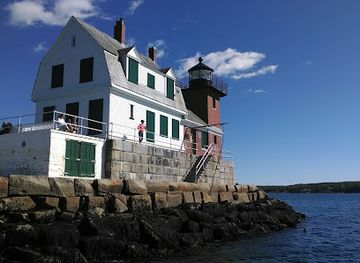
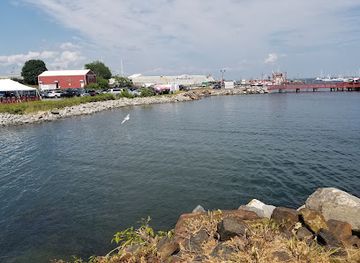
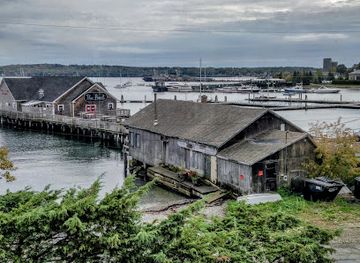
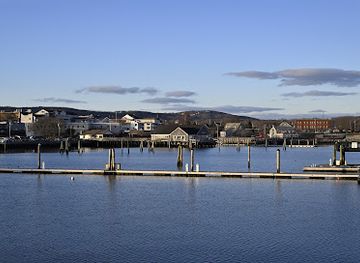
Rockland occupies a sheltered stretch of Maine’s central coast, facing the broad waters of Penobscot Bay. Fishing boats, pleasure craft and visiting schooners share the waterfront, while the granite arm of Rockland Breakwater reaches nearly a mile into the bay towards its lighthouse. The harbour remains part of the city’s daily life rather than a purely scenic backdrop, giving Rockland a maritime character that is both practical and inviting.Read more about Rockland
Art, History and Architecture
Life Around the Waterfront
When is the best time to visit Rockland?
Best: June–August · 20–24°C| Month | High (°C) | Rainfall (mm) |
|---|---|---|
| January | -1 | 80 |
| February | 0 | 70 |
| March | 5 | 90 |
| April | 10 | 100 |
| May | 15 | 90 |
| June (best) | 20 | 90 |
| July (best) | 24 | 100 |
| August (best) | 23 | 100 |
| September | 20 | 90 |
| October | 14 | 100 |
| November | 9 | 90 |
| December | 3 | 80 |
Getting to and around Rockland
How to get there
Transportation
Best attractions in Rockland
Rockland’s main attractions cluster around its harbour and compact downtown. The Farnsworth Art Museum presents American art with a strong Maine connection, including works associated with the Wyeth family, while the Center for Maine Contemporary Art offers changing exhibitions in a purpose-built contemporary setting. The Maine Lighthouse Museum explains the technology, work and human stories behind the state’s coastal lights and lifesaving services. Along the shore, Harbor Park provides a broad view across Penobscot Bay, and the Rockland Breakwater creates a memorable walk over granite to its small lighthouse. The Strand Theatre, a restored Art Deco cinema, adds film, music and live performance to the city’s cultural life. Main Street’s galleries, bookshops and independent businesses reward unhurried exploration, while ferry departures connect the mainland with nearby islands for a separate coastal experience.
-
Tourist attraction
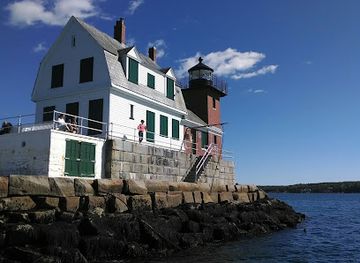
Rockland Breakwater Lighthouse
Discover the historic Rockland Breakwater Lighthouse, a stunning coastal gem in Maine, offering scenic views and rich maritime heritage.
15 min drive · 4.9 km from city centre
-
Tourist attraction
Rockland Breakwater Lighthouse
Experience the breathtaking views and rich maritime history at Rockland Breakwater Lighthouse, a cherished landmark on the Maine coast.
15 min drive · 4.9 km from city centre
-
Tourist attraction
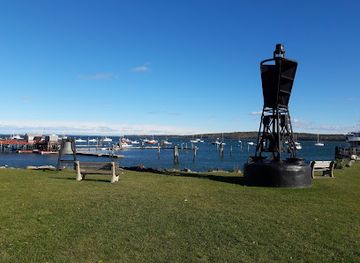
Harbor Park
Experience the breathtaking beauty of Harbor Park in Rockland, Maine, a perfect blend of nature, art, and coastal charm.
10 min drive · 3.2 km from city centre
-
Tourist attraction
Maine Lighthouse Museum
Explore the rich maritime history of Maine at the Maine Lighthouse Museum, home to captivating exhibits and stories of iconic lighthouses.
10 min drive · 3.2 km from city centre

Best landmarks in Rockland
Rockland Breakwater Lighthouse is the city’s defining maritime structure, standing at the end of a long granite breakwater built to protect the harbour; the walk itself illustrates the engineering required to create a safe port on the exposed Maine coast. The Maine Lighthouse Museum preserves the wider history of these coastal aids and the US Coast Guard services associated with them. Downtown landmarks include the Strand Theatre, whose Art Deco character reflects the importance of cinema and public entertainment in the twentieth century, and the Rockland Public Library, a notable civic building near the centre. The Farnsworth Art Museum is also architecturally and culturally significant, linking a modern museum presence with Maine’s long tradition of painted coastal landscapes. Together these sites trace Rockland’s development from maritime infrastructure to a recognised arts centre.
-
Seafood
Archer’s on the Pier
Discover the freshest seafood and stunning ocean views at Archer’s on the Pier, a Rockland gem that captures Maine's culinary spirit.
11 min drive · 3.6 km from city centre
-
Tourist attraction
Rockland Breakwater Lighthouse
Discover the historic Rockland Breakwater Lighthouse, a coastal treasure in Maine offering stunning views and rich maritime history.
15 min drive · 4.9 km from city centre
-
Park
Harbor Park
Experience the beauty and tranquility of Harbor Park, a must-visit destination in Rockland, Maine, where nature and culture converge.
10 min drive · 3.2 km from city centre
-
Bed & breakfast
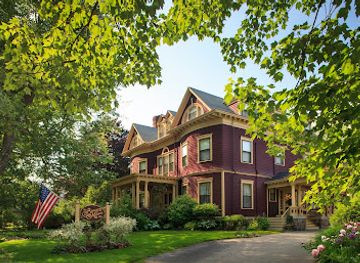
Berry Manor Inn
Discover the charm of Berry Manor Inn in Rockland, Maine, where coastal beauty meets Victorian elegance for an unforgettable getaway.
7 min drive · 2.2 km from city centre
Explore Rockland on the map
Plan your Rockland trip on one map. See where the top attractions, landmarks, restaurants, bars and hotels are, find what's near where you're staying, and book hotels and experiences in a few clicks.
Best hotels in Rockland
Best restaurants in Rockland
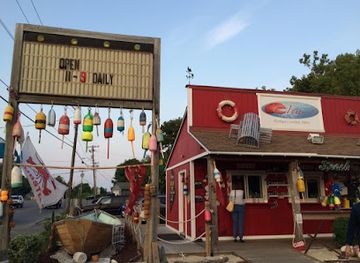
Rockland’s dining identity is rooted in the waters of Penobscot Bay, with lobster, clams, mussels, oysters and other Maine seafood appearing in both traditional and contemporary cooking. Casual lobster shacks and seafood counters sit alongside restaurants that treat local ingredients with a more elaborate approach, while cafés and bakeries serve breakfast, sandwiches and seasonal baked goods to a mixed local and visiting crowd. Downtown Rockland and the streets near the harbour contain much of the city’s food scene, with additional options along the Route 1 corridor. Maine staples such as lobster rolls, chowder, fried clams and blueberry-based baking are easy points of reference, but the area’s chefs also draw on small farms, local fisheries and New England preserving traditions. Menus and establishments change seasonally, particularly outside the summer period.
-
Seafood
Claws
Discover Claws in Rockland, Maine – your destination for fresh seafood delights and local flavors.
7 min drive · 2.5 km from city centre
-
Seafood
Archer’s on the Pier
Experience fresh seafood delights with breathtaking ocean views at Archer's on the Pier in Rockland, Maine.
11 min drive · 3.6 km from city centre
-
Breakfast
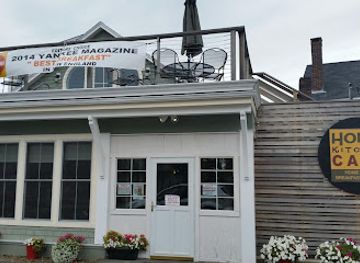
Home Kitchen Cafe
Experience delightful homemade breakfasts and lunches at Home Kitchen Cafe in Rockland, Maine—where local flavors meet warm hospitality.
7 min drive · 2.4 km from city centre
-
Seafood
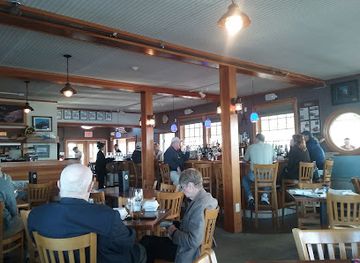
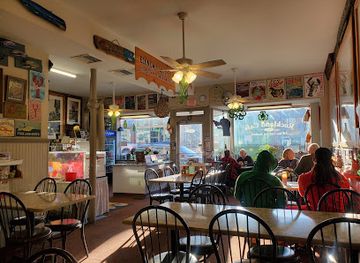
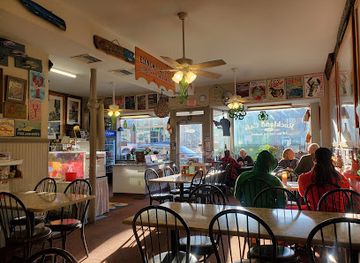
Rockland Café
Discover the best seafood and breakfast delights at Rockland Café in scenic Rockland, Maine—where fresh flavors meet coastal charm.
9 min drive · 2.8 km from city centre
Best bars in Rockland
Rockland’s evening life is intimate rather than club-centred, with activity concentrated around downtown restaurants, pubs, wine and cocktail bars and venues that combine drinks with food. The Strand Theatre provides one of the city’s most distinctive after-dark settings, presenting films, concerts and other performances in a restored historic interior. Seasonal festivals and summer harbour events can extend the evening atmosphere, while galleries and cultural institutions sometimes host openings or special programmes. The city does not have the late-night scale of Portland or Boston, and many evenings are shaped by conversation, live music and the waterfront rather than large dance clubs. Visitors should expect quieter streets outside the central area and should arrange transport in advance if staying beyond walking distance.
-
Seafood
Archer’s on the Pier
Discover the best seafood in Rockland, ME at Archer’s on the Pier, where stunning ocean views meet delicious culinary delights.
11 min drive · 3.6 km from city centre
-
Seafood
Rockland Café
Experience the best of Maine's seafood at Rockland Café, where fresh flavors meet coastal charm in a delightful dining atmosphere.
9 min drive · 2.8 km from city centre
-
Italian
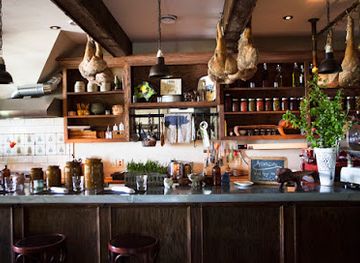
Primo Restaurant
Indulge in the finest Italian and Mediterranean cuisine at Primo Restaurant, where fresh ingredients meet exceptional culinary craftsmanship in Rockland, Maine.
13 min drive · 4.2 km from city centre
-
American
Trackside Station
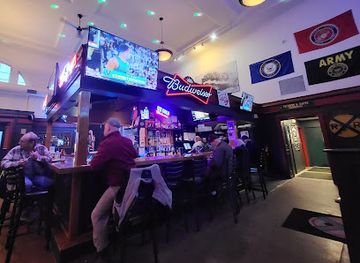
Experience the best of American cuisine and live music at Trackside Station in Rockland, Maine, where flavor meets fun.
9 min drive · 3.2 km from city centre
Best nightclubs in Rockland
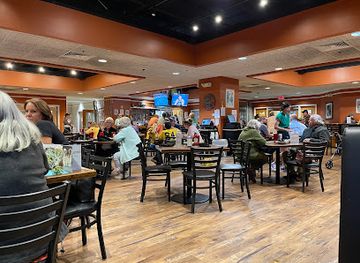
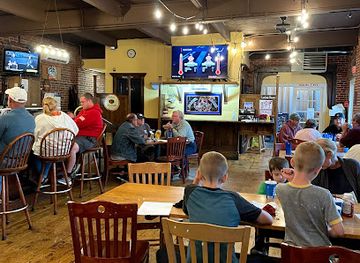
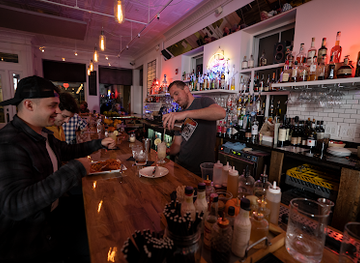
Rockland’s evening life is intimate rather than club-centred, with activity concentrated around downtown restaurants, pubs, wine and cocktail bars and venues that combine drinks with food. The Strand Theatre provides one of the city’s most distinctive after-dark settings, presenting films, concerts and other performances in a restored historic interior. Seasonal festivals and summer harbour events can extend the evening atmosphere, while galleries and cultural institutions sometimes host openings or special programmes. The city does not have the late-night scale of Portland or Boston, and many evenings are shaped by conversation, live music and the waterfront rather than large dance clubs. Visitors should expect quieter streets outside the central area and should arrange transport in advance if staying beyond walking distance.
-
American
Trackside Station
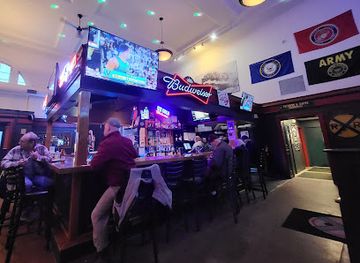
Explore Rockland's Trackside Station for a unique blend of American barbecue, vibrant atmosphere, and live musical performances that create unforgettable dining experiences.
9 min drive · 3.2 km from city centre
-
Grill
Park Street Grille
Discover the flavors of Rockland at Park Street Grille, where grilled specialties and local brews create a delightful dining experience.
10 min drive · 3.2 km from city centre
-
American
Waterworks Restaurant
Discover the culinary delights of Waterworks Restaurant in Rockland, Maine, where fresh flavors meet a charming atmosphere.
8 min drive · 2.7 km from city centre
-
Italian
Ada's Kitchen
Experience the warmth of Italian hospitality at Ada's Kitchen, where homemade pasta and artisan pizzas await in a charming Rockland setting.
8 min drive · 2.8 km from city centre
Best shops in Rockland
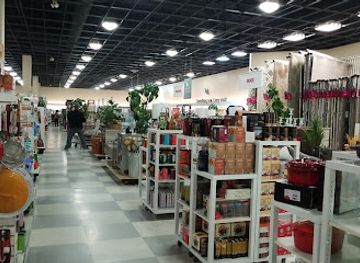
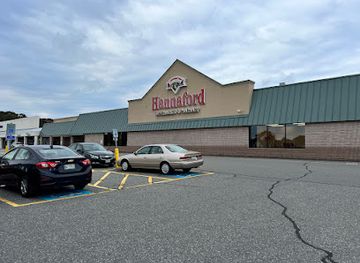
Shopping in Rockland is concentrated along Main Street and the surrounding downtown blocks, where independent galleries, bookshops, clothing retailers, homewares stores and small specialist businesses occupy historic commercial buildings. The city’s strongest local products are connected with Maine’s coastal and craft traditions: marine-themed artwork, photography, pottery, jewellery, woodwork, textiles, books about the region and food products such as preserves or blueberry goods. Galleries provide an especially important part of the retail landscape, reflecting Rockland’s relationship with the Farnsworth Art Museum and the Center for Maine Contemporary Art. Visitors may also find seasonal stalls and festival-related vendors, although the retail mix changes with the time of year. Larger everyday shopping is available outside the central waterfront, while the compact downtown is best approached as a browsing district rather than a conventional shopping centre.
-
Department store
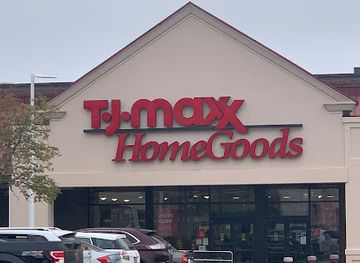
T.J. Maxx & HomeGoods
Shop stylish clothing, unique home goods, and accessories at T.J. Maxx & HomeGoods in Rockland, Maine, where great prices meet great finds.
9 min drive · 2.9 km from city centre
-
Shopping mall
Rockland Plaza Shopping Center
Experience the charm of Rockland Plaza Shopping Center, where shopping meets local culture in the heart of Maine.
7 min drive · 2.2 km from city centre
-
Shopping mall
Harbor Plaza
Discover the vibrant shopping scene at Harbor Plaza in Rockland, Maine - a perfect blend of local charm and retail variety.
8 min drive · 2.7 km from city centre
-
Grocery store
Good Tern Co-op - Natural Foods Store
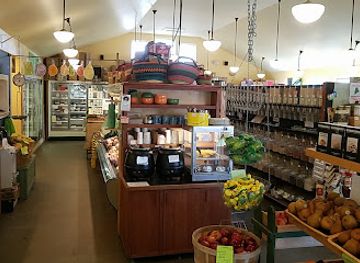
Discover the essence of Maine's natural food scene at Good Tern Co-op, where local meets organic in a delightful grocery shopping experience.
7 min drive · 2.4 km from city centre
Get your free copy of our complete guide to Rockland, delivered straight to you.
Everything on this page, from attractions and restaurants to essentials and local phrases, in one PDF you can read offline, print or share.
Already have an account? Sign in
Your Rockland guide is ready.
We'll send it to · Not you? Sign out

Getting your guide ready…
We are putting together a fresh copy of the Rockland guide. This can take up to a minute.
This can take a few moments. If your browser asks, choose Allow so the download can start. You'll find the guide in your Downloads folder.
Nothing happened? Download it again
Sorry, the guide is taking longer than usual. Please try again in a minute, or get it by email instead.
Rockland essentials
Currency and Payment
Safety
Emergency Situations
Do's and Don'ts
Local Tips
From Eve
Local phrases worth knowing
You don't need to get them perfect. A few words go a long way, and locals appreciate the effort.
Basics
| English | Local | Say it |
|---|---|---|
| Hello | Hey | [hey] |
| Goodbye | See ya | [see ya] |
| Yes | Yup | [yup] |
| No | Nope | [nope] |
| Please/You're welcome | Please/You're welcome | [please/you're welcome] |
| Thank you | Thanks | [thanks] |
| Excuse me/Sorry | Sorry | [sorry] |
| How are you? | How's it goin'? | [how's it goin'] |
| Fine. And you? | Good. You? | [good. you?] |
| Do you speak English? | Ya speak English? | [ya speak english?] |
| I don't understand | I dunno | [i dunno] |
Eating & Drinking
| English | Local | Say it |
|---|---|---|
| I'd like to see the menu, please | Can I see the menu, please | [can i see the menu, please] |
| I don't eat meat | I don't eat meat | [i don't eat meat] |
| Cheers! | Cheers! | [cheers!] |
| I would like to pay, please | Can I pay, please | [can i pay, please] |
Emergencies
| English | Local | Say it |
|---|---|---|
| Help! | Help! | [help!] |
| Go away! | Get lost! | [get lost!] |
| Call the Police! | Call the cops! | [call the cops!] |
| Call a doctor! | Get a doc! | [get a doc!] |
| I'm lost | I'm lost | [i'm lost] |
| I'm ill | I'm sick | [i'm sick] |
Shopping
| English | Local | Say it |
|---|---|---|
| I'd like to buy... | I wanna buy... | [i wanna buy...] |
| I'm just looking | Just browsing | [just browsing] |
| How much is it? | How much? | [how much?] |
| That's too expensive | Too pricey | [too pricey] |
| Can you lower the price? | Can ya make it cheaper? | [can ya make it cheaper?] |
Time & Numbers
| English | Local | Say it |
|---|---|---|
| What time is it? | What time is it? | [what time is it?] |
| It's one o'clock | It's one | [it's one] |
| Half past (10) | Half past (10) | [half past (10)] |
| Morning | Mornin' | [mornin'] |
| Afternoon | Afternoon | [afternoon] |
| Evening | Evenin' | [evenin'] |
| Yesterday | Yesterday | [yesterday] |
| Today | Today | [today] |
| Tomorrow | Tomorrow | [tomorrow] |
| 1 | One | [one] |
| 2 | Two | [two] |
| 3 | Three | [three] |
| 4 | Four | [four] |
| 5 | Five | [five] |
| 6 | Six | [six] |
| 7 | Seven | [seven] |
| 8 | Eight | [eight] |
| 9 | Nine | [nine] |
| 10 | Ten | [ten] |
Transport & Directions
| English | Local | Say it |
|---|---|---|
| Where's a/the...? | Where's the...? | [where's the...?] |
| What's the address? | What's the address? | [what's the address?] |
| Can you show me (on the map)? | Can ya show me (on the map)? | [can ya show me (on the map)?] |
| When's the next (bus)? | When's the next (bus)? | [when's the next (bus)?] |
| A ticket (to ....) | A ticket (to ....) | [a ticket (to ....)] |
History of Rockland
Wabanaki Coast and Early Settlement
The coast around present-day Rockland lies within the homeland of the Wabanaki peoples, whose communities used the islands, shorelines and waters of the Gulf of Maine for travel, fishing and seasonal activity. European settlement developed within the wider Thomaston area during the eighteenth century, supported by timber, farming and access to sheltered coastal waters. The local landscape of coves, islands and forested hills shaped both Indigenous mobility and later colonial commerce. As English-speaking settlers established farms and maritime businesses, the area became increasingly connected to nearby settlements along the St George and Penobscot Bay shores.
East Thomaston Becomes Rockland
The settlement that grew on the eastern side of Thomaston was known as East Thomaston before becoming the separate town of Rockland in 1854. Its position beside a deep, protected harbour encouraged population growth and the development of waterfront industries. Roads and coastal shipping links connected the community with other Maine ports, while merchants, craftsmen and shipowners built the commercial foundations of the town. The change of name and status reflected the area’s increasing economic importance and its distinct identity within the larger Thomaston region.
Lime, Shipping and Industrial Growth
Rockland’s nineteenth-century prosperity was closely tied to the production and shipment of lime. Limestone quarried inland was burned in kilns and exported by sea, and the harbour became lined with industrial facilities, wharves and warehouses. Shipbuilding, fishing and coastal trade expanded alongside the lime business, drawing labour and investment to the town. The industry declined as fuel sources and building methods changed, but its legacy survives in the city’s industrial waterfront history and in the broader mid-coast landscape, where lime kilns and quarry sites helped define nineteenth-century economic life.
Fishing and the Working Waterfront
After the height of the lime era, fishing, boatbuilding and maritime trade remained central to Rockland’s economy. Sardine canneries and other seafood businesses operated along the coast during the late nineteenth and twentieth centuries, reflecting the importance of abundant marine resources to Maine communities. The waterfront also served coastal schooners and working boats, while rail and road connections strengthened Rockland’s role as a regional service centre. Although much of the historic industrial activity has disappeared, fishing boats, marine services and harbour infrastructure continue to connect the modern city with its seafaring past.
From Industry to Arts and Tourism
The twentieth century brought economic change as canneries closed, shipping patterns shifted and traditional industries contracted. Rockland retained its maritime function while developing a cultural economy based on museums, galleries, festivals and heritage tourism. The Farnsworth Art Museum, founded in 1948, helped establish the city as an important centre for American art associated with Maine. The Maine Lighthouse Museum later preserved the state’s lighthouse and lifesaving history, while the restored Strand Theatre continued Rockland’s tradition of public entertainment. These institutions now stand alongside the working harbour rather than replacing it.
A Contemporary Mid-Coast Centre
Today Rockland serves as a regional centre for Knox County and as a prominent cultural destination on the central Maine coast. Its downtown has retained a concentration of nineteenth- and early-twentieth-century commercial buildings, while former industrial spaces and waterfront sites have acquired new cultural and recreational uses. The Maine Lobster Festival, established in 1947, reflects the continuing importance of the fishing economy even as visitors increasingly arrive for art, architecture, sailing and coastal scenery. Rockland’s present character is therefore shaped by adaptation: a working port that has incorporated museums, galleries and visitor life into its historic urban fabric.
Rockland in Photos
Browse through our photo collection highlighting the charm and character of the destination.
Cities near Rockland
The closest cities to Rockland, if you have time for more than one stop.
-
 Camden
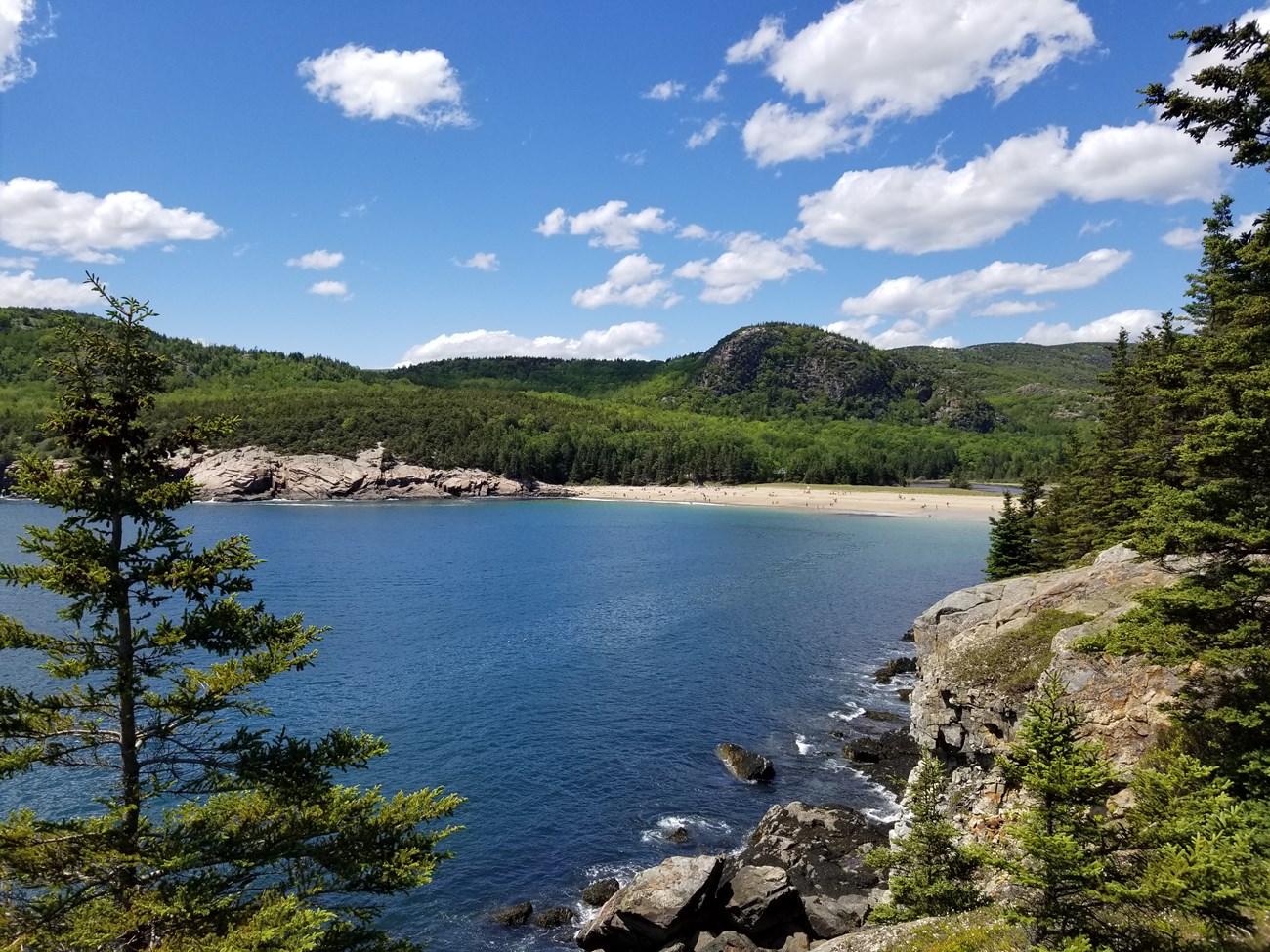
Discover Camden, Maine: A scenic coastal town offering historic charm, outdoor adventures, and vibrant cultural events, nestled between Camden Hills and Penobscot Bay.
31 min drive · 11 km from city centre
Camden
Discover Camden, Maine: A scenic coastal town offering historic charm, outdoor adventures, and vibrant cultural events, nestled between Camden Hills and Penobscot Bay.
31 min drive · 11 km from city centre
-

-

-

-


Swipe for more cities
Explore more

Explore more of Maine
Discover Maine's breathtaking landscapes, charming coastal towns, and rich cultural heritage. From Acadia's cliffs to fresh lobster feasts, Maine promises an unforgettable adventure.
Explore Maine