

Free Kuala Terengganu Travel Guide & Mobile App
Plan your Kuala Terengganu trip with Evendo. Get free guides to top attractions, restaurants, hotels, and bars. Web access or download the mobile app.


Kuala Terengganu, Malaysia's coastal city for Malay heritage, riverfront markets, mosques, island culture and traditional crafts on the east coast.
River, Coast and Royal Heritage
Kuala Terengganu stretches along the Terengganu River where it meets the South China Sea, giving the city a distinctly maritime character. It is the capital of Terengganu, a state known for its Malay traditions, Islamic institutions, boatbuilding, batik and coastal food culture. The broad river, fishing boats and low-rise urban landscape create a slower rhythm than Malaysia’s larger western-coast cities, while the city’s historic quarters reveal centuries of trading connections across the Malay world.Read more about Kuala Terengganu
Old Streets and Living Traditions
Mosques, Islands and Craft
When is the best time to visit Kuala Terengganu?
Best: January–March · 30°C| Month | High (°C) | Rainfall (mm) |
|---|---|---|
| January (best) | 30 | 200 |
| February (best) | 30 | 200 |
| March (best) | 30 | 200 |
| April | 30 | 200 |
| May | 30 | 200 |
| June | 30 | 200 |
| July | 30 | 200 |
| August | 30 | 200 |
| September | 30 | 200 |
| October | 30 | 200 |
| November | 30 | 200 |
| December | 30 | 200 |
Getting to and around Kuala Terengganu
How to get there
Transportation
Best attractions in Kuala Terengganu
Kuala Terengganu’s sights are shaped by the river, the sea and the traditions of Terengganu. Pasar Payang is the city’s principal market, a lively place to browse batik, songket, spices, fresh produce and local snacks, while nearby Kampung Cina combines historic shophouses with temples, cafés and narrow lanes. The Terengganu State Museum provides essential context through galleries devoted to the Batu Bersurat, royal history, Islamic culture and regional crafts. Across the river, Wan Man Island contains the Crystal Mosque and Islamic Civilisation Park, whose monumental buildings and landscaped setting offer a different perspective on the state’s religious identity. Pulau Duyong is associated with traditional boatbuilding, and the waterfront around Kuala Terengganu Drawbridge brings a modern architectural note to the river. Beaches such as Batu Buruk provide open coastal space close to the city, with evening food stalls and sea breezes adding a distinctly local atmosphere.
-
Tourist attraction
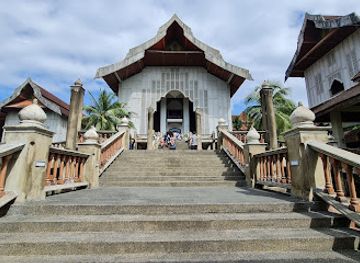
Terengganu State Museum
Explore the Terengganu State Museum: A Cultural Oasis Showcasing Malaysia's Rich Heritage and Unique Traditions.
13 min drive · 4.4 km from city centre
-
Tourist attraction
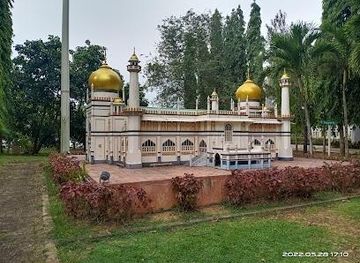
Taman Tamadun Islam ( TTI Management Sdn Bhd )
Explore Taman Tamadun Islam, a cultural haven in Kuala Terengganu showcasing stunning Islamic architecture and lush landscapes.
9 min drive · 2.8 km from city centre
-
Tourist attraction
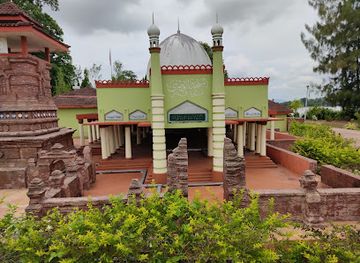
Taman Tamadun Islam ( TTI Management Sdn Bhd )
Explore the architectural wonders of Taman Tamadun Islam, a unique cultural park in Kuala Terengganu showcasing Islamic heritage and global mosque replicas.
9 min drive · 2.8 km from city centre
-
Tourist attraction
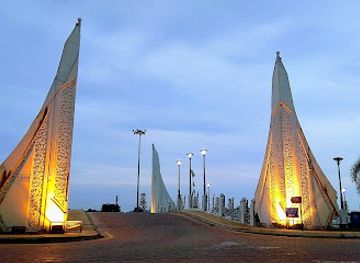
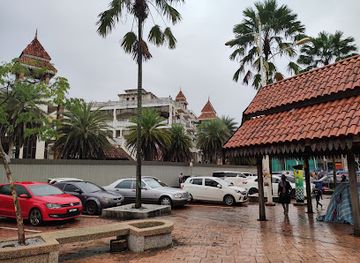
Pulau Warisan Kuala Terengganu
Experience the vibrant culture and traditions of Terengganu at Pulau Warisan, a scenic village celebrating Malay heritage and delicious local cuisine.
13 min walk · 1.0 km from city centre
Best landmarks in Kuala Terengganu
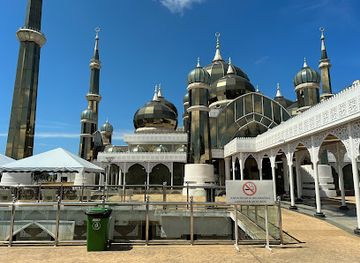
The Crystal Mosque on Wan Man Island is Kuala Terengganu’s most recognisable modern landmark, its glass and steel surfaces reflecting the riverine surroundings and expressing the city’s contemporary Islamic identity. The Batu Bersurat Terengganu, preserved and interpreted through the state’s museums, is an important cultural landmark because its Jawi inscription records early Islamic governance in the Malay Peninsula. In the historic centre, the Ho Ann Kiong Temple and the shophouses of Kampung Cina represent the longstanding Chinese presence in this trading city. The Terengganu State Museum is a major architectural and cultural reference point, while the Sultan Mahmud Bridge and Kuala Terengganu Drawbridge mark successive phases of river crossing and urban expansion. Tengku Tengah Zaharah Mosque, commonly known as the Floating Mosque, stands outside the central historic streets and is associated with the city’s coastal landscape and modern religious architecture.
-
Shopping mall
Pasar Payang
Discover Pasar Payang in Kuala Terengganu - a bustling market known for its vibrant culture, local handicrafts, and delicious street food.
11 min walk · 0.9 km from city centre
-
Mosque
Masjid Kristal
Explore the architectural beauty of Masjid Kristal, a stunning mosque in Kuala Terengganu, showcasing a unique blend of modern design and Islamic tradition.
7 min drive · 2.4 km from city centre
-
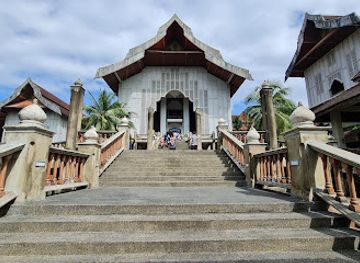
Local history museum
Terengganu State Museum
Discover the rich cultural heritage of Terengganu at the largest museum in Malaysia, featuring stunning architecture and captivating exhibits.
13 min drive · 4.4 km from city centre
-
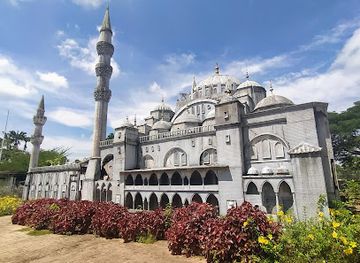
Tourist attraction
Taman Tamadun Islam ( TTI Management Sdn Bhd )
Discover the splendor of Islamic heritage at Taman Tamadun Islam, a stunning cultural park in Kuala Terengganu, Malaysia, featuring architectural marvels and serene landscapes.
9 min drive · 2.8 km from city centre
Explore Kuala Terengganu on the map
Plan your Kuala Terengganu trip on one map. See where the top attractions, landmarks, restaurants, bars and hotels are, find what's near where you're staying, and book hotels and experiences in a few clicks.
Best hotels in Kuala Terengganu
Best restaurants in Kuala Terengganu
Kuala Terengganu’s food culture reflects its coastal setting and Terengganu’s Malay culinary traditions. Breakfast often centres on nasi dagang, fragrant rice served with fish curry, while nasi kerabu combines blue-tinted rice with herbs, vegetables and savoury accompaniments. Along the coast and at evening stalls, visitors may encounter keropok lekor, the state’s chewy fish snack, and sata, seasoned fish mixture wrapped in leaves and grilled. Fresh seafood is widely associated with the city, while traditional kuih, roti and sweet drinks fill smaller cafés and market counters. Pasar Payang and nearby food areas offer a useful introduction to local flavours, though stalls and opening patterns vary. Chinese-Malay culinary heritage is visible around Kampung Cina, where old shophouses and newer cafés create a more mixed urban dining atmosphere. The emphasis is generally on informal meals, regional recipes and fresh ingredients rather than elaborate restaurant dining.
-
Restaurant
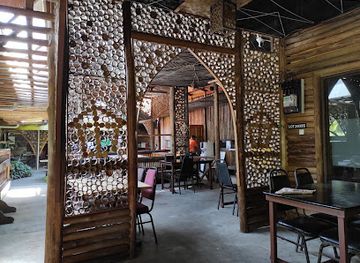
Nasi Dagang Atas Tol - Kg Atas Tol
Experience authentic Malaysian cuisine at Nasi Dagang Atas Tol in Kuala Terengganu – where every bite tells a story.
25 min drive · 8.2 km from city centre
-
Steak
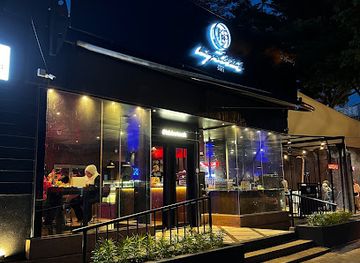
KBB Burger & Steak Terengganu
Experience mouthwatering steaks and gourmet burgers at KBB Burger & Steak in Kuala Terengganu - a must-visit culinary destination!
9 min walk · 0.7 km from city centre
-
Restaurant
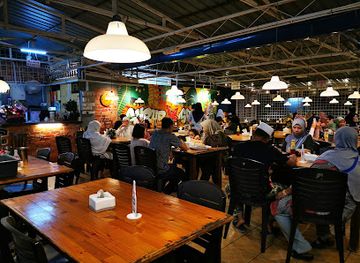
NR Cafe
Discover NR Cafe: A culinary treasure in Kampung Tok Jembal offering delicious local and international cuisine amidst warm hospitality.
23 min drive · 7.7 km from city centre
-
Restaurant
The Syrup VS Soda
Discover the vibrant flavors of Kuala Terengganu at The Syrup VS Soda – a must-visit restaurant offering delightful local cuisine in a lively setting.
7 min walk · 0.5 km from city centre

Best bars in Kuala Terengganu
Kuala Terengganu has a comparatively restrained nightlife scene shaped by its conservative Malay-Muslim setting. Evenings are more likely to revolve around riverside walks, family food stalls, cafés, dessert shops and open-air dining than around large nightclubs. Kampung Cina provides some of the city’s most atmospheric after-dark streets, with heritage façades, small cafés and places to sit near the river. The Batu Buruk area becomes a popular evening meeting point, particularly around food vendors and the seafront. Hotels and selected restaurants may offer quieter lounges or limited live entertainment, but alcohol-focused nightlife is not central to the city’s identity and availability varies. Cultural evenings, waterfront views and local food provide more representative ways to experience Kuala Terengganu after sunset than seeking a dense bar district.
-
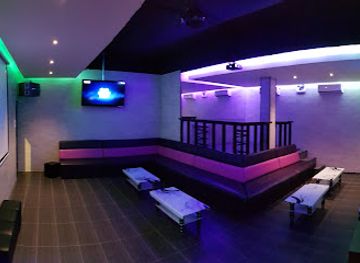
Karaoke bar
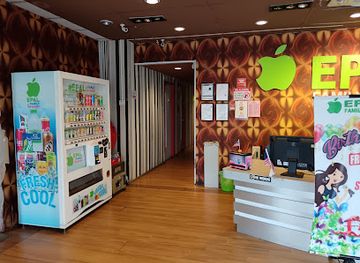
Epal Karaoke
Experience the vibrant nightlife of Kuala Terengganu at Epal Karaoke, where singing meets celebration in a perfect blend of fun and music.
13 min walk · 1.0 km from city centre
-
Karaoke bar
Voice Family Karaoke
Experience the ultimate karaoke fun at Voice Family Karaoke in Kuala Terengganu, where music brings people together for unforgettable nights.
11 min walk · 0.9 km from city centre
-
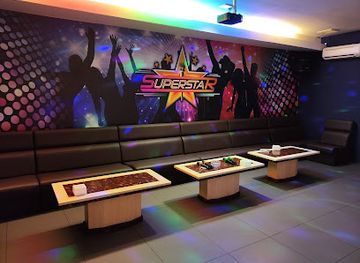
Karaoke bar
SUPERSTAR KARAOKE
Experience the joy of singing at Superstar Karaoke in Kuala Terengganu - a vibrant karaoke bar for unforgettable nights of fun and entertainment.
9 min walk · 0.7 km from city centre
-
Bar
Champs Pub
Experience the vibrant nightlife at Champs Pub, Kuala Terengganu's must-visit bar for locals and tourists alike, offering drinks and live entertainment.
17 min walk · 1.4 km from city centre

Best nightclubs in Kuala Terengganu
Kuala Terengganu has a comparatively restrained nightlife scene shaped by its conservative Malay-Muslim setting. Evenings are more likely to revolve around riverside walks, family food stalls, cafés, dessert shops and open-air dining than around large nightclubs. Kampung Cina provides some of the city’s most atmospheric after-dark streets, with heritage façades, small cafés and places to sit near the river. The Batu Buruk area becomes a popular evening meeting point, particularly around food vendors and the seafront. Hotels and selected restaurants may offer quieter lounges or limited live entertainment, but alcohol-focused nightlife is not central to the city’s identity and availability varies. Cultural evenings, waterfront views and local food provide more representative ways to experience Kuala Terengganu after sunset than seeking a dense bar district.
-
Karaoke bar
Epal Karaoke
Experience the joy of singing in Kuala Terengganu's lively karaoke bar, Epal Karaoke, where fun meets great music in a vibrant atmosphere.
13 min walk · 1.0 km from city centre
-
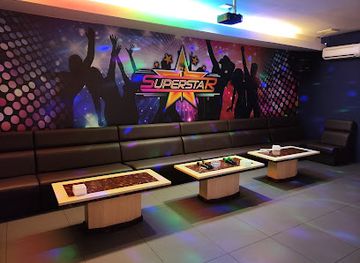
Karaoke bar
SUPERSTAR KARAOKE
Experience the ultimate karaoke adventure at Superstar Karaoke in Kuala Terengganu, where every night is filled with music, laughter, and unforgettable memories.
9 min walk · 0.7 km from city centre
-
Bar
Champs Pub
Experience the vibrant nightlife at Champs Pub in Kuala Terengganu, where great drinks and lively atmosphere await every evening.
17 min walk · 1.4 km from city centre
-
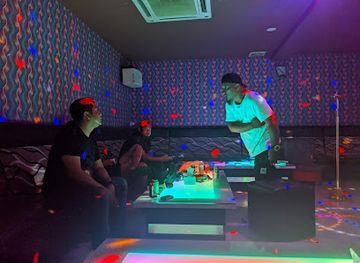
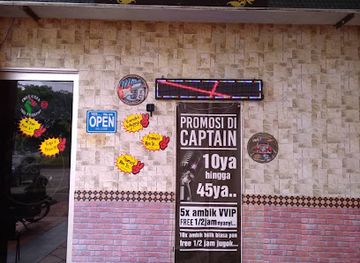
Karaoke bar
Captain Entertainment
Discover the joy of singing and nightlife at Captain Entertainment, a top karaoke bar in Kuala Terengganu, offering fun for everyone!
29 min drive · 9.7 km from city centre

Best shops in Kuala Terengganu
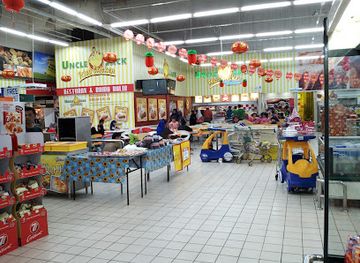
Shopping in Kuala Terengganu ranges from traditional market browsing to specialist craft purchases. Pasar Payang is the central destination for batik, songket, woven goods, spices, dried food, fresh produce and local sweets, with bargaining sometimes forming part of informal market transactions. Independent shops and workshops sell hand-drawn or block-printed batik, while songket textiles offer finely patterned examples of Terengganu’s weaving heritage. The Noor Arfa Craft Complex, on the city’s outskirts, is associated with batik production and provides a more organised setting for viewing and buying crafts. Kampung Cina contains small retailers, food shops and heritage-oriented businesses, while modern shopping centres provide air-conditioned retail and everyday services. Practical souvenirs include locally made textiles, craft objects and packaged regional foods; visitors should ask about care instructions and whether textiles are handmade or factory produced.
-
Shopping mall
Pasar Payang
Immerse yourself in the local culture at Pasar Payang, Kuala Terengganu's vibrant market for handicrafts and delicious street food.
11 min walk · 0.9 km from city centre
-
Shopping mall
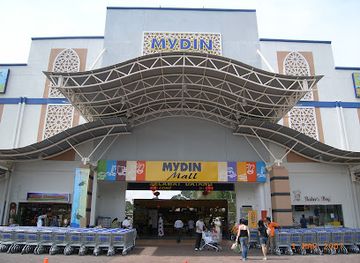
Mydin Mall Kuala Terengganu
Experience the essence of Malaysian shopping at Mydin Mall Kuala Terengganu, where local culture meets modern convenience in a vibrant setting.
7 min drive · 2.4 km from city centre
-
Shopping mall
KTCC MALL (Kuala Terengganu City Centre)
Explore KTCC Mall in Kuala Terengganu: a vibrant shopping haven filled with diverse shops, delightful dining, and exciting entertainment options.
13 min walk · 1.0 km from city centre
-
Hypermarket
Giant Kuala Terengganu
Explore the vibrant selection at Giant Kuala Terengganu, where local flavors and everyday essentials meet in a shopping paradise.
8 min drive · 2.6 km from city centre


Get your free copy of our complete guide to Kuala Terengganu, delivered straight to you.
Everything on this page, from attractions and restaurants to essentials and local phrases, in one PDF you can read offline, print or share.
Already have an account? Sign in
Your Kuala Terengganu guide is ready.
We'll send it to · Not you? Sign out

Getting your guide ready…
We are putting together a fresh copy of the Kuala Terengganu guide. This can take up to a minute.
This can take a few moments. If your browser asks, choose Allow so the download can start. You'll find the guide in your Downloads folder.
Nothing happened? Download it again
Sorry, the guide is taking longer than usual. Please try again in a minute, or get it by email instead.
Kuala Terengganu essentials
Currency and Payment
Safety
Emergency Situations
Do's and Don'ts
Local Tips
From Eve
Local phrases worth knowing
You don't need to get them perfect. A few words go a long way, and locals appreciate the effort.
Basics
| English | Local | Say it |
|---|---|---|
| Hello | Salam | [sa-lam] |
| Goodbye | Selamat tinggal | [se-la-mat ting-gal] |
| Yes | Ya | [ya] |
| No | Tidak | [ti-dak] |
| Please/You're welcome | Sila | [si-la] |
| Thank you | Terima kasih | [te-ri-ma ka-sih] |
| Excuse me/Sorry | Maaf | [ma-af] |
| How are you? | Apa khabar? | [a-pa kha-bar] |
| Fine. And you? | Baik. Dan awak? | [ba-ik. dan a-wak] |
| Do you speak English? | Boleh cakap Bahasa Inggeris? | [bo-leh cha-kap ba-ha-sa ing-ge-ris] |
| I don't understand | Saya tak faham | [sa-ya tak fa-ham] |
Eating & Drinking
| English | Local | Say it |
|---|---|---|
| I'd like to see the menu, please | Saya mahu tengok menu, sila | [sa-ya ma-hu ten-gok me-nu, si-la] |
| I don't eat meat | Saya tidak makan daging | [sa-ya ti-dak ma-kan da-ging] |
| Cheers! | Sihat! | [si-hat] |
| I would like to pay, please | Saya mahu bayar, sila | [sa-ya ma-hu ba-yar, si-la] |
Emergencies
| English | Local | Say it |
|---|---|---|
| Help! | Tolong! | [to-long] |
| Go away! | Pergi jauh-jauh! | [per-gi jauh-jauh] |
| Call the Police! | Panggil polis! | [pang-gil po-lis] |
| Call a doctor! | Panggil doktor! | [pang-gil dok-tor] |
| I'm lost | Saya sesat | [sa-ya se-sat] |
| I'm ill | Saya sakit | [sa-ya sa-kit] |
Shopping
| English | Local | Say it |
|---|---|---|
| I'd like to buy... | Saya nak beli... | [sa-ya nak be-li] |
| I'm just looking | Saya hanya tengok-tengok | [sa-ya ha-nya ten-gok-ten-gok] |
| How much is it? | Berapa harganya? | [be-ra-pa har-ga-nya] |
| That's too expensive | Terlalu mahal | [te-ru-lu ma-hal] |
| Can you lower the price? | Boleh kurangkan harga? | [bo-leh kur-ang-kan har-ga] |
Time & Numbers
| English | Local | Say it |
|---|---|---|
| What time is it? | Pukul berapa sekarang? | [pu-kul be-ra-pa se-ka-rang] |
| It's one o'clock | Pukul satu | [pu-kul sa-tu] |
| Half past (10) | Pukul setengah (10) | [pu-kul se-ten-gah (10)] |
| Morning | Pagi | [pa-gi] |
| Afternoon | Petang | [pe-tang] |
| Evening | Malam | [ma-lam] |
| Yesterday | Semalam | [se-ma-lam] |
| Today | Hari ini | [ha-ri i-ni] |
| Tomorrow | Esok | [e-sok] |
| 1 | Satu | [sa-tu] |
| 2 | Dua | [du-a] |
| 3 | Tiga | [ti-ga] |
| 4 | Empat | [em-pat] |
| 5 | Lima | [li-ma] |
| 6 | Enam | [e-nam] |
| 7 | Tujuh | [tu-juh] |
| 8 | Lapan | [la-pan] |
| 9 | Sembilan | [sem-bi-lan] |
| 10 | Sepuluh | [se-pu-luh] |
Transport & Directions
| English | Local | Say it |
|---|---|---|
| Where's a/the...? | Di mana... | [di ma-na] |
| What's the address? | Alamatnya di mana? | [a-la-mat-nya di ma-na] |
| Can you show me (on the map)? | Boleh tunjukkan saya (di peta)? | [bo-leh tun-juk-kan sa-ya (di pe-ta)] |
| When's the next (bus)? | Bila bas seterusnya? | [bi-la bas se-te-rus-nya] |
| A ticket (to ....) | Satu tiket (ke ....) | [sa-tu ti-ket (ke)] |
History of Kuala Terengganu
A Maritime Malay Settlement
Kuala Terengganu developed at the mouth of the Terengganu River, a strategic position linking the interior with the South China Sea. The wider coast had long participated in maritime exchange involving the Malay Peninsula, the Indonesian archipelago, China and other parts of Asia. River trade supported fishing, boatbuilding and the movement of forest and agricultural products, while the settlement’s coastal position encouraged contact with merchants and seafarers. The city’s historic Chinese quarter, now known as Kampung Cina, reflects this long commercial relationship. Rather than growing around a single inland fortress, Kuala Terengganu emerged through the combined influence of river transport, coastal trade and the political authority of the Terengganu sultanate.
The Terengganu Sultanate and Islam
Terengganu became an important centre of Malay Muslim political and cultural life under its sultanate. The most significant surviving testimony is the Batu Bersurat Terengganu, a stone inscription generally dated to 1303 and written in Jawi, the Arabic-derived script used for Malay. Its text refers to Islamic law and is widely regarded as one of the earliest substantial evidence of Islam’s established presence in the Malay Peninsula. The inscription demonstrates that religious change was connected to governance and public regulation, not only private belief. Its legacy remains central to the state’s historical identity and is interpreted today through the Terengganu State Museum and other cultural institutions.
Trade, Court and Chinese Communities
From the early modern period, Kuala Terengganu served as a courtly and commercial centre for the sultanate. The river allowed goods and people to move between the coast and settlements inland, while maritime routes connected Terengganu to neighbouring Malay states and overseas trading partners. Chinese merchants and families became part of the town’s economic and social life, leaving a visible inheritance in the shophouses, temples and lanes of Kampung Cina. Local industries also developed distinctive forms, especially wooden boat construction, weaving, metalwork and the production of textiles. These activities helped shape the urban culture that visitors encounter around the river and traditional market today.
British Influence and the Early Twentieth Century
Terengganu entered a new political phase as British influence expanded across the Malay Peninsula. The state retained its sultanate, but British advisers were appointed in 1919, bringing external influence into administration, finance and modern state institutions. Kuala Terengganu consequently experienced gradual changes in its urban organisation and commercial life, although local authority and Islamic traditions remained important. The period did not erase the city’s older maritime economy: fishing, river transport, handicrafts and regional trade continued alongside administrative development. The transition helps explain the layered character of modern Kuala Terengganu, where royal, religious, mercantile and colonial-era influences coexist without producing the dense colonial streetscape found in some Malaysian cities.
War, Federation and Modern Growth
Japanese forces occupied Malaya during the Second World War, and Terengganu, like the rest of the peninsula, endured wartime disruption before the return of British control. After the war, the political movement towards independence transformed the framework in which the sultanate operated. Terengganu became part of the Federation of Malaya in 1957 and subsequently Malaysia in 1963. Kuala Terengganu expanded as the state capital, gaining modern roads, public institutions and new commercial districts while retaining the riverfront, traditional market and historic quarters. Contemporary development has added landmarks such as the Sultan Mahmud Bridge and Kuala Terengganu Drawbridge, yet the city’s public identity remains closely tied to Malay Islam, coastal livelihoods and craft production.
Kuala Terengganu in Photos
Browse through our photo collection highlighting the charm and character of the destination.
Cities near Kuala Terengganu
The closest cities to Kuala Terengganu, if you have time for more than one stop.
-

-

-

-

-


Swipe for more cities
Explore more
Explore more of Malaysia
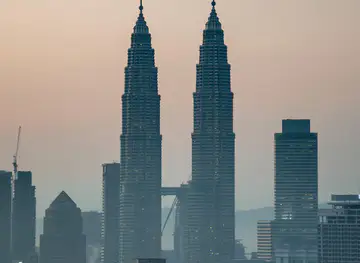
Discover Malaysia: A stunning blend of modernity and nature, where diverse cultures meet, and adventure awaits. From vibrant cities to serene beaches, Malaysia has it all.
Explore Malaysia