

Free Thoddoo Travel Guide & Mobile App
Plan your Thoddoo trip with Evendo. Get free guides to top attractions, restaurants, hotels, and bars. Web access or download the mobile app.


Thoddoo, Maldives blends bicycle-friendly island lanes, turquoise lagoons, white-sand beaches, reef excursions, fresh fruit farms and welcoming local life.
An Agricultural Island in the Atoll
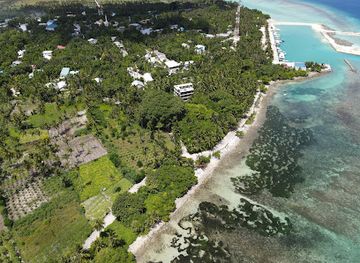
Thoddoo lies in North Ari Atoll, a low coral island surrounded by clear lagoon water and reef passages. Unlike the resort islands that have shaped much of the Maldives’ international image, Thoddoo is an inhabited local island with a strong agricultural identity. Its fertile sandy soil supports plantations of watermelon, papaya, coconut, mango and other crops, and cultivated plots appear between the compact village, guesthouses and palms. The island’s scale makes it easy to explore by bicycle, with quiet lanes leading towards the coast and farmland.Read more about Thoddoo
Beaches, Reefs and Sea Life
Local Rhythms
When is the best time to visit Thoddoo?
Best: January–March · 30°C| Month | High (°C) | Rainfall (mm) |
|---|---|---|
| January (best) | 30 | 74 |
| February (best) | 30 | 61 |
| March (best) | 30 | 56 |
| April | 30 | 92 |
| May | 31 | 140 |
| June | 31 | 120 |
| July | 30 | 117 |
| August | 30 | 131 |
| September | 30 | 157 |
| October | 30 | 178 |
| November | 30 | 185 |
| December | 30 | 151 |
Getting to and around Thoddoo
How to get there
Transportation
Best attractions in Thoddoo
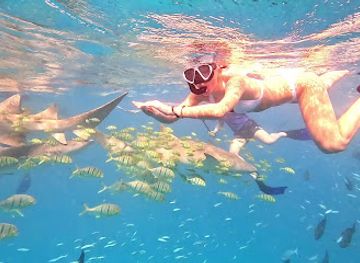
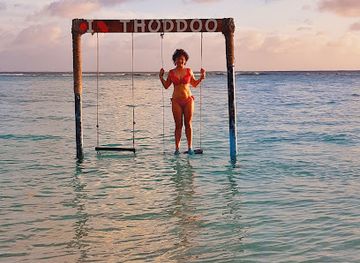
Thoddoo’s principal attractions are its two broad tourist beaches, where bright sand, shallow turquoise water and palms create a relaxed setting for swimming and shoreline walks. The surrounding reefs are the island’s chief natural draw, with snorkelling trips offering possibilities of seeing sea turtles and tropical fish in clear water, subject to conditions and wildlife behaviour. Inland, Thoddoo feels different from a resort island: bicycle lanes and sandy tracks pass watermelon, papaya, coconut and mango cultivation, revealing why the island is known for agriculture as well as beaches. Small local cafés, the harbour and the compact village provide glimpses of everyday life between excursions. Longer boat outings can reach sandbanks, reef sites and fishing waters in North Ari Atoll, while diving trips explore a wider marine area with local guides. The appeal lies in the combination of accessible beaches, working farmland and a lived-in island community.
-
Tourist attraction
I love Thoddoo (Darkgreen Adventures)
Experience the breathtaking beauty of Thoddoo and its vibrant culture with Darkgreen Adventures, your guide to an unforgettable Maldivian getaway.
10 min walk · 0.8 km from city centre
-
Tourist attraction
Amazing Trip Thoddoo
Explore the stunning beauty and vibrant marine life of Amazing Trip Thoddoo, an unforgettable destination in the Maldives.
3 min walk · 0.3 km from city centre
-
Park
Thoddoo sunrise tourist beach
Experience the breathtaking beauty of Thoddoo Sunrise Tourist Beach, a tranquil paradise in the Maldives with stunning views and rich marine life.
9 min walk · 0.7 km from city centre
-
Tourist attraction
Thoddoo Sunset Point (Darkgreen Adventures)
Experience breathtaking sunsets at Thoddoo Sunset Point, a tranquil haven in the Maldives, perfect for relaxation, photography, and local culture.
11 min walk · 0.9 km from city centre


Best landmarks in Thoddoo
Thoddoo’s most meaningful landmarks are modest and community-based rather than monumental. The island mosque and surrounding village represent the Islamic character of contemporary Maldivian life, although visitors should seek permission and dress conservatively before approaching religious spaces. The harbour is another important point of reference, linking Thoddoo with Malé, neighbouring islands and the fishing grounds that have long sustained atoll communities. Across the island, coral-built walls, sandy lanes and cultivated plots express the practical architecture and land use of a low-lying coral settlement. Thoddoo is also associated with archaeological traces from the Buddhist period of Maldivian history, part of a wider pattern of pre-Islamic remains found across the archipelago; surviving evidence is limited and should not be treated as a monumental archaeological complex. The island’s strongest sense of place comes from the relationship between mosque, village, harbour, farms and surrounding reef rather than from a single grand structure.
-
Restaurant
Black Anchor Restaurant
Experience fresh, local flavors at Black Anchor Restaurant in Thoddoo, Maldives – a delightful culinary escape on a beautiful island paradise.
5 min walk · 0.4 km from city centre
-
Sightseeing tour agency
Thoddoo Astro Dive Club And Excursions
Explore the underwater wonders of Thoddoo with expert guidance. Diving, snorkeling, and boat tours for unforgettable Maldives adventures.
3 min walk · 0.2 km from city centre
-
Beach
Thoddu Beach
Discover the serene beauty of Thoddu Beach, Maldives: white sands, turquoise waters, and lush island life await.
8 min walk · 0.6 km from city centre
-
Restaurant
Astro
Experience a culinary journey at Astro Restaurant in Thoddoo, Maldives, where local flavors meet international cuisine in a stylish setting.
3 min walk · 0.2 km from city centre


Explore Thoddoo on the map
Plan your Thoddoo trip on one map. See where the top attractions, landmarks, restaurants, bars and hotels are, find what's near where you're staying, and book hotels and experiences in a few clicks.
Best hotels in Thoddoo
Best restaurants in Thoddoo
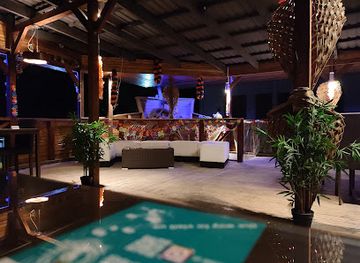
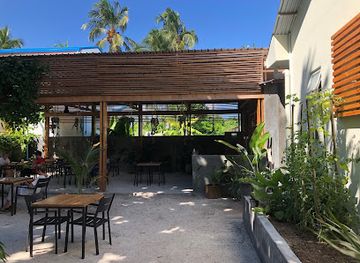
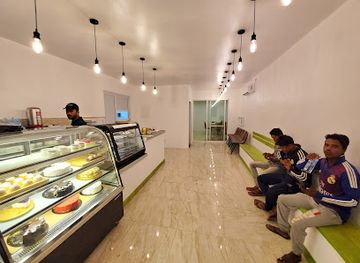
Thoddoo’s dining scene is modest, local and closely connected to its guesthouse economy rather than built around a large restaurant district. Guesthouse kitchens and small cafés serve Maldivian staples such as mas huni, a breakfast mixture of tuna, coconut, onion and chilli, as well as fish curries, rice, roshi flatbread and fried snacks. Freshly caught tuna and reef fish are central to island cooking, while Thoddoo’s farms contribute watermelon, papaya, mango, coconut and other produce when in season. Simple meals may be available near the village and beaches, with menus often combining Maldivian dishes and familiar international fare for visitors. Dining times and choices can be limited outside peak periods, and advance notice helps guesthouses prepare seafood or local specialities. The most distinctive food experience is the connection between plate and island: fishing boats supply protein, while cultivated plots produce much of the fruit and vegetables.
-
Restaurant
Black Anchor Restaurant
Experience the best of Maldivian cuisine at Black Anchor Restaurant in Thoddoo – where every meal is a celebration of flavor.
5 min walk · 0.4 km from city centre
-
Restaurant
PRIANI cuisine
Discover authentic Maldivian flavors at PRIANI Cuisine in Thoddoo – where every dish tells a story.
5 min walk · 0.4 km from city centre
-
Restaurant
Food Land
Discover authentic Maldivian cuisine at Food Land in Thoddoo - where every meal is a celebration of flavor and culture.
7 min walk · 0.5 km from city centre
-
Restaurant
Seli Poeli Cafe' & Restuarant
Experience authentic Maldivian flavors at Seli Poeli Cafe', where culinary excellence meets warm hospitality in Thoddoo.
4 min walk · 0.3 km from city centre

Best bars in Thoddoo
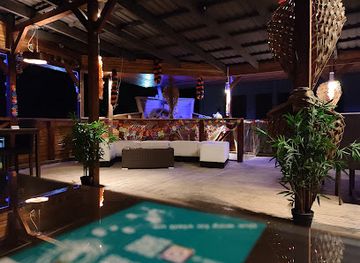
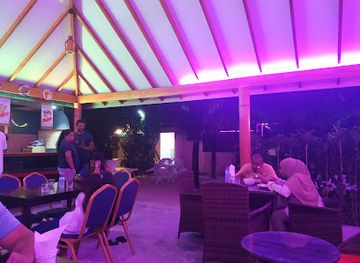
Thoddoo does not have a conventional bar or nightclub scene, reflecting its character as a Muslim inhabited island where alcohol is not normally available. Evenings are generally spent at guesthouse dining areas, small cafés or along the beach, with conversation and the sound of the lagoon replacing loud entertainment. Some accommodation providers may organise informal cultural evenings, barbecues, fishing outings or stargazing by arrangement, but these are small-scale experiences rather than a permanent nightlife programme. Visitors can enjoy sunset walks, quiet cycling through the village and the dark skies over the water, while evening boat activities depend on local conditions and safety guidance. Alcohol-focused entertainment is associated more with private resort islands than with Thoddoo itself, so travellers should respect local customs, keep noise down near homes and dress appropriately when returning through the village.
-
Restaurant
Black Anchor Restaurant
Experience the best of Maldivian flavors at Black Anchor Restaurant in Thoddoo, where every meal is a delightful culinary journey.
5 min walk · 0.4 km from city centre
-
Restaurant
Food Land
Discover the flavors of the Maldives at Food Land in Thoddoo, where local cuisine meets international delights in a vibrant atmosphere.
7 min walk · 0.5 km from city centre
-
Restaurant
Seli Poeli Cafe' & Restuarant
Experience the vibrant flavors of the Maldives at Seli Poeli Cafe' & Restaurant, a culinary haven in Thoddoo offering local and international delights.
4 min walk · 0.3 km from city centre
-
Restaurant
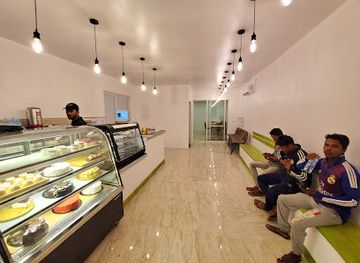
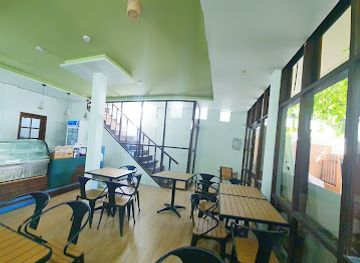
Mango House Cafe' & Restaurant
Experience the best of Maldivian cuisine at Mango House Cafe' & Restaurant in Thoddoo, a paradise for food lovers.
2 min walk · 0.2 km from city centre
Best nightclubs in Thoddoo
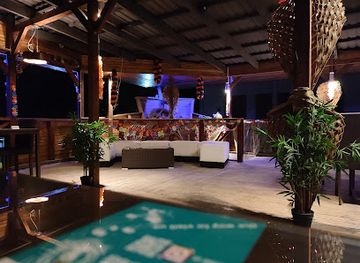
Thoddoo does not have a conventional bar or nightclub scene, reflecting its character as a Muslim inhabited island where alcohol is not normally available. Evenings are generally spent at guesthouse dining areas, small cafés or along the beach, with conversation and the sound of the lagoon replacing loud entertainment. Some accommodation providers may organise informal cultural evenings, barbecues, fishing outings or stargazing by arrangement, but these are small-scale experiences rather than a permanent nightlife programme. Visitors can enjoy sunset walks, quiet cycling through the village and the dark skies over the water, while evening boat activities depend on local conditions and safety guidance. Alcohol-focused entertainment is associated more with private resort islands than with Thoddoo itself, so travellers should respect local customs, keep noise down near homes and dress appropriately when returning through the village.
-
Restaurant
Black Anchor Restaurant
Experience the authentic flavors of Maldivian cuisine at Black Anchor Restaurant, a must-visit dining destination in Thoddoo.
5 min walk · 0.4 km from city centre
-
Sightseeing tour agency
Thoddoo Astro Dive Club And Excursions
Experience the best of Thoddoo with thrilling diving, serene boat tours, and unforgettable marine adventures at Thoddoo Astro Dive Club and Excursions.
3 min walk · 0.2 km from city centre
-
Restaurant
Mango House Cafe' & Restaurant
Experience the vibrant flavors of the Maldives at Mango House Cafe' & Restaurant in Thoddoo, a must-visit for every traveler.
2 min walk · 0.2 km from city centre
-
Restaurant
Astro
Discover Astro in Thoddoo, where exquisite Maldivian flavors meet a warm atmosphere, perfect for unforgettable dining experiences.
3 min walk · 0.2 km from city centre


Best shops in Thoddoo
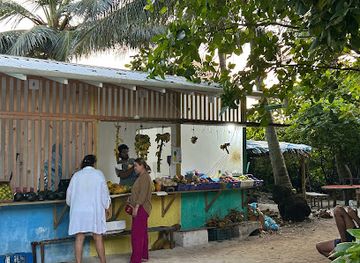
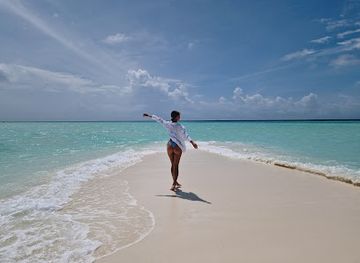
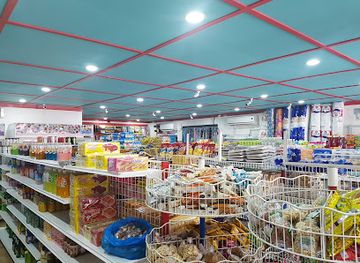
Shopping in Thoddoo is small-scale and practical, centred on village shops, guesthouse contacts and locally produced agricultural goods rather than dedicated retail streets. The island is particularly associated with fruit and farming, so seasonal watermelon, papaya, mangoes, coconuts and other produce may be available through local sellers or arranged by accommodation providers. Visitors may also find basic snacks, drinks, toiletries, beach necessities and small souvenirs, but should not expect a large craft market or department-store selection. Maldivian products such as dried fish, coconut-based foods and simple handmade items can sometimes be sourced locally, although availability varies. Purchases should be made respectfully and without entering farms or private premises uninvited. For a broader range of handicrafts, branded goods and formal shopping, Malé offers considerably more choice than this agricultural atoll island.
-
 Diving center
Thoddoo Diving Center (PDH Maldives) / Русский дайв-центр на Тодду
Dive into adventure at Thoddoo Diving Center, where the vibrant underwater world of the Maldives awaits your exploration.
6 min walk · 0.5 km from city centre
-
Supermarket
Bright Store
Discover the vibrant shopping experience at Bright Store in Thoddoo, where local flavors and everyday essentials come together in a delightful setting.
6 min walk · 0.5 km from city centre
-
Coffee shop
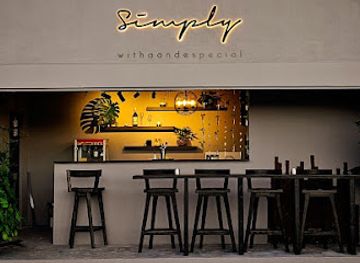
Simply with Aandespecial
Discover the essence of Maldivian café culture at Simply with Aandespecial, Thoddoo's charming coffee shop with delightful brews and local ambiance.
1 min walk · 0.1 km from city centre
-
Grocery store
Unique Zone
Discover the flavors of the Maldives at Unique Zone, your premier grocery store in Thoddoo, offering fresh produce and local delicacies.
2 min walk · 0.2 km from city centre

Get your free copy of our complete guide to Thoddoo, delivered straight to you.
Everything on this page, from attractions and restaurants to essentials and local phrases, in one PDF you can read offline, print or share.
Already have an account? Sign in
Your Thoddoo guide is ready.
We'll send it to · Not you? Sign out

Getting your guide ready…
We are putting together a fresh copy of the Thoddoo guide. This can take up to a minute.
This can take a few moments. If your browser asks, choose Allow so the download can start. You'll find the guide in your Downloads folder.
Nothing happened? Download it again
Sorry, the guide is taking longer than usual. Please try again in a minute, or get it by email instead.
Thoddoo essentials
Currency and Payment
Safety
Emergency Situations
Do's and Don'ts
Local Tips
From Eve
Local phrases worth knowing
You don't need to get them perfect. A few words go a long way, and locals appreciate the effort.
Basics
| English | Local | Say it |
|---|---|---|
| Hello | ދިވެހި | [Dhivehi] |
| Goodbye | މިއަކިރަ | [Miakura] |
| Yes | ކަލަ | [Kihla] |
| No | ނުވަތަ | [Noavatha] |
| Please/You're welcome | މިއީދްތަ | [Miadhuga] |
| Thank you | ޝާންތައި | [Shukuriyage] |
| Excuse me/Sorry | އަވަދެއް | [Avaadhuga] |
| How are you? | ކެދިންއަށަން? | [Kihinahaa?] |
| Fine. And you? | ކެދިންއަށަން? | [Kihinahaa?] |
| Do you speak English? | ޑރީމާއްތަ? | [Dhivehi miadhu?] |
| I don't understand | ނުވަތަރުން | [Noavareh] |
Eating & Drinking
| English | Local | Say it |
|---|---|---|
| I'd like to see the menu, please | މިއީދް މެނުން އެކަނަކަން | [Miadhuga menu akahanda] |
| I don't eat meat | ނަތަނުލެވެއް | [Nalumeha] |
| Cheers! | ކެޔައި | [Kihai] |
| I would like to pay, please | މިއީދް ކުރެކަން | [Miadhuga kuraken] |
Emergencies
| English | Local | Say it |
|---|---|---|
| Help! | ހެލޕި! | [Hilpi!] |
| Go away! | ހެލޕި! | [Hilpi!] |
| Call the Police! | ޕޮލިސް ކޮއުން | [Polis kohun] |
| Call a doctor! | ޑަކުން ކޮއުން | [Dakunu kohun] |
| I'm lost | މިއީދް އެހެނުން | [Miadhuga ehuneh] |
| I'm ill | މިއީދް އިލުން | [Miadhuga ilun] |
Shopping
| English | Local | Say it |
|---|---|---|
| I'd like to buy... | މިއީދް ކޮއި ދާސަން | [Miadhuga kohi dhahana] |
| I'm just looking | މިއީދް ކޮއި ތެކިން | [Miadhuga kohi vekina] |
| How much is it? | މިއީދް އައުނަނަން? | [Miadhuga ehunnan?] |
| That's too expensive | މިއީދް ކޮއި އީރޭއާން | [Miadhuga kohi ariyaa] |
| Can you lower the price? | އައުނަނަން އެކަނަކަން? | [Ehunnan akahanda?] |
Time & Numbers
| English | Local | Say it |
|---|---|---|
| What time is it? | މިއީދް މާނެ ކެދިން? | [Miadhuga vana kihinahaa?] |
| It's one o'clock | މިއީދް އާކިރެ ކެދިން | [Miadhuga akuru kihinahaa] |
| Half past (10) | ކުން ކެދިން (10) | [Kun kihinahaa (dhehethi)] |
| Morning | މިއީދްއެކެދިން | [Miadhugaehinahaa] |
| Afternoon | އަފަނެކެދިން | [Afaanehinahaa] |
| Evening | މާވެކެދިން | [Maivahinahaa] |
| Yesterday | އެވެކުން | [Avakun] |
| Today | މިއީދު | [Miadhu] |
| Tomorrow | އަދުން | [Adhu] |
| 1 | 1 | [1] |
| 2 | 2 | [2] |
| 3 | 3 | [3] |
| 4 | 4 | [4] |
| 5 | 5 | [5] |
| 6 | 6 | [6] |
| 7 | 7 | [7] |
| 8 | 8 | [8] |
| 9 | 9 | [9] |
| 10 | 10 | [10] |
Transport & Directions
| English | Local | Say it |
|---|---|---|
| Where's a/the...? | އަވަދަން އަނެނަ? | [Avaadhaa ehunaa?] |
| What's the address? | އަވައަން އަނެނަ? | [Avaana ehunaa?] |
| Can you show me (on the map)? | އައުނަނަން އެދެން (މާޕުނަން)? | [Ehunnan akahanda (mapahh)] |
| When's the next (bus)? | އެކްދަން ކެދިން (އަލަނަން)? | [Akuvana kihinahaa (alannaa)] |
| A ticket (to ....) | އެކަނަކަން (.... އެނަން) | [Akahanda (.... annaa)] |
History of Thoddoo
Early Buddhist Maldives
Thoddoo belongs to an archipelago whose early communities followed Buddhism before the Maldives adopted Islam in the twelfth century. Archaeological remains on the island, as on several Maldivian islands, point to this earlier religious landscape, although relatively little detailed written history survives for Thoddoo itself. The island’s location within the central atolls placed it within networks of seafaring, fishing and exchange that connected communities across the archipelago. Coral stone, the principal local building material, was used in religious and domestic structures, and fragments of earlier occupation have helped preserve evidence of a pre-Islamic past beneath the modern settlement.
Conversion to Islam
The Maldives converted to Islam in the twelfth century, traditionally dated to 1153, during the reign of Sultan Mohamed al-Adil. This transformation reshaped public life across the islands, replacing Buddhist religious institutions with mosques and Islamic forms of community organisation. Thoddoo’s later identity developed within this national Islamic framework, while memories and material traces of earlier belief systems remained part of the wider archaeological record. As elsewhere in the Maldives, the island’s position along maritime routes meant that religious change occurred within a society accustomed to movement, contact and trade across the Indian Ocean.
Atoll Communities and Sea Trade
For centuries, Thoddoo’s life was governed by the resources of its reef and lagoon. Fishing, coconut cultivation, boat building and inter-island exchange sustained households, while the island’s agricultural land gave it an additional role within North Ari Atoll. Dhoni boats connected local communities and carried fish, produce and people between islands. Authority changed between sultanate, colonial and modern national administrations, but everyday life remained closely tied to monsoon patterns, coral reefs and maritime skills. The compact village and cultivated interior visible today reflect this long relationship between settlement and the island’s limited but productive land.
Modernisation and National Change
The twentieth century brought stronger links with Malé and the gradual expansion of national infrastructure, education, communications and public services. Atoll communities became more closely integrated into the administrative Republic of Maldives after independence from Britain in 1965. Thoddoo retained its character as a local island, with fishing and agriculture continuing alongside public-sector employment and small businesses. Improved transport connections also made the island more accessible to visitors, although travel remained more dependent on boats and schedules than on the international resort network surrounding the capital.
The Local-Island Tourism Era
A major shift came after the Maldives permitted guesthouses on inhabited local islands in 2009. Thoddoo was well placed to benefit because of its beaches, agricultural landscape and access to North Ari Atoll’s marine environment. Family-run guesthouses, cafés, bicycle hire and locally arranged excursions gradually supplemented traditional livelihoods without turning the entire island into a private resort. Tourism remains woven into village life: visitors share roads, shops and beaches with residents, while farming and fishing continue to shape the island’s economy and identity.
Thoddoo in Photos
Browse through our photo collection highlighting the charm and character of the destination.
Cities near Thoddoo
The closest cities to Thoddoo, if you have time for more than one stop.
-

-

-

-

-
 Thulusdhoo
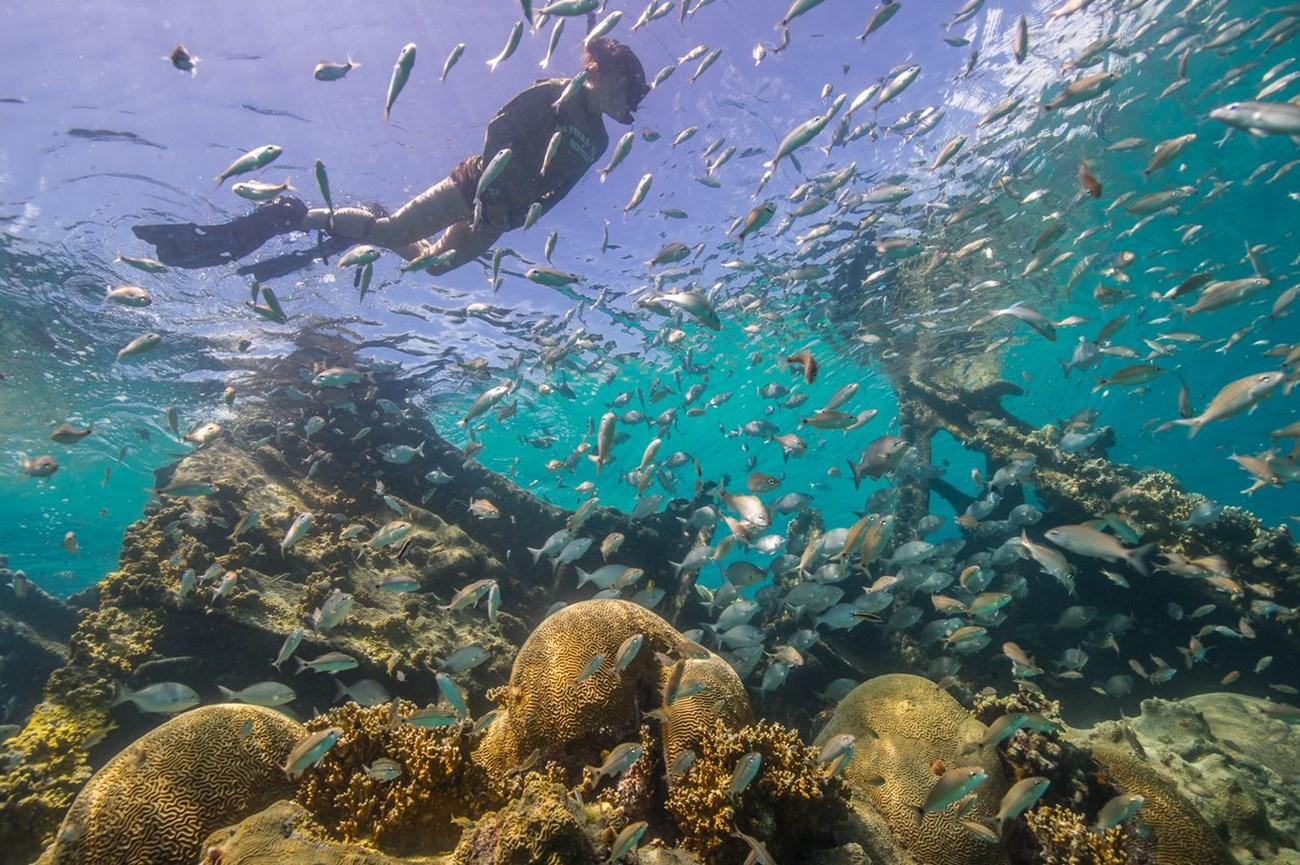
, Maldives combines world-class surfing at Cokes with local island life, lagoon excursions, Maldivian food, guesthouses and quiet tropical beaches.
1 h 37 min drive · 77 km from city centre
Thulusdhoo
Thulusdhoo, Maldives combines world-class surfing at Cokes with local island life, lagoon excursions, Maldivian food, guesthouses and quiet tropical beaches.
1 h 37 min drive · 77 km from city centre


Swipe for more cities
Explore more

Explore more of Maldives
Experience the unparalleled beauty of the Maldives, where pristine beaches, luxurious resorts, and vibrant marine life create the perfect tropical getaway.
Explore Maldives