

Thulusdhoo, Maldives Travel Guide
Discover Thulusdhoo in the Maldives, where vibrant marine life, thrilling surf spots, and rich culture offer an unforgettable island experience.
Thulusdhoo, a gem in the Maldives, invites you with its serene beaches and vibrant local culture. This island is not just a picturesque escape but also a hub of activity for those who seek both relaxation and adventure. Famous for its surf spots, Thulusdhoo offers waves that attract surfers from all over the world. Whether you are a seasoned surfer or a beginner, the waves here are perfect for all levels. Beyond the waves, Thulusdhoo is renowned for its rich marine life. Snorkeling and diving enthusiasts will find themselves surrounded by colorful coral reefs and exotic fish. The underwater world here is like a living postcard, brimming with beauty and life. For those who prefer to stay dry, the island offers boat trips where you can spot dolphins and enjoy the stunning sunset views. Thulusdhoo is also a cultural treasure trove. The local community is warm and welcoming, and visitors can immerse themselves in Maldivian culture through traditional music, dance, and cuisine. Don't miss out on tasting 'Garudhiya', a local fish soup, and 'Hedhikaa', delicious Maldivian snacks. The island's streets are lined with small shops where artisans sell handmade crafts, perfect for souvenirs. Whether you are here to surf, dive, or simply relax on a hammock under a palm tree, Thulusdhoo offers a slice of paradise that caters to every type of traveler.

Know before you go
Hi, I'm Eve. Here are a few practical things to know before exploring Thulusdhoo.
- Visit during the dry season from November to April for the best weather and surf conditions.
- Respect local customs by dressing modestly when exploring the island outside of resort areas.
- Bring your own snorkeling gear to explore the reefs at your leisure.
- Try local foods at small eateries for an authentic Maldivian culinary experience.
- Don't forget reef-safe sunscreen to protect the coral reefs while enjoying the sun.
Explore Thulusdhoo: Things to Do, Places to Eat, Hotels & More
Handpicked recommendations for top attractions, local dining, accommodations, and more

Best attractions in Thulusdhoo
Top-rated picks
Best Attractions

Republic Square
Discover the serene beauty and cultural heritage of Republic Square, a must-visit city park in Malé, Maldives.

National Museum, Maldives
Explore the Maldives' rich cultural heritage at the National Museum, featuring ancient artifacts and contemporary art in the heart of Malé.

Lankanfinolhu
Explore the stunning beauty of Lankanfinolhu, a breathtaking island in the Maldives known for its idyllic beaches and vibrant marine life.
Gili Lankanfushi Maldives
Experience luxury and tranquility at Gili Lankanfushi, the ultimate resort destination in the Maldives, perfect for relaxation, dining, and unforgettable adventures.

Best landmarks in Thulusdhoo
Top-rated picks
Best Landmarks

Samura Guest House
Discover the charm of Thulusdhoo at Samura Guest House, your gateway to the authentic Maldivian experience.

Kudhi Boli Beach House
Discover tranquility at Kudhi Boli Beach House, a charming retreat on Thulusdhoo Island, Maldives, offering stunning views and local hospitality.
Cokes Beach Maldives
Experience world-class surfing at Cokes Beach, Maldives: powerful waves, stunning scenery, and local island charm.

Shark point Thulusdhoo
Dive into adventure at Shark Point, Thulusdhoo: a thrilling underwater experience with sharks, vibrant reefs, and stunning marine life.

Best restaurants in Thulusdhoo
Top-rated picks
Best Restaurants

Indulge Thulusdhoo
Experience exquisite Western cuisine at Indulge Thulusdhoo, where delightful flavors meet stunning island vibes in the Maldives.

Byyoni
Discover authentic Maldivian flavors at Byyoni in Thulusdhoo – where culinary delight meets local culture.

Bandaha Cafe
Experience the best of Asian cuisine at Bandaha Cafe in Thulusdhoo – where every dish tells a story.

Santa Rosa Restaurant
Experience authentic Maldivian cuisine at Santa Rosa Restaurant in Thulusdhoo—where flavors meet culture in an inviting atmosphere.

Best bars in Thulusdhoo
Top-rated picks
Best Bars

Meeru Dhoni Bar
Discover the enchanting Meeru Dhoni Bar in the Maldives, where breathtaking views meet exquisite cocktails and unforgettable moments.

Indulge Thulusdhoo
Experience the vibrant flavors of Western cuisine at Indulge Thulusdhoo, where culinary excellence meets island charm.

Byyoni
Experience the authentic flavors of the Maldives at Byyoni, a must-visit restaurant in Thulusdhoo serving delightful dishes in a welcoming atmosphere.

Bandaha Cafe
Experience the rich flavors of Asian cuisine and the warm hospitality of Thulusdhoo at Bandaha Cafe, a culinary paradise for every traveler.

Best nightclubs in Thulusdhoo
Top-rated picks
Best Nightclubs

Indulge Thulusdhoo
Experience the flavors of the West at Indulge Thulusdhoo, where culinary excellence meets tropical paradise in the Maldives.

Dream Inn Maldives, Sun Beach Hotel
Experience the enchanting beauty of Thulusdhoo at Dream Inn Maldives, where adventure meets tranquility on stunning beaches.

Thesandbar
Experience the vibrant culinary scene at Thesandbar, where local flavors meet international cuisine in the heart of Thulusdhoo.

Ocean villa Reception
Experience unmatched tranquility and breathtaking ocean views at Ocean Villa Reception, your perfect escape in the heart of the Maldives.

Best shops in Thulusdhoo
Top-rated picks
Best Shops

Fish Market
Experience the vibrant heart of Maldivian culture at the bustling Fish Market in Malé, where fresh seafood and local life converge.

Canopus Retreat Thulusdhoo
Experience the bliss of Thulusdhoo at Canopus Retreat, a serene guest house surrounded by breathtaking beaches and vibrant local culture.

Randhaa Surf Shop
Explore the ultimate surf experience at Randhaa Surf Shop in Thulusdhoo, where adventure meets the stunning beauty of the Maldives.

HIYALA - Cafe' & Bistro
Discover the flavors of the Maldives at HIYALA - Cafe' & Bistro, where delightful dishes and a cozy atmosphere await you.

Explore Thulusdhoo on the Map
A handpicked selection of must-see spots in Thulusdhoo, mapped for you.
Thulusdhoo Essentials
-
Thulusdhoo is located in the North Malé Atoll, Maldives. The nearest international airport is Velana International Airport in Malé. From Malé, you can take a speedboat, which takes about 30 minutes, or a public ferry, which takes approximately 90 minutes to reach Thulusdhoo. Speedboat transfers can be arranged through your hotel or local operators, while public ferries are available at the Villingili Ferry Terminal in Malé.
-
Thulusdhoo is a small island, and most places are accessible by foot. For longer distances or convenience, bicycles are available for rent. There are also local taxis, which are usually motorized three-wheelers, known as 'buggies'. These can be a fun and practical way to navigate the island. No car rentals are available on the island, as the narrow streets are not suitable for larger vehicles.
-
The official currency in Maldives is the Maldivian Rufiyaa (MVR). US Dollars are widely accepted, and most hotels, restaurants, and shops accept major credit cards. However, it is advisable to carry some cash for small purchases and transportation. ATMs are available in Malé but not on Thulusdhoo, so ensure you withdraw sufficient cash before your trip.
-
Thulusdhoo is generally a safe destination for tourists. Crime rates are low, but it is always wise to take standard precautions. Keep your belongings secure and avoid walking alone late at night in unfamiliar areas. There are no specific high-crime areas targeting tourists, but staying vigilant is recommended.
-
In case of emergency, dial 119 for police or 102 for medical assistance. Thulusdhoo has a small health center for minor medical issues. For serious medical emergencies, you may need to be transferred to a hospital in Malé. It is advisable to have travel insurance that covers medical emergencies. Pharmacies are available on the island for over-the-counter medications.
-
Fashion: Do dress modestly, especially when outside of your resort or beach area. Avoid wearing revealing clothing. Religion: Do respect local customs and traditions. Cover your shoulders and knees when visiting mosques or during Ramadan. Public Transport: Do be respectful and patient. There is limited public transport, but speedboats and ferries are punctual. Greetings: Do greet locals with a friendly 'hello' or 'as-salamu alaykum'. A slight bow or nod of the head is appreciated. Eating & Drinking: Do try local Maldivian dishes and accept food offerings graciously. Don't consume alcohol in public places as it is restricted to resorts.
-
To experience Thulusdhoo like a local, visit the fish market early in the morning to see the daily catch and engage with local fishermen. Explore the island's surf spots, such as 'Coke's' and 'Chicken's', which are popular among surfers. Don't miss out on tasting fresh coconut water from a street vendor. Participate in local events and festivals to immerse yourself in the culture.
When is the best time to visit Thulusdhoo?
Useful Local Phrases for Thulusdhoo
You don't need to speak the language perfectly. Even learning a few simple words can make conversations warmer—and locals usually appreciate the effort.
— Eve

Here are the phrases I use most often in Thulusdhoo. Try a few—you'll be surprised how far they go! 😊
❤️
-
- Helloމުޅަހުން
[maruhabaa] - Goodbyeމުޅަހުން
[laai vaa] - Yesއޮތަށް
[ow] - Noނު
[nu] - Please/You're welcomeޝައްތަކޱަށް
[jazakallahu] - Thank youޝައްސަޙަކުން
[jazakallahukhair] - Excuse me/Sorryމުޅަހުން
[maafu kurey] - How are you?ހައްހަނދު ބަލަން?
[haalu kihiney?] - Fine. And you?މައިލްވަން. އޮތަށް?
[meeleve. ow?] - Do you speak English?އެކަލްކްތަށް ފުޅުން?
[ingilisikufa?] - I don't understandކުއިޓް ނުފުޅުން
[kaidh nufulhun]
- Helloމުޅަހުން
-
- I'd like to see the menu, pleaseމުޅަހުން
[menyu vegen] - I don't eat meatމުޅަހުން
[miyaa kiyaa vegen] - Cheers!މުޅައްކުން
[saafe] - I would like to pay, pleaseމުޅަހުން
[farudh vegen]
- I'd like to see the menu, pleaseމުޅަހުން
-
- Help!މުޅަހުން
[ehburun] - Go away!މުޅަހުން
[dheefi] - Call the Police!މުޅަހުން
[dhandu] - Call a doctor!މުޅަހުން
[doktoru] - I'm lostމުޅަހުން
[hithaa vegen] - I'm illމުޅަހުން
[bahdhalu]
- Help!މުޅަހުން
-
- I'd like to buy...މުޅަހުން
[kohla vegen] - I'm just lookingމުޅަހުން
[hurihaa vegen] - How much is it?މުޅަހުން
[kiyaa vegen] - That's too expensiveކުއިޓް ނުފުޅުން
[kaidh nufulhun] - Can you lower the price?މުޅަހުން
[mas kohla vegen]
- I'd like to buy...މުޅަހުން
-
- What time is it?މުޅަހުން
[kolhu heneh?] - It's one o'clockމުޅަހުން
[kuda eh] - Half past (10)މުޅަހުން
[haalhuneh kuli] - Morningމުޅަހުން
[feydhoo] - Afternoonމުޅަހުން
[dheynun] - Eveningމުޅަހުން
[maahefun] - Yesterdayމުޅަހުން
[kihineh] - Todayމުޅަހުން
[miadhu] - Tomorrowމުޅަހުން
[fashaa] - 1މުޅަހުން
[kuda] - 2މުޅަހުން
[dheh] - 3މުޅަހުން
[thi] - 4މުޅަހުން
[haa] - 5މުޅަހުން
[baha] - 6މުޅަހުން
[hedh] - 7މުޅަހުން
[hulhuvaa] - 8މުޅަހުން
[huruh] - 9މުޅަހުން
[noh] - 10މުޅަހުން
[dhaa]
- What time is it?މުޅަހުން
-
- Where's a/the...?މުޅަހުން
[kolhu heneh?] - What's the address?މުޅަހުން
[kolhu heneh?] - Can you show me (on the map)?މުޅަހުން
[kolhu heneh?] - When's the next (bus)?މުޅަހުން
[kolhu heneh?] - A ticket (to ....)މުޅަހުން
[kolhu heneh?]
- Where's a/the...?މުޅަހުން
History of Thulusdhoo
-
Thulusdhoo, like many islands in the Maldives, has a long history of settlement dating back centuries. The island was initially inhabited by seafaring people who relied on fishing and coconut cultivation. The early settlers established a close-knit community that thrived on the abundant marine resources and fertile land.
-
In the 16th century, the Maldives, including Thulusdhoo, experienced Portuguese influence. The Portuguese aimed to control the trade routes and convert the islanders to Christianity. However, the local population resisted these efforts, leading to numerous conflicts. The Maldivians eventually expelled the Portuguese in the mid-16th century, reclaiming their sovereignty and cultural identity.
-
In the late 19th century, the Maldives became a British protectorate. Thulusdhoo, like other islands, saw significant changes during this period. The British influence introduced new administrative structures and economic practices. While the island maintained its traditional way of life, there were notable developments in education and infrastructure.
-
Thulusdhoo has long been known for its fishing industry. The island's strategic location and rich marine biodiversity made it an ideal spot for fishing. Over the years, the fishing techniques evolved, and Thulusdhoo became one of the leading islands in the Maldives for tuna fishing. The introduction of mechanized boats and modern fishing equipment in the 20th century further boosted the industry.
-
In the late 20th century, Thulusdhoo gained international recognition as a prime surfing destination. The island's proximity to world-class surf breaks attracted surfers from around the globe. This shift significantly impacted the local economy, with tourism becoming a vital source of income. Guesthouses, surf schools, and other tourism-related businesses flourished, transforming Thulusdhoo into a vibrant hub for adventure seekers.
-
The 2004 Indian Ocean tsunami had a profound impact on Thulusdhoo. The island experienced significant damage, but the resilience and solidarity of the community shone through in the aftermath. International aid and local efforts led to the rebuilding of homes and infrastructure. The tsunami also highlighted the importance of disaster preparedness and sustainable development for the island’s future.
-
Today, Thulusdhoo is a thriving island that beautifully balances its rich history and cultural heritage with modern amenities. The island is known for its vibrant community, artisanal crafts, and delectable local cuisine. Visitors can explore the historical sites, enjoy the pristine beaches, and immerse themselves in the unique Maldivian way of life that Thulusdhoo proudly upholds.
Cities near Thulusdhoo
The closest cities to Thulusdhoo, if you have time for more than one stop.
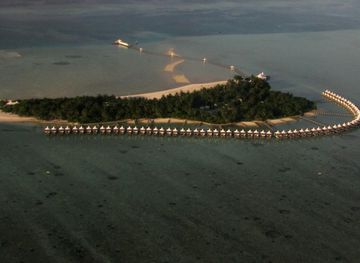


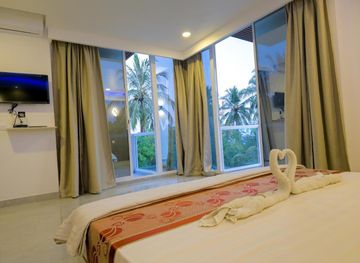

Your all‑in‑one travel companion app
Explore expert travel guides, compare and book tours, experiences, hotels, and more—all from the palm of your hand. Download now for seamless trip planning wherever your wanderlust takes you.


Thulusdhoo in Photos
Browse through our photo collection highlighting the charm and character of the destination.


Thulusdhoo: The Heartbeat of the Maldives
Thulusdhoo, a gem in the Maldives, invites you with its serene beaches and vibrant local culture. This island is not just a picturesque escape but also a hub of activity for those who seek both relaxation and adventure. Famous for its surf spots, Thulusdhoo offers waves that attract surfers from all over the world. Whether you are a seasoned surfer or a beginner, the waves here are perfect for all levels. Beyond the waves, Thulusdhoo is renowned for its rich marine life. Snorkeling and diving enthusiasts will find themselves surrounded by colorful coral reefs and exotic fish. The underwater world here is like a living postcard, brimming with beauty and life. For those who prefer to stay dry, the island offers boat trips where you can spot dolphins and enjoy the stunning sunset views. Thulusdhoo is also a cultural treasure trove. The local community is warm and welcoming, and visitors can immerse themselves in Maldivian culture through traditional music, dance, and cuisine. Don't miss out on tasting 'Garudhiya', a local fish soup, and 'Hedhikaa', delicious Maldivian snacks. The island's streets are lined with small shops where artisans sell handmade crafts, perfect for souvenirs. Whether you are here to surf, dive, or simply relax on a hammock under a palm tree, Thulusdhoo offers a slice of paradise that caters to every type of traveler.
Explore More of Thulusdhoo Island
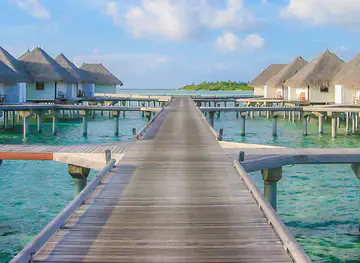
Looking beyond Thulusdhoo? Discover Thulusdhoo Island for broader travel guides, local hot-spots, and regional highlights.
Explore Thulusdhoo IslandExplore More of Maldives

Looking beyond Thulusdhoo? Discover Maldives for broader travel guides, local hot-spots, and regional highlights.
Explore Maldives