

Monuments De La Paix Travel Guide
Free Guide: A peace monument in Timbuktu symbolizing the end of conflict and a commitment to reconciliation in a historically rich city.


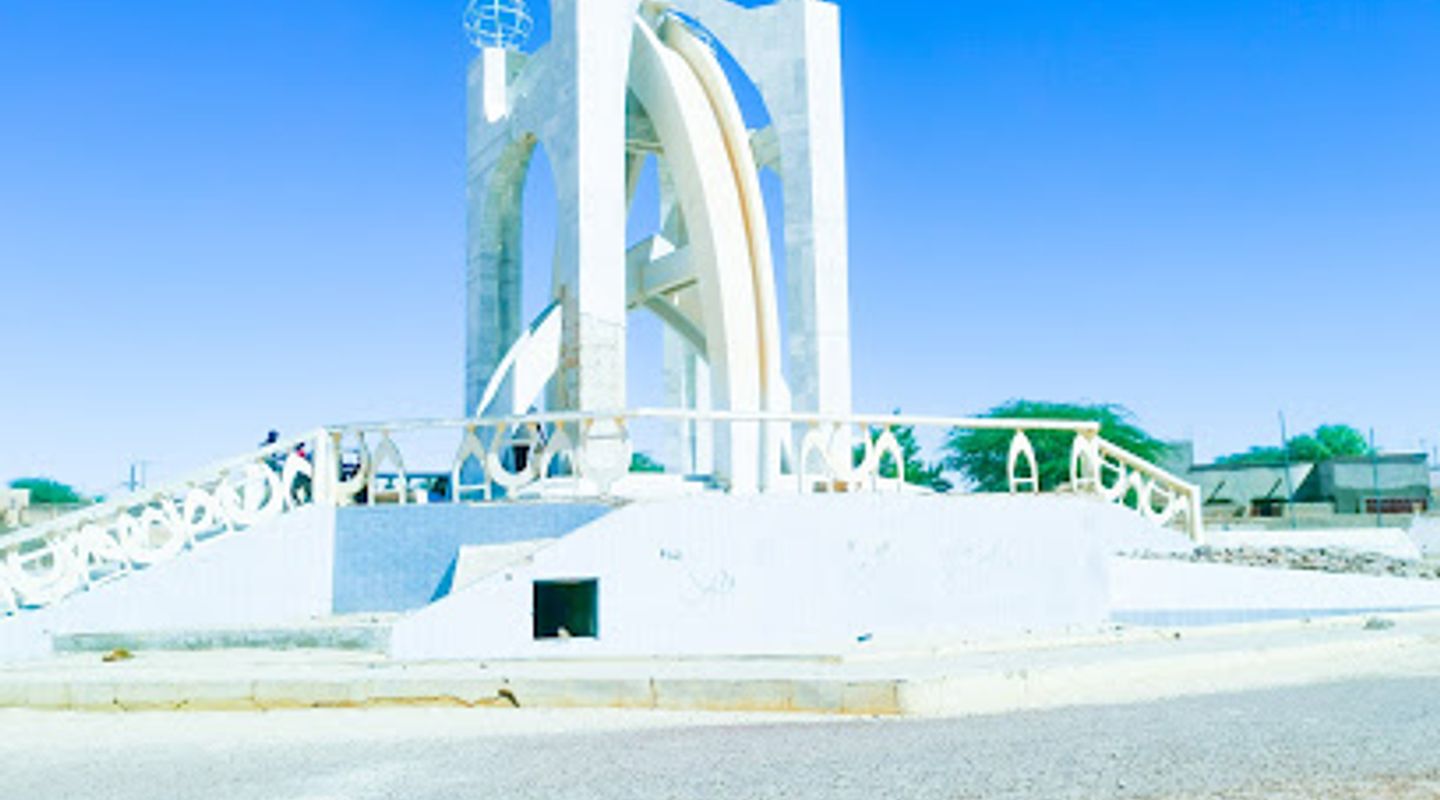
A brief summary of Monuments De La Paix
A peace monument in Timbuktu symbolizing the end of conflict and a commitment to reconciliation in a historically rich city.
The Monuments De La Paix in Timbuktu stand as a powerful reminder of the end of the Tuareg rebellion in the 1990s. It symbolizes the commitment to peace and reconciliation in a region that has experienced significant conflict.
- Address
- QXQM+J24, Timbuktu
Getting there
Walking
Taxi
Discover more about Monuments De La Paix
Overview
The Monuments De La Paix, also known as the Flame of Peace, is located in the northwest part of Timbuktu, facing the vast expanse of the desert. This monument marks a pivotal moment in Timbuktu's history, commemorating the symbolic destruction of over 3,000 weapons on March 27, 1996. Representatives from the Malian government and Tuareg rebel movements came together to pledge their commitment to peace and reconciliation.The monument itself is a white construction, with rifles, Kalashnikovs, and rocket launchers embedded in the surrounding concrete. It serves as a visual representation of the weapons that were burned during the ceremony, forever frozen in time as a testament to the end of the conflict.However, the monument has faced challenges, including neglect and degradation. It has been used as a dumping ground and a place of defecation, and it suffered further damage during the occupation of northern regions by extremist groups in 2012. Despite these challenges, there are ongoing efforts to revalorize the monument and restore its significance as a symbol of peace and reconciliation.Timbuktu, a UNESCO World Heritage site, has a rich history as an intellectual and spiritual capital of Africa during the 15th and 16th centuries. The city was a center for Islamic learning and culture, attracting scholars and traders from far and wide. Its three great mosques—Djingareyber, Sankore, and Sidi Yahia—stand as reminders of Timbuktu's golden age. Despite facing threats from desertification and conflict, Timbuktu remains a meaningful destination for those interested in history, culture, and the pursuit of knowledge.
Evendo Review Centre
 Google
Guest reviews
Explore Monuments De La Paix on the map
A handpicked selection of must-see spots near Monuments De La Paix, mapped for you.
Get your free copy of our complete guide to Monuments De La Paix, delivered straight to you.
Everything on this page, from opening hours and how to get there to Eve’s tips and the best time to go, in one PDF you can read offline, print or share.
Already have an account? Sign in
Your Monuments De La Paix guide is ready.
We'll send it to · Not you? Sign out

Getting your guide ready…
We are putting together a fresh copy of the Monuments De La Paix guide. This can take up to a minute.
This can take a few moments. If your browser asks, choose Allow so the download can start. You'll find the guide in your Downloads folder.
Nothing happened? Download it again
Sorry, the guide is taking longer than usual. Please try again in a minute, or get it by email instead.
Other nearby places you may find interesting
The closest places of the same kind, if this one is not quite what you had in mind.
-
-


Swipe for more places
More to explore near Monuments De La Paix

 Best experiences near Monuments De La Paix
 Best hotels near Monuments De La Paix
 Best landmarks near Monuments De La Paix
 Best attractions near Monuments De La Paix
 Best shops near Monuments De La Paix
 Best restaurants near Monuments De La Paix
 Best bars near Monuments De La Paix
Do you manage this location?
Take control to get all the benefits, like improved information, better appearance, and stronger visibility across AI-powered discovery.
Explore more

Explore more of Timbuktu
Explore the ancient city of Timbuktu, a historical gem on the edge of the Sahara, renowned for its mosques, manuscripts, and rich cultural heritage.
Explore Timbuktu
Explore more of Mali
Discover Mali: A blend of ancient history, vibrant cultures, and breathtaking landscapes awaits you in this West African gem.
Explore Mali
