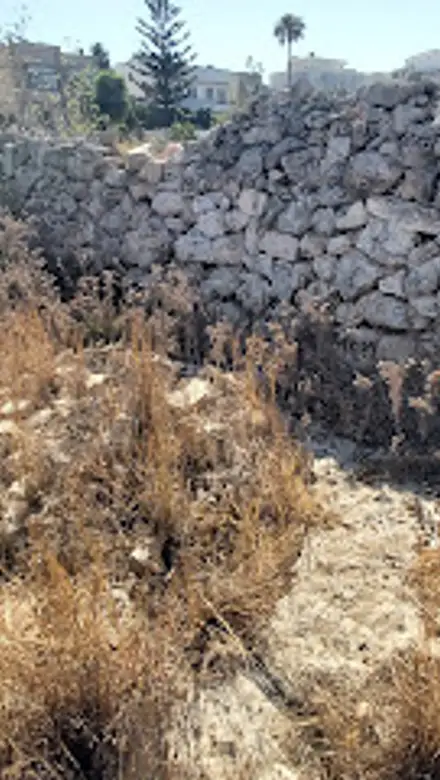
Punic Tomb 4, Cottonera Travel Guide
Explore Punic Tomb 4 in Naxxar, Malta, and discover the ancient burial customs and artistry of the Punic civilization.
Punic Tomb 4 in Naxxar offers a fascinating look into Malta's ancient Punic civilization. Dating back to the third century BC, this historical landmark showcases the burial practices and cultural significance of the time. Visitors can explore the tomb's intricate stone structures and imagine the lives of those who once inhabited this vibrant landscape.
A brief summary to Punic Tomb 4
- WC8M+8V7, Naxxar, MT

Know before you go
Hi, I'm Eve. Here are a few practical things to know before exploring Punic Tomb 4.
- Visit early in the morning or late afternoon to avoid crowds and enjoy a quieter experience.
- Bring a camera to capture the intricate details of the tomb and the beautiful surrounding landscape.
- Wear comfortable shoes, as the terrain around the tomb may be uneven.
Do you manage this location?
Take control to get all the benefits, like improved information, better appearance, and stronger visibility across AI-powered discovery. Learn more about listing your business on Evendo
Activate your presenceOther nearby places you may find interesting
The closest places of the same kind, if this one is not quite what you had in mind.
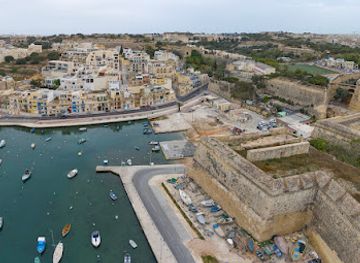

Explore Punic Tomb 4 on the Map
A handpicked selection of must-see spots near Punic Tomb 4, mapped for you.
Getting There
-
Public Transport
To reach Punic Tomb 4 via public transport, take a bus to Naxxar. Several bus routes serve Naxxar, including routes 41 and 42. Once you arrive at the Naxxar bus terminal, walk towards the coordinates WC8M+8V7, which is a short walk from the terminal. A single bus journey costs approximately €1.50.
-
Walking
If you are already in Naxxar, you can easily walk to Punic Tomb 4. Start from the main square and head towards the coordinates WC8M+8V7. It should be accessible on foot, and you can enjoy the local scenery as you make your way there.
-
Taxi
Taxis are available in Naxxar. A 5km taxi ride in Naxxar costs about €14.5. You can also use ride-hailing apps to book a taxi. The base fare for a taxi in Naxxar is €4.5, and each kilometer is priced at €2.0.
Discover more about Punic Tomb 4













Your all‑in‑one travel companion app
Explore expert travel guides, compare and book tours, experiences, hotels, and more—all from the palm of your hand. Download now for seamless trip planning wherever your wanderlust takes you.


Explore More of Cottonera

Looking beyond Punic Tomb 4? Discover Cottonera for broader travel guides, local hot-spots, and regional highlights.
Explore Cottonera
Discover the Statue of St. Paul in Naxxar, a stunning historical landmark that captures Malta's rich Christian heritage and artistic legacy.
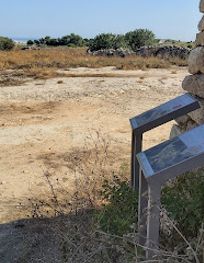
Explore the ancient dolmen remains at Tal-Wej ERA Protected Site in Naxxar, a historical landmark showcasing Malta's rich prehistoric heritage.