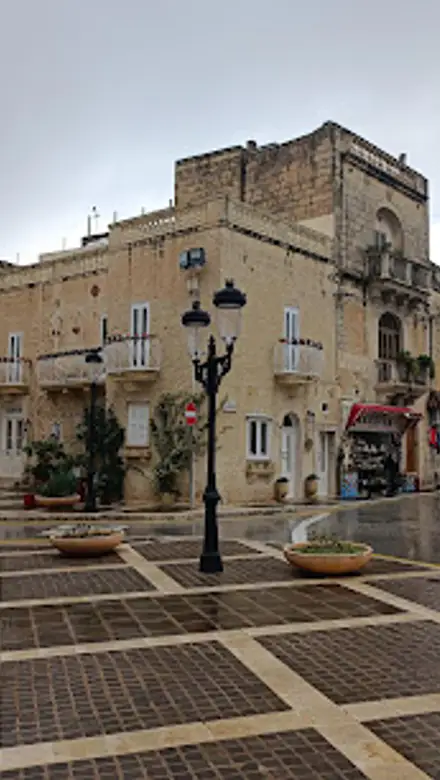
The Wignacourt Museum Travel Guide
Free Guide: Explore art, history, and underground wonders at the Wignacourt Museum in Rabat, Malta.


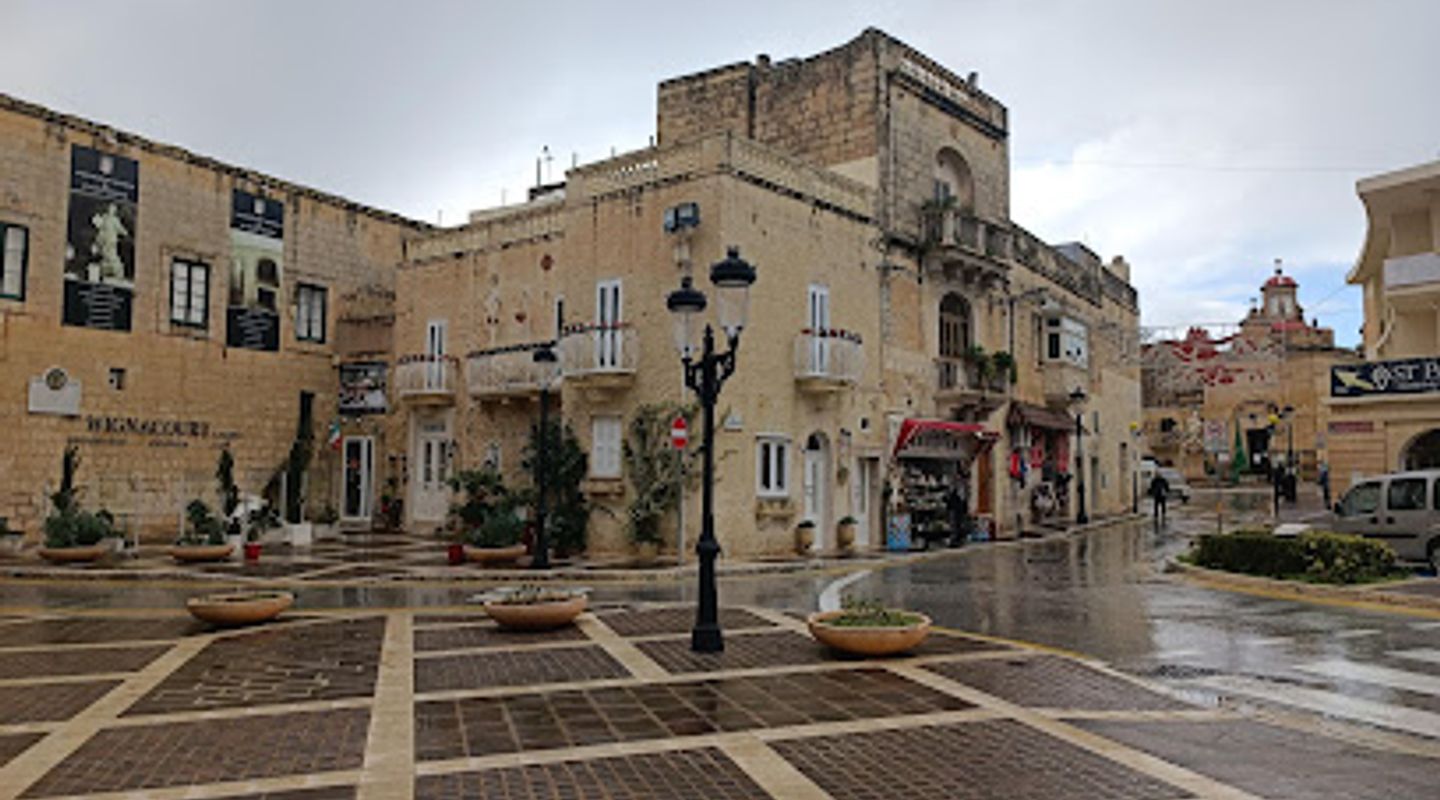
A brief summary of The Wignacourt Museum
Explore art, history, and underground wonders at the Wignacourt Museum in Rabat, Malta.
Housed in an 18th-century Baroque building, the Wignacourt Museum in Rabat offers a fascinating glimpse into Malta's history and culture. Named after Grand Master Alof de Wignacourt, the museum boasts an eclectic collection of art, religious artifacts, and historical relics, all while being connected to St. Paul's Grotto and a network of underground catacombs and WWII shelters.
Opening hours
- Every day9:30 am–5 pm
Opening hours as listed on the venue’s Google Business Profile. Hours can change for services and special events, so check with the venue before you go.
- Address
- 2 College Street, Rabat
- Phone
- Website
Getting there
Walking
Public Transport
Taxi
Discover more about The Wignacourt Museum
Overview
The Wignacourt Museum, located in the heart of Rabat, Malta, is a captivating journey through time housed within a stunning Baroque building dating back to 1749. Originally built to house the Chaplains of the Order of St. John, the museum is named after Grand Master Alof de Wignacourt, who significantly influenced Malta in the early 17th century.The museum's collection is diverse, featuring an art gallery with works by Maltese and European masters such as Mattia Preti, Antoine de Favray, and Francesco Zahra. Visitors can also admire sculptures, antique silverware, relics, pottery, coins, maps, and rare books. A highlight is the private chapel used by the Chaplains of the Knights of Malta.Beneath the museum lies a hidden world: a network of Punic, Roman, and early Christian hypogea interconnected with WWII-era air raid shelters. The museum is also linked to St. Paul's Grotto, where St. Paul is believed to have sought refuge after being shipwrecked in Malta in 60 A.D., founding Malta's first Christian community.The Wignacourt Museum is more than just a collection of artifacts; it's an immersive experience that combines art, history, and subterranean adventure.
Evendo Review Centre
 Google
Guest reviews
Explore The Wignacourt Museum on the map
A handpicked selection of must-see spots near The Wignacourt Museum, mapped for you.
Get your free copy of our complete guide to The Wignacourt Museum, delivered straight to you.
Everything on this page, from opening hours and how to get there to Eve’s tips and the best time to go, in one PDF you can read offline, print or share.
Already have an account? Sign in
Your The Wignacourt Museum guide is ready.
We'll send it to · Not you? Sign out

Getting your guide ready…
We are putting together a fresh copy of the The Wignacourt Museum guide. This can take up to a minute.
This can take a few moments. If your browser asks, choose Allow so the download can start. You'll find the guide in your Downloads folder.
Nothing happened? Download it again
Sorry, the guide is taking longer than usual. Please try again in a minute, or get it by email instead.
Unlock the best of The Wignacourt Museum
Skip-the-line tickets, guided tours with entry, and walking tours of the area, booked in a few clicks.


Other nearby places you may find interesting
The closest places of the same kind, if this one is not quite what you had in mind.
-
-
-
-
-


Swipe for more places
More to explore near The Wignacourt Museum

 Best experiences near The Wignacourt Museum
 Best hotels near The Wignacourt Museum
 Best landmarks near The Wignacourt Museum
 Best attractions near The Wignacourt Museum
 Best shops near The Wignacourt Museum
 Best restaurants near The Wignacourt Museum
 Best bars near The Wignacourt Museum
Do you manage this location?
Take control to get all the benefits, like improved information, better appearance, and stronger visibility across AI-powered discovery.
Explore more
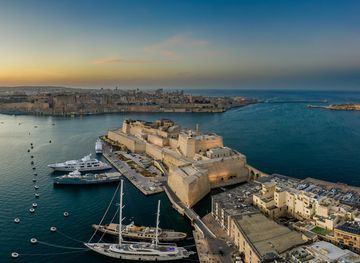
Explore more of Cottonera
Explore Cottonera, Malta's historic Three Cities. A captivating blend of history, culture, and Mediterranean charm awaits in Vittoriosa, Senglea, and Cospicua.
Explore Cottonera
Explore more of Malta
Discover Malta's crystal-clear waters, rich history, and vibrant culture. From ancient temples to modern nightlife, this Mediterranean gem offers something for everyone.
Explore Malta