Fort St. Angelo, Grand Harbour Travel Guide
Explore Malta's iconic Fort St. Angelo in Birgu: a historic fortress with panoramic views, tales of knights, and centuries of naval significance.
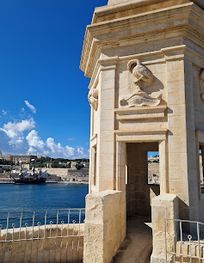
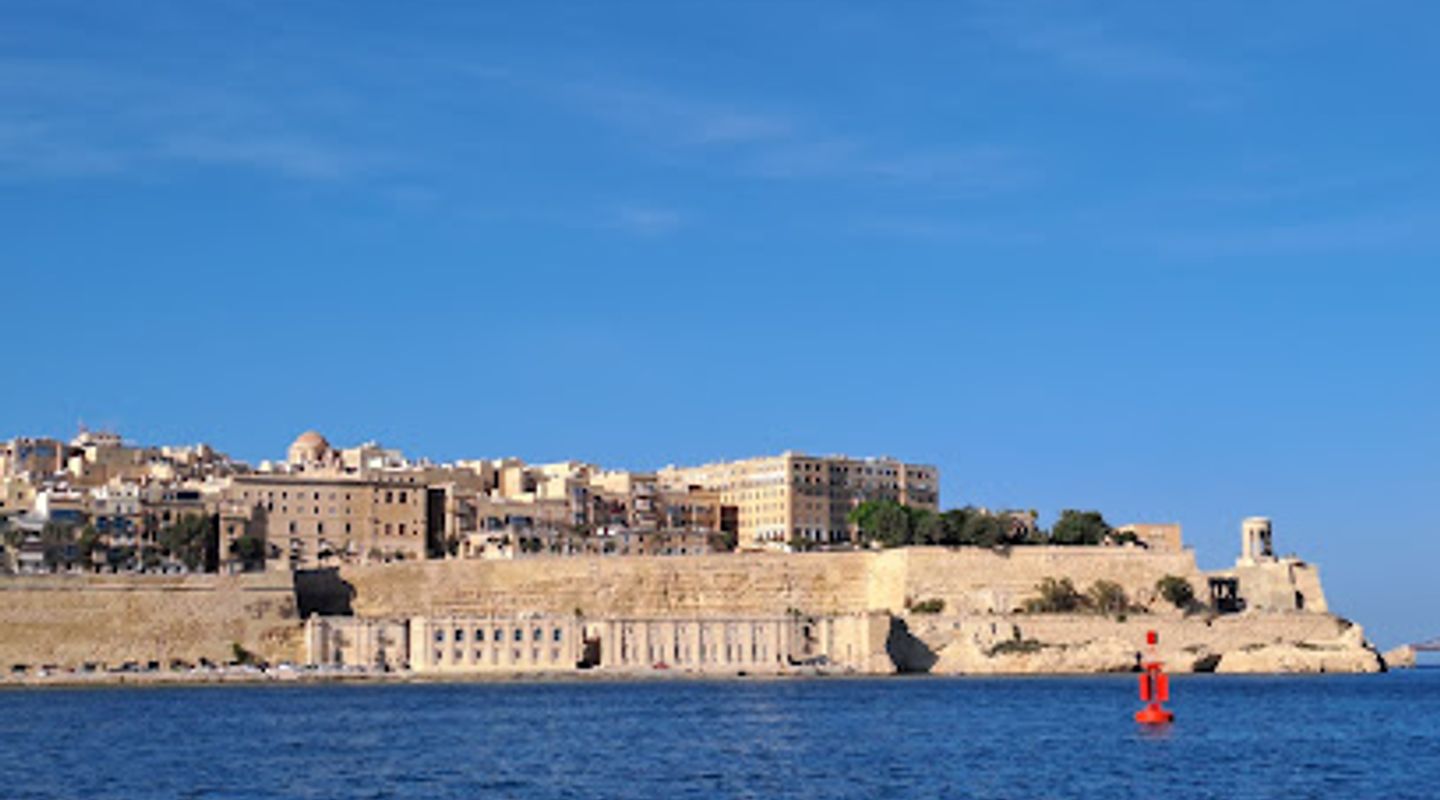
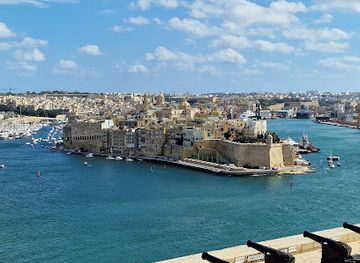
Fort St. Angelo, located in Birgu (Vittoriosa), Malta, is an iconic fortress with a history spanning from prehistoric times to the modern era. Once a temple dedicated to the Phoenician goddess Astarte, it evolved into a medieval castle and later served as the headquarters for the Knights of St. John. Its strategic importance in the Grand Harbour has shaped Malta's destiny for centuries.
A brief summary to Fort St. Angelo
- Waterfront, Birgu, MT
- Click to display
- Click to display
- Monday 9 am-7 pm
- Tuesday 9 am-7 pm
- Wednesday 9 am-7 pm
- Thursday 9 am-7 pm
- Friday 9 am-7 pm
- Saturday 9 am-7 pm
- Sunday 9 am-7 pm

Know before you go
Hi, I'm Eve. Here are a few practical things to know before exploring Fort St. Angelo.
- Check the Heritage Malta website for the most up-to-date opening hours and any special events happening at the fort.
- Wear comfortable shoes, as there are many steps and uneven surfaces to navigate within the fort.
- Consider visiting in the late afternoon to enjoy stunning sunset views over the Grand Harbour.
- Purchase a Heritage Malta Multi Pass for access to Fort St. Angelo and other historical sites, saving money on admission fees.
Do you manage this location?
Take control to get all the benefits, like improved information, better appearance, and stronger visibility across AI-powered discovery. Learn more about listing your business on Evendo
Activate your presenceOther nearby places you may find interesting
The closest places of the same kind, if this one is not quite what you had in mind.
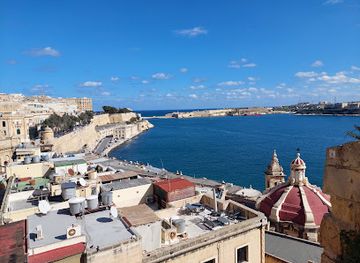
Explore Fort St. Angelo on the Map
A handpicked selection of must-see spots near Fort St. Angelo, mapped for you.
Unlock the Best of Fort St. Angelo
Book tours with entry


Getting There
-
Public Transport
From Valletta, take bus number 2, 3, or 4 towards Birgu. The journey takes approximately 30-45 minutes, depending on traffic. Get off at the 'Birgu Centre' bus stop and walk for 10 minutes (800m) towards the marina. Single bus fare is €3.
-
Ferry
From Valletta, take the ferry from Lascaris Wharf to Cospicua Dockyard Creek. Ferries depart every 30 minutes and the journey takes 15 minutes. From the Cospicua Dockyard Creek, it is a 13-minute walk (1km) to Fort St Angelo. The ferry costs €2.
-
Walking
From the center of Birgu, walk towards the Birgu Waterfront and continue along the marina. Follow the signs for Fort St. Angelo. The fort is located at the end of the peninsula. Note that there are many steps and a steep ramp to negotiate inside the Fort.
Discover more about Fort St. Angelo













Your all‑in‑one travel companion app
Explore expert travel guides, compare and book tours, experiences, hotels, and more—all from the palm of your hand. Download now for seamless trip planning wherever your wanderlust takes you.


Explore More of Grand Harbour
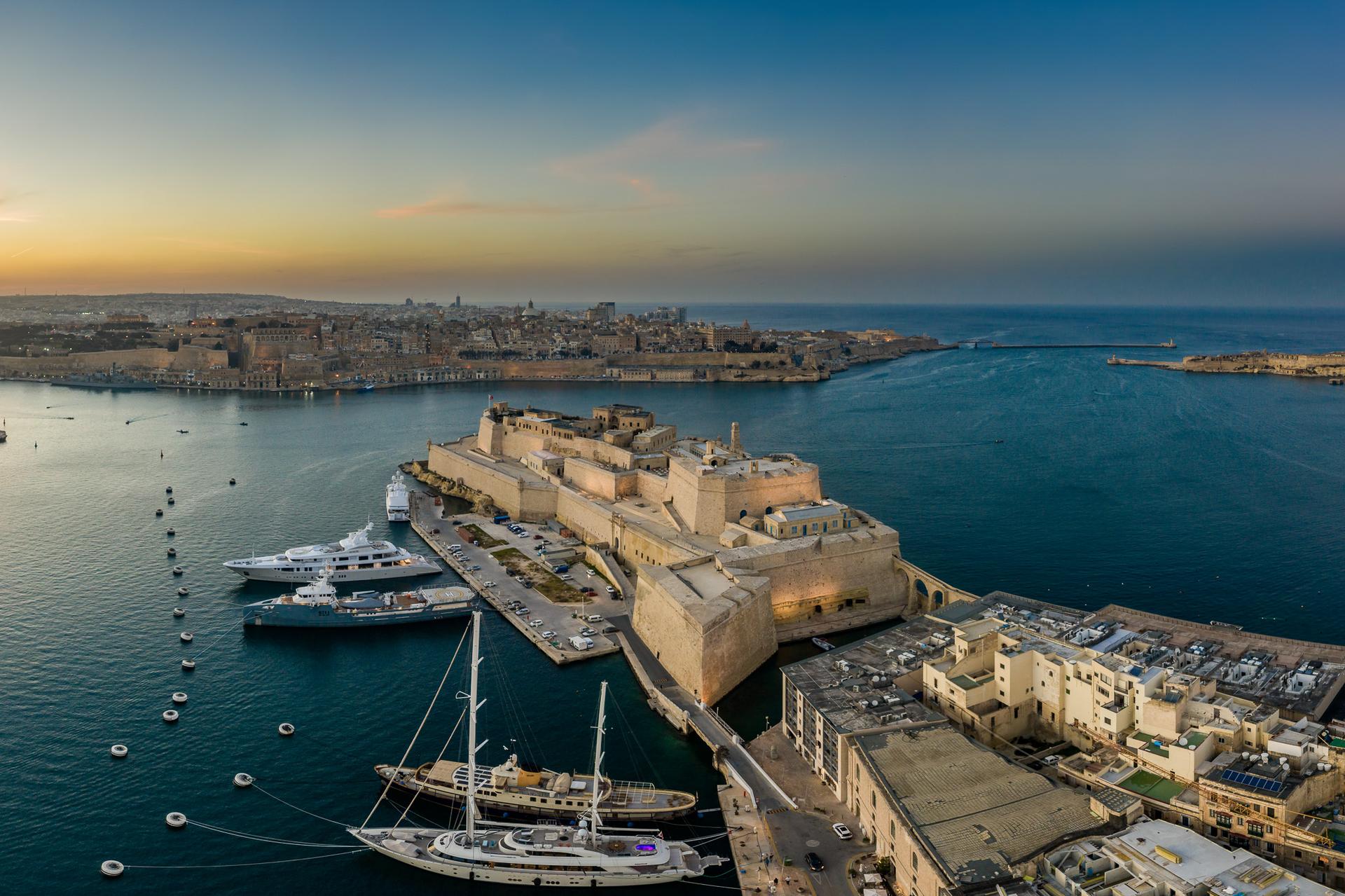
Looking beyond Fort St. Angelo? Discover Grand Harbour for broader travel guides, local hot-spots, and regional highlights.
Explore Grand Harbour