

Grand Harbour, Malta Travel Guide
Discover the timeless beauty and vibrant culture of Grand Harbour in Malta, where history, architecture, and breathtaking views come together in a stunning Mediterranean setting.
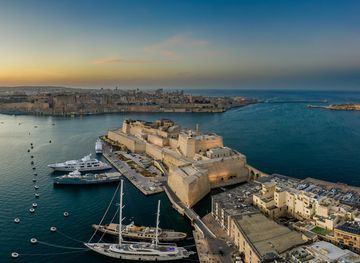
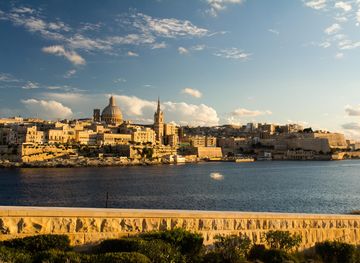
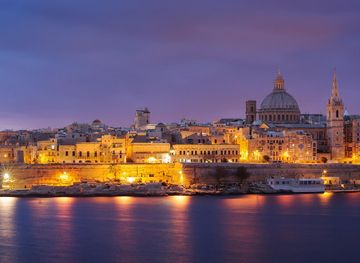
Grand Harbour, also known as the Port of Valletta, is one of the most extraordinary and picturesque harbors in the world. With its deep natural inlet and historic fortifications, it has been a central part of Maltese history for centuries. The harbor's vast expanse is dotted with yachts, traditional Maltese fishing boats, and bustling cruise liners, creating a vibrant and dynamic atmosphere that is both timeless and modern. The harbor is surrounded by the majestic cities of Valletta, Birgu, Senglea, and Cospicua, collectively known as the Three Cities. Each city offers a unique blend of architecture, culture, and history. Valletta, the capital of Malta, is a UNESCO World Heritage Site and boasts stunning Baroque architecture, grand palaces, and beautiful gardens. A stroll through its streets offers a glimpse into the island's rich past and its strategic importance in the Mediterranean. Visitors to Grand Harbour can enjoy various activities, from exploring historic sites like Fort St. Angelo and Fort Ricasoli to taking leisurely boat tours that provide breathtaking views of the harbor and its surroundings. Dining by the waterfront at one of the many cafes and restaurants offers the perfect opportunity to savor Maltese cuisine while taking in the scenic beauty. The Grand Harbour is not just a destination; it is an experience that captures the heart and soul of Malta.

Know before you go
Hi, I'm Eve. Here are a few practical things to know before exploring Grand Harbour.
- Visit early in the morning or late afternoon to avoid the crowds and enjoy the best lighting for photography.
- Take a traditional 'dghajsa' boat tour for a unique perspective of the harbor and its fortifications.
- Explore the Upper Barrakka Gardens for a panoramic view of the Grand Harbour and a relaxing spot to unwind.
- Check the local schedule for festival dates, as the harbor often hosts lively events and fireworks displays.
- Wear comfortable walking shoes as the streets and pathways around the harbor can be steep and uneven.
Top City Travel Guides in Grand Harbour
The cities of Grand Harbour, and the easiest places to base yourself.


Explore Grand Harbour: Things to Do, Places to Eat, Hotels & More
Handpicked recommendations for top attractions, local dining, accommodations, and more

Top Attractions & Sightseeing in Grand Harbour
Top-rated picks
Best Attractions

Upper Barrakka
Explore the tranquil Upper Barrakka Gardens in Valletta, offering stunning views, lush landscapes, and a glimpse into Malta's rich history.

Triton Fountain
Experience the enchanting Triton Fountain in Floriana, Malta - a stunning blend of artistry, history, and natural beauty.

St. John's Co-Cathedral
Discover the stunning Baroque beauty and historical significance of St. John's Co-Cathedral in Valletta, a must-visit landmark in Malta.

City Gate
Discover the architectural beauty and historical significance of City Gate, the majestic entrance to Valletta, Malta's capital city.

Best landmarks in Grand Harbour
Top-rated picks
Best Landmarks

Mosta Rotunda
Explore the awe-inspiring Mosta Rotunda - a stunning architectural gem and a key cultural landmark in Malta's rich history.

Grand Harbour
Experience the breathtaking beauty and historical significance of Grand Harbour, Malta's stunning natural harbor, perfect for sightseeing and relaxation.

Valletta Cruise Port
Explore Valletta Cruise Port, the vibrant gateway to Malta's history, culture, and stunning Mediterranean landscapes.

National Library of Malta
Explore the National Library of Malta, a cultural and historical gem in Valletta, showcasing the rich literary heritage and architectural beauty of Malta.

Best restaurants in Grand Harbour
Top-rated picks
Best Restaurants

Zero Sei Trattoria Romana
Experience authentic Italian cuisine with a Maltese twist at Zero Sei Trattoria Romana in Valletta's charming heart.

Pastaus Valletta Malta
Experience authentic Italian cuisine at Pastaus in Valletta - where tradition meets modernity in every delicious bite.

Rampila Restaurant
Experience exquisite Mediterranean cuisine with breathtaking views at Rampila Restaurant in Valletta.

Palazzo Preca Restaurant
Experience authentic Maltese flavors at Palazzo Preca Restaurant in Valletta - where tradition meets fine dining excellence.

Best bars in Grand Harbour
Top-rated picks
Best Bars

The Pub
Experience the vibrant nightlife of Valletta at The Pub, where great drinks and a welcoming atmosphere meet.

The Queen Victoria City Pub, Valletta
Discover the vibrant atmosphere and delightful drinks at The Queen Victoria City Pub in Valletta, your perfect stop for relaxation and enjoyment.
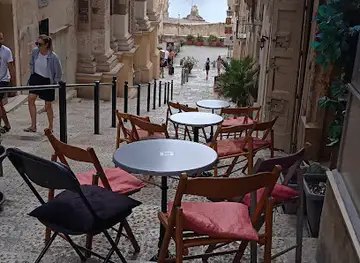
Cafe Society
Discover the lively ambiance of Cafe Society in Valletta, where innovative cocktails and a vibrant atmosphere await you.
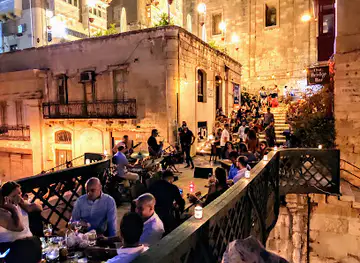
The Bridge Bar
Immerse yourself in Valletta's vibrant jazz scene at The Bridge Bar, where live music and great drinks create unforgettable memories.

Best nightclubs in Grand Harbour
Top-rated picks
Best Nightclubs

The Bridge Bar
Discover the vibrant sounds of jazz at The Bridge Bar in Valletta, where live music and a lively atmosphere blend for a memorable experience.

Havana Club Malta
Experience the electrifying nightlife at Havana Club Malta, where vibrant music and exquisite cocktails meet in the heart of St Julian's.

Gianpula Main Room
Discover Gianpula Main Room, Malta’s top night club where music, dance, and vibrant nightlife converge for an unforgettable experience.

Footloose
Experience the vibrant nightlife at Footloose, St. Julian's premier night club, where music, dance, and great drinks come alive until dawn.

Best shops in Grand Harbour
Top-rated picks
Best Shops

Tommy Hilfiger Valletta
Experience the fusion of classic American style and vibrant Maltese culture at Tommy Hilfiger Valletta, your ultimate fashion destination.

Agenda Bookshop
Explore Valletta's literary gem, Agenda Bookshop, where every book tells a story and every visit is an adventure.

The Capital Souvenir Shop
Explore The Capital Souvenir Shop in Valletta for unique Maltese gifts, local crafts, and convenient luggage storage services.

il-lokal
Explore il-lokal in Valletta, Malta for unique gifts and local artistry that embody the spirit of the island.

Explore Grand Harbour on the Map
A handpicked selection of must-see spots in Grand Harbour, mapped for you.
Grand Harbour Essentials
-
Grand Harbour is located in Valletta, the capital city of Malta. The nearest international airport is Malta International Airport (MLA), situated approximately 8 kilometers from Valletta. From the airport, you can take a taxi directly to Grand Harbour, which takes about 20 minutes. Alternatively, you can use the express bus service (X4) or shuttle buses that operate between the airport and Valletta. Ferries are also available from Pozzallo or Catania in Sicily, Italy, offering a scenic route to Malta.
-
Valletta and the Grand Harbour area are well-connected by an efficient public transportation system. Buses are the primary mode of public transport and cover most routes around the harbour and the island. The ferry service between Valletta and the Three Cities (Birgu, Senglea, and Cospicua) is a convenient and scenic way to travel. Taxis are readily available, but it’s advisable to book in advance or use ride-hailing apps. For a more flexible option, consider renting a car, though parking can be challenging in Valletta.
-
The official currency in Malta is the Euro (EUR). Credit and debit cards are widely accepted in hotels, restaurants, and shops in the Grand Harbour area. ATMs are plentiful and easy to find. It is a good idea to carry some cash for small purchases, especially in local markets or smaller establishments that might not accept cards.
-
Grand Harbour and Valletta are generally safe for tourists. However, as with any popular tourist destination, it is essential to remain vigilant. Pickpocketing can occur in crowded areas, so keep an eye on your belongings. Avoid walking alone in poorly lit areas at night. The neighborhoods around Grand Harbour are relatively safe, but always stay aware of your surroundings and use common sense.
-
In case of emergency, dial 112 for immediate assistance, which connects you to police, fire, and medical services. The local police station and several medical facilities, including Mater Dei Hospital, are available in Valletta. It's advisable to have travel insurance that covers medical emergencies. Pharmacies are also available for minor health issues, and many pharmacists speak English and can assist with over-the-counter medications.
-
Fashion: Do dress modestly when visiting religious sites; avoid wearing revealing clothing. Casual wear is acceptable in most other places. Religion: Do respect local customs and traditions; always cover your shoulders and knees when entering churches. Public Transport: Do validate your bus ticket immediately upon boarding. Don’t eat or drink on public transport. Greetings: Do greet people with a warm 'hello' or 'bonġu' (good morning in Maltese). A handshake is standard. Eating & Drinking: Do try local delicacies such as pastizzi and ftira. Don’t refuse hospitality, as it is considered impolite.
-
To experience Grand Harbour like a local, take a dgħajsa (traditional Maltese water taxi) for a unique view of the harbour. Visit the Upper Barrakka Gardens for a panoramic view and try to catch the firing of the Saluting Battery at noon. Explore the Three Cities to get a sense of Malta's rich maritime history. Engage with locals at the markets and try local wines and seafood. Don't miss out on the local festas (festivals) that offer a glimpse into Maltese culture and traditions.
When is the best time to visit Grand Harbour?
Useful Local Phrases for Grand Harbour
You don't need to speak the language perfectly. Even learning a few simple words can make conversations warmer—and locals usually appreciate the effort.
— Eve

Here are the phrases I use most often in Grand Harbour. Try a few—you'll be surprised how far they go! 😊
❤️
-
- HelloHello
[həˈloʊ] - GoodbyeGoodbye
[ɡʊdˈbaɪ] - YesYes
[jɛs] - NoNo
[noʊ] - Please/You're welcomePlease/You're welcome
[pliːz/jʊr ˈwɛlkəm] - Thank youThank you
[θæŋk ju] - Excuse me/SorryExcuse me/Sorry
[ɪkˈskjus mi/ˈsɔri] - How are you?How are you?
[haʊ ɑr ju] - Fine. And you?Fine. And you?
[faɪn. ənd ju] - Do you speak English?Do you speak English?
[du ju spiːk ˈɪŋɡlɪʃ] - I don't understandI don't understand
[aɪ doʊnt ˌʌndərˈstænd]
- HelloHello
-
- I'd like to see the menu, pleaseI'd like to see the menu, please
[aɪd laɪk tə si ðə ˈmɛnju, pliːz] - I don't eat meatI don't eat meat
[aɪ doʊnt iːt miːt] - Cheers!Cheers!
[tʃɪrz] - I would like to pay, pleaseI would like to pay, please
[aɪ wʊd laɪk tə peɪ, pliːz]
- I'd like to see the menu, pleaseI'd like to see the menu, please
-
- Help!Help!
[hɛlp] - Go away!Go away!
[ɡoʊ əˈweɪ] - Call the Police!Call the Police!
[kɔl ðə pəˈlis] - Call a doctor!Call a doctor!
[kɔl ə ˈdɑktər] - I'm lostI'm lost
[aɪm lɔst] - I'm illI'm ill
[aɪm ɪl]
- Help!Help!
-
- I'd like to buy...I'd like to buy...
[aɪd laɪk tə baɪ...] - I'm just lookingI'm just looking
[aɪm dʒʌst ˈlʊkɪŋ] - How much is it?How much is it?
[haʊ mʌtʃ ɪz ɪt] - That's too expensiveThat's too expensive
[ðæts tu ɪkˈspɛnsɪv] - Can you lower the price?Can you lower the price?
[kæn ju ˈloʊər ðə praɪs]
- I'd like to buy...I'd like to buy...
-
- What time is it?What time is it?
[wʌt taɪm ɪz ɪt] - It's one o'clockIt's one o'clock
[ɪts wʌn əˈklɒk] - Half past (10)Half past (10)
[hæf pæst (10)] - MorningMorning
[ˈmɔrnɪŋ] - AfternoonAfternoon
[ˌæftərˈnun] - EveningEvening
[ˈivnɪŋ] - YesterdayYesterday
[ˈjɛstərdeɪ] - TodayToday
[təˈdeɪ] - TomorrowTomorrow
[təˈmɔroʊ] - 11
[wʌn] - 22
[tu] - 33
[θri] - 44
[fɔr] - 55
[faɪv] - 66
[sɪks] - 77
[sɛvən] - 88
[eɪt] - 99
[naɪn] - 1010
[tɛn]
- What time is it?What time is it?
-
- Where's a/the...?Where's a/the...?
[wɛrz ə/ðə...?] - What's the address?What's the address?
[wʌts ði əˈdrɛs] - Can you show me (on the map)?Can you show me (on the map)?
[kæn ju ʃoʊ mi (ɑn ðə mæp)?] - When's the next (bus)?When's the next (bus)?
[wɛnʔs ðə nɛkst (bʌs)?] - A ticket (to ....)A ticket (to ....)
[ə ˈtɪkɪt (tə ....)]
- Where's a/the...?Where's a/the...?
History of Grand Harbour
-
Grand Harbour's history dates back to the Phoenician era, around 700 BC. The Phoenicians, famed for their maritime prowess, established a trading post here, leveraging the harbor's strategic position in the Mediterranean. This early settlement laid the groundwork for the harbor's future significance.
-
During the Roman and Byzantine periods, Grand Harbour continued to serve as a crucial maritime hub. The Romans fortified the area, recognizing its strategic military and commercial importance. It was during this time that the harbor began to see more structured development.
-
In 870 AD, the Aghlabids conquered Malta, and Grand Harbour came under Arab control. The Arabs enhanced the harbor's fortifications and infrastructure, further solidifying its role as a key maritime asset. The influence of Arab culture and technology can still be traced in the region today.
-
In 1530, the Knights of St. John took control of Malta, marking a new chapter for Grand Harbour. They embarked on extensive fortification projects, including the construction of Fort St. Elmo and Fort St. Angelo. These fortifications played a crucial role in defending the island against the Ottoman Empire during the Great Siege of 1565.
-
The Great Siege of Malta in 1565 was a pivotal moment in Grand Harbour's history. The Knights of St. John, along with Maltese locals, successfully defended the harbor against an overwhelming Ottoman invasion force. This victory not only secured the Knights' presence in Malta but also established Grand Harbour as a symbol of resilience and strategic importance.
-
In 1798, Napoleon Bonaparte's forces captured Malta, including Grand Harbour. The French occupation was short-lived, as the Maltese, with British support, rebelled and expelled the French by 1800. This period highlighted Grand Harbour's constant strategic allure to European powers.
-
Grand Harbour became a crucial naval base for the British Empire in the 19th and early 20th centuries. During World War II, the harbor was heavily bombed by Axis forces, enduring some of the heaviest attacks of the war. The resilience of the Maltese people and the strategic use of the harbor contributed to the Allied war effort in the Mediterranean.
-
In the post-war period, Grand Harbour underwent significant restoration and modernization. Today, it serves both as a commercial port and a cultural heritage site. The harbor's ancient fortifications, combined with modern amenities, attract visitors from around the world, showcasing its rich and diverse history.
Neighbouring Regions of Grand Harbour
The closest regions to Grand Harbour, if you have time for more than one.



Your all‑in‑one travel companion app
Explore expert travel guides, compare and book tours, experiences, hotels, and more—all from the palm of your hand. Download now for seamless trip planning wherever your wanderlust takes you.


Explore More of Malta
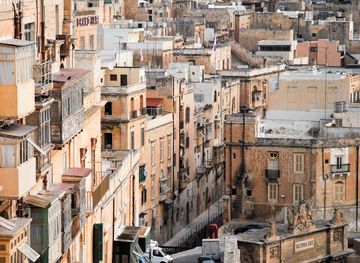
Looking beyond Grand Harbour? Discover Malta for broader travel guides, local hot-spots, and regional highlights.
Explore MaltaGrand Harbour in Photos
Browse through our photo collection highlighting the charm and character of the destination.


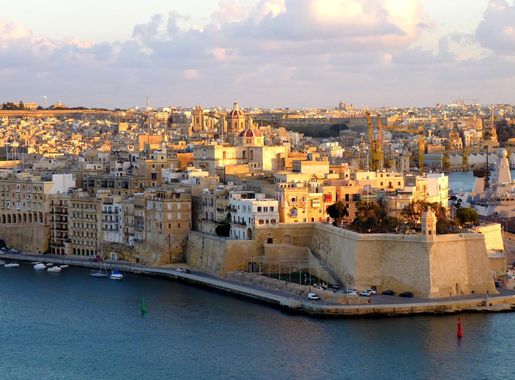


The Splendor of Grand Harbour in Malta
Grand Harbour, also known as the Port of Valletta, is one of the most extraordinary and picturesque harbors in the world. With its deep natural inlet and historic fortifications, it has been a central part of Maltese history for centuries. The harbor's vast expanse is dotted with yachts, traditional Maltese fishing boats, and bustling cruise liners, creating a vibrant and dynamic atmosphere that is both timeless and modern. The harbor is surrounded by the majestic cities of Valletta, Birgu, Senglea, and Cospicua, collectively known as the Three Cities. Each city offers a unique blend of architecture, culture, and history. Valletta, the capital of Malta, is a UNESCO World Heritage Site and boasts stunning Baroque architecture, grand palaces, and beautiful gardens. A stroll through its streets offers a glimpse into the island's rich past and its strategic importance in the Mediterranean. Visitors to Grand Harbour can enjoy various activities, from exploring historic sites like Fort St. Angelo and Fort Ricasoli to taking leisurely boat tours that provide breathtaking views of the harbor and its surroundings. Dining by the waterfront at one of the many cafes and restaurants offers the perfect opportunity to savor Maltese cuisine while taking in the scenic beauty. The Grand Harbour is not just a destination; it is an experience that captures the heart and soul of Malta.