

Free Xlendi Travel Guide & Mobile App
Plan your Xlendi trip with Evendo. Get free guides to top attractions, restaurants, hotels, and bars. Web access or download the mobile app.


Xlendi, Malta, pairs a sheltered Gozo bay with sea cliffs, coastal walks, swimming, Żebbuġ limestone, village dining, island history and Mediterranean scenery.
A Sheltered Gozo Harbour
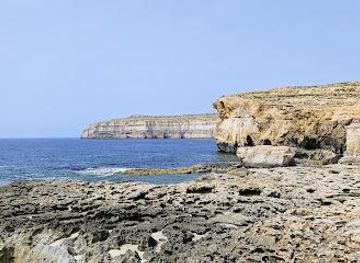
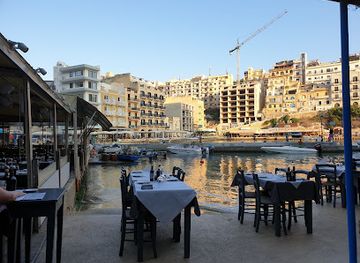
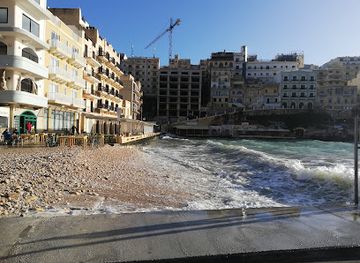
Xlendi lies on Malta’s sister island, Gozo, at the mouth of a narrow valley opening onto a sheltered bay in the island’s south-west. Once a modest fishing settlement, it is now one of Gozo’s best-known seaside villages, valued for its clear swimming waters, limestone cliffs and compact waterfront. The bay is framed by steep rocky slopes, while a breakwater and small harbour give the shoreline a calm, enclosed character. Cafés and restaurants line the water, but the village remains considerably quieter than Malta’s larger resort districts.Read more about Xlendi
Cliffs, Walks and Village Life
A Relaxed Coastal Atmosphere
When is the best time to visit Xlendi?
Best: May–June, October · 24–29°C| Month | High (°C) | Rainfall (mm) |
|---|---|---|
| January | 18 | 110 |
| February | 18 | 90 |
| March | 19 | 70 |
| April | 20 | 50 |
| May (best) | 24 | 20 |
| June (best) | 29 | 5 |
| July | 32 | 5 |
| August | 32 | 5 |
| September | 31 | 20 |
| October (best) | 27 | 50 |
| November | 24 | 70 |
| December | 20 | 90 |
Getting to and around Xlendi
How to get there
Transportation
Best attractions in Xlendi
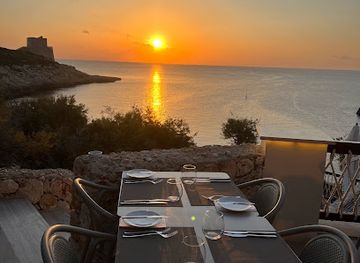
Xlendi Bay is the village’s central attraction, with a narrow inlet suited to swimming, snorkelling, kayaking and quiet observation of the surrounding limestone cliffs. The waterfront promenade leads towards Xlendi Tower, a seventeenth-century coastal watchtower set above the western side of the bay, where paths provide expansive views over the Mediterranean. Behind the shore, the Xlendi valley offers a contrasting landscape of fields, dry-stone walls and low vegetation, especially green after winter rain. The Chapel of Our Lady of Mount Carmel adds a modest religious landmark to the settlement, while the rocky shoreline rewards visitors who enjoy exploring beyond the main bathing area. Xlendi’s compact scale makes it easy to combine a coastal walk with a relaxed waterfront stop, and the nearby villages of Munxar and Sannat extend the experience into Gozo’s rural interior without turning the bay itself into a large resort.
-
Theme park
Popeye Village
Explore the enchanting Popeye Village in Mellieħa, Malta - a must-visit theme park that brings to life the beloved animated sailor and his adventures.
33 min drive · 13 km from city centre
-
Basilica
Basilica of the National Shrine of the Blessed Virgin of Ta' Pinu
Explore the Basilica of the National Shrine of the Blessed Virgin of Ta' Pinu, a mesmerizing blend of faith, history, and breathtaking architecture in Malta.
10 min drive · 3.4 km from city centre
-
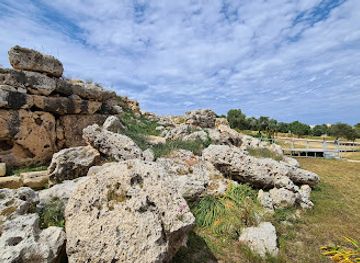
Archaeological site
It-Tempji tal-Ġgantija
Step back in time at Ġgantija, Malta's oldest archaeological site, and explore the remarkable temples that define the island's prehistoric heritage.
14 min drive · 4.7 km from city centre
-
Scenic spot
Inland Sea Dive Site
Experience the breathtaking beauty of the Inland Sea Dive Site in San Lawarenz, Malta – a must-visit for divers and nature enthusiasts.
11 min drive · 3.6 km from city centre


Best landmarks in Xlendi
Xlendi Tower is the most prominent historic landmark, a coastal watchtower erected in 1650 under the Order of St John as part of Malta’s system for observing vulnerable shorelines. Its austere stone form reflects defensive purpose rather than elaborate decoration, and its elevated position explains its continuing importance as a visual marker above the bay. The Chapel of Our Lady of Mount Carmel represents the village’s Catholic heritage and the religious life of Gozo’s small coastal communities. The bay itself is also a defining natural landmark, enclosed by Żebbuġ limestone cliffs and shaped by the valley behind it. Dry-stone walls, terraced fields and the old paths leading inland reveal how the coast was connected to agriculture. Together, these features express Xlendi’s identity as a working maritime settlement transformed into a seaside village.
-
Archaeological site
It-Tempji tal-Ġgantija
Discover the ancient Ġgantija Temples in Gozo, Malta - a UNESCO World Heritage site showcasing prehistoric architectural genius.
14 min drive · 4.7 km from city centre
-
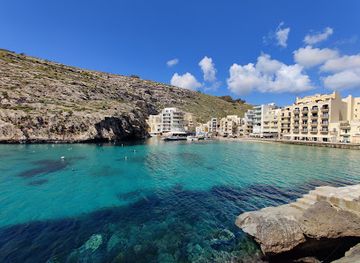
Public beach
Xlendi Beach
Discover the tranquility and beauty of Xlendi Beach, a breathtaking public beach in Malta perfect for relaxation and adventure.
3 min walk · 0.3 km from city centre
-
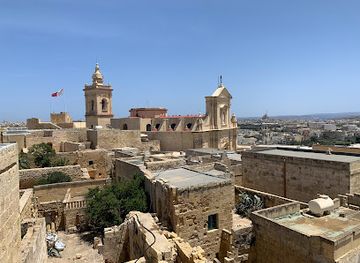
Historical landmark
Foso e Interior Citadelle De Victoria
Explore the historic Foso e Interior Citadelle De Victoria in Gozo, Malta, a stunning landmark rich in culture and breathtaking views.
7 min drive · 2.4 km from city centre
-
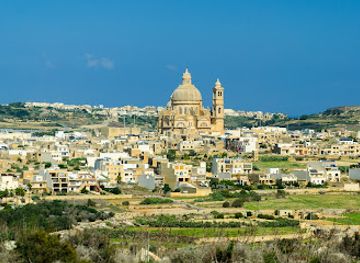
Basilica
Rotunda St. John Baptist Church
Experience the breathtaking beauty of Rotunda St. John Baptist Church, Malta's architectural gem and a spiritual sanctuary in Xewkija.
11 min drive · 3.7 km from city centre
Explore Xlendi on the map
Plan your Xlendi trip on one map. See where the top attractions, landmarks, restaurants, bars and hotels are, find what's near where you're staying, and book hotels and experiences in a few clicks.
Best hotels in Xlendi
Best restaurants in Xlendi
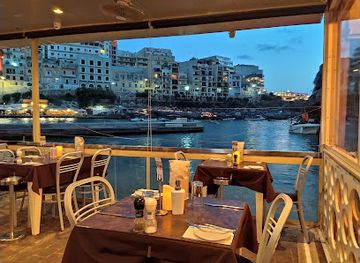
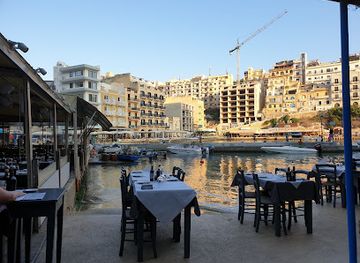
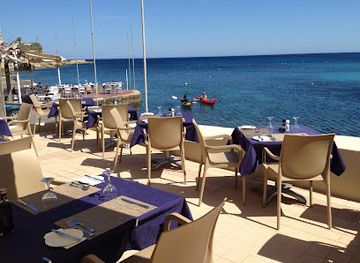
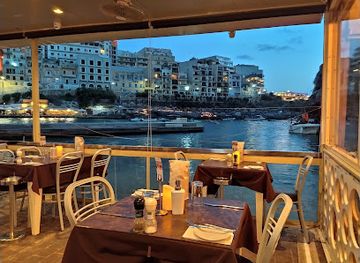
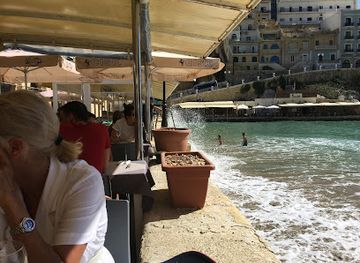
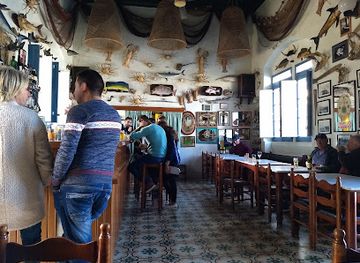
Dining in Xlendi centres on the waterfront, where restaurants and cafés overlook the inlet and serve the Mediterranean-influenced cooking associated with Malta and Gozo. Menus commonly draw on local fish when available, rabbit prepared in traditional Maltese style, ġbejna made from sheep’s milk, bigilla, pastizzi and dishes featuring tomatoes, capers, olives and village bread. Gozitan cheeselets and honey are characteristic regional products, while ftira and other savoury baked foods suit a casual meal. The narrow bay creates a relaxed setting for lunch and early evening dining, though the most immediate tables are oriented towards visitors. For a more local food perspective, travellers can seek produce and baked goods in larger Gozo settlements such as Victoria, then explore Xlendi’s cafés and restaurants for the particular pleasure of eating beside the water.
-
Restaurant
Azure Window
Cliffside Gozo gem serving fresh-grilled fish with panoramic Inland Sea views, sunset magic, and heartfelt service in the shadow of the fallen Azure Window.
10 min drive · 3.5 km from city centre
-
Mediterranean
The Boathouse Restaurant
Discover exquisite Mediterranean flavors at The Boathouse Restaurant in Xlendi Bay – a dining experience with stunning sea views.
4 min walk · 0.3 km from city centre
-
Maltese
Ta' Karolina Restaurant
Experience authentic Maltese cuisine at Ta' Karolina Restaurant in Munxar - where tradition meets taste in every delightful dish.
4 min walk · 0.3 km from city centre
-
Mediterranean
Il-Kartell Restaurant
Experience authentic Mediterranean flavors at Il-Kartell Restaurant in Marsalforn with breathtaking views and exceptional service.
17 min drive · 5.6 km from city centre
Best bars in Xlendi
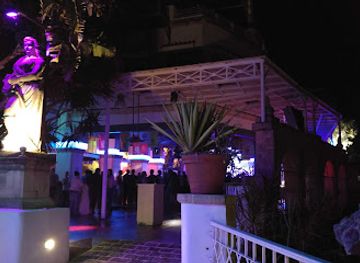
Xlendi’s evening scene is modest and coastal rather than club-oriented. After sunset, the waterfront restaurants and cafés provide the main social setting, with tables facing the illuminated bay and the dark outline of the cliffs. Visitors can find relaxed drinks, coffee and conversation, but Xlendi is not known for a concentration of nightclubs or large late-night entertainment venues. The atmosphere is best suited to an after-dinner promenade, a quiet drink or watching boats and swimmers leave the inlet before nightfall. More varied nightlife, including bars and cultural events, is generally found in Victoria and other larger centres of Gozo rather than in the village itself. Respect for nearby residents is important, particularly on the narrow waterfront where accommodation and homes stand close to evening activity.
-
Mediterranean
The Boathouse Restaurant
Experience the essence of Mediterranean cuisine at The Boathouse Restaurant, with stunning sea views and fresh seafood in Xlendi, Malta.
4 min walk · 0.3 km from city centre
-
Maltese
Ta' Karolina Restaurant
Discover the authentic taste of Malta at Ta' Karolina Restaurant, where local flavors merge with stunning Mediterranean views for an unforgettable dining experience.
4 min walk · 0.3 km from city centre
-
Bar
Talija
Experience the best of Maltese cuisine and pizza at Talija in Munxar, where every meal is a celebration of flavor and tradition.
3 min walk · 0.2 km from city centre
-
Restaurant
Terrazzo - Restaurant & Beach Bar
Experience Mediterranean flavors and stunning views at Terrazzo Restaurant & Beach Bar in Xlendi.
6 min walk · 0.5 km from city centre
Best nightclubs in Xlendi
Xlendi’s evening scene is modest and coastal rather than club-oriented. After sunset, the waterfront restaurants and cafés provide the main social setting, with tables facing the illuminated bay and the dark outline of the cliffs. Visitors can find relaxed drinks, coffee and conversation, but Xlendi is not known for a concentration of nightclubs or large late-night entertainment venues. The atmosphere is best suited to an after-dinner promenade, a quiet drink or watching boats and swimmers leave the inlet before nightfall. More varied nightlife, including bars and cultural events, is generally found in Victoria and other larger centres of Gozo rather than in the village itself. Respect for nearby residents is important, particularly on the narrow waterfront where accommodation and homes stand close to evening activity.
-
Bar
Front Bar
Discover the lively atmosphere and local flavors at Front Bar, a must-visit spot in Gozo for every traveler.
2 min walk · 0.2 km from city centre
-
Mediterranean
Xlendi - Mobydick Bar, Restaurant & Holiday Apartments
Experience the charm of Xlendi, a Mediterranean paradise in Gozo with stunning views, delightful cuisine, and vibrant local culture.
3 min walk · 0.3 km from city centre
-
Bar
Gleneagles Bar
Discover Gleneagles Bar in Ghajnsielem for a delightful blend of local flavor and lively entertainment amidst the beauty of Gozo.
21 min drive · 7.0 km from city centre
-
Disco club
La Grotta
Discover the pulsating nightlife of La Grotta, Munxar's premier disco club offering unforgettable music and vibrant dance experiences.
7 min walk · 0.6 km from city centre

Best shops in Xlendi
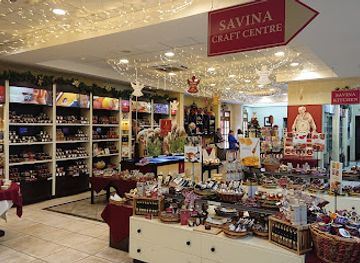
Shopping in Xlendi is limited and closely linked to the waterfront, with small convenience shops, beach-oriented goods and visitor souvenirs rather than a major retail district. The village is better suited to browsing local food products and modest keepsakes than to dedicated fashion or department-store shopping. For a wider choice, Victoria’s streets and market areas offer groceries, bakeries, household goods and souvenirs, while villages across Gozo provide opportunities to find ġbejna, Gozitan honey, olive products, wine and traditional confectionery. Visitors may also encounter Maltese lace, handmade pottery, filigree jewellery and carved limestone items, although quality and provenance vary. Buying directly from established local producers or craft businesses gives greater context to these products and avoids mistaking mass-produced souvenirs for traditional Gozo workmanship.
-
Supermarket
Ta' Dirjanu Supermarket
Explore the flavors of Gozo at Ta' Dirjanu Supermarket, where local products and friendly service await every traveler.
6 min drive · 2.0 km from city centre
-
Store
Savina Artisan Centre, The Magro Food Village
Discover the flavors of Gozo at Savina Artisan Centre, where local craftsmanship and culinary traditions come to life.
9 min drive · 3.1 km from city centre
-
Jewelry store
Ta' Dbiegi Crafts Village
Explore the artistry of local craftsmen at Ta' Dbiegi Crafts Village, a treasure trove of unique jewelry and artisan creations in Gharb, Malta.
8 min drive · 2.7 km from city centre
-
Ice Cream
Gelateria Granola
Discover the sweet taste of Italy at Gelateria Granola, where every scoop is a moment of bliss amidst the beauty of Munxar.
3 min walk · 0.2 km from city centre

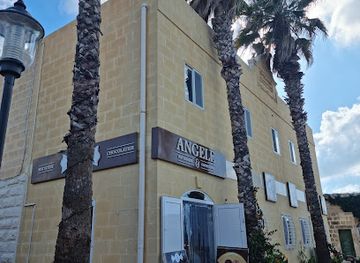
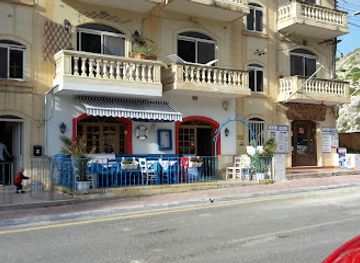
Get your free copy of our complete guide to Xlendi, delivered straight to you.
Everything on this page, from attractions and restaurants to essentials and local phrases, in one PDF you can read offline, print or share.
Already have an account? Sign in
Your Xlendi guide is ready.
We'll send it to · Not you? Sign out

Getting your guide ready…
We are putting together a fresh copy of the Xlendi guide. This can take up to a minute.
This can take a few moments. If your browser asks, choose Allow so the download can start. You'll find the guide in your Downloads folder.
Nothing happened? Download it again
Sorry, the guide is taking longer than usual. Please try again in a minute, or get it by email instead.
Xlendi essentials
Currency and Payment
Safety
Emergency Situations
Do's and Don'ts
Local Tips
From Eve
Local phrases worth knowing
You don't need to get them perfect. A few words go a long way, and locals appreciate the effort.
Basics
| English | Local | Say it |
|---|---|---|
| Hello | Bongu | [Bon-goo] |
| Goodbye | Saħħa | [Sa-ha] |
| Yes | Iva | [Ee-va] |
| No | Le | [Le] |
| Please/You're welcome | Jekk jogħġbok | [Yekk yoj-bok] |
| Thank you | Grazzi | [Grat-see] |
| Excuse me/Sorry | Jekk jogħġbok | [Yekk yoj-bok] |
| How are you? | Kif int? | [Kif int?] |
| Fine. And you? | Ħaj | [Hay] |
| Do you speak English? | Titkellem bl-Ingliż? | [Tit-kel-lem bl-Ing-liz] |
| I don't understand | Ma nifhimx | [Ma neef-heems] |
Eating & Drinking
| English | Local | Say it |
|---|---|---|
| I'd like to see the menu, please | Nixtieq inara il-menu, jekk jogħġbok | [Nis-tee-ek in-ara il-meh-noo, yekk yoj-bok] |
| I don't eat meat | Ma niekolx laħam | [Ma nee-ek-olsh la-ham] |
| Cheers! | Saħħa! | [Sa-ha!] |
| I would like to pay, please | Nixtieq inħallas, jekk jogħġbok | [Nis-tee-ek in-hal-las, yekk yoj-bok] |
Emergencies
| English | Local | Say it |
|---|---|---|
| Help! | Għajnuna! | [Aye-noo-na] |
| Go away! | Mur! | [Moor] |
| Call the Police! | Ibgħat il-Pulizija! | [Ib-ghat il-Po-li-zee-ya] |
| Call a doctor! | Ibgħat tabib! | [Ib-ghat ta-beeb] |
| I'm lost | Inkejt | [In-ket] |
| I'm ill | Nixtieq tabib | [Nis-tee-ek ta-beeb] |
Shopping
| English | Local | Say it |
|---|---|---|
| I'd like to buy... | Nixtieq inixtri... | [Nis-tee-ek in-is-tree] |
| I'm just looking | Qed nara biss | [Kwed na-ra bis] |
| How much is it? | Kemm huwa? | [Kemm hoo-wa] |
| That's too expensive | Dan huwa wisq għali | [Dan hoo-wa wees-ga gha-li] |
| Can you lower the price? | Tista' tniżżel il-prezz? | [Tis-ta tni-zzel il-prez] |
Time & Numbers
| English | Local | Say it |
|---|---|---|
| What time is it? | X'ħin huwa? | [Shin hoo-wa] |
| It's one o'clock | Huwa waħda | [Hoo-wa wad-da] |
| Half past (10) | Nofs għaxar | [Nofs ra-shar] |
| Morning | Filgħodu | [Fil-od-oo] |
| Afternoon | Waraba' | [Wa-ra-ba] |
| Evening | Filgħaxija | [Fil-ash-ee-ya] |
| Yesterday | Ilbieraħ | [Il-bi-ra] |
| Today | Illum | [Ee-lum] |
| Tomorrow | Għada | [A-da] |
| 1 | Wieħed | [Wee-hed] |
| 2 | Tnejn | [Tnejn] |
| 3 | Tlieta | [Tlee-ta] |
| 4 | Erba' | [Er-ba] |
| 5 | Ħamsa | [Ham-sa] |
| 6 | Sitta | [Sit-ta] |
| 7 | Seba' | [Seb-a] |
| 8 | Tmienja | [Tmee-en-ya] |
| 9 | Disgħa | [Dis-a] |
| 10 | Għaxra | [A-shra] |
Transport & Directions
| English | Local | Say it |
|---|---|---|
| Where's a/the...? | Fejn hemm... | [Feyn hemm] |
| What's the address? | X'inhu l-indirizz? | [Shin-hoo l-in-direetzz] |
| Can you show me (on the map)? | Tista' turi (fuq il-mappa)? | [Tis-ta too-ree (fuq il-map-pa)] |
| When's the next (bus)? | Meta jasal in-niesa tiegħu? | [Me-ta ya-sal in-nye-sa tee-ew] |
| A ticket (to ....) | Biljett (għal ....) | [Bil-yet (gal ....)] |
History of Xlendi
An Ancient Coastal Anchorage
Xlendi’s sheltered inlet offered boats a useful refuge along Gozo’s south-west coast long before the modern village developed. The wider island preserves evidence of prehistoric settlement, Punic and Roman activity, and later agricultural communities, although Xlendi itself remained a small coastal environment rather than a major urban centre. Tombs and other archaeological traces found around Gozo indicate the long use of its valleys and shorelines, while the natural inlet provided access to the interior through the Xlendi valley. This relationship between coast and countryside continued to shape the settlement’s economy: fishing, small-scale farming and maritime movement were more important than dense construction or large-scale commerce.
Medieval Gozo and Rural Settlement
During the medieval period, Gozo was governed through changing Sicilian and Maltese political structures and remained predominantly rural. Its inhabitants lived in scattered agricultural communities and fortified settlements, relying on grain, livestock, fishing and the cultivation of vines and olives where conditions allowed. Xlendi’s valley connected the inlet with the hinterland near Munxar and Sannat, but the coastline offered little protection from raiding. The absence of a substantial harbour town reflects both the small scale of the local population and the insecurity of the surrounding Mediterranean. Gozo’s history during these centuries was therefore shaped as much by defensive needs and agricultural survival as by formal urban development.
The Knights and Coastal Defence
The arrival of the Order of St John in Malta in 1530 brought a more systematic approach to coastal surveillance. After repeated attacks on the Maltese islands, the Order strengthened vulnerable bays and approaches with watchtowers and other defensive works. Xlendi Tower was built in 1650 under Grand Master Giovanni Paolo Lascaris, standing above the inlet as part of this network. Its purpose was to observe maritime traffic, warn nearby communities and discourage landings rather than to serve as a grand residence. The tower remains the clearest physical reminder of the period when Xlendi’s strategic value lay in guarding a remote stretch of Gozo’s coastline.
Fishing, Farming and the Chapel
For much of its later history, Xlendi remained a small fishing and farming settlement linked administratively to the surrounding villages, particularly Munxar. Boats used the bay for shelter and the local population combined coastal work with cultivation in the valley and on the nearby plateau. The Chapel of Our Lady of Mount Carmel, associated with the settlement’s religious life, reflects the importance of Catholic devotion within Gozo’s rural communities. Rather than developing as a planned town, Xlendi grew gradually around the inlet, with modest dwellings, working shoreline spaces and paths connecting the coast to inland fields.
The Rise of a Seaside Village
During the twentieth century, improvements in roads, transport and domestic tourism gradually changed Xlendi’s role. Fishing remained part of its identity, but the clear water, dramatic limestone setting and accessible bay attracted swimmers, holidaymakers and visitors from across Malta and Gozo. Waterfront restaurants, residences and small visitor businesses appeared around the inlet, transforming a working coastal settlement into a popular seaside village. Modern Xlendi still retains the scale of a small community, while its tower, chapel, valley and surviving rural surroundings preserve connections with earlier periods. The village’s contemporary character is therefore the result of tourism layered over a much older maritime and agricultural landscape.
Xlendi in Photos
Browse through our photo collection highlighting the charm and character of the destination.
Cities near Xlendi
The closest cities to Xlendi, if you have time for more than one stop.
-

-

-

-

-


Swipe for more cities
Explore more
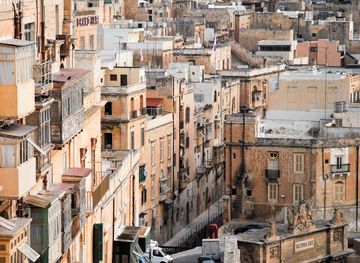
Explore more of Malta
Discover Malta's crystal-clear waters, rich history, and vibrant culture. From ancient temples to modern nightlife, this Mediterranean gem offers something for everyone.
Explore Malta