

Free Xewkija Travel Guide & Mobile App
Plan your Xewkija trip with Evendo. Get free guides to top attractions, restaurants, hotels, and bars. Web access or download the mobile app.


Xewkija, Gozo, offers Malta sightseeing through its vast Rotunda, limestone village streets, parish traditions and central access to Gozan heritage.
A Village at Gozo’s Centre
Xewkija occupies a central position on the Maltese island of Gozo, between the island’s capital, Victoria, and the ferry harbour at Mġarr. Its streets spread around the enormous Rotunda of St John the Baptist, whose broad limestone dome dominates the local skyline and serves as one of Gozo’s most recognisable landmarks. Although Xewkija is an established village rather than a resort, its central location makes it a useful base for exploring the island’s churches, countryside and coastal settlements.Read more about Xewkija
The Rotunda and Village Life
Heritage Beyond the Main Square
When is the best time to visit Xewkija?
Best: May–June, October · 25–30°C| Month | High (°C) | Rainfall (mm) |
|---|---|---|
| January | 18 | 90 |
| February | 18 | 70 |
| March | 18 | 50 |
| April | 21 | 30 |
| May (best) | 25 | 20 |
| June (best) | 30 | 5 |
| July | 33 | 5 |
| August | 33 | 5 |
| September | 31 | 20 |
| October (best) | 27 | 40 |
| November | 23 | 60 |
| December | 19 | 80 |
Getting to and around Xewkija
How to get there
Transportation
Best attractions in Xewkija
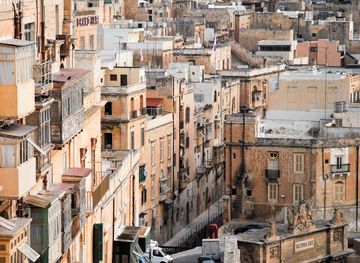
Xewkija’s principal attraction is the Rotunda of St John the Baptist, whose immense dome and spacious interior dominate the village and provide a striking introduction to Gozan religious architecture. Visitors can explore the church’s limestone interior, devotional artworks and parish setting, subject to worship and access arrangements. Around it, quiet lanes reveal traditional Maltese building materials, enclosed balconies and village squares rather than a dense tourist quarter. St Cecilia’s Chapel offers a very different experience: this small rural sanctuary preserves a more intimate, medieval character and sits within the countryside associated with Xewkija’s older religious landscape. The village is also a useful starting point for reaching central Gozo’s fields, country roads and neighbouring communities, while annual celebrations for St John the Baptist add processions, music and decorated streets to the local calendar. The appeal lies in observing how a monumental church, modest residential streets and enduring parish customs coexist within a working Gozan village.
-
Archaeological site
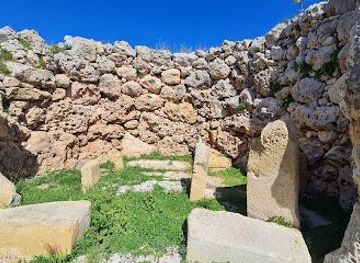
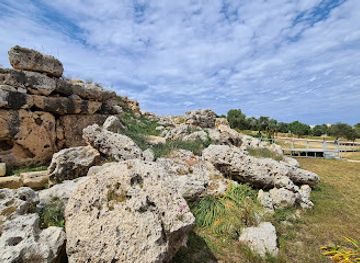
It-Tempji tal-Ġgantija
Explore Ġgantija, Malta's ancient megalithic temples, a UNESCO World Heritage Site that reveals the island's rich prehistoric heritage.
6 min drive · 1.8 km from city centre
-
Garden
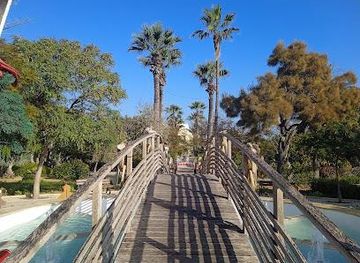
Villa Rundle Gardens
Discover tranquility and natural beauty at Villa Rundle Gardens in Victoria, Gozo. A perfect escape for nature lovers and peace seekers.
6 min drive · 1.9 km from city centre
-
Catholic church
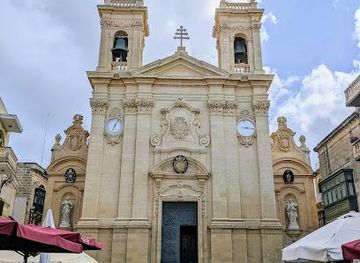
St George's Basilica
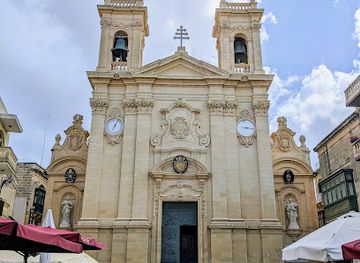
Explore the breathtaking St George's Basilica in Victoria, Malta, a stunning blend of Baroque architecture and rich spiritual heritage.
7 min drive · 2.3 km from city centre
-
Tourist attraction
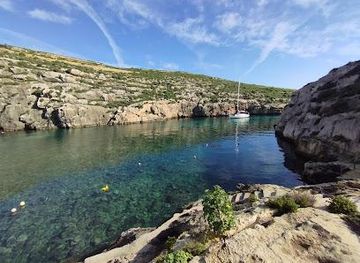
Mġarr ix-Xini
Discover Mġarr ix-Xini, a serene bay in Gozo, Malta, perfect for swimming, snorkeling, and savoring local seafood in a stunning natural setting.
5 min drive · 1.7 km from city centre
Best landmarks in Xewkija
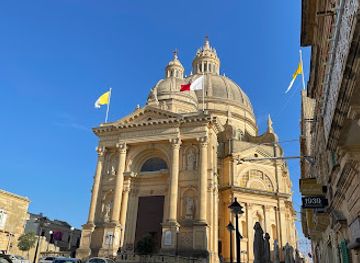
The Rotunda of St John the Baptist is Xewkija’s defining landmark, a vast twentieth-century parish church built in local limestone after the earlier church became too small for the congregation. Its enormous dome, completed as part of the rebuilding project begun in 1951, is an imposing expression of parish ambition and communal effort. Inside, broad galleries, stone detailing and religious artworks create a sense of scale unusual for a Gozan village church. St Cecilia’s Chapel provides a historical counterpoint: smaller, rural and medieval in character, it reflects the older network of chapels that served scattered communities before the modern Rotunda was built. The parish square and surrounding streets are landmarks of a different kind, preserving the village’s social setting through limestone façades, balconies and routes shaped by church life. Together, these places show Xewkija’s passage from rural parish to a village recognised across Gozo by its monumental skyline.
-
Archaeological site
It-Tempji tal-Ġgantija
Explore the ancient Ggantija Temples in Malta, a UNESCO World Heritage site showcasing prehistoric architecture and rich cultural heritage.
6 min drive · 1.8 km from city centre
-
Historical landmark
Foso e Interior Citadelle De Victoria
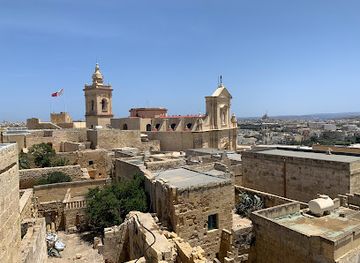
Discover the historic Foso e Interior Citadelle De Victoria, a stunning landmark in Gozo with breathtaking views and rich cultural heritage.
7 min drive · 2.4 km from city centre
-
Catholic church
St George's Basilica
Discover St George's Basilica: A Baroque architectural marvel in the heart of Victoria, Malta, rich with history and art.
7 min drive · 2.3 km from city centre
-
Basilica
Rotunda St. John Baptist Church
Explore the Rotunda St. John Baptist Church, a stunning basilica in Xewkija, Malta, famous for its striking dome and rich cultural heritage.
2 min walk · 0.2 km from city centre
Explore Xewkija on the map
Plan your Xewkija trip on one map. See where the top attractions, landmarks, restaurants, bars and hotels are, find what's near where you're staying, and book hotels and experiences in a few clicks.
Best hotels in Xewkija
Best restaurants in Xewkija
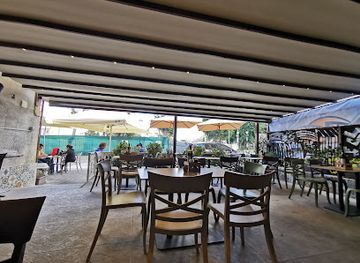
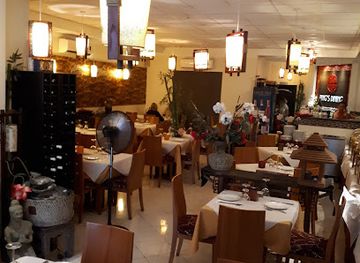
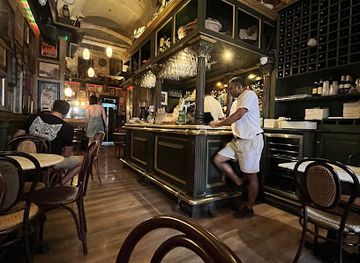
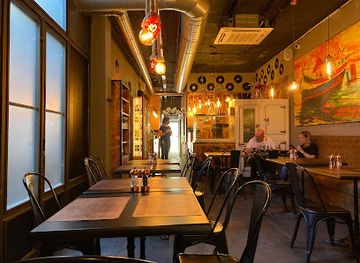
Dining in Xewkija is shaped by Gozo’s rural traditions and by the practical scale of a residential village. Local menus may feature Maltese and Gozitan staples such as gbejna, the island’s small sheep’s-cheeselet, rabbit, pastizzi, ftira and rich vegetable dishes, often alongside pasta, fish and Mediterranean preparations. Gozo’s produce, including tomatoes, potatoes, olives, honey and seasonal fruit, gives village cooking a strong connection with the surrounding fields. Around the Rotunda and central roads, visitors find cafés, bakeries and modest places to eat, while a wider choice of restaurants is available in nearby Victoria and other Gozo settlements. Traditional snacks are useful for a quick daytime stop, whereas village restaurants tend to offer a slower meal influenced by Maltese home cooking. Menus and opening patterns can be seasonal, so smaller establishments may require advance checking.
-
Restaurant
Coffee Break Café & Bistro
Experience delicious meals and aromatic coffee at Coffee Break Café & Bistro in Victoria, Gozo - your cozy retreat in paradise.
6 min drive · 2.2 km from city centre
-
Chinese
Ping's Dynasty Sushi Chinese Restaurant Gozo
Discover exquisite flavors at Ping's Dynasty Sushi Chinese Restaurant in Gozo - where Asian culinary traditions blend beautifully.
5 min drive · 1.7 km from city centre
-
Restaurant
Café Jubilee
Experience authentic Maltese cuisine at Café Jubilee, where delicious breakfasts meet charming local ambiance in Victoria.
7 min drive · 2.3 km from city centre
-
Restaurant
Casa Vostra
Discover Casa Vostra in Rabat, Gozo: A culinary haven serving exquisite Mediterranean dishes in a warm and inviting atmosphere.
6 min drive · 2.0 km from city centre
Best bars in Xewkija
Xewkija has a subdued evening scene centred on local cafés, parish social life and traditional village bars rather than dedicated nightclubs. A drink in the vicinity of the Rotunda can be part of an ordinary Gozan evening, with residents meeting for conversation and visitors observing the village atmosphere. During the festa of St John the Baptist, music, decorations, processions and community events create a much livelier public setting, although the character remains local and religious rather than club-focused. For a broader choice of wine bars, pubs, live music and late-night venues, travellers generally look towards Victoria, the island’s main urban centre, or resort areas elsewhere in Gozo. Evening travel between villages is easier when transport is arranged in advance, as rural bus services may be limited later in the day.
-
Restaurant
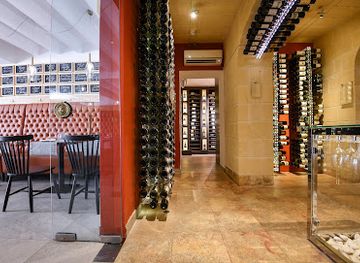
Vini e Capricci by Abraham's
Discover the exquisite fusion of gourmet dining, fine wines, and a vibrant atmosphere at Vini e Capricci by Abraham's in Xewkija, Gozo.
4 min walk · 0.4 km from city centre
-
Family-friendly
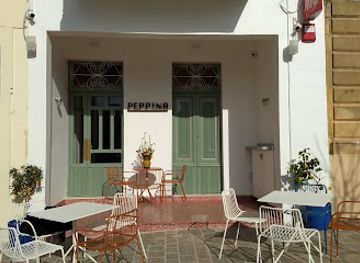
Peppina
Discover Peppina in Xewkija, Gozo: A family-friendly restaurant serving authentic Italian cuisine in a warm and inviting atmosphere.
1 min walk · 0.1 km from city centre
-
Restaurant
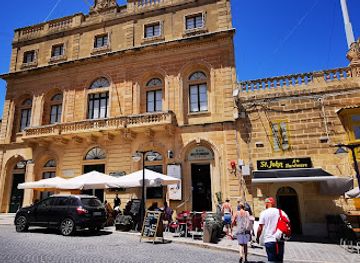
Rotunda Café Bar
Experience the authentic flavors of Malta at Rotunda Café Bar in Xewkija, where local dishes and wines create unforgettable moments.
2 min walk · 0.1 km from city centre
-
Restaurant
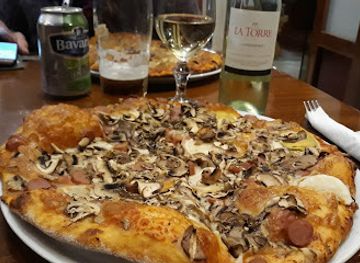
Tax-Xiber Restaurant
Experience authentic Maltese cuisine at Tax-Xiber Restaurant in Xewkija, where local flavors and warm hospitality create lasting memories.
8 min walk · 0.7 km from city centre
Best nightclubs in Xewkija
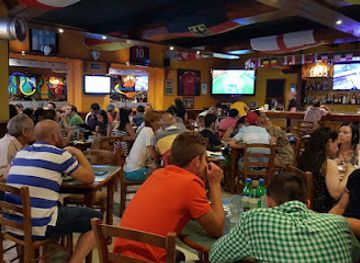
Xewkija has a subdued evening scene centred on local cafés, parish social life and traditional village bars rather than dedicated nightclubs. A drink in the vicinity of the Rotunda can be part of an ordinary Gozan evening, with residents meeting for conversation and visitors observing the village atmosphere. During the festa of St John the Baptist, music, decorations, processions and community events create a much livelier public setting, although the character remains local and religious rather than club-focused. For a broader choice of wine bars, pubs, live music and late-night venues, travellers generally look towards Victoria, the island’s main urban centre, or resort areas elsewhere in Gozo. Evening travel between villages is easier when transport is arranged in advance, as rural bus services may be limited later in the day.
-
Restaurant
Universal Sport Bar & Restaurant
Experience the vibrant ambiance at Universal Sport Bar & Restaurant in Xewkija, where sports meet delicious cuisine in a friendly atmosphere.
9 min walk · 0.7 km from city centre
-
Bar
Flamingo
Discover a lively nightlife experience at Flamingo, a popular bar in Victoria, Għawdex, known for its vibrant atmosphere and friendly service.
5 min drive · 1.7 km from city centre
-
Bar
X.T. Sports cafe
Discover the lively atmosphere at X.T. Sports Cafe, the perfect destination for sports lovers and nightlife enthusiasts in Xewkija.
1 min walk · 0.1 km from city centre
-
Bar
Hive Bar & Lounge
Discover the vibrant atmosphere of Hive Bar & Lounge in Victoria, Malta, where delicious drinks and local flavors meet an inviting nightlife experience.
5 min drive · 1.7 km from city centre


Best shops in Xewkija
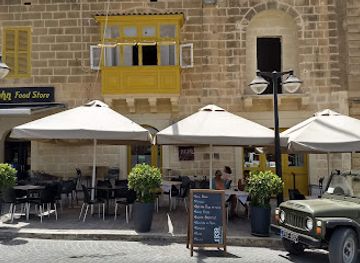
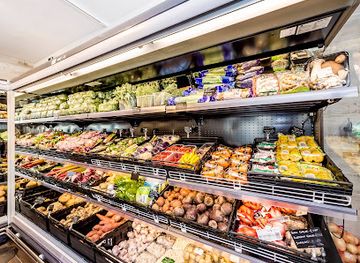
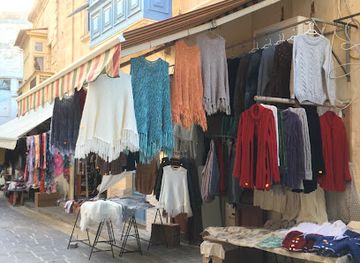
Shopping in Xewkija is modest and local in character, with everyday village shops, small food businesses and cafés rather than a concentrated retail district. Visitors interested in Gozan products can look for gbejna, local honey, preserves, olive oil, wine, liqueurs and seasonal produce, although availability varies between businesses and seasons. Maltese lace, pottery, glasswork and other crafts are more commonly found through specialist retailers and craft outlets elsewhere on Gozo, particularly in Victoria and larger tourist centres. The village’s most meaningful purchases are often edible or locally made rather than luxury goods, reflecting the island’s agricultural traditions. For a wider choice of shops, supermarkets, gifts and artisan products, Victoria is the practical nearby centre. Respect private property and agricultural land when exploring rural lanes, as not every roadside stall or farm entrance is a public shop.
-
Store
Savina Artisan Centre, The Magro Food Village
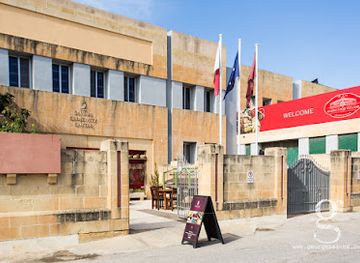
Discover the essence of Maltese culture at Savina Artisan Centre, Gozo's premier destination for local gourmet foods and artisanal products.
9 min walk · 0.8 km from city centre
-
Fish store
Island Fisheries Limited
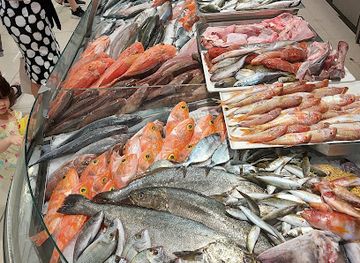
Experience the best of Malta's seafood at Island Fisheries Limited, where freshness meets tradition in every catch.
9 min walk · 0.7 km from city centre
-
Greengrocer
Daily Fresh ix-Xewkija Gozo
Discover the freshest local produce and authentic Gozitan flavors at Daily Fresh ix-Xewkija, your go-to greengrocer in Gozo.
4 min walk · 0.3 km from city centre
-
Boutique
Kathleen's Boutique
Explore Kathleen's Boutique in Victoria, Gozo – your destination for unique fashion and accessories that reflect the charm of the island.
7 min drive · 2.4 km from city centre
Get your free copy of our complete guide to Xewkija, delivered straight to you.
Everything on this page, from attractions and restaurants to essentials and local phrases, in one PDF you can read offline, print or share.
Already have an account? Sign in
Your Xewkija guide is ready.
We'll send it to · Not you? Sign out

Getting your guide ready…
We are putting together a fresh copy of the Xewkija guide. This can take up to a minute.
This can take a few moments. If your browser asks, choose Allow so the download can start. You'll find the guide in your Downloads folder.
Nothing happened? Download it again
Sorry, the guide is taking longer than usual. Please try again in a minute, or get it by email instead.
Xewkija essentials
Currency and Payment
Safety
Emergency Situations
Do's and Don'ts
Local Tips
From Eve
Local phrases worth knowing
You don't need to get them perfect. A few words go a long way, and locals appreciate the effort.
Basics
| English | Local | Say it |
|---|---|---|
| Hello | Bonġu | [bon-joo] |
| Goodbye | Ċaw | [chaw] |
| Yes | Iva | [ee-va] |
| No | Le | [lay] |
| Please/You're welcome | Jekk jogħġbok | [yek joh-jo-book] |
| Thank you | Grazzi | [grat-see] |
| Excuse me/Sorry | Skuzani | [skoo-za-nee] |
| How are you? | Kif int? | [keef eent] |
| Fine. And you? | Tajjeb. U int? | [tai-yeb ooh eent] |
| Do you speak English? | Titkellem bl-Ingliż? | [teet-kel-lem bul-een-gleez] |
| I don't understand | Ma nifhimx | [mah neef-heemsh] |
Eating & Drinking
| English | Local | Say it |
|---|---|---|
| I'd like to see the menu, please | Nixtieq inara l-menù, jekk jogħġbok | [nishtee-ek in-ara l-men-oo yek joh-jo-book] |
| I don't eat meat | Ma niekolx laħam | [mah nee-ekolsh la-ham] |
| Cheers! | Saħħa! | [sa-ha] |
| I would like to pay, please | Nixtieq nħallas, jekk jogħġbok | [nishtee-ek nal-las yek joh-jo-book] |
Emergencies
| English | Local | Say it |
|---|---|---|
| Help! | Għiduni! | [eed-oo-nee] |
| Go away! | Ibqa' | [ib-qa] |
| Call the Police! | Ċempil il-Pulizija! | [chem-pil eel-poo-lee-zee-ya] |
| Call a doctor! | Ċempil tabib! | [chem-pil ta-beeb] |
| I'm lost | Ninsab magħluq | [nin-sab ma-luk] |
| I'm ill | Jien imdejjaq | [yee-en im-dey-yak] |
Shopping
| English | Local | Say it |
|---|---|---|
| I'd like to buy... | Nixtieq inixtri... | [nishtee-ek in-ees-tree] |
| I'm just looking | Qed nara biss | [ked na-ra beess] |
| How much is it? | Kemm jiswa? | [kem yis-wa] |
| That's too expensive | Dak huwa wisq sħiħ | [dak hoo-wa wees-sh saw] |
| Can you lower the price? | Tista' taħdem il-prezz? | [tis-ta tahd-em eel-prezz] |
Time & Numbers
| English | Local | Say it |
|---|---|---|
| What time is it? | X'ħin huwa? | [shin hoo-wa] |
| It's one o'clock | Huwa l-ewwel siegħa | [hoo-wa lewel see-eha] |
| Half past (10) | Noxtri | [no-shtri] |
| Morning | Filgħodu | [fil-gho-du] |
| Afternoon | Waranofsinhar | [wa-ra-no-fsi-nar] |
| Evening | Waranotte | [wa-ra-not-te] |
| Yesterday | Ilbieraħ | [il-beer-ah] |
| Today | Illum | [i-loom] |
| Tomorrow | Għada | [ada] |
| 1 | Wieħed | [wee-hed] |
| 2 | Tnejn | [t-neyn] |
| 3 | Tlieta | [t-lee-ta] |
| 4 | Erba' | [er-ba] |
| 5 | Ħamsa | [ham-sa] |
| 6 | Sitta | [sit-ta] |
| 7 | Sebgħa | [seb-gha] |
| 8 | Tmienja | [t-mee-en-ya] |
| 9 | Disgħa | [dis-gha] |
| 10 | Għaxra | [a-ra] |
Transport & Directions
| English | Local | Say it |
|---|---|---|
| Where's a/the...? | Fejn hemm... | [feyn hemm] |
| What's the address? | X'inhu l-indirizz? | [shin-hoo l-ind-ee-reesh] |
| Can you show me (on the map)? | Tista' turiini (fuq il-mappa)? | [tis-ta too-ree-nee fuq eel-map-pa] |
| When's the next (bus)? | Meta jasal il-ġej? | [meh-ta ya-sal il-je] |
| A ticket (to ....) | Biljett (għal ....) | [bil-yet gal] |
History of Xewkija
Early Settlement in Central Gozo
Xewkija stands in an area shaped by Gozo’s long agricultural and settlement history. The surrounding island has evidence of prehistoric communities, later Roman activity and medieval rural life, although the modern village developed gradually rather than from a single known foundation. Its central position connected farming communities and routes between the island’s important settlements. The name Xewkija is generally associated with the Maltese word xewk, meaning thorn, reflecting the scrubby landscape that once formed part of the local environment. As elsewhere in Gozo, limestone, cultivated fields and small rural chapels provided the physical setting for a community whose life was closely tied to land, parish and seasonal work.
The Parish Takes Shape
Xewkija became an independent parish in 1678, a significant step in the village’s religious and civic development. Parish status gave local residents a stronger institutional identity and made the village church the focus of administration, worship and communal life. The period belonged to the rule of the Order of St John, which governed Malta and Gozo from 1530 until 1798. Under this system, Gozo remained predominantly rural, with villages organised around churches, fields and small craft economies. Xewkija’s parish community grew around its earlier church, while chapels and countryside landmarks preserved links with older forms of devotion and settlement.
Chapels and Rural Religious Heritage
Before the present Rotunda transformed the skyline, Xewkija’s heritage was expressed through its parish church and smaller rural chapels. St Cecilia’s Chapel is especially important as a surviving medieval building associated with the village’s religious landscape. Its scale and rural setting contrast with the monumental church that came later, offering evidence of earlier devotional practices and the island’s tradition of building in local limestone. These chapels also reflect the dispersed character of Gozo, where agricultural communities combined parish worship with smaller sanctuaries linked to fields, villages and particular saints.
A New Parish Church
By the twentieth century, Xewkija’s original parish church could no longer accommodate the growing congregation, leading to the construction of a much larger church dedicated to St John the Baptist. Work on the present Rotunda began in 1951, and the building was completed and consecrated in the 1970s. The project was a major communal undertaking, with residents contributing labour, materials and financial support. Built in Malta’s characteristic limestone, the church created an immense interior beneath its dome while preserving the parish’s older religious identity. Elements from the former church were incorporated into the new building, linking Xewkija’s modern landmark with its earlier history.
Contemporary Xewkija
Modern Xewkija remains a residential and parish-centred village within the wider urban network of central Gozo. The Rotunda has become both a place of worship and an architectural reference point for visitors travelling between Victoria and Mġarr. Local festivities continue to connect religious observance with music, street decoration, processions and social gatherings, particularly around the feast of St John the Baptist. At the same time, the village’s quieter lanes and agricultural edges retain a distinctly Gozitan character. Xewkija’s contemporary identity therefore combines a major twentieth-century monument with older patterns of village life, chapel devotion and community organisation.
Xewkija in Photos
Browse through our photo collection highlighting the charm and character of the destination.
Cities near Xewkija
The closest cities to Xewkija, if you have time for more than one stop.
-

-

-

-

-


Swipe for more cities
Explore more
Explore more of Malta
Discover Malta's crystal-clear waters, rich history, and vibrant culture. From ancient temples to modern nightlife, this Mediterranean gem offers something for everyone.
Explore Malta