

Free Xaghra Travel Guide & Mobile App
Plan your Xaghra trip with Evendo. Get free guides to top attractions, restaurants, hotels, and bars. Web access or download the mobile app.


Xagħra, Malta: explore Ġgantija’s Neolithic temples, village heritage, limestone caves, local food and the quiet landscapes of northern Gozo.
Ancient Landscapes
Xagħra occupies a limestone plateau in northern Gozo, where dry-stone walls, cultivated fields and country lanes surround some of Malta’s most important prehistoric remains. Its defining monument is the Ġgantija Archaeological Park, home to two Neolithic temples built between approximately 3600 and 3200 BC. Their enormous limestone blocks and carefully planned chambers offer an exceptional insight into the ritual world of Malta’s early farming communities, while the nearby Xagħra Stone Circle preserves evidence of an underground burial complex dating to the Neolithic period.Read more about Xaghra
A Traditional Gozitan Village
Culture, Food and the Countryside
When is the best time to visit Xaghra?
Best: May–July · 24–30°C| Month | High (°C) | Rainfall (mm) |
|---|---|---|
| January | 18 | 90 |
| February | 18 | 80 |
| March | 18 | 70 |
| April | 19 | 50 |
| May (best) | 24 | 30 |
| June (best) | 28 | 20 |
| July (best) | 30 | 20 |
| August | 31 | 30 |
| September | 29 | 50 |
| October | 26 | 70 |
| November | 22 | 80 |
| December | 19 | 90 |
Getting to and around Xaghra
How to get there
Transportation
Best attractions in Xaghra
Xagħra’s principal attraction is the Ġgantija Archaeological Park, where two monumental Neolithic temples stand amid the fields and interpretive displays explain the island’s Temple Period. Nearby, the Xagħra Stone Circle reveals an underground funerary complex whose chambers and discoveries shed light on prehistoric burial practices. Ta’ Kola Windmill offers a different view of local history, showing how a traditional Gozitan windmill operated and how rural households once processed grain. Beneath the village, Ninu’s Cave and Xerri’s Grotto contain limestone chambers reached through private houses, giving visitors an intimate sense of Gozo’s still-active geological landscape. The Parish Church of the Nativity of the Virgin Mary anchors the village square, while lanes leading towards Marsalforn pass fields, rubble walls and country scenery. Together these sites make Xagħra unusually rewarding for visitors interested in archaeology, vernacular life and the relationship between a living village and its ancient surroundings.
-
Archaeological site
It-Tempji tal-Ġgantija
Discover the ancient Ġgantija Temples in Xagħra, Malta, a UNESCO World Heritage site showcasing the brilliance of prehistoric architecture and culture.
4 min walk · 0.3 km from city centre
-
Beach
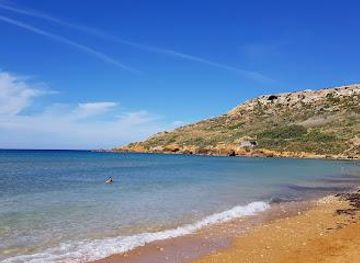
Ramla Beach
Explore the stunning Ramla Beach in Malta, where golden sands meet crystal-clear waters for the perfect beach getaway.
7 min drive · 2.2 km from city centre
-
Scenic spot
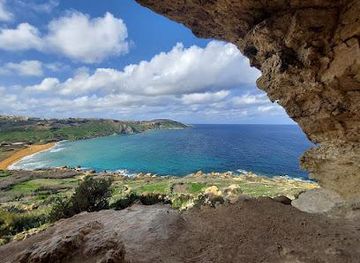
Tal-Mixta Cave
Discover the breathtaking views and serene beauty of Tal-Mixta Cave in Nadur, Malta, a must-visit destination for every traveler.
8 min drive · 2.7 km from city centre
-
Tourist attraction
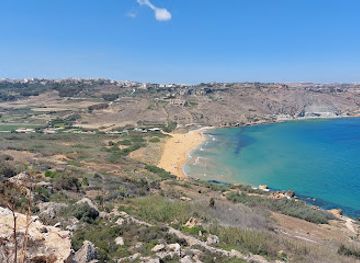
Ramla Bay
Experience the stunning beauty of Ramla Bay, a perfect blend of golden sands, rich history, and breathtaking views on the island of Gozo.
7 min drive · 2.2 km from city centre

Best landmarks in Xaghra
The Ġgantija temples are Xagħra’s defining landmarks: their massive coralline limestone blocks, monumental entrance and apsidal chambers represent the architectural ambition of Malta’s Neolithic temple builders. The complex forms part of the UNESCO-listed Megalithic Temples of Malta. The Xagħra Stone Circle is significant for a different reason, preserving a subterranean burial site associated with the Temple Period and offering evidence of ritual and funerary practices. In the village centre, the Parish Church of the Nativity of the Virgin Mary gives Xagħra its civic and religious focus, with a large façade and dome visible above the surrounding houses. Ta’ Kola Windmill represents the practical heritage of Gozo’s farming communities, while Ninu’s Cave and Xerri’s Grotto reveal the naturally eroded limestone beneath the modern settlement. Together, these landmarks connect prehistoric ceremony, parish life, agriculture and geology.
-
Archaeological site
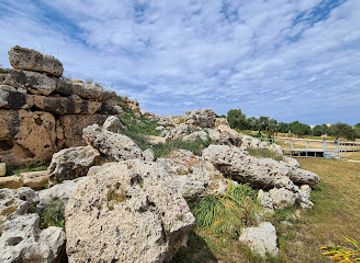
It-Tempji tal-Ġgantija
Explore the ancient marvels of Ġgantija, Malta's prehistoric temples that date back over 5,500 years, and uncover the mysteries of the Neolithic era.
4 min walk · 0.3 km from city centre
-
Historical landmark
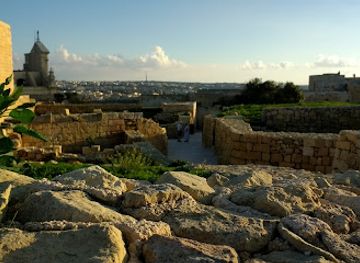
Foso e Interior Citadelle De Victoria
Discover the rich history and breathtaking views at Foso e Interior Citadelle De Victoria, a must-visit historical landmark in Gozo, Malta.
7 min drive · 2.2 km from city centre
-
Vista point
Cittadella Walkway
Discover the stunning vistas and rich history at Cittadella Walkway, a must-visit destination in Victoria, Malta, perfect for every traveler.
7 min drive · 2.3 km from city centre
-
Cathedral
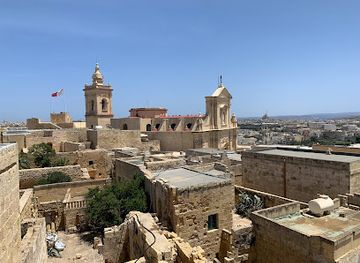
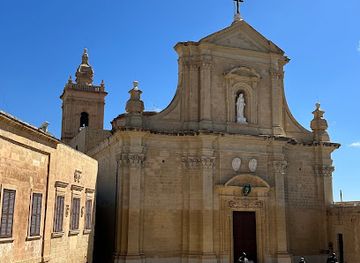
Cathedral of the Assumption
Discover the architectural beauty and historical significance of the Cathedral of the Assumption in Gozo, a must-see landmark for all travelers.
7 min drive · 2.2 km from city centre
Explore Xaghra on the map
Plan your Xaghra trip on one map. See where the top attractions, landmarks, restaurants, bars and hotels are, find what's near where you're staying, and book hotels and experiences in a few clicks.
Best hotels in Xaghra
Best restaurants in Xaghra
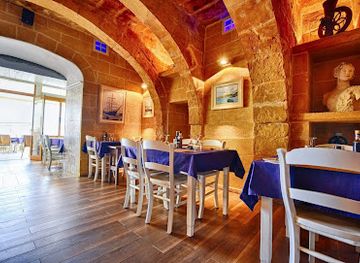
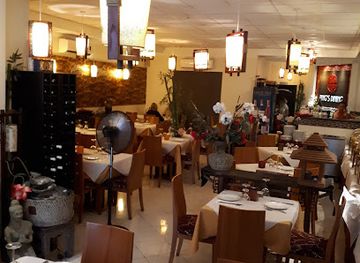
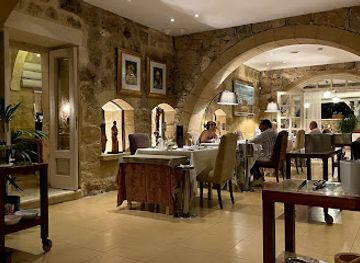
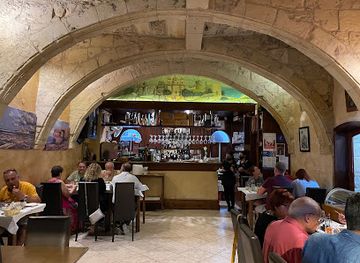
Dining in Xagħra reflects Gozo’s agricultural traditions and its position between inland villages and the northern coast. Menus commonly draw on ġbejna, the island’s small sheep’s-milk cheese, olives, capers, tomatoes, broad beans, rabbit and seasonal vegetables, while Maltese favourites such as pastizzi and ftira appear in casual settings. Gozitan honey and local wines also reflect the island’s dry climate and long farming history. Around the village square and adjoining streets, visitors find family-run restaurants, cafés and small eateries with a quieter atmosphere than the busier resort areas. Nearby Marsalforn adds seafood and waterfront dining, particularly during the warmer months. Food markets are not a defining feature of Xagħra itself, so local produce is more often encountered through restaurant menus, bakeries, village shops and farm-based products than through a large permanent market.
-
Restaurant
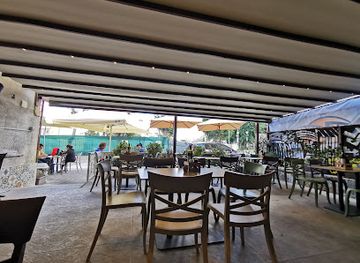
Coffee Break Café & Bistro
Discover delightful dining at Coffee Break Café & Bistro in Victoria, Gozo - where every meal is crafted with passion.
7 min drive · 2.2 km from city centre
-
Mediterranean
Il-Kartell Restaurant
Discover Il-Kartell Restaurant in Marsalforn - where Mediterranean flavors meet stunning views for an unforgettable dining experience.
7 min drive · 2.5 km from city centre
-
Chinese
Ping's Dynasty Sushi Chinese Restaurant Gozo
Experience the best of Asian cuisine at Ping's Dynasty Sushi Chinese Restaurant in Gozo – a culinary delight awaits!
6 min drive · 1.9 km from city centre
-
Restaurant
Casa Vostra
Experience authentic Maltese cuisine at Casa Vostra in Rabat, Gozo - where tradition meets flavor in every dish.
6 min drive · 2.0 km from city centre
Best bars in Xaghra
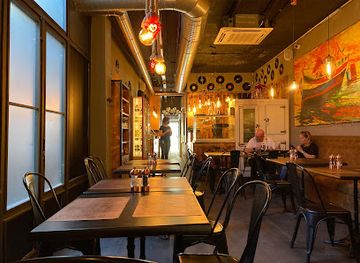
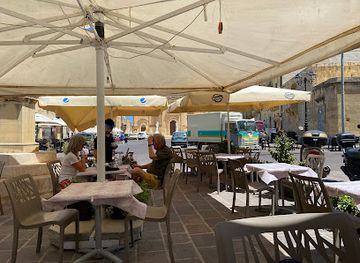
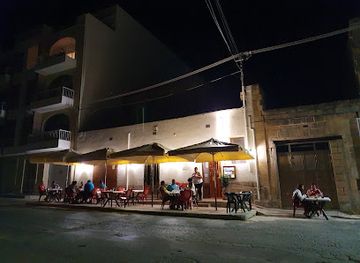
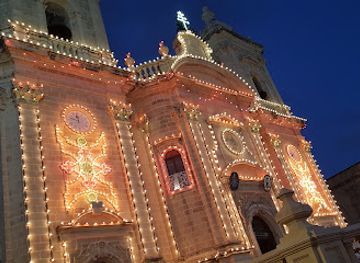
Xagħra has a modest, village-centred evening scene rather than a concentration of nightclubs. Social life often gathers around cafés, bars and restaurants near the parish square, where residents meet for conversation and seasonal festivities add music and colour to the streets. Traditional band clubs play an important role in Maltese and Gozitan village culture, particularly around the parish feast, when bands, processions and decorated public spaces extend well into the evening. For a broader choice of waterfront bars and later dining, visitors usually travel to nearby Marsalforn, while Victoria offers additional cafés, wine bars and cultural events. Entertainment is generally relaxed and conversational, with nightlife shaped more by village associations, religious calendars and summer visitors than by large clubs or all-night venues.
-
Maltese
Latini Restaurant Xaghra Gozo
Experience the best of Maltese cuisine at Latini Restaurant in Xaghra, Gozo, where every dish tells a story of tradition and flavor.
1 min walk · 0.1 km from city centre
-
Restaurant
Ta' Frenċ
Experience the pinnacle of Maltese cuisine at Ta' Frenċ, a fine dining restaurant in Gozo celebrated for its exquisite dishes and enchanting atmosphere.
18 min walk · 1.4 km from city centre
-
Maltese
Tal-Furnar Restaurant
Discover the rich flavors of Maltese cuisine and delicious pizza at Tal-Furnar Restaurant in Xagħra, a culinary gem worth exploring.
6 min walk · 0.5 km from city centre
-
Restaurant
Oleander Restaurant
Experience the essence of Mediterranean dining at Oleander Restaurant in Xagħra, Malta, where local flavors and warm hospitality meet.
1 min walk · 0.1 km from city centre
Best nightclubs in Xaghra
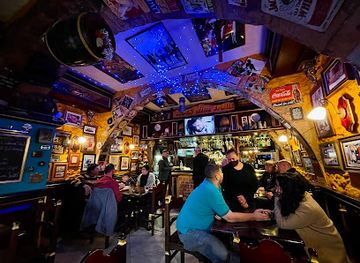
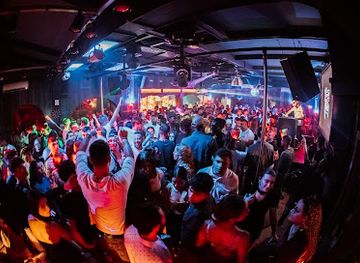
Xagħra has a modest, village-centred evening scene rather than a concentration of nightclubs. Social life often gathers around cafés, bars and restaurants near the parish square, where residents meet for conversation and seasonal festivities add music and colour to the streets. Traditional band clubs play an important role in Maltese and Gozitan village culture, particularly around the parish feast, when bands, processions and decorated public spaces extend well into the evening. For a broader choice of waterfront bars and later dining, visitors usually travel to nearby Marsalforn, while Victoria offers additional cafés, wine bars and cultural events. Entertainment is generally relaxed and conversational, with nightlife shaped more by village associations, religious calendars and summer visitors than by large clubs or all-night venues.
-
Bar
Rubble Bar
Experience the vibrant nightlife of Xagħra at Rubble Bar, where refreshing drinks and lively music create unforgettable memories.
1 min walk · 0.1 km from city centre
-
Night club
Piùtrentanove Lounge Bar
Discover the lively Piùtrentanove Lounge Bar in Marsalforn, offering exquisite cocktails, stunning views, and an unforgettable nightlife experience.
7 min drive · 2.4 km from city centre
-
Bar
73 In the Square
Experience the vibrant nightlife of Gozo at 73 In the Square, where local culture meets refreshing drinks in a lively atmosphere.
1 min walk · 0.1 km from city centre
-
Bar
Flamingo
Discover the electrifying nightlife at Flamingo, a popular bar and nightclub in Victoria, Għawdex, perfect for tourists and locals alike.
5 min drive · 1.8 km from city centre

Best shops in Xaghra
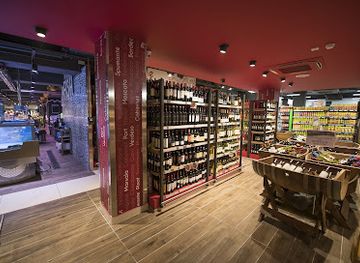
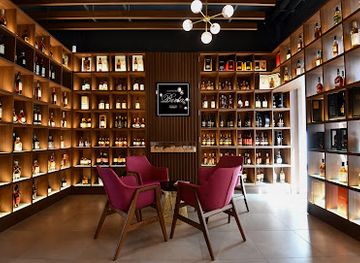
Shopping in Xagħra is centred on small village businesses rather than a large commercial district. Local shops and food outlets provide opportunities to buy Gozitan specialities such as ġbejna, honey, olive products, wine and traditional preserves, while bakeries and cafés offer everyday Maltese snacks including pastizzi. Visitors may also find locally made lace, ceramics, woven goods and small craft items associated with Gozo, although selection varies between businesses and seasons. The streets around the parish square have a practical, community-based retail character, not the concentration of boutiques found in larger centres. Victoria is the main nearby destination for a wider range of shops and regular market activity, while Marsalforn has seasonal outlets aimed at visitors. Buying food products from reputable retailers and checking packaging requirements is sensible when taking goods overseas.
-
Supermarket
Greens Supermarket Gozo
Discover a delightful shopping experience at Greens Supermarket in Gozo, where fresh produce meets local delicacies in a vibrant atmosphere.
6 min drive · 2.0 km from city centre
-
Restaurant
Vini e Capricci by Abraham's
Discover exquisite dining and a rich selection of wines at Vini e Capricci, a culinary gem in the heart of Gozo, Malta.
5 min drive · 1.5 km from city centre
-
Store
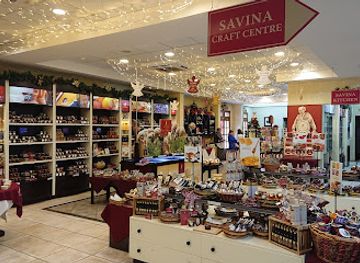
Savina Artisan Centre, The Magro Food Village
Discover the rich culinary heritage of Gozo at Savina Artisan Centre, where tradition meets flavor in a delightful shopping experience.
6 min drive · 1.9 km from city centre
-
Pet store
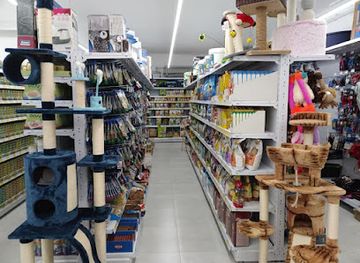
Agri and Pet Supplies
Discover quality pet supplies and gardening essentials at Agri and Pet Supplies, a must-visit in Ir-Rabat Għawdex for pet lovers and green thumbs.
5 min drive · 1.5 km from city centre
Get your free copy of our complete guide to Xaghra, delivered straight to you.
Everything on this page, from attractions and restaurants to essentials and local phrases, in one PDF you can read offline, print or share.
Already have an account? Sign in
Your Xaghra guide is ready.
We'll send it to · Not you? Sign out

Getting your guide ready…
We are putting together a fresh copy of the Xaghra guide. This can take up to a minute.
This can take a few moments. If your browser asks, choose Allow so the download can start. You'll find the guide in your Downloads folder.
Nothing happened? Download it again
Sorry, the guide is taking longer than usual. Please try again in a minute, or get it by email instead.
Xaghra essentials
Currency and Payment
Safety
Emergency Situations
Do's and Don'ts
Local Tips
From Eve
Local phrases worth knowing
You don't need to get them perfect. A few words go a long way, and locals appreciate the effort.
Basics
| English | Local | Say it |
|---|---|---|
| Hello | Merħba | [merh-ba] |
| Goodbye | Saħħa | [sa-ha] |
| Yes | Iva | [ee-va] |
| No | Le | [leh] |
| Please/You're welcome | Jekk jogħġbok | [yekk yoj-bok] |
| Thank you | Grazzi | [grat-see] |
| Excuse me/Sorry | Skuzani | [skoo-za-nee] |
| How are you? | Kif int? | [keef eent] |
| Fine. And you? | Tajjeb. U int? | [tai-yeb. oo eent] |
| Do you speak English? | Titkellem bl-Ingliż? | [tit-kel-lem bl-ing-leez] |
| I don't understand | Ma nifhimx | [ma nee-feemsh] |
Eating & Drinking
| English | Local | Say it |
|---|---|---|
| I'd like to see the menu, please | Nixtieq inara l-menu, jekk jogħġbok | [nishtek in-ara l-men-oo, yekk yoj-bok] |
| I don't eat meat | Ma nixtieqnebbiex laħam | [ma nishtek-neb-byesh la-ham] |
| Cheers! | Saħħa! | [sa-ha] |
| I would like to pay, please | Nixtieq inħallas, jekk jogħġbok | [nishtek in-hal-las, yekk yoj-bok] |
Emergencies
| English | Local | Say it |
|---|---|---|
| Help! | Għajjat! | [ay-yat] |
| Go away! | Mur! | [moor] |
| Call the Police! | Ilħassar il-Pulizija! | [il-hassar il-poo-lee-zee-ya] |
| Call a doctor! | Ilħassar tabib! | [il-hassar ta-beeb] |
| I'm lost | Inkejt | [ink-et] |
| I'm ill | Jien maħmuġ | [yeen mah-moog] |
Shopping
| English | Local | Say it |
|---|---|---|
| I'd like to buy... | Nixtieq inixtri... | [nishtek ini-stree] |
| I'm just looking | Qed inara biss | [ked in-ara beess] |
| How much is it? | Kemm huwa dan? | [kemm hoo-wa dan] |
| That's too expensive | Dan huwa wisq ieftin | [dan hoo-wa wees-k ee-ftin] |
| Can you lower the price? | Tista' tnaqqas il-prezz? | [tis-ta tnak-kas il-prez] |
Time & Numbers
| English | Local | Say it |
|---|---|---|
| What time is it? | X'ħin hu? | [shin hoo] |
| It's one o'clock | Huwa l-ewwel siegħa | [hoo-wa l-ew-wel see-eha] |
| Half past (10) | Nofs il-ħdax | [noffs il-h-dash] |
| Morning | Filgħodu | [fil-jo-du] |
| Afternoon | Waranofsinhar | [wa-ra-nof-sin-har] |
| Evening | Filgħaxija | [fil-ya-hee-ya] |
| Yesterday | Ilbieraħ | [il-bee-er-ah] |
| Today | Illum | [il-lum] |
| Tomorrow | Għada | [ada] |
| 1 | Wieħed | [wee-hed] |
| 2 | Tnejn | [tnejn] |
| 3 | Tlieta | [tlee-ta] |
| 4 | Erba' | [er-ba] |
| 5 | Ħamsa | [ham-sa] |
| 6 | Sitta | [sit-ta] |
| 7 | Sebgħa | [seb-a] |
| 8 | Tmienja | [tmee-en-ya] |
| 9 | Disgħa | [dis-a] |
| 10 | Għaxra | [ya-hra] |
Transport & Directions
| English | Local | Say it |
|---|---|---|
| Where's a/the...? | Fejn hemm... | [feyn hemm] |
| What's the address? | X'inhu l-indirizz? | [shin-hoo l-ind-ir-izz] |
| Can you show me (on the map)? | Tista' turi nippruvaw? | [tis-ta toor-ee nip-pru-vaw] |
| When's the next (bus)? | Meta hu l-ġurnata li ġejja? | [me-ta hoo l-jur-na-ta li je-ya] |
| A ticket (to ....) | Biljett (għal ....) | [bil-yet (al)] |
History of Xaghra
Neolithic Settlements and Rituals
The plateau around Xagħra was occupied by farming communities during Malta’s Neolithic period, when settlers cultivated crops, kept animals and built substantial ceremonial structures. The Ġgantija temples, constructed between approximately 3600 and 3200 BC, belong to the later Temple Period and demonstrate advanced planning, organised labour and a distinctive religious tradition. Their curved chambers, altar areas and monumental limestone walls survive as one of the clearest expressions of prehistoric Malta. The nearby Xagħra Stone Circle, also known as the Xagħra Hypogeum, was a major underground funerary complex used during the same broad cultural era. Together, these remains show that Xagħra was an important ritual landscape long before the emergence of an urban settlement.
The Bronze Age and Ancient Gozo
After the Temple Period ended, Malta and Gozo experienced changes in settlement, burial and material culture. Bronze Age communities reused parts of earlier ceremonial landscapes and occupied defensible locations, including the hilltop area later associated with the Citadel in Victoria. Phoenician and Punic traders subsequently incorporated the islands into wider central Mediterranean networks, while Roman rule brought new administrative and commercial connections. The countryside around Xagħra remained agricultural, and the island’s limestone resources continued to shape construction. Although comparatively little of the ancient settlement fabric survives in the modern village, archaeological discoveries across Gozo reveal successive communities adapting older sites and routes to changing political and economic circumstances.
Medieval Gozo and Rural Communities
During the medieval centuries, Gozo was governed within the changing political framework of Sicily and later the Crown of Aragon. Its inhabitants lived mainly from small-scale agriculture, animal husbandry and coastal exchange, while the fortified centre at the Citadel provided administrative and defensive protection. Xagħra developed as part of this dispersed rural landscape rather than as a major port. The island’s population and settlements were severely disrupted by the Ottoman raid of 1551, when many Gozitans were taken into captivity. Recovery was gradual, supported by agriculture and the rebuilding of religious and domestic institutions. The village traditions visible today have roots in this long period of rural continuity and adaptation.
The Knights and Parish Formation
The Order of St John governed Malta and Gozo from 1530 until 1798, strengthening fortifications, regulating land and developing ecclesiastical administration. As Gozo recovered after the sixteenth-century raid, village communities became more formally organised around parish churches and confraternities. Xagħra’s Parish Church of the Nativity of the Virgin Mary reflects this later development, although the present building incorporates work from subsequent periods. Religious feasts became important markers of communal identity, combining liturgy with music, processions and elaborate street decoration. The island’s rural economy remained central, with wheat, grapes, olives, livestock and fishing supporting households and linking inland villages with coastal settlements.
British Rule and Changing Connections
British rule began in 1800 after the expulsion of the French and continued until Malta’s independence in 1964. During the nineteenth and twentieth centuries, Gozo remained less industrialised than Malta, but new administrative systems, improved communications and migration gradually altered village life. Traditional windmills such as Ta’ Kola’s formed part of the island’s agricultural infrastructure, grinding grain before modern milling methods displaced them. Archaeological interest also increased as scholars investigated Gozo’s prehistoric temples and funerary sites. The development of ferry links and roads made Xagħra more accessible, while its economy continued to combine farming, craft traditions, local commerce and seasonal tourism.
Archaeology and Modern Xagħra
The rediscovery and study of Xagħra’s prehistoric monuments transformed the village’s cultural importance. Excavations at the Ġgantija temples and Xagħra Stone Circle helped establish Malta’s Temple Period as one of the Mediterranean’s major prehistoric traditions, and Ġgantija became part of the UNESCO World Heritage property covering the Megalithic Temples of Malta. Modern Xagħra has retained its parish-centred identity while accommodating homes, cafés, small businesses and visitor facilities. Conservation has made the archaeological sites more accessible without removing them from their rural setting. Today, prehistoric heritage stands alongside living religious customs, farming practices and Gozitan village life.
Xaghra in Photos
Browse through our photo collection highlighting the charm and character of the destination.
Cities near Xaghra
The closest cities to Xaghra, if you have time for more than one stop.
-

-

-

-

-


Swipe for more cities
Explore more
Explore more of Malta
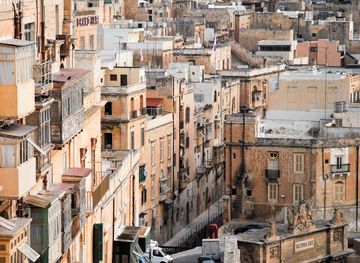
Discover Malta's crystal-clear waters, rich history, and vibrant culture. From ancient temples to modern nightlife, this Mediterranean gem offers something for everyone.
Explore Malta