

Ksar (Nouakchott) Travel Guide - Free
Explore Ksar in Nouakchott with Evendo's free guide. Find the best shops, historic streets, restaurants, and gems on web or mobile.


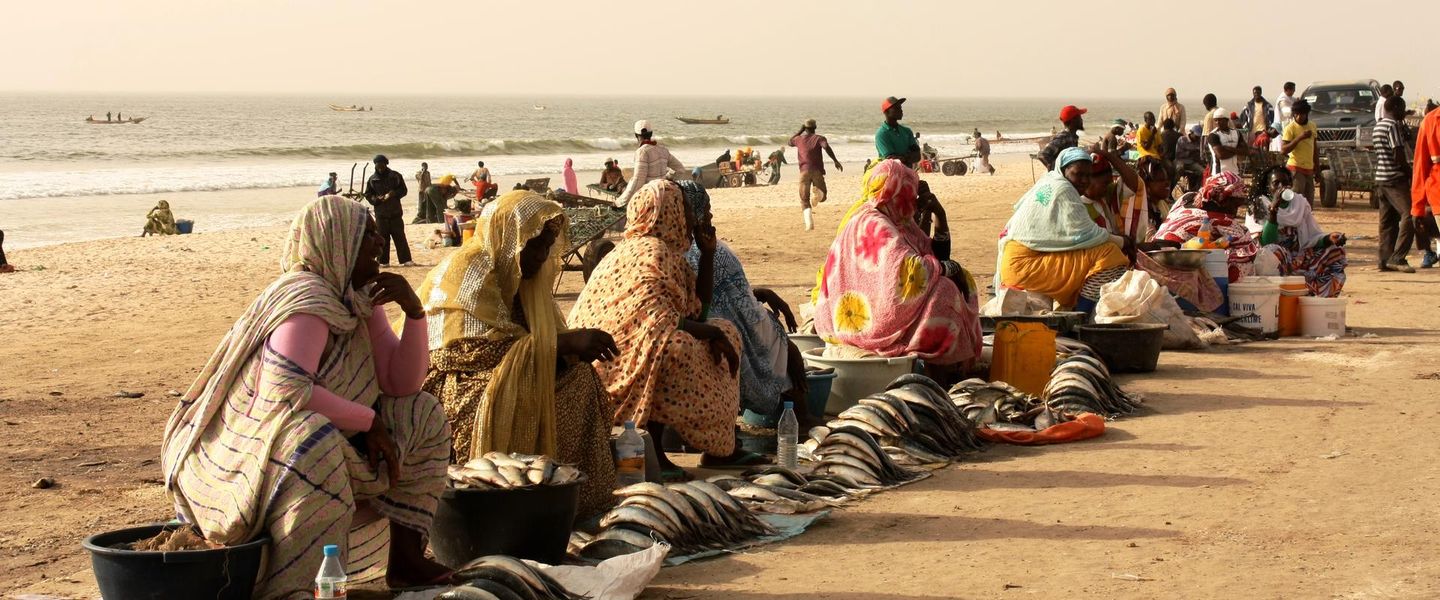


Ksar in Nouakchott reveals Mauritania’s capital through its central market, National Museum, Grand Mosque, sandy streets, local cafés and everyday urban life.
Capital Beginnings and Local Character
Ksar is one of Nouakchott’s central and historically important districts, closely associated with the city’s emergence as the capital of Mauritania. Unlike the newer, more dispersed quarters that spread across the desert plain, Ksar retains the feel of an established urban centre: broad sandy verges, busy commercial streets, low-rise buildings, government offices, mosques, workshops and market activity woven into everyday life. The name refers to a fortified settlement or traditional walled village in Maghrebi and Saharan Arabic, although modern Ksar developed principally as part of Nouakchott’s twentieth-century expansion rather than as a preserved medieval town.Read more about Ksar
Museums, Markets and Religious Architecture
Street Life in the Capital
Best attractions in Ksar
Ksar’s principal attractions are cultural and urban rather than monumental. The Musée National de Mauritanie is the district’s clearest visitor focus, presenting archaeological material and objects that help explain Mauritania’s place between the Sahara and the western Sahel. Around the museum and central roads, visitors can observe the capital’s working landscape of market stalls, workshops, small food businesses and taxi traffic. The capital-market area offers a more immediate encounter with daily commerce, from household goods and fabrics to imported products and regional foodstuffs, although it is a functioning market rather than a curated visitor site. Mosques and civic buildings contribute to the streetscape, with the Grand Mosque among the most recognisable religious structures in central Nouakchott. Ksar is best explored with patience, water and realistic expectations: its interest lies in the combination of national culture, commerce and ordinary metropolitan life.
-
Amusement park
PLAY GROUND PARK
Experience the joy and excitement at Play Ground Park, an amusement park in Nouakchott, offering thrilling rides and family-friendly attractions.
16 min drive · 5.2 km from neighbourhood centre
-
 Garden
اقليك ام لعويتكات
Experience the tranquil beauty of the Garden in Nouakchott, a serene escape filled with vibrant flora and a peaceful atmosphere in Mauritania.
8 min drive · 2.5 km from neighbourhood centre
-
Museum
لعلب الكحل
Discover the rich cultural heritage of Mauritania at لعلب الكحل Museum in Nouakchott, showcasing art, history, and traditional crafts.
17 min drive · 5.6 km from neighbourhood centre


Best landmarks in Ksar
The Musée National de Mauritanie is Ksar’s most important cultural landmark, occupying a significant place in the capital’s presentation of archaeology, material culture and national heritage. The Grand Mosque gives the central city a prominent religious reference point and reflects the importance of Islamic institutions in Nouakchott’s public life, although visitors should treat it as a place of worship rather than simply an architectural backdrop. The market streets and civic buildings around Ksar are less monumental but equally revealing: their low-rise façades, sandy edges, signboards, workshops and constant taxi movement record the practical development of Mauritania’s modern capital. Rather than a preserved historic quarter, Ksar is a landmark landscape of institutions and commerce, where the city’s post-independence identity is visible in ordinary buildings and public spaces.
-
Stadium
Olympic Stadium
Discover the vibrant spirit of Mauritania at Olympic Stadium, where sports and culture come alive in the heart of Nouakchott.
10 min drive · 3.3 km from neighbourhood centre
-
Restaurant
Timeless
Discover Timeless, a culinary haven in Nouakchott, Mauritania, where local flavors meet international cuisine in an inviting atmosphere.
8 min drive · 2.6 km from neighbourhood centre
-
Tour agency
TimeForMauritania Tour Operator
Explore Mauritania like never before with TimeForMauritania Tour Operator, your expert guide to unforgettable adventures and rich cultural experiences.
10 min drive · 3.2 km from neighbourhood centre
-
Art gallery
Galerie Zeinart
Immerse yourself in the vibrant art scene of Nouakchott at Galerie Zeinart, showcasing local talent and rich cultural heritage.
6 min drive · 1.9 km from neighbourhood centre


Explore Ksar on the map
A handpicked selection of must-see spots in Ksar, mapped for you.
Best hotels in Ksar
Best restaurants in Ksar
Eating in Ksar is closely tied to the practical rhythms of central Nouakchott. Small restaurants, tea stalls, cafés and market-side sellers provide straightforward meals shaped by Mauritanian, Saharan and wider West African influences, with rice, couscous, meat, fish and sweet mint tea appearing in different forms. The commercial streets around the central market are useful for observing how residents eat during the working day, while more formal dining rooms and hotel restaurants offer a calmer setting for visitors who want clearer menus or assistance in French, Arabic or English. Coastal fish is widely associated with Nouakchott, though the city’s famous fish market lies outside Ksar and should not be confused with the neighbourhood’s central food scene. Hygiene standards and opening times vary, so choose busy establishments, carry hand sanitiser and ask accommodation staff for current local recommendations rather than relying on old listings.
-
Restaurant
مطعم بالاسيو Palacio
Discover authentic Mauritanian flavors at مطعم بالاسيو Palacio in Nouakchott - a culinary gem offering delightful dining experiences.
9 min drive · 3.0 km from neighbourhood centre
-
Restaurant
مطعم فنتازيا
Experience the essence of Mauritania at مطعم فنتازيا with authentic dishes that delight every palate.
7 min drive · 2.5 km from neighbourhood centre
-
Restaurant
SMASH FOOD
Experience the vibrant flavors of Mauritania at SMASH FOOD in Nouakchott - a must-visit destination for food lovers!
9 min drive · 3.0 km from neighbourhood centre
-
Restaurant
Fayrouz
Experience the flavors of Mauritania at Fayrouz - where exceptional cuisine meets warm hospitality in the heart of Nouakchott.
7 min drive · 2.3 km from neighbourhood centre


Best bars in Ksar
Ksar is not a nightlife district in the conventional international sense. Mauritania’s Muslim social and legal context means that alcohol-led bars and nightclubs are not a defining part of the neighbourhood, while public evening life centres more on tea, cafés, restaurants, family visits and conversation after the heat of the day has eased. Central streets may remain active around shops and transport points, but visitors should not expect a concentrated strip of late-night entertainment. Evening cultural activity is more likely to involve music, poetry or informal gatherings arranged through local contacts than a permanent club circuit. Those staying in Ksar should use trusted taxis after dark, dress respectfully and ask their accommodation about appropriate cafés or events rather than wandering in search of venues that may not exist.
-
Grill
Tunisie Café 1
Discover the authentic tastes of Mauritania at Tunisie Café 1, a premier grill restaurant in Nouakchott offering a delightful culinary experience.
9 min drive · 2.9 km from neighbourhood centre
-
Bar
قاعة نجوم ليل
Explore the vibrant nightlife at قاعة نجوم ليل, a lively bar in Nouakchott, Mauritania, offering local drinks and live music for an unforgettable experience.
10 min drive · 3.3 km from neighbourhood centre
-
Bar
Doko
Experience the vibrant nightlife of Nouakchott at Doko, a bar that offers a unique blend of local and international flavors in a welcoming atmosphere.
14 min walk · 1.1 km from neighbourhood centre
-
Bar tabac
امادو موله كرديه
Experience the vibrant social scene of Nouakchott at Amadou Moule Kerdie, where local culture and hospitality await.
6 min drive · 2.0 km from neighbourhood centre


Best nightclubs in Ksar
Ksar is not a nightlife district in the conventional international sense. Mauritania’s Muslim social and legal context means that alcohol-led bars and nightclubs are not a defining part of the neighbourhood, while public evening life centres more on tea, cafés, restaurants, family visits and conversation after the heat of the day has eased. Central streets may remain active around shops and transport points, but visitors should not expect a concentrated strip of late-night entertainment. Evening cultural activity is more likely to involve music, poetry or informal gatherings arranged through local contacts than a permanent club circuit. Those staying in Ksar should use trusted taxis after dark, dress respectfully and ask their accommodation about appropriate cafés or events rather than wandering in search of venues that may not exist.
-
Restaurant
Nouakchott Night
Discover the vibrant nightlife at Nouakchott Night, where Mauritanian flavors and lively atmosphere create unforgettable dining experiences.
21 min drive · 7.0 km from neighbourhood centre
-
Bar
قاعة نجوم ليل
Experience the vibrant nightlife at قاعة نجوم ليل, a thriving bar in Nouakchott, Mauritania, where culture meets entertainment.
10 min drive · 3.3 km from neighbourhood centre
-
Bar
Doko
Experience the vibrant nightlife of Nouakchott at Doko, a lively bar offering a taste of local culture and a welcoming atmosphere.
14 min walk · 1.1 km from neighbourhood centre
-
Night club
كارفور كمارا
Discover the vibrant nightlife of Nouakchott at كارفور كمارا, where music and culture collide for an unforgettable experience.
15 min drive · 5.1 km from neighbourhood centre
Best shops in Ksar
Shopping in Ksar is centred on practical commerce, especially the central market and the surrounding streets of small retailers, stalls and workshops. Visitors may find fabrics, traditional clothing, household goods, leather items, imported provisions, jewellery and everyday supplies, with stock changing according to trade connections and season. The experience is more useful for observing Nouakchott’s commercial life than for browsing a polished boutique district: shopfronts are informal, prices may require courteous negotiation and French or Hassaniya Arabic can be helpful. Textiles and clothing offer a respectful way to engage with local style, while food stalls and tea sellers reveal the market’s daily rhythm. Ksar does not have a single specialist shopping street comparable to a major tourist bazaar, so visitors should keep expectations measured and ask before photographing products, makers or customers.
-
Grocery store
Ksar,Epicerie China-Nouakchott
Explore the rich culinary offerings at Ksar, Epicerie China in Nouakchott, where local flavors and vibrant culture await every traveler.
13 min walk · 1.0 km from neighbourhood centre
-
Shopping mall
DISC SHOP
Immerse yourself in the vibrant culture of Mauritania at DISC SHOP, a premier shopping destination in the heart of Nouakchott.
5 min drive · 1.5 km from neighbourhood centre
-
Clothing store
Boutique 55 plus
Discover the essence of Mauritanian fashion at Boutique 55 Plus, where traditional elegance meets contemporary style in Nouakchott.
10 min walk · 0.8 km from neighbourhood centre
-
Store
البضائع الأوربية ألمانيا جديدة
Explore unique European goods at البضائع الأوربية ألمانيا جديدة in Nouakchott – a shopping experience reflecting local culture and European flair.
13 min walk · 1.1 km from neighbourhood centre


Ksar essentials
Getting There
Getting Around
Safety
Emergency Situations
Do's and Don'ts
Local Tips

From Eve
Local phrases worth knowing
You don't need to get them perfect. A few words go a long way, and locals appreciate the effort.
Basics
| English | Local | Say it |
|---|---|---|
| Hello | Salam | [sah-lahm] |
| Goodbye | Ma'a salama | [mah ah sah-lah-mah] |
| Yes | Eey | [ee-y] |
| No | La | [lah] |
| Please/You're welcome | Aafak | [ah-fahk] |
| Thank you | Shukran | [shook-rahn] |
| Excuse me/Sorry | Samahani | [sah-mah-hah-nee] |
| How are you? | Kifash haluk? | [kee-fash hah-loo-k] |
| Fine. And you? | Mzyan. O chhal? | [mzee-yahn. o shah-l] |
| Do you speak English? | Tatkallam inglizi? | [tat-kal-lahm ing-lee-zee] |
| I don't understand | Ma fhemtsh | [mah fehm-tsh] |
Eating & Drinking
| English | Local | Say it |
|---|---|---|
| I'd like to see the menu, please | Bghit nshuf lqima, min fadlik | [b-ghit en-shoof l-kee-mah, meen fahd-leek] |
| I don't eat meat | Maakulch lahm | [mah-ah-koolsh lahm] |
| Cheers! | Saha | [sah-ha] |
| I would like to pay, please | Bghit neda, min fadlik | [b-ghit nee-dah, meen fahd-leek] |
Emergencies
| English | Local | Say it |
|---|---|---|
| Help! | Aideeni! | [a-ee-day-nee] |
| Go away! | Ruh! | [roo-h] |
| Call the Police! | Sabb al-Darak! | [sahb al-dah-rahk] |
| Call a doctor! | Sabb al-Tabib! | [sahb al-tah-beeb] |
| I'm lost | Ghadiin | [gha-deen] |
| I'm ill | Ana mrid | [ah-nah m-reed] |
Shopping
| English | Local | Say it |
|---|---|---|
| I'd like to buy... | Bghit nshri... | [b-ghit en-shree] |
| I'm just looking | Ana fakar fakar | [ah-nah fah-kahr fah-kahr] |
| How much is it? | Bshhal hadshi? | [b-sh-hal had-shee] |
| That's too expensive | Hadshi ghali | [had-shee ghah-lee] |
| Can you lower the price? | Makaynch tandif bi shwiya? | [mah-ky-nsch tan-deef bee sh-wee-yah] |
Time & Numbers
| English | Local | Say it |
|---|---|---|
| What time is it? | Shnu ssaa? | [sh-noo s-sah] |
| It's one o'clock | Saa wahida | [s-sah wah-hee-dah] |
| Half past (10) | Nus ghdaash | [noos gh-dahsh] |
| Morning | Sbha | [s-b-ha] |
| Afternoon | Dhor | [thor] |
| Evening | Lail | [lah-eel] |
| Yesterday | Msaa | [m-sah] |
| Today | Lyawm | [lee-yawm] |
| Tomorrow | Ghadan | [gha-dahn] |
| 1 | Wahid | [wah-heed] |
| 2 | Juj | [jooj] |
| 3 | Tleta | [t-leh-tah] |
| 4 | Arba | [ar-bah] |
| 5 | Khamsa | [k-ham-sah] |
| 6 | Sitta | [sit-tah] |
| 7 | Saba | [sah-bah] |
| 8 | Tamania | [tah-mah-nee-yah] |
| 9 | Tissa | [tees-sah] |
| 10 | Ashara | [ah-shah-rah] |
Transport & Directions
| English | Local | Say it |
|---|---|---|
| Where's a/the...? | Washnou al... | [wash-noo al] |
| What's the address? | Shnu l'adresse? | [sh-noo la-dres] |
| Can you show me (on the map)? | Kadish turiini (ala lkhariita)? | [ka-deesh too-ree-nee ah-lah l-kha-ree-ta] |
| When's the next (bus)? | Mata huwa alqarib (alutobis)? | [mah-tah hoo-wah al-kah-reb al-oo-to-bees] |
| A ticket (to ....) | Bilbil (ila ....) | [beel-beel ee-lah] |
History of Ksar
From Saharan Site to Capital
Modern Nouakchott took shape in the late colonial period when the area was selected for the capital of the then French-administered Mauritania. Construction began in the late 1950s, and the new capital formally assumed national importance when Mauritania became independent in 1960. Ksar formed part of the early urban framework, helping to accommodate administrative functions, commerce and the population drawn towards the new seat of government. Its position on the coastal desert plain gave the developing city room to expand, but also exposed it to windblown sand, water scarcity and long distances between districts.
Early Administrative Expansion
During the first decades after independence, Ksar developed as one of Nouakchott’s principal central quarters. Public offices, religious buildings, shops, workshops and housing grew around the capital’s main roads, giving the district a more established urban role than many peripheral settlements. The name Ksar evokes the fortified settlements of the Sahara and Maghreb, yet the neighbourhood’s built environment is largely modern and tied to the expansion of the national capital. Its importance came from concentration: institutions and commercial services were placed within reach of residents arriving from across Mauritania.
Migration and Urban Growth
Nouakchott’s population increased rapidly as drought, changing pastoral livelihoods and the concentration of employment and public services drew people towards the capital, particularly from the 1970s onwards. Ksar experienced this wider transformation through heavier traffic, denser commercial activity and the arrival of businesses serving a diverse urban population. The district’s markets became places where Mauritania’s regional economies met, linking products from the interior and the coast with imported goods. This growth also made the central quarter part of a much larger metropolitan system rather than a self-contained settlement.
A Central District Today
Contemporary Ksar combines the institutional character of the capital’s older core with the practical pressures of a fast-growing desert city. Market streets, mosques, offices and low-rise commercial buildings sit alongside roads where sand, traffic and informal activity shape the public realm. The neighbourhood’s cultural importance is reinforced by the National Museum and by its proximity to major civic and religious buildings. Redevelopment has not erased the district’s everyday identity, but newer commercial centres and expanding outer communes mean that Ksar now functions as one important part of a widely dispersed Nouakchott.
Ksar in Photos
Browse through our photo collection highlighting the charm and character of the destination.
Neighbourhoods near Ksar
The closest neighbourhoods to Ksar, if you have time for more than one stop.
-

-

-


Swipe for more neighbourhoods
Explore more

Explore more of Nouakchott
Nouakchott reveals Mauritania through desert horizons, Atlantic fishing culture, Saharan history, lively markets, local cuisine and quiet coastal experiences.
Explore Nouakchott