

Tevragh-Zeina (Nouakchott) Travel Guide - Free
Explore Tevragh-Zeina in Nouakchott with Evendo's free guide. Find the best shops, historic streets, restaurants, and gems on web or mobile.


Tevragh-Zeina in Nouakchott blends embassy avenues, sandy horizons, Mauritanian art, cafés and calm city walks near the capital’s cultural landmarks.
A Western Face of Nouakchott
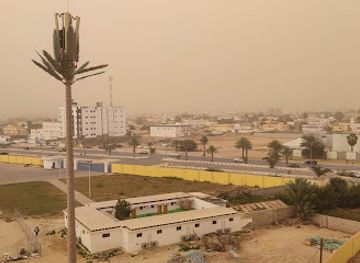
Tevragh-Zeina occupies much of western Nouakchott, where broad avenues, sandy verges and low-rise compounds give the capital a more spacious, administrative character. Its name is commonly associated with the Hassaniya Arabic expression for “beautiful dunes”, an apt reference to the sandy landscape that continues to shape the city. The neighbourhood is not a preserved old quarter or a compact sightseeing district; it is a modern urban area where government offices, embassies, hotels, restaurants, private homes and cultural institutions sit among walls, palms and windblown sand.Read more about Tevragh-Zeina
Culture Along the Avenues
Urban Space and Everyday Rhythm
Best attractions in Tevragh-Zeina
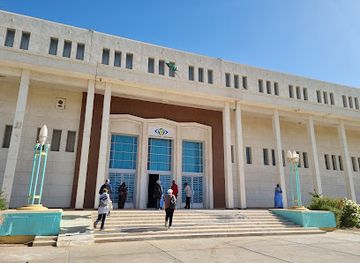
Tevragh-Zeina’s principal attractions are cultural and urban rather than monumental. The National Museum provides a valuable introduction to Mauritania’s archaeology, historical communities and Saharan heritage, making it one of the most informative places in Nouakchott for visitors who want context before travelling beyond the capital. The Institut français de Mauritanie contributes exhibitions, performances, screenings and talks when its programme permits, while nearby galleries and creative spaces reflect the country’s contemporary artistic life. The neighbourhood is also worth exploring through its wide avenues, walled compounds, sandy open areas and changing scenes of taxis, tea, commerce and evening conversation. It is not a district of neatly defined tourist streets, and schedules can be fluid, but that is part of its character: sightseeing here involves combining a cultural institution with an unhurried look at the practical, low-rise urban landscape of western Nouakchott.
-
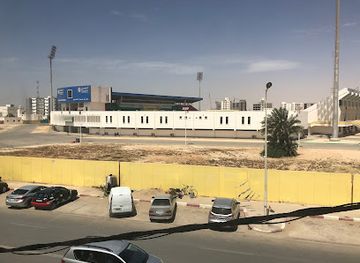
Stadium
Olympic Stadium
Explore the Olympic Stadium in Nouakchott, a vibrant venue where sports, culture, and community converge, showcasing Mauritania's rich heritage.
9 min walk · 0.7 km from neighbourhood centre
-
Museum
Mauritanian National Museum
Discover the rich history and culture of Mauritania at the Mauritanian National Museum, a treasure trove of artifacts and art in Nouakchott.
6 min drive · 2.1 km from neighbourhood centre
-
Park
ساحة بلدية تفرغ زينة
Discover the serene beauty of Tafrigh Zina Park, a peaceful retreat in Nouakchott, ideal for relaxation and enjoying nature.
16 min walk · 1.3 km from neighbourhood centre
-
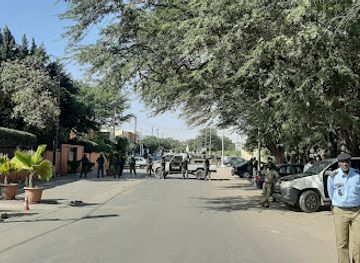
 Mosque
 Tevragh Zeina
Discover the tranquility and architectural beauty of the Mosque Tevragh Zeina, a cultural gem in the heart of Nouakchott, Mauritania.
4 min walk · 0.3 km from neighbourhood centre
Best landmarks in Tevragh-Zeina
The National Museum is Tevragh-Zeina’s most important heritage landmark, bringing archaeological material and historical interpretation into a city otherwise defined largely by modern construction. Its significance lies in presenting Mauritania’s broad cultural geography—from Saharan and Sahelian connections to the country’s ancient and Islamic past—within the national capital. The Institut français de Mauritanie is another notable cultural reference point, representing the role of international cultural exchange in Nouakchott’s public life through its exhibitions, performances and educational activity. Across the district, the most characteristic landmarks are often less famous: broad avenues, embassy compounds, government precincts, high boundary walls, palms and sandy margins that reveal how the planned capital has adapted to its desert setting. Presidential and diplomatic areas should be viewed from public space and treated as security-sensitive rather than as sightseeing sites.
-
Stadium
Olympic Stadium
Explore the Olympic Stadium in Nouakchott, a vibrant hub of sports and culture that showcases Mauritania's athletic spirit and community pride.
9 min walk · 0.7 km from neighbourhood centre
-
Shopping mall
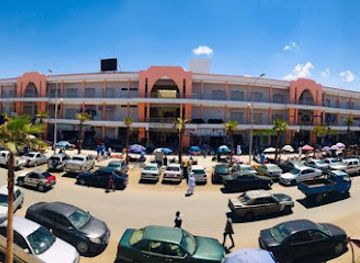
Marche Capitale
Discover the vibrant atmosphere of Marche Capitale, Nouakchott's premier shopping mall featuring local crafts, international brands, and delicious dining options.
5 min drive · 1.7 km from neighbourhood centre
-
Art gallery
Galerie Zeinart
Discover the vibrant art scene at Galerie Zeinart, a cultural gem in Nouakchott showcasing local and international artistic talents.
5 min drive · 1.7 km from neighbourhood centre
-
Inn
Auberge Triskell Nouakchott
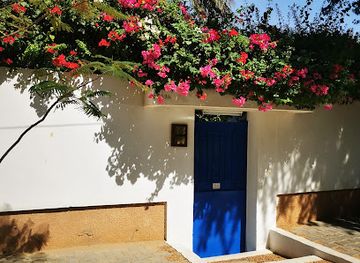
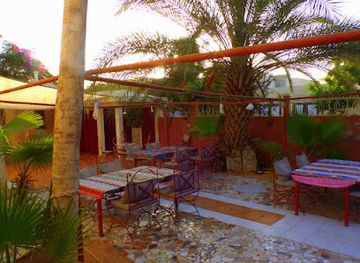
Experience genuine Mauritanian hospitality at Auberge Triskell, a cozy inn in the heart of Nouakchott offering comfort and local charm.
9 min walk · 0.7 km from neighbourhood centre
Explore Tevragh-Zeina on the map
A handpicked selection of must-see spots in Tevragh-Zeina, mapped for you.
Best hotels in Tevragh-Zeina
Best restaurants in Tevragh-Zeina
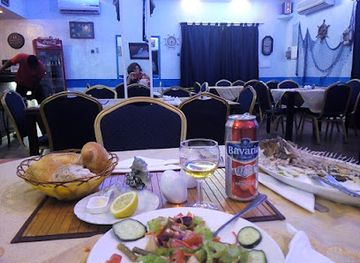
Tevragh-Zeina contains one of Nouakchott’s more varied concentrations of restaurants and cafés, reflecting its residential, administrative and diplomatic roles. Menus may combine Mauritanian staples such as rice, meat, fish and couscous with North African, West African, French and broadly international cooking, while tea remains central to social visits and pauses during the day. Restaurants around the principal avenues tend to offer more formal settings, whereas cafés provide simpler places to sit, talk and watch traffic move through the sandy streets. Seafood is especially relevant to the capital’s Atlantic setting, although the exact selection changes with supply and season. Visitors should expect service to follow a relaxed rhythm and should confirm payment methods before ordering. The district’s dining scene is better understood as a spread of independent and hotel-linked venues than as a single food quarter.
-
Restaurant
مطعم تفاريت
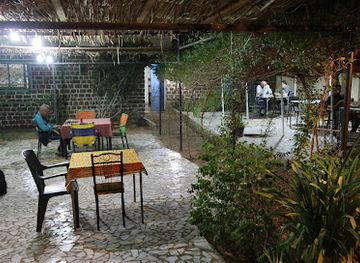
Experience authentic Mauritanian cuisine at مطعم تفاريت in Nouakchott - where tradition meets flavor in every dish.
6 min walk · 0.4 km from neighbourhood centre
-
Restaurant
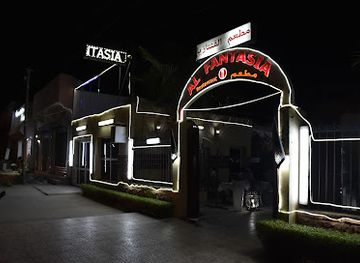
مطعم فنتازيا
Experience authentic Mauritanian flavors at Restaurant Fantasia in Nouakchott - a must-visit culinary destination for every traveler.
5 min drive · 1.5 km from neighbourhood centre
-
Italian
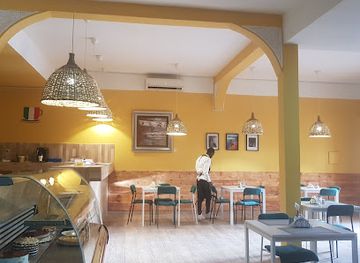
Saveurs D'Italie
Experience authentic Italian cuisine at Saveurs D'Italie in Nouakchott – where every meal tells a story of tradition and flavor.
12 min walk · 0.9 km from neighbourhood centre
-
Portuguese
A Casa Portuguesa
Discover the authentic flavors of Portugal at A Casa Portuguesa in Nouakchott – where culinary tradition meets warm hospitality.
5 min drive · 1.5 km from neighbourhood centre
Best bars in Tevragh-Zeina
Tevragh-Zeina’s evening life is comparatively restrained and is centred more on restaurants, cafés, hotel lounges, cultural events and private social gatherings than on a large club scene. Alcohol is restricted in Mauritania, so visitors should not expect the bar culture associated with many international capitals; establishments serving it are not a normal feature of neighbourhood life. After sunset, residents may gather over tea or dinner, while cultural venues occasionally host performances, screenings, talks or exhibitions according to their programmes. The broad roads and quieter residential stretches can feel empty between destinations, making arranged transport preferable for evening journeys. Nightlife here is therefore less about a circuit of clubs and more about conversation, dining, hospitality and occasional organised cultural activity in a city whose public rhythms are strongly shaped by local custom and Islamic observance.
-
Restaurant
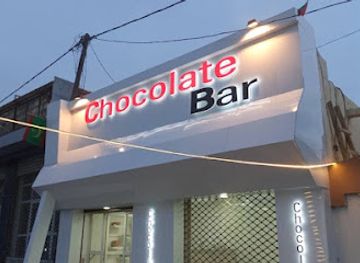
CHOCOLATBAR
ChocolatBar: A delightful culinary experience in Nouakchott, offering a variety of sweet treats, savory dishes, and a cozy atmosphere.
5 min drive · 1.5 km from neighbourhood centre
-
Grill
Tunisie Café 1
Discover the authentic taste of Mauritania at Tunisie Café 1, where grilling meets tradition in a vibrant atmosphere.
15 min walk · 1.2 km from neighbourhood centre
-
Bar
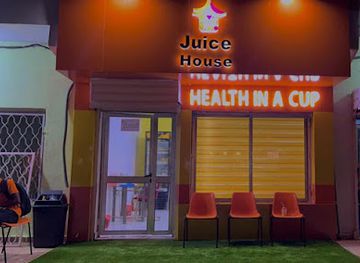
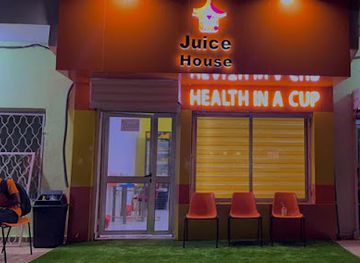
Juice House
Discover the vibrant flavors of Juice House in Nouakchott, where fresh juices and lively cocktails meet a welcoming atmosphere for all visitors.
14 min walk · 1.1 km from neighbourhood centre
-
Bar
Chez Bathia Sy Aluminium Guidimakha
Discover the vibrant atmosphere of Chez Bathia Sy Aluminium, a unique bar in Nouakchott offering local flavors and a warm Mauritanian welcome.
9 min drive · 3.1 km from neighbourhood centre
Best nightclubs in Tevragh-Zeina
Tevragh-Zeina’s evening life is comparatively restrained and is centred more on restaurants, cafés, hotel lounges, cultural events and private social gatherings than on a large club scene. Alcohol is restricted in Mauritania, so visitors should not expect the bar culture associated with many international capitals; establishments serving it are not a normal feature of neighbourhood life. After sunset, residents may gather over tea or dinner, while cultural venues occasionally host performances, screenings, talks or exhibitions according to their programmes. The broad roads and quieter residential stretches can feel empty between destinations, making arranged transport preferable for evening journeys. Nightlife here is therefore less about a circuit of clubs and more about conversation, dining, hospitality and occasional organised cultural activity in a city whose public rhythms are strongly shaped by local custom and Islamic observance.
-
Restaurant
Nouakchott Night
Immerse yourself in the vibrant nightlife of Nouakchott Night, where delicious cuisine meets electrifying entertainment in the heart of Mauritania.
15 min drive · 5.0 km from neighbourhood centre
-
Night club
كارفور كمارا
Explore the vibrant nightlife at كارفور كمارا in Nouakchott, where music, dance, and culture come alive in a festive atmosphere.
12 min drive · 4.1 km from neighbourhood centre
-
Bar
Juice House
Experience the vibrant nightlife at Juice House, Nouakchott's top bar for refreshing drinks and lively local culture.
14 min walk · 1.1 km from neighbourhood centre
-
Bar
Chez Bathia Sy Aluminium Guidimakha
Immerse yourself in the lively ambiance of Chez Bathia Sy Aluminium, a must-visit bar in Nouakchott for authentic Mauritanian culture and refreshing drinks.
9 min drive · 3.1 km from neighbourhood centre
Best shops in Tevragh-Zeina
Shopping in Tevragh-Zeina is oriented towards everyday services, food, clothing, household needs and small independent businesses rather than a single historic bazaar or dedicated visitor market. Commercial avenues contain cafés, boutiques, pharmacies, salons and shops serving the neighbourhood’s residents, professionals and diplomatic community. Visitors may find Mauritanian textiles, flowing garments, leather goods, jewellery and small handicrafts through specialist retailers or informal networks, although stock and locations change and the district is not a guaranteed craft-shopping centre. For a broader market experience, travellers generally need to explore other parts of Nouakchott rather than assume that Tevragh-Zeina contains the capital’s main souks. Bargaining may be appropriate in informal retail settings, while established shops may use fixed prices; asking politely and examining quality carefully are more useful than expecting a standard tourist-shopping format.
-
Fashion accessories store
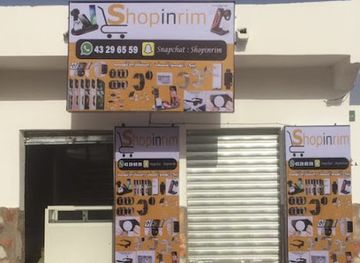
Shopinrim
Discover unique fashion accessories that reflect the vibrant culture of Mauritania at Shopinrim in Nouakchott.
15 min walk · 1.2 km from neighbourhood centre
-
Gift shop
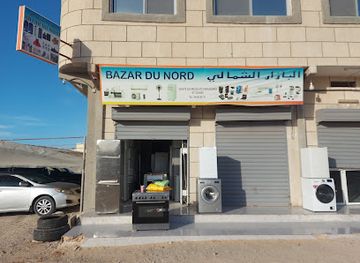
Bazar du nord
Explore the vibrant Bazar du Nord in Nouakchott, Mauritania, and discover unique gifts and local handicrafts that embody the region's rich culture.
10 min drive · 3.3 km from neighbourhood centre
-
General store
بوتيك السالك
Explore بوتيك السالك in Nouakchott for unique local crafts and a genuine Mauritanian shopping experience that captures the spirit of the region.
9 min drive · 2.9 km from neighbourhood centre
-
Store
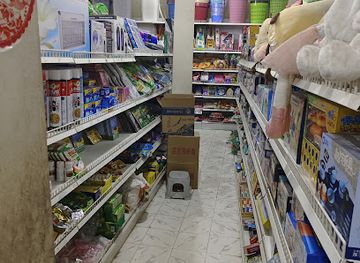
BOUTIQUE CHINOISE سوبر ماركت صيني
Discover the flavors of Asia at Boutique Chinoise, Nouakchott's premier Chinese supermarket, featuring authentic products and fresh produce.
18 min walk · 1.5 km from neighbourhood centre
Tevragh-Zeina essentials
Getting There
Getting Around
Safety
Emergency Situations
Do's and Don'ts
Local Tips

From Eve
Local phrases worth knowing
You don't need to get them perfect. A few words go a long way, and locals appreciate the effort.
Basics
| English | Local | Say it |
|---|---|---|
| Hello | Ngeno | [ngé-no] |
| Goodbye | Salam | [sa-lam] |
| Yes | Eewe | [ee-we] |
| No | Ala | [a-la] |
| Please/You're welcome | Nalaa | [na-la-a] |
| Thank you | Mbarakullah | [m-ba-ra-kul-lah] |
| Excuse me/Sorry | Lahala | [la-ha-la] |
| How are you? | Nde nde? | [nde nde] |
| Fine. And you? | Nde naan. Nde? | [nde na-an. nde] |
| Do you speak English? | Nde ndu Anglai? | [nde ndu ang-lai] |
| I don't understand | Lahum | [la-hum] |
Eating & Drinking
| English | Local | Say it |
|---|---|---|
| I'd like to see the menu, please | Nde feeri menu, jow | [nde fe-ri me-nu, jow] |
| I don't eat meat | Nde laa jiidu ndee | [nde la jii-du nde-e] |
| Cheers! | Beri! | [be-ri] |
| I would like to pay, please | Nde joo ngeen, jow | [nde jo n-gen, jow] |
Emergencies
| English | Local | Say it |
|---|---|---|
| Help! | Nde def | [nde def] |
| Go away! | Nde ngeen | [nde n-gen] |
| Call the Police! | Nde wakar polis | [nde wa-kar po-lis] |
| Call a doctor! | Nde wakar doktar | [nde wa-kar dok-tar] |
| I'm lost | Nde jowlaa | [nde jow-laa] |
| I'm ill | Nde joo ndee | [nde jo nde-e] |
Shopping
| English | Local | Say it |
|---|---|---|
| I'd like to buy... | Nde feeri... | [nde fe-ri...] |
| I'm just looking | Nde joolo jow | [nde jo-lo jow] |
| How much is it? | Nde lu jow? | [nde lu jow] |
| That's too expensive | Jowlu ndee ngoy | [jow-lu nde-e n-goy] |
| Can you lower the price? | Nde joo tugga jow? | [nde jo tu-gga jow] |
Time & Numbers
| English | Local | Say it |
|---|---|---|
| What time is it? | Nde laati ndee? | [nde laa-ti nde-e] |
| It's one o'clock | Ndya jow | [nd-ya jow] |
| Half past (10) | Nde fakki (10) | [nde fak-ki (10)] |
| Morning | Nde gawlo | [nde gaw-lo] |
| Afternoon | Nde worgo | [nde wor-go] |
| Evening | Nde boole | [nde boo-le] |
| Yesterday | Nde jeeri | [nde jee-ri] |
| Today | Nde laa | [nde laa] |
| Tomorrow | Nde bokko | [nde bok-ko] |
| 1 | Barka | [bar-ka] |
| 2 | Jiiri | [jee-ri] |
| 3 | Luba | [lu-ba] |
| 4 | Nyaak | [nya-ak] |
| 5 | Jooka | [joo-ka] |
| 6 | Jebb | [jebb] |
| 7 | Saba | [sa-ba] |
| 8 | Tamaani | [ta-maa-ni] |
| 9 | Tisaa | [ti-saa] |
| 10 | Joo | [jow] |
Transport & Directions
| English | Local | Say it |
|---|---|---|
| Where's a/the...? | Nde jow...? | [nde jow] |
| What's the address? | Nde laati ndee? | [nde laa-ti nde-e] |
| Can you show me (on the map)? | Nde joo faw ndee (jow nde map)? | [nde jo faw nde-e (jow nde map)] |
| When's the next (bus)? | Nde laati ndee (nbus)? | [nde laa-ti nde-e (n-bus)] |
| A ticket (to ....) | Nde faw (to ....) | [nde faw (to ....)] |
History of Tevragh-Zeina
Dunes Before the Capital
Before Nouakchott became Mauritania’s capital, the area was a sparsely settled coastal and desert landscape shaped by dunes, seasonal movement and the wider cultural world of the Trarza region. The name Tevragh-Zeina is generally understood through Hassaniya Arabic and is associated with attractive or beautiful dunes. That landscape was not simply an empty backdrop: it formed part of the environment used by pastoral communities and influenced the location, materials and later expansion of the city. The neighbourhood’s modern identity therefore rests on a contrast between an older Saharan setting and the planned urban institutions that followed independence.
The Planned Capital Emerges
Nouakchott was selected as the capital of the newly independent Islamic Republic of Mauritania in 1960, after serving as the capital of the autonomous territory from 1958. The new city was planned around a limited urban core, with government functions, roads and public institutions replacing a small pre-existing settlement. Tevragh-Zeina developed as part of the western side of this expanding capital, its relatively spacious plots and major roads accommodating administrative compounds, embassies and residences. The early city was vulnerable to its desert environment, and windblown sand remained a constant influence on streets, building maintenance and the shape of public space.
Administrative and Residential Expansion
As Nouakchott grew through the second half of the twentieth century, Tevragh-Zeina became increasingly associated with government, diplomacy, private residences and services aimed at an international and professional population. Cultural institutions, hotels, restaurants and commercial premises joined the administrative landscape, giving the district a role beyond housing. The neighbourhood’s broad avenues and compound-based development reflect the low-density planning of the capital, while its mixture of official buildings and everyday businesses mirrors Mauritania’s transition from a newly founded capital to a rapidly expanding national centre.
A Contemporary Cultural District
In recent decades Tevragh-Zeina has remained one of Nouakchott’s principal western urban districts while accommodating a more varied cultural and service economy. The National Museum and French cultural programming connect the area with national heritage, visual arts, cinema and public events, while cafés and restaurants serve residents, visitors and diplomatic communities. Development has not erased the district’s sandy setting: paved roads, walls and new construction continue to meet dunes and open ground. Tevragh-Zeina is consequently best understood as a changing part of the capital, shaped by institutional growth, private development and the practical pressures of desert urbanisation.
Tevragh-Zeina in Photos
Browse through our photo collection highlighting the charm and character of the destination.
Neighbourhoods near Tevragh-Zeina
The closest neighbourhoods to Tevragh-Zeina, if you have time for more than one stop.
-
-
-


Swipe for more neighbourhoods
Explore more

Explore more of Nouakchott
Nouakchott reveals Mauritania through desert horizons, Atlantic fishing culture, Saharan history, lively markets, local cuisine and quiet coastal experiences.
Explore Nouakchott