

El Mina (Nouakchott) Travel Guide - Free
Explore El Mina in Nouakchott with Evendo's free guide. Find the best shops, historic streets, restaurants, and gems on web or mobile.


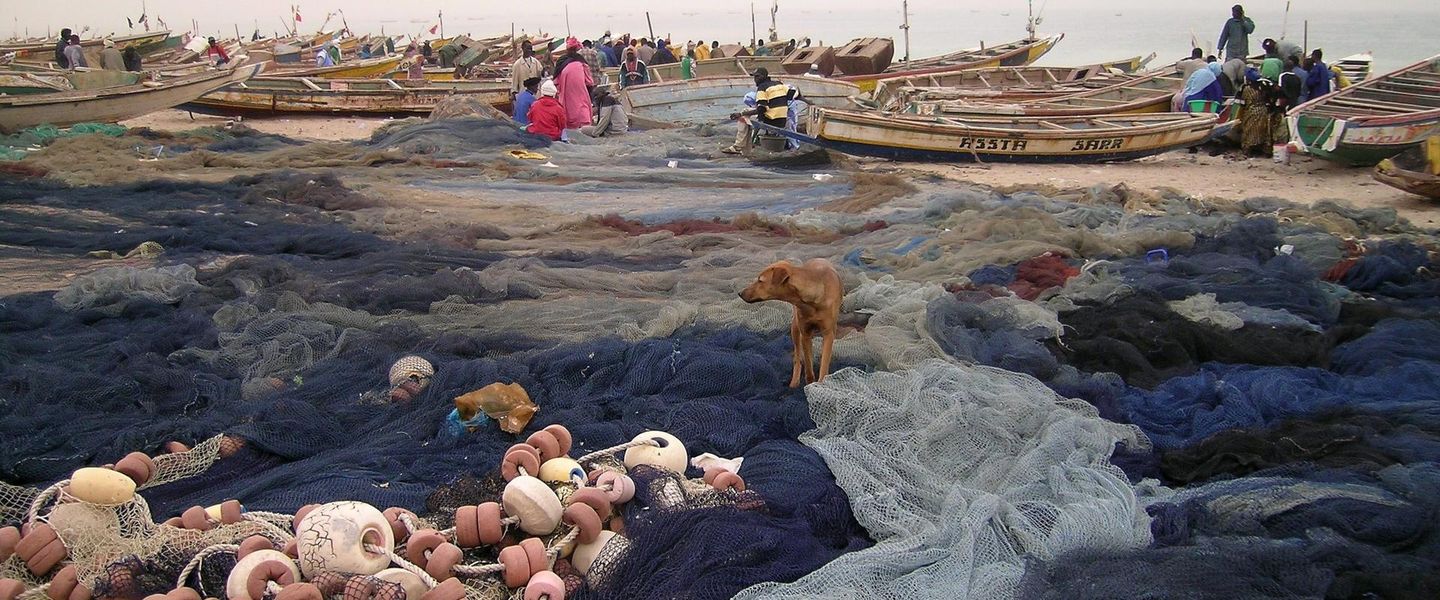


El Mina, Nouakchott: explore Mauritania’s artisanal fishing port, sandy streets, neighbourhood markets and coastal life beyond the capital’s centre.
A Southern Edge of Nouakchott
El Mina is a broad southern commune of Nouakchott, extending from dense residential streets towards the Atlantic coast and the capital’s artisanal fishing harbour. It feels less like a conventional sightseeing district than a working urban landscape: sandy roads, low-rise compounds, small shops, tea stalls and busy market activity reveal how Nouakchott functions beyond its administrative centre and newer northern suburbs. The area is particularly associated with fishing, informal commerce and communities whose livelihoods connect the city to the sea.Read more about El Mina
Markets, Streets and Everyday Life
The Fishing Coast
Best attractions in El Mina
El Mina’s attractions are grounded in working life and coastal geography rather than formal museums or monumental tourism. The principal point of interest is the Port de Pêche de Nouakchott, where artisanal boats, nets, fish landing and shoreline commerce reveal the capital’s connection with the Atlantic; visitors should remember that it is an operational harbour and that access may require permission. Market districts and the surrounding streets offer a close view of everyday trade, from food and household goods to clothing and practical equipment. The coastal edge itself is striking for its contrast with the inland city, although it is not a developed beach-resort environment and conditions can be exposed, sandy and difficult underfoot. Small mosques, neighbourhood shops, tea stalls and busy junctions provide further glimpses of local life, best explored with a resident guide who can explain boundaries and customs.
-
Tourist attraction
Galerie Zeinart
Explore the vibrant art scene of Nouakchott at Galerie Zeinart, showcasing local craftsmanship and cultural heritage through diverse artistic expressions.
14 min drive · 4.7 km from neighbourhood centre
-
Amusement park
Park Chahrazad
Experience the vibrant atmosphere of Park Chahrazad, Nouakchott's premier amusement park, perfect for family fun and local culture.
26 min drive · 8.5 km from neighbourhood centre
-
Mosque
Mosque Ould Abas
Experience the serene beauty and cultural significance of Mosque Ould Abas in Nouakchott, a true gem of Mauritania's Islamic heritage.
8 min drive · 2.7 km from neighbourhood centre
-
Tourist attraction
Tiguend Nkhal
Explore Tiguend Nkhal, a captivating tourist attraction in Nouakchott, Mauritania, where culture and nature intertwine for an unforgettable experience.
30 min drive · 10 km from neighbourhood centre


Best landmarks in El Mina
The Port de Pêche de Nouakchott is El Mina’s most significant physical landmark, establishing the commune’s relationship with the Atlantic and with the artisanal fishing economy. Its shoreline is marked by working boats, landing areas, nets, storage and fish-trading activity rather than monumental architecture, and its importance is social and economic as much as visual. The broad sandy approaches and low-rise compounds of the commune also express Nouakchott’s distinctive urban form, where formal roads meet shifting desert ground and development remains uneven. Local mosques, market buildings and busy commercial junctions function as neighbourhood landmarks for residents, although they are modest in architectural scale. There is no single historic monument that defines El Mina in the manner of a colonial old quarter; its identity is carried by the working port, coastal edge and accumulated fabric of a growing capital.
-
Shopping mall
Marche Capitale
Explore the vibrant Marche Capitale in Nouakchott, Mauritania, where shopping meets culture and local flavors come alive.
9 min drive · 2.9 km from neighbourhood centre
-
Museum
Mauritanian National Museum
Explore the Mauritanian National Museum, where history and culture converge to showcase Mauritania's rich heritage and artistic traditions.
9 min drive · 3.0 km from neighbourhood centre
-
Art gallery
Galerie Zeinart
Discover the artistic heart of Mauritania at Galerie Zeinart, showcasing the best of local and contemporary art in Nouakchott.
14 min drive · 4.7 km from neighbourhood centre
-
Government
Mauritanian Presidential Palace
Experience the grandeur of the Mauritanian Presidential Palace, where history, culture, and politics converge in the heart of Nouakchott.
12 min drive · 4.1 km from neighbourhood centre


Explore El Mina on the map
A handpicked selection of must-see spots in El Mina, mapped for you.
Best hotels in El Mina
Best restaurants in El Mina
Eating in El Mina is closely tied to local markets, cafés and the fishing economy rather than a concentrated restaurant district. Fish is the area’s most evident culinary association, with the coast supplying an important part of the capital’s seafood trade, while simple eateries and household-scale vendors may serve rice, couscous, meat, bread and sauces shaped by Mauritanian and wider Sahelian cooking traditions. Tea is central to social hospitality, and small tea places provide informal settings for conversation rather than polished café service. Food availability changes with the market and the day’s supply, so visitors should favour busy, established stalls, eat food that is freshly prepared and ask a local contact to identify suitable places. El Mina is not known for a large international dining scene; visitors seeking air-conditioned restaurants and broader menus will generally find more choice in central Nouakchott and the newer hotel districts.
-
Restaurant
Tinigui Restaurant
Experience authentic Mauritanian cuisine at Tinigui Restaurant in Nouakchott – where tradition meets taste.
10 min drive · 3.4 km from neighbourhood centre
-
Restaurant
Qadisiyah Restaurant
Experience authentic Mauritanian cuisine at Qadisiyah Restaurant in Nouakchott - where every dish tells a story.
6 min drive · 1.8 km from neighbourhood centre
-
Restaurant
Restaurant Amandine dit Malien
Experience authentic Mauritanian cuisine at Restaurant Amandine dit Malien in Nouakchott - where every dish tells a story.
7 min drive · 2.5 km from neighbourhood centre
-
Restaurant
restaurant prét a manger
Experience the rich flavors of Mauritania at Restaurant Prêt à Manger, where culinary traditions meet modern tastes in a welcoming atmosphere.
8 min walk · 0.7 km from neighbourhood centre


Best bars in El Mina
El Mina does not have a conventional bar-and-nightclub scene. Mauritania’s Islamic social culture means that alcohol-focused nightlife is not a normal part of public neighbourhood life, while evening sociability is more likely to centre on tea, conversation, family visits, cafés and small food businesses. Market streets and local junctions may remain active after sunset, but the atmosphere is informal and community-oriented rather than organised around clubs, live-music venues or late-night entertainment. Visitors should not treat the fishing port or residential streets as places for nocturnal wandering, particularly where lighting and transport are limited. For an evening out, established hotel cafés and restaurants elsewhere in Nouakchott provide a more predictable setting, but they should not be presented as El Mina nightlife.
-
Restaurant
Arena café
Discover the essence of Mauritanian cuisine at Arena Café, where local flavors meet a warm and welcoming atmosphere in the heart of Nouakchott.
12 min drive · 3.9 km from neighbourhood centre
-
Restaurant
The Nkc Spot
Discover the flavors of Mauritania at The Nkc Spot, a vibrant restaurant in the heart of Nouakchott offering an eclectic menu and a warm atmosphere.
13 min drive · 4.3 km from neighbourhood centre
-
Grill
Tunisie Café 1
Savor the authentic flavors of Mauritania at Tunisie Café 1, a top grill restaurant in Nouakchott, offering a unique culinary experience.
11 min drive · 3.5 km from neighbourhood centre
-
 Bar
قاعة نجوم ليل
Experience the vibrant nightlife of Mauritania at قاعة نجوم ليل, a local bar in Nouakchott offering authentic drinks and lively entertainment.
11 min drive · 3.6 km from neighbourhood centre


Best nightclubs in El Mina
El Mina does not have a conventional bar-and-nightclub scene. Mauritania’s Islamic social culture means that alcohol-focused nightlife is not a normal part of public neighbourhood life, while evening sociability is more likely to centre on tea, conversation, family visits, cafés and small food businesses. Market streets and local junctions may remain active after sunset, but the atmosphere is informal and community-oriented rather than organised around clubs, live-music venues or late-night entertainment. Visitors should not treat the fishing port or residential streets as places for nocturnal wandering, particularly where lighting and transport are limited. For an evening out, established hotel cafés and restaurants elsewhere in Nouakchott provide a more predictable setting, but they should not be presented as El Mina nightlife.
-
Bar
قاعة نجوم ليل
Enjoy an unforgettable nightlife experience at قاعة نجوم ليل, a vibrant bar in Nouakchott, Mauritania, perfect for unwinding and socializing.
11 min drive · 3.6 km from neighbourhood centre
-
Bar
Doko
Discover Doko, a lively bar in Nouakchott offering a unique blend of local and international drinks in an inviting atmosphere.
14 min drive · 4.8 km from neighbourhood centre
-
Bar
مسمكة السلام
Discover the lively ambiance of مسمكة السلام, a premier bar in Nouakchott, Mauritania, offering a unique blend of local culture and vibrant nightlife.
18 min walk · 1.5 km from neighbourhood centre
-
Night club
كارفور كمارا
Discover the vibrant nightlife at كارفور كمارا, the premier night club in Nouakchott, where music and dance create unforgettable experiences.
16 min walk · 1.3 km from neighbourhood centre


Best shops in El Mina
Shopping in El Mina is oriented towards daily life and local trade rather than specialist visitor retail. Market areas and roadside stalls offer food, clothing, household goods, mobile-phone items and practical equipment, while small workshops and informal businesses serve residents and people connected with the fishing economy. The neighbourhood’s commercial character is useful and adaptable: goods appear in covered or open stalls, on pavements and in modest shopfronts, with stock varying according to supply and season. Visitors may encounter fish trading and related coastal commerce near the port, but should remember that these are working markets, not curated souvenir spaces. Mauritanian fabrics, clothing and handcrafted items can sometimes be found through local sellers, though selection is inconsistent. Bargain courteously where appropriate, carry small cash denominations and ask before photographing merchandise or sellers.
-
Store
Épicerie du Peuple
Explore authentic Mauritanian culture and flavors at Épicerie du Peuple, a vibrant store in Nouakchott offering local goods and delicacies.
12 min walk · 1.0 km from neighbourhood centre
-
Clothing store
Verdant shop
Experience the vibrant culture of Mauritania through fashion at Verdant Shop, the go-to clothing store in Nouakchott for unique and stylish finds.
3 min walk · 0.2 km from neighbourhood centre
-
Grocery store
Boutique Dah
Explore the flavors of Mauritania at Boutique Dah, a grocery store in Nouakchott offering fresh produce, spices, and local culinary delights.
6 min drive · 1.9 km from neighbourhood centre
-
Store
Boutique elmehaba
Discover the essence of Mauritania at Boutique Elmehaba, where local craftsmanship meets an unforgettable shopping experience.
5 min drive · 1.6 km from neighbourhood centre


El Mina essentials
Getting There
Getting Around
Safety
Emergency Situations
Do's and Don'ts
Local Tips

From Eve
Local phrases worth knowing
You don't need to get them perfect. A few words go a long way, and locals appreciate the effort.
Basics
| English | Local | Say it |
|---|---|---|
| Hello | Salam | [sa-laam] |
| Goodbye | Ma'a salama | [ma-a sa-la-ma] |
| Yes | Eey | [ee-y] |
| No | La | [la] |
| Please/You're welcome | Min fadlik | [min fa-dlik] |
| Thank you | Shukran | [shuk-ran] |
| Excuse me/Sorry | Aasif | [aa-sif] |
| How are you? | Kifash haluk? | [ki-fash ha-luk] |
| Fine. And you? | Bikhayr. Wa ant? | [bi-khayr. wa ant] |
| Do you speak English? | Tatakallam al'injiliziya? | [ta-ta-kal-lam al-in-ji-li-zi-ya] |
| I don't understand | Ana la afham | [a-na la af-ham] |
Eating & Drinking
| English | Local | Say it |
|---|---|---|
| I'd like to see the menu, please | Urīd an ará al-qāʾimah, min faḍlik | [u-rid an a-ra al-qa-i-ma, min fa-dlik] |
| I don't eat meat | Ana la akl laḥm | [a-na la a-kal la-hm] |
| Cheers! | Fi ḥubk! | [fi hub-k] |
| I would like to pay, please | Urīd an adfaʿ, min faḍlik | [u-rid an ad-fa, min fa-dlik] |
Emergencies
| English | Local | Say it |
|---|---|---|
| Help! | Musāʿadah! | [mu-saa-ah-dah] |
| Go away! | Irjāʿ! | [ir-ja] |
| Call the Police! | Itniʿ al-shurtah! | [it-ni al-shur-tah] |
| Call a doctor! | Itniʿ al-ṭabib! | [it-ni al-ṭa-bib] |
| I'm lost | Dhaʿaftu tariqī | [dha-aftu ta-ri-qi] |
| I'm ill | Ana mareed | [a-na ma-reed] |
Shopping
| English | Local | Say it |
|---|---|---|
| I'd like to buy... | Urīd an ashtari... | [u-rid an ash-ta-ri] |
| I'm just looking | Ana faqat atabathath | [a-na fa-qat a-ta-ba-thath] |
| How much is it? | Kam yaksi? | [kam yaks-i] |
| That's too expensive | Hadha ghaali jiddan | [ha-dha gha-li jid-dan] |
| Can you lower the price? | Hal tastatiʿan tanzil al-siʿr? | [hal tas-ta-ti-an tan-zil al-si-r] |
Time & Numbers
| English | Local | Say it |
|---|---|---|
| What time is it? | Kam alwaqt? | [kam al-waqt] |
| It's one o'clock | Huwa alwaḥidah | [hu-wa al-wa-hi-dah] |
| Half past (10) | Nisf sāʿah ʿala alʿasharah | [nisf sa-a-a ala al-a-sha-rah] |
| Morning | Sabaah | [sa-baah] |
| Afternoon | Duhur | [du-hur] |
| Evening | Masaa | [ma-saa] |
| Yesterday | Al-bareh | [al-ba-reh] |
| Today | Al-yawm | [al-yawm] |
| Tomorrow | Ghadan | [gha-dan] |
| 1 | Wahid | [wa-hid] |
| 2 | Ithnayn | [ith-na-yn] |
| 3 | Thalāthat | [tha-la-tha-t] |
| 4 | Arba'a | [ar-ba-a] |
| 5 | Khamsa | [kham-sa] |
| 6 | Sitta | [sit-ta] |
| 7 | Sab'a | [sab-a] |
| 8 | Thamānia | [tha-ma-ni-a] |
| 9 | Tis'a | [tis-a] |
| 10 | Ashara | [a-sha-ra] |
Transport & Directions
| English | Local | Say it |
|---|---|---|
| Where's a/the...? | Ayna... | [ay-na] |
| What's the address? | Ma huwa al-`anwan? | [ma hu-wa al-a-nwan] |
| Can you show me (on the map)? | Hal tastatiʿan lituriyani (fi alkhariṭah)? | [hal tas-ta-ti-an li-tu-ri-ya-ni (fi al-kha-ri-tah)] |
| When's the next (bus)? | Mata al-autobis alqadima? | [ma-ta al-au-to-bis al-qa-di-ma] |
| A ticket (to ....) | Tadhkirah (ila ....) | [tadh-ki-rah (i-la)] |
History of El Mina
From Coastal Margin to Urban Commune
El Mina’s modern history is inseparable from Nouakchott’s rapid expansion after the capital was established in the mid-twentieth century. What had been a sparsely settled coastal and desert environment became incorporated into a growing city as people arrived from across Mauritania and the wider Sahel in search of employment, services and land. Residential growth was often faster than formal infrastructure, producing the mixture of planned roads, sandy tracks, compounds and improvised commercial spaces still visible today. El Mina is commonly understood as one of Nouakchott’s southern communes, although its everyday boundaries overlap with adjoining districts and have changed as the capital has spread.
Fishing and the Atlantic Economy
The development of Nouakchott’s artisanal fishing port gave El Mina a strong connection with the Atlantic and helped shape its economic identity. Fishing communities, boat owners, traders, processors and transport workers became part of the area’s social and commercial life, linking the coast to markets inland. The port is not simply a scenic waterfront: it is a working landing and trading environment whose activity depends on tides, weather, equipment and daily demand. Its presence also distinguishes El Mina from Nouakchott’s inland residential quarters, providing an important local connection to Mauritania’s wider maritime economy.
Market Growth and Continuing Urban Change
As Nouakchott continued to absorb population and extend southwards, El Mina developed a dense network of neighbourhood commerce alongside its residential areas. Markets, small workshops, transport services and food stalls grew to meet local needs, while the port created additional demand for trade and logistics. The commune has therefore been shaped less by a single monumental redevelopment than by gradual urban consolidation, with formal and informal economies existing side by side. Contemporary El Mina remains a place where coastal work, migration, household commerce and the pressures of a fast-growing capital are particularly visible.
El Mina in Photos
Browse through our photo collection highlighting the charm and character of the destination.
Neighbourhoods near El Mina
The closest neighbourhoods to El Mina, if you have time for more than one stop.
-

-
-


Swipe for more neighbourhoods
Explore more

Explore more of Nouakchott
Nouakchott reveals Mauritania through desert horizons, Atlantic fishing culture, Saharan history, lively markets, local cuisine and quiet coastal experiences.
Explore Nouakchott