

Teyarett (Nouakchott) Travel Guide - Free
Explore Teyarett in Nouakchott with Evendo's free guide. Find the best shops, historic streets, restaurants, and gems on web or mobile.


Teyarett, Nouakchott: experience Mauritania’s everyday urban life, sandy streets, local markets, mosque architecture and access to northern districts.
A Northern Nouakchott District
Teyarett is a predominantly residential district in northern Nouakchott, offering a direct glimpse of the capital’s contemporary daily life rather than a concentrated sightseeing quarter. Its broad, sandy streets, walled compounds, local shops and busy roadside activity reflect the realities of a city shaped by rapid growth, desert conditions and movement between Mauritania’s regions. The area is part of Nouakchott-Nord, where urban development is often less formal and more spacious than in the central commercial districts.Read more about Teyarett
Street Life and Local Character
Using Teyarett as a Base
Best attractions in Teyarett
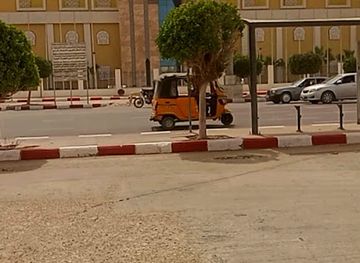
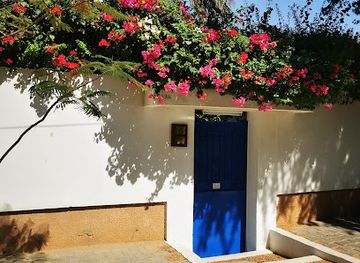
Teyarett has few conventional tourist attractions, but it offers an immediate view of Nouakchott’s northern urban landscape. Visitors can observe the rhythm of neighbourhood commerce around small shops, tea stalls, workshops and local markets, where pedestrians, taxis and carts move through streets shaped by sand and ongoing construction. Mosques and their surrounding public spaces provide important visual and social reference points, although they should be viewed respectfully and entered only with permission. A daytime drive through the district is useful for seeing how residential compounds, unfinished plots and newer roads coexist within the capital’s expanding edge. Teyarett is best approached as an everyday cultural landscape rather than a sightseeing circuit, with the surrounding Nouakchott-Nord districts providing further opportunities to observe contemporary housing, transport and local trade.
-
Park
Parc de la liberté
Explore the natural beauty and cultural vibrancy of Parc de la Liberté, a tranquil park in the heart of Nouakchott, Mauritania.
12 min drive · 4.1 km from neighbourhood centre
-
Tourist attraction
اعليب شغالي
Experience the stunning landscapes and rich cultural heritage of اعلب شغالي, a must-visit tourist attraction in Jreida, Mauritania.
18 min drive · 5.9 km from neighbourhood centre
-
Sightseeing tour agency
Chinguitty Voyages - Mauritania Tours
Explore Mauritania's stunning landscapes and rich culture with Chinguitty Voyages, your premier sightseeing tour agency.
8 min drive · 2.6 km from neighbourhood centre
Best landmarks in Teyarett
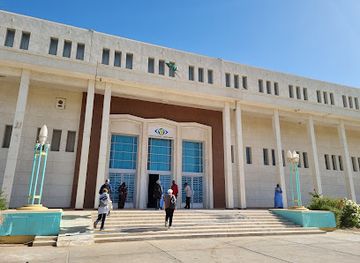
Teyarett’s principal landmarks are local rather than monumental: neighbourhood mosques, larger road junctions, market clusters and the walled compounds that structure its residential streets. These places help residents navigate an area where formal signs and numbered addresses may be inconsistent, and they reveal the district’s gradual development within Nouakchott’s northern expansion. Mosque architecture commonly provides the clearest visual focus, although individual buildings should not be assigned a special historical status without local confirmation. The contrast between paved routes, sandy lanes, unfinished walls and newer construction is itself an important urban feature. Teyarett lacks a dense collection of preserved colonial buildings or nationally celebrated monuments, so its significance lies in the ordinary structures and public reference points through which a growing capital is organised.
-
Museum
Mauritanian National Museum
Discover the cultural treasures of Mauritania at the Mauritanian National Museum, showcasing a rich tapestry of history and art.
14 min drive · 4.7 km from neighbourhood centre
-
Art gallery
Galerie Zeinart
Explore the vibrant world of Mauritanian art at Galerie Zeinart, a must-visit destination for culture enthusiasts in Nouakchott.
10 min drive · 3.4 km from neighbourhood centre
-
Government
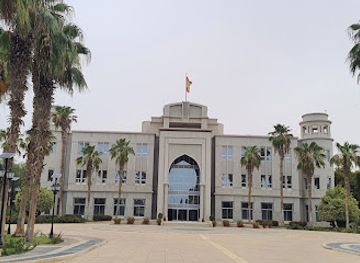
Mauritanian Presidential Palace
Explore the Mauritanian Presidential Palace, an architectural gem in Nouakchott symbolizing the nation's political heritage and cultural pride.
11 min drive · 3.7 km from neighbourhood centre
-
Tour operator
T'Ore Mauritania
Explore the breathtaking landscapes and rich culture of Mauritania with T'Ore Mauritania, your premier travel partner for unforgettable adventures.
5 min drive · 1.7 km from neighbourhood centre
Explore Teyarett on the map
A handpicked selection of must-see spots in Teyarett, mapped for you.
Best hotels in Teyarett
Best restaurants in Teyarett
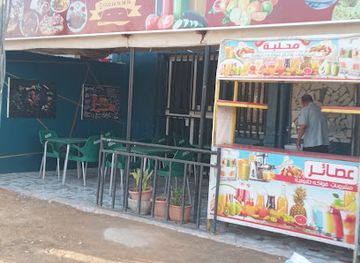
Dining in Teyarett is primarily local, informal and practical rather than organised around a recognised restaurant quarter. Small eateries, tea stalls and neighbourhood food sellers may offer dishes associated with Mauritanian home cooking, including rice, meat, couscous, bread and sweet tea, but menus and opening patterns can be informal. Visitors should ask a local contact to identify a clean, appropriate place and should favour freshly prepared food and sealed water where possible. The district’s culinary character is shaped by Nouakchott’s Hassaniya Arab, Sahelian and wider West African connections, visible in the food sold by small household businesses and roadside vendors. For a broader choice of established restaurants, cafés and international dining, visitors generally need to travel towards central Nouakchott or Tevragh-Zeina rather than expect a concentrated scene within Teyarett.
-
Restaurant
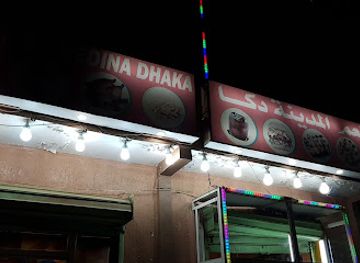
Restaurant Al Madina Dhaka
Experience authentic Mauritian and Dhaka flavors at Restaurant Al Madina Dhaka - a culinary delight in the heart of Nouakchott.
6 min walk · 0.4 km from neighbourhood centre
-
Grill
Restaurante Café de flore
Discover authentic Mauritian flavors at Restaurante Café de Flore - where grilling meets tradition in Nouakchott.
8 min drive · 2.8 km from neighbourhood centre
-
Restaurant
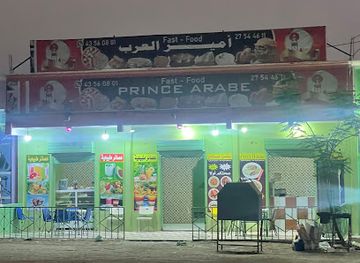
La princesse d'Arabe أميرة العرب
Discover authentic Mauritanian cuisine at La princesse d'Arabe in Nouakchott, where every dish tells a story of tradition and flavor.
8 min drive · 2.5 km from neighbourhood centre
-
Restaurant
Restaurant Atlantic
Discover the flavors of Mauritania at Restaurant Atlantic - a perfect blend of local cuisine and international tastes in Nouakchott.
5 min drive · 1.6 km from neighbourhood centre

Best bars in Teyarett
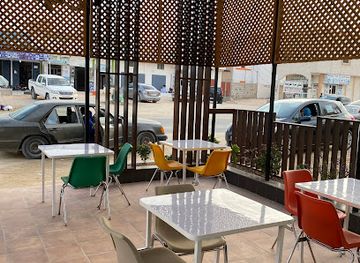
Teyarett does not have a conventional bar or nightclub scene, reflecting Mauritania’s Muslim social setting and the district’s predominantly residential character. Evenings are more likely to centre on tea, family visits, small food stalls and conversation around local shops than on alcohol-led entertainment. Visitors may encounter informal cafés or tea places, but these are modest neighbourhood gathering points rather than nightlife venues with published programmes. Alcohol is not part of ordinary public life and should not be assumed to be available. For cultural performances or a more structured evening, it is usually necessary to look elsewhere in Nouakchott, checking current arrangements locally because venues and events can change. After dark, return by pre-arranged taxi or with a trusted driver rather than relying on an unfamiliar walk through sandy streets.
-
 Bar
Doko
Experience the vibrant nightlife of Nouakchott at Doko, a charming bar offering local drinks, great ambiance, and unforgettable evenings.
9 min drive · 2.9 km from neighbourhood centre
-
Grill
Restaurante Café de flore
Discover the vibrant flavors of Mauritania at Café de Flore, Nouakchott's beloved grill restaurant, serving authentic dishes in a lively atmosphere.
8 min drive · 2.8 km from neighbourhood centre
-
Restaurant
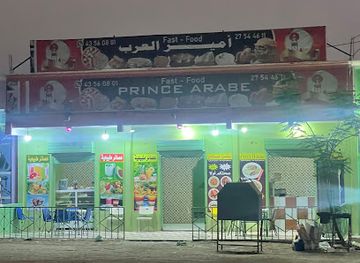
La princesse d'Arabe أميرة العرب
Discover authentic Arab cuisine at La princesse d'Arabe, a culinary gem in Nouakchott celebrating the rich flavors of Mauritania.
8 min drive · 2.5 km from neighbourhood centre
-
Bar tabac
امادو موله كرديه
Discover the lively social scene at Amadou Molle Kordiya, a premier bar tabac in Nouakchott, Mauritania, blending culture and conviviality.
5 min walk · 0.4 km from neighbourhood centre
Best nightclubs in Teyarett
Teyarett does not have a conventional bar or nightclub scene, reflecting Mauritania’s Muslim social setting and the district’s predominantly residential character. Evenings are more likely to centre on tea, family visits, small food stalls and conversation around local shops than on alcohol-led entertainment. Visitors may encounter informal cafés or tea places, but these are modest neighbourhood gathering points rather than nightlife venues with published programmes. Alcohol is not part of ordinary public life and should not be assumed to be available. For cultural performances or a more structured evening, it is usually necessary to look elsewhere in Nouakchott, checking current arrangements locally because venues and events can change. After dark, return by pre-arranged taxi or with a trusted driver rather than relying on an unfamiliar walk through sandy streets.
-
Restaurant
Nouakchott Night
Discover the vibrant nightlife and exquisite cuisine at Nouakchott Night, the ultimate dining experience in Mauritania's capital.
22 min drive · 7.2 km from neighbourhood centre
-
Bar
قاعة نجوم ليل
Discover the vibrant nightlife at قاعة نجوم ليل, an inviting bar in Nouakchott offering a unique blend of local flavors and lively entertainment.
15 min drive · 5.0 km from neighbourhood centre
-
Bar
Doko
Experience the vibrant atmosphere of Doko, a bar in Nouakchott offering a unique blend of local culture and relaxation.
9 min drive · 2.9 km from neighbourhood centre
-
Night club
كارفور كمارا
Discover the electrifying energy of كارفور كمارا, Nouakchott's top night club for dancing, drinks, and an unforgettable nightlife experience.
21 min drive · 6.9 km from neighbourhood centre


Best shops in Teyarett
Shopping in Teyarett is centred on everyday provision rather than destination retail. Small grocery shops, market stalls, mobile-phone sellers, repair workshops, clothing traders and vendors of household goods serve local residents along the district’s principal roads and busier junctions. The selection can change from one street to the next, and visitors should not expect the specialist crafts, bookshops or large retail centres found in more central parts of Nouakchott. Local purchases may include bottled water, bread, dates, tea, basic toiletries and inexpensive household items, with cash generally the safest method of payment. Browsing is most respectful when visitors ask before photographing goods or stalls and avoid blocking doorways. For larger markets and a wider range of fabrics, handicrafts and imported products, travel beyond Teyarett to established commercial areas elsewhere in the capital.
-
Shopping mall
Mariem Shop
Discover Mariem Shop, the vibrant shopping mall in Nouakchott, Mauritania, offering a unique blend of local culture and modern shopping experiences.
5 min drive · 1.6 km from neighbourhood centre
-
Shopping mall
Inchiri Shop
Discover the vibrant shopping experience at Inchiri Shop in Nouakchott, where local crafts and culinary delights await every visitor.
6 min drive · 2.0 km from neighbourhood centre
-
Shopping mall
Boutique NOUR
Discover Boutique NOUR in Nouakchott for a unique shopping experience blending local crafts and modern style in the heart of Mauritania.
16 min walk · 1.3 km from neighbourhood centre
-
Shopping mall
Boutique tawasoul
Explore Boutique Tawasoul in Nouakchott for a unique shopping experience filled with local crafts and Mauritanian culture.
3 min walk · 0.2 km from neighbourhood centre

Teyarett essentials
Getting There
Getting Around
Safety
Emergency Situations
Do's and Don'ts
Local Tips

From Eve
Local phrases worth knowing
You don't need to get them perfect. A few words go a long way, and locals appreciate the effort.
Basics
| English | Local | Say it |
|---|---|---|
| Hello | Ngi | [ngi] |
| Goodbye | Ngo jooɓi | [ngo joo-bee] |
| Yes | Haan | [haan] |
| No | Alaa | [alaa] |
| Please/You're welcome | Dii | [dee] |
| Thank you | Jerejef | [je-re-jef] |
| Excuse me/Sorry | Njaaraama | [nya-raa-ma] |
| How are you? | Ŋaɓɓe tawa? | [ngab-be ta-wa] |
| Fine. And you? | Jaaraama. E tawa? | [ja-raa-ma. e ta-wa] |
| Do you speak English? | Njette ɗum engeles? | [nya-te doom en-ge-les] |
| I don't understand | Mi njettiima | [mi nye-teema] |
Eating & Drinking
| English | Local | Say it |
|---|---|---|
| I'd like to see the menu, please | Mi nda anndi menyu, nde | [mi nda an-dee men-yu, nde] |
| I don't eat meat | Mi njetti enaay | [mi nye-te ee-nay] |
| Cheers! | Yehki! | [yeh-ki] |
| I would like to pay, please | Mi nda loowaa, nde | [mi nda loo-waa, nde] |
Emergencies
| English | Local | Say it |
|---|---|---|
| Help! | Eɓɓa! | [eb-ba] |
| Go away! | Jokku! | [jok-ku] |
| Call the Police! | Njooɗa ɗoorɗe | [nyoo-da door-de] |
| Call a doctor! | Njooɗa doktor | [nyoo-da dok-tor] |
| I'm lost | Mi nda henndi | [mi nda hen-dee] |
| I'm ill | Mi nda neɗɗi | [mi nda ne-dee] |
Shopping
| English | Local | Say it |
|---|---|---|
| I'd like to buy... | Mi nda jeed... | [mi nda jeed] |
| I'm just looking | Mi nda jeegi | [mi nda jee-gi] |
| How much is it? | Kiiɗe ɗum? | [kee-de doom] |
| That's too expensive | Waɗi e kiiɗe | [wa-dee e kee-de] |
| Can you lower the price? | Maa njooɗa kiiɗe? | [maa nyoo-da kee-de] |
Time & Numbers
| English | Local | Say it |
|---|---|---|
| What time is it? | Kiiɗe waɗi? | [kee-de wa-dee] |
| It's one o'clock | Waɗi e gooto | [wa-dee e go-to] |
| Half past (10) | Gooje yetta (10) | [go-je yet-ta] |
| Morning | Fajru | [faa-jru] |
| Afternoon | Belle | [bel-le] |
| Evening | Alɛrɓe | [al-er-be] |
| Yesterday | Haayi | [haa-yi] |
| Today | Ndeewa | [nde-wa] |
| Tomorrow | Hinaande | [hi-naan-de] |
| 1 | Kono | [ko-no] |
| 2 | Bi | [bee] |
| 3 | Ŋondu | [ngon-du] |
| 4 | Njaay | [nyaay] |
| 5 | Muus | [moos] |
| 6 | Jam | [jam] |
| 7 | Njowa | [nyo-wa] |
| 8 | Njaɓɓu | [nya-bbu] |
| 9 | Ŋoŋɗu | [ngon-du] |
| 10 | Fulɓe | [ful-be] |
Transport & Directions
| English | Local | Say it |
|---|---|---|
| Where's a/the...? | Nde e... | [nde e] |
| What's the address? | Nde e ndeeru? | [nde e nde-e-ru] |
| Can you show me (on the map)? | Maa njooɗa kikii (ko wonnde)? | [maa nyoo-da ki-ki (ko won-de)] |
| When's the next (bus)? | Nde e baayi (basi)? | [nde e ba-ayi (ba-see)] |
| A ticket (to ....) | Ndewa (to ....) | [nde-wa (to ....)] |
History of Teyarett
From Desert Margin to Capital District
Teyarett’s development belongs to the wider creation of Nouakchott as Mauritania’s national capital in the late 1950s. The city was founded near the Atlantic coast on a sparsely settled desert site, and its growth gradually extended beyond the first planned quarters. As administrative institutions, roads and housing drew people towards the capital, areas now recognised as Teyarett became part of Nouakchott’s expanding northern urban fabric. The district’s loose layout and mixture of built plots and sandy open ground preserve something of that transition from peripheral desert space to metropolitan neighbourhood.
Population Growth and Urban Expansion
During the second half of the twentieth century, Nouakchott grew far faster than its original plans anticipated, influenced by drought, rural-to-urban migration and the increasing concentration of employment and services in the capital. Teyarett developed as housing spread northwards, with compounds, local commerce, mosques and informal transport routes appearing alongside planned roads. This process produced a neighbourhood shaped less by a single industrial or colonial institution than by successive settlement and adaptation. The result is a varied built environment in which paved surfaces, unpaved lanes and windblown sand exist side by side.
Teyarett in Contemporary Nouakchott
Today Teyarett is commonly understood as one of the northern districts of Nouakchott and forms part of the capital’s continuing outward growth. Municipal administration, new construction and incremental investment have improved some connections, while drainage, road surfacing, water supply and access to services remain important urban concerns across the expanding city. Its contemporary identity is therefore residential and practical: a place where families, small businesses, workshops and religious institutions contribute to everyday city life. Teyarett also illustrates how Nouakchott’s neighbourhoods continue to develop without losing their close relationship with the surrounding Sahara.
Teyarett in Photos
Browse through our photo collection highlighting the charm and character of the destination.
Neighbourhoods near Teyarett
The closest neighbourhoods to Teyarett, if you have time for more than one stop.
-
-

-


Swipe for more neighbourhoods
Explore more

Explore more of Nouakchott
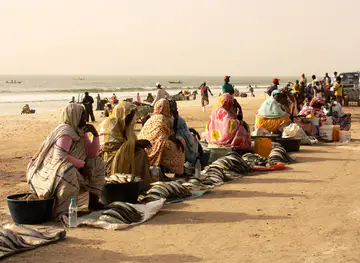
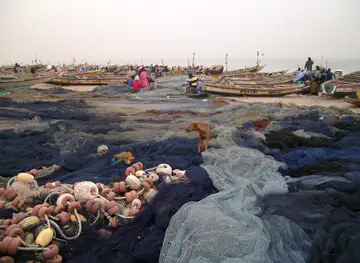
Nouakchott reveals Mauritania through desert horizons, Atlantic fishing culture, Saharan history, lively markets, local cuisine and quiet coastal experiences.
Explore Nouakchott