

Free Bel Ombre Travel Guide & Mobile App
Plan your Bel Ombre trip with Evendo. Get free guides to top attractions, restaurants, hotels, and bars. Web access or download the mobile app.


Bel Ombre, Mauritius, pairs sugar-estate heritage with lagoons, coral reefs, forest trails and southern-coast adventures for thoughtful island escapes.
A Southern Coastal Landscape
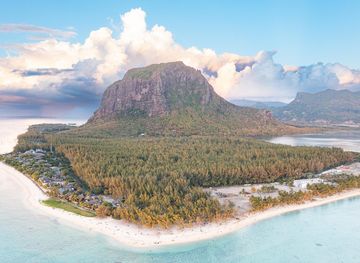
Bel Ombre lies on the largely rural south-western coast of Mauritius, where a broad lagoon meets sugar-cane fields, wooded foothills and the slopes of the Black River Gorges. It is less an urban centre than a scattered coastal district and resort community, with quiet roads, small settlements and expansive estates shaping its character. The shoreline alternates between pale beaches, mangrove-fringed inlets and reef-protected water, while the interior rises towards the island’s forested uplands.Read more about Bel Ombre
Sugar Estate Heritage
Nature and Outdoor Life
When is the best time to visit Bel Ombre?
Best: July–September · 26–27°C| Month | High (°C) | Rainfall (mm) |
|---|---|---|
| January | 30 | 199 |
| February | 29 | 189 |
| March | 29 | 164 |
| April | 28 | 110 |
| May | 27 | 66 |
| June | 26 | 44 |
| July (best) | 26 | 36 |
| August (best) | 26 | 36 |
| September (best) | 27 | 38 |
| October | 28 | 44 |
| November | 29 | 76 |
| December | 30 | 132 |
Getting to and around Bel Ombre
How to get there
Transportation
Best attractions in Bel Ombre
Bel Ombre’s attractions are shaped by the meeting of lagoon, plantation and forest. The Heritage Nature Reserve offers guided walks, 4x4 routes and views across former estate land, with native woodland and mountain scenery providing a strong contrast to the coast. Along the shore, the Bel Ombre lagoon is suited to snorkelling, kayaking, paddleboarding and boat excursions when conditions are favourable. Château Bel Ombre and its surrounding estate landscape introduce the area’s plantation history through architecture and open grounds, while nearby World of Seas activities and conservation-led experiences focus on the marine environment. A short drive south brings visitors to Souillac, where the cliffs and rough surf at Gris Gris create one of the island’s most atmospheric coastal viewpoints. Rochester Falls, inland from Souillac, is another regional excursion, known for its broad basalt formations and seasonal flow. The Black River Gorges area farther north adds forest trails, viewpoints and endemic wildlife to the wider sightseeing possibilities.
-
Amusement park
La Vallée Des Couleurs Nature Park
Explore La Vallée Des Couleurs Nature Park, a breathtaking paradise in Mauritius with vibrant landscapes, adventure sports, and culinary delights.
29 min drive · 9.6 km from city centre
-
Tourist attraction
Chamarel Seven Colored Earth Geopark
Discover the breathtaking beauty of Chamarel Seven Colored Earth Geopark, a natural wonder showcasing vibrant colors and stunning landscapes in Mauritius.
23 min drive · 7.7 km from city centre
-
Amusement park
Casela Nature Parks | Best Nature Parks in Mauritius
Discover the enchanting Casela Nature Parks in Mauritius, where thrilling adventures meet stunning wildlife experiences in a lush paradise.
44 min drive · 24 km from city centre
-
Tourist attraction
Chamarel Waterfall
Discover the breathtaking Chamarel Waterfall, a natural marvel in Mauritius surrounded by lush landscapes and vibrant ecosystems, perfect for every nature lover.
21 min drive · 6.9 km from city centre


Best landmarks in Bel Ombre
Château Bel Ombre is the district’s principal heritage landmark, a historic plantation residence associated with the estate landscape that shaped the southern coast. Its architecture and setting help explain how sugar production organised land, labour and settlement during the colonial period. The coast itself forms another defining landmarkscape: the Bel Ombre lagoon, reef edge and wooded mountain backdrop express the geographical character of south-west Mauritius more clearly than any urban monument. Nearby Gris Gris, at the southern edge of Souillac, is distinguished by high cliffs and powerful Atlantic-facing surf, while Rochester Falls is notable for water moving over unusual columnar basalt formations. Farther inland, the Black River Gorges landscape preserves forests and dramatic ridges that frame views back towards the coast. Together these places connect Bel Ombre’s built heritage with geological, coastal and ecological features that have shaped its identity.
-
Tourist attraction
Curious Chamarel
Explore the breathtaking landscapes and thrilling adventures of Curious Chamarel, a top tourist destination in Mauritius offering fun for all ages.
22 min drive · 7.3 km from city centre
-
 Resort hotel
OUTRIGGER Mauritius Beach Resort
Experience luxury and relaxation at Outrigger Mauritius Beach Resort, where stunning beaches meet exceptional service in a tropical paradise.
19 min walk · 1.5 km from city centre
-
Resort hotel
Heritage Awali Golf and Spa Resort
Discover the elegance of Heritage Awali Golf and Spa Resort, a luxurious escape in Mauritius featuring stunning beaches, golf, and rejuvenating spa experiences.
12 min walk · 0.9 km from city centre
-
Resort hotel
Heritage Le Telfair Golf & Wellness Resort
Experience luxury and tranquility at Heritage Le Telfair Golf & Wellness Resort in Mauritius, a perfect blend of relaxation, adventure, and gourmet dining.
8 min walk · 0.6 km from city centre


Explore Bel Ombre on the map
Plan your Bel Ombre trip on one map. See where the top attractions, landmarks, restaurants, bars and hotels are, find what's near where you're staying, and book hotels and experiences in a few clicks.
Best hotels in Bel Ombre
Best restaurants in Bel Ombre
Dining in Bel Ombre is concentrated around hotels, resorts and estate properties, where menus commonly combine international cooking with Mauritian influences. Local specialities worth looking for include fish and seafood from the surrounding waters, octopus curry, rougaille, dholl puri, farata, samoussas, chilli cakes and fragrant rice dishes shaped by the island’s Indian, Creole, Chinese and European heritage. Sugar and tropical produce also appear in desserts, preserves and rum-based drinks, while vanilla, coconut and local spices lend familiar island flavours. The area’s restaurants tend to offer polished dining in coastal or plantation settings, alongside casual Mauritian dishes available through selected cafés, takeaways and organised food experiences. For a more everyday atmosphere, Chemin Grenier and Souillac have local eateries and small shops, though the range is more limited than in the island’s larger towns. Menus and opening patterns can be seasonal, particularly outside the main resort properties.
-
Restaurant
Rhumerie de Chamarel Restaurant & Rum Distillery
Artisanal Mauritian rum distillery in Chamarel's lush valley, offering guided tours, expert tastings, and gourmet dining amid sugarcane fields and tropical splendor.
25 min drive · 8.3 km from city centre
-
Restaurant
C Beach Club
Discover the ultimate beachside experience at C Beach Club in Bel Ombre - where exquisite dining meets thrilling water adventures.
6 min walk · 0.4 km from city centre
-
Restaurant
Le Château de Bel Ombre
Experience exquisite fine dining at Le Château de Bel Ombre amidst stunning Mauritian landscapes.
9 min walk · 0.7 km from city centre
-
Restaurant
Bus Snack
Discover the flavors of Mauritius at Bus Snack in St. Martin - where delicious local cuisine meets warm hospitality.
13 min walk · 1.0 km from city centre


Best bars in Bel Ombre
Bel Ombre has a restrained evening scene rather than a dedicated nightlife district. Most after-dark activity is centred on resort bars, hotel lounges and restaurants, where visitors may find cocktails, Mauritian rum, wine, live music and occasional cultural performances in relaxed surroundings. Some properties organise sega evenings, a Mauritian music and dance tradition with African, European and Indian influences, while the open coastal setting also lends itself to sunset drinks and quiet stargazing. Nearby villages provide a handful of local bars and social cafés, but they are not arranged as a concentrated entertainment quarter, and late-night options are limited compared with Grand Baie or Flic-en-Flac. Visitors should arrange transport in advance when travelling between properties or returning from Souillac, as rural roads are quiet and public transport becomes less useful in the evening. The atmosphere is best suited to conversation, music and the landscape rather than club-focused nights.
-
Restaurant
C Beach Club
Experience the ultimate beachside escape at C Beach Club in Mauritius, where exquisite dining meets exhilarating sports and stunning ocean views.
6 min walk · 0.4 km from city centre
-
Restaurant
Le Château de Bel Ombre
Discover exquisite fine dining at Le Château de Bel Ombre, where culinary artistry meets the enchanting beauty of Mauritius.
9 min walk · 0.7 km from city centre
-
Restaurant
The Plantation Club
Experience the flavors of Mauritius at The Plantation Club, where exquisite cuisine meets breathtaking views in a luxurious setting.
5 min drive · 1.7 km from city centre
-
Restaurant
Infinity Blue
Discover culinary paradise at Infinity Blue, where exquisite seafood meets breathtaking ocean views in Bel Ombre, Mauritius.
12 min walk · 1.0 km from city centre


Best nightclubs in Bel Ombre
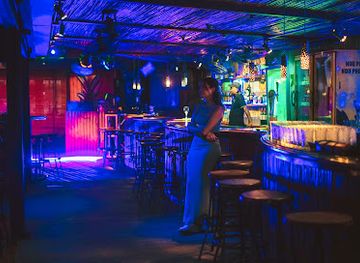
Bel Ombre has a restrained evening scene rather than a dedicated nightlife district. Most after-dark activity is centred on resort bars, hotel lounges and restaurants, where visitors may find cocktails, Mauritian rum, wine, live music and occasional cultural performances in relaxed surroundings. Some properties organise sega evenings, a Mauritian music and dance tradition with African, European and Indian influences, while the open coastal setting also lends itself to sunset drinks and quiet stargazing. Nearby villages provide a handful of local bars and social cafés, but they are not arranged as a concentrated entertainment quarter, and late-night options are limited compared with Grand Baie or Flic-en-Flac. Visitors should arrange transport in advance when travelling between properties or returning from Souillac, as rural roads are quiet and public transport becomes less useful in the evening. The atmosphere is best suited to conversation, music and the landscape rather than club-focused nights.
-
Grill
Banana Beach Club
Banana Beach Club in Grand Baie offers a unique blend of grilled delights and live jazz music, perfect for an unforgettable night out.
1 h 18 min drive · 58 km from city centre
-
Night club
Big Willy's
Discover the lively atmosphere and delectable tapas at Big Willy's, a top night club in Tamarin, Mauritius, perfect for a vibrant night out.
40 min drive · 20 km from city centre
-
Restaurant
C Beach Club
Discover the ultimate beach club experience at C Beach Club in Bel Ombre, where relaxation meets adventure in a tropical paradise.
6 min walk · 0.4 km from city centre
-
Golf club
Heritage Golf Club - Le Chateau
Explore the exquisite Heritage Golf Club - Le Chateau, where luxury meets breathtaking golfing in the heart of Mauritius.
3 min walk · 0.2 km from city centre


Best shops in Bel Ombre
Shopping in Bel Ombre is modest and closely linked to resorts, estate properties and nearby villages rather than to a large retail centre. Hotel boutiques commonly stock Mauritian textiles, handicrafts, jewellery, beachwear, rum and packaged island products, while artisan outlets and heritage settings may offer locally made souvenirs. Useful purchases include tea, vanilla, spices, tropical preserves, woven goods and small objects inspired by the island’s landscapes, although visitors should check provenance rather than assume every item is locally produced. Everyday shopping is easier in Chemin Grenier or Souillac, where small supermarkets, pharmacies, bakeries and independent shops serve local communities. Markets elsewhere in southern Mauritius provide a more informal introduction to fruit, vegetables, snacks and household goods than the resort zone, but opening patterns vary. Bargaining is not generally expected in ordinary shops; it is more appropriate to agree prices clearly in informal or craft-selling situations.
-
Shopping mall
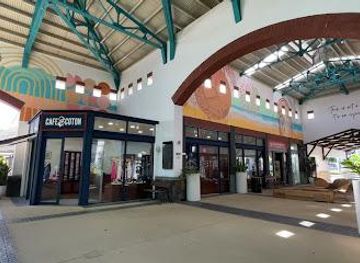
Cascavelle Shopping Mall
Explore the vibrant Cascavelle Shopping Mall in Bambous, Mauritius, where shopping, dining, and entertainment come together for an unforgettable experience.
45 min drive · 25 km from city centre
-
Supermarket
Winner's Cascavelle
Experience the vibrant flavors of Mauritius at Winner's Cascavelle Supermarket, your one-stop destination for fresh local produce and international goods.
45 min drive · 25 km from city centre
-
Handicraft
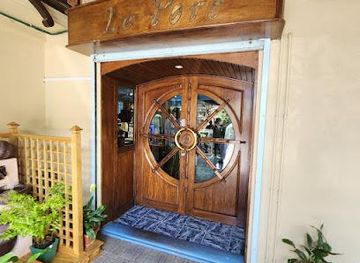
Le Port Ship Model Factory and Showroom
Explore the exquisite craftsmanship of ship models at Le Port Ship Model Factory and Showroom, a unique cultural gem in Vacoas-Phoenix, Mauritius.
44 min drive · 24 km from city centre
-
Market
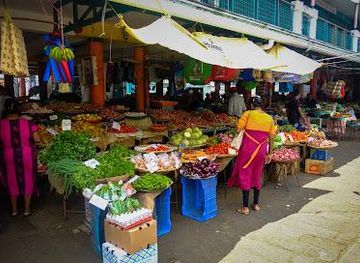
Mahebourg Market
Explore the colorful Mahebourg Market for a taste of local culture, fresh produce, and unique crafts in the heart of Mauritius.
53 min drive · 33 km from city centre

Get your free copy of our complete guide to Bel Ombre, delivered straight to you.
Everything on this page, from attractions and restaurants to essentials and local phrases, in one PDF you can read offline, print or share.
Already have an account? Sign in
Your Bel Ombre guide is ready.
We'll send it to · Not you? Sign out

Getting your guide ready…
We are putting together a fresh copy of the Bel Ombre guide. This can take up to a minute.
This can take a few moments. If your browser asks, choose Allow so the download can start. You'll find the guide in your Downloads folder.
Nothing happened? Download it again
Sorry, the guide is taking longer than usual. Please try again in a minute, or get it by email instead.
Bel Ombre essentials
Currency and Payment
Safety
Emergency Situations
Do's and Don'ts
Local Tips
From Eve
Local phrases worth knowing
You don't need to get them perfect. A few words go a long way, and locals appreciate the effort.
Basics
| English | Local | Say it |
|---|---|---|
| Hello | Bonjour | [bohn-zhoor] |
| Goodbye | Au revoir | [oh rev-wahr] |
| Yes | Wi | [wee] |
| No | Non | [nohn] |
| Please/You're welcome | S'il vous plaît/De rien | [see voo pleh/duh ree-ehn] |
| Thank you | Merci | [mehr-see] |
| Excuse me/Sorry | Excusez-moi/Désolé | [ex-kew-zay mwah/deh-zoh-lay] |
| How are you? | Comment allez-vous? | [koh-mohn tah-lay voo] |
| Fine. And you? | Bien. Et vous? | [byehn/ay voo] |
| Do you speak English? | Parlez-vous anglais? | [par-lay voo ahn-glay] |
| I don't understand | Je ne comprends pas | [zhuh nuh kohm-prahnd pah] |
Eating & Drinking
| English | Local | Say it |
|---|---|---|
| I'd like to see the menu, please | Je voudrais voir le menu, s'il vous plaît | [zhuh voo-dray vwah-r leuh meh-noo, see voo pleh] |
| I don't eat meat | Je ne mange pas de viande | [zhuh nuh mahnzh pah duh vee-and] |
| Cheers! | Santé! | [sahn-tay] |
| I would like to pay, please | Je voudrais payer, s'il vous plaît | [zhuh voo-dray pay-ay, see voo pleh] |
Emergencies
| English | Local | Say it |
|---|---|---|
| Help! | À l'aide! | [ah layd] |
| Go away! | Allez-vous en! | [al-lay voo on] |
| Call the Police! | Appelez la police! | [ah-peh-lay lah poh-lees] |
| Call a doctor! | Appelez un médecin! | [ah-peh-lay uhn mayd-sehn] |
| I'm lost | Je suis perdu | [zhuh swee pair-doo] |
| I'm ill | Je suis malade | [zhuh swee mah-lahd] |
Shopping
| English | Local | Say it |
|---|---|---|
| I'd like to buy... | Je voudrais acheter... | [zhuh voo-dray zah-shtay...] |
| I'm just looking | Je regarde juste | [zhuh ruh-gahrd zhoost] |
| How much is it? | Combien ça coûte? | [kohm-byen sah koot] |
| That's too expensive | C'est trop cher | [say troh shair] |
| Can you lower the price? | Pouvez-vous baisser le prix? | [poo-vay voo bay-say luh pree] |
Time & Numbers
| English | Local | Say it |
|---|---|---|
| What time is it? | Quelle heure est-il? | [kell ur eh-teel] |
| It's one o'clock | Il est une heure | [eel eh oon ur] |
| Half past (10) | Dix heures et demie | [dees ur ay duh-mee] |
| Morning | Matin | [mah-tan] |
| Afternoon | Après-midi | [ah-pray mee-dee] |
| Evening | Soir | [swah] |
| Yesterday | Hier | [ee-air] |
| Today | Aujourd'hui | [oh-zhoor-dwee] |
| Tomorrow | Demain | [duh-mahn] |
| 1 | Un | [uhn] |
| 2 | Deux | [duh] |
| 3 | Trois | [twah] |
| 4 | Quatre | [kat] |
| 5 | Cinq | [sank] |
| 6 | Six | [sees] |
| 7 | Sept | [set] |
| 8 | Huit | [wheet] |
| 9 | Neuf | [nuff] |
| 10 | Dix | [dees] |
Transport & Directions
| English | Local | Say it |
|---|---|---|
| Where's a/the...? | Où est...? | [oo eh...] |
| What's the address? | Quelle est l'adresse? | [kell eh la-dress] |
| Can you show me (on the map)? | Pouvez-vous me montrer (sur la carte)? | [poo-vay voo muh mohn-tray (sur lah kart)] |
| When's the next (bus)? | Quand est le prochain (bus)? | [kahnd eh luh proh-shang (bus)] |
| A ticket (to ....) | Un billet (pour ....) | [uhn bee-yay (poor)] |
History of Bel Ombre
Before Colonial Plantation
Before permanent European settlement, Mauritius was visited by seafarers and later settled by the Dutch, although the island had no indigenous population. The south-western coast around present-day Bel Ombre was valued for its sheltered waters, wetlands, forests and access to the interior rather than for a dense town. The surrounding mountains and coastal plains formed part of a natural environment later altered substantially by plantation agriculture. This early geographical setting still explains the district’s dispersed character: Bel Ombre developed around estates and coastal activity rather than a compact historic centre.
French Settlement and Sugar
Under French rule, Mauritius became a plantation colony known as Île de France, and sugar cultivation expanded during the eighteenth century. Land in the Bel Ombre area was organised into estates, with cane fields replacing parts of the native woodland and a network of roads, mills and workers’ settlements gradually taking shape. Plantation production depended on enslaved labour, primarily from Africa and Madagascar, and the social divisions created during this period left a lasting mark on Mauritian society. The estate landscape, rather than a civic town plan, remains the most visible historical structure in Bel Ombre.
British Rule and Plantation Expansion
Britain took control of Mauritius in 1810, while French language, law, landholding patterns and Catholic traditions continued to shape everyday life. During the nineteenth century, sugar became the dominant economic force, and estates in the south-west were integrated into wider systems of milling, export and coastal transport. The abolition of slavery in 1835 transformed plantation labour; indentured workers, especially from India, were subsequently brought to Mauritius to work in the sugar industry. Their descendants form a major part of the island’s population and contributed enduring languages, religious practices and culinary traditions to the cultural landscape around Bel Ombre.
Estate Society and Rural Change
For much of the nineteenth and twentieth centuries, Bel Ombre remained a rural estate district whose rhythms were governed by cane cultivation, harvests and the seasonal movement of labour. Estate housing, managers’ residences, roads and industrial buildings expressed a hierarchy that connected landowners, mill workers and surrounding villages. The sugar industry also encouraged the development of nearby settlements such as Chemin Grenier and Souillac, which became practical service centres for the south. As mechanisation and economic diversification changed Mauritius after independence, plantation land increasingly acquired new roles in conservation, leisure and hospitality.
Heritage and Nature Conservation
Contemporary Bel Ombre reflects a shift from an economy centred almost entirely on sugar towards one combining hospitality, conservation, agriculture and outdoor recreation. Former estate land has been incorporated into heritage and nature-based developments, while the adjacent forests and watersheds are valued for biodiversity and environmental protection. The district’s modern identity therefore rests on two linked inheritances: the cultural history of the sugar estate and the surviving landscapes of the south-west. Heritage buildings, plantation scenery and protected uplands provide context for the visitor experiences now associated with Bel Ombre.
Travel experiences inspired by this city


Swipe for more travel diaries
Bel Ombre in Photos
Browse through our photo collection highlighting the charm and character of the destination.
Cities near Bel Ombre
The closest cities to Bel Ombre, if you have time for more than one stop.
-

-

-

-

-


Swipe for more cities
Explore more
Explore more of Mauritius
Discover Mauritius, the tropical paradise of the Indian Ocean, where pristine beaches, lush landscapes, and vibrant culture come together for an unforgettable escape.
Explore Mauritius