

Free Black River Travel Guide & Mobile App
Plan your Black River trip with Evendo. Get free guides to top attractions, restaurants, hotels, and bars. Web access or download the mobile app.


Discover the natural wonders of Black River, Mauritius – where lush forests, sparkling waters, and rich cultural heritage create the perfect escape for every traveler.
Read more about Black River
When is the best time to visit Black River?
Best: July–September · 26–27°C| Month | High (°C) | Rainfall (mm) |
|---|---|---|
| January | 30 | 189 |
| February | 30 | 175 |
| March | 30 | 182 |
| April | 29 | 136 |
| May | 28 | 104 |
| June | 27 | 77 |
| July (best) | 26 | 66 |
| August (best) | 26 | 63 |
| September (best) | 27 | 66 |
| October | 28 | 76 |
| November | 29 | 135 |
| December | 31 | 174 |
Getting to and around Black River
How to get there
Transportation
Best attractions in Black River
Black River in Mauritius offers a diverse range of attractions for visitors to explore, from the stunning beaches with crystal clear waters perfect for swimming and water sports, to the vibrant local markets where you can immerse yourself in the culture and sample delicious street food. Take a boat trip to see the breathtaking waterfalls and lush greenery of the Black River Gorges National Park, or visit the historic Chamarel village to see the colorful sands and unique geological formations. Whether you're seeking adventure, relaxation, or cultural experiences, Black River has something for every type of traveler.
-
Tourist attraction
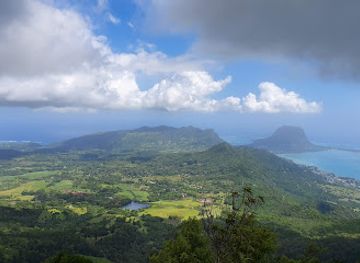
Piton de la Petite Rivière Noire
Discover the stunning landscapes and rich biodiversity of Piton de la Petite Riviere Noire, a must-see destination in Mauritius for nature lovers.
25 min drive · 8.5 km from city centre
Best landmarks in Black River
Black River in Mauritius offers visitors a rich tapestry of history and natural beauty. From the iconic Le Morne Brabant mountain to the historic Martello Tower, there is something for every history enthusiast. The stunning beaches, such as Flic en Flac and Tamarin, provide a perfect backdrop for relaxation and water activities. Don't miss the opportunity to explore the Black River Gorges National Park, home to unique flora and fauna, and the Chamarel Seven Coloured Earths, a geological wonder. Whether you are seeking adventure or tranquility, Black River has it all.
-
Tourist attraction
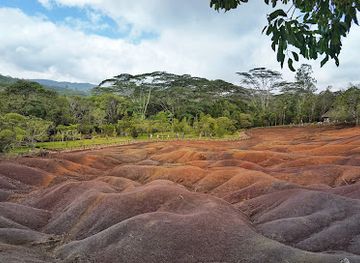
Chamarel Seven Colored Earth Geopark
Explore the stunning Chamarel Seven Colored Earth Geopark, a vibrant natural wonder showcasing unique colored sands and breathtaking landscapes in Mauritius.
33 min drive · 13 km from city centre
-
Amusement park
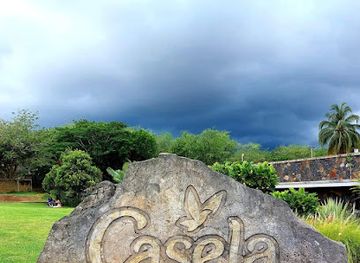
Casela Nature Parks
Experience the thrill of adventure and the beauty of wildlife at Casela Nature Parks in Mauritius, a top-rated amusement park and zoo.
15 min drive · 4.9 km from city centre
-
Tourist attraction
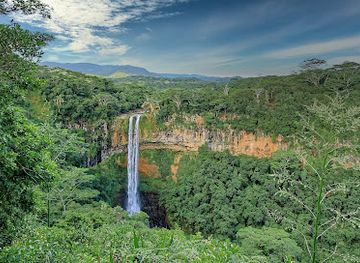
Chamarel Waterfall
Experience the breathtaking Chamarel Waterfall, a natural wonder in Mauritius, surrounded by lush greenery and vibrant landscapes.
33 min drive · 13 km from city centre
-
National park
Black River Gorges National Park
Discover the natural beauty of Black River Gorges National Park, a haven for adventure seekers and nature lovers in Mauritius, showcasing stunning landscapes and unique wildlife.
31 min drive · 11 km from city centre
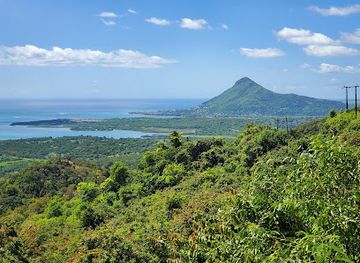
Explore Black River on the map
Plan your Black River trip on one map. See where the top attractions, landmarks, restaurants, bars and hotels are, find what's near where you're staying, and book hotels and experiences in a few clicks.
Best hotels in Black River
Best restaurants in Black River
Black River offers a diverse dining scene that caters to all tastes and preferences. From beachfront cafes serving fresh seafood to upscale restaurants offering gourmet cuisine, visitors can enjoy a wide range of culinary options. Local Creole dishes, international fusion cuisine, and exotic flavors from around the world can be found in the city's restaurants. The vibrant atmosphere, warm hospitality, and stunning views make dining in Black River a memorable experience for tourists looking to explore the city's gastronomic delights.
-
Restaurant
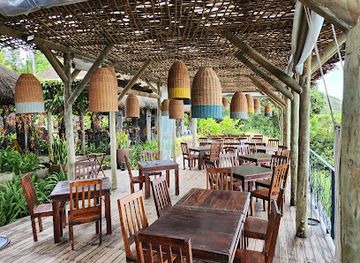
Le Chamarel Restaurant
Experience exquisite Mauritian cuisine amidst breathtaking views at Le Chamarel Restaurant - a true culinary treasure in Mauritius.
30 min drive · 10 km from city centre
-
Restaurant
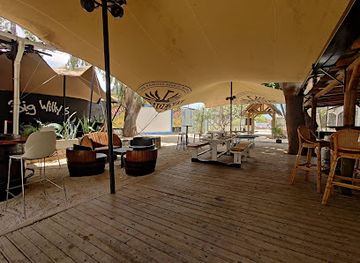
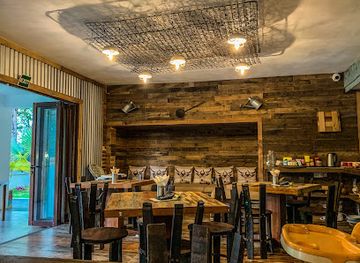
Big Willy's
Discover the ultimate dining and nightlife experience at Big Willy's in Tamarin - where great food meets vibrant entertainment.
10 min drive · 3.3 km from city centre
-
Restaurant
The Bay Guest House & Restaurant
Discover authentic Mauritian cuisine at The Bay Guest House & Restaurant, where breathtaking views meet unparalleled hospitality in Black River.
18 min drive · 6.1 km from city centre
-
Restaurant
Creole Shack (Table D’hôte Upon Reservation ONLY, on WhatsApp one, two, or three days prior)
Experience authentic Mauritian cuisine at Creole Shack in Flic en Flac - a reservation-only dining destination for food lovers.
23 min drive · 7.8 km from city centre
Best bars in Black River
The nightlife scene in Black River is vibrant and diverse, offering visitors a mix of trendy bars, cozy lounges, and lively nightclubs. From waterfront establishments with stunning views to hidden gems tucked away in the city streets, there is something for every taste and preference. Live music, DJ sets, and themed nights are common, creating a lively atmosphere for locals and tourists alike. Whether you're looking to dance the night away or enjoy a relaxed evening with friends, Black River has options to suit every mood and occasion.
-
Restaurant
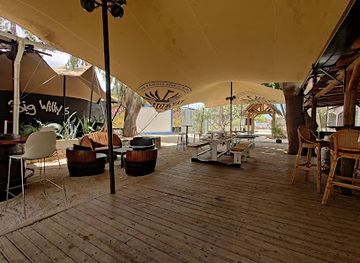
Big Willy's
Experience the perfect blend of dining and nightlife at Big Willy's in Tamarin, Mauritius – where flavor meets fun in a vibrant atmosphere.
10 min drive · 3.3 km from city centre
-
Bar
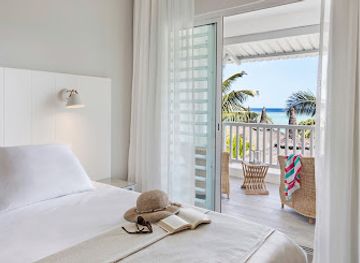
The Bay Guest House & Restaurant
Experience the charm of The Bay Guest House & Restaurant in Black River, where tropical relaxation meets exquisite dining in a stunning setting.
18 min drive · 6.1 km from city centre
-
Bar
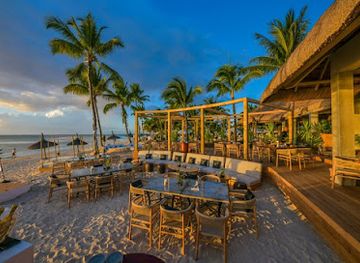
Buddha Bar Beach
Discover Buddha Bar Beach: A luxurious beachfront retreat in Flic en Flac, combining exquisite dining, vibrant nightlife, and serene relaxation.
19 min drive · 6.3 km from city centre
-
Restaurant
Le Kiosk - Ruisseau Creole
Experience the best of Mauritian and international flavors at Le Kiosk - Ruisseau Creole, your perfect dining destination in Black River.
17 min drive · 5.7 km from city centre
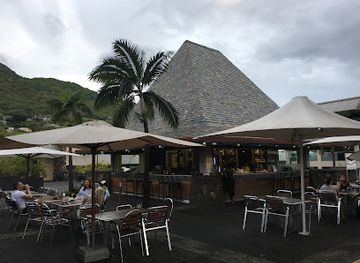
Best nightclubs in Black River
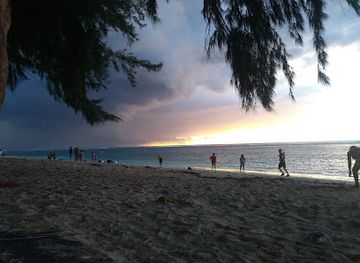
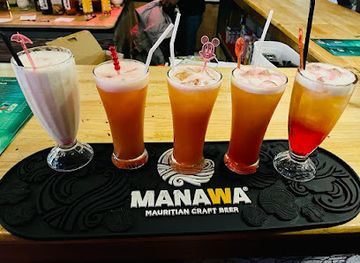
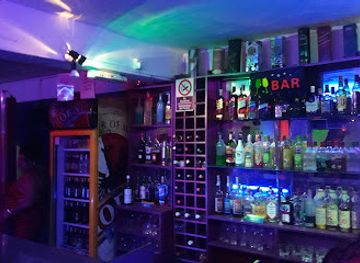
The nightlife scene in Black River is vibrant and diverse, offering visitors a mix of trendy bars, cozy lounges, and lively nightclubs. From waterfront establishments with stunning views to hidden gems tucked away in the city streets, there is something for every taste and preference. Live music, DJ sets, and themed nights are common, creating a lively atmosphere for locals and tourists alike. Whether you're looking to dance the night away or enjoy a relaxed evening with friends, Black River has options to suit every mood and occasion.
-
Lounge
Dans Le Fataque
Discover the tranquility of Dans Le Fataque Lounge in Albion, where local flavors and a relaxed ambiance create perfect moments.
34 min drive · 14 km from city centre
-
Night club
Saxo Beach Club
Discover the lively Saxo Beach Club in Flic en Flac, where vibrant nightlife meets stunning beachfront views in Mauritius.
23 min drive · 7.7 km from city centre
-
Night club
The Platinum Club
Experience the vibrant nightlife of Mauritius at The Platinum Club in Beau Bassin-Rose Hill, where unforgettable parties and electrifying music await.
34 min drive · 14 km from city centre
-
 Night club
Summerbeach
Discover the energetic nightlife of Flic en Flac at Summerbeach, where music, dancing, and vibrant cocktails come together for an unforgettable experience.
23 min drive · 7.7 km from city centre
Best shops in Black River
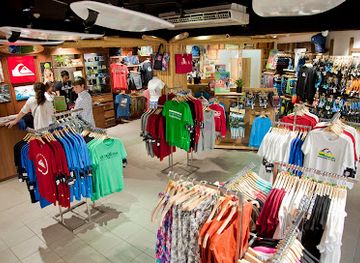
Black River offers a unique shopping experience with a mix of local markets, trendy boutiques, and upscale shopping centers. Visitors can explore the bustling marketplaces filled with colorful handicrafts, spices, and souvenirs, or browse through designer stores for high-end fashion and accessories. Whether you're looking for traditional Mauritian goods or international brands, Black River has something for every shopper. Don't miss the chance to haggle with local vendors or relax in a chic cafe after a day of retail therapy.
-
Supermarket
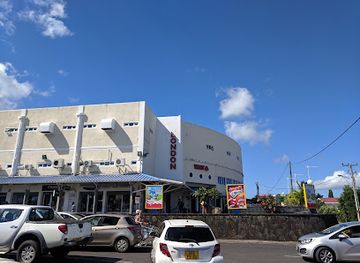
London Way Supermarket Black River
Explore the vibrant offerings at London Way Supermarket in Black River, your go-to destination for local goods and essentials during your Mauritian adventure.
17 min drive · 5.8 km from city centre
-
Shopping mall
Ruisseau Creole
Ruisseau Creole: A vibrant shopping mall in Mauritius, blending local culture, unique crafts, and delightful dining experiences.
17 min drive · 5.7 km from city centre
-
Bakery
La Kaz A Pain
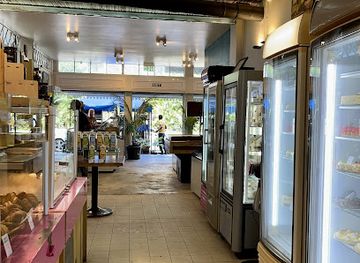
Discover La Kaz A Pain, a charming bakery in Black River, Mauritius, offering delicious, freshly baked goods inspired by local flavors.
17 min drive · 5.7 km from city centre
-
Coffee shop
Kuumba Coffee Black River
Experience the vibrant flavors of Mauritius at Kuumba Coffee Black River, where local culture meets exceptional coffee in a cozy setting.
17 min drive · 5.7 km from city centre
Get your free copy of our complete guide to Black River, delivered straight to you.
Everything on this page, from attractions and restaurants to essentials and local phrases, in one PDF you can read offline, print or share.
Already have an account? Sign in
Your Black River guide is ready.
We'll send it to · Not you? Sign out

Getting your guide ready…
We are putting together a fresh copy of the Black River guide. This can take up to a minute.
This can take a few moments. If your browser asks, choose Allow so the download can start. You'll find the guide in your Downloads folder.
Nothing happened? Download it again
Sorry, the guide is taking longer than usual. Please try again in a minute, or get it by email instead.
Black River essentials
Currency and Payment
Safety
Emergency Situations
Do's and Don'ts
Local Tips
From Eve
Local phrases worth knowing
You don't need to get them perfect. A few words go a long way, and locals appreciate the effort.
Basics
| English | Local | Say it |
|---|---|---|
| Hello | Bonjou | [Bon-joo] |
| Goodbye | Orevwar | [O-re-vwar] |
| Yes | Wi | [Wee] |
| No | Non | [Non] |
| Please/You're welcome | Si ou plé | [See oo pleh] |
| Thank you | Mersi | [Mer-see] |
| Excuse me/Sorry | Eskiz mwa | [Es-keez mwa] |
| How are you? | Kouma ou lé? | [Koo-ma oo lay] |
| Fine. And you? | Byen. E ou? | [Byen. Eh oo?] |
| Do you speak English? | Ou kapav koze Angle? | [Oo ka-pav koz ang-leh] |
| I don't understand | Mo pa konpran | [Mo pa kon-pran] |
Eating & Drinking
| English | Local | Say it |
|---|---|---|
| I'd like to see the menu, please | Mo lé zet menu, si ou plé | [Mo lay zayt meh-noo, see oo pleh] |
| I don't eat meat | Mo pa manz karn | [Mo pa manz kar-n] |
| Cheers! | Santé! | [San-tay] |
| I would like to pay, please | Mo lé pey, si ou plé | [Mo lay pay, see oo pleh] |
Emergencies
| English | Local | Say it |
|---|---|---|
| Help! | Aid mwa! | [Ayd mwa] |
| Go away! | Ale rod! | [Ah-lay rohd] |
| Call the Police! | Apel laba! | [A-pel la-bah] |
| Call a doctor! | Apel dokter! | [A-pel dok-ter] |
| I'm lost | Mo perdi | [Mo per-dee] |
| I'm ill | Mo malad | [Mo ma-lad] |
Shopping
| English | Local | Say it |
|---|---|---|
| I'd like to buy... | Mo lé aste... | [Mo lay as-teh] |
| I'm just looking | Mo pe swazir | [Mo peh swa-zeer] |
| How much is it? | Komoné? | [Ko-mo-nay] |
| That's too expensive | Sa tro kher | [Sa tro kehr] |
| Can you lower the price? | Ou kapav redwi pri? | [Oo ka-pav red-wee pree] |
Time & Numbers
| English | Local | Say it |
|---|---|---|
| What time is it? | Ki lèr? | [Key layr] |
| It's one o'clock | Lèr zèr | [Layr zair] |
| Half past (10) | Demi (dis) | [Duh-mee (dees)] |
| Morning | Maten | [Mah-ten] |
| Afternoon | Apremidi | [A-pruh-mee-dee] |
| Evening | Swar | [Swar] |
| Yesterday | Yer | [Yair] |
| Today | Zordi | [Zor-dee] |
| Tomorrow | Demenn | [Duh-men] |
| 1 | Enn | [En] |
| 2 | De | [Day] |
| 3 | Trwa | [Troi] |
| 4 | Kat | [Kat] |
| 5 | Sennk | [Sank] |
| 6 | Sis | [Sis] |
| 7 | Set | [Set] |
| 8 | Uit | [Weet] |
| 9 | Néf | [Nayf] |
| 10 | Dis | [Dees] |
Transport & Directions
| English | Local | Say it |
|---|---|---|
| Where's a/the...? | Koté lé...? | [Ko-tay lay] |
| What's the address? | Ki adres? | [Key ad-res] |
| Can you show me (on the map)? | Ou kapav montre mwa (sir latet)? | [Oo ka-pav mon-truh mwa (seer la-tet)] |
| When's the next (bus)? | Lé ki lèr prochen (bis)? | [Lay key layr pro-shen (bees)] |
| A ticket (to ....) | En tiké (al...) | [En ti-kay (al)] |
History of Black River
Early Settlements
The region of Black River in Mauritius was first settled by the Dutch in the late 16th century. They were attracted by the fertile lands and abundant fresh water sources. The Dutch established small communities and began cultivating sugarcane, which would later become one of the island's most important crops.
French Colonial Period
In the 18th century, the French took control of Mauritius and renamed it Isle de France. Black River was an important area for the French, who developed it as a strategic naval base and supply point for ships traveling to and from the Indian Ocean. The French also expanded the sugarcane plantations, further developing the region's economy.
The British Era
After the Napoleonic Wars, the British took control of Mauritius in 1810. Black River continued to develop under British rule, with infrastructure improvements and the expansion of the sugar industry. The region also became known for its natural beauty, attracting early tourists and settlers.
The Slave Trade and Abolition
Black River was deeply affected by the transatlantic slave trade. Enslaved Africans were brought to work on the plantations under harsh conditions. The abolition of slavery in 1835 marked a significant turning point for the region, leading to social and economic changes as freed slaves began to establish their own communities.
Industrial Development
In the late 19th and early 20th centuries, Black River saw further industrial development with the establishment of factories and processing plants for sugar and other agricultural products. The construction of infrastructure such as roads and railways facilitated trade and movement, contributing to the region's growth.
Modern Era and Tourism
In the latter half of the 20th century, Black River transitioned from a primarily agricultural region to a popular tourist destination. The area's natural attractions, including the Black River Gorges National Park and Tamarin Bay, drew visitors from around the world. Development of hotels, resorts, and other tourist amenities has since become a significant part of the local economy.
Cultural Heritage
Black River is home to a rich cultural heritage, influenced by its diverse history. The region boasts a unique blend of African, European, and Asian cultures, seen in its architecture, cuisine, and festivals. Local traditions and crafts continue to be celebrated and preserved, offering visitors a glimpse into the area's vibrant past and present.
Travel experiences inspired by this city
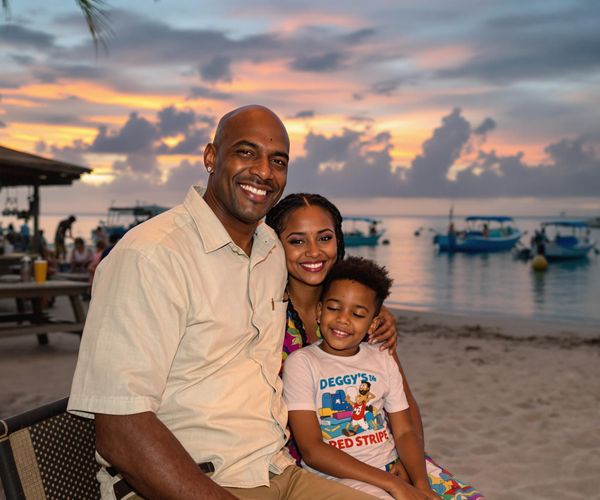

Swipe for more travel diaries
Black River in Photos
Browse through our photo collection highlighting the charm and character of the destination.
Cities near Black River
The closest cities to Black River, if you have time for more than one stop.
-

-

-

-

-


Swipe for more cities
Explore more
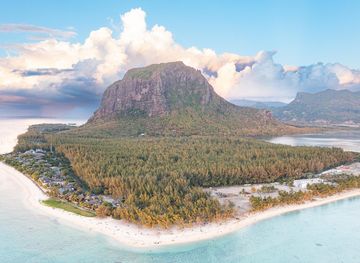
Explore more of Mauritius
Discover Mauritius, the tropical paradise of the Indian Ocean, where pristine beaches, lush landscapes, and vibrant culture come together for an unforgettable escape.
Explore Mauritius