

Free Tamarin Travel Guide & Mobile App
Plan your Tamarin trip with Evendo. Get free guides to top attractions, restaurants, hotels, and bars. Web access or download the mobile app.


Tamarin, Mauritius, pairs surf beaches, mountain scenery, historic salt pans and dolphin-filled waters with relaxed west-coast dining, walks and island culture.
Between Lagoon and Mountain
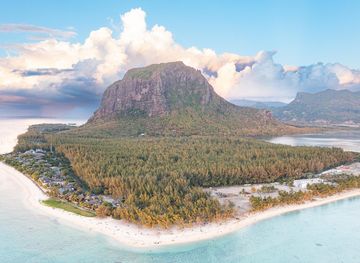
Tamarin lies on the west coast of Mauritius, where the Black River Mountains descend towards a broad bay shaped by surf, coral reefs and long stretches of sand. The village has a more relaxed, residential character than the island’s larger resort centres, yet its setting is exceptionally rich: Le Morne Brabant rises across the wider south-western landscape, while the forested slopes around Black River form a dramatic inland backdrop. Tamarin Bay is known for its beaches, morning boat trips and opportunities to see dolphins in offshore waters, although marine encounters should always be approached with care and respect for wildlife.Read more about Tamarin
Salt, Surf and Local Life
Getting to and around Tamarin
How to get there
Transportation
Best attractions in Tamarin
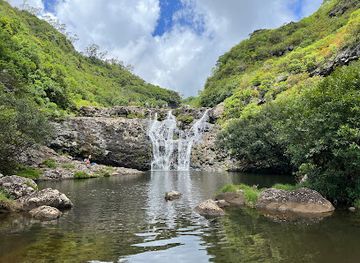
Tamarin Bay is the village’s defining attraction, offering a long coastal outlook framed by the Black River Mountains and used for swimming, surfing, paddle activities and boat excursions when conditions are suitable. The nearby salt pans provide a glimpse of a traditional west-coast industry, with shallow evaporation ponds contrasting sharply with the surrounding volcanic hills. At La Preneuse, the Martello Tower adds a historical stop beside the sea, while Black River gives access to boat trips and the landscapes leading towards Black River Gorges National Park. Further inland, the coloured earth and waterfalls of Chamarel and the hiking country of the national park are regional excursions rather than Tamarin sights themselves. Casela Nature Parks, near Cascavelle, offers another nearby organised attraction. Together these places allow visitors to combine marine scenery, colonial history, working landscapes and the forested interior without losing the unhurried character of the west coast.
-
Amusement park
Casela Nature Parks | Best Nature Parks in Mauritius
Experience the thrill of adventure and the beauty of wildlife at Casela Nature Parks in Mauritius, a perfect destination for nature lovers and thrill-seekers.
15 min drive · 5.1 km from city centre
-
Beach
Flic En Flac Beach
Discover the enchanting beauty of Flic En Flac Beach, a serene paradise perfect for relaxation and vibrant marine adventures in Mauritius.
9 min drive · 3.0 km from city centre
-
Island
Île aux Benitiers
Discover the untouched beauty of Île aux Benitiers, a serene island in Mauritius perfect for relaxation and adventure with stunning beaches and vibrant marine life.
31 min drive · 11 km from city centre
-
Public beach
La Preneuse
Discover the enchanting La Preneuse Beach in Mauritius, where sun, sea, and stunning sunsets create the perfect tropical escape for every traveler.
10 min drive · 3.4 km from city centre


Best landmarks in Tamarin
Tamarin’s most distinctive landmarks are tied to landscape and working history rather than monumental urban architecture. The historic salt pans beside the coast preserve the visual structure of a longstanding local industry, with evaporation ponds laid out between road and mountain. Tamarin Bay itself is a geographical landmark, recognised by its wide curve, surf breaks and views towards the western ranges. At nearby La Preneuse, the Martello Tower is a substantial nineteenth-century coastal fortification built during the period of British rule, one of several towers constructed in Mauritius to defend strategic shores. Further inland, Black River Gorges National Park represents the ecological heritage of the south-west, protecting native forest and mountain terrain rather than a built monument. The surrounding peaks, river valleys and coastline together explain why Tamarin is identified as much by its physical setting as by its village buildings.
-
Restaurant
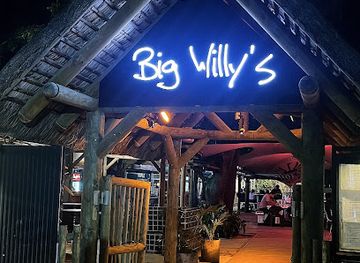
Big Willy's
Experience the vibrant culinary scene at Big Willy's, where delicious tapas meet electrifying nightlife in the heart of Mauritius.
5 min drive · 1.6 km from city centre
-
Restaurant
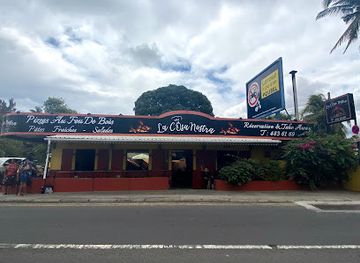
La Cosa Nostra
Experience the best of Mauritian and international cuisine at La Cosa Nostra, a must-visit restaurant in Tamarin with a vibrant atmosphere.
9 min walk · 0.8 km from city centre
-
Travel agency
Ocean Brothers Mauritius
Explore the stunning marine life and breathtaking coastlines with Ocean Brothers Mauritius, your gateway to unforgettable boat adventures in Tamarin.
9 min walk · 0.7 km from city centre
-
Tour agency
Yanature
Discover the breathtaking beauty of Mauritius with Yanature, your guide to unforgettable hiking adventures and eco-friendly tours in Black River.
11 min drive · 3.6 km from city centre

Explore Tamarin on the map
Plan your Tamarin trip on one map. See where the top attractions, landmarks, restaurants, bars and hotels are, find what's near where you're staying, and book hotels and experiences in a few clicks.
Best hotels in Tamarin
Best restaurants in Tamarin
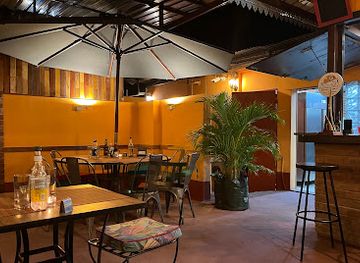
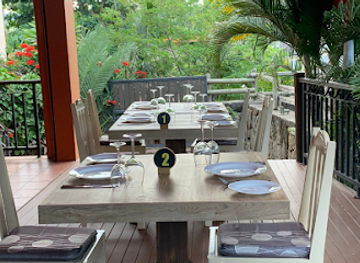
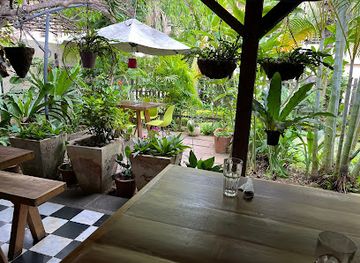
Tamarin’s dining scene reflects Mauritius’s Indian, Creole, Chinese, French and seafood influences, with informal cafés, beachside restaurants and independent eateries serving both residents and visitors. Fresh fish, octopus, prawns and other seafood often appear alongside rice, lentils, rougaille, vegetable curries and faratas, the flaky flatbreads found across the island. Creole-style dishes may bring tomato, chilli, garlic and herbs together, while Chinese-Mauritian cooking adds noodles, fried rice and dumplings to the local repertoire. Food trucks and small takeaways provide practical options for dholl puri, samoussas and other snacks, particularly around busy coastal areas. Restaurants are found along the Tamarin and Black River corridor, with further choices towards La Preneuse and Flic en Flac. Menus range from straightforward local cooking to polished contemporary dining, often making use of the west coast’s seafood and tropical produce.
-
Restaurant
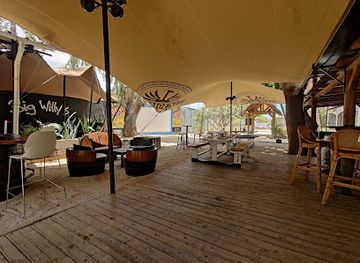
Big Willy's
Experience vibrant nightlife at Big Willy's in Tamarin - where delicious tapas meet live entertainment in a lively atmosphere.
5 min drive · 1.6 km from city centre
-
Restaurant
La Cosa Nostra
Experience the fusion of Mauritian and Italian cuisine at La Cosa Nostra in Tamarin – where every meal is a celebration of flavor.
9 min walk · 0.8 km from city centre
-
Indian
Happy Rajah
Discover the vibrant tastes of India at Happy Rajah – where every dish tells a story and every meal is a celebration.
10 min drive · 3.4 km from city centre
-
Thai
Ousaporn Thai Restaurant
Discover authentic Thai flavors at Ousaporn Thai Restaurant in Black River - where every dish tells a story.
6 min drive · 2.1 km from city centre
Best bars in Tamarin
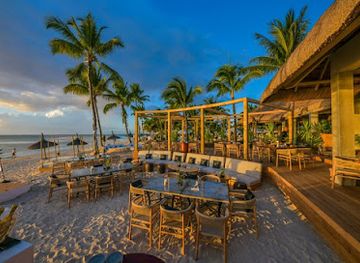
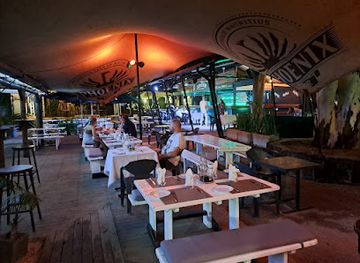
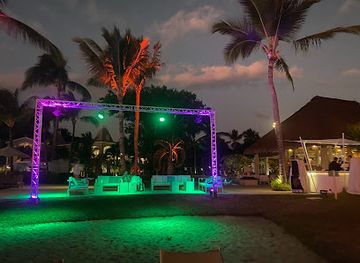
Tamarin’s evenings are generally sociable and relaxed rather than dominated by large nightclubs. Bars and restaurants along the coastal road and around Tamarin Bay offer sunset drinks, live music and informal gatherings, while hotel venues provide a more structured evening setting. Local music may include sega, Mauritius’s celebrated dance and song tradition, alongside acoustic performances and international styles aimed at a mixed resident and visitor audience. Black River and La Preneuse add occasional evening options, though the west coast’s nightlife remains dispersed rather than concentrated in one entertainment quarter. Some venues combine dining with music, but opening patterns and performances can change seasonally. Visitors should arrange transport in advance when moving between villages at night, as public buses are not a dependable late-evening option and roads outside the central areas may be poorly lit.
-
Restaurant
Big Willy's
Discover the vibrant dining and nightlife experience at Big Willy's, where delicious tapas and lively entertainment await in Tamarin, Mauritius.
5 min drive · 1.6 km from city centre
-
Restaurant
La Cosa Nostra
Discover authentic Italian dining at La Cosa Nostra in Tamarin, where every dish tells a story of culinary tradition and passion.
9 min walk · 0.8 km from city centre
-
Bar
Buddha Bar Beach
Experience the ultimate beachside escape at Buddha Bar Beach, where exquisite dining meets stunning ocean views in Flic en Flac.
7 min drive · 2.4 km from city centre
-
Indian
Happy Rajah
Discover the authentic taste of Indian cuisine at Happy Rajah in Tamarin, Mauritius, offering a vibrant dining experience with flavorful dishes.
10 min drive · 3.4 km from city centre



Best nightclubs in Tamarin
Tamarin’s evenings are generally sociable and relaxed rather than dominated by large nightclubs. Bars and restaurants along the coastal road and around Tamarin Bay offer sunset drinks, live music and informal gatherings, while hotel venues provide a more structured evening setting. Local music may include sega, Mauritius’s celebrated dance and song tradition, alongside acoustic performances and international styles aimed at a mixed resident and visitor audience. Black River and La Preneuse add occasional evening options, though the west coast’s nightlife remains dispersed rather than concentrated in one entertainment quarter. Some venues combine dining with music, but opening patterns and performances can change seasonally. Visitors should arrange transport in advance when moving between villages at night, as public buses are not a dependable late-evening option and roads outside the central areas may be poorly lit.
-
Night club
Big Willy's
Experience the lively ambiance of Big Willy's in Tamarin, Mauritius - a top destination for nightlife, delicious tapas, and live sports!
5 min drive · 1.6 km from city centre
-
Pub
Shotz
Discover the vibrant nightlife at Shotz in Flic en Flac, Mauritius – where great drinks and unforgettable moments await.
14 min drive · 4.7 km from city centre
-
Restaurant
Buddha Bar Beach
Discover the perfect blend of luxury dining and vibrant nightlife at Buddha Bar Beach in Flic en Flac, Mauritius.
7 min drive · 2.4 km from city centre
-
Grill
Kenzi Bar Resto
Experience the vibrant flavors of Mauritius at Kenzi Bar Resto in Flic en Flac, where grilled specialties meet a lively atmosphere.
15 min drive · 5.1 km from city centre


Best shops in Tamarin
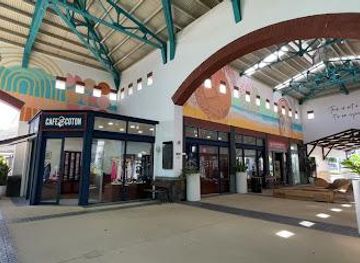
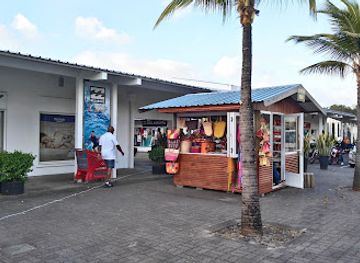
Shopping in Tamarin is practical and locally oriented, with small supermarkets, convenience shops, surf and watersports businesses, pharmacies, cafés and independent retailers serving the coastal community. Visitors may find Mauritian food products, tea, rum, spices, woven goods, beachwear and locally made crafts, although the village is not a major destination for large-scale retail or luxury shopping. For a broader market experience, Port Louis offers the island’s best-known Central Market and a much wider selection of produce, textiles, souvenirs and street food, but it is a separate city rather than a Tamarin attraction. Small craft stalls and hotel or resort boutiques may carry shells, jewellery, artwork and island-themed gifts; buyers should avoid products made from protected wildlife or coral. The most distinctive purchases are often edible or practical: spice blends, preserves, sugar products and locally produced rum, subject to customs rules when taking them abroad.
-
Shopping mall
Cascavelle Shopping Mall
Experience the dynamic blend of shopping, dining, and entertainment at Cascavelle Shopping Mall in Mauritius.
19 min drive · 6.2 km from city centre
-
Supermarket
Winner's Cascavelle
Discover the best of local flavors and international goods at Winner's Cascavelle, your premier supermarket in Mauritius.
19 min drive · 6.3 km from city centre
-
Hypermarket
Super U Tamarin
Discover the essence of Mauritian shopping at Super U Tamarin, where local flavors meet convenience in a lively hypermarket experience.
5 min drive · 1.6 km from city centre
-
Shopping mall
Barachois Shopping Centre
Explore Barachois Shopping Centre in Tamarin for a vibrant shopping experience filled with local culture, diverse dining, and leisure activities.
18 min walk · 1.5 km from city centre


Get your free copy of our complete guide to Tamarin, delivered straight to you.
Everything on this page, from attractions and restaurants to essentials and local phrases, in one PDF you can read offline, print or share.
Already have an account? Sign in
Your Tamarin guide is ready.
We'll send it to · Not you? Sign out

Getting your guide ready…
We are putting together a fresh copy of the Tamarin guide. This can take up to a minute.
This can take a few moments. If your browser asks, choose Allow so the download can start. You'll find the guide in your Downloads folder.
Nothing happened? Download it again
Sorry, the guide is taking longer than usual. Please try again in a minute, or get it by email instead.
Tamarin essentials
Currency and Payment
Safety
Emergency Situations
Do's and Don'ts
Local Tips
From Eve
Local phrases worth knowing
You don't need to get them perfect. A few words go a long way, and locals appreciate the effort.
Basics
| English | Local | Say it |
|---|---|---|
| Hello | Bonjour | [Bon-zhoor] |
| Goodbye | Au revoir | [O re-vwar] |
| Yes | Wi | [Wee] |
| No | Non | [Non] |
| Please/You're welcome | S'il vous plaît/De rien | [See voo pleh/Dee ree-en] |
| Thank you | Merci | [Mer-see] |
| Excuse me/Sorry | Excusez-moi/Désolé | [Ex-kew-zay mwah/Day-zo-lay] |
| How are you? | Comment ça va? | [Koh-moh sah vah] |
| Fine. And you? | Bien. Et toi? | [Byen. Ay twah] |
| Do you speak English? | Parlez-vous anglais? | [Par-lay voo ahn-glay] |
| I don't understand | Je ne comprends pas | [Zhuh nuh kohm-prahnd pah] |
Eating & Drinking
| English | Local | Say it |
|---|---|---|
| I'd like to see the menu, please | Je voudrais voir le menu, s'il vous plaît | [Zhuh voo-dray vwah-r leh men-oo, see voo pleh] |
| I don't eat meat | Je ne mange pas de viande | [Zhuh nuh mahnj pah duh vee-and] |
| Cheers! | Santé! | [San-tay] |
| I would like to pay, please | Je voudrais payer, s'il vous plaît | [Zhuh voo-dray pay-ay, see voo pleh] |
Emergencies
| English | Local | Say it |
|---|---|---|
| Help! | Aidez-moi! | [Eh-day mwah] |
| Go away! | Allez-vous en! | [Al-lay voo ahn] |
| Call the Police! | Appelez la police! | [Ah-peh-lay lah poh-lees] |
| Call a doctor! | Appelez un médecin! | [Ah-peh-lay uh may-sahn] |
| I'm lost | Je suis perdu | [Zhuh swee pair-doo] |
| I'm ill | Je suis malade | [Zhuh swee mah-lahd] |
Shopping
| English | Local | Say it |
|---|---|---|
| I'd like to buy... | Je voudrais acheter... | [Zhuh voo-dray ash-tay...] |
| I'm just looking | Je regarde seulement | [Zhuh ruh-gard suhl-mahn] |
| How much is it? | Combien ça coûte? | [Kohm-byen sah koot] |
| That's too expensive | C'est trop cher | [Say troh shay] |
| Can you lower the price? | Pouvez-vous baisser le prix? | [Poo-vez voo bay-say leh pree] |
Time & Numbers
| English | Local | Say it |
|---|---|---|
| What time is it? | Quelle heure est-il? | [Kell er ay-teel] |
| It's one o'clock | Il est une heure | [Eel ay in er] |
| Half past (10) | Dix et demie | [Dee ay duh-me-ay] |
| Morning | Matin | [Mah-tan] |
| Afternoon | Après-midi | [Ah-pray mee-dee] |
| Evening | Soir | [Swahr] |
| Yesterday | Hier | [Yehr] |
| Today | Aujourd'hui | [Oh-zhoor dwee] |
| Tomorrow | Demain | [Deh-man] |
| 1 | Un | [Ehn] |
| 2 | Deux | [Duh] |
| 3 | Trois | [Trwah] |
| 4 | Quatre | [Kat] |
| 5 | Cinq | [Sank] |
| 6 | Six | [Sees] |
| 7 | Sept | [Set] |
| 8 | Huit | [Wheat] |
| 9 | Neuf | [Nuff] |
| 10 | Dix | [Dee] |
Transport & Directions
| English | Local | Say it |
|---|---|---|
| Where's a/the...? | Où est le/la...? | [Oo ay luh/lah] |
| What's the address? | Quelle est l'adresse? | [Kell ay la-dress] |
| Can you show me (on the map)? | Pouvez-vous me montrer (sur la carte)? | [Poo-vez voo muh mon-tray (soor lah kart)] |
| When's the next (bus)? | Quand est le prochain (bus)? | [Kond ay luh proh-shan (bus)] |
| A ticket (to ....) | Un billet (pour ...) | [Ehn bee-yay (poor)] |
History of Tamarin
A West-Coast Settlement
Tamarin developed on the sheltered western side of Mauritius, in the district historically known as Black River. Its position beside a bay and river mouth supported fishing and coastal settlement, while the surrounding mountains and dry western climate gave the area a character distinct from the wetter central plateau. Like much of Mauritius, the region was shaped by successive periods of Dutch, French and British rule, although Tamarin remained a small coastal community rather than a major colonial town. Early economic life depended on the sea, small-scale agriculture and the resources of the surrounding district.
French Plantation Mauritius
Under French administration from 1715, Mauritius became a plantation colony centred on sugar, with enslaved people brought from Africa and Madagascar forming the principal labour force. Tamarin and the wider Black River area were connected to this plantation economy while retaining strong links with fishing and coastal trade. The abolition of slavery in 1835 transformed rural society, and indentured labourers from India subsequently became central to Mauritius’s agricultural system. These changes helped create the island’s multicultural social landscape, reflected today in its languages, religions, food traditions and family histories.
Salt and Coastal Industry
Tamarin became particularly associated with salt making, an activity well suited to the west coast’s strong sunshine and relatively dry conditions. Seawater was channelled into shallow pans, where evaporation left crystallised salt to be gathered and processed. The salt pans form an important reminder of an older working landscape beside a coast now associated mainly with leisure and tourism. Fishing also remained significant, giving the village a practical maritime identity rather than the exclusively resort character found in some other parts of Mauritius.
The Coastal Road Era
During the twentieth century, improved roads and the growth of motor transport brought Tamarin into closer contact with Port Louis, the south-western settlements and the island’s emerging tourism economy. Better access encouraged new homes, guest accommodation, restaurants and recreational businesses along the coast. The village’s beaches and consistent western light attracted surfers and visitors interested in the sea, while its proximity to Black River Gorges and Chamarel increased its importance as a base for exploring the interior. Development expanded gradually, leaving a mixture of older village activity and newer hospitality businesses.
Tamarin in Contemporary Mauritius
Modern Tamarin combines a residential community with a visitor economy based on beaches, surfing, boating, fishing and outdoor excursions. Its history remains visible in the salt pans, the working character of nearby Black River and the colonial-era coastal defences at La Preneuse. The area also reflects wider debates affecting Mauritius, including shoreline development, access to beaches and the protection of marine life. Today, Tamarin’s appeal rests less on monumental urban heritage than on the continued connection between village life, the lagoon, the mountains and the island’s layered cultural history.
Travel experiences inspired by this city


Swipe for more travel diaries
Tamarin in Photos
Browse through our photo collection highlighting the charm and character of the destination.
Cities near Tamarin
The closest cities to Tamarin, if you have time for more than one stop.
-

-

-

-

-


Swipe for more cities
Explore more
Explore more of Mauritius
Discover Mauritius, the tropical paradise of the Indian Ocean, where pristine beaches, lush landscapes, and vibrant culture come together for an unforgettable escape.
Explore Mauritius