

Free Flic en Flac Travel Guide & Mobile App
Plan your Flic en Flac trip with Evendo. Get free guides to top attractions, restaurants, hotels, and bars. Web access or download the mobile app.


Flic en Flac, Mauritius, pairs a long west-coast beach with lagoon swimming, sunset views, street food, island history and easy seaside escapes.
A West-Coast Seaside Village
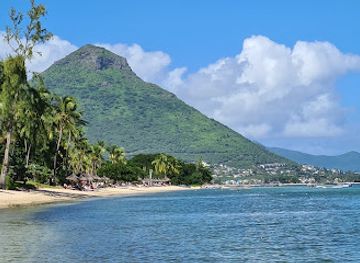
Flic en Flac stretches along Mauritius’s sheltered western coast, where a broad public beach follows the calm waters of a turquoise lagoon. Once a quieter coastal settlement associated with sugar estates and fishing, it has developed into one of the island’s best-known seaside bases without losing its village-scale character. The main coastal road links beachside resorts, apartment buildings, restaurants and cafés, while the older settlement inland retains a more everyday rhythm.Read more about Flic en Flac
Lagoon, Beach and Sunset
Gateway to the South-West
When is the best time to visit Flic en Flac?
Best: June–August · 28°C| Month | High (°C) | Rainfall (mm) |
|---|---|---|
| January | 31 | 150 |
| February | 32 | 150 |
| March | 31 | 150 |
| April | 30 | 100 |
| May | 29 | 100 |
| June (best) | 28 | 50 |
| July (best) | 28 | 50 |
| August (best) | 28 | 50 |
| September | 28 | 50 |
| October | 29 | 100 |
| November | 30 | 100 |
| December | 31 | 150 |
Getting to and around Flic en Flac
How to get there
Transportation
Best attractions in Flic en Flac
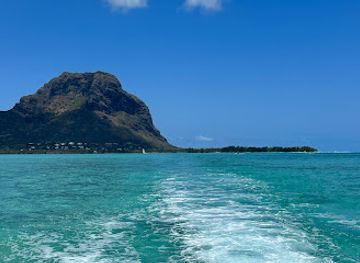
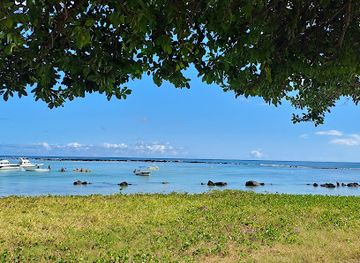
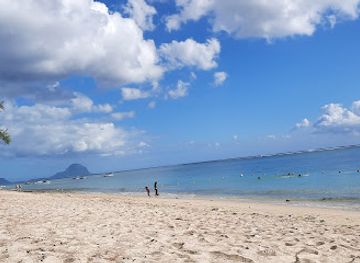
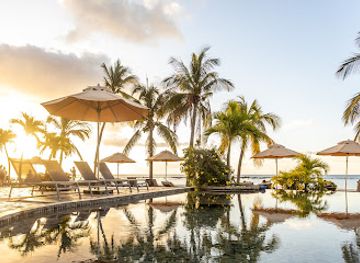
Flic en Flac’s principal attraction is its long public beach, where pale sand, casuarina trees and a reef-protected lagoon create a setting for swimming, walking and relaxed seaside days. The coastal strip extends towards Wolmar, with changing views of the lagoon and the south-western mountains. Marine excursions add another dimension, including glass-bottom boat trips, snorkelling and dolphin-watching outings arranged from the west coast, subject to weather and wildlife guidelines. At La Preneuse, a short journey north, the Martello Tower offers a more historical experience and explains the strategic importance of Mauritius’s shoreline under British rule. Inland excursions lead towards the Black River Gorges landscape, Chamarel and the Ebony Forest area, although these are regional outings rather than attractions within Flic en Flac itself. Sunset is a natural highlight, with the western horizon often framing Le Morne Brabant in the distance.
-
Tourist attraction
NICKOCOCOSUNSHINE Baleines & Cachalots Bateau Privatisé whales watching
Discover the joy of whale watching in Flic en Flac with NICKOCOCOSUNSHINE – a captivating marine adventure awaits you.
8 min walk · 0.6 km from city centre
-
Tourist attraction
Embarkation Point Adrien's Dream
Experience the serene beauty of Embarkation Point Adrien's Dream in Flic en Flac, Mauritius – a tranquil escape for relaxation and adventure.
11 min walk · 0.8 km from city centre
-
Garden
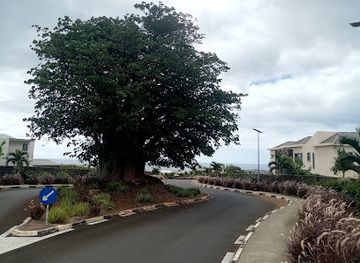
Massive Baobab
Experience the awe of the Massive Baobab in Flic en Flac, a breathtaking natural garden showcasing one of the world's largest trees.
6 min drive · 2.1 km from city centre
-
Hiking area
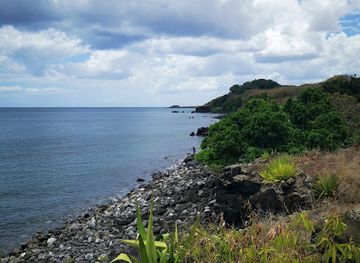
La Corniche
Explore La Corniche in Flic en Flac, Mauritius: a breathtaking hiking area offering stunning coastal views and rich biodiversity.
7 min drive · 2.4 km from city centre
Best landmarks in Flic en Flac
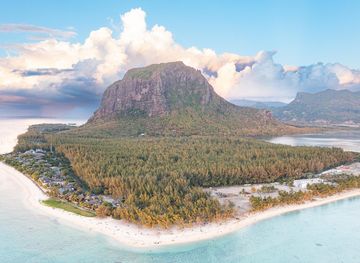
The most recognisable landmark in Flic en Flac is its broad public beach and lagoon, a physical feature that has shaped the settlement’s modern identity and tourism economy. The nearby Martello Tower at La Preneuse is the area’s principal historic structure, one of the coastal defensive towers built under British rule in the nineteenth century and a reminder of Mauritius’s strategic position in the Indian Ocean. Inland and along the wider western coast, sugar estates, religious buildings and village streets reflect the island’s plantation history and multicultural society, though many are working or community spaces rather than formal monuments. The silhouette of Le Morne Brabant, visible from the beach in suitable conditions, adds a powerful geographical reference to the south-western landscape and connects Flic en Flac visually with one of Mauritius’s most significant historic and natural sites.
-
Public beach
Flic En Flac Beach
Discover the beauty and adventure at Flic En Flac Beach, a stunning tropical paradise in Mauritius offering relaxation, vibrant marine life, and unforgettable experiences.
1 min walk · 0.1 km from city centre
-
Hotel
Sugar Beach Mauritius
Experience the ultimate luxury at Sugar Beach Mauritius, where stunning beaches meet exceptional hospitality on the beautiful island of Mauritius.
8 min drive · 2.7 km from city centre
-
Indian Muslim restaurant
Zub Express
Discover Zub Express in Flic en Flac for an authentic Indian Muslim dining experience, featuring aromatic dishes and a welcoming atmosphere.
16 min walk · 1.3 km from city centre
-
Restaurant
Domaine Anna
Experience the flavors of Mauritius at Domaine Anna, a culinary gem in Flic en Flac, where tropical gardens meet exquisite dining.
7 min drive · 2.5 km from city centre

Explore Flic en Flac on the map
Plan your Flic en Flac trip on one map. See where the top attractions, landmarks, restaurants, bars and hotels are, find what's near where you're staying, and book hotels and experiences in a few clicks.
Best hotels in Flic en Flac
Best restaurants in Flic en Flac
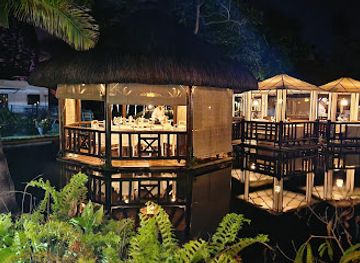
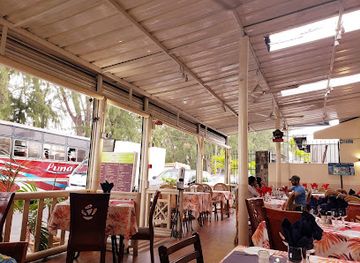
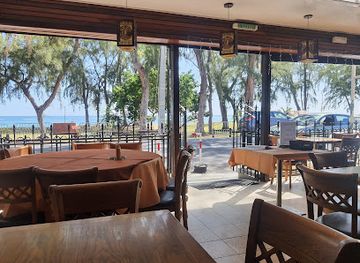
Flic en Flac’s food scene reflects Mauritius’s Indian, Creole, Chinese, African and European influences, with restaurants ranging from informal beachside cooking to hotel dining and contemporary international menus. Local specialities to look for include dholl puri, farata, samoussas, gateaux piments, boulettes and mine frit, while seafood such as grilled fish and octopus is common along the coast. Rougaille, a Creole tomato-based preparation, and aromatic curries illustrate the island’s broader culinary traditions. The village centre and coastal road contain cafés, takeaways and small eateries where meals are often more casual than in resort restaurants. Street-food vendors and snack counters are particularly useful for inexpensive tastes of everyday Mauritian cooking, though opening patterns can vary. Visitors should distinguish genuinely local dishes from generic hotel buffet offerings and ask about spice levels when ordering.
-
Indian Muslim restaurant
Zub Express
Experience authentic Indian Muslim flavors at Zub Express in Flic en Flac - a culinary gem by the coast.
16 min walk · 1.3 km from city centre
-
Restaurant
Domaine Anna
Experience exquisite Mauritian cuisine at Domaine Anna in Flic en Flac - a culinary paradise surrounded by lush gardens.
7 min drive · 2.5 km from city centre
-
Restaurant
Le Bougainville Restaurant
Experience exquisite European and seafood cuisine at Le Bougainville Restaurant in Flic en Flac – where every meal is a coastal delight.
5 min walk · 0.4 km from city centre
-
Mandarin restaurant
Ah Youn
Discover Ah Youn in Flic en Flac - A delightful destination for authentic Mandarin cuisine amidst stunning coastal views.
6 min walk · 0.5 km from city centre
Best bars in Flic en Flac
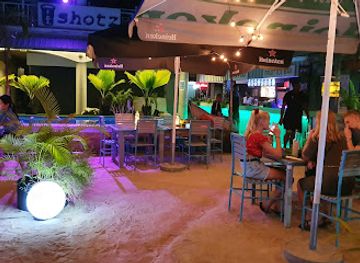
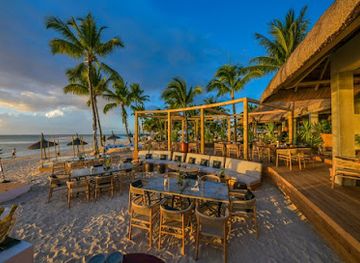
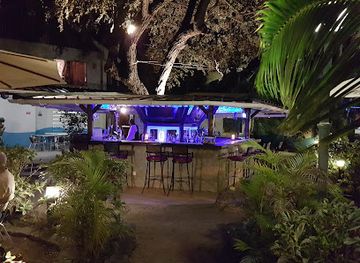
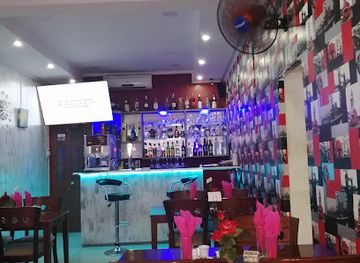
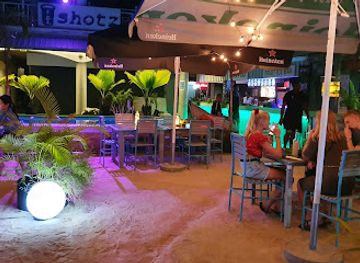
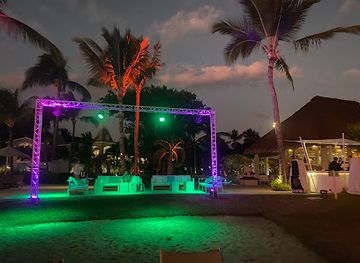
Evenings in Flic en Flac are generally relaxed rather than centred on a large club scene. The coastal road and village area offer hotel bars, informal beachside venues, restaurants with evening drinks and occasional live music, while some resorts organise performances influenced by Mauritian sega, the island’s Creole musical tradition. Bars tend to suit sunset cocktails, rum-based drinks and unhurried conversation more than late-night partying, although seasonal entertainment and individual venue programmes vary. The west coast is also associated with sunset cruises and dinner outings on the lagoon, which provide an alternative to staying in a bar. Nightlife becomes quieter away from the main resort strip, and visitors should arrange transport in advance if returning to accommodation outside the central village or Wolmar after evening activities.
-
Pub
Shotz
Discover the lively Shotz Pub in Flic en Flac, a local favorite for drinks, entertainment, and vibrant nightlife by the beach.
5 min walk · 0.4 km from city centre
-
Bar
Buddha Bar Beach
Experience the ultimate beachfront retreat at Buddha Bar Beach, where exquisite cuisine meets vibrant nightlife in Flic en Flac.
8 min drive · 2.7 km from city centre
-
Restaurant
Sunset Garden
Experience the flavors of Mauritius at Sunset Garden, a serene restaurant in Flic en Flac offering a perfect blend of local and international cuisine.
8 min walk · 0.7 km from city centre
-
Restaurant
Marco Polo Resto & Bar
Experience delicious Mauritian cuisine and vibrant atmosphere at Marco Polo Resto & Bar in Flic en Flac.
5 min walk · 0.4 km from city centre
Best nightclubs in Flic en Flac
Evenings in Flic en Flac are generally relaxed rather than centred on a large club scene. The coastal road and village area offer hotel bars, informal beachside venues, restaurants with evening drinks and occasional live music, while some resorts organise performances influenced by Mauritian sega, the island’s Creole musical tradition. Bars tend to suit sunset cocktails, rum-based drinks and unhurried conversation more than late-night partying, although seasonal entertainment and individual venue programmes vary. The west coast is also associated with sunset cruises and dinner outings on the lagoon, which provide an alternative to staying in a bar. Nightlife becomes quieter away from the main resort strip, and visitors should arrange transport in advance if returning to accommodation outside the central village or Wolmar after evening activities.
-
Hotel
Villas Caroline
Discover the blissful retreat of Villas Caroline in Flic en Flac, where luxury meets adventure in the heart of Mauritius.
7 min walk · 0.5 km from city centre
-
Pub
Shotz
Discover the lively nightlife at Shotz in Flic en Flac, where every night is an unforgettable celebration with great drinks and music.
5 min walk · 0.4 km from city centre
-
Restaurant
Buddha Bar Beach
Experience the perfect blend of exquisite dining, vibrant nightlife, and breathtaking beachfront views at Buddha Bar Beach in Flic en Flac.
8 min drive · 2.7 km from city centre
-
Grill
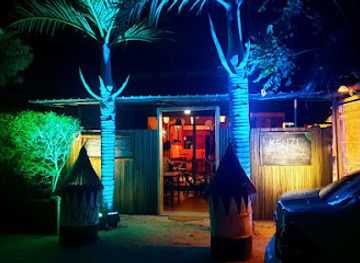
Kenzi Bar Resto
Discover the culinary delights of Kenzi Bar Resto in Flic en Flac, where delicious grilled dishes and a lively atmosphere await.
4 min walk · 0.3 km from city centre
Best shops in Flic en Flac
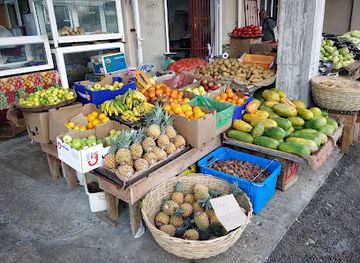
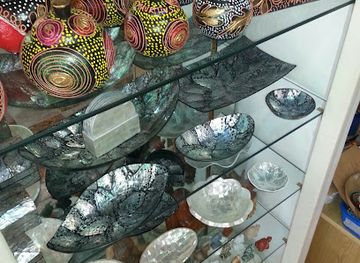
Shopping in Flic en Flac is practical and holiday-oriented, with small supermarkets, pharmacies, souvenir shops, beachwear outlets, craft displays and independent retailers concentrated around the village and coastal road. Visitors can find Mauritian food products, locally produced rum, tea, spices, model boats, woven items and textiles, although provenance and quality vary and genuine artisan work is best identified by asking where and how an item was made. Temporary stalls and beachside vendors may appear around busy periods, while larger shopping centres and specialist retail are more easily reached in towns on the central plateau or in Port Louis. The local food trade is often more rewarding than conventional souvenirs: packaged spices, pickles, vanilla products and island snacks provide a tangible connection with Mauritian cooking and agricultural traditions.
-
Fruit and vegetable store
Chez Mi Bazaar
Experience the vibrant flavors of Mauritius at Chez Mi Bazaar, a local fruit and vegetable store in the heart of Flic en Flac.
7 min walk · 0.6 km from city centre
-
Grocery store
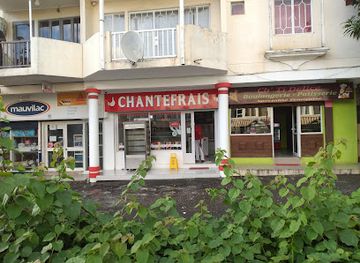
Chantefrais
Discover the local flavors of Mauritius at Chantefrais, your go-to grocery store in Flic en Flac.
9 min walk · 0.7 km from city centre
-
Gift shop
Crealia Boutik
Discover authentic Mauritian souvenirs and gifts at Crealia Boutik in Flic en Flac, a charming shop for every traveler.
4 min walk · 0.3 km from city centre
-
Shopping mall
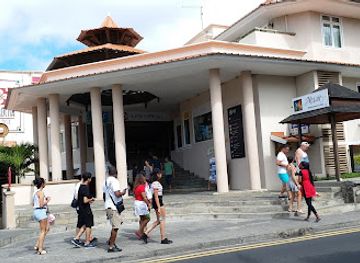
Pasadena
Experience the best of shopping and dining at Pasadena Mall, a vibrant destination in Flic en Flac, Mauritius.
3 min walk · 0.2 km from city centre
Get your free copy of our complete guide to Flic en Flac, delivered straight to you.
Everything on this page, from attractions and restaurants to essentials and local phrases, in one PDF you can read offline, print or share.
Already have an account? Sign in
Your Flic en Flac guide is ready.
We'll send it to · Not you? Sign out

Getting your guide ready…
We are putting together a fresh copy of the Flic en Flac guide. This can take up to a minute.
This can take a few moments. If your browser asks, choose Allow so the download can start. You'll find the guide in your Downloads folder.
Nothing happened? Download it again
Sorry, the guide is taking longer than usual. Please try again in a minute, or get it by email instead.
Flic en Flac essentials
Currency and Payment
Safety
Emergency Situations
Do's and Don'ts
Local Tips
From Eve
Local phrases worth knowing
You don't need to get them perfect. A few words go a long way, and locals appreciate the effort.
Basics
| English | Local | Say it |
|---|---|---|
| Hello | Bonjour | [bon-zhoor] |
| Goodbye | Au revoir | [oh rev-wah] |
| Yes | Wi | [wee] |
| No | Non | [nohn] |
| Please/You're welcome | S'il vous plaît/De rien | [seel voo pleh/duh ryen] |
| Thank you | Merci | [mehr-see] |
| Excuse me/Sorry | Excusez-moi/Désolé | [ex-koo-zay mwa/day-zo-lay] |
| How are you? | Comment ça va? | [ko-moh sah vah] |
| Fine. And you? | Bien. Et toi? | [byen. ay twah] |
| Do you speak English? | Parlez-vous anglais? | [par-lay voo ahn-glay] |
| I don't understand | Je ne comprends pas | [zhuh nuh kohm-prahnd pah] |
Eating & Drinking
| English | Local | Say it |
|---|---|---|
| I'd like to see the menu, please | Mo pou vwar meni, si ou plé | [moh poo vwar meh-nee, see ooh pleh] |
| I don't eat meat | Mo pa manz kari | [moh pah mahnz kah-ree] |
| Cheers! | Santé! | [sahn-tay] |
| I would like to pay, please | Mo pou pey, si ou plé | [moh poo pay, see ooh pleh] |
Emergencies
| English | Local | Say it |
|---|---|---|
| Help! | Aid! | [ayd] |
| Go away! | Al lwen! | [ahl lwayn] |
| Call the Police! | Apel Lapolis! | [ah-pel lah-poh-lees] |
| Call a doctor! | Apel enn dokter! | [ah-pel en dohk-tair] |
| I'm lost | Mo perdi | [moh pehr-dee] |
| I'm ill | Mo malad | [moh mah-lahd] |
Shopping
| English | Local | Say it |
|---|---|---|
| I'd like to buy... | Mo pou achet... | [moh poo ah-shet] |
| I'm just looking | Mo zis pe rod | [moh zees peh rohd] |
| How much is it? | Komsa li koute? | [kohm-sah lee koot] |
| That's too expensive | Sa tro cher | [sah troh shair] |
| Can you lower the price? | Ou kapav bais pri? | [oo kah-pahv bai pree] |
Time & Numbers
| English | Local | Say it |
|---|---|---|
| What time is it? | Ki lèr li lé? | [kee lair lee lay] |
| It's one o'clock | Li enn eur | [lee enn er] |
| Half past (10) | De mié (10) | [day myay (dix)] |
| Morning | Matin | [mah-tan] |
| Afternoon | Apré-midi | [ah-pray mee-dee] |
| Evening | Soirée | [swah-ray] |
| Yesterday | Yer | [yehr] |
| Today | Zordi | [zor-dee] |
| Tomorrow | Demain | [deh-man] |
| 1 | Enn | [enn] |
| 2 | Dé | [day] |
| 3 | Troa | [twa] |
| 4 | Kat | [kaht] |
| 5 | Sank | [sank] |
| 6 | Sis | [sees] |
| 7 | Set | [set] |
| 8 | Hwit | [weet] |
| 9 | Nuf | [noof] |
| 10 | Dis | [dees] |
Transport & Directions
| English | Local | Say it |
|---|---|---|
| Where's a/the...? | Kot enn/la...? | [koht en/lah] |
| What's the address? | Ki adres la? | [kee ah-dres lah] |
| Can you show me (on the map)? | Ou kapav montre mwa (sir latet)? | [oo kah-pahv mohn-truh mwah (seer lah-tet)] |
| When's the next (bus)? | Kan prochen (bis)? | [kahn proh-shen (bees)] |
| A ticket (to ....) | Enn billet (vers ....) | [enn bee-yay (vair)] |
History of Flic en Flac
Early Island Settlement
Flic en Flac’s history belongs to the wider development of Mauritius’s western coastal plain. Before modern tourism, this coast was shaped by maritime activity, small settlements and agriculture, while the island’s interior and river valleys supported cultivation. Mauritius was uninhabited when Dutch sailors established the first lasting settlement in the seventeenth century, but the Dutch abandoned the island in 1710. French administration followed from 1715, when Mauritius was known as Île de France, and Port Louis became the principal harbour and administrative centre. The western districts remained more rural, their development influenced by access to the coast, freshwater and plantation land rather than by urban institutions.
French Plantation Mauritius
Under French rule, Mauritius developed a plantation economy based increasingly on sugar, supported by enslaved people brought from Africa and Madagascar. The western part of the island was incorporated into this agricultural landscape, with estates, roads and small coastal communities gradually giving the region a more permanent economic structure. The name Flic en Flac is often linked to Dutch or French colonial usage, but its precise origin is not firmly established and has been explained in several ways. The neighbouring districts of Black River and Tamarin preserve traces of this plantation past through estate landscapes, old structures and place names, even though the contemporary coast is now dominated by housing, hospitality and recreation.
British Rule and Social Change
Britain took control of Mauritius in 1810 during the Napoleonic Wars, while allowing many elements of French law, language and culture to continue. The abolition of slavery in 1835 brought a profound transformation to the island’s labour system. Indentured workers, mainly from India, were subsequently recruited to work on sugar plantations, creating demographic and cultural foundations that remain central to Mauritian society. Creole, Indian, Chinese, European and African influences developed alongside one another in food, religion, music and language. Although Flic en Flac was not a major colonial administrative centre, the village and its surrounding estates formed part of the western plantation economy shaped by these changes.
Sugar, Roads and Coastal Development
For much of the nineteenth and twentieth centuries, sugar remained the dominant force in Mauritius, and western settlements were connected to the island’s wider network of estates, roads and markets. Agricultural land around Flic en Flac was gradually divided and developed as transport improved and the population grew. The coast remained valued for fishing, recreation and views across the lagoon, while nearby La Preneuse acquired lasting historical importance through its Martello Tower, built during the British period as part of a coastal defensive system. This surviving fortification provides a tangible reminder that the western shore once had strategic as well as agricultural significance.
Tourism and Contemporary Flic en Flac
After Mauritius gained independence in 1968, tourism became an increasingly important part of the national economy, complementing but gradually reducing the dominance of sugar. Flic en Flac’s long beach and western position made it particularly suited to hotels, holiday apartments, restaurants and marine excursions. Wolmar, at the southern end of the beach, developed as a resort area, while the older village expanded with shops, services and housing for residents and tourism workers. Today, Flic en Flac reflects Mauritius’s blend of local community life and international visitation: the beach remains a public social space, while the surrounding coast provides access to water sports, sunset cruises and excursions into the island’s forested south-west.
Travel experiences inspired by this city


Swipe for more travel diaries
Flic en Flac in Photos
Browse through our photo collection highlighting the charm and character of the destination.
Cities near Flic en Flac
The closest cities to Flic en Flac, if you have time for more than one stop.
-

-

-

-

-


Swipe for more cities
Explore more
Explore more of Mauritius
Discover Mauritius, the tropical paradise of the Indian Ocean, where pristine beaches, lush landscapes, and vibrant culture come together for an unforgettable escape.
Explore Mauritius