

Free Port Louis Travel Guide & Mobile App
Plan your Port Louis trip with Evendo. Get free guides to top attractions, restaurants, hotels, and bars. Web access or download the mobile app.


Port Louis combines Mauritius's colonial history, Creole culture, colourful markets, waterfront landmarks and mountain-framed urban sightseeing.
A Harbour Shaped by Empire
Port Louis occupies a narrow coastal plain between the Indian Ocean and the steep Moka Range, with Signal Mountain and Pieter Both forming a dramatic backdrop. Founded by the French in the eighteenth century and developed as Mauritius’s principal port, the capital remains the island’s administrative, commercial and cultural centre. Its streets bring together colonial buildings, Hindu and Muslim places of worship, Chinese-Mauritian businesses, Creole traditions and the everyday rhythms of a busy tropical city.Read more about Port Louis
Markets, Museums and City Streets
Mountain-Framed City Life
When is the best time to visit Port Louis?
Best: June–August · 24–25°C| Month | High (°C) | Rainfall (mm) |
|---|---|---|
| January | 31 | 175 |
| February | 30 | 175 |
| March | 30 | 150 |
| April | 30 | 120 |
| May | 28 | 90 |
| June (best) | 25 | 60 |
| July (best) | 24 | 60 |
| August (best) | 24 | 60 |
| September | 24 | 60 |
| October | 27 | 90 |
| November | 29 | 120 |
| December | 30 | 150 |
Getting to and around Port Louis
How to get there
Transportation
Best attractions in Port Louis
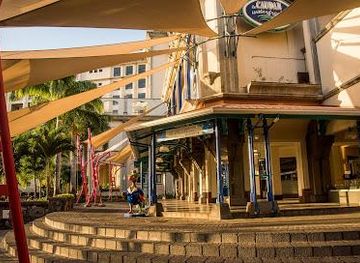
Port Louis offers a concentrated range of sights within a compact urban area. The Central Market introduces visitors to Mauritian produce, spices, flowers and prepared food, while nearby Chinatown reveals the commercial and culinary traditions of the island’s Chinese-Mauritian community. At the waterfront, the Caudan Waterfront combines harbour views with galleries, shops and the Blue Penny Museum, which explores Mauritius’s maritime and postal history. Aapravasi Ghat provides an important perspective on the arrival of indentured labourers and the making of modern Mauritian society. The Natural History Museum, housed within the Mauritius Institute, adds insight into the island’s natural environment. Above the centre, Fort Adelaide offers expansive views over the port and Moka Range, while Champ de Mars remains a recognisable open space associated with public gatherings and horse racing. Together these attractions reveal Port Louis as a city of trade, migration, memory and mountain-framed daily life.
-
Botanical garden
Sir Seewoosagur Ramgoolam Botanical Garden
Experience the serene beauty of Sir Seewoosagur Ramgoolam Botanical Garden, a lush paradise filled with exotic plants and historical significance in Mauritius.
26 min drive · 8.6 km from city centre
-
Market
Central Market
Explore the Central Market in Port Louis, a vibrant hub of local culture, fresh produce, and Mauritian delicacies for an authentic travel experience.
7 min drive · 2.4 km from city centre
-
Museum
L'Aventure du Sucre
Explore the rich history of sugar production and its cultural significance at L'Aventure du Sucre in Pamplemousses, Mauritius.
25 min drive · 8.5 km from city centre
-
Equestrian facility
Champ de Mars
Immerse yourself in the exhilarating world of horse racing at Champ de Mars, the historic racecourse in Port Louis, Mauritius, where culture meets excitement.
10 min drive · 3.4 km from city centre


Best landmarks in Port Louis
The Citadel, officially Fort Adelaide, occupies a hill above Port Louis and reflects the military importance of the harbour during the colonial period; its elevated position also makes it one of the city’s most recognisable landmarks. Government House, an early French-period civic building, stands near the centre and remains an important symbol of state administration. Jummah Mosque, with its white façades, arched forms and distinctive details, represents the long-established Muslim community and is one of the capital’s best-known religious buildings. St Louis Cathedral marks the city’s Catholic heritage, while the Caudan Waterfront’s warehouses and harbour edge recall Port Louis’s mercantile development. Aapravasi Ghat has particular historical significance as an immigration depot connected with indentured labour, and its preserved remains give physical form to a migration story central to Mauritius’s national identity.
-
Botanical garden
Sir Seewoosagur Ramgoolam Botanical Garden
Immerse yourself in the breathtaking beauty and rich biodiversity of Sir Seewoosagur Ramgoolam Botanical Garden, a true Mauritian gem.
26 min drive · 8.6 km from city centre
-
Market
Central Market
Explore the vibrant Central Market in Port Louis for an authentic taste of Mauritian culture, flavors, and local craftsmanship.
7 min drive · 2.4 km from city centre
-
Shopping mall
Caudan Waterfront
Explore Caudan Waterfront, a vibrant shopping destination in Port Louis, offering stunning views, diverse dining, and cultural experiences.
8 min drive · 2.6 km from city centre
-
Shopping mall
Port Louis Waterfront by Landscope Mauritius
Experience the vibrant culture and shopping delights at Port Louis Waterfront, where Mauritian charm meets a modern shopping haven.
8 min drive · 2.5 km from city centre


Explore Port Louis on the map
Plan your Port Louis trip on one map. See where the top attractions, landmarks, restaurants, bars and hotels are, find what's near where you're staying, and book hotels and experiences in a few clicks.
Best hotels in Port Louis
Best restaurants in Port Louis
Port Louis’s food culture reflects the movement of people across the Indian Ocean, with Creole, Indian, Chinese, French and broader regional influences sharing the same streets. Dholl puri, a flatbread filled with split peas and commonly served with bean curry or rougaille, is one of the city’s defining street foods. Other familiar choices include gato pima fritters, boulettes, mine frit noodles, briani, samoussas and seafood shaped by the island’s coastal setting. The Central Market and surrounding streets are useful for informal snacks and fruit, while Chinatown is associated with noodles, dumplings and Chinese-Mauritian cooking. Cafés and restaurants around the Caudan Waterfront provide a more polished setting, and small family-run eateries in the centre often offer generous Creole or Indian plates. Menus may include chilli and pickles, so asking about heat levels is sensible.
-
Chinese
Red Phoenix Restaurant
Experience authentic Chinese flavors at Red Phoenix Restaurant in Port Louis - A must-visit dining destination for every traveler.
10 min drive · 3.3 km from city centre
-
Chinese
The City Orient Restaurant
Experience authentic Chinese flavors at The City Orient Restaurant in Port Louis - a culinary gem blending tradition with modern flair.
8 min drive · 2.6 km from city centre
-
Indian
Rozi Darbarr Restaurant
Discover authentic Indian flavors in Port Louis at Rozi Darbarr Restaurant - where every meal is a celebration of taste.
8 min drive · 2.6 km from city centre
-
Indian
Namaste Restaurant
Experience authentic Indian flavors at Namaste Restaurant in Port Louis' Le Caudan Waterfront - where every meal tells a story.
8 min drive · 2.6 km from city centre


Best bars in Port Louis
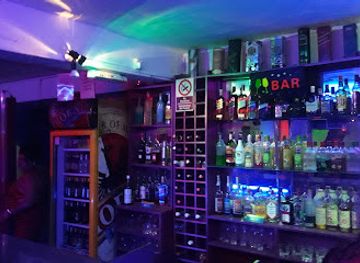
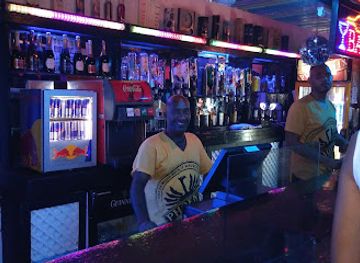
Port Louis has a relatively restrained evening scene compared with Mauritius’s resort areas, but the city’s waterfront and central commercial districts offer places for a drink, dinner and occasional live entertainment. The Caudan Waterfront is the most accessible evening setting, with restaurants and bars overlooking the harbour, while selected venues in the wider centre provide cocktails, beer, wine and music. Chinatown adds late dining and a social atmosphere rather than a concentrated nightclub strip. Cultural evenings may include sega, the Mauritian music and dance tradition associated with Creole heritage, alongside theatre, exhibitions or performances at local cultural venues when scheduled. After dark, activity becomes quieter away from the waterfront, and visitors should arrange transport rather than expecting extensive late-night public transport or a large club district.
-
Chinese
The City Orient Restaurant
Discover authentic Chinese culinary experiences at The City Orient Restaurant in Port Louis, where every dish tells a story.
8 min drive · 2.6 km from city centre
-
Restaurant
Wapalapam La Place
Discover the best of Mauritian seafood at Wapalapam La Place, a culinary delight in the heart of Port Louis.
8 min drive · 2.5 km from city centre
-
Restaurant
Food Sensei
Discover the vibrant flavors of Mauritius at Food Sensei, a top-rated restaurant in Port Louis known for its local and international dishes.
5 min drive · 1.8 km from city centre
-
Chinese
Grand Canton Restaurant
Discover the flavors of authentic Chinese cuisine at Grand Canton Restaurant, a culinary haven in Port Louis.
7 min drive · 2.2 km from city centre


Best nightclubs in Port Louis
Port Louis has a relatively restrained evening scene compared with Mauritius’s resort areas, but the city’s waterfront and central commercial districts offer places for a drink, dinner and occasional live entertainment. The Caudan Waterfront is the most accessible evening setting, with restaurants and bars overlooking the harbour, while selected venues in the wider centre provide cocktails, beer, wine and music. Chinatown adds late dining and a social atmosphere rather than a concentrated nightclub strip. Cultural evenings may include sega, the Mauritian music and dance tradition associated with Creole heritage, alongside theatre, exhibitions or performances at local cultural venues when scheduled. After dark, activity becomes quieter away from the waterfront, and visitors should arrange transport rather than expecting extensive late-night public transport or a large club district.
-
Bar
Santana Bar
Discover Santana Bar, a vibrant hub in Port Louis offering affordable drinks, live music, and a taste of authentic Mauritian culture.
11 min drive · 3.6 km from city centre
-
Bar
Disco resto
Discover the vibrant nightlife of Port Louis at Disco Resto, where great drinks and lively music create unforgettable experiences in Mauritius.
5 min drive · 1.6 km from city centre
-
Night club
The Platinum Club
Experience the electrifying nightlife at The Platinum Club in Beau Bassin-Rose Hill, Mauritius - a must-visit destination for party lovers!
27 min drive · 9.1 km from city centre
-
Night club
Executive Club
Discover the heart of Mauritius nightlife at Executive Club, where music, dance, and unforgettable moments await in a vibrant atmosphere.
20 min drive · 6.7 km from city centre


Best shops in Port Louis
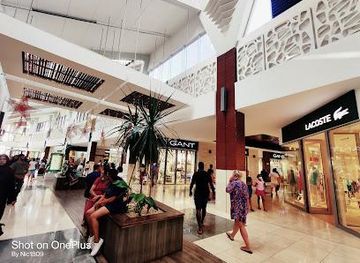
Shopping in Port Louis moves between traditional market trade, specialist neighbourhood businesses and modern waterfront retail. The Central Market is the city’s principal place for fresh produce, flowers, spices, tea, snacks and everyday goods, with the upper areas offering souvenirs and locally made items. Chinatown is known for food shops, bakeries, herbal businesses and long-established family enterprises, while streets near the market contain fabric sellers, clothing shops and small independent retailers. The Caudan Waterfront provides a more contemporary environment with fashion, jewellery, crafts and Mauritian products in a harbour setting. Visitors may find woven goods, model boats, island-made food products, coloured textiles and small artisan pieces, although provenance and materials should be checked carefully. Bargaining is most appropriate in informal market settings, not in fixed-price shops or established boutiques.
-
Shopping mall
Bagatelle Mall of Mauritius
Explore Bagatelle Mall, Mauritius: A vibrant shopping experience with dining and entertainment for the whole family.
29 min drive · 9.7 km from city centre
-
Shopping mall
Caudan Waterfront
Discover the vibrant Caudan Waterfront in Port Louis, a perfect blend of shopping, dining, and cultural experiences by the sea.
8 min drive · 2.6 km from city centre
-
Shopping mall
Port Louis Waterfront by Landscope Mauritius
Discover the lively Port Louis Waterfront, a shopping paradise offering exquisite dining, vibrant culture, and breathtaking views of Mauritius.
8 min drive · 2.5 km from city centre
-
Shopping mall
Yovana Boutique
Explore Yovana Boutique in Port Louis for a unique shopping experience blending local and international brands in a vibrant atmosphere.
7 min drive · 2.2 km from city centre


Get your free copy of our complete guide to Port Louis, delivered straight to you.
Everything on this page, from attractions and restaurants to essentials and local phrases, in one PDF you can read offline, print or share.
Already have an account? Sign in
Your Port Louis guide is ready.
We'll send it to · Not you? Sign out

Getting your guide ready…
We are putting together a fresh copy of the Port Louis guide. This can take up to a minute.
This can take a few moments. If your browser asks, choose Allow so the download can start. You'll find the guide in your Downloads folder.
Nothing happened? Download it again
Sorry, the guide is taking longer than usual. Please try again in a minute, or get it by email instead.
Port Louis essentials
Currency and Payment
Safety
Emergency Situations
Do's and Don'ts
Local Tips
From Eve
Local phrases worth knowing
You don't need to get them perfect. A few words go a long way, and locals appreciate the effort.
Basics
| English | Local | Say it |
|---|---|---|
| Hello | Bonjour | [bon-zhoor] |
| Goodbye | Au revoir | [oh ruh-vwahr] |
| Yes | Wi | [wee] |
| No | Non | [non] |
| Please/You're welcome | S'il vous plaît / De rien | [see voo pleh / deh ryen] |
| Thank you | Merci | [mehr-see] |
| Excuse me/Sorry | Excusez-moi / Désolé | [ex-kew-zay mwah / dey-zoh-lay] |
| How are you? | Comment ça va? | [koh-mohn sah vah] |
| Fine. And you? | Bien. Et toi? | [byen. ay twah] |
| Do you speak English? | Parlez-vous anglais? | [par-lay voo ahn-glay] |
| I don't understand | Je ne comprends pas | [zhuh nuh kohm-prahnd pah] |
Eating & Drinking
| English | Local | Say it |
|---|---|---|
| I'd like to see the menu, please | Mo pou rod menu la, svp | [moh poo rohd meh-noo lah, see voo pleh] |
| I don't eat meat | Mo pa manz karn | [moh pah mahnz kahrn] |
| Cheers! | Santé! | [sahn-tay] |
| I would like to pay, please | Mo pou peye, svp | [moh poo pay-yay, see voo pleh] |
Emergencies
| English | Local | Say it |
|---|---|---|
| Help! | Sekour! | [seh-koor] |
| Go away! | Al ler! | [ahl layr] |
| Call the Police! | Appele la Police! | [ah-pel lah poh-lees] |
| Call a doctor! | Appele en dokter! | [ah-pel ahn dohk-tair] |
| I'm lost | Mo perdi | [moh pair-dee] |
| I'm ill | Mo malad | [moh mah-lahd] |
Shopping
| English | Local | Say it |
|---|---|---|
| I'd like to buy... | Mo pou acheter... | [moh poo ah-shuh-tay] |
| I'm just looking | Mo just zet gueter | [moh joost zayt gweh-tay] |
| How much is it? | Li coute konbyen? | [lee koot kohn-byen] |
| That's too expensive | Sa tro cher | [sah troh shehr] |
| Can you lower the price? | Eski ou kapav bais pri? | [es-kee oo kah-pahv bah-ee pree] |
Time & Numbers
| English | Local | Say it |
|---|---|---|
| What time is it? | Ki eure li ete? | [kee uhr lee ay-tay] |
| It's one o'clock | Li ete enn eure | [lee ay-tay ay-nuh uhr] |
| Half past (10) | Demi eure (10) | [deh-mee uhr (diz)] |
| Morning | Matin | [mah-tahn] |
| Afternoon | Après-midi | [ah-pray mee-dee] |
| Evening | Soir | [swah] |
| Yesterday | Hier | [yehr] |
| Today | Aujourd'hui | [oh-zhoor-dwee] |
| Tomorrow | Demain | [deh-mahn] |
| 1 | 1 | [uhn] |
| 2 | 2 | [de] |
| 3 | 3 | [troah] |
| 4 | 4 | [kat] |
| 5 | 5 | [sank] |
| 6 | 6 | [sis] |
| 7 | 7 | [set] |
| 8 | 8 | [wit] |
| 9 | 9 | [neuf] |
| 10 | 10 | [dis] |
Transport & Directions
| English | Local | Say it |
|---|---|---|
| Where's a/the...? | Ki kot enn/le... | [kee koht ay-nuh/luh] |
| What's the address? | Kot so adres? | [koht soh ah-drehs] |
| Can you show me (on the map)? | Eski ou kapav montre mwa (sou plan)? | [es-kee oo kah-pahv mohn-tray mwah (soo plahn)] |
| When's the next (bus)? | Quand li pou passer (bis)? | [kohnd lee poo pah-say (bees)] |
| A ticket (to ....) | Enn billet (vers ....) | [ayn bee-lay (vayrs)] |
History of Port Louis
Early Island Settlement
Mauritius was uninhabited when the Dutch established the first lasting European settlement in the seventeenth century, although Arab and Portuguese sailors had already charted Indian Ocean routes through the Mascarenes. The Dutch abandoned their colony in 1710, leaving the island open to French rule. The French East India Company developed Port Louis during the eighteenth century, initially calling it Port-Louis after King Louis XV. Its sheltered harbour and position on routes between Europe, Africa and Asia made it an important naval and commercial base. French engineers laid out much of the early town, while enslaved people brought from Africa and Madagascar formed a large part of the workforce that built roads, estates and port facilities.
French Port and Plantation Society
Under French administration, Port Louis became the principal maritime gateway to Île de France, as Mauritius was then known. The town supported a plantation economy centred on sugar, with merchants, sailors, administrators and artisans gathering around the harbour. Fortifications were strengthened on the heights above the settlement, including the structure now known as Fort Adelaide or the Citadel. Catholic institutions, warehouses and civic buildings shaped the developing town, while the enslaved population created enduring African, Malagasy and Creole cultural influences. The social order was unequal and founded on slavery, which was abolished in Mauritius in 1835 after the island had passed into British control.
British Rule and Maritime Expansion
Britain captured Mauritius in 1810 during the Napoleonic Wars, and the Treaty of Paris formally transferred the island to British rule in 1814. French civil law, language and customs largely remained in place, giving Port Louis a distinctive dual heritage. After emancipation, indentured labourers were recruited principally from India to work in the sugar industry, transforming the island’s population and religious landscape. Port Louis expanded as a port and trading centre, with Indian, Creole, Chinese and European communities contributing to its commercial life. The city’s mosques, temples, churches, markets and business districts reflect this period of migration and cultural exchange.
Trade, Railways and Urban Change
During the nineteenth century, sugar exports and improvements to the harbour strengthened Port Louis’s role in the western Indian Ocean. The opening of Mauritius’s railway network in the 1860s connected the capital with sugar districts and other settlements, helping goods and workers move more efficiently across the island. Quays, warehouses and commercial streets developed around the port, while civic institutions and educational establishments gave the town a more formal urban structure. Epidemics, including severe outbreaks of malaria and other diseases, also exposed the pressures created by dense settlement and tropical conditions. The city’s built heritage consequently combines commercial architecture, religious buildings and public works from several stages of colonial development.
From Colony to Independent Capital
Political activity intensified in the twentieth century as Mauritian movements pressed for wider representation, social reform and self-government. Port Louis became the focus of trade-union organisation, public debate and nationalist politics, with its port and working population giving the capital a prominent role in the independence movement. Mauritius achieved independence from Britain on 12 March 1968 and became a republic in 1992. Government institutions remained concentrated in Port Louis, whose identity shifted from colonial port to national capital. The city’s historic buildings and communities now sit alongside financial offices, retail developments and a modern waterfront, illustrating the island’s transition from plantation colony to independent, diversified state.
Memory in the Contemporary City
Modern Port Louis preserves several places that make Mauritius’s layered history visible. Aapravasi Ghat, the former immigration depot where indentured labourers arrived, commemorates a migration system that reshaped Mauritius and is recognised as a UNESCO World Heritage Site. The Central Market continues older patterns of exchange, while Chinatown and the religious buildings around the centre embody the capital’s plural society. The Caudan Waterfront occupies a redeveloped harbour area and represents more recent commercial renewal. Together, these places show how Port Louis has retained its maritime, migrant and mercantile foundations while adapting to the needs of a contemporary island capital.
Travel experiences inspired by this city


Swipe for more travel diaries
Port Louis in Photos
Browse through our photo collection highlighting the charm and character of the destination.
Cities near Port Louis
The closest cities to Port Louis, if you have time for more than one stop.
-
-

-

-

-


Swipe for more cities
Explore more
Explore more of Mauritius
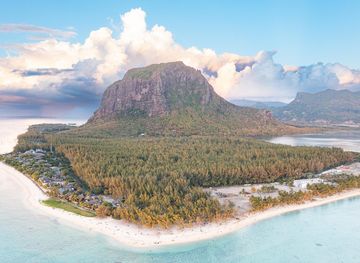
Discover Mauritius, the tropical paradise of the Indian Ocean, where pristine beaches, lush landscapes, and vibrant culture come together for an unforgettable escape.
Explore Mauritius