

Free Poste de Flacq Travel Guide & Mobile App
Plan your Poste de Flacq trip with Evendo. Get free guides to top attractions, restaurants, hotels, and bars. Web access or download the mobile app.


Poste de Flacq, Mauritius offers quiet east-coast beaches, lagoon trips, local markets, sugar-country scenery and easy access to Belle Mare.
Between Lagoon and Sugar Country
Poste de Flacq lies on Mauritius’s eastern coast, in a landscape shaped by coral lagoons, sugar-cane fields and small settlements. The village is quieter and more locally rooted than the resort strip around Belle Mare, yet it provides access to some of the island’s most celebrated beaches and marine excursions. Roads lead towards Centre de Flacq, the commercial centre of the district, while the coast opens towards calm turquoise water, offshore islets and long stretches of pale sand.Read more about Poste de Flacq
Local Life and Eastern Landscapes
An Eastern Base
When is the best time to visit Poste de Flacq?
Best: July–September · 26°C| Month | High (°C) | Rainfall (mm) |
|---|---|---|
| January | 31 | 210 |
| February | 31 | 220 |
| March | 31 | 150 |
| April | 30 | 110 |
| May | 28 | 70 |
| June | 26 | 50 |
| July (best) | 26 | 50 |
| August (best) | 26 | 50 |
| September (best) | 26 | 50 |
| October | 27 | 65 |
| November | 28 | 120 |
| December | 30 | 190 |
Getting to and around Poste de Flacq
How to get there
Transportation
Best attractions in Poste de Flacq
Poste de Flacq’s attractions are closely tied to the eastern coast and the surrounding Flacq district rather than to a dense historic centre. The village provides a quiet starting point for exploring the lagoon and the beaches around Belle Mare, whose long sweep of sand and shallow water are especially appealing for swimming and water sports when conditions permit. Centre de Flacq offers a more urban experience, with its market, shops and everyday Mauritian street life. Inland, Bras d’Eau National Park introduces forest paths and bird-rich landscapes, while boat excursions from the east coast explore coral reefs and offshore islands such as Île aux Cerfs. Sugar-cane fields, roadside temples and small settlements add cultural texture between the better-known coastal stops. The appeal lies in the contrast between resort beaches, agricultural scenery and ordinary eastern-Mauritian life.
-
Water park
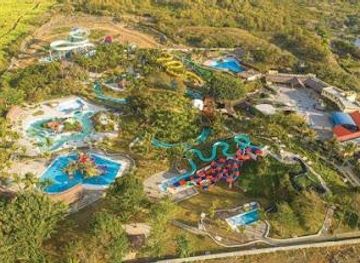
Splash N Fun Leisure Park
Dive into fun at Splash N Fun Leisure Park, a premier water park in Quatre Cocos offering thrilling slides and relaxing pools for an unforgettable family adventure.
14 min drive · 4.7 km from city centre
-
National park
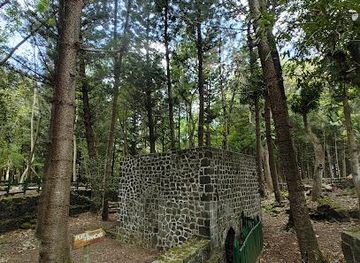
Bras D'Eau National Park
Experience the tranquil beauty and ecological diversity of Bras D'Eau National Park, a premier tourist attraction in Mauritius, perfect for nature lovers.
9 min drive · 3.0 km from city centre
-
Tourist attraction
Belle Mare Public Beach
Experience the breathtaking beauty of Belle Mare Public Beach in Mauritius, a serene destination for relaxation and adventure amid stunning natural scenery.
17 min drive · 5.8 km from city centre
-
Beach
Palmar beach
Experience the tranquility of Palmar Beach in Quatre Cocos, a must-visit destination for sunseekers and adventure lovers in beautiful Mauritius.
25 min drive · 8.3 km from city centre


Best landmarks in Poste de Flacq
The most meaningful landmarks around Poste de Flacq are regional rather than monumental. The market and civic centre of Centre de Flacq represent the district’s commercial life, linking surrounding villages and plantation country through trade and transport. Hindu temples across the Flacq area reflect the cultural communities established during the era of indentured labour and remain important places of worship, although visitors should treat each as an active religious space rather than a tourist monument. The east-coast lagoon and coral reef form a defining natural landmark, shaping settlement, fishing and tourism. Bras d’Eau National Park preserves a contrasting forest landscape inland, while the sugar-cane fields and surviving estate infrastructure record the economic history that made eastern Mauritius. Around Belle Mare, the broad beach and coastal road offer a clear sense of the region’s transition from agricultural district to resort coast.
-
Market
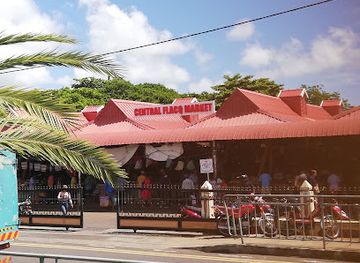
Central Flacq Market
Explore the vibrant Central Flacq Market for an authentic taste of Mauritian culture, fresh produce, and unique local crafts in a lively atmosphere.
9 min drive · 2.9 km from city centre
-
Shopping mall
Coeur de Ville Flacq
Discover the vibrant shopping and dining experience at Coeur de Ville Flacq, a cultural hub in Central Flacq, Mauritius, perfect for tourists and locals alike.
8 min drive · 2.5 km from city centre
-
Tourist attraction
Belle Mare Public Beach
Discover the serene beauty of Belle Mare Public Beach, a tropical haven with golden sands, crystal-clear waters, and vibrant marine life on Mauritius' east coast.
17 min drive · 5.8 km from city centre
-
Tourist attraction
Aquaventure Ltd
Experience the ultimate water adventure at Aquaventure Ltd in Belle Mare, where thrilling slides and family fun await in a tropical paradise.
13 min drive · 4.4 km from city centre


Explore Poste de Flacq on the map
Plan your Poste de Flacq trip on one map. See where the top attractions, landmarks, restaurants, bars and hotels are, find what's near where you're staying, and book hotels and experiences in a few clicks.
Best hotels in Poste de Flacq
Best restaurants in Poste de Flacq
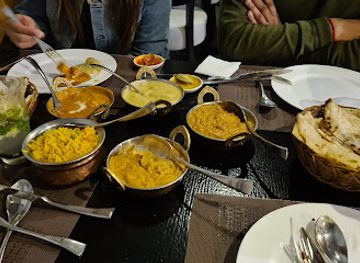
Dining around Poste de Flacq reflects the mixed culinary heritage of Mauritius, combining Indian, Creole, Chinese, French and coastal influences. Visitors will find casual eateries and takeaway counters serving rice, curries, dhal puri, farata, rougaille, fried noodles and seafood, while hotels and larger restaurants near Belle Mare generally offer broader menus and lagoon-facing settings. Centre de Flacq is useful for sampling everyday snacks and market ingredients rather than formal dining alone. Fish and shellfish feature naturally along the east coast, although menus change with supply. Mauritian street food is often the most direct way to encounter local flavours: try chilli cakes, samosas or dholl puri with pickles and rougaille. Vegetarian dishes are widely available, reflecting the island’s Indian cultural traditions, but diners should ask about ingredients and spice levels.
-
Restaurant
Restaurant Georges
Discover the flavors of Mauritius at Restaurant Georges - where tradition meets innovation in a vibrant dining experience.
11 min drive · 3.8 km from city centre
-
Indian
Kesar Indian Restaurant
Experience authentic Indian flavors at Kesar Indian Restaurant in Central Flacq - a culinary haven for food lovers seeking vibrant tastes.
7 min drive · 2.3 km from city centre
-
Restaurant
Symon's Restaurant
Experience exquisite Mauritian cuisine with stunning coastal views at Symon's Restaurant in Poste de Flacq.
13 min drive · 4.4 km from city centre
-
Pizza
Pizza Inn, Flacq Coeur de Ville
Experience mouthwatering pizzas and fast food delights at Pizza Inn in Central Flacq - where flavor meets convenience!
8 min drive · 2.6 km from city centre


Best bars in Poste de Flacq
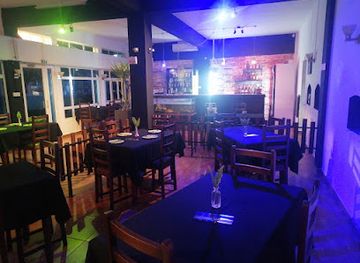
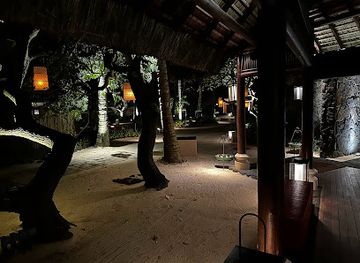
Nightlife in Poste de Flacq is comparatively quiet and is centred on relaxed evenings rather than a concentrated club scene. Local restaurants, hotel bars and beachfront properties around Belle Mare provide places for drinks, conversation and sunset views, with some accommodation venues offering live music or cultural performances on selected evenings. Centre de Flacq is more oriented towards everyday local activity than late-night entertainment, and the village streets become subdued after dark. Visitors seeking dancing or a larger choice of bars will generally find more options in the island’s principal resort and urban areas rather than within Poste de Flacq itself. Evening boat outings, sega performances and informal gatherings can offer a more distinctly Mauritian alternative to nightclub culture, but schedules and availability vary by season and venue.
-
Restaurant
The Deer Hunter
Experience a culinary adventure at The Deer Hunter in Poste de Flacq, where local flavors meet exquisite international cuisine.
10 min drive · 3.4 km from city centre
-
Restaurant
Escape Grill & Bar
Escape Grill & Bar: Where Local Flavors and Culinary Excellence Meet in the Heart of Mauritius.
13 min walk · 1.0 km from city centre
-
Restaurant
Le Swing
Discover the authentic flavors of Mauritius at Le Swing, a culinary gem offering stunning views and exceptional dining experiences.
8 min drive · 2.5 km from city centre
-
Restaurant
La Spiaggia Restaurant & Bar
Experience the best of Mauritian cuisine at La Spiaggia Restaurant & Bar, where stunning views meet unforgettable flavors.
11 min drive · 3.5 km from city centre


Best nightclubs in Poste de Flacq
Nightlife in Poste de Flacq is comparatively quiet and is centred on relaxed evenings rather than a concentrated club scene. Local restaurants, hotel bars and beachfront properties around Belle Mare provide places for drinks, conversation and sunset views, with some accommodation venues offering live music or cultural performances on selected evenings. Centre de Flacq is more oriented towards everyday local activity than late-night entertainment, and the village streets become subdued after dark. Visitors seeking dancing or a larger choice of bars will generally find more options in the island’s principal resort and urban areas rather than within Poste de Flacq itself. Evening boat outings, sega performances and informal gatherings can offer a more distinctly Mauritian alternative to nightclub culture, but schedules and availability vary by season and venue.
-
Sports club
Le Club Constance
Discover the excitement of Le Club Constance, a premier sports club in Central Flacq, Mauritius, where sports and nightlife meet.
12 min drive · 4.1 km from city centre
-
Bar
Fleur Shop
Experience the vibrant nightlife at Fleur Shop, a lively bar in Central Flacq offering refreshing drinks and a welcoming atmosphere.
10 min drive · 3.4 km from city centre
-
Bar
Shores
Discover Shores in Long Beach Mauritius: A lively bar offering refreshing cocktails and stunning ocean views, perfect for any traveler seeking relaxation and fun.
13 min drive · 4.3 km from city centre
-
Bar
Good Luck Bar
Explore the lively Good Luck Bar in Quatre Cocos, where vibrant nightlife meets exceptional drinks and a friendly atmosphere.
20 min drive · 6.8 km from city centre

Best shops in Poste de Flacq
Shopping in Poste de Flacq is primarily local and practical, with small shops and roadside sellers complemented by the larger commercial activity of Centre de Flacq. The market there is the district’s key place for seasonal fruit, vegetables, spices, clothing, household goods and inexpensive snacks, and it offers a more everyday experience than resort boutiques. Visitors may also find woven goods, baskets, textiles, model boats and locally produced edible gifts in shops serving the eastern tourism circuit, though quality and availability vary. Rum, tea, vanilla products and sugar-related foods are common Mauritius souvenirs, while colourful clothing and artisanal objects reflect the island’s Indian Ocean cultural connections. Bargaining is not appropriate everywhere; it is best reserved for informal stalls where negotiation is clearly part of the transaction, with prices confirmed politely before purchase.
-
Hypermarket
Super U
Explore Super U in Central Flacq for a unique shopping experience, blending local flavors and global brands in a vibrant Mauritian atmosphere.
7 min drive · 2.5 km from city centre
-
Market
Central Flacq Market
Discover the heart of Mauritius at Central Flacq Market, a vibrant hub for local culture, fresh produce, and unique handicrafts.
9 min drive · 2.9 km from city centre
-
Shopping mall
Coeur de Ville Flacq
Discover a shopping paradise at Coeur de Ville Flacq - where local charm meets international style in the heart of Central Flacq, Mauritius.
8 min drive · 2.5 km from city centre
-
Shopping mall
Flacq Retail Park
Discover the vibrant shopping and dining experience at Flacq Retail Park in Central Flacq, Mauritius - a must-visit for every traveler.
13 min drive · 4.3 km from city centre


Get your free copy of our complete guide to Poste de Flacq, delivered straight to you.
Everything on this page, from attractions and restaurants to essentials and local phrases, in one PDF you can read offline, print or share.
Already have an account? Sign in
Your Poste de Flacq guide is ready.
We'll send it to · Not you? Sign out

Getting your guide ready…
We are putting together a fresh copy of the Poste de Flacq guide. This can take up to a minute.
This can take a few moments. If your browser asks, choose Allow so the download can start. You'll find the guide in your Downloads folder.
Nothing happened? Download it again
Sorry, the guide is taking longer than usual. Please try again in a minute, or get it by email instead.
Poste de Flacq essentials
Currency and Payment
Safety
Emergency Situations
Do's and Don'ts
Local Tips
From Eve
Local phrases worth knowing
You don't need to get them perfect. A few words go a long way, and locals appreciate the effort.
Basics
| English | Local | Say it |
|---|---|---|
| Hello | Bonjour | [bon-zhoor] |
| Goodbye | Au revoir | [oh rev-wah] |
| Yes | Wi | [wee] |
| No | Non | [non] |
| Please/You're welcome | Si ou plé | [see oo pleh] |
| Thank you | Merci | [mehr-see] |
| Excuse me/Sorry | Pardon | [par-don] |
| How are you? | Ki manyer? | [key man-yer] |
| Fine. And you? | Byen. Ou? | [bee-en. oo] |
| Do you speak English? | Ou parle angle? | [oo parl ang-leh] |
| I don't understand | Mo pa konpran | [moh pa kon-pran] |
Eating & Drinking
| English | Local | Say it |
|---|---|---|
| I'd like to see the menu, please | Mo lé servi menu, si ou plé | [moh lay ser-vee meh-noo, see oo pleh] |
| I don't eat meat | Mo pa manzé la viand | [moh pa man-zay la vee-an] |
| Cheers! | Santé! | [san-tay] |
| I would like to pay, please | Mo lé payé, si ou plé | [moh lay pay-ay, see oo pleh] |
Emergencies
| English | Local | Say it |
|---|---|---|
| Help! | Aid mwa! | [aid mwa] |
| Go away! | Alé! | [ah-lay] |
| Call the Police! | Alé lakour! | [ah-lay la-koor] |
| Call a doctor! | Alé dokter! | [ah-lay dok-ter] |
| I'm lost | Mo perdi | [moh pair-dee] |
| I'm ill | Mo malad | [moh ma-lad] |
Shopping
| English | Local | Say it |
|---|---|---|
| I'd like to buy... | Mo lé achté... | [moh lay ach-tay] |
| I'm just looking | Mo pé sirmet | [moh pay seer-may] |
| How much is it? | Kané li koute? | [ka-nay lee koot] |
| That's too expensive | Sa tro kher | [sah tro ker] |
| Can you lower the price? | Ou kapav ba pri pli ba? | [oo ka-pav bah pree plee bah] |
Time & Numbers
| English | Local | Say it |
|---|---|---|
| What time is it? | Ki lezér? | [key lay-zair] |
| It's one o'clock | Li enn ér | [lee en ay] |
| Half past (10) | Démi (10) | [day-mee (10)] |
| Morning | Matin | [ma-tan] |
| Afternoon | Laprémidi | [lap-ray-mee-dee] |
| Evening | Swar | [swar] |
| Yesterday | Yé | [yay] |
| Today | Zordi | [zor-dee] |
| Tomorrow | Demain | [day-man] |
| 1 | Enn | [enn] |
| 2 | Dé | [day] |
| 3 | Twaa | [twa] |
| 4 | Kat | [kat] |
| 5 | Sank | [sank] |
| 6 | Sis | [sees] |
| 7 | Set | [set] |
| 8 | Wit | [weet] |
| 9 | Néf | [nef] |
| 10 | Dis | [dees] |
Transport & Directions
| English | Local | Say it |
|---|---|---|
| Where's a/the...? | Ki koté enn...? | [key koh-tay enn] |
| What's the address? | Ki adréss la? | [key ah-dress la] |
| Can you show me (on the map)? | Ou kapav montre mwa (sir la kat)? | [oo ka-pav mon-tray mwa (seer la kat)] |
| When's the next (bus)? | Kané prochen (bis)? | [ka-nay pro-shen (bees)] |
| A ticket (to ....) | Enn billet (ziska ....) | [enn bil-lay (zis-ka)] |
History of Poste de Flacq
From Island Settlement to District
Poste de Flacq developed within the wider Flacq district of eastern Mauritius, an area whose modern settlement pattern grew through plantation agriculture and coastal trade. Before European colonisation, Mauritius was uninhabited on a permanent basis, although it was visited by sailors and incorporated into Indian Ocean navigation networks. Portuguese and Dutch voyagers charted the island before the French established a lasting settlement in the eighteenth century. Eastern Mauritius remained more rural than Port Louis and became defined by scattered villages, estate lands and access to the lagoon rather than by a dense urban centre.
French Plantation Mauritius
Under French rule, beginning with the establishment of Île de France as a colony in the early eighteenth century, agriculture and plantation organisation reshaped the island. Sugar cane eventually became the principal commercial crop, supported by enslaved labour brought from Africa and Madagascar and by wider Indian Ocean connections. The Flacq region’s fertile plains and dependable rainfall encouraged estate agriculture, while roads and coastal routes linked plantations with settlements. Although many original colonial buildings have disappeared or been altered, the rural geography around Poste de Flacq still reflects this plantation era through cane fields, estate roads and dispersed village communities.
British Rule and Abolition
Britain took control of Mauritius in 1810, while allowing French civil law, language and property traditions to continue in important respects. The abolition of slavery in 1835 transformed labour and society across the island; plantation owners subsequently recruited indentured workers, principally from India, whose descendants form a major part of Mauritius’s population. Eastern districts such as Flacq became sites of continuing agricultural production and cultural change. Hindu religious practice, Indian languages, food traditions and festivals became prominent features of local life alongside older Creole, Franco-Mauritian and maritime influences.
Sugar, Roads and Regional Commerce
During the nineteenth and twentieth centuries, sugar remained central to the economy and shaped the movement of people and goods through eastern Mauritius. Centre de Flacq grew as the district’s commercial focus, serving surrounding villages and plantation communities, while roads improved links with Port Louis and the island’s other regions. The introduction of railways elsewhere on Mauritius also supported the movement of cane and agricultural labour, although the railway network was later dismantled. Markets, schools, temples and community institutions helped turn the Flacq area from a plantation hinterland into a connected regional society.
Independence and the Eastern Coast
Mauritius became independent in 1968, and the decades that followed brought major economic diversification. Sugar remained important, but manufacturing, services and tourism expanded, particularly along the eastern coast near Belle Mare and the lagoon. Poste de Flacq consequently developed a dual identity: a settled village within a working agricultural district and a gateway to coastal leisure. The contrast between local homes, cane fields and high-end beachfront accommodation is characteristic of contemporary eastern Mauritius. Nearby protected landscapes such as Bras d’Eau also preserve part of the island’s forested environment as development continues around the coast.
Travel experiences inspired by this city


Swipe for more travel diaries
Poste de Flacq in Photos
Browse through our photo collection highlighting the charm and character of the destination.
Cities near Poste de Flacq
The closest cities to Poste de Flacq, if you have time for more than one stop.
-

-

-
-

-


Swipe for more cities
Explore more
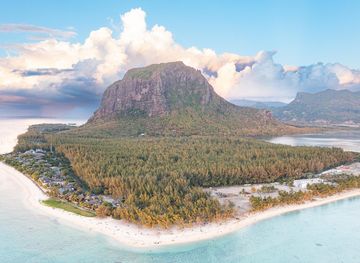
Explore more of Mauritius
Discover Mauritius, the tropical paradise of the Indian Ocean, where pristine beaches, lush landscapes, and vibrant culture come together for an unforgettable escape.
Explore Mauritius