

Free Rivière du Rempart Travel Guide & Mobile App
Explore Rivière du Rempart with free travel guides. Discover regional history, expert tips, proposed trips, and audio guides on web or mobile app.


Rivière du Rempart combines Mauritius’s northern lagoons, sugar estates, village markets, coastal heritage and forested countryside.
Read more about Rivière du Rempart
When is the best time to visit Rivière du Rempart?
Best: August–October · 23–27°C| Month | High (°C) | Rainfall (mm) |
|---|---|---|
| January | 30 | 230 |
| February | 30 | 220 |
| March | 30 | 200 |
| April | 28 | 150 |
| May | 27 | 110 |
| June | 24 | 80 |
| July | 23 | 70 |
| August (best) | 23 | 70 |
| September (best) | 25 | 60 |
| October (best) | 27 | 70 |
| November | 28 | 90 |
| December | 29 | 150 |
Getting to and around Rivière du Rempart
How to get there
Transportation
Top city travel guides in Rivière du Rempart
The cities of Rivière du Rempart, and the easiest places to base yourself.
-

-

-

-

-
-


Swipe for more cities
Destinations in Rivière du Rempart
Resorts, valleys and scenic spots worth a trip of their own.

Swipe for more destinations
Best attractions in Rivière du Rempart
Rivière du Rempart offers a varied collection of coastal, cultural and rural attractions rather than one concentrated sightseeing circuit. Grand Baie provides the district’s most developed base for lagoon excursions, sailing and other water activities, while Grand Gaube, Cap Malheureux, Anse La Raie and Roches Noires present different combinations of beaches, reefs, fishing activity and northern-island views. Swimming and boating conditions vary considerably, so visitors should use designated areas and local guidance. Inland, Château de Labourdonnais near Mapou is a major heritage attraction, presenting a nineteenth-century estate house, gardens and plantation-era context. Goodlands market is valuable for observing everyday commerce and sampling local snacks rather than for conventional sightseeing. Bras d’Eau National Park offers forest walks and a change of atmosphere from the coast, with shade, birdlife and a landscape shaped partly by historic planting. The district’s sugar-country roads, village churches, small coastal settlements and roadside food outlets reward unhurried exploration. Nature-focused visitors can combine sea kayaking or lagoon trips with woodland walks, while families may prefer the easier beaches and organised activities around the northern resort area.
-
Botanical garden
Sir Seewoosagur Ramgoolam Botanical Garden
Explore the enchanting beauty of Sir Seewoosagur Ramgoolam Botanical Garden in Mauritius, a lush haven of exotic plants and vibrant landscapes.
-
Catholic church
Notre-Dame Auxiliatrice de Cap Malheureux
Discover the enchanting Notre-Dame Auxiliatrice de Cap Malheureux, a stunning Catholic church with a vibrant red roof overlooking the beautiful Indian Ocean.
-
Museum
L'Aventure du Sucre
Explore the rich history of sugar production at L'Aventure du Sucre, a captivating museum showcasing Mauritius's cultural heritage.
-
Beach
Mon Choisy Public Beach
Explore the beauty of Mon Choisy Public Beach, a heavenly escape in Mauritius where sun, sand, and sea create unforgettable memories.



Best landmarks in Rivière du Rempart
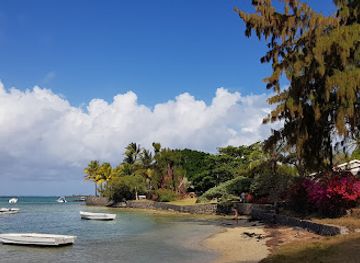
The red-roofed Notre-Dame Auxiliatrice chapel at Cap Malheureux is one of northern Mauritius’s most recognisable landmarks, standing close to the shore with views across the bay and northern waters. Near Mapou, Château de Labourdonnais represents the architecture and estate organisation of the plantation era; its house, grounds and surrounding agricultural setting help explain how sugar shaped the northeastern interior. The volcanic coastline at Roches Noires forms a natural landmark of dark rock, lava formations and sea caves, contrasting with the pale sand and shallow lagoons farther west. Bras d’Eau’s forested landscape is another significant geographic feature, marking a transition from cultivated lowland and coast to a greener inland environment. The old churches and village centres of Grand Gaube, Goodlands and surrounding settlements are less monumental but reveal the district’s long-established communities and religious diversity. Together these places show Rivière du Rempart through its physical geology, plantation history, coastal faith traditions and lived village landscape.
-
Botanical garden
Sir Seewoosagur Ramgoolam Botanical Garden
Explore the enchanting Sir Seewoosagur Ramgoolam Botanical Garden, a tropical paradise filled with exotic plants and serene landscapes in Mauritius.
-
Shopping mall
La Croisette
Discover La Croisette in Grand Baie, Mauritius - a vibrant shopping mall blending retail, dining, and entertainment for an unforgettable experience.
-
Catholic church
Notre-Dame Auxiliatrice de Cap Malheureux
Experience the stunning architecture and serene beauty of Notre-Dame Auxiliatrice de Cap Malheureux, a must-visit Catholic church in Mauritius.
-
Museum
L'Aventure du Sucre
Explore the rich heritage of Mauritius' sugar industry at L'Aventure du Sucre, a captivating museum experience in Pamplemousses.


Explore Rivière du Rempart on the map
Plan your trip on one map. See where the top cities, national parks and sights are, and book hotels and experiences in a few clicks.
Best hotels in Rivière du Rempart
Best restaurants in Rivière du Rempart
Food in Rivière du Rempart reflects Mauritius’s Indian, Creole, Chinese, French and maritime influences. Around Grand Baie, visitors will find a broad choice of hotel restaurants, seafood establishments, cafés and international menus, while Goodlands and the smaller villages offer more informal places serving faratas, dholl puri, briani, curries, noodles, samosas and chilli cakes. Coastal communities are the natural setting for fish, octopus and other seafood, although menus and availability depend on the day’s catch. Street stalls, market counters and small snack shops are often the best places to try local savoury foods with pickles, chutneys and rougaille. Tropical fruit, coconut-based preparations and sugar-related products reflect the agricultural landscape, while French-influenced pastries and bakery items are common across Mauritius rather than exclusive to this district. Visitors should distinguish between food identified with the wider Mauritian tradition and genuinely local production, such as fresh market produce and seafood bought close to the coast.
-
Restaurant
Le Chamarel Restaurant
Experience exquisite Mauritian cuisine at Le Chamarel Restaurant while enjoying breathtaking views over the island's lush landscapes.
-
Indian
Saffron Grill - Grand Bay
Experience authentic Indian cuisine at Saffron Grill in Grand Bay – where every meal is a journey through rich flavors.
-
Indian
Happy Rajah
Experience authentic South Indian cuisine at Happy Rajah in Grand Baie - a must-visit culinary gem for food lovers.
-
Restaurant
La Rougaille Creole
Savor authentic Mauritian flavors at La Rougaille Creole in Grand Baie - a culinary gem where every dish tells a story.


Best bars in Rivière du Rempart
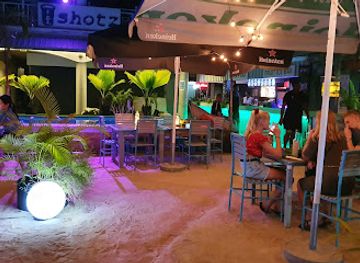
Evening life is concentrated in Grand Baie, where hotel bars, waterfront restaurants, cocktail venues and occasional live-music settings provide the district’s broadest choice after dark. The atmosphere ranges from relaxed sunset drinks and Mauritian rum-based cocktails to later entertainment in the more heavily visited northern resort area, but venues and schedules change seasonally. In Grand Gaube, Goodlands, Roches Noires and smaller villages, nightlife is generally quieter and centres on family restaurants, local pubs, cafés and informal gatherings rather than a large club circuit. Some hotels arrange music or cultural evenings, while beachside dining is often more significant than late-night dancing. Visitors should use licensed transport after drinking, respect residential areas and check current opening arrangements instead of relying on old listings. The district’s evening character is best understood as a mix of resort entertainment and ordinary village life, not as a continuous nightlife strip.
-
Seafood
L'Ocean
Discover the freshest seafood dishes at L'Ocean in Pamplemousses, Mauritius - a culinary experience that celebrates the ocean's bounty.
-
Grill
Banana Beach Club
Experience the essence of Mauritius at Banana Beach Club, where delicious grilled cuisine meets enchanting live jazz in a vibrant setting.
-
Restaurant
Le Fangourin
Experience the rich flavors of Mauritius at Le Fangourin, a charming restaurant celebrating the island's sugar heritage with every dish.
-
Bar
The Cloud - Rooftop & Lounge Bar
Discover breathtaking views and a vibrant atmosphere at The Cloud - Rooftop & Lounge Bar in Grand Baie, the perfect spot for cocktails and dining.


Best nightclubs in Rivière du Rempart
Evening life is concentrated in Grand Baie, where hotel bars, waterfront restaurants, cocktail venues and occasional live-music settings provide the district’s broadest choice after dark. The atmosphere ranges from relaxed sunset drinks and Mauritian rum-based cocktails to later entertainment in the more heavily visited northern resort area, but venues and schedules change seasonally. In Grand Gaube, Goodlands, Roches Noires and smaller villages, nightlife is generally quieter and centres on family restaurants, local pubs, cafés and informal gatherings rather than a large club circuit. Some hotels arrange music or cultural evenings, while beachside dining is often more significant than late-night dancing. Visitors should use licensed transport after drinking, respect residential areas and check current opening arrangements instead of relying on old listings. The district’s evening character is best understood as a mix of resort entertainment and ordinary village life, not as a continuous nightlife strip.
-
Grill
Banana Beach Club
Experience the vibrant fusion of mouthwatering grill flavors and enchanting live jazz at Banana Beach Club in Grand Baie.
-
Night club
Big Willy's
Discover the lively atmosphere of Big Willy's, a top night club in Mauritius known for its delicious tapas, vibrant music, and unforgettable nights.
-
Pub
Shotz
Discover the vibrant nightlife of Flic en Flac at Shotz, where delicious drinks and a lively atmosphere await you.
-
Night club
Insomnia Night Club
Dive into the exhilarating nightlife of Grand Baie at Insomnia Night Club, where electrifying music and vibrant energy await every night.



Best shops in Rivière du Rempart
Shopping ranges from resort-oriented retail in Grand Baie to practical markets and independent businesses in Goodlands and the smaller towns. Grand Baie has the district’s widest selection of boutiques, beachwear, jewellery, crafts, galleries, souvenirs and food outlets, with a mixture of locally made goods and imported products. Goodlands is more closely associated with everyday commerce and market shopping, where visitors can look for fruit, vegetables, spices, snacks, textiles and household goods while observing local trading life. Farm produce, Mauritian tea, spices, rum-related products, chutneys and packaged sweets are convenient gifts, though labels should be checked if provenance matters. Art and handicraft shops may sell woven items, woodwork, baskets and decorative pieces, but quality and authenticity vary. Bargaining is more likely in informal markets than in established shops; ask courteously, compare goods and do not photograph vendors or stalls without permission.
-
Shopping mall
La City Trianon
Discover La City Trianon, a vibrant shopping mall in Quatre Bornes, Mauritius, offering diverse shopping, dining, and entertainment options for an unforgettable experience.
-
Shopping mall
La Croisette
Discover La Croisette, Grand Baie's premier shopping mall, offering a blend of shopping, dining, and cultural experiences for every traveler.
-
Shopping mall
Riche Terre Mall
Discover the vibrant shopping, dining, and entertainment scene at Riche Terre Mall in Pamplemousses, Mauritius.
-
Shopping mall
Mahogany Shopping Promenade
Explore the Mahogany Shopping Promenade, a vibrant hub of shopping, dining, and entertainment in Mauritius, perfect for all visitors.



Get your free copy of our complete guide to Rivière du Rempart, delivered straight to you.
Everything on this page, from attractions and restaurants to essentials and local phrases, in one PDF you can read offline, print or share.
Already have an account? Sign in
Your Rivière du Rempart guide is ready.
We'll send it to · Not you? Sign out

Getting your guide ready…
We are putting together a fresh copy of the Rivière du Rempart guide. This can take up to a minute.
This can take a few moments. If your browser asks, choose Allow so the download can start. You'll find the guide in your Downloads folder.
Nothing happened? Download it again
Sorry, the guide is taking longer than usual. Please try again in a minute, or get it by email instead.
Rivière du Rempart essentials
Currency and Payment
Safety
Emergency Situations
Do's and Don'ts
Local Tips
From Eve
Local phrases worth knowing
You don't need to get them perfect. A few words go a long way, and locals appreciate the effort.
Basics
| English | Local | Say it |
|---|---|---|
| Hello | Bonjour | [Bohn-zhoor] |
| Goodbye | Au revoir | [Oh ruh-vwahr] |
| Yes | Oui | [Wee] |
| No | Non | [Nohn] |
| Please/You're welcome | S'il vous plaît | [Seel voo pleh] |
| Thank you | Merci | [Mehr-see] |
| Excuse me/Sorry | Excusez-moi | [Ex-kew-zay mwah] |
| How are you? | Comment ça va? | [Koh-mohn sah vah] |
| Fine. And you? | Bien. Et vous? | [Byen. Ay voo?] |
| Do you speak English? | Parlez-vous anglais? | [Par-lay voo ahn-glay?] |
| I don't understand | Je ne comprends pas | [Zhuh nuh kom-prahn pah] |
Eating & Drinking
| English | Local | Say it |
|---|---|---|
| I'd like to see the menu, please | Je voudrais voir le menu, s'il vous plaît | [Zhuh voo-dray vwah leuh meh-nu, seel voo pleh] |
| I don't eat meat | Je ne mange pas de viande | [Zhuh nuh mahnj pah deh vyahnd] |
| Cheers! | Santé! | [Sahn-tay] |
| I would like to pay, please | Je voudrais payer, s'il vous plaît | [Zhuh voo-dray peh-yay, seel voo pleh] |
Emergencies
| English | Local | Say it |
|---|---|---|
| Help! | Au secours! | [Oh suh-koor] |
| Go away! | Allez-vous-en! | [Ah-lay voo-zahn] |
| Call the Police! | Appelez la police! | [Ah-peh-lay lah poh-lees] |
| Call a doctor! | Appelez un médecin! | [Ah-peh-lay uh meh-dsahn] |
| I'm lost | Je suis perdu | [Zhuh swee pair-doo] |
| I'm ill | Je suis malade | [Zhuh swee mah-lahd] |
Shopping
| English | Local | Say it |
|---|---|---|
| I'd like to buy... | Je voudrais acheter... | [Zhuh voo-dray ah-sheh-tay...] |
| I'm just looking | Je regarde juste | [Zhuh reh-gard zhoost] |
| How much is it? | C'est combien? | [Say kohm-byen?] |
| That's too expensive | C'est trop cher | [Say troh shair] |
| Can you lower the price? | Pouvez-vous baisser le prix? | [Poo-vay voo beh-say leuh pree?] |
Time & Numbers
| English | Local | Say it |
|---|---|---|
| What time is it? | Quelle heure est-il? | [Kell uhr eh-teel?] |
| It's one o'clock | Il est une heure | [Eel eh ewn uhr] |
| Half past (10) | Dix heures et demie | [Dee-zh uhr eh deh-mee] |
| Morning | Matin | [Mah-tahn] |
| Afternoon | Après-midi | [Ah-pray mee-dee] |
| Evening | Soir | [Swar] |
| Yesterday | Hier | [Ee-air] |
| Today | Aujourd'hui | [Oh-zhoor dwee] |
| Tomorrow | Demain | [Duh-mahn] |
| 1 | Un | [Uhn] |
| 2 | Deux | [Duh] |
| 3 | Trois | [Trwah] |
| 4 | Quatre | [Kah-truh] |
| 5 | Cinq | [Sank] |
| 6 | Six | [Sees] |
| 7 | Sept | [Set] |
| 8 | Huit | [Wheet] |
| 9 | Neuf | [Nurf] |
| 10 | Dix | [Deez] |
Transport & Directions
| English | Local | Say it |
|---|---|---|
| Where's a/the...? | Où est un/une...? | [Oo eh uhn/oon...?] |
| What's the address? | Quelle est l'adresse? | [Kell eh lah-dress?] |
| Can you show me (on the map)? | Pouvez-vous me montrer (sur la carte)? | [Poo-vay voo muh mohn-tray (sur lah kart)?] |
| When's the next (bus)? | Quand est le prochain (bus)? | [Kahn eh luh pro-shan (boos)?] |
| A ticket (to ....) | Un billet (pour ....) | [Uhn bee-yay (poor ....)] |
History of Rivière du Rempart
Early Settlement and the Northern Landscape
Before permanent European settlement, Mauritius was visited and charted by seafarers, while its forests, lagoons and offshore waters formed an ecological landscape rather than a settled agricultural district. The northeast’s reefs, volcanic shoreline and fertile interior later made it suitable for both coastal activity and plantation development. Archaeological evidence across Mauritius is often fragmentary, but the island’s early history is important for understanding how dramatically the original forested environment was altered by colonial settlement and cultivation.
French Mauritius and Plantation Beginnings
French administration from the eighteenth century established the foundations of the plantation society that shaped Rivière du Rempart. Land was cleared for agriculture, roads and coastal settlements, while estates developed around sugar and other crops. French place names, estate landscapes and elements of Catholic architecture remain visible in the district. The period also brought enslaved people from Africa and Madagascar whose labour and cultural influence became fundamental to Mauritian society.
British Rule and the Expansion of Sugar
After the British takeover of Mauritius in 1810, existing French institutions and plantation structures largely continued, while sugar became increasingly dominant. Estates in the Rivière du Rempart area expanded with improved processing, transport and commercial organisation. Sugar shaped land ownership, settlement patterns and employment for generations, leaving a landscape of cane fields, factory sites, estate houses and village services. The industry remains an important part of the district’s visual and economic identity.
Emancipation and Indentured Migration
The abolition of slavery in the British Empire transformed labour arrangements on Mauritian estates. From the nineteenth century, indentured workers, principally from India, arrived in large numbers to work in sugar cultivation and processing. Their descendants form a major part of Mauritius’s population, and Hindu religious traditions, languages, foodways and family histories are deeply embedded in Rivière du Rempart. The region’s villages and agricultural economy cannot be understood without this transition from enslaved to indentured labour.
Chinese-Mauritian Commerce and Village Development
Chinese-Mauritian traders and shopkeepers contributed significantly to the growth of commercial centres across Mauritius, including northern settlements such as Goodlands. Small shops, food businesses and trading networks connected rural communities with the wider island economy. Alongside Creole, Indian, Muslim and Franco-Mauritian influences, this helped create the multicultural social landscape characteristic of contemporary Rivière du Rempart. The region’s markets and town centres still reflect these overlapping histories more clearly than resort architecture does.
Independence and the Changing Coastal Economy
Mauritius became independent in 1968, after which the economy gradually diversified beyond sugar into manufacturing, services and tourism. Rivière du Rempart experienced this change unevenly: agriculture continued inland, while Grand Baie and parts of the northern coast developed hotels, restaurants, boating services and second homes. Other settlements retained stronger links to fishing and local commerce. Today the district’s identity rests on the coexistence of plantation landscapes, growing tourism, established villages and protected or semi-natural coastal and forest environments.
Rivière du Rempart in Photos
Browse through our photo collection highlighting the charm and character of the destination.
Neighbouring regions of Rivière du Rempart
The closest regions to Rivière du Rempart, if you have time for more than one.
-

-

-

-

-


Swipe for more regions
Explore more
Explore more of Mauritius
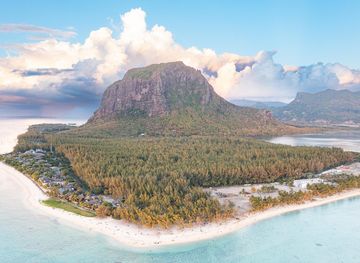
Discover Mauritius, the tropical paradise of the Indian Ocean, where pristine beaches, lush landscapes, and vibrant culture come together for an unforgettable escape.
Explore Mauritius