

Free Grand Baie Travel Guide & Mobile App
Plan your Grand Baie trip with Evendo. Get free guides to top attractions, restaurants, hotels, and bars. Web access or download the mobile app.


Grand Baie, Mauritius blends turquoise lagoons, island history, seafront dining and easy boat trips with northern beaches, gardens and local culture.
A Northern Coastal Setting
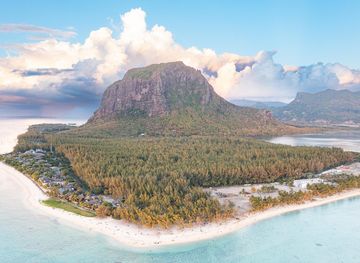
Grand Baie occupies a sheltered bay on the north-west coast of Mauritius, where calm lagoon water, coral reefs and low wooded headlands shape the shoreline. Once associated mainly with fishing and coastal village life, it has developed into one of the island’s principal visitor centres while retaining a useful connection to everyday Mauritian life. The waterfront is lined with restaurants, cafés, excursion desks and small businesses, and the town provides a convenient base for exploring the northern part of the island.Read more about Grand Baie
Beaches, Water and Island Life
Beyond the Resort Strip
When is the best time to visit Grand Baie?
Best: June–July, September · 24–25°C| Month | High (°C) | Rainfall (mm) |
|---|---|---|
| January | 30 | 150 |
| February | 30 | 150 |
| March | 30 | 150 |
| April | 29 | 100 |
| May | 27 | 50 |
| June (best) | 25 | 30 |
| July (best) | 24 | 30 |
| August | 24 | 30 |
| September (best) | 24 | 30 |
| October | 27 | 50 |
| November | 28 | 100 |
| December | 30 | 150 |
Getting to and around Grand Baie
How to get there
Transportation
Best attractions in Grand Baie
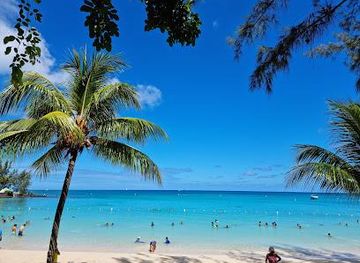
Grand Baie’s principal attraction is its sheltered lagoon, where the public beach and waterfront provide easy access to swimming, boat watching and organised marine excursions. La Cuvette, a small cove near the centre, offers a quieter alternative when conditions and space allow, while Pereybere beach lies a short distance away in the neighbouring coastal settlement. Boat trips commonly explore the northern lagoon and nearby islets, with glass-bottom viewing, snorkelling and sailing among the experiences available through local operators. Inland, the Sir Seewoosagur Botanic Garden is in Pamplemousses rather than Grand Baie, but forms a natural companion to a northern itinerary, with extensive tropical planting and historic associations. The Château de Labourdonnais estate near Mapou adds gardens, colonial-era architecture and an agricultural perspective. Together, these places show the north through water, cultivated landscapes and the layered history behind the resort coast.
-
Beach
Mon Choisy Public Beach
Discover the stunning beauty of Mon Choisy Public Beach in Mauritius—where pristine sands meet turquoise waters for an unforgettable tropical getaway.
9 min drive · 2.9 km from city centre
-
Beach
Pereybere Public Beach
Experience the breathtaking beauty of Pereybere Public Beach in Grand Baie, Mauritius, where pristine sands meet azure waters in a tropical paradise.
7 min drive · 2.3 km from city centre
-
Scenic spot
Pereybere Beach
Explore the serene beauty of Pereybere Beach in Grand Baie, Mauritius – a perfect destination for relaxation, water sports, and vibrant local culture.
7 min drive · 2.2 km from city centre
-
Beach
La Cuvette Public Beach
Experience the beauty and tranquility of La Cuvette Public Beach, a tropical gem in Grand Baie, perfect for relaxation and adventure seekers.
11 min walk · 0.9 km from city centre



Best landmarks in Grand Baie
Grand Baie’s most defining landmark is geographical rather than monumental: the broad, reef-protected bay, whose deep blue water and headlands explain the town’s historic connection with fishing, boating and tourism. The public beach and waterfront form the civic focus of the settlement, while La Cuvette preserves a smaller coastal landscape close to the commercial centre. The area’s cultural identity is also represented by its religious buildings and by the wider pattern of Mauritian temples, churches and mosques found in northern communities, although these should be visited respectfully and are not all tourist monuments. Beyond the town, the Château de Labourdonnais near Mapou represents the island’s plantation-era heritage, while the nearby Sir Seewoosagur Botanic Garden preserves a historic estate landscape. These landmarks place Grand Baie within Mauritius’s broader story of colonial agriculture, multicultural settlement and maritime change.
-
Shopping mall
La Croisette
Experience the best of retail and dining at La Croisette, Grand Baie's premier shopping mall, where island culture meets modern convenience.
14 min walk · 1.2 km from city centre
-
Casino
Ti Vegas Casino
Discover the excitement at Ti Vegas Casino in Grand Baie, where vibrant nightlife meets thrilling gaming experiences in beautiful Mauritius.
3 min walk · 0.3 km from city centre
-
Scenic spot
Pereybere Beach
Discover the breathtaking beauty of Pereybere Beach in Grand Baie, a tropical haven for relaxation and adventure in Mauritius.
7 min drive · 2.2 km from city centre
-
Beach
La Cuvette Public Beach
Discover the enchanting La Cuvette Public Beach in Grand Baie, where golden sands and turquoise waters create a tropical paradise for every traveler.
11 min walk · 0.9 km from city centre


Explore Grand Baie on the map
Plan your Grand Baie trip on one map. See where the top attractions, landmarks, restaurants, bars and hotels are, find what's near where you're staying, and book hotels and experiences in a few clicks.
Best hotels in Grand Baie
Best restaurants in Grand Baie
Grand Baie’s dining scene reflects the many communities that shaped Mauritius. Seafood is prominent, with lagoon fish, prawns and octopus appearing alongside Creole preparations, while Indian-influenced dholl puri, farata, rougaille and biryani provide familiar local staples. Mauritian-Chinese dishes such as fried noodles and other wok-cooked specialities are widely encountered, and cafés and casual stands offer snacks, pastries and fresh juices. The waterfront contains restaurants aimed at visitors, ranging from informal meals to more polished dining, while the Grand Baie area also has takeaways and family-run eateries where portions and service may feel more local. Markets and small food sellers are useful for trying street-style fare rather than relying only on hotel menus. Menus vary with the catch and season, so asking about the day’s seafood can reveal more of the island’s coastal character.
-
Italian
Luigi's Italian Pizzeria & Pasta Bar
Experience the best of Italian cuisine at Luigi's Italian Pizzeria & Pasta Bar in Grand Baie, offering authentic dishes and delightful vegan options.
5 min drive · 1.5 km from city centre
-
Restaurant
Beach House Restaurant & Bar
Discover exquisite seafood dining with breathtaking ocean views at Beach House Restaurant & Bar in Grand Baie, Mauritius.
6 min walk · 0.5 km from city centre
-
Indian
Saffron Grill - Grand Bay
Experience authentic Indian cuisine at Saffron Grill in Grand Bay – where every dish tells a story.
5 min drive · 1.5 km from city centre
-
Indian
Happy Rajah
Experience authentic Indian cuisine at Happy Rajah in Grand Baie - where every dish tells a story of flavor and tradition.
3 min walk · 0.2 km from city centre


Best bars in Grand Baie
Grand Baie has one of the north’s most developed evening scenes, though its atmosphere varies between relaxed waterfront drinks and late-night entertainment. Bars around the centre and coastal roads serve cocktails, beer, rum-based drinks and wine, while some venues add DJs, live music or dancing. The area around the main waterfront and Grand Baie’s shopping and restaurant district is generally the most convenient for moving between dinner and drinks, although the character of individual venues changes over time. Evening entertainment also includes sunset cruises, music-led restaurant nights and informal gatherings rather than only nightclubs. Visitors should use licensed transport for later journeys, keep personal belongings close in crowded venues and check current arrangements locally, since opening patterns and performances are subject to change.
-
Grill
Banana Beach Club
Experience a delightful fusion of grilled cuisine and live jazz at Banana Beach Club, a vibrant destination in Grand Baie, Mauritius.
5 min walk · 0.4 km from city centre
-
Restaurant
Beach House Restaurant & Bar
Experience the taste of paradise at Beach House Restaurant & Bar, where fresh seafood meets stunning ocean views in Grand Baie, Mauritius.
6 min walk · 0.5 km from city centre
-
Bar
La Kaza
Discover La Kaza in Grand Baie, where vibrant nightlife meets exquisite culinary delights against stunning Mauritius sunsets.
2 min walk · 0.2 km from city centre
-
Restaurant
Eden Beach Restaurant Lounge-Bar
Discover a coastal culinary oasis at Eden Beach Restaurant Lounge-Bar, where delicious cuisine meets stunning seaside vistas in Grand Baie.
5 min drive · 1.7 km from city centre


Best nightclubs in Grand Baie
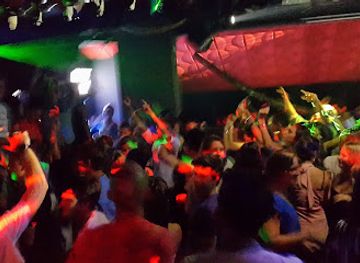
Grand Baie has one of the north’s most developed evening scenes, though its atmosphere varies between relaxed waterfront drinks and late-night entertainment. Bars around the centre and coastal roads serve cocktails, beer, rum-based drinks and wine, while some venues add DJs, live music or dancing. The area around the main waterfront and Grand Baie’s shopping and restaurant district is generally the most convenient for moving between dinner and drinks, although the character of individual venues changes over time. Evening entertainment also includes sunset cruises, music-led restaurant nights and informal gatherings rather than only nightclubs. Visitors should use licensed transport for later journeys, keep personal belongings close in crowded venues and check current arrangements locally, since opening patterns and performances are subject to change.
-
Grill
Banana Beach Club
Discover the lively Banana Beach Club in Grand Baie, where exquisite grilled flavors meet enchanting live jazz music for an unforgettable night out.
5 min walk · 0.4 km from city centre
-
Pub
Shisha Flavours Lounge
Experience the vibrant nightlife of Grand Baie at Shisha Flavours Lounge – where relaxation meets socializing in a unique shisha haven.
3 min walk · 0.3 km from city centre
-
Bar
Le Bar & Vous
Discover the vibrant nightlife at Le Bar & Vous in Grand Baie, where music, cocktails, and community create unforgettable moments.
9 min walk · 0.7 km from city centre
-
Night club
Insomnia Night Club
Discover the electrifying nightlife at Insomnia Night Club in Grand Baie, Mauritius. Dance, drink, and enjoy unforgettable nights filled with music.
10 min walk · 0.8 km from city centre


Best shops in Grand Baie
Shopping in Grand Baie ranges from practical local commerce to purpose-built retail and souvenir browsing. The Grand Baie Bazaar is associated with stalls selling clothing, handicrafts, jewellery, spices and gifts, while the central streets and waterfront contain independent shops aimed at both residents and visitors. Grand Baie La Croisette provides a more modern mall environment with fashion, services, food and leisure facilities, and Sunset Boulevard is known for seafront retail and boutiques. Visitors may encounter Mauritian textiles, woven goods, locally made decorative objects, rum and food products, although provenance varies and not every item marketed as local is produced on the island. Bargaining is more customary in informal market settings than in fixed-price shops. Shopping is most rewarding when combined with an interest in the island’s craft traditions and everyday commercial life rather than treated solely as souvenir hunting.
-
Shopping mall
La Croisette
La Croisette: Grand Baie's premier shopping mall, blending local charm with global brands for an unforgettable retail experience.
14 min walk · 1.2 km from city centre
-
Shopping mall
Sunset Boulevard
Discover Sunset Boulevard: A vibrant shopping haven in Grand Baie, Mauritius, blending local culture, shopping, and dining experiences.
1 min walk · 0.1 km from city centre
-
Shopping mall
Grand Baie Bazar
Explore the vibrant Grand Baie Bazar in Mauritius, a shopping haven filled with local crafts, authentic flavors, and rich cultural experiences.
5 min walk · 0.4 km from city centre
-
Shopping mall
Grand Bay Coeur de Ville
Discover a vibrant shopping experience at Grand Bay Coeur de Ville, where local culture meets global brands in a stylish setting.
3 min walk · 0.3 km from city centre



Get your free copy of our complete guide to Grand Baie, delivered straight to you.
Everything on this page, from attractions and restaurants to essentials and local phrases, in one PDF you can read offline, print or share.
Already have an account? Sign in
Your Grand Baie guide is ready.
We'll send it to · Not you? Sign out

Getting your guide ready…
We are putting together a fresh copy of the Grand Baie guide. This can take up to a minute.
This can take a few moments. If your browser asks, choose Allow so the download can start. You'll find the guide in your Downloads folder.
Nothing happened? Download it again
Sorry, the guide is taking longer than usual. Please try again in a minute, or get it by email instead.
Grand Baie essentials
Currency and Payment
Safety
Emergency Situations
Do's and Don'ts
Local Tips
From Eve
Local phrases worth knowing
You don't need to get them perfect. A few words go a long way, and locals appreciate the effort.
Basics
| English | Local | Say it |
|---|---|---|
| Hello | Bonjour | [bon-zhoor] |
| Goodbye | Au revoir | [oh re-vwar] |
| Yes | Oui | [wee] |
| No | Non | [nohn] |
| Please/You're welcome | S'il vous plaît / De rien | [see voo pleh / duh ryen] |
| Thank you | Merci | [mehr-see] |
| Excuse me/Sorry | Excusez-moi / Désolé | [eks-kyoo-zay mwah / dey-zoh-lay] |
| How are you? | Comment ça va? | [kom-mohn sah vah] |
| Fine. And you? | Bien. Et toi? | [byen. ay twah] |
| Do you speak English? | Parlez-vous anglais? | [par-lay voo ahn-glay] |
| I don't understand | Je ne comprends pas | [zhuh nuh kohm-prahn pah] |
Eating & Drinking
| English | Local | Say it |
|---|---|---|
| I'd like to see the menu, please | Je voudrais voir le menu, s'il vous plaît | [zhuh voo-dray vwahr luh men-yoo, see voo pleh] |
| I don't eat meat | Je ne mange pas de viande | [zhuh nuh mahnj pah duh vee-yand] |
| Cheers! | Santé! | [san-tay] |
| I would like to pay, please | Je voudrais payer, s'il vous plaît | [zhuh voo-dray pay-ay, see voo pleh] |
Emergencies
| English | Local | Say it |
|---|---|---|
| Help! | Aidez-moi! | [ay-day mwah] |
| Go away! | Allez-vous en! | [ah-lay vooz ahn] |
| Call the Police! | Appelez la police! | [ah-play lah poh-lees] |
| Call a doctor! | Appelez un médecin! | [ah-play ahn may-deh-sahn] |
| I'm lost | Je suis perdu | [zhuh swee pair-doo] |
| I'm ill | Je suis malade | [zhuh swee mah-lahd] |
Shopping
| English | Local | Say it |
|---|---|---|
| I'd like to buy... | Je voudrais acheter... | [zhuh voo-dray zah-shey...] |
| I'm just looking | Je regarde juste | [zhuh ruh-gard zhoost] |
| How much is it? | Combien ça coûte? | [kom-byen sah koot] |
| That's too expensive | C'est trop cher | [say troh shay] |
| Can you lower the price? | Pouvez-vous baisser le prix? | [poo-vay voo be-say luh pree] |
Time & Numbers
| English | Local | Say it |
|---|---|---|
| What time is it? | Quelle heure est-il? | [kell ur ay-teel] |
| It's one o'clock | Il est une heure | [eel ay oon ur] |
| Half past (10) | Dix et demi | [dees ay duh-mee] |
| Morning | Matin | [mah-tan] |
| Afternoon | Après-midi | [ah-pray mee-dee] |
| Evening | Soir | [swahr] |
| Yesterday | Hier | [yair] |
| Today | Aujourd'hui | [oh-zhoor-dwee] |
| Tomorrow | Demain | [duh-mahn] |
| 1 | Un | [uhn] |
| 2 | Deux | [duh] |
| 3 | Trois | [twah] |
| 4 | Quatre | [kah-truh] |
| 5 | Cinq | [sank] |
| 6 | Six | [sees] |
| 7 | Sept | [set] |
| 8 | Huit | [wheat] |
| 9 | Neuf | [nuf] |
| 10 | Dix | [dees] |
Transport & Directions
| English | Local | Say it |
|---|---|---|
| Where's a/the...? | Où est...? | [oo ay...] |
| What's the address? | Quelle est l'adresse? | [kell ay lad-res] |
| Can you show me (on the map)? | Pouvez-vous me montrer (sur la carte)? | [poo-vay voo muh mohn-tray (soor lah kart)] |
| When's the next (bus)? | Quand est le prochain (bus)? | [kahn ay luh proh-shahn (boos)] |
| A ticket (to ....) | Un billet (pour ...) | [uhn bee-yay (poor ...)] |
History of Grand Baie
Before the Modern Town
Mauritius had no permanent indigenous population before European settlement, although the island’s position in the Indian Ocean later brought sailors, traders and colonists into its history. The northern bay that is now Grand Baie was part of a wider coastal environment of reefs, mangroves, lagoons and forest, used for fishing and maritime movement rather than organised urban life. Its sheltered waters helped make the area useful to small boats, while the surrounding north developed through agriculture and settlement. The physical geography remains central to Grand Baie’s identity: the bay, reef-fringed coast and nearby islets continue to shape work, recreation and tourism.
Dutch and French Mauritius
The Dutch established the first short-lived European settlement on Mauritius in the seventeenth century, but the island’s lasting colonial transformation began under French rule, when it was known as Isle de France. From the eighteenth century, French administration expanded agriculture, maritime activity and plantation settlement, establishing patterns that influenced northern Mauritius. Sugar became the dominant economic force, supported by enslaved labour from Africa and Madagascar and, after emancipation, indentured labour from India. Although Grand Baie did not emerge as a major colonial capital, its coastal setting belonged to this wider plantation and seafaring landscape, whose cultural consequences are still visible in Mauritian society.
British Rule and Plantation Society
Britain took control of Mauritius in 1810, while allowing French civil law, language and cultural practices to continue in important areas. During the nineteenth century, sugar estates shaped the island’s economy, and the arrival of Indian indentured labourers after emancipation transformed its population and religious and culinary life. Northern settlements grew around agricultural estates, roads and coastal communities rather than through a single concentrated town centre. Grand Baie’s later character reflects this layered history: French and British colonial institutions, Indian traditions, African and Creole influences, and Chinese commercial networks all contributed to the cultural combination found across Mauritius.
From Fishing Village to Resort Centre
For much of the twentieth century, Grand Baie remained a coastal settlement associated with fishing, small-scale commerce and access to the lagoon. Mauritius gained independence in 1968, and the decades that followed brought substantial growth in tourism, particularly along the island’s northern and western coasts. Guesthouses, hotels, restaurants, marine excursions and retail businesses gradually changed Grand Baie’s scale and economy. The bay’s sheltered waters and proximity to beaches made it especially attractive to visitors, while improved roads connected it more closely with Port Louis and other northern communities. This transition did not erase the older coastal identity, but placed it alongside a service economy centred on leisure.
Contemporary Grand Baie
Modern Grand Baie is one of Mauritius’s best-known visitor hubs, shaped by international tourism but embedded in the island’s multilingual, multicultural society. Its waterfront combines public beaches, pleasure-boat activity, restaurants and evening venues, while shopping developments and residential areas extend inland. The town also functions as a base for exploring northern attractions, including Pamplemousses, historic estates and the coast towards Cap Malheureux. Contemporary questions about coastal development, traffic, marine protection and conserving public access are part of the area’s continuing story. Grand Baie’s present identity therefore rests on both transformation and continuity: a tourism centre whose landscape still announces its lagoon, villages and island setting.
Travel experiences inspired by this city


Swipe for more travel diaries
Grand Baie in Photos
Browse through our photo collection highlighting the charm and character of the destination.
Cities near Grand Baie
The closest cities to Grand Baie, if you have time for more than one stop.
-

-

-

-
-


Swipe for more cities
Explore more
Explore more of Mauritius
Discover Mauritius, the tropical paradise of the Indian Ocean, where pristine beaches, lush landscapes, and vibrant culture come together for an unforgettable escape.
Explore Mauritius