

Free Rodrigues Travel Guide & Mobile App
Explore Rodrigues with free travel guides. Discover regional history, expert tips, proposed trips, and audio guides on web or mobile app.


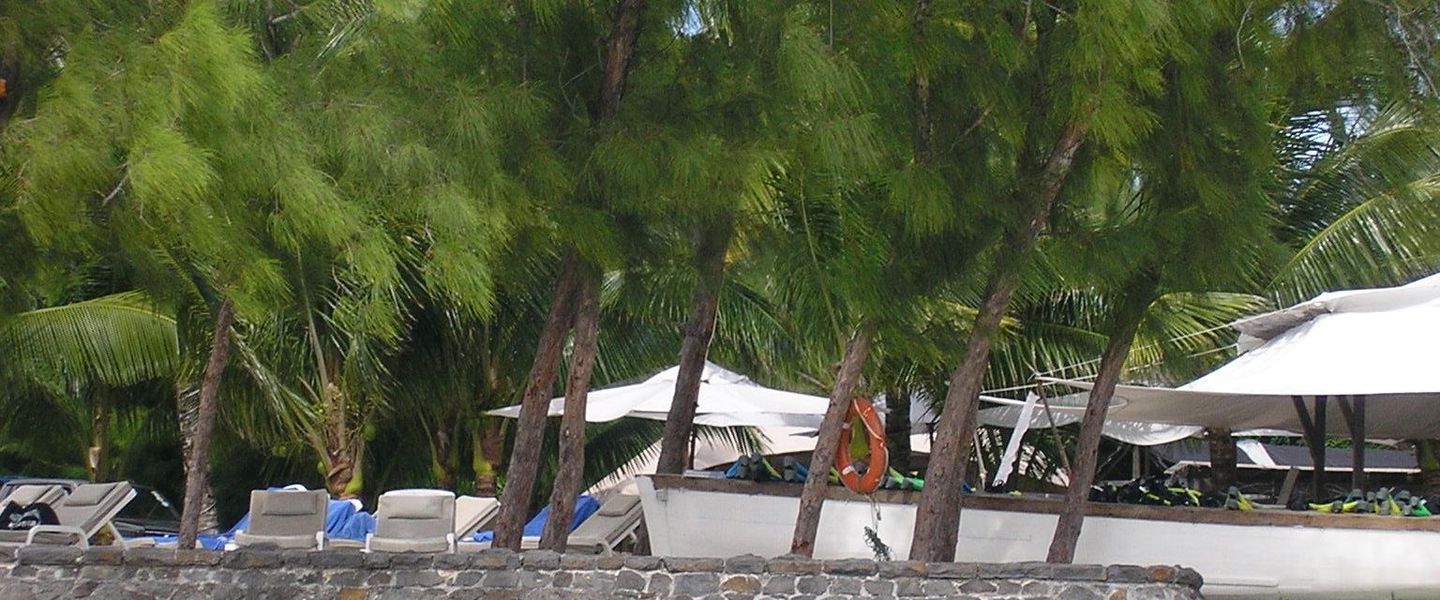


Explore Rodrigues, Mauritius, for reef-fringed lagoons, giant tortoises, coastal villages, Creole food and a slower island rhythm.
Read more about Rodrigues
When is the best time to visit Rodrigues?
Best: June–August · 23–24°C| Month | High (°C) | Rainfall (mm) |
|---|---|---|
| January | 29 | 200 |
| February | 29 | 225 |
| March | 28 | 200 |
| April | 27 | 150 |
| May | 26 | 125 |
| June (best) | 24 | 100 |
| July (best) | 23 | 100 |
| August (best) | 23 | 100 |
| September | 24 | 125 |
| October | 26 | 150 |
| November | 27 | 175 |
| December | 28 | 200 |
Getting to and around Rodrigues
How to get there
Transportation
Best attractions in Rodrigues
Rodrigues’s attractions are concentrated around its lagoon, dry coastal scenery and conservation projects rather than large-scale resort development. Boat excursions explore reef passages, sandbanks and offshore islands such as Île aux Cocos, while the south-eastern coast offers opportunities for snorkelling, swimming in suitable conditions and observing changing tides. Nature-focused visitors can visit the François Leguat Reserve, known for its giant tortoises and restored native habitat, and the Grande Montagne Nature Reserve, where reforestation and endemic plant conservation are central themes. Caverne Patate provides an introduction to the island’s underground limestone formations, usually with local guidance. Coastal walks lead towards bays and cliffs including Trou d’Argent, although shoreline conditions require care. Port Mathurin offers markets, local commerce and a useful insight into everyday island life, while village churches, craft workshops and small cultural initiatives broaden the experience. The island is particularly rewarding for travellers interested in birdlife, marine ecology, fishing traditions, walking, kiteboarding and low-key exploration. Its attractions are best understood as part of a living landscape in which conservation, agriculture and the lagoon remain closely connected.
-
Tourist attraction
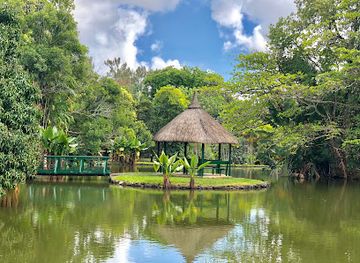
Sir Seewoosagur Ramgoolam Botanical Garden
Discover the enchanting Sir Seewoosagur Ramgoolam Botanical Garden, a lush and diverse paradise showcasing Mauritius' unique flora.
-
Tourist attraction
Black River Gorges National Park
Explore the breathtaking landscapes and rich biodiversity of Black River Gorges National Park, a must-visit paradise for nature lovers in Mauritius.
-
Tourist attraction
Pont Naturel
Discover the breathtaking beauty of Pont Naturel, a natural bridge in Mauritius offering stunning ocean views and a tranquil escape into nature.
-
Tourist attraction
Francois Leguat Tortoise Parc
Explore the wonders of Francois Leguat Tortoise Parc in Rodrigues Island, where giant tortoises and rich biodiversity await every visitor.


Best landmarks in Rodrigues
Port Mathurin’s harbour and waterfront form Rodrigues’s principal civic landmark, where boats, markets and administrative buildings reflect the island’s continuing relationship with the sea. The settlement’s Catholic churches, including the large church at Saint Gabriel, are prominent features of the cultural landscape and illustrate the importance of religion in village life. At the François Leguat Reserve, the giant tortoise enclosures and restored dry forest represent a contemporary conservation landmark as much as a wildlife attraction. Caverne Patate is a notable geological site, with chambers and formations shaped by the island’s limestone beneath its volcanic surface. Along the coast, the cliffs and coves around Trou d’Argent are among Rodrigues’s most recognisable natural features, while the reef-fringed lagoon creates the island’s defining geographical panorama. The offshore silhouettes of Île aux Cocos and other small islets further distinguish the coastline, though access is dependent on sea conditions and local boat arrangements. Together these places express Rodrigues’s principal themes: maritime life, Catholic and Creole heritage, geological change and the recovery of native ecosystems.
-
National park
Black River Gorges National Park
Discover the enchanting beauty of Black River Gorges National Park, a pristine natural wonder in Mauritius, rich in biodiversity and stunning landscapes.
-
Historical landmark
Monument Commemorating Abolition Of Slavery
Explore the Monument Commemorating Abolition of Slavery in Mahebourg, a powerful symbol of freedom and resilience in Mauritius' rich history.
-
Hotel
C Rodrigues Mourouk
Discover the charm of Rodrigues Island at C Rodrigues Mourouk, where comfort meets local culture and culinary delights await.
-
Tourist attraction
Caverne Patate
Explore the breathtaking beauty of Caverne Patate, a geological wonder nestled in Petite Butte, Mauritius, where adventure and nature intertwine.


Explore Rodrigues on the map
Plan your trip on one map. See where the top cities, national parks and sights are, and book hotels and experiences in a few clicks.
Best hotels in Rodrigues
Best restaurants in Rodrigues
Dining in Rodrigues is closely linked to the lagoon and to a home-style Creole tradition that uses seafood, pulses, rice, vegetables, chillies and tropical fruit. Octopus is a prominent local ingredient, prepared in curries, salads and other savoury dishes, while fish and shellfish appear in restaurants, family kitchens and informal coastal meals. Small eateries and guesthouses often provide the most direct introduction to local cooking, with menus that may include rougaille, a tomato-based preparation, lentil dishes, pickles and coconut-rich accompaniments. Port Mathurin has the widest choice of cafés, bakeries and casual restaurants, while village dining is generally quieter and may require advance arrangement. Local products such as honey, jam, fruit preserves and woven goods can be found through markets and small producers. French, Mauritian and Creole influences coexist, but Rodrigues’s strongest culinary identity comes from its seafood, dry-island agriculture and household cooking rather than from a formal restaurant scene.
-
Restaurant
Le Marlin Bleu
Discover exquisite flavors at Le Marlin Bleu—an oceanfront restaurant serving fresh seafood and local delights in Anse aux Anglais.
-
Restaurant
La Case Mama Chez Paulina
Experience authentic Mauritian flavors at La Case Mama Chez Paulina – where every dish tells a story of culture and tradition.
-
Restaurant
L'Atelier Gourmand
Discover exquisite local flavors at L'Atelier Gourmand in Port Mathurin - where every meal is a culinary journey.
-
Restaurant
Resto La Caverne
Experience authentic Mauritian cuisine at Resto La Caverne in Petite Butte - a must-visit culinary destination.


Best bars in Rodrigues
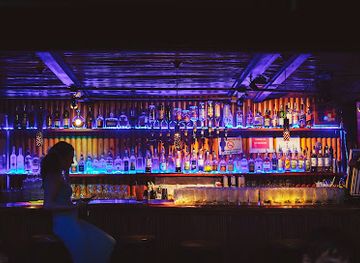
Nightlife in Rodrigues is modest and social rather than centred on large clubs. Port Mathurin has the greatest concentration of cafés, hotel bars and places for an evening drink, while guesthouses and restaurants in coastal villages provide quieter settings. Traditional music, community celebrations and occasional live performances may be more significant locally than a fixed programme of nightlife, so visitors should ask accommodation providers about current events. Some waterfront areas become pleasant places for an early evening meal, but late-night transport can be limited outside the main settlement. A small number of bars and restaurants may offer Mauritian beer, rum-based drinks and local conversation, although alcohol is not essential to experiencing the island’s evening culture. Seasonal events and private functions can change what is available, making local notice and flexible planning more useful than expecting a permanent club circuit.
-
Restaurant
Le Marlin Bleu
Discover the flavors of Anse aux Anglais at Le Marlin Bleu, a coastal restaurant offering fresh seafood and local delicacies in a scenic setting.
-
Restaurant
La Case Mama Chez Paulina
Experience the authentic flavors of Mauritius at La Case Mama Chez Paulina, a cozy restaurant in St Gabriel, known for its traditional culinary delights.
-
Restaurant
L'Atelier Gourmand
Experience the fusion of local and international flavors at L'Atelier Gourmand, the culinary gem of Port Mathurin, Mauritius.
-
Restaurant
Resto La Caverne
Discover the culinary treasure of Resto La Caverne in Petite Butte, where local flavors meet international cuisine in a vibrant setting.


Best nightclubs in Rodrigues
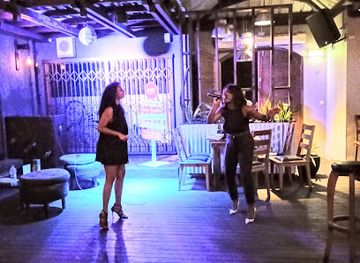
Nightlife in Rodrigues is modest and social rather than centred on large clubs. Port Mathurin has the greatest concentration of cafés, hotel bars and places for an evening drink, while guesthouses and restaurants in coastal villages provide quieter settings. Traditional music, community celebrations and occasional live performances may be more significant locally than a fixed programme of nightlife, so visitors should ask accommodation providers about current events. Some waterfront areas become pleasant places for an early evening meal, but late-night transport can be limited outside the main settlement. A small number of bars and restaurants may offer Mauritian beer, rum-based drinks and local conversation, although alcohol is not essential to experiencing the island’s evening culture. Seasonal events and private functions can change what is available, making local notice and flexible planning more useful than expecting a permanent club circuit.
-
Grill
Banana Beach Club
Discover the perfect blend of mouth-watering grilled dishes and live jazz at Banana Beach Club in Grand Baie, a true culinary delight.
-
Pub
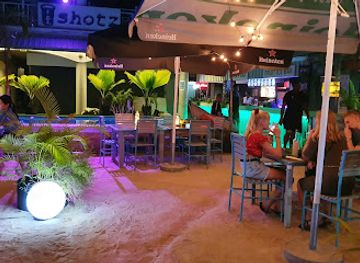
Shotz
Discover the vibrant atmosphere of Shotz Pub in Flic en Flac, Mauritius, perfect for refreshing drinks and socializing.
-
Bar
Backstage Lounge Bar at Hennessy Park
Discover the lively ambiance and exquisite drinks at Backstage Lounge Bar, a perfect retreat in Quatre Bornes, Mauritius.
-
Night club
Insomnia Night Club
Dive into the exhilarating nightlife of Grand Baie at Insomnia Night Club, where the music never stops and the fun is endless.

Best shops in Rodrigues
Shopping in Rodrigues is concentrated in Port Mathurin, where the market and surrounding streets are the best places to look for fresh produce, spices, prepared foods, textiles and practical island goods. Woven vacoa products, including baskets, mats and bags, are among the most recognisable local crafts, while embroidery and handmade decorative items may be found through small workshops and community sellers. Honey, fruit preserves, chilli products and other locally made foods provide useful edible souvenirs, subject to import rules in the traveller’s destination country. Smaller village shops offer everyday essentials rather than an extensive retail selection, and opening arrangements can be informal outside the main commercial centre. Buy crafts directly from makers where possible and avoid coral, shells, protected plants or wildlife products. Rodrigues is not a luxury-shopping destination; its appeal lies in personal, practical and locally produced goods that reflect the island’s agricultural, maritime and craft traditions.
-
Duty free store
Mauritius Duty Free Paradise Co Ltd.
Explore a world of luxury and local treasures at Mauritius Duty Free Paradise – your ultimate shopping destination at SSR International Airport.
-
Coffee shop
Rodrigues Friendly CAFÉ & Local TOUR OPERATOR
Discover the flavors of Rodrigues at Rodrigues Friendly Café, where local cuisine meets unforgettable island adventures in Port Mathurin.
-
Grocery store
Dream Price Supermarket_La Ferme, Rodrigues
Experience the best of local shopping at Dream Price Supermarket in Rodrigues, where affordability meets quality for your grocery needs.
-
 Grocery store
Super Cash
Explore the vibrant essence of Port Mathurin at Super Cash, your go-to grocery store for fresh local products and international favorites.


Get your free copy of our complete guide to Rodrigues, delivered straight to you.
Everything on this page, from attractions and restaurants to essentials and local phrases, in one PDF you can read offline, print or share.
Already have an account? Sign in
Your Rodrigues guide is ready.
We'll send it to · Not you? Sign out

Getting your guide ready…
We are putting together a fresh copy of the Rodrigues guide. This can take up to a minute.
This can take a few moments. If your browser asks, choose Allow so the download can start. You'll find the guide in your Downloads folder.
Nothing happened? Download it again
Sorry, the guide is taking longer than usual. Please try again in a minute, or get it by email instead.
Rodrigues essentials
Currency and Payment
Safety
Emergency Situations
Do's and Don'ts
Local Tips
From Eve
Local phrases worth knowing
You don't need to get them perfect. A few words go a long way, and locals appreciate the effort.
Basics
| English | Local | Say it |
|---|---|---|
| Hello | Salam | [sah-lahm] |
| Goodbye | Aurevoir | [oh-ruh-vwah] |
| Yes | Wi | [wee] |
| No | Non | [noh] |
| Please/You're welcome | S'il vous plaît | [seel voo pleh] |
| Thank you | Mersi | [mehr-see] |
| Excuse me/Sorry | Pardon | [par-dohn] |
| How are you? | Kijan ou ete? | [kee-jahn oo eh-teh] |
| Fine. And you? | Bien. E ou? | [byen eh oo] |
| Do you speak English? | Ou konpran Anglais? | [oo kon-prahn ahn-glay] |
| I don't understand | Mo pa konpran | [moh pah kon-prahn] |
Eating & Drinking
| English | Local | Say it |
|---|---|---|
| I'd like to see the menu, please | Mo anvi gade menu, s'il vous plaît | [moh ahn-vee gah-day meh-new seel voo pleh] |
| I don't eat meat | Mo pa manze viande | [moh pah mahn-zay vyand] |
| Cheers! | Santé! | [sahn-tay] |
| I would like to pay, please | Mo anvi peye, s'il vous plaît | [moh ahn-vee peh-yay seel voo pleh] |
Emergencies
| English | Local | Say it |
|---|---|---|
| Help! | Sos! | [sohs] |
| Go away! | Ale deor! | [ah-lay deh-or] |
| Call the Police! | Apel lapolis! | [ah-pel lah-poh-lees] |
| Call a doctor! | Apel enn doktor! | [ah-pel enn dok-tor] |
| I'm lost | Mo perdi | [moh pair-dee] |
| I'm ill | Mo maladi | [moh mah-lah-dee] |
Shopping
| English | Local | Say it |
|---|---|---|
| I'd like to buy... | Mo anvi achete... | [moh ahn-vee ah-sheh-tay] |
| I'm just looking | Mo zis pe gade | [moh zees peh gah-day] |
| How much is it? | Kombien li kosté? | [kohm-byen lee koh-steh] |
| That's too expensive | Sa tro cher | [sah troh shair] |
| Can you lower the price? | Eski ou kapav baissé pri? | [es-kee oo kah-pahv beh-say pree] |
Time & Numbers
| English | Local | Say it |
|---|---|---|
| What time is it? | Ki ler li? | [kee lehr lee] |
| It's one o'clock | Li enn ler | [lee enn lehr] |
| Half past (10) | Demi (10) | [duh-mee] |
| Morning | Matin | [mah-tan] |
| Afternoon | Apre midi | [ah-pray mee-dee] |
| Evening | Swar | [swahr] |
| Yesterday | Hier | [ee-air] |
| Today | Aujourdhui | [oh-zhoor-dwee] |
| Tomorrow | Demain | [duh-mahn] |
| 1 | 1 | [1] |
| 2 | 2 | [2] |
| 3 | 3 | [3] |
| 4 | 4 | [4] |
| 5 | 5 | [5] |
| 6 | 6 | [6] |
| 7 | 7 | [7] |
| 8 | 8 | [8] |
| 9 | 9 | [9] |
| 10 | 10 | [10] |
Transport & Directions
| English | Local | Say it |
|---|---|---|
| Where's a/the...? | Koté enn ...? | [koh-tay enn] |
| What's the address? | Ki l'adresse? | [kee lah-dress] |
| Can you show me (on the map)? | Eski ou kapav montre mwa (sor la carte)? | [es-kee oo kah-pahv mon-tray mwah sor lah kart] |
| When's the next (bus)? | Kan li prochen (bus)? | [kan lee proh-shen bus] |
| A ticket (to ....) | Enn tiké (pou ....) | [enn tee-kay pou] |
History of Rodrigues
Early Voyages and European Naming
Rodrigues was uninhabited when European navigators encountered it. Portuguese sailors recorded the island during early Indian Ocean voyages, and it acquired its present name from the Portuguese navigator Diogo Rodrigues, who is traditionally associated with its sighting in the sixteenth century. Occasional ships used the island for water, food and shelter, but there was no permanent settlement at this stage. The isolation that later helped preserve distinctive species also made Rodrigues a useful stopping point for vessels navigating between Africa, Madagascar, Mauritius and the wider Indian Ocean.
François Leguat and the Dutch Settlement, 1691–1693
A small group led by the French Huguenot François Leguat settled on Rodrigues in 1691 after travelling through the Dutch colonial world. Their account describes the island’s abundant giant tortoises, birds and other wildlife before permanent colonisation transformed the environment. The settlement was short-lived, and Leguat and his companions eventually left. His writings nevertheless became an important early European record of Rodrigues and its fauna. Hunting, introduced animals and later land use contributed to the disappearance of several native species described in early accounts.
French Colonial Settlement in the Eighteenth Century
France incorporated Rodrigues into its Indian Ocean possessions during the eighteenth century, alongside Île de France, now Mauritius, and Réunion. Permanent French settlement brought agriculture, livestock, Catholic institutions and administrative control. The island’s small population developed around coastal villages and cultivated inland areas, while the surrounding waters supported fishing and maritime movement. French colonial rule also connected Rodrigues to the plantation economy of Mauritius, although its drier climate and smaller scale encouraged a more mixed subsistence economy than the large sugar estates of the main island.
British Rule and the End of Slavery
Britain took control of Mauritius and its dependencies during the Napoleonic Wars, and Rodrigues subsequently became part of the British colony of Mauritius. The island’s society was shaped by slavery as well as by French colonial institutions. The abolition of slavery in the British Empire in the 1830s transformed labour and landholding patterns. Formerly enslaved people, colonial authorities and estate interests all adapted to the change, while new labour systems developed across Mauritius and Rodrigues. The period left enduring influences on family histories, language, religion and the island’s Creole culture.
Agriculture, Fishing and Indentured Labour
After emancipation, indentured labour from the Indian subcontinent became central to the wider Mauritian economy, and Indian cultural and religious influences became part of Rodrigues’s social history as well. On Rodrigues, small-scale cultivation, livestock rearing and fishing remained more important than large plantation production. Communities depended on crops suited to a relatively dry climate, as well as the lagoon’s fish and shellfish. These economic patterns helped create the island’s distinctive combination of Creole, European, African and Indian Ocean influences, visible in food, worship, names and local customs.
Mauritian Independence and Island Development
Mauritius became independent from Britain in 1968, with Rodrigues remaining part of the new state. During the twentieth century, improved communications, education, health services and maritime and air links gradually connected the island more closely with Mauritius and international visitors. At the same time, local residents continued to debate the balance between economic development, cultural identity and environmental protection. Tourism expanded on a modest scale, particularly around the lagoon and nature-based activities, without replacing the importance of fishing, agriculture and local commerce.
Autonomy and Conservation in the Twenty-First Century
Rodrigues received autonomous status within Mauritius in 2002, creating a Rodrigues Regional Assembly with responsibilities over many local matters. Autonomy strengthened the island’s ability to shape development in accordance with its own circumstances, although national institutions continue to manage areas such as defence and foreign affairs. Contemporary conservation projects focus on restoring native vegetation, protecting marine habitats and recovering giant tortoise populations. The island’s present identity therefore combines Mauritian citizenship with a strong local political, ecological and cultural character.
Rodrigues in Photos
Browse through our photo collection highlighting the charm and character of the destination.
Neighbouring regions of Rodrigues
The closest regions to Rodrigues, if you have time for more than one.
-

-

-

-

-


Swipe for more regions
Explore more
Explore more of Mauritius
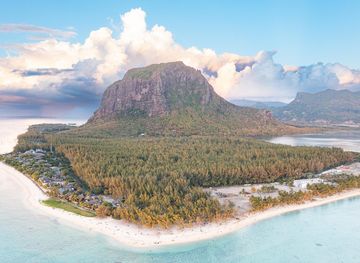
Discover Mauritius, the tropical paradise of the Indian Ocean, where pristine beaches, lush landscapes, and vibrant culture come together for an unforgettable escape.
Explore Mauritius