

Free Flacq Travel Guide & Mobile App
Explore Flacq with free travel guides. Discover regional history, expert tips, proposed trips, and audio guides on web or mobile app.


Explore Flacq in eastern Mauritius for Belle Mare beaches, lagoon excursions, sugar-country landscapes, markets and village culture.
Read more about Flacq
When is the best time to visit Flacq?
Best: July–September · 25–26°C| Month | High (°C) | Rainfall (mm) |
|---|---|---|
| January | 30 | 250 |
| February | 31 | 240 |
| March | 30 | 230 |
| April | 29 | 200 |
| May | 27 | 150 |
| June | 25 | 120 |
| July (best) | 25 | 110 |
| August (best) | 25 | 110 |
| September (best) | 26 | 100 |
| October | 27 | 120 |
| November | 28 | 150 |
| December | 30 | 200 |
Getting to and around Flacq
How to get there
Transportation
Top city travel guides in Flacq
The cities of Flacq, and the easiest places to base yourself.
-

-
-

-


Swipe for more cities
Destinations in Flacq
Resorts, valleys and scenic spots worth a trip of their own.

Swipe for more destinations
Best attractions in Flacq
Flacq’s attractions bring together eastern beaches, lagoons, plantation landscapes and community life. Belle Mare and Palmar provide long stretches of sand and calm-looking shallows, although conditions vary with wind and weather. Trou d’Eau Douce is the principal coastal base for boat trips towards Île aux Cerfs and nearby lagoon waters, where visitors can arrange sailing, snorkelling and other water activities through established operators. Inland, Centre de Flacq’s market and commercial streets offer a glimpse of everyday Mauritian life beyond the hotel areas. Bras d’Eau National Park provides a wooded setting for walking and an opportunity to see remnants of the district’s plantation past. Sugar-cane fields, village temples and roadside food stalls add interest between formal attractions. The district is also suited to golf and resort-based recreation, while its shallow lagoons and reef-fringed coastline support marine excursions. Visitors should distinguish organised beach facilities from less developed public shorelines, where shade, toilets and supervision may be limited.
-
Market
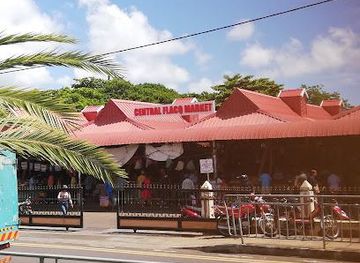
Central Flacq Market
Discover the vibrant colors, flavors, and culture of Mauritius at Central Flacq Market, a must-visit destination for every traveler.
-
Park
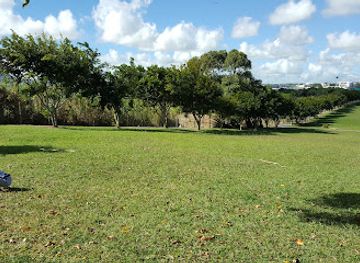
Sodnac Wellness Park
Experience tranquility and wellness at Sodnac Wellness Park, a green oasis in Quatre Bornes, Mauritius, perfect for relaxation and recreation.
-
Tourist attraction
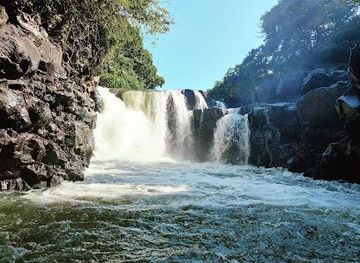
GRSE Waterfall
Experience the enchanting beauty of GRSE Waterfall, a natural wonder in Grand River South East, Mauritius, perfect for relaxation and adventure.
-
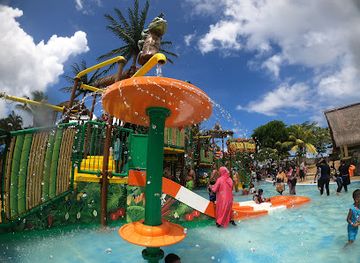
Water park
Splash N Fun Leisure Park
Experience the ultimate water adventure at Splash N Fun Leisure Park in Mauritius, where thrills and relaxation await in a tropical paradise.
Best landmarks in Flacq
Flacq’s most recognisable landmarks are closely tied to its coast and plantation history. The broad beach and lagoon at Belle Mare form one of the district’s defining natural scenes, with reef-protected water set against the eastern shoreline. Île aux Cerfs, reached from the Trou d’Eau Douce area, is a prominent offshore landmark whose beaches and recreational facilities have made it one of Mauritius’s best-known day-trip destinations. Inland, the market town of Centre de Flacq functions as a civic and commercial reference point for the eastern district, even though its architecture is largely practical rather than monumental. Bras d’Eau’s wooded landscape preserves traces of former estate activity and gives physical context to the region’s sugar history. Across villages, Hindu temples, churches and other places of worship provide visible markers of the communities that developed during the plantation and post-emancipation periods. The cane fields themselves are also significant: their geometry, estate roads and seasonal appearance remain among the clearest visual expressions of Flacq’s agricultural past.
-
Tourist attraction
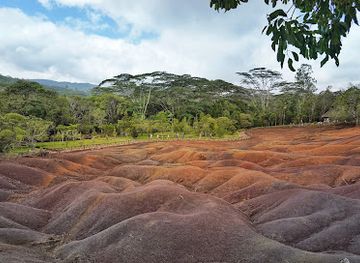
Chamarel Seven Colored Earth Geopark
Explore the breathtaking beauty of Chamarel Seven Colored Earth Geopark, where vibrant sands and lush landscapes create a natural masterpiece.
-
Hypermarket
Super U Flacq
Explore Super U Flacq, a vibrant hypermarket in Central Flacq, Mauritius, filled with local flavors and international products for every traveler.
-
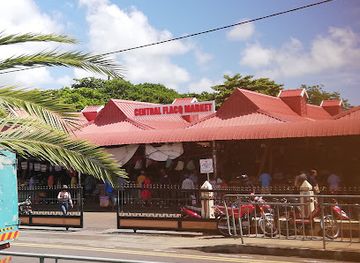
Market
Central Flacq Market
Explore the vibrant Central Flacq Market, a cultural gem in Mauritius offering local delicacies, crafts, and an authentic shopping experience.
-
Fortress
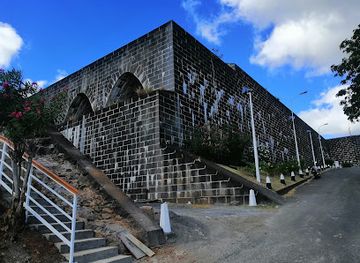
Citadelle (Fort Adelaide)
Discover the rich history and stunning views at Citadelle (Fort Adelaide), a must-visit fortress in Port Louis, Mauritius.
Explore Flacq on the map
Plan your trip on one map. See where the top cities, national parks and sights are, and book hotels and experiences in a few clicks.
Best hotels in Flacq
Best restaurants in Flacq
Dining in Flacq ranges from hotel restaurants and polished coastal dining rooms to family-run eateries, market stalls and informal takeaway counters. Seafood is prominent along the eastern coast, with fish, prawns, octopus and shellfish appearing in dishes influenced by Creole, Indian, Chinese and European traditions. Inland, visitors can look for dholl puri, farata, samosas, chilli cakes, biryani and curries, often served with pickles or fresh chutneys. Centre de Flacq’s market area is useful for fruit, vegetables, snacks and everyday Mauritian flavours, while Trou d’Eau Douce offers food associated with a fishing community and lagoon tourism. Hotel menus commonly combine local recipes with international cooking, so the most distinctive tastes may be found in smaller establishments and street-food settings. Sugar cane and tropical fruit are important parts of the wider food landscape, and local rum-based drinks may appear, though responsible consumption is particularly important when travelling by road or boat.
-
Restaurant
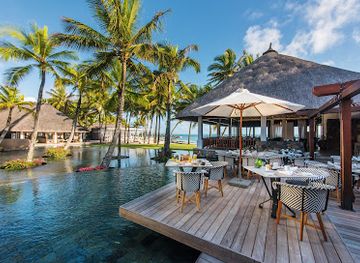
Constance Belle Mare Plage Mauritius
Discover luxury dining and serene relaxation at Constance Belle Mare Plage - Mauritius' premier resort destination for food lovers and beach enthusiasts.
-
Restaurant
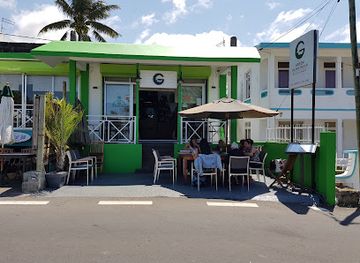
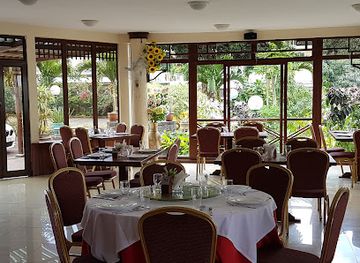
Green Island Beach Restaurant
Experience exquisite dining at Green Island Beach Restaurant with breathtaking views and authentic Mauritian cuisine in Trou d'Eau Douce.
-
Restaurant
Chez Tino
Experience the best of Mauritian seafood and Creole cuisine at Chez Tino in Trou d'Eau Douce – where every meal is a celebration of local flavors.
-
Chinese
Restaurant Chez Manuel
Experience authentic Chinese cuisine at Restaurant Chez Manuel in Mauritius - where every dish tells a story of flavor and tradition.
Best bars in Flacq
Evening life in Flacq is concentrated along the resort coast and in the larger towns rather than organised around a single club district. Belle Mare and Palmar hotels provide bars, lounges, evening meals and occasional live entertainment, while Trou d’Eau Douce has a more modest selection of restaurants, local bars and places for a relaxed drink after a lagoon excursion. Centre de Flacq is primarily a daytime commercial centre, although cafés and informal eateries remain useful after dark. Traditional Mauritian and French-influenced bars may offer beer, rum-based drinks and music, but nightlife varies considerably by season, location and individual business. Visitors staying in rural areas should expect quiet evenings and arrange transport in advance rather than relying on late public services. A sunset cruise, dinner overlooking the lagoon or live music at a hotel can be more representative of the eastern district than a large nightclub scene.
-
Restaurant
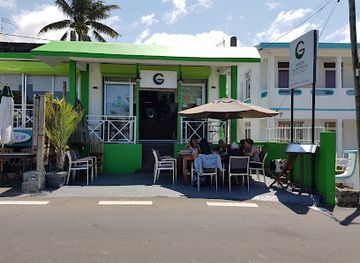
Green Island Beach Restaurant
Experience the culinary delights of Green Island Beach Restaurant, where breathtaking views and delicious dishes meet in Trou d'Eau Douce, Mauritius.
-
Restaurant
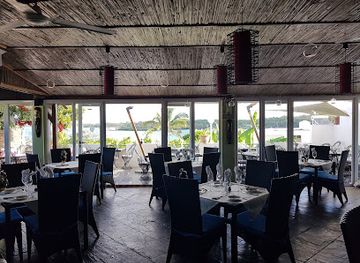
Chez Tino
Experience the vibrant flavors of Mauritius at Chez Tino, where fresh seafood meets breathtaking coastal views in Trou d'Eau Douce.
-
Restaurant
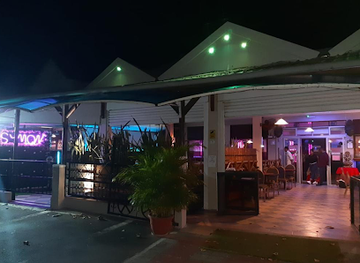
Symon's Restaurant
Experience the vibrant flavors of Mauritius at Symon's Restaurant, where fresh local ingredients meet exceptional culinary artistry in a stunning coastal setting.
-
Bar
Strike City - Flacq
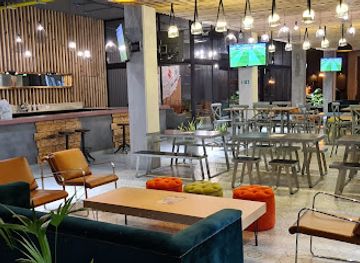
Strike City in Flacq: Experience Unmatched Fun with Bowling, Billiards, and a Lively Bar Atmosphere in Mauritius.
Best nightclubs in Flacq
Evening life in Flacq is concentrated along the resort coast and in the larger towns rather than organised around a single club district. Belle Mare and Palmar hotels provide bars, lounges, evening meals and occasional live entertainment, while Trou d’Eau Douce has a more modest selection of restaurants, local bars and places for a relaxed drink after a lagoon excursion. Centre de Flacq is primarily a daytime commercial centre, although cafés and informal eateries remain useful after dark. Traditional Mauritian and French-influenced bars may offer beer, rum-based drinks and music, but nightlife varies considerably by season, location and individual business. Visitors staying in rural areas should expect quiet evenings and arrange transport in advance rather than relying on late public services. A sunset cruise, dinner overlooking the lagoon or live music at a hotel can be more representative of the eastern district than a large nightclub scene.
-
Resort hotel
Constance Belle Mare Plage Mauritius
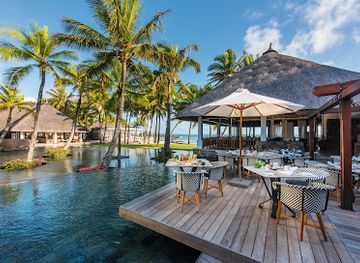
Experience the ultimate luxury getaway at Constance Belle Mare Plage, where stunning beaches, world-class amenities, and exciting activities await in Mauritius.
-
Grill
Banana Beach Club
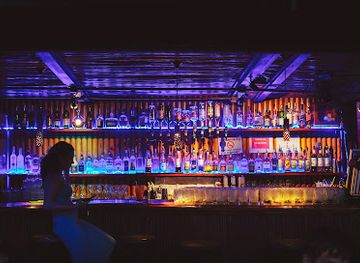
Savor delicious grilled dishes and enjoy live jazz at Banana Beach Club in Grand Baie, a vibrant hotspot for food and music lovers.
-
Disco club
Queen's Club
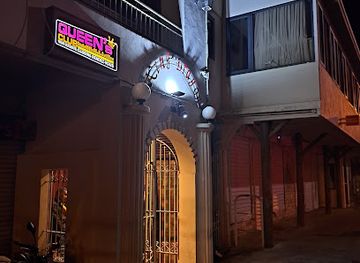
Immerse yourself in the vibrant nightlife of Mauritius at Queen's Club, the ultimate disco destination for music and dance enthusiasts.
-
Night club
Insomnia Night Club
Discover the electric atmosphere of Insomnia Night Club in Grand Baie, where unforgettable nights and vibrant music await every visitor.
Best shops in Flacq
Shopping in Flacq is divided between the everyday commercial life of Centre de Flacq and the more visitor-oriented outlets of the eastern resorts. The district centre is useful for supermarkets, pharmacies, clothing, household goods and market produce, while market visits bring opportunities to buy tropical fruit, vegetables, spices, snacks and other foods used in Mauritian homes. Around Belle Mare, Palmar and Trou d’Eau Douce, hotel boutiques and small shops sell beachwear, jewellery, woven goods, rum, tea and packaged local products, although prices and quality vary. Look for Mauritian-made crafts and food products rather than assuming every souvenir is locally produced. Independent galleries, craft outlets and resort shops may stock textiles, basketry or decorative objects, but availability is changeable. Bargaining is not appropriate everywhere; it is more likely in informal souvenir settings than in established shops. Pack fragile purchases carefully, and check airline restrictions before buying liquids, food or plant products.
-
Hypermarket
Super U Flacq
Explore Super U Flacq for a unique shopping experience offering local foods, fresh produce, and stylish clothing in the heart of Mauritius.
-
Market
Central Flacq Market
Experience the vibrant heart of Mauritius at Central Flacq Market, where local culture, fresh produce, and authentic flavors come alive.
-
Shopping mall
Coeur de Ville Flacq
Discover the vibrant shopping scene at Coeur de Ville Flacq, where local culture meets international brands in a delightful shopping experience.
-
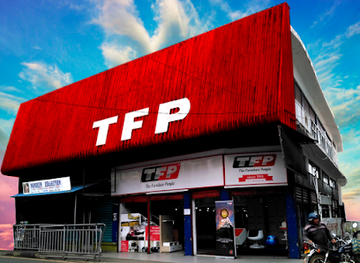
Furniture store
TFP - Flacq
Explore TFP - Flacq for exquisite furniture and decor, offering everything from beds to garden sets, perfect for every home.
Get your free copy of our complete guide to Flacq, delivered straight to you.
Everything on this page, from attractions and restaurants to essentials and local phrases, in one PDF you can read offline, print or share.
Already have an account? Sign in
Your Flacq guide is ready.
We'll send it to · Not you? Sign out

Getting your guide ready…
We are putting together a fresh copy of the Flacq guide. This can take up to a minute.
This can take a few moments. If your browser asks, choose Allow so the download can start. You'll find the guide in your Downloads folder.
Nothing happened? Download it again
Sorry, the guide is taking longer than usual. Please try again in a minute, or get it by email instead.
Flacq essentials
Currency and Payment
Safety
Emergency Situations
Do's and Don'ts
Local Tips
From Eve
Local phrases worth knowing
You don't need to get them perfect. A few words go a long way, and locals appreciate the effort.
Basics
| English | Local | Say it |
|---|---|---|
| Hello | Alo | [Ah-lo] |
| Goodbye | Au revoir | [Oh ruh-vwahr] |
| Yes | Oui | [Wee] |
| No | Non | [Nohn] |
| Please/You're welcome | S'il vous plaît | [Seel voo pleh] |
| Thank you | Merci | [Mehr-see] |
| Excuse me/Sorry | Excusez-moi | [Ex-kew-zay mwah] |
| How are you? | Comment ça va? | [Koh-mohn sah vah] |
| Fine. And you? | Bien. Et vous? | [Byen. Eh voo?] |
| Do you speak English? | Vous parlez anglais? | [Voo par-lay ahn-glay?] |
| I don't understand | Je ne comprends pas | [Zhuh nuh kom-prahn pah] |
Eating & Drinking
| English | Local | Say it |
|---|---|---|
| I'd like to see the menu, please | Je voudrais voir le menu, s'il vous plaît | [Zhuh voo-dray vwar luh meh-nu, seel voo pleh] |
| I don't eat meat | Je ne mange pas de viande | [Zhuh nuh mahnj pah duh vyahnd] |
| Cheers! | Santé! | [Sahn-tay] |
| I would like to pay, please | Je voudrais payer, s'il vous plaît | [Zhuh voo-dray pay-ay, seel voo pleh] |
Emergencies
| English | Local | Say it |
|---|---|---|
| Help! | Au secours! | [Oh se-kour] |
| Go away! | Venez-vous en dehors! | [Vuh-nay voo ahn dehor] |
| Call the Police! | Appelez la police! | [Ah-peh-lay lah poh-lees] |
| Call a doctor! | Appelez un médecin! | [Ah-peh-lay uhn may-deh-sin] |
| I'm lost | Je suis perdu | [Zhuh swee pair-due] |
| I'm ill | Je suis malade | [Zhuh swee mah-lahd] |
Shopping
| English | Local | Say it |
|---|---|---|
| I'd like to buy... | Je voudrais acheter... | [Zhuh voo-dray ah-sheh-tay...] |
| I'm just looking | Je regarde juste | [Zhuh ruh-gard zhoost] |
| How much is it? | C'est combien? | [Say kohm-byen?] |
| That's too expensive | C'est trop cher | [Say troh shair] |
| Can you lower the price? | Pouvez-vous baisser le prix? | [Poo-vay voo beh-say luh pree?] |
Time & Numbers
| English | Local | Say it |
|---|---|---|
| What time is it? | Quelle heure est-il? | [Kel uhr eh-teel?] |
| It's one o'clock | Il est une heure | [Il eh une uhr] |
| Half past (10) | Dix heures et demie | [Deeze uhr eh duh-mee] |
| Morning | Matin | [Mah-tan] |
| Afternoon | Après-midi | [Ah-preh mee-dee] |
| Evening | Soir | [Swahr] |
| Yesterday | Hier | [Ee-er] |
| Today | Aujourd'hui | [Oh-zhoor-dwee] |
| Tomorrow | Demain | [Duh-manh] |
| 1 | Un | [Uhn] |
| 2 | Deux | [Duh] |
| 3 | Trois | [Trwah] |
| 4 | Quatre | [Kah-truh] |
| 5 | Cinq | [Sank] |
| 6 | Six | [Sees] |
| 7 | Sept | [Set] |
| 8 | Huit | [Wheet] |
| 9 | Neuf | [Nuhf] |
| 10 | Dix | [Deez] |
Transport & Directions
| English | Local | Say it |
|---|---|---|
| Where's a/the...? | Où est un/une...? | [Oo eh uhn/oon...?] |
| What's the address? | Quelle est l'adresse? | [Kel eh la-dress?] |
| Can you show me (on the map)? | Pouvez-vous me montrer (sur la carte)? | [Poo-vay voo muh mon-tray (sir la kart)?] |
| When's the next (bus)? | Quand est le prochain (bus)? | [Kahn eh luh pro-shen (boos)?] |
| A ticket (to ....) | Un billet (pour ....) | [Uhn bee-yay (poor ....)] |
History of Flacq
Early settlement and the Dutch period
Mauritius was visited by Arab, Malay and European seafarers before the Dutch established a permanent settlement in the late seventeenth century. The eastern side of the island formed part of this wider colonial landscape, although settlement remained limited and difficult compared with later plantation development. Dutch occupation introduced organised exploitation of ebony and other resources, as well as the first sustained colonial infrastructure. The period ended in the early eighteenth century, but it established Mauritius as an island shaped by overseas imperial competition and maritime routes across the Indian Ocean.
French plantation development
Under French administration from 1715, Mauritius became a more intensively settled plantation colony. Sugar cultivation gradually expanded across fertile parts of the island, including the eastern district later known as Flacq. Roads, estates, mills and coastal landing places connected agricultural production with overseas trade. French institutions and place names remain visible in the region, while the plantation economy created social divisions and a population drawn from enslaved Africans, European settlers and other Indian Ocean communities.
Slavery and the growth of the sugar estates
The expansion of sugar in eighteenth- and early nineteenth-century Mauritius depended heavily on enslaved labour. Estate landscapes in Flacq, as elsewhere on the island, were shaped by plantation compounds, mills, cane fields and coastal export networks. Slavery was abolished in the British colony in 1835, but its social and economic legacy continued through labour arrangements and unequal access to land and power. Understanding this history helps place the district’s attractive cane countryside within a more complex story of coercion, resistance and emancipation.
Indentured labour and a changing society
After emancipation, plantation owners increasingly recruited indentured workers, mainly from India, to maintain the sugar economy. Many workers remained in Mauritius after completing their contracts, and their descendants form a central part of the island’s population. In Flacq, this transformation influenced village settlement, religious life, languages, food traditions and the workforce of the estates. Hindu temples and other places of worship, together with local culinary customs, reflect the long-term cultural consequences of this nineteenth-century movement of people.
British rule, mills and transport
Britain took control of Mauritius in 1810, while French law, language and many social institutions continued to influence daily life. During the nineteenth and early twentieth centuries, sugar remained the dominant economic force, and mills, roads and later rail connections tied eastern estates to ports and commercial centres. Although many mills have disappeared or changed use, the broad cane fields and estate boundaries around Flacq preserve traces of this industrial agricultural era. The district’s inland towns grew as service centres for plantation communities.
Independence and the rise of coastal tourism
Mauritius became independent in 1968, beginning a period of economic diversification beyond sugar. Manufacturing, services and tourism expanded, with the eastern coast attracting hotels, beach visitors and lagoon excursions. Belle Mare, Palmar and Trou d’Eau Douce became increasingly important to the visitor economy, while Centre de Flacq retained its role as an inland commercial hub. Today the district shows this transition clearly: sugar remains central to the landscape and national identity, but hospitality, recreation and coastal property have altered how parts of the shore are used.
Flacq in Photos
Browse through our photo collection highlighting the charm and character of the destination.
Neighbouring regions of Flacq
The closest regions to Flacq, if you have time for more than one.
-

-

-

-

-


Swipe for more regions
Explore more
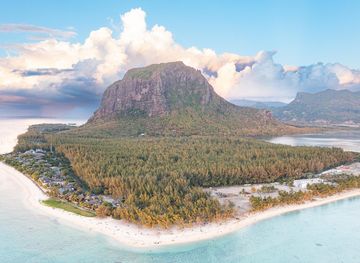
Explore more of Mauritius
Discover Mauritius, the tropical paradise of the Indian Ocean, where pristine beaches, lush landscapes, and vibrant culture come together for an unforgettable escape.
Explore Mauritius