

Free Grand Port Travel Guide & Mobile App
Explore Grand Port with free travel guides. Discover regional history, expert tips, proposed trips, and audio guides on web or mobile app.


Explore Grand Port in southeast Mauritius for Mahébourg’s history, Blue Bay’s lagoon, marine reserves, island wildlife and green mountain scenery.
Read more about Grand Port
When is the best time to visit Grand Port?
Best: July–September · 24–25°C| Month | High (°C) | Rainfall (mm) |
|---|---|---|
| January | 29 | 250 |
| February | 30 | 230 |
| March | 29 | 200 |
| April | 28 | 150 |
| May | 26 | 120 |
| June | 24 | 100 |
| July (best) | 24 | 90 |
| August (best) | 24 | 90 |
| September (best) | 25 | 100 |
| October | 26 | 120 |
| November | 27 | 150 |
| December | 29 | 200 |
Getting to and around Grand Port
How to get there
Transportation
Top city travel guides in Grand Port
The cities of Grand Port, and the easiest places to base yourself.
-

-


Swipe for more cities
Destinations in Grand Port
Resorts, valleys and scenic spots worth a trip of their own.
-

-

-


Swipe for more destinations
Best attractions in Grand Port
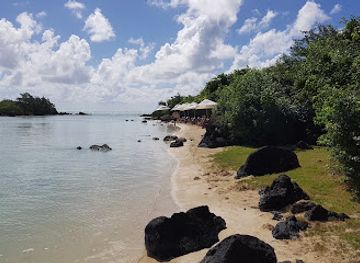
Grand Port’s attractions range from maritime history to protected lagoon and forest environments. Mahébourg provides the strongest historical focus, with the National History Museum at Pointe Canon, the old waterfront and streets associated with the former French port. Vieux Grand Port adds an earlier layer through its connection with the first Dutch settlement. On the coast, Blue Bay Marine Park is the district’s leading nature attraction: snorkelling, glass-bottom boats and guided excursions reveal coral formations and reef fish in a sheltered lagoon, subject to weather and conservation rules. Île aux Aigrettes offers a more controlled wildlife experience, with guided visits centred on the restoration of native habitats and rare Mauritian species. Pointe d’Esny and the villages towards Bambous Virieux provide quieter coastal scenery, while the Ferney Valley introduces visitors to native forest, mountain landscapes and conservation work through guided walks. Inland cane fields, village roads and the Bambous Mountains create a contrasting setting for drives and hikes. The region is not defined by a large concentration of theme parks or monumental architecture; its appeal lies in the close relationship between harbour history, working communities, fragile marine ecosystems and the green south-eastern interior.
-
Amusement park
La Vallée Des Couleurs Nature Park
Explore La Vallée Des Couleurs Nature Park, Mauritius - a vibrant blend of adventure sports, breathtaking landscapes, and unique geological wonders.
-
Animal park
La Vanille Nature Park
Experience the enchanting wildlife and lush landscapes at La Vanille Nature Park in Riviere des Anguilles, a top destination for nature lovers in Mauritius.
-
Tourist attraction
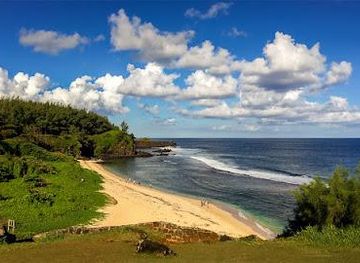
Gris Gris Beach
Experience the stunning cliffs and serene atmosphere of Gris Gris Beach, a hidden gem in Souillac, Mauritius, perfect for relaxation and exploration.
-
Tourist attraction
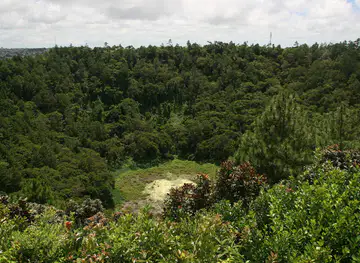
Trou Aux Cerfs Volcano
Explore the breathtaking Trou Aux Cerfs Volcano in Mauritius, a dormant volcano offering stunning views, rich wildlife, and serene walking trails.


Best landmarks in Grand Port
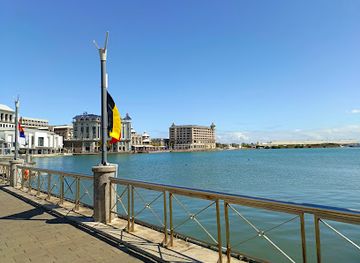
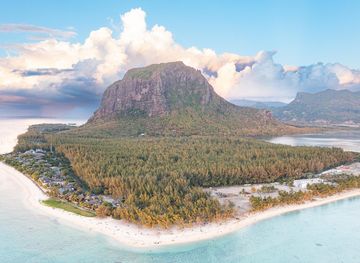
The most recognisable historic landmark in Grand Port is the Mahébourg waterfront, where the town’s relationship with the sheltered harbour remains legible in its streets, quays and views across the bay. Nearby Pointe Canon is associated with the National History Museum, housed in a former colonial estate and notable for its collections relating to the Battle of Grand Port, slavery and the island’s European colonial period. Vieux Grand Port is important as the site of the first Dutch settlement, linking the modern landscape with Mauritius’s earliest European colonial phase. Offshore, the low islands and reef-fringed waters of Grand Port form a geographical landmark in their own right, particularly around Blue Bay and Île aux Aigrettes. Inland, Lion Mountain and the Bambous range give the district a distinctive volcanic profile visible from the coast and surrounding plains. The contrast between these mountains, the broad lagoon and the cane-growing lowlands explains much of Grand Port’s visual identity, while the French colonial and later Mauritian buildings of Mahébourg provide its strongest built heritage.
-
Botanical garden
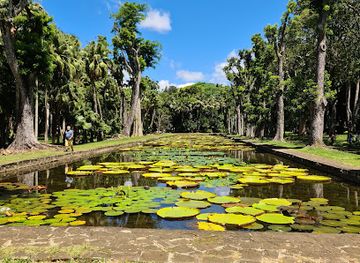
Sir Seewoosagur Ramgoolam Botanical Garden
Discover the vibrant flora and rich history of Sir Seewoosagur Ramgoolam Botanical Garden, a tropical paradise in Mauritius.
-
Tourist attraction
Chamarel Seven Colored Earth Geopark
Experience the vibrant hues and natural beauty of Chamarel Seven Colored Earth Geopark, a must-visit destination in Mauritius for every traveler.
-
Amusement park
La Vallée Des Couleurs Nature Park
Explore La Vallée Des Couleurs Nature Park, where adventure meets stunning natural beauty in the heart of Mauritius, perfect for families and nature lovers.
-
Market
Central Market
Explore Central Market in Port Louis for a vibrant mix of local culture, fresh produce, and unique souvenirs, capturing the essence of Mauritius.

Explore Grand Port on the map
Plan your trip on one map. See where the top cities, national parks and sights are, and book hotels and experiences in a few clicks.
Best hotels in Grand Port
Best restaurants in Grand Port
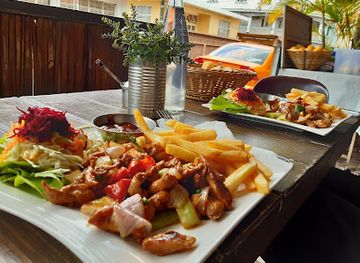
Dining in Grand Port reflects the broad Mauritian mixture of Creole, Indian, Chinese and European influences, with Mahébourg offering the greatest choice of casual eateries, cafés and everyday food stalls. Street-food favourites may include dholl puri, samosas, fritters, noodles and spicy pickles, while local meals commonly combine rice, vegetables, lentils, seafood or curry. Fish and octopus feature naturally in coastal cooking, although availability varies with season and supply. Around Blue Bay and Pointe d’Esny, restaurants and guesthouses often emphasise lagoon-side meals and fresh seafood, while inland and village establishments provide a more local, informal setting. Fresh tropical fruit, vanilla-flavoured desserts and cakes influenced by the island’s French heritage are widely encountered. Mahébourg’s market is useful for seeing the ingredients and snacks of daily life, but visitors should distinguish market food from restaurant dining and choose stalls with good turnover and careful food handling.
-
Restaurant
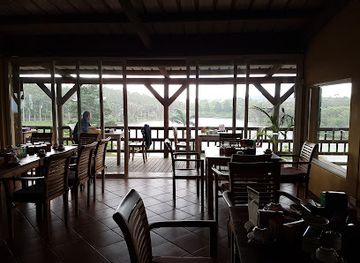
Le Bois Cheri Restaurant
Experience exquisite Mauritian cuisine amidst breathtaking views at Le Bois Cheri Restaurant.
-
Restaurant
Comlone Restaurant
Experience authentic Mauritian flavors at Comlone Restaurant in Nouvelle France - where every meal is a celebration of culinary artistry.
-
Restaurant
Coin Casse Croute
Savor authentic Mauritian flavors at Coin Casse Croute – where fresh seafood meets local tradition in Mahebourg.
-
Restaurant
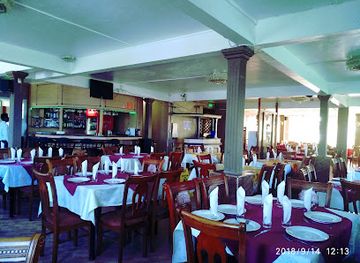
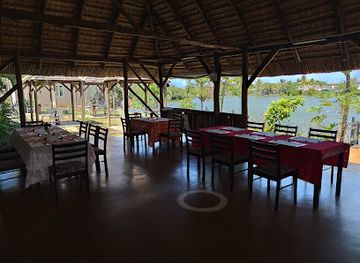
Restaurant du Lac
Experience breathtaking views and exquisite Mauritian cuisine at Restaurant du Lac in Mahebourg.
Best bars in Grand Port
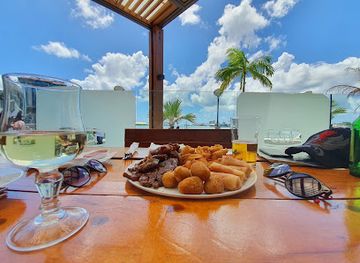
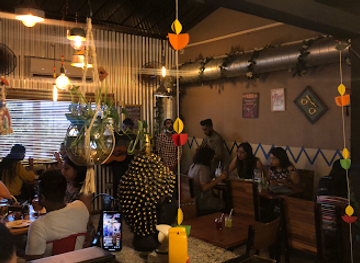
Grand Port’s evening life is relatively quiet and centred on Mahébourg, Blue Bay and the restaurant areas of the south-eastern coast rather than on a large nightclub circuit. Mahébourg has informal bars and local gathering places, while hotels, guesthouses and coastal restaurants may offer drinks, music or occasional themed evenings. Blue Bay and Pointe d’Esny are more likely to provide relaxed dining and lagoon-side evenings than late-night clubbing. In smaller villages, evening entertainment generally focuses on family gatherings, cafés, takeaway food and community life. Visitors seeking a busy metropolitan nightlife scene usually travel to other parts of Mauritius, particularly Port Louis or Grand Baie, rather than expecting it in Grand Port. Drink responsibly, arrange transport in advance if staying outside Mahébourg and remember that marine excursions, rural walks and driving require full attention the following day.
-
Pub
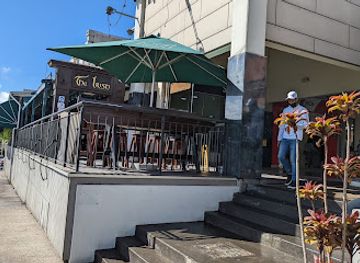
The Irish Pub & Restaurant
Discover the vibrant atmosphere and delicious Irish cuisine at The Irish Pub & Restaurant in Quatre Bornes, a must-visit for tourists in Mauritius.
-
Restaurant
Le Bazilic
Experience the vibrant culinary scene of Mauritius at Le Bazilic, where local flavors meet a warm atmosphere, perfect for all visitors.
-
Pub
Keg and Marlin
Discover the vibrant atmosphere of Keg and Marlin, a premier pub at Le Caudan Waterfront in Port Louis, Mauritius, offering great drinks and delicious food.
-
Restaurant
Hungry Birds The Artist's Kitchen
Experience a culinary adventure at Hungry Birds The Artist's Kitchen, where art and gastronomy blend for an unforgettable dining experience in Mauritius.
Best nightclubs in Grand Port
Grand Port’s evening life is relatively quiet and centred on Mahébourg, Blue Bay and the restaurant areas of the south-eastern coast rather than on a large nightclub circuit. Mahébourg has informal bars and local gathering places, while hotels, guesthouses and coastal restaurants may offer drinks, music or occasional themed evenings. Blue Bay and Pointe d’Esny are more likely to provide relaxed dining and lagoon-side evenings than late-night clubbing. In smaller villages, evening entertainment generally focuses on family gatherings, cafés, takeaway food and community life. Visitors seeking a busy metropolitan nightlife scene usually travel to other parts of Mauritius, particularly Port Louis or Grand Baie, rather than expecting it in Grand Port. Drink responsibly, arrange transport in advance if staying outside Mahébourg and remember that marine excursions, rural walks and driving require full attention the following day.
-
Disco club
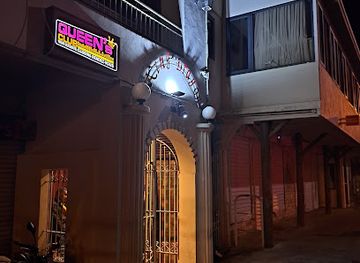
Queen's Club
Dive into the vibrant nightlife at Queen's Club, the ultimate disco club in Quatre Bornes, Mauritius, known for its lively atmosphere and Mauritian music.
-
Sports club
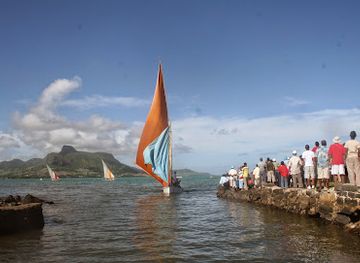
POINTE JEROME SAILING SCHOOL & CLUB (ONG)
Experience the thrill of sailing at Pointe Jerome Sailing School & Club, a premier destination for adventure seekers in beautiful Mauritius.
-
Bar
Sanjay Store
Discover the vibrant atmosphere of Sanjay Store in Vieux Grand Port, where locals and tourists come together for refreshing drinks and memorable experiences.
-
Night club
Xindix Nite klub
Experience Curepipe's vibrant nightlife at Xindix Nite Klub, a thrilling destination for party lovers with unforgettable music and atmosphere.

Best shops in Grand Port
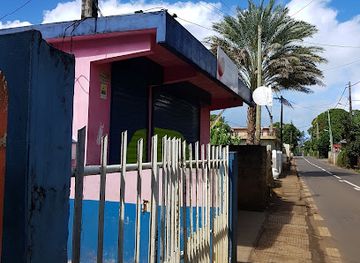
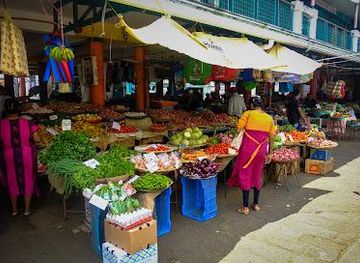
Shopping in Grand Port is focused on local life rather than large-scale retail. Mahébourg market is the principal place to browse fruit, vegetables, spices, snacks, clothing and household goods, with the busiest atmosphere generally found earlier in the day. Small shops and craft sellers in Mahébourg and the coastal settlements offer woven items, souvenirs, island-made food products and practical beach goods, although quality and authenticity vary. Visitors can look for Mauritian tea, spices, vanilla products, preserves, local rum-based specialities and handmade crafts, but should check labelling and carrying restrictions before buying agricultural or wildlife-related items. Blue Bay and Pointe d’Esny have accommodation-linked shops and galleries rather than a major shopping district. For designer brands or extensive indoor retail, visitors normally need to travel beyond Grand Port; within the district, the interest lies in markets, independent traders and products connected with Mauritius’s culinary and craft traditions.
-
Shopping mall
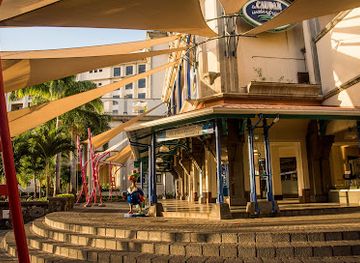
Caudan Waterfront
Discover the vibrant Caudan Waterfront in Port Louis, Mauritius - a shopping paradise with stunning views, diverse dining, and cultural experiences.
-
Shopping mall
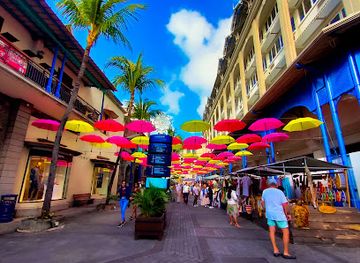
Port Louis Waterfront by Landscope Mauritius
Discover shopping, dining, and stunning views at the vibrant Port Louis Waterfront in Mauritius.
-
Duty free store
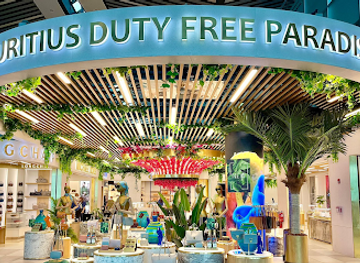
Mauritius Duty Free Paradise Co Ltd.
Explore the ultimate shopping experience at Mauritius Duty Free Paradise, where luxury meets local charm in a unique airport setting.
-
Market
Mahebourg Market
Experience the authentic flavors and vibrant culture of Mauritius at Mahebourg Market, where local life thrives amidst colorful stalls and delicious street food.
Get your free copy of our complete guide to Grand Port, delivered straight to you.
Everything on this page, from attractions and restaurants to essentials and local phrases, in one PDF you can read offline, print or share.
Already have an account? Sign in
Your Grand Port guide is ready.
We'll send it to · Not you? Sign out

Getting your guide ready…
We are putting together a fresh copy of the Grand Port guide. This can take up to a minute.
This can take a few moments. If your browser asks, choose Allow so the download can start. You'll find the guide in your Downloads folder.
Nothing happened? Download it again
Sorry, the guide is taking longer than usual. Please try again in a minute, or get it by email instead.
Grand Port essentials
Currency and Payment
Safety
Emergency Situations
Do's and Don'ts
Local Tips
From Eve
Local phrases worth knowing
You don't need to get them perfect. A few words go a long way, and locals appreciate the effort.
Basics
| English | Local | Say it |
|---|---|---|
| Hello | Salutations | [sah-loo-ta-syon] |
| Goodbye | Au revoir | [oh ruh-vwar] |
| Yes | Oui | [wee] |
| No | Non | [noh] |
| Please/You're welcome | S'il vous plaît | [seel voo pleh] |
| Thank you | Merci | [mehr-see] |
| Excuse me/Sorry | Excusez-moi | [ex-kew-zay mwah] |
| How are you? | Comment ça va? | [koh-mohn sah vah] |
| Fine. And you? | Bien. Et vous? | [byehn. eh voo] |
| Do you speak English? | Parlez-vous anglais? | [par-lay voo ahn-glay] |
| I don't understand | Je ne comprends pas | [zhuh nuh kom-prahn pah] |
Eating & Drinking
| English | Local | Say it |
|---|---|---|
| I'd like to see the menu, please | Je voudrais voir le menu, s'il vous plaît | [zhuh voo-dray vwar luh meh-nu, seel voo pleh] |
| I don't eat meat | Je ne mange pas de viande | [zhuh nuh mahnj pah duh vyahnd] |
| Cheers! | À votre santé! | [ah voh-truh sahn-tay] |
| I would like to pay, please | Je voudrais payer, s'il vous plaît | [zhuh voo-dray pay-ay, seel voo pleh] |
Emergencies
| English | Local | Say it |
|---|---|---|
| Help! | Au secours! | [oh se-kour] |
| Go away! | Allez-vous-en! | [ah-lay voo zahn] |
| Call the Police! | Appelez la police! | [ah-peh-lay lah poh-lees] |
| Call a doctor! | Appelez un médecin! | [ah-peh-lay uhn may-deh-sin] |
| I'm lost | Je suis perdu | [zhuh swee pair-due] |
| I'm ill | Je suis malade | [zhuh swee mah-lahd] |
Shopping
| English | Local | Say it |
|---|---|---|
| I'd like to buy... | Je voudrais acheter... | [zhuh voo-dray ah-sheh-tay] |
| I'm just looking | Je regarde juste | [zhuh ruh-gard zhuhst] |
| How much is it? | C'est combien? | [seh kohm-byen] |
| That's too expensive | C'est trop cher | [seh troh shair] |
| Can you lower the price? | Pouvez-vous baisser le prix? | [poo-vay voo beh-say luh pree] |
Time & Numbers
| English | Local | Say it |
|---|---|---|
| What time is it? | Quelle heure est-il? | [kel uhr eh eel] |
| It's one o'clock | Il est une heure | [eel eh ewn uhr] |
| Half past (10) | Dix heures et demie | [dees uhr eh duh-mee] |
| Morning | Matin | [mah-tahn] |
| Afternoon | Après-midi | [ah-preh mee-dee] |
| Evening | Soir | [swahr] |
| Yesterday | Hier | [ee-ehr] |
| Today | Aujourd'hui | [oh-zhoor-dwee] |
| Tomorrow | Demain | [duh-mahn] |
| 1 | Un | [uhn] |
| 2 | Deux | [duh] |
| 3 | Trois | [trwah] |
| 4 | Quatre | [katr] |
| 5 | Cinq | [sank] |
| 6 | Six | [sees] |
| 7 | Sept | [set] |
| 8 | Huit | [weet] |
| 9 | Neuf | [nurf] |
| 10 | Dix | [dees] |
Transport & Directions
| English | Local | Say it |
|---|---|---|
| Where's a/the...? | Où est un/une...? | [oo eh uhn/oon] |
| What's the address? | Quelle est l'adresse? | [kel eh lah-dress] |
| Can you show me (on the map)? | Pouvez-vous me montrer (sur la carte)? | [poo-vay voo muh mohn-tray (sur lah kart)] |
| When's the next (bus)? | Quand est le prochain (bus)? | [kahn eh luh pro-shen (boos)] |
| A ticket (to ....) | Un billet (pour ....) | [uhn bee-yay (poor ....)] |
History of Grand Port
Early settlement and the Dutch landing at Vieux Grand Port
The south-eastern harbour was central to the first European attempts to establish a permanent presence on Mauritius. The Dutch made their first lasting settlement on the island at Vieux Grand Port in 1638, using the sheltered anchorage and nearby resources before eventually abandoning Mauritius in the early eighteenth century. The settlement was not a long-term success, but it left an important place in the island’s colonial history. Vieux Grand Port’s shoreline and commemorative remains help visitors understand why the bay was valued as an approach and harbour long before modern tourism developed.
French settlement and the rise of Mahébourg
France took control of Mauritius, then known as Île de France, in 1715 and developed the island as a plantation and maritime colony. The south-eastern harbour became increasingly important, and Mahébourg grew during the eighteenth century as a settlement, port and administrative centre. Its name honours Bertrand-François Mahé de La Bourdonnais, the governor who helped strengthen French infrastructure in the Mascarenes. Roads, stores, military works and plantation activity connected the town with the surrounding coast and countryside, establishing the urban pattern that remains visible around Mahébourg today.
The Battle of Grand Port, 1810
On 23 August 1810, during the Napoleonic Wars, French and British naval forces fought in the waters of Grand Port. The French victory was the only significant French naval success against the Royal Navy during that conflict, although Britain later captured Île de France in December 1810. The battle gave Grand Port an international place in maritime military history and is commemorated on the Arc de Triomphe in Paris. Mahébourg’s museums and waterfront provide useful context for understanding how control of the harbour affected the island’s future.
British rule and the transformation of the port
After the British conquest of 1810, Mauritius retained much of its French language, law, landholding and cultural identity while becoming part of the British Empire. Port Louis developed into the principal commercial port, reducing Mahébourg’s former importance, but Grand Port remained connected to plantation agriculture, coastal trade and administration. The district’s sugar estates and villages expanded within a society shaped first by slavery and, after emancipation in 1835, by indentured labour and migration from India. These changes helped form the multicultural society characteristic of modern Mauritius.
Sugar, plantations and rural change
Sugar production became the dominant economic force across Mauritius during the nineteenth and twentieth centuries, and Grand Port’s lowlands were incorporated into this plantation landscape. Cane cultivation influenced settlement, roads, employment and the appearance of the countryside, while estates also processed and transported agricultural output. Over time, the industry became more mechanised and concentrated, and some former estate lands were redirected towards conservation, housing, infrastructure and tourism. Cane fields still provide a strong visual link with the district’s economic past, particularly between the coastal settlements and the inland foothills.
Conservation and the modern south-east
Late twentieth- and early twenty-first-century Grand Port has seen growing recognition of its marine and terrestrial ecological value. Blue Bay Marine Park was established to protect a representative lagoon environment, while conservation work on Île aux Aigrettes has restored habitat for rare Mauritian species and native plants. The Ferney Valley has likewise become associated with forest conservation and guided nature experiences. Alongside the airport, tourism and expanding residential areas, these projects reflect a modern regional identity that balances development with the protection of the south-east’s coastal and upland environments.
Grand Port in Photos
Browse through our photo collection highlighting the charm and character of the destination.
Neighbouring regions of Grand Port
The closest regions to Grand Port, if you have time for more than one.
-

-

-

-

-


Swipe for more regions
Explore more
Explore more of Mauritius
Discover Mauritius, the tropical paradise of the Indian Ocean, where pristine beaches, lush landscapes, and vibrant culture come together for an unforgettable escape.
Explore Mauritius