

Free Moka Travel Guide & Mobile App
Explore Moka with free travel guides. Discover regional history, expert tips, proposed trips, and audio guides on web or mobile app.


Explore Moka in Mauritius for mountain walks, plantation heritage, central-island scenery, local food and convenient access to Réduit and Bagatelle.
Read more about Moka
When is the best time to visit Moka?
Best: June–August · 21–22°C| Month | High (°C) | Rainfall (mm) |
|---|---|---|
| January | 28 | 200 |
| February | 28 | 225 |
| March | 28 | 230 |
| April | 27 | 175 |
| May | 24 | 150 |
| June (best) | 22 | 125 |
| July (best) | 21 | 125 |
| August (best) | 22 | 125 |
| September | 23 | 150 |
| October | 25 | 175 |
| November | 26 | 200 |
| December | 27 | 225 |
Getting to and around Moka
How to get there
Transportation
Top city travel guides in Moka
The cities of Moka, and the easiest places to base yourself.
-

-


Swipe for more cities
Destinations in Moka
Resorts, valleys and scenic spots worth a trip of their own.
-

-


Swipe for more destinations
Best attractions in Moka
Moka’s attractions combine mountain scenery, plantation heritage, institutional history and modern central-island leisure. The Moka Range provides the district’s principal outdoor experience, with routes towards Le Pouce and foothill walks offering views over cane fields, villages and the surrounding plateau. These are proper walks rather than casual urban strolls, and route choice should reflect weather, fitness and local guidance. Near Moka village, Eureka introduces visitors to the architecture and domestic life of a former plantation estate, with gardens and watercourses adding a strong landscape dimension. Réduit brings together the State House setting and the University of Mauritius, although access to institutional or official grounds may be controlled. Around Bagatelle, shopping, dining and cinema-based entertainment provide a contemporary contrast to the rural foothills. The district’s villages, roadside food stalls, churches and views across cultivated land are also part of its appeal, especially for visitors interested in ordinary central Mauritian life rather than a concentrated resort environment.
-
Shopping mall
Bagatelle Mall of Mauritius
Explore the vibrant shopping scene at Bagatelle Mall of Mauritius, where retail, dining, and entertainment come together in a unique island experience.
-
Market
Central Market
Explore the Central Market in Port Louis, where vibrant culture and fresh local produce create an unforgettable shopping experience.
-
Equestrian facility
Champ de Mars
Discover the thrilling world of horse racing at Champ de Mars, Mauritius's historic racecourse, blending culture, excitement, and stunning views.
-
Citadelle (Fort Adelaide)
Explore the historic Citadelle (Fort Adelaide) in Port Louis, a stunning fortress offering panoramic views and rich cultural heritage.


Best landmarks in Moka
The most recognisable natural landmark in Moka is the Moka Range, a chain of sharply formed volcanic mountains that gives the district its distinctive outline. Le Pouce, approached from the Moka side, is especially prominent and is named for its thumb-like summit; its slopes reveal the close relationship between mountain terrain, sugar fields and central-island settlement. Eureka is the district’s principal architectural landmark, a large nineteenth-century plantation house whose verandas, rooms and surrounding grounds illuminate the social world created by the sugar estate system. In Réduit, the State House estate is a significant civic and political landmark, although official areas may not be freely accessible. The University of Mauritius adds a modern institutional presence to the same landscape. Bagatelle’s contemporary commercial architecture represents another phase of Moka’s development, contrasting with older village churches, estate roads and cultivated fields. Together these places show the district’s progression from volcanic upland and plantation territory to an administrative, educational and commercial centre within independent Mauritius.
-
Food court
Bagatelle Mall of Mauritius
Experience the ultimate shopping and dining destination at Bagatelle Mall of Mauritius, where culture meets modern retail.
-
Botanical garden
Sir Seewoosagur Ramgoolam Botanical Garden
Discover the lush beauty of Sir Seewoosagur Ramgoolam Botanical Garden, a tropical paradise in Mauritius filled with rare plants and serene pathways.
-
Tourist attraction
Chamarel Seven Colored Earth Geopark
Explore the stunning Chamarel Seven Colored Earth Geopark, a natural masterpiece showcasing vibrant geological formations and breathtaking landscapes in Mauritius.
-
Restaurant
La Vallée Des Couleurs Nature Park
Discover the breathtaking beauty and adventure of La Vallée Des Couleurs Nature Park, a top tourist attraction in Mauritius with nature trails, zip-lining, and stunning vistas.


Explore Moka on the map
Plan your trip on one map. See where the top cities, national parks and sights are, and book hotels and experiences in a few clicks.
Best hotels in Moka
Best restaurants in Moka
Dining in Moka reflects Mauritius’s broader mixture of Indian, Creole, Chinese and European-influenced traditions, with the district’s central location bringing together everyday cafés, takeaway counters, restaurants and food outlets around Bagatelle and the larger settlements. Visitors can look for dholl puri, farata, samoussas, boulettes and rice-based dishes, alongside curries, rougailles and Chinese-Mauritian noodles. Sugar-cane country also makes fresh juice and locally produced sweet foods natural parts of the island’s food culture. Around the commercial centre, the choice is broader and more contemporary, while village eateries tend to be informal and useful for a quick local meal. Dining connected with plantation heritage, particularly near Eureka, offers a more interpretive setting but should be checked in advance. Moka is not primarily a seafood destination, since it is inland, although island-wide seafood dishes are commonly available. Markets and small food sellers are often better places to sample familiar Mauritian snacks than formal restaurants, and portion sizes, spice and service styles can vary considerably.
-
Fast Food
McDonald's Port Louis
Experience fast food at its finest in Port Louis with McDonald's - where global flavors meet local charm!
-
Indian
Sitar Indian Restaurant
Experience authentic Indian flavors at Sitar Indian Restaurant in Mauritius - a culinary journey you won't forget.
-
Italian
Panarottis Bagatelle
Experience the best pizza in Mauritius at Panarottis Bagatelle—where authentic Italian flavors meet warm hospitality.
-
Chicken
Nando's Bagatelle
Savor the taste of South African cuisine at Nando's Bagatelle, famous for its peri-peri chicken and family-friendly atmosphere.


Best bars in Moka
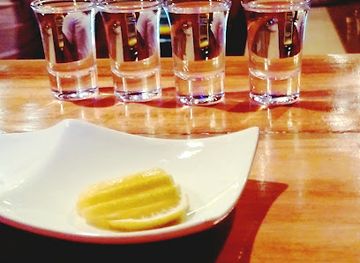
Moka’s evening scene is relatively restrained and dispersed rather than centred on a major nightclub district. Bagatelle provides the area’s strongest concentration of restaurants, cafés, cinema-based entertainment and later evening activity, while village pubs, hotel bars and casual restaurants offer quieter alternatives. Saint Pierre and nearby central settlements have a more local, practical pattern of socialising, with evenings often built around food, conversation and televised sport rather than late-night clubbing. University life contributes to some youthful activity around Réduit, but it is not comparable with the dedicated nightlife found in larger coastal resort areas. Visitors may encounter live music or seasonal events, although these change frequently and should be confirmed locally. Distilleries and rum-based drinks belong to Mauritius’s wider beverage culture, but alcohol is not necessary to understand Moka, whose appeal after dark is more closely connected with dining, cooler upland air and the social life of its villages and commercial centre.
-
Pub
The Irish Pub & Restaurant
Experience the vibrant atmosphere of The Irish Pub & Restaurant in Quatre Bornes, blending Irish charm with Mauritian hospitality.
-
Bar
Strike City - Bagatelle
Experience the ultimate fun destination at Strike City - Bagatelle, where delicious food meets bowling, billiards, and a vibrant atmosphere.
-
Steak
Apache Spur (Mauritius)
Experience the rich flavors of African cuisine at Apache Spur, where every meal is a celebration of taste in the heart of Mauritius.
-
Bar
Buddha Bar Beach
Discover the perfect blend of relaxation and vibrancy at Buddha Bar Beach, a premier seaside bar and restaurant in Flic en Flac, Mauritius.


Best nightclubs in Moka
Moka’s evening scene is relatively restrained and dispersed rather than centred on a major nightclub district. Bagatelle provides the area’s strongest concentration of restaurants, cafés, cinema-based entertainment and later evening activity, while village pubs, hotel bars and casual restaurants offer quieter alternatives. Saint Pierre and nearby central settlements have a more local, practical pattern of socialising, with evenings often built around food, conversation and televised sport rather than late-night clubbing. University life contributes to some youthful activity around Réduit, but it is not comparable with the dedicated nightlife found in larger coastal resort areas. Visitors may encounter live music or seasonal events, although these change frequently and should be confirmed locally. Distilleries and rum-based drinks belong to Mauritius’s wider beverage culture, but alcohol is not necessary to understand Moka, whose appeal after dark is more closely connected with dining, cooler upland air and the social life of its villages and commercial centre.
-
Disco club
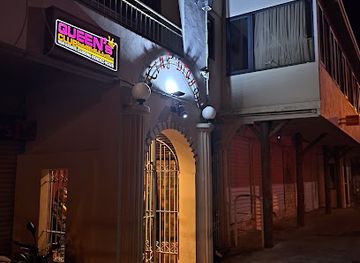
Queen's Club
Experience the vibrant nightlife at Queen's Club in Quatre Bornes, Mauritius – a disco haven for music lovers and party enthusiasts.
-
Night club
Insomnia Night Club
Immerse yourself in the vibrant nightlife of Grand Baie at Insomnia Night Club, where electrifying music and unforgettable moments await.
-
Night club
Saxo Beach Club
Discover the vibrant Saxo Beach Club in Flic en Flac, where local music meets stunning ocean views for an unforgettable nightlife experience.
-
Night club
Safari Bar - Mauritius
Dive into the electrifying nightlife at Safari Bar in Grand Baie, Mauritius, where vibrant music and a lively crowd create unforgettable experiences.

Best shops in Moka
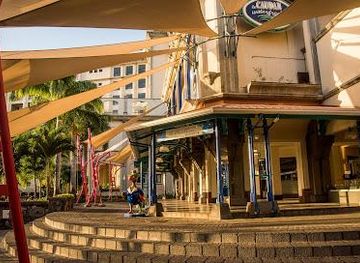
Shopping in Moka is concentrated around Bagatelle, one of the central island’s principal retail and leisure complexes, where visitors can find fashion, personal goods, cafés, restaurants and practical services in a modern setting. It is convenient rather than traditionally Mauritian in character, so it works best when combined with a wider visit to the district. Moka village and Saint Pierre offer smaller shops and everyday services, while occasional stalls and local food sellers provide opportunities to buy snacks, fruit and other island produce. For more characterful browsing, visitors should look for craft items, woven goods, jewellery, spices, tea, rum and packaged Mauritian foods, checking provenance and prices before buying. Plantation and sugar-related products can make appropriate souvenirs, although labels should be read carefully because not every item sold in a tourist setting is locally made. Moka has no single historic market quarter comparable with the major markets of Port Louis, which lies outside the district, so shopping plans should distinguish between convenient modern retail and locally produced goods.
-
Store
Bagatelle Mall of Mauritius
Discover the Bagatelle Mall of Mauritius, a vibrant shopping and entertainment destination with diverse dining options and family-friendly activities.
-
Shopping mall
Caudan Waterfront
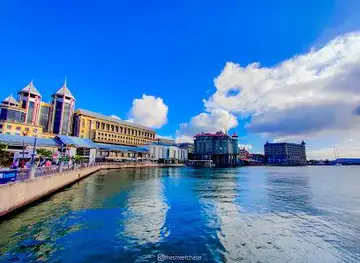
Experience the lively atmosphere of Caudan Waterfront, a shopping and dining paradise in Port Louis with stunning harbor views.
-
Shopping mall
Port Louis Waterfront by Landscope Mauritius
Experience the vibrant culture and stunning views at Port Louis Waterfront, Mauritius' premier shopping and dining destination.
-
Gourmet grocery store
La Maison Du Gourmet
Discover culinary treasures at La Maison Du Gourmet, Moka's premier gourmet grocery store offering exquisite local and international delicacies.


Get your free copy of our complete guide to Moka, delivered straight to you.
Everything on this page, from attractions and restaurants to essentials and local phrases, in one PDF you can read offline, print or share.
Already have an account? Sign in
Your Moka guide is ready.
We'll send it to · Not you? Sign out

Getting your guide ready…
We are putting together a fresh copy of the Moka guide. This can take up to a minute.
This can take a few moments. If your browser asks, choose Allow so the download can start. You'll find the guide in your Downloads folder.
Nothing happened? Download it again
Sorry, the guide is taking longer than usual. Please try again in a minute, or get it by email instead.
Moka essentials
Currency and Payment
Safety
Emergency Situations
Do's and Don'ts
Local Tips
From Eve
Local phrases worth knowing
You don't need to get them perfect. A few words go a long way, and locals appreciate the effort.
Basics
| English | Local | Say it |
|---|---|---|
| Hello | Salut | [sah-loo] |
| Goodbye | Au revoir | [oh ruh-vwahr] |
| Yes | Oui | [wee] |
| No | Non | [noh] |
| Please/You're welcome | S'il vous plaît | [seel voo pleh] |
| Thank you | Merci | [mehr-see] |
| Excuse me/Sorry | Excusez-moi | [ehk-skew-zay mwah] |
| How are you? | Comment ça va? | [koh-mohn sah vah] |
| Fine. And you? | Bien. Et vous? | [byehn. eh voo] |
| Do you speak English? | Vous parlez anglais? | [voo pah-lay ahn-glay] |
| I don't understand | Je ne comprends pas | [zhuh nuh kohm-prahn pah] |
Eating & Drinking
| English | Local | Say it |
|---|---|---|
| I'd like to see the menu, please | Je voudrais voir le menu, s'il vous plaît | [zhuh voo-dray vwah leuh meh-nu, seel voo pleh] |
| I don't eat meat | Je ne mange pas de viande | [zhuh nuh mahnj pah duh vyahnd] |
| Cheers! | Santé! | [sahn-tay] |
| I would like to pay, please | Je voudrais payer, s'il vous plaît | [zhuh voo-dray pay-ay, seel voo pleh] |
Emergencies
| English | Local | Say it |
|---|---|---|
| Help! | Au secours! | [oh suh-koor] |
| Go away! | Allez-vous en! | [ah-lay voo zahn] |
| Call the Police! | Appelez la police! | [ah-peh-lay lah poh-leess] |
| Call a doctor! | Appelez un médecin! | [ah-peh-lay uhn may-deh-seen] |
| I'm lost | Je suis perdu | [zhuh swee pair-doo] |
| I'm ill | Je suis malade | [zhuh swee mah-lahd] |
Shopping
| English | Local | Say it |
|---|---|---|
| I'd like to buy... | Je voudrais acheter... | [zhuh voo-dray ah-sheh-tay] |
| I'm just looking | Je regarde juste | [zhuh ruh-gard zhoost] |
| How much is it? | C'est combien? | [seh kohm-byen] |
| That's too expensive | C'est trop cher | [seh troh shair] |
| Can you lower the price? | Pouvez-vous baisser le prix? | [poo-vay voo beh-say leuh pree] |
Time & Numbers
| English | Local | Say it |
|---|---|---|
| What time is it? | Quelle heure est-il? | [kehl uhr eh teel] |
| It's one o'clock | Il est une heure | [eel ehte oon uhr] |
| Half past (10) | Dix heures et demie | [dees uhr eh duh-mee] |
| Morning | Matin | [mah-tahn] |
| Afternoon | Après-midi | [ah-preh mee-dee] |
| Evening | Soir | [swahr] |
| Yesterday | Hier | [ee-air] |
| Today | Aujourd'hui | [oh-zhoor dwee] |
| Tomorrow | Demain | [duh-mahn] |
| 1 | Un | [uhn] |
| 2 | Deux | [duh] |
| 3 | Trois | [trwah] |
| 4 | Quatre | [ka-truh] |
| 5 | Cinq | [sank] |
| 6 | Six | [sees] |
| 7 | Sept | [seht] |
| 8 | Huit | [weet] |
| 9 | Neuf | [nurf] |
| 10 | Dix | [dees] |
Transport & Directions
| English | Local | Say it |
|---|---|---|
| Where's a/the...? | Où est un/une...? | [oo eh uhn/oon] |
| What's the address? | Quelle est l'adresse? | [kel eh la-dress] |
| Can you show me (on the map)? | Pouvez-vous me montrer (sur la carte)? | [poo-vay voo muh mohn-tray (sur lah kart)] |
| When's the next (bus)? | Quand est le prochain (bus)? | [kahn eh luh pro-shen (boos)] |
| A ticket (to ....) | Un billet (pour....) | [uhn bee-yay (poor....)] |
History of Moka
Volcanic Landscapes and Early Settlement
Moka’s mountains, ravines and fertile soils were formed by Mauritius’s volcanic history, creating the physical setting for later settlement and agriculture. Before permanent European colonisation, the island was visited and used in different ways by seafarers, but it had no long-established indigenous population. The central uplands were less accessible than the coast and became more intensively occupied as colonial agriculture expanded. The Moka Range, river valleys and elevated climate subsequently influenced where estates, roads and villages developed.
French Colonial Settlement in the Eighteenth Century
Under French rule, Mauritius was organised around plantations, waterways and estate settlements, and the Moka area became part of the island’s expanding agricultural interior. The district’s name is generally associated with the historic Moka estate and the wider coffee and plantation environment of the period. French influence remains visible in place names, architecture and the cultural foundations of Mauritian society. The later British takeover in 1810 changed administration but did not immediately displace the established plantation economy.
Sugar Estates and Plantation Society
During the nineteenth century, sugar became the dominant commercial crop in Mauritius, and Moka’s fertile land was incorporated into the estate system. Plantation houses, cane fields, estate roads and watercourses connected the district to mills and markets elsewhere on the island. Eureka, established as a substantial plantation residence, reflects the wealth and social hierarchy created by sugar, while the surrounding landscape also records the labour of enslaved people and, after abolition, indentured workers. The estate system shaped Moka’s economy and settlement patterns for generations.
Abolition and Indentured Labour after 1835
The abolition of slavery in Mauritius in 1835 transformed the labour system on which sugar estates depended. Plantation owners increasingly recruited indentured workers, especially from India, and their arrival changed the island’s religious, linguistic and cultural landscape. Moka participated in this island-wide transition through its agricultural estates and villages, even though the most visible recruitment and immigration institutions were concentrated elsewhere. The communities that developed through this period contributed substantially to modern Mauritian foodways, festivities, family traditions and public life.
Réduit, Education and Public Institutions
Réduit developed as an important institutional centre within Moka. The State House estate, formerly associated with colonial government and later with the presidency of Mauritius, reflects the area’s political significance. The establishment and growth of the University of Mauritius in Réduit gave the district a further national role in higher education, research and public life. These institutions helped shift Moka’s identity beyond agriculture, linking its historic landscape with the administrative, academic and professional development of the modern island.
Independence and the Changing Central Plateau
Since Mauritius gained independence in 1968, Moka has experienced gradual change from a predominantly plantation landscape towards a mixed district of villages, education, government, commerce and residential development. Bagatelle and adjoining commercial growth have strengthened the district’s role as a central-island service centre, while sugar cultivation remains visible across open land. Contemporary Moka therefore combines inherited estate landscapes with modern retail, institutional and transport connections, illustrating the broader transformation of Mauritius from a colonial sugar economy into a diversified society.
Moka in Photos
Browse through our photo collection highlighting the charm and character of the destination.
Neighbouring regions of Moka
The closest regions to Moka, if you have time for more than one.
-

-

-

-

-


Swipe for more regions
Explore more
Explore more of Mauritius
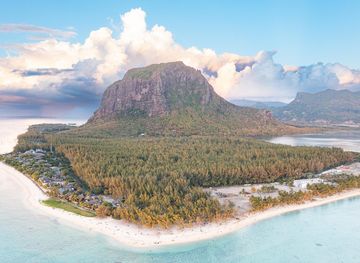
Discover Mauritius, the tropical paradise of the Indian Ocean, where pristine beaches, lush landscapes, and vibrant culture come together for an unforgettable escape.
Explore Mauritius