

Free Leech Lake Indian Reservation Travel Guide & Mobile App
Explore Leech Lake Indian Reservation with free travel guides. Discover regional history, expert tips, proposed trips, and audio guides on web or mobile app.


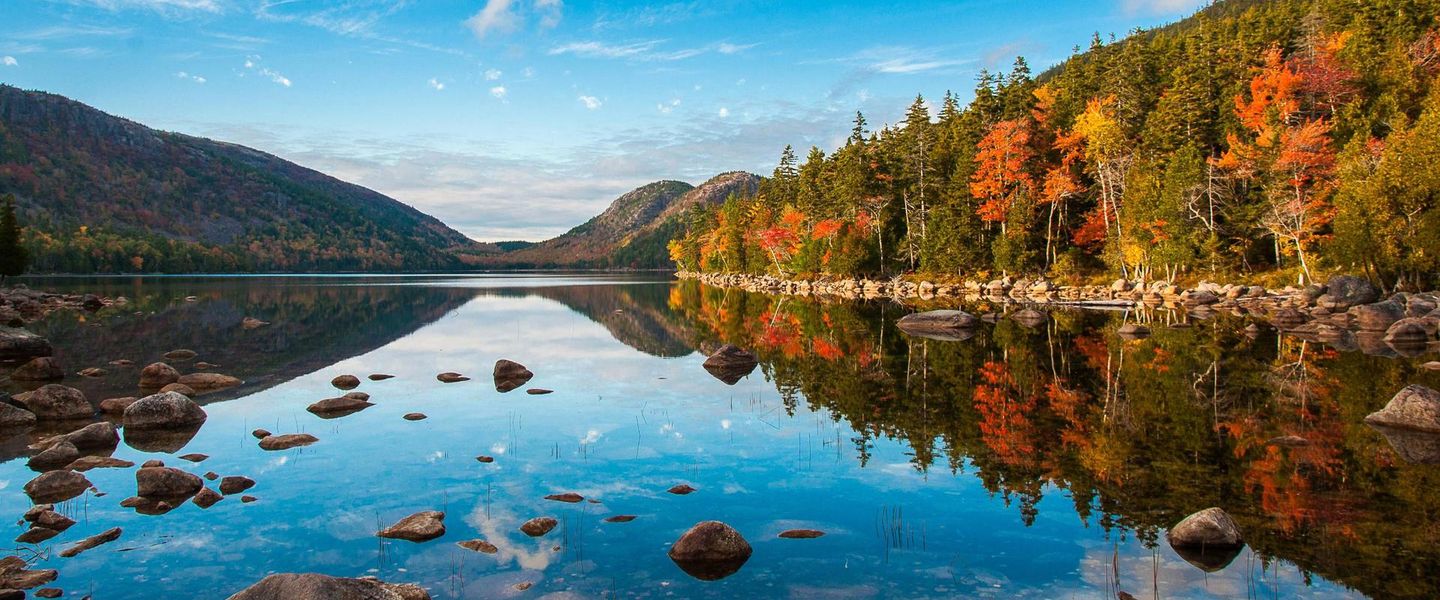


Leech Lake Indian Reservation combines Ojibwe heritage, forested lake country, fishing, wildlife and four-season outdoor travel in northern Minnesota.
Read more about Leech Lake Indian Reservation
When is the best time to visit Leech Lake Indian Reservation?
Best: June–August · 24–27°C| Month | High (°C) | Rainfall (mm) |
|---|---|---|
| January | -6 | 20 |
| February | -3 | 18 |
| March | 3 | 30 |
| April | 12 | 40 |
| May | 19 | 60 |
| June (best) | 24 | 80 |
| July (best) | 27 | 90 |
| August (best) | 26 | 90 |
| September | 21 | 70 |
| October | 13 | 50 |
| November | 3 | 30 |
| December | -2 | 25 |
Getting to and around Leech Lake Indian Reservation
How to get there
Transportation
Best attractions in Leech Lake Indian Reservation
The reservation's principal attractions are environmental and cultural rather than concentrated in a single historic centre. Leech Lake, Cass Lake, Lake Winnibigoshish and smaller surrounding waters support boating, paddling, fishing and wildlife observation, while the forest and wetland landscape offers opportunities for walking, birdwatching, snowmobiling and cross-country skiing in season. Portions of the Chippewa National Forest sit within or alongside the reservation landscape, but visitors should check the precise status and access arrangements of each site. Cass Lake is the main service centre and a practical base for exploring the north woods. The Sugar Point area provides an important historical connection to the 1898 conflict between Ojibwe residents and United States troops. Tribal cultural programmes, public events, community institutions and the Palace Casino and Hotel in Cass Lake provide further ways to encounter contemporary life, although cultural access should never be assumed and some activities require advance arrangements or local permission.
-
Park
Walker City Park
Experience the serene beauty and recreational fun at Walker City Park, a must-visit destination in Walker, Minnesota for families and nature lovers.

Best landmarks in Leech Lake Indian Reservation
Leech Lake itself is the reservation's defining natural landmark, an extensive inland waterway whose bays, islands, wetlands and forested shores shape local recreation and identity. Cass Lake and the connected northern lake country provide another recognisable geographical focus, with water and woodland appearing repeatedly in the area's roads and settlements. The Sugar Point area on Leech Lake has particular historical importance because it is associated with the 1898 Battle of Sugar Point, a pivotal incident in the relationship between the Leech Lake Ojibwe and the United States government. Cass Lake's civic and community landscape is significant in a different way: it illustrates the reservation as a living centre of tribal government, services and contemporary culture rather than merely a rural backdrop. The Palace Casino and Hotel is a prominent modern building and visitor facility in Cass Lake, while scattered Ojibwe communities, lakeshore roads and forest openings convey the reservation's distinctive spatial character more effectively than a single monumental structure.
-
National forest
Chippewa National Forest
Discover the natural wonders of Chippewa National Forest, where lush landscapes and outdoor adventures await every nature lover and explorer.
-
History museum
Forest History Center
Discover Minnesota's forestry heritage at the Forest History Center, where nature and history intertwine in a captivating educational experience.


Explore Leech Lake Indian Reservation on the map
Plan your trip on one map. See where the top cities, national parks and sights are, and book hotels and experiences in a few clicks.
Best hotels in Leech Lake Indian Reservation
Best restaurants in Leech Lake Indian Reservation
Dining on and around the reservation is shaped by the practical needs of a rural lake region, with restaurants, cafés, hotel dining and casual family establishments concentrated chiefly in Cass Lake and nearby gateway communities. Visitors will find familiar American and northern Minnesota staples, including sandwiches, burgers, fish, soups and baked goods, alongside food connected to the area's forests and waters. Walleye and other freshwater fish are widely associated with the region, while wild rice is an important Anishinaabe food with cultural significance; it should be approached as more than a souvenir ingredient. Seasonal produce, locally sourced game and regional bakery items may appear on menus or at community and farmers' markets, but availability varies. Stocking up in Cass Lake or a nearby town is sensible for self-catering on lake trips, as rural services are widely spaced and evening dining choices can be limited outside the principal settlements.
-
Grill
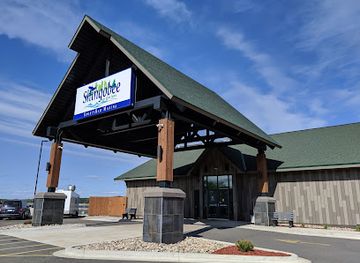
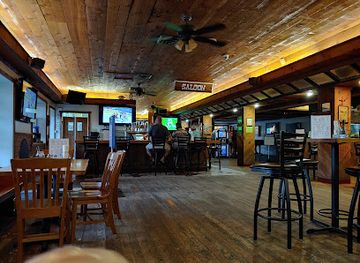
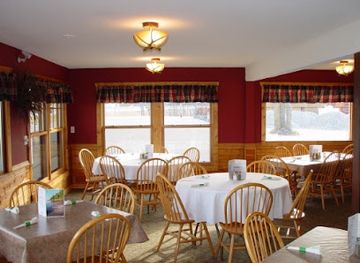
Shingobee on the bay
Experience culinary delights at Shingobee on the Bay in Walker, MN – where grill favorites meet casino excitement for an unforgettable outing.
-
Restaurant
Timberwolf Inn & Restaurant
Experience comfort and culinary delight at Timberwolf Inn & Restaurant amidst Minnesota's breathtaking wilderness.
-
Grill
Fish Tales Bar & Grill
Discover delicious grill favorites at Fish Tales Bar & Grill in Squaw Lake – a must-visit dining destination for travelers seeking great food and atmosphere.
-
Grill
Thunder Lakes Deer Haven
Discover Thunder Lakes Deer Haven: A lakeside grill and bar offering delicious food and stunning views in Minnesota's natural beauty.


Best bars in Leech Lake Indian Reservation
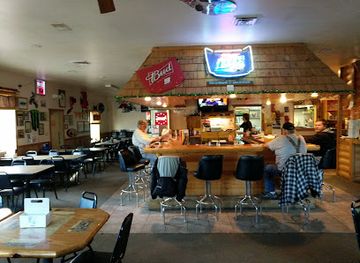
Evening life on Leech Lake Indian Reservation is relatively low-key and centred on community venues, restaurants, hotel facilities and gaming rather than a large nightclub district. The Palace Casino and Hotel in Cass Lake provides one of the area's most substantial evening entertainment settings, while nearby towns offer additional bars, taverns and casual places to eat. Traditional northern Minnesota pubs tend to be social, informal spaces where food, sport and conversation are as important as drinking. In summer, visitors may find live music or seasonal community events, but programmes and opening arrangements change. Outside Cass Lake, distances and limited late-night transport mean that visitors should plan a return journey before going out, particularly in winter. Evening activities need not revolve around alcohol: lakeside sunsets, astronomy, cultural programming and quiet accommodation in the forest are equally characteristic of the area.
-
Grill
Shingobee on the bay
Experience the perfect blend of delicious grill cuisine and exciting casino action at Shingobee on the Bay in Walker, Minnesota.
-
Restaurant
Benson's Eating & Drinking Emporium
Discover the vibrant culinary scene at Benson's Eating & Drinking Emporium in Walker, MN, where delicious dishes and a welcoming atmosphere await.
-
American
Charlie's Up North Inc.
Discover hearty American cuisine in a warm and inviting atmosphere at Charlie's Up North Inc. in Walker, Minnesota – the perfect dining experience for travelers.
-
Grill
Stompin' Grounds Bar & Grill
Experience the perfect blend of hearty grilled meals and rustic charm at Stompin' Grounds Bar & Grill in Akeley, Minnesota.
Best shops in Leech Lake Indian Reservation
Shopping is practical and locally focused, with the greatest concentration of everyday services in Cass Lake and additional options in nearby gateway towns such as Walker, which lies outside the reservation. Visitors can look for locally produced food, wild rice products, books, artwork, beadwork and other craft items, but should buy from reputable makers and ask about the cultural meaning and provenance of Indigenous designs. Community events and seasonal markets may provide opportunities to meet producers, although dates and availability vary. Larger grocery and outdoor-supply purchases are best made before heading into more remote lake and forest areas. Souvenirs connected with the Leech Lake Band and Ojibwe culture are most appropriate when they are clearly and respectfully identified as locally made or tribally produced; mass-produced items should not be presented as authentic regional craft. The area is not a major fashion or luxury-shopping destination, but its retail character suits visitors seeking provisions, outdoor equipment, regional foods and meaningful artwork.
-
 Outdoor sports store
Reeds Family Outdoor Outfitters
Explore the great outdoors with Reeds Family Outdoor Outfitters, your ultimate destination for fishing, camping, and adventure gear in Minnesota.
-
Grocery store
Super One Foods
Experience local flavors and quality groceries at Super One Foods, your go-to supermarket in Walker, Minnesota.
-
Gift shop
Central Square Mall
Explore Central Square Mall in Grand Rapids, MN - your ultimate shopping destination for gifts, fashion, and unique treasures.
-
Restaurant
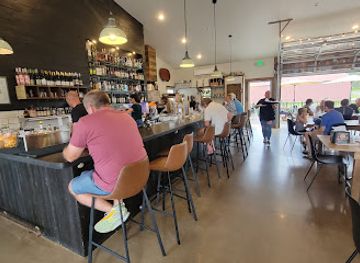
Green Scene Market, Eatery & Cocktail Bar
Experience the best of Walker dining at Green Scene Market, Eatery & Cocktail Bar, where fresh ingredients and vibrant cocktails create unforgettable culinary moments.


Get your free copy of our complete guide to Leech Lake Indian Reservation, delivered straight to you.
Everything on this page, from attractions and restaurants to essentials and local phrases, in one PDF you can read offline, print or share.
Already have an account? Sign in
Your Leech Lake Indian Reservation guide is ready.
We'll send it to · Not you? Sign out

Getting your guide ready…
We are putting together a fresh copy of the Leech Lake Indian Reservation guide. This can take up to a minute.
This can take a few moments. If your browser asks, choose Allow so the download can start. You'll find the guide in your Downloads folder.
Nothing happened? Download it again
Sorry, the guide is taking longer than usual. Please try again in a minute, or get it by email instead.
Leech Lake Indian Reservation essentials
Currency and Payment
Safety
Emergency Situations
Do's and Don'ts
Local Tips
From Eve
Local phrases worth knowing
You don't need to get them perfect. A few words go a long way, and locals appreciate the effort.
Basics
| English | Local | Say it |
|---|---|---|
| Hello | Boozhoo | [boo-zhoo] |
| Goodbye | Kina wabi | [kee-nah wah-bee] |
| Yes | Aaniin | [ah-nee-in] |
| No | Aaniin | [ah-nee-in] |
| Please/You're welcome | Miigwech | [mee-gwech] |
| Thank you | Miigwech | [mee-gwech] |
| Excuse me/Sorry | Nimishoomis | [nee-mee-shoo-mis] |
| How are you? | Aaniin ezhi-nikaaz? | [ah-nee-in eh-zhi-nee-kahz] |
| Fine. And you? | Ninoodin. Nimwe nikaaz? | [nee-noh-din. neem-way nee-kahz] |
| Do you speak English? | Nin giiwedinong ogiizhiitaa? | [neen ghee-weh-din-ong oh-gee-zhi-tah] |
| I don't understand | Nin giiwaabamin | [neen ghee-wah-bah-min] |
Eating & Drinking
| English | Local | Say it |
|---|---|---|
| I'd like to see the menu, please | Nin gii-nagwadik, miigwech | [neen ghee-nah-gwah-dik, mee-gwech] |
| I don't eat meat | Nin gii-zhichige, aaniin | [neen ghee-zhi-chi-geh, ah-nee-in] |
| Cheers! | Boozhoo! | [boo-zhoo] |
| I would like to pay, please | Nin gii-naadmaad, miigwech | [neen ghee-nah-dmah-d, mee-gwech] |
Emergencies
| English | Local | Say it |
|---|---|---|
| Help! | Nimishoomis! | [nee-mee-shoo-mis] |
| Go away! | Gii-piich! | [gee-pee-ch] |
| Call the Police! | Gii-nisidotamaag! | [gee-nee-see-do-ta-mahg] |
| Call a doctor! | Gii-nisidotamaag gawii! | [gee-nee-see-do-ta-mahg gah-wee] |
| I'm lost | Nin gii-nawaj | [neen ghee-nah-wahj] |
| I'm ill | Nin gii-odamin | [neen ghee-oh-dah-min] |
Shopping
| English | Local | Say it |
|---|---|---|
| I'd like to buy... | Nin gii-zhigwa, ... | [neen ghee-zhi-gwah, ...] |
| I'm just looking | Nin gii-zhichiged | [neen ghee-zhi-chi-gehd] |
| How much is it? | Aaniin gii-biboon? | [ah-nee-in ghee-bee-boon] |
| That's too expensive | Dibishkoo gii-zhichiged | [dee-bish-koh ghee-zhi-chi-gehd] |
| Can you lower the price? | Gii-maajii gii-biboon? | [gee-mah-ji ghee-bee-boon] |
Time & Numbers
| English | Local | Say it |
|---|---|---|
| What time is it? | Aaniin gii-biboon? | [ah-nee-in ghee-bee-boon] |
| It's one o'clock | Dibishkoo aabiji gii-biboon | [dee-bish-koh ah-bee-gee ghee-bee-boon] |
| Half past (10) | Niswi aabiji gii-biboon | [nee-swee ah-bee-gee ghee-bee-boon] |
| Morning | Boozhoo | [boo-zhoo] |
| Afternoon | Aabiji | [ah-bee-gee] |
| Evening | Niswi aabiji | [nee-swee ah-bee-gee] |
| Yesterday | Bimaadiziwin | [bee-mah-dih-zee-win] |
| Today | Gii-wiijii | [gee-wee-ji] |
| Tomorrow | Aabiji gii-wiijii | [ah-bee-gee gee-wee-ji] |
| 1 | Niswi | [nee-swee] |
| 2 | Nii | [nee] |
| 3 | Niswi | [nee-swee] |
| 4 | Niiwin | [nee-win] |
| 5 | Ningodwaaswi | [ning-oh-dwah-swee] |
| 6 | Ningodwaaswi | [ning-oh-dwah-swee] |
| 7 | Niswi | [nee-swee] |
| 8 | Niiwin | [nee-win] |
| 9 | Ninoodin | [nee-noh-din] |
| 10 | Niswi | [nee-swee] |
Transport & Directions
| English | Local | Say it |
|---|---|---|
| Where's a/the...? | Aaniin gii-zhichaag? | [ah-nee-in ghee-zhi-chahg] |
| What's the address? | Aaniin gii-mino-bimaadiziwin? | [ah-nee-in ghee-mee-noh-bee-mah-dih-zee-win] |
| Can you show me (on the map)? | Gii-nikaan gii-zhichaag? | [gee-nee-kahn ghee-zhi-chahg] |
| When's the next (bus)? | Aaniin gii-zhichaag gii-zhaab? | [ah-nee-in ghee-zhi-chahg ghee-zhaab] |
| A ticket (to ....) | Gii-biboon gii-zhichaag | [ghee-bee-boon ghee-zhi-chahg] |
History of Leech Lake Indian Reservation
Ojibwe Settlement and Anishinaabe Homelands
The Leech Lake area forms part of the broader Anishinaabe homeland in the western Great Lakes. Ojibwe communities developed seasonal patterns of movement and resource use centred on lakes, forests, rivers and wetlands, with fishing, hunting, trapping, gathering and wild rice harvesting all contributing to local life. Oral traditions, place-names and continuing community practices provide historical knowledge that long predates the creation of the modern reservation. The landscape should therefore be understood not as unoccupied wilderness but as a lived cultural homeland shaped by generations of Ojibwe stewardship.
Treaties and the Creation of the Reservation, 1855
The Treaty of 1855 between the United States and the Mississippi, Pillager and Lake Winnibigoshish bands of Chippewa established reservation lands in the region while opening large areas to United States settlement. Subsequent agreements and federal actions altered landholdings and reduced tribal control over territory. Treaty history remains central to the Leech Lake Band's political identity and to contemporary questions concerning land, natural resources and treaty rights. Visitors encounter this history not only in archives and interpretation but also in the continuing government and community life of the reservation.
Federal Removal and Reservation Consolidation
During the nineteenth century, federal officials repeatedly sought to move Ojibwe communities away from their established homelands or to consolidate them under administrative systems designed in Washington rather than locally. At Leech Lake, these pressures included land cessions, allotment policies and attempts to impose outside economic and religious structures. Allotment broke collectively held reservation land into individual parcels, enabling substantial transfers to non-tribal ownership. The resulting mixture of tribal, private and public land helps explain the reservation's complex modern geography.
The Battle of Sugar Point, 1898
The Battle of Sugar Point took place on Leech Lake in October 1898, after a dispute involving federal authorities and Ojibwe residents. Fighting followed the arrival of United States troops, and several soldiers, including Major Melville Wilkinson, were killed; Ojibwe defenders also suffered losses. The United States later withdrew, and the incident became a significant episode in the history of federal-tribal relations. Often described as the last armed conflict between the United States Army and an Indigenous nation within the United States, it is remembered locally through the Sugar Point area and related historical interpretation.
Twentieth-Century Economic and Social Change
The twentieth century brought major changes to Leech Lake through timber extraction, commercial development, road building, tourism and state and federal management of surrounding forests and waters. These developments created employment and new access while also continuing older tensions over land and resource control. Boarding-school policies and pressure to abandon Ojibwe language and customs caused lasting harm, yet community institutions preserved cultural knowledge. The reservation's contemporary identity reflects both these disruptions and sustained efforts to strengthen language, education, governance and cultural practice.
Tribal Self-Government and Cultural Renewal
The Leech Lake Band of Ojibwe governs as a federally recognised tribal nation, with elected leadership and institutions serving its communities. In recent decades, cultural renewal has included language work, educational programmes, public events, artistic practice and renewed attention to land and water stewardship. The restoration of Ojibwe perspectives in community life is part of a wider movement among Indigenous nations in Minnesota. For visitors, this means that the reservation's history is not confined to the past: sovereignty, treaty rights and cultural continuity remain active features of the destination.
Leech Lake Indian Reservation in Photos
Browse through our photo collection highlighting the charm and character of the destination.
Neighbouring regions of Leech Lake Indian Reservation
The closest regions to Leech Lake Indian Reservation, if you have time for more than one.
-

-

-

-

-


Swipe for more regions
Explore more

Explore more of Minnesota
Discover Minnesota: From the bustling Twin Cities and cultural landmarks to the serene lakes and expansive wilderness, experience the diverse beauty and welcoming spirit of the North Star State.
Explore Minnesota