

Free Mississippi Headwaters Travel Guide & Mobile App
Explore Mississippi Headwaters with free travel guides. Discover regional history, expert tips, proposed trips, and audio guides on web or mobile app.


Explore Minnesota’s Mississippi Headwaters for pine forests, glacial lakes, Indigenous heritage, river-source trails and year-round outdoor recreation.
Read more about Mississippi Headwaters
When is the best time to visit Mississippi Headwaters?
Best: June–August · 24–27°C| Month | High (°C) | Rainfall (mm) |
|---|---|---|
| January | -6 | 25 |
| February | -3 | 20 |
| March | 5 | 30 |
| April | 13 | 45 |
| May | 20 | 65 |
| June (best) | 24 | 85 |
| July (best) | 27 | 95 |
| August (best) | 26 | 90 |
| September | 21 | 75 |
| October | 14 | 55 |
| November | 4 | 35 |
| December | -3 | 30 |
Getting to and around Mississippi Headwaters
How to get there
Transportation
Destinations in Mississippi Headwaters
Resorts, valleys and scenic spots worth a trip of their own.
-

-


Swipe for more destinations
Best attractions in Mississippi Headwaters
The region’s attractions are organised around water, forest and the story of the Mississippi’s beginning. Itasca State Park is the defining experience, with the source at Lake Itasca, old-growth pine, interpretive facilities, hiking and cycling routes. Around Bemidji, visitors find Lake Bemidji, the Paul Bunyan and Babe statues, local museums and access to a wider network of trails and lakes. The Cass Lake and Leech Lake districts are suited to boating, fishing, paddling and learning about Ojibwe history and contemporary culture, while Chippewa National Forest provides extensive public landscapes for hiking, wildlife watching and seasonal recreation. Grand Rapids combines community museums, arts and regional industrial history with access to nearby waters and forests. Southwards, the Brainerd Lakes area adds beaches, golf, resorts, water activities and family-oriented recreation. The Mississippi Headwaters State Trail and other regional paths support walking and cycling where routes are developed, although not every attraction is connected by a continuous trail. Winter changes the emphasis to cross-country skiing, snowshoeing, snowmobiling and ice fishing. Visitors should distinguish between state parks, national forest, tribal lands and private resort property, since access rules and activities vary.
-
State park
Itasca State Park
Explore Itasca State Park, where adventure meets tranquility amidst the stunning landscapes and the headwaters of the Mississippi River.
-
Tourist attraction
Mississippi Headwaters State Forest
Explore the breathtaking landscapes and rich biodiversity of Mississippi Headwaters State Forest, the iconic source of the Mississippi River in Minnesota.
-
Tourist attraction
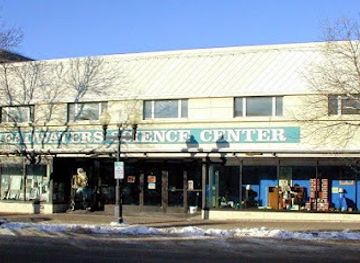
Headwaters Science Center
Explore the Headwaters Science Center in Bemidji, MN—a fun and educational attraction for all ages, featuring interactive science exhibits and programs.
-
 Park
ParkNorthernmost Point of the Mississippi River
Experience the tranquility and beauty of the Northernmost Point of the Mississippi River in Turtle River Township, Minnesota, where nature meets history.
Best landmarks in Mississippi Headwaters
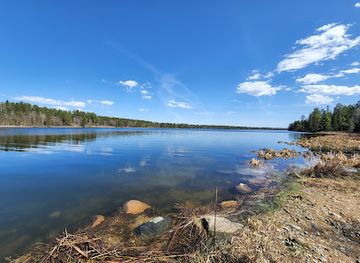
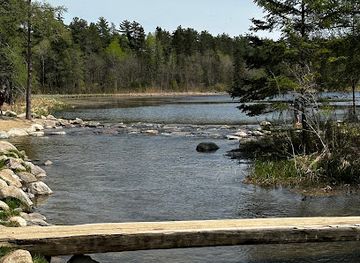
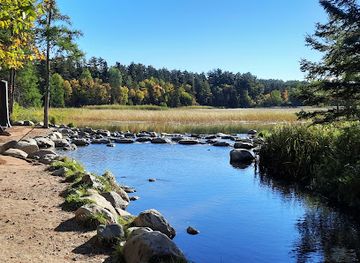
Lake Itasca is the region’s defining natural landmark and the recognised source of the Mississippi River. The shallow crossing point, marked trails and surrounding pine forest give physical meaning to a river that later becomes one of North America’s major waterways. Itasca State Park also preserves stands of old-growth red and white pine that represent an important remnant of the pre-settlement forest. In Bemidji, the large Paul Bunyan and Babe statues beside Lake Bemidji are highly recognisable civic landmarks, reflecting the logging imagery long associated with northern Minnesota. The Mississippi’s passage through the lakes and wetlands near Cass Lake forms another important geographic landmark, although its character is more dispersed than a single monument. Around Grand Rapids, logging and regional industry remain visible through local heritage sites and civic collections. The broad waters of Leech Lake and Lake Bemidji provide visual anchors for their communities, while the forests of Chippewa National Forest express the ecological setting that shaped settlement and conservation. These places matter not simply as photo stops but because they connect river geography, Indigenous history, timber, recreation and the continuing management of northern Minnesota’s public landscapes.
-
National forest
Mississippi Headwaters State Forest
Discover the serene beauty of the Mississippi Headwaters State Forest, where the mighty Mississippi River begins its journey through lush landscapes.
-
Park
Northernmost Point of the Mississippi River
Experience the serene beauty and natural wonder at the Northernmost Point of the Mississippi River in Turtle River Township, Minnesota.
Explore Mississippi Headwaters on the map
Plan your trip on one map. See where the top cities, national parks and sights are, and book hotels and experiences in a few clicks.
Best hotels in Mississippi Headwaters
Best restaurants in Mississippi Headwaters
Dining in the Mississippi Headwaters region is informal and closely connected with lake life, small-town hospitality and outdoor travel. Bemidji, Grand Rapids and Brainerd offer the broadest choice, including cafés, bakeries, family restaurants, brewpub-style dining and restaurants serving contemporary American food. Lakeside resorts and lodges often focus on practical meals for anglers, boaters and cabin guests, while rural taverns and supper clubs provide familiar regional cooking. Menus may include walleye and other freshwater fish, burgers, steaks, wild rice dishes and seasonal produce; wild rice is strongly associated with the wider cultural and ecological story of northern Minnesota, including Ojibwe foodways. Local breweries and bakeries add variety, and farmers’ markets in the larger communities can be useful for fruit, vegetables, preserves and prepared food. Around the Leech Lake area, visitors should approach Indigenous foods and cultural traditions respectfully and distinguish authentic community-led offerings from generic regional branding. Opening patterns can be seasonal in smaller lakeside settlements, so plan meals and supplies before heading into remote country.
-
State park
Itasca State Park
Explore Itasca State Park: Minnesota’s oldest state park featuring lush landscapes, hiking trails & the source of the Mississippi River.
-
Scenic spot
Mississippi River Headwaters
Experience the breathtaking beauty and historical significance at Mississippi River Headwaters in Minnesota - where nature meets heritage.
-
Fast Food
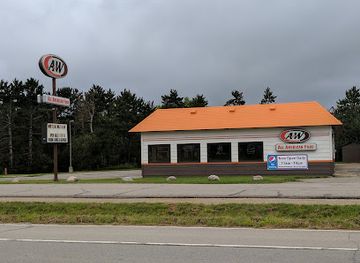
A&W Restaurant
Experience the nostalgia of classic fast food at A&W Restaurant in Park Rapids with delicious burgers and refreshing root beer floats.
-
Restaurant
Green Mill Restaurant & Bar
Discover Green Mill Restaurant & Bar in Bemidji: A culinary haven serving American classics in a warm and inviting atmosphere.


Best bars in Mississippi Headwaters
Evening life is concentrated in Bemidji, Grand Rapids and Brainerd, with smaller lake communities generally relying on resort lounges, taverns, restaurants and seasonal social events rather than a large club scene. Traditional American bars, breweries, live-music venues and casual grills provide the principal options, while college and community events can add activity at particular times of year. Brainerd’s wider lakes area has more visitor-oriented dining and evening entertainment during the summer season, whereas Itasca and the forest districts are better suited to quiet evenings near a cabin or lodge. Some establishments close earlier or operate reduced hours outside the main travel season, so current local information is useful. Alcohol is not central to the region’s identity: evening alternatives include sunset walks, stargazing, live performances, fireside gatherings and winter community events. Arrange a designated driver or other safe transport when travelling between rural accommodation and town.
-
State park
Itasca State Park
Explore Itasca State Park, Minnesota's oldest state park, featuring hiking, historical landmarks, and the headwaters of the Mississippi River.
-
American
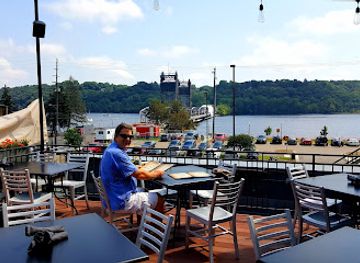
Brick & Bourbon
Experience the best of American cuisine at Brick & Bourbon in Stillwater, where rustic charm meets innovative flavors and vibrant atmosphere.
-
American
Lord Fletcher's Old Lake Lodge
Discover the vibrant atmosphere and delicious American cuisine at Lord Fletcher's Old Lake Lodge, a perfect lakeside dining experience in Spring Park.
-
Scenic spot
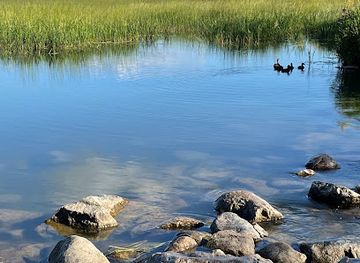
Mississippi River Headwaters
Experience the breathtaking beauty and historical significance of the Mississippi River Headwaters in Pinewood, MN, a must-visit scenic spot.
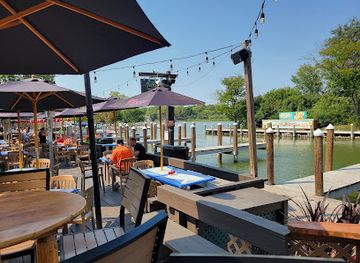
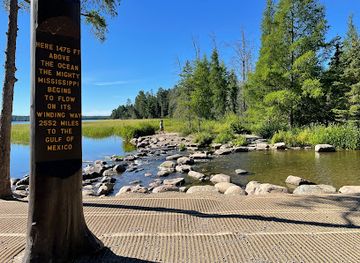
Best nightclubs in Mississippi Headwaters
Evening life is concentrated in Bemidji, Grand Rapids and Brainerd, with smaller lake communities generally relying on resort lounges, taverns, restaurants and seasonal social events rather than a large club scene. Traditional American bars, breweries, live-music venues and casual grills provide the principal options, while college and community events can add activity at particular times of year. Brainerd’s wider lakes area has more visitor-oriented dining and evening entertainment during the summer season, whereas Itasca and the forest districts are better suited to quiet evenings near a cabin or lodge. Some establishments close earlier or operate reduced hours outside the main travel season, so current local information is useful. Alcohol is not central to the region’s identity: evening alternatives include sunset walks, stargazing, live performances, fireside gatherings and winter community events. Arrange a designated driver or other safe transport when travelling between rural accommodation and town.
-
Lake
Lake Itasca
Experience the serene beauty of Lake Itasca, the birthplace of the Mississippi River, offering outdoor adventures and breathtaking landscapes.
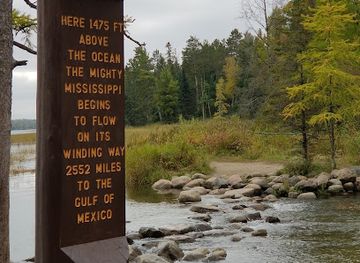
Best shops in Mississippi Headwaters
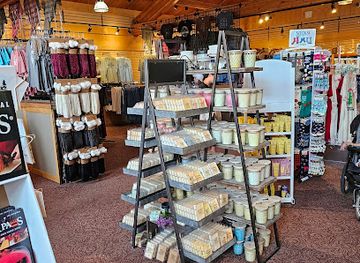
Shopping is centred on the independent high streets and service districts of Bemidji, Grand Rapids and Brainerd, with smaller lakeside communities offering practical supplies, tackle, clothing, gifts and seasonal provisions. Local galleries and craft shops may feature northern landscape art, woodwork, pottery, textiles, jewellery and other work by regional makers. Farmers’ markets and farm stands are useful for preserves, baked goods, maple products, vegetables and locally produced food, although their availability follows the season. Outdoor outfitters are an important part of the regional retail scene, selling or hiring equipment for fishing, paddling, camping, cycling and winter sports. Shops connected with resorts often carry lake-themed souvenirs, but visitors seeking meaningful gifts should look for reputable galleries, museums or community-led cultural retailers. Where Ojibwe art or craftwork is sold, ask about its origin and buy from established Indigenous artists or organisations rather than assuming that generic Native-themed products represent local culture. Large-scale designer shopping is not a feature of the headwaters; the appeal lies in practical outdoor goods, small-town retail and regionally made products.
-
State park
Itasca State Park
Discover the breathtaking landscapes and rich history of Itasca State Park, the serene gateway to the Mississippi River in Minnesota.
-
Scenic spot
Mississippi River Headwaters
Experience the breathtaking beauty and historical significance of the Mississippi River Headwaters in Pinewood, Minnesota, where nature and history intertwine.
-
Recreation center
Mary Gibbs Mississippi Headwaters Center
Discover the source of the mighty Mississippi River at Mary Gibbs Headwaters Center, a natural haven of learning, exploration, and breathtaking scenery.
-
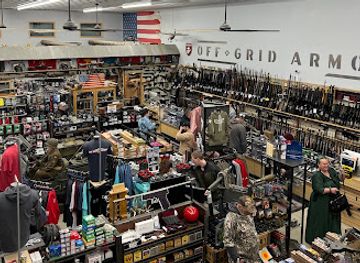
Firearms academy
Off Grid Armory
Discover firearms training and local craftsmanship at Off Grid Armory in Shevlin, Minnesota – a top spot for enthusiasts and beginners alike.
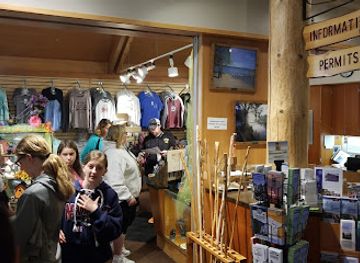
Get your free copy of our complete guide to Mississippi Headwaters, delivered straight to you.
Everything on this page, from attractions and restaurants to essentials and local phrases, in one PDF you can read offline, print or share.
Already have an account? Sign in
Your Mississippi Headwaters guide is ready.
We'll send it to · Not you? Sign out

Getting your guide ready…
We are putting together a fresh copy of the Mississippi Headwaters guide. This can take up to a minute.
This can take a few moments. If your browser asks, choose Allow so the download can start. You'll find the guide in your Downloads folder.
Nothing happened? Download it again
Sorry, the guide is taking longer than usual. Please try again in a minute, or get it by email instead.
Mississippi Headwaters essentials
Currency and Payment
Safety
Emergency Situations
Do's and Don'ts
Local Tips
From Eve
Local phrases worth knowing
You don't need to get them perfect. A few words go a long way, and locals appreciate the effort.
Basics
| English | Local | Say it |
|---|---|---|
| Hello | Howdy | [hau-dee] |
| Goodbye | See ya later | [see yah lay-ter] |
| Yes | Yep | [yehp] |
| No | Nope | [nohp] |
| Please/You're welcome | Please | [pleez] |
| Thank you | Thanks a bunch | [thanks uh bunch] |
| Excuse me/Sorry | Excuse me | [ex-kyoos mee] |
| How are you? | How ya doin'? | [how yah doin'?] |
| Fine. And you? | Good. And you? | [good. and yew?] |
| Do you speak English? | Do ya speak English? | [doo yah speak ing-glish?] |
| I don't understand | I ain't followin' | [eye ain't foll-in'] |
Eating & Drinking
| English | Local | Say it |
|---|---|---|
| I'd like to see the menu, please | Can I see the menu, please? | [kan eye see thuh men-yoo, pleez?] |
| I don't eat meat | I don't eat meat | [eye don't eet meet] |
| Cheers! | Cheers! | [cheers!] |
| I would like to pay, please | Can I pay, please? | [kan eye pay, pleez?] |
Emergencies
| English | Local | Say it |
|---|---|---|
| Help! | Help! | [help!] |
| Go away! | Get away! | [get uh-way!] |
| Call the Police! | Call the cops! | [call thuh cops!] |
| Call a doctor! | Get a doctor! | [get uh doctor!] |
| I'm lost | I'm lost | [eye'm lost] |
| I'm ill | I'm feelin' sick | [eye'm feel-in' sick] |
Shopping
| English | Local | Say it |
|---|---|---|
| I'd like to buy... | I wanna buy... | [eye wanna bye...] |
| I'm just looking | Just lookin' around | [just look-in' uh-round] |
| How much is it? | What's the price? | [wuts thuh price?] |
| That's too expensive | That's a bit pricey | [thats uh bit pry-see] |
| Can you lower the price? | Can ya bring down the price? | [kan yah bring down thuh price?] |
Time & Numbers
| English | Local | Say it |
|---|---|---|
| What time is it? | What time is it? | [wut time is it?] |
| It's one o'clock | It's one o'clock | [its wun uh-clock] |
| Half past (10) | Half past ten | [half past ten] |
| Morning | Mornin' | [mor-nin'] |
| Afternoon | Afternoon | [af-ter-noon] |
| Evening | Evenin' | [eev-nin'] |
| Yesterday | Yesterday | [yes-ter-day] |
| Today | Today | [to-day] |
| Tomorrow | Tomorrow | [to-mor-row] |
| 1 | One | [wun] |
| 2 | Two | [too] |
| 3 | Three | [three] |
| 4 | Four | [for] |
| 5 | Five | [five] |
| 6 | Six | [six] |
| 7 | Seven | [sev-en] |
| 8 | Eight | [ate] |
| 9 | Nine | [nine] |
| 10 | Ten | [ten] |
Transport & Directions
| English | Local | Say it |
|---|---|---|
| Where's a/the...? | Where's the...? | [wheres thuh...?] |
| What's the address? | What's the address? | [wuts thuh ad-dress?] |
| Can you show me (on the map)? | Can ya show me on the map? | [kan yah show mee on thuh map?] |
| When's the next (bus)? | When's the next bus? | [wens thuh next bus?] |
| A ticket (to ....) | A ticket to... | [uh tick-it to...] |
History of Mississippi Headwaters
Ojibwe Homelands and the Waterway
Long before the region became a recreational destination, Anishinaabe peoples, particularly Ojibwe communities, travelled, traded and lived around its lakes, wetlands and rivers. Wild rice, fish, game and forest resources supported seasonal patterns of life, while waterways provided practical routes through a difficult landscape. The Mississippi Headwaters remains connected with the Leech Lake Band of Ojibwe and the Minnesota Chippewa Tribe. Indigenous history is therefore not confined to the past: it continues through communities, cultural institutions, language, ceremonies, land use and contemporary governance across north-central Minnesota.
Treaties and American Expansion
During the nineteenth century, United States expansion brought treaty-making, surveying, missionary activity and increasing pressure on Ojibwe lands. Treaties involving the region reshaped access to territory and resources, while federal policies later restricted Indigenous autonomy and disrupted established economies. At the same time, new roads, trading posts and settlements developed around the lakes and river. The present-day geography of reservations, public land, private property and towns reflects these layered political histories, which are essential to understanding the region beyond its scenic appearance.
Logging and River Transport
The pine forests of northern Minnesota supported a major logging economy from the late nineteenth century into the early twentieth century. Timber camps, sawmills and river drives transformed communities along the Mississippi and its tributaries, while logs were floated downstream towards mills and markets. Grand Rapids became an important centre for the timber trade, and many roads and settlements grew from the industry. Forest management, conservation and changing markets later altered the economy, but logging remains visible in museums, historic photographs, town identities and the working forests surrounding the headwaters.
Railways, Towns and Regional Commerce
Railway construction and improved roads linked the headwaters with larger markets, encouraging the growth of Bemidji, Grand Rapids and other regional centres. Rail transport reduced the isolation of lake and forest communities, moving timber, agricultural goods, supplies and passengers more reliably than river travel alone. Towns developed civic buildings, shops, schools and cultural organisations that still provide much of the region’s visitor infrastructure. Although the rail network is less central to everyday travel today, its influence remains evident in settlement patterns and local heritage collections.
Conservation and the Protection of Itasca
Concern about forest loss and the value of the Mississippi’s source helped drive early conservation efforts. Itasca State Park was established in 1891, making it Minnesota’s oldest state park and protecting Lake Itasca, the headwaters landscape and significant stands of old-growth pine. The park became both a public recreation area and a symbol of the river’s importance. Its trails, historic facilities and interpretive work show how conservation in Minnesota has developed alongside tourism, scientific study and debates over responsible use of public land.
Tourism, Recreation and Environmental Stewardship
In the twentieth century, improved highways, automobile travel and the growth of the American holiday economy made north-central Minnesota’s lakes accessible to visitors from across the state and beyond. Resorts, family cabins, fishing services and seasonal communities became central to the regional economy. Recreation brought prosperity but also increased pressure on shorelines, forests, fisheries and water quality. Today, state parks, public forests, tribal and local initiatives, and responsible tourism all contribute to the continuing effort to balance access with the protection of the headwaters environment.
Mississippi Headwaters in Photos
Browse through our photo collection highlighting the charm and character of the destination.
Neighbouring regions of Mississippi Headwaters
The closest regions to Mississippi Headwaters, if you have time for more than one.
-

-

-

-

-


Swipe for more regions
Explore more

Explore more of Minnesota
Discover Minnesota: From the bustling Twin Cities and cultural landmarks to the serene lakes and expansive wilderness, experience the diverse beauty and welcoming spirit of the North Star State.
Explore Minnesota