

Free Northwestern Minnesota Travel Guide & Mobile App
Explore Northwestern Minnesota with free travel guides. Discover regional history, expert tips, proposed trips, and audio guides on web or mobile app.


Explore Northwestern Minnesota for Mississippi headwaters, boreal lakes, prairie wildlife, Indigenous heritage and year-round outdoor adventures.
Read more about Northwestern Minnesota
When is the best time to visit Northwestern Minnesota?
Best: May–June, August · 21–26°C| Month | High (°C) | Rainfall (mm) |
|---|---|---|
| January | -10 | 20 |
| February | -7 | 20 |
| March | 4 | 25 |
| April | 13 | 40 |
| May (best) | 21 | 60 |
| June (best) | 25 | 70 |
| July | 28 | 80 |
| August (best) | 26 | 70 |
| September | 21 | 60 |
| October | 12 | 40 |
| November | 3 | 30 |
| December | -5 | 20 |
Getting to and around Northwestern Minnesota
How to get there
Transportation
Top city travel guides in Northwestern Minnesota
The cities of Northwestern Minnesota, and the easiest places to base yourself.
-

-

-
-

-


Swipe for more cities
Destinations in Northwestern Minnesota
Resorts, valleys and scenic spots worth a trip of their own.
-

-
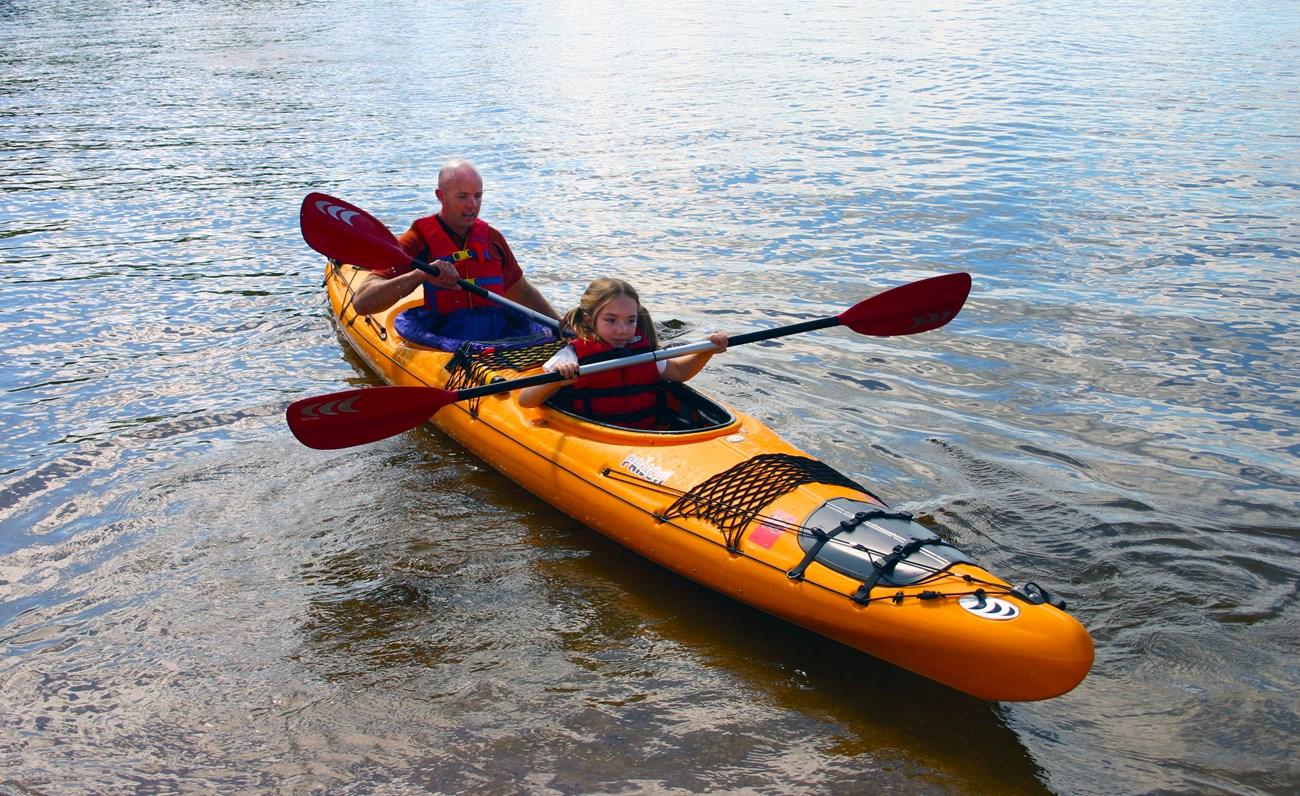 Voyageurs National Park
 in Minnesota offers island-dotted lakes, boreal forests, houseboating, wildlife, fishing and northern wilderness near Canada.
-

-

-

-


Swipe for more destinations
Best attractions in Northwestern Minnesota
Northwestern Minnesota’s attractions are defined by scale and ecological variety. Itasca State Park is the region’s best-known outdoor destination, combining the Mississippi headwaters with extensive forest, lakes, trails and historic park facilities. Around Bemidji, Lake Bemidji State Park, the Paul Bunyan State Forest and the wider network of lakes support boating, paddling, fishing and hiking. Farther north, Big Bog State Recreation Area offers boardwalk access into a rare peatland environment, while Lake of the Woods and the Rainy River provide a major setting for fishing and water-based recreation. The prairie side of the region has a different character: Glacial Ridge and Agassiz national wildlife refuges protect grassland and wetland habitats important to birds and other wildlife. Crookston, Thief River Falls and other valley communities add museums, local history and agricultural heritage, while winter brings snowmobiling, ice fishing and cross-country skiing across the forest and lake country.
-
Shopping mall
Mall of America®
Explore shopping, entertainment, and dining at Mall of America®, a premier destination for tourists in Bloomington, Minnesota.
-
Aquarium
SEA LIFE at Mall of America
Experience the enchanting underwater world at SEA LIFE Minnesota, where adventure and education swim hand in hand in the heart of Mall of America.
-
History museum
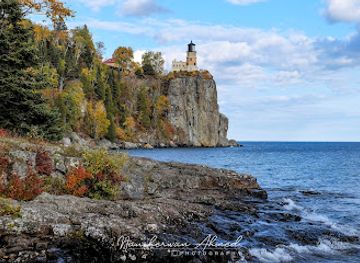
Split Rock Lighthouse
Experience the majestic Split Rock Lighthouse, a historic gem on Minnesota's North Shore, blending stunning views with rich maritime history for an unforgettable visit.
-
Aquarium
SeaQuest Roseville
Explore the enchanting world of marine life and wildlife at SeaQuest Roseville, where adventure and education meet in a vibrant aquatic atmosphere.

Best landmarks in Northwestern Minnesota
-
Art museum
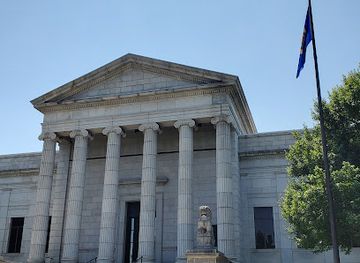
Minneapolis Institute of Art
Explore the Minneapolis Institute of Art, a cultural gem showcasing a vast collection of artworks from ancient to contemporary, perfect for all art lovers.
-
National reserve
Mississippi National River & Recreation Area
Explore Minnesota's stunning Mississippi National River & Recreation Area, where nature, history, and adventure come together in breathtaking landscapes.
-
Live Music
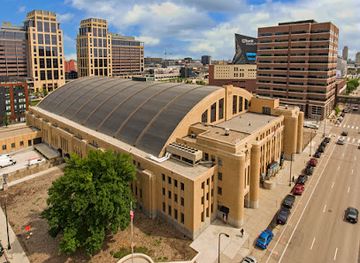
The Armory
Discover The Armory, Minneapolis' premier live music venue and event space, where history meets modern entertainment in a vibrant setting.
-
Park
Minneapolis Sculpture Garden
Discover the Minneapolis Sculpture Garden: where contemporary art meets lush greenery in a serene urban park setting.


Explore Northwestern Minnesota on the map
Plan your trip on one map. See where the top cities, national parks and sights are, and book hotels and experiences in a few clicks.
Best hotels in Northwestern Minnesota
Best restaurants in Northwestern Minnesota
Dining in north-western Minnesota reflects both the region’s rural economy and its extensive freshwater landscape. Family restaurants, cafés, bakeries and traditional American diners are common in the small towns, while Bemidji provides the broadest choice of contemporary cooking, breweries and independent coffee shops. Walleye and other freshwater fish feature prominently in local menus, alongside wild rice, venison, berries and produce from the agricultural valley, although menus vary by season and establishment. In farming communities, grain, dairy and locally raised meat underpin everyday cooking, while lakeside resorts and fishing lodges often focus on practical, hearty meals. Farmers’ markets and seasonal stands can be good places to find baked goods, preserves and regional produce. Visitors should also look for Ojibwe foodways and locally made products through appropriate community, cultural and educational settings, recognising that Indigenous traditions are living cultures rather than themes for casual appropriation.
-
American
Hell's Kitchen Inc.
Discover delicious American cuisine at Hell's Kitchen Inc., where vibrant flavors meet local charm in the heart of Minneapolis.
-
American
Hen House Eatery
Experience delicious American cuisine at Hen House Eatery, where breakfast meets brunch in the heart of Minneapolis.
-
Steak
Manny's Steakhouse
Discover culinary excellence at Manny's Steakhouse in Minneapolis—home to exquisite steaks and an unforgettable dining experience.
-
American
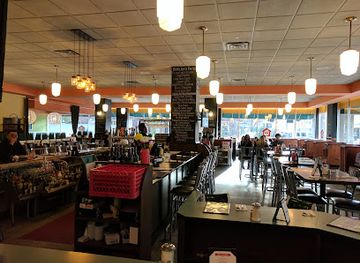
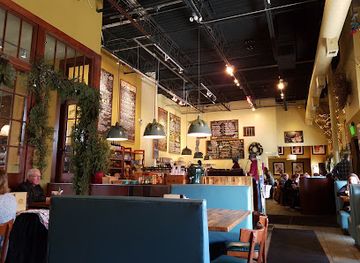
French Meadow Cafe & Bluestem Bar
Discover organic American cuisine at French Meadow Cafe & Bluestem Bar in Minneapolis - where flavor meets sustainability!

Best bars in Northwestern Minnesota
Evening life in north-western Minnesota is led by pubs, grills, breweries, cafés and community venues rather than a large nightclub scene. Bemidji has the region’s broadest concentration of bars, live music, cultural events and late-evening dining, while Crookston and Thief River Falls provide smaller-town options centred on social venues and local events. In lake communities such as Baudette, Warroad and the settlements around Lake of the Woods, evenings often revolve around resort dining, fishing lodges, taverns and seasonal gatherings. Rural nightlife can be widely spaced, and winter travel between venues requires serious attention to road conditions. Breweries and taprooms have added contemporary choices in some larger communities, but visitors should check current arrangements locally rather than assuming late opening hours or a permanent programme of live entertainment.
-
Restaurant
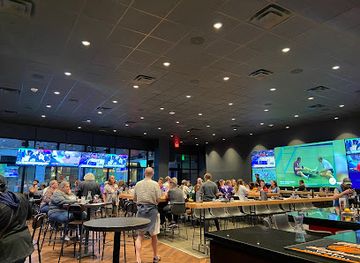
Tom's Watch Bar - Minneapolis
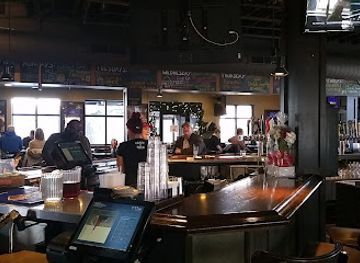
Dive into the vibrant sports culture and culinary delights at Tom's Watch Bar, Minneapolis' premier destination for food and sports lovers.
-
Bar
Up-Down Minneapolis
Experience the joy of gaming and great food at Up-Down Minneapolis, the premier arcade bar featuring classic games and delicious pizza in a lively atmosphere.
-
Pub
Brit's Pub
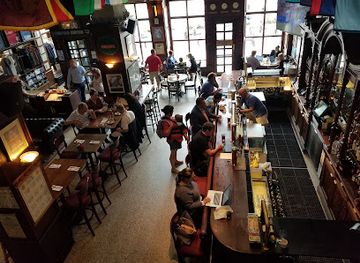
Discover the lively atmosphere of Brit's Pub, a premier British pub in Minneapolis offering delicious food, craft beers, and vibrant events.
-
American
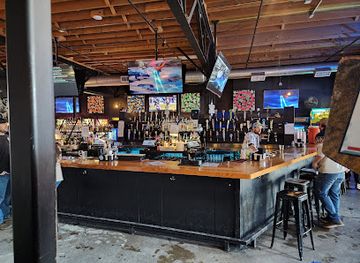
Stanley's Northeast Bar Room
Experience the vibrant American dining scene at Stanley's Northeast Bar Room, a culinary gem in Minneapolis known for its delicious food and craft beers.
Best nightclubs in Northwestern Minnesota
Evening life in north-western Minnesota is led by pubs, grills, breweries, cafés and community venues rather than a large nightclub scene. Bemidji has the region’s broadest concentration of bars, live music, cultural events and late-evening dining, while Crookston and Thief River Falls provide smaller-town options centred on social venues and local events. In lake communities such as Baudette, Warroad and the settlements around Lake of the Woods, evenings often revolve around resort dining, fishing lodges, taverns and seasonal gatherings. Rural nightlife can be widely spaced, and winter travel between venues requires serious attention to road conditions. Breweries and taprooms have added contemporary choices in some larger communities, but visitors should check current arrangements locally rather than assuming late opening hours or a permanent programme of live entertainment.
-
Gay bar
The Saloon
Experience the vibrant nightlife at The Saloon, Minneapolis's premier gay bar and dance club, known for its lively events and welcoming atmosphere.
-
Bar
331 Club
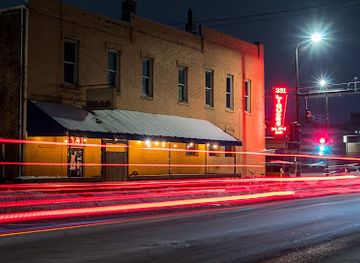
Discover the cozy charm and vibrant live music scene of 331 Club in Northeast Minneapolis, a local favorite for affordable drinks and unforgettable nights.
-
Comedy club
Laugh Camp Comedy Club
Experience the best of St. Paul's nightlife at Laugh Camp Comedy Club, where laughter, drinks, and entertainment come together for an unforgettable evening.
-
Night club
Ground Zero Nightclub
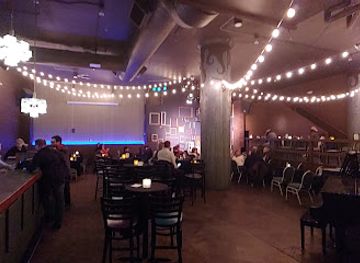
Discover the vibrant nightlife of Minneapolis at Ground Zero Nightclub, where electrifying music and affordable drinks create unforgettable nights.


Best shops in Northwestern Minnesota
Shopping in north-western Minnesota is concentrated in the main streets and commercial areas of Bemidji, Crookston, Thief River Falls, Roseau, Warroad and Baudette rather than in large metropolitan retail districts. Bemidji offers the broadest selection of independent shops, galleries, books, outdoor equipment, clothing and locally made gifts, with regional motifs often drawing on forests, lakes and logging history. Small towns are useful for practical supplies, fishing tackle, winter clothing, baked goods and locally produced food. Farmers’ markets and seasonal stands may offer berries, preserves, honey, vegetables and crafts, while galleries and craft shops provide opportunities to buy work by regional artists. Visitors interested in Indigenous art and products should purchase through reputable, appropriately identified Native-owned or community-connected sources and ask about provenance. Outdoor equipment, locally branded clothing and food products are generally more meaningful souvenirs than generic novelty goods.
-
Shopping mall
The Shoppes at Arbor Lakes
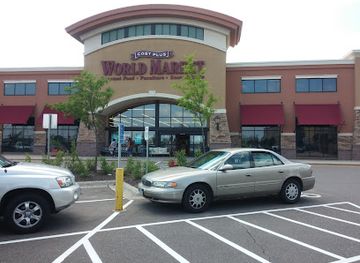
Discover the ultimate shopping experience at The Shoppes at Arbor Lakes, where retail therapy meets delightful dining in Maple Grove, MN.
-
Gift shop
Midtown Global Market
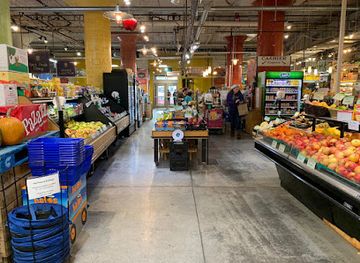
Experience the cultural richness of Midtown Global Market, a unique destination in Minneapolis offering diverse shops, global cuisine, and vibrant community events.
-
Toy store
LARK Toys
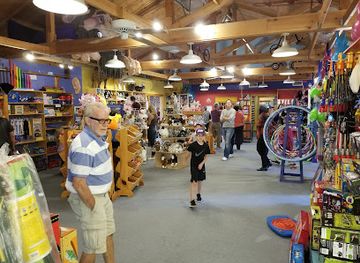
Explore LARK Toys in Kellogg, Minnesota, where imagination meets play! A delightful toy store, café, and mini-golf course await you.
-
Gift shop
General Store of Minnetonka
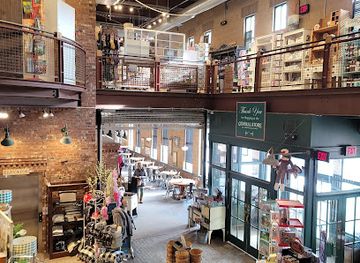
Discover unique gifts, local artistry, and delightful treats at the General Store of Minnetonka, a charming shopping destination in Minnesota.
Get your free copy of our complete guide to Northwestern Minnesota, delivered straight to you.
Everything on this page, from attractions and restaurants to essentials and local phrases, in one PDF you can read offline, print or share.
Already have an account? Sign in
Your Northwestern Minnesota guide is ready.
We'll send it to · Not you? Sign out

Getting your guide ready…
We are putting together a fresh copy of the Northwestern Minnesota guide. This can take up to a minute.
This can take a few moments. If your browser asks, choose Allow so the download can start. You'll find the guide in your Downloads folder.
Nothing happened? Download it again
Sorry, the guide is taking longer than usual. Please try again in a minute, or get it by email instead.
Northwestern Minnesota essentials
Currency and Payment
Safety
Emergency Situations
Do's and Don'ts
Local Tips
From Eve
Local phrases worth knowing
You don't need to get them perfect. A few words go a long way, and locals appreciate the effort.
Basics
| English | Local | Say it |
|---|---|---|
| Hello | Hiya | [Hiyuh] |
| Goodbye | See ya later | [See yah lay-ter] |
| Yes | Yup | [Yup] |
| No | Nope | [Nope] |
| Please/You're welcome | You bet | [Yuh bet] |
| Thank you | Thanks a bunch | [Thanks a bunch] |
| Excuse me/Sorry | Excuse me | [Excuse me] |
| How are you? | How's it going? | [How's it goin'?] |
| Fine. And you? | Good. And you? | [Good. An' you?] |
| Do you speak English? | Do ya speak English? | [Doo yah speak English?] |
| I don't understand | I don’t get it | [I don’t git it] |
Eating & Drinking
| English | Local | Say it |
|---|---|---|
| I'd like to see the menu, please | Can I see the menu? | [Can I see th' menu?] |
| I don't eat meat | I’m a vegetarian | [I’m a vege-tarian] |
| Cheers! | Cheers! | [Cheers!] |
| I would like to pay, please | I’d like to settle up | [I’d like t' settle up] |
Emergencies
| English | Local | Say it |
|---|---|---|
| Help! | Help! | [Help!] |
| Go away! | Leave me alone! | [Leave me alone!] |
| Call the Police! | Call the cops! | [Call th' cops!] |
| Call a doctor! | Get a doctor! | [Get a doc-tor!] |
| I'm lost | I’m lost | [I’m lost] |
| I'm ill | I’m sick | [I’m sick] |
Shopping
| English | Local | Say it |
|---|---|---|
| I'd like to buy... | I wanna buy... | [I wanna buy...] |
| I'm just looking | Just browsing | [Just browsin'] |
| How much is it? | What’s the price? | [What’s th' price?] |
| That’s too expensive | That’s kinda pricey | [That’s kinda pricy] |
| Can you lower the price? | Can ya knock down the price? | [Can ya knock down th' price?] |
Time & Numbers
| English | Local | Say it |
|---|---|---|
| What time is it? | What time ya got? | [What time ya got?] |
| It's one o'clock | It’s one o’clock | [It’s one o'clock] |
| Half past (10) | Half past ten | [Half past ten] |
| Morning | Mornin' | [Mornin'] |
| Afternoon | Afternoon | [Afternoon] |
| Evening | Evenin' | [Evenin'] |
| Yesterday | Yesterday | [Yesterday] |
| Today | Today | [Today] |
| Tomorrow | Tomorrow | [Tomorrow] |
| 1 | One | [One] |
| 2 | Two | [Two] |
| 3 | Three | [Three] |
| 4 | Four | [Four] |
| 5 | Five | [Five] |
| 6 | Six | [Six] |
| 7 | Seven | [Seven] |
| 8 | Eight | [Eight] |
| 9 | Nine | [Nine] |
| 10 | Ten | [Ten] |
Transport & Directions
| English | Local | Say it |
|---|---|---|
| Where's a/the...? | Where’s the...? | [Where’s th'...?] |
| What's the address? | What’s the address? | [What’s th' address?] |
| Can you show me (on the map)? | Can ya show me on the map? | [Can ya show me on th' map?] |
| When's the next (bus)? | When’s the next bus? | [When’s th' next bus?] |
| A ticket (to ....) | A ticket to... | [A ticket t'...] |
History of Northwestern Minnesota
Ancient Landscapes and Indigenous Homelands
Northwestern Minnesota has been shaped by glacial lakes, retreating ice sheets and long-established Indigenous use of rivers, forests, wetlands and lakes. Dakota peoples have historic connections to the region, while Ojibwe communities expanded westwards over several centuries and remain central to its cultural and political life. The Red Lake Nation and White Earth Nation are among the Indigenous communities associated with the broader north-western region. Archaeological evidence and continuing traditions reflect fishing, hunting, gathering, cultivation and extensive knowledge of seasonal landscapes rather than a history beginning with European settlement.
The Red River Valley and Métis Trade
The Red River Valley became an important corridor for Indigenous, Métis and European trade. Red River carts carried furs, provisions and agricultural goods along rough overland routes linking settlements in present-day Minnesota, Manitoba and North Dakota. The valley’s broad prairie was also a meeting ground for different communities and trading networks. Although the principal Red River settlements developed across the modern international and state boundaries, north-western Minnesota formed part of this larger commercial landscape, whose routes later influenced the location of roads, towns and railway connections.
Treaties, Reservation Communities and American Expansion
During the nineteenth century, United States expansion brought treaty-making, land cessions, mission activity and increasing pressure on Indigenous communities. Treaties profoundly altered access to hunting grounds, water and agricultural land, while reservation communities preserved political identity and cultural continuity under difficult conditions. The Red Lake Nation and White Earth Nation remain important living institutions, not simply historical subjects. Visitors should understand that regional history includes both the development of non-Indigenous towns and the continuing sovereignty, resilience and contemporary presence of Ojibwe communities.
Logging, Railways and the Rise of Towns
In the late nineteenth and early twentieth centuries, railways and commercial logging transformed the forest belt around Bemidji and the northern lakes. Timber supplied rapidly growing cities and industries, while railway lines connected remote settlements to regional markets. Bemidji developed as a major service centre, and towns such as Thief River Falls, Roseau, Warroad and Baudette grew through combinations of transport, timber, trade and agriculture. The period also brought environmental change, including forest clearance, altered waterways and the eventual decline of many large logging operations.
Agriculture in the Lake Agassiz Plain
The Red River Valley’s exceptionally flat, fertile soils encouraged large-scale grain farming after drainage, surveying and railway development made intensive cultivation more practical. Wheat, sugar beet and other crops became central to the regional economy, with elevators and grain-handling facilities shaping the skylines of many small communities. Flooding has remained a recurring challenge, particularly along the Red River, and has influenced settlement patterns, flood-control works and cross-border cooperation. The contrast between intensively farmed valley land and forested lake country is one of north-western Minnesota’s defining modern landscapes.
Conservation and the Modern Outdoor Economy
Twentieth-century conservation efforts protected major examples of the region’s forests, lakes, wetlands and prairie. Itasca State Park, established in 1891, became a cornerstone of Minnesota’s park system, while national wildlife refuges and state recreation areas preserved habitats threatened by drainage, farming and logging. Outdoor recreation now forms an important part of the regional economy, from fishing and hunting to paddling, birdwatching, hiking, snowmobiling and cross-country skiing. This modern identity does not replace older industries; agriculture, forestry and resource-based communities remain fundamental to regional life.
Northwestern Minnesota in Photos
Browse through our photo collection highlighting the charm and character of the destination.
Neighbouring regions of Northwestern Minnesota
The closest regions to Northwestern Minnesota, if you have time for more than one.
-

-

-

-

-


Swipe for more regions
Explore more

Explore more of Minnesota
Discover Minnesota: From the bustling Twin Cities and cultural landmarks to the serene lakes and expansive wilderness, experience the diverse beauty and welcoming spirit of the North Star State.
Explore Minnesota