

Free Iron Range Travel Guide & Mobile App
Explore Iron Range with free travel guides. Discover regional history, expert tips, proposed trips, and audio guides on web or mobile app.


Explore Minnesota’s Iron Range for vast mine views, mining heritage, hockey history, forest lakes and year-round outdoor recreation.
Read more about Iron Range
When is the best time to visit Iron Range?
Best: May–June, August · 20–26°C| Month | High (°C) | Rainfall (mm) |
|---|---|---|
| January | -8 | 20 |
| February | -5 | 20 |
| March | 3 | 25 |
| April | 13 | 35 |
| May (best) | 20 | 60 |
| June (best) | 24 | 80 |
| July | 27 | 90 |
| August (best) | 26 | 85 |
| September | 20 | 70 |
| October | 12 | 60 |
| November | 4 | 40 |
| December | -4 | 30 |
Getting to and around Iron Range
How to get there
Transportation
Top city travel guides in Iron Range
The cities of Iron Range, and the easiest places to base yourself.
-

-
-


Swipe for more cities
Destinations in Iron Range
Resorts, valleys and scenic spots worth a trip of their own.
-

-

-
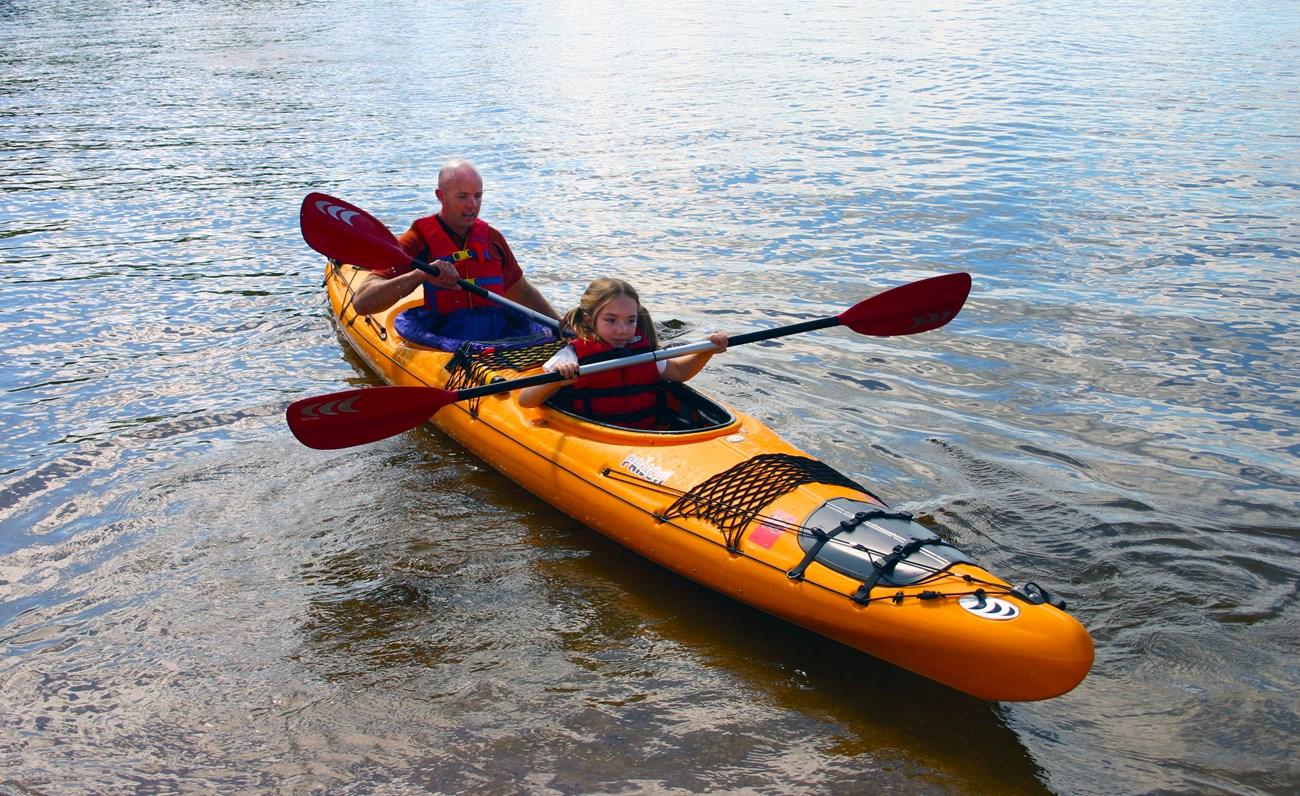 Voyageurs National Park
 in Minnesota offers island-dotted lakes, boreal forests, houseboating, wildlife, fishing and northern wilderness near Canada.
-

-

-


Swipe for more destinations
Best attractions in Iron Range
Iron Range attractions revolve around the relationship between mineral extraction, community life and northern landscapes. In Hibbing, the Hull-Rust-Mahoning Mine offers a powerful view into one of the world’s largest open-pit iron mines, while the Greyhound Bus Museum explores the history of the company founded in the city. Chisholm’s Minnesota Discovery Center combines exhibitions, historic interpretation and views across the Mesabi Range. Eveleth adds the U.S. Hockey Hall of Fame, reflecting the sport’s deep local importance. Near Tower and Soudan, Soudan Underground Mine State Park provides an underground experience unlike the open pits farther west, alongside forest and lake recreation. The Cuyuna Country State Recreation Area, around Crosby and Ironton, has repurposed former mine terrain for mountain biking, hiking, paddling and fishing. Across the region, state forests, lakes, campgrounds and snowmobile routes extend the attractions beyond formal museums, with summer boating and fishing giving way to cross-country skiing, snowshoeing and winter trail use.
-
State park
Itasca State Park
Experience the breathtaking natural landscapes and rich outdoor activities at Itasca State Park, home to the headwaters of the Mississippi River.
-
Museum
Glensheen Mansion
Discover the elegance of Glensheen Mansion, a historic estate on Lake Superior blending rich history with stunning architectural beauty.
-
State park
Jay Cooke State Park
Experience the breathtaking landscapes and outdoor adventures at Jay Cooke State Park, a must-visit destination for nature lovers in Minnesota.
-
State park
Fort Snelling State Park
Explore Fort Snelling State Park: A Scenic State Park in Minnesota with Hiking Trails and Rich History at the Confluence of Two Rivers.
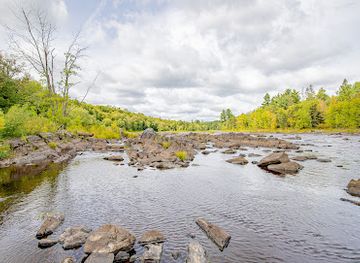
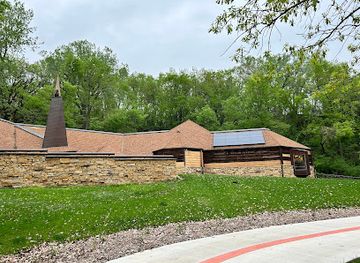
Best landmarks in Iron Range
The Iron Range’s most recognisable landmarks are industrial, civic and natural forms rather than grand metropolitan architecture. The Hull-Rust-Mahoning Mine near Hibbing is the region’s defining open-pit landmark, with immense stepped excavations that reveal how mining reshaped the Mesabi landscape. The Soudan Underground Mine represents the opposite experience: an historic shaft and subterranean workings beneath the Vermilion Range. In Chisholm, the Minnesota Discovery Center stands as a major centre for interpreting the region’s mining and immigrant history, while Eveleth’s U.S. Hockey Hall of Fame reflects a powerful sporting tradition. The towns themselves contain surviving streetscapes, churches, civic buildings and mine-era housing that express successive waves of settlement. Around Tower, Lake Vermilion is a major natural landmark of forested shorelines and island-dotted water. South of the Mesabi, the red-rock pits and flooded workings of the Cuyuna area form a distinctive post-industrial landscape, now recognised through the Cuyuna Country State Recreation Area’s trails and viewpoints.
-
State park
Hill Annex Mine State Park
Discover the unique blend of history and nature at Hill Annex Mine State Park, a captivating destination in Minnesota featuring remnants of an iron mine and scenic trails.

Explore Iron Range on the map
Plan your trip on one map. See where the top cities, national parks and sights are, and book hotels and experiences in a few clicks.
Best hotels in Iron Range
Best restaurants in Iron Range
Dining on the Iron Range reflects working-town practicality, immigrant heritage and access to northern Minnesota produce. Independent cafés, bakeries, family restaurants, supper clubs and traditional pubs are more characteristic than a concentrated fine-dining district. Finnish and other northern European influences remain visible in regional baking and home-style cooking, while Italian, Croatian, Slovenian and Scandinavian migration broadened local food traditions. Expect hearty breakfasts, burgers, soups, freshwater fish where available, meat-and-potato dishes and baked goods, alongside contemporary American menus in larger communities. Around Lake Vermilion and the Cuyuna area, seasonal restaurants and lakeside establishments serve visitors engaged in boating, fishing and trail recreation. Farmers’ markets and food shops can be useful for picnic supplies, with availability changing during the growing season. Dining hours may be limited in smaller towns, so plan ahead when travelling between communities, especially outside summer.
-
Brewery
BoomTown Brewery & Woodfire Grill | Hibbing, MN
Discover Hibbing's culinary gem where craft beer meets wood-fired cuisine at BoomTown Brewery & Woodfire Grill.
-
American
Forest Lake Restaurant
Experience delightful American cuisine at Forest Lake Restaurant with stunning lakeside views in Grand Rapids, Minnesota.
-
Breakfast
Village Inn
Experience the charm of Village Inn in Virginia, MN – your go-to diner for delicious breakfasts and homemade pies.
-
Grill
BoomTown Woodfire Bar & Grill | Eveleth, MN
Experience the rich flavors of wood-fired cuisine at BoomTown Woodfire Bar & Grill in Eveleth, MN – where every meal is crafted with passion.


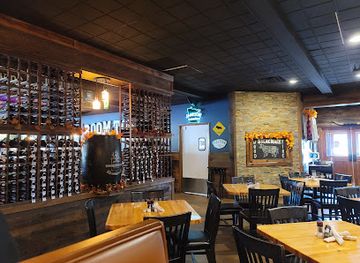
Best bars in Iron Range
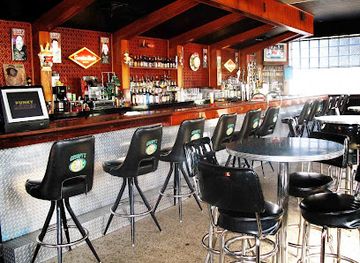
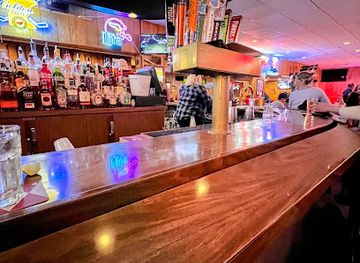
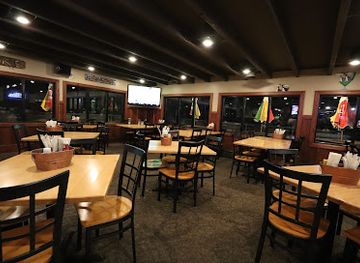
Evening life on the Iron Range is centred on traditional pubs, taverns, restaurants, breweries and community venues rather than a large nightclub scene. Hibbing, Virginia, Chisholm and Eveleth provide the broadest choice of casual bars, live music and social venues, while smaller settlements tend to close earlier and offer a more local, informal atmosphere. Historic mining-town drinking establishments and supper clubs reflect the region’s working-community traditions, but visitors can also find contemporary craft beer and cocktail-oriented options in some larger towns. Around Cuyuna, trail users and lake visitors often gather at restaurants and breweries after outdoor activities. Events, live performances and seasonal festivals can expand the evening programme, but schedules change, so local listings are more reliable than assuming regular nightlife. Alcohol is not essential to experiencing the region; museums, scenic drives, community performances and quiet lakeside evenings are equally characteristic.
-
Grill
Tavern 23
Discover Tavern 23 in Edina, Minnesota: A premier grill and steakhouse offering exceptional cuisine and a warm atmosphere for food enthusiasts.
-
Bar
Grumpy's Bar
Experience the lively nightlife of Grumpy's Bar in Northeast Minneapolis with affordable drinks and a welcoming atmosphere for all.
-
Grill
Schuller's Tavern
Discover the flavors of Minnesota at Schuller's Tavern – where delicious grill dishes meet a warm, inviting atmosphere in Golden Valley.
-
Grill
The Pickled Loon Saloon
Discover the flavors of Minnesota at The Pickled Loon Saloon, where delicious grilled dishes and a warm atmosphere await every traveler.
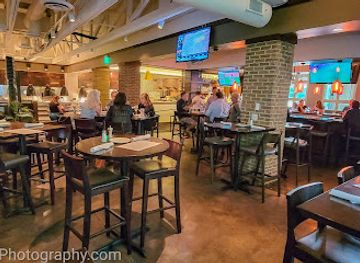
Best nightclubs in Iron Range
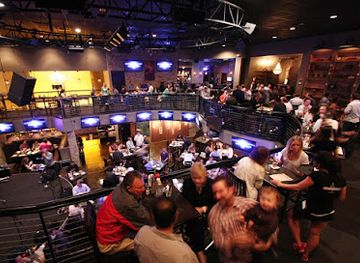
Evening life on the Iron Range is centred on traditional pubs, taverns, restaurants, breweries and community venues rather than a large nightclub scene. Hibbing, Virginia, Chisholm and Eveleth provide the broadest choice of casual bars, live music and social venues, while smaller settlements tend to close earlier and offer a more local, informal atmosphere. Historic mining-town drinking establishments and supper clubs reflect the region’s working-community traditions, but visitors can also find contemporary craft beer and cocktail-oriented options in some larger towns. Around Cuyuna, trail users and lake visitors often gather at restaurants and breweries after outdoor activities. Events, live performances and seasonal festivals can expand the evening programme, but schedules change, so local listings are more reliable than assuming regular nightlife. Alcohol is not essential to experiencing the region; museums, scenic drives, community performances and quiet lakeside evenings are equally characteristic.
-
Night club
The Pourhouse
The Pourhouse in Minneapolis combines live music, delicious American fare, and a vibrant nightlife atmosphere for an unforgettable experience.
-
Gay bar
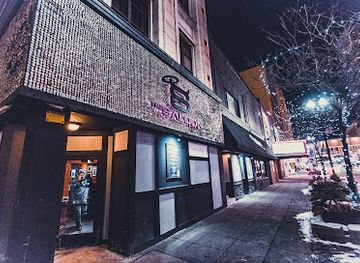
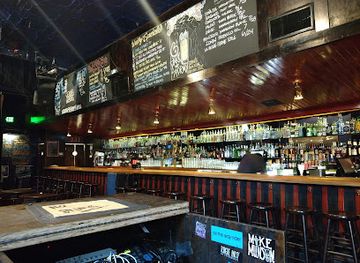
The Saloon
Experience the vibrant nightlife of Minneapolis at The Saloon, a lively gay bar and club offering great music, dancing, and inclusive fun.
-
Bar
331 Club
Experience the lively nightlife of 331 Club in Northeast Minneapolis, where affordable drinks and vibrant entertainment await.
-
Night club
Ground Zero Nightclub
Discover the vibrant nightlife of Minneapolis at Ground Zero Nightclub, where music, dance, and unforgettable moments come together.

Best shops in Iron Range
Shopping on the Iron Range is town-centred and practical, with independent shops, cafés, antique stores, outdoor outfitters, bookstores, galleries and craft retailers scattered through communities such as Hibbing, Virginia, Chisholm, Eveleth and the Cuyuna area. There is no single large luxury-shopping district; the appeal lies in local character and useful regional products. Look for Iron Range and Minnesota-themed clothing, hockey memorabilia, mining-history books, handmade art, pottery, woodwork and outdoor equipment. Farmers’ markets and seasonal roadside sellers offer locally produced food and garden goods when in season, while bakeries provide an accessible way to sample northern European-influenced treats. Cuyuna’s shops often cater to cyclists, paddlers and other outdoor visitors, whereas Mesabi communities offer a broader everyday retail mix. Availability varies by town and season, so smaller shops may have limited hours outside summer and major holiday periods.
-
Outlet mall
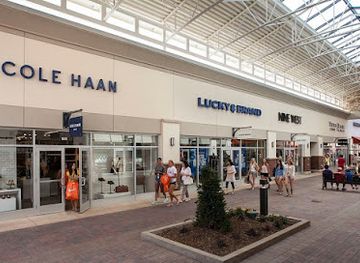
Twin Cities Premium Outlets
Experience unbeatable savings and a delightful shopping atmosphere at Twin Cities Premium Outlets, Minnesota's premier outlet mall.
-
Shopping mall
Ridgedale Center
Discover the ultimate shopping experience at Ridgedale Center, featuring top brands, delicious dining, and exciting entertainment all in one location.
-
Shopping mall
The Shoppes at Arbor Lakes
Explore the Shoppes at Arbor Lakes, a premier shopping mall in Maple Grove, Minnesota, offering diverse shops, dining, and vibrant outdoor experiences.
-
Outlet mall
Albertville Premium Outlets
Discover unbeatable deals at Albertville Premium Outlets, Minnesota's ultimate shopping destination featuring over 100 brand-name stores.
Get your free copy of our complete guide to Iron Range, delivered straight to you.
Everything on this page, from attractions and restaurants to essentials and local phrases, in one PDF you can read offline, print or share.
Already have an account? Sign in
Your Iron Range guide is ready.
We'll send it to · Not you? Sign out

Getting your guide ready…
We are putting together a fresh copy of the Iron Range guide. This can take up to a minute.
This can take a few moments. If your browser asks, choose Allow so the download can start. You'll find the guide in your Downloads folder.
Nothing happened? Download it again
Sorry, the guide is taking longer than usual. Please try again in a minute, or get it by email instead.
Iron Range essentials
Currency and Payment
Safety
Emergency Situations
Do's and Don'ts
Local Tips
From Eve
Local phrases worth knowing
You don't need to get them perfect. A few words go a long way, and locals appreciate the effort.
Basics
| English | Local | Say it |
|---|---|---|
| Hello | Hey there | [Hay thair] |
| Goodbye | See ya later | [See ya lay-ter] |
| Yes | Yup | [Yup] |
| No | Nah | [Nah] |
| Please/You're welcome | Please/No problem | [Pleez/No prob-lum] |
| Thank you | Thanks a lot | [Thangs a lot] |
| Excuse me/Sorry | Pardon me/Sorry | [Par-don me/Sor-ree] |
| How are you? | How ya doin'? | [How ya doin'?] |
| Fine. And you? | Good. And you? | [Good. And you?] |
| Do you speak English? | You speakin' English? | [You speakin' Ing-lish?] |
| I don't understand | I ain't gettin' it | [I ain't gettin' it] |
Eating & Drinking
| English | Local | Say it |
|---|---|---|
| I'd like to see the menu, please | Can I see the menu, please? | [Can I see the men-yoo, pleez?] |
| I don't eat meat | I ain't eatin' meat | [I ain't eatin' meet] |
| Cheers! | Cheers! | [Cheers!] |
| I would like to pay, please | Can I pay, please? | [Can I pay, pleez?] |
Emergencies
| English | Local | Say it |
|---|---|---|
| Help! | Help! | [Help!] |
| Go away! | Get lost! | [Get lost!] |
| Call the Police! | Call the cops! | [Call the cops!] |
| Call a doctor! | Get a doctor! | [Get a doc-tor!] |
| I'm lost | I’m turned around | [I’m turned a-round] |
| I'm ill | I ain't feelin' good | [I ain't feelin' good] |
Shopping
| English | Local | Say it |
|---|---|---|
| I'd like to buy... | I wanna buy... | [I wanna buy...] |
| I'm just looking | Just lookin' | [Just lookin'] |
| How much is it? | What’s it cost? | [What’s it cost?] |
| That's too expensive | That’s way too pricey | [That’s way too pry-see] |
| Can you lower the price? | Can ya drop the price? | [Can ya drop the pryce?] |
Time & Numbers
| English | Local | Say it |
|---|---|---|
| What time is it? | What time ya got? | [What time ya got?] |
| It's one o'clock | It’s one o’clock | [It’s one o’clock] |
| Half past (10) | Half past ten | [Half past ten] |
| Morning | Mornin' | [Mornin'] |
| Afternoon | Afternoon | [Af-ter-noon] |
| Evening | Evenin' | [Evenin'] |
| Yesterday | Yesterday | [Yes-ter-day] |
| Today | Today | [To-day] |
| Tomorrow | Tomorrow | [To-mor-row] |
| 1 | One | [One] |
| 2 | Two | [Two] |
| 3 | Three | [Three] |
| 4 | Four | [Four] |
| 5 | Five | [Five] |
| 6 | Six | [Six] |
| 7 | Seven | [Seven] |
| 8 | Eight | [Eight] |
| 9 | Nine | [Nine] |
| 10 | Ten | [Ten] |
Transport & Directions
| English | Local | Say it |
|---|---|---|
| Where's a/the...? | Where's the...? | [Where's the...?] |
| What's the address? | What’s the address? | [What’s the ad-dress?] |
| Can you show me (on the map)? | Can ya show me (on the map)? | [Can ya show me (on the map)?] |
| When's the next (bus)? | When's the next bus? | [When's the next bus?] |
| A ticket (to ....) | A ticket (to....) | [A tick-et (to....)] |
History of Iron Range
Ojibwe Homelands and Early Trade
Long before industrial mining, the lakes and forests of northeastern Minnesota formed part of the homeland and travelling environment of the Ojibwe. Waterways connected communities and supported fishing, hunting, gathering and trade, while birchbark canoe travel shaped movement through the region. European and American traders later entered these networks, but Ojibwe sovereignty and cultural presence remain important to understanding northern Minnesota. Treaties and subsequent United States policies profoundly altered access to land and resources, creating the political background to later settlement and mineral development.
Logging and Early Settlement
Before iron mining transformed the region, commercial logging expanded through northern Minnesota. Timber cutting, rail construction and lumber camps brought new settlements and transport links into the forest, while rivers and lakes supported movement of materials. Many later mining communities inherited this infrastructure and population base. Logging also changed the landscape substantially, although large areas of forest regenerated and remain central to recreation, wildlife habitat and the regional economy.
The Iron-Mining Boom, Late Nineteenth Century
Iron ore discoveries on the Vermilion and Mesabi ranges in the late nineteenth century triggered rapid industrial growth. Railways connected inland deposits with Lake Superior shipping ports, while companies established mines, processing facilities and planned communities around them. Places such as Tower, Soudan, Hibbing, Virginia, Chisholm and Eveleth expanded through this boom. The ore fed the growing American steel industry and made northeastern Minnesota strategically important to national industrialisation.
Immigration, Company Towns and Labour
Mining attracted workers from Finland, Italy, Croatia, Slovenia, Scandinavia and many other parts of Europe, as well as migrants from elsewhere in North America. Their languages, churches, clubs, foodways and mutual-aid organisations shaped Iron Range society. Mining companies influenced housing, services and local economies, while dangerous work and unequal bargaining power contributed to labour organisation and strikes. The region’s museums and historic neighbourhoods preserve traces of this complex relationship between corporate power, immigrant community life and industrial labour.
Open-Pit Expansion and the Mesabi Landscape
The soft, iron-bearing formations of the Mesabi Range allowed mines to expand dramatically through large-scale open-pit extraction. Towns sometimes moved or were substantially altered as pits spread, most notably in the Hibbing area, where parts of the community were relocated during twentieth-century mine development. The resulting excavated landscapes became a defining visual feature of the region. Some former pits later filled with water, creating new recreation areas while retaining evidence of the industrial processes that created them.
Taconite and Industrial Adaptation
As high-grade ore declined, the Iron Range increasingly turned to taconite, a lower-grade iron-bearing rock that could be processed into concentrated pellets. Research and industrial investment made large-scale taconite production possible, helping preserve mining employment and the region’s role in American steel supply. Plants and mines around the Mesabi Range continue to operate, although the industry is more mechanised and employment is smaller than during the peak years. Taconite remains central to the region’s modern identity.
A Heritage and Recreation Economy
Late twentieth- and early twenty-first-century Iron Range communities expanded efforts to interpret mining history and diversify local economies. Museums, mine tours, hockey heritage, lake tourism and trail-based recreation now sit alongside active industry. The Cuyuna area’s flooded mine pits and purpose-built cycling trails illustrate how former industrial land can acquire a new recreational role, while sites such as the Minnesota Discovery Center and Soudan Underground Mine preserve the human and technical history of extraction.
Iron Range in Photos
Browse through our photo collection highlighting the charm and character of the destination.
Neighbouring regions of Iron Range
The closest regions to Iron Range, if you have time for more than one.
-

-

-
-
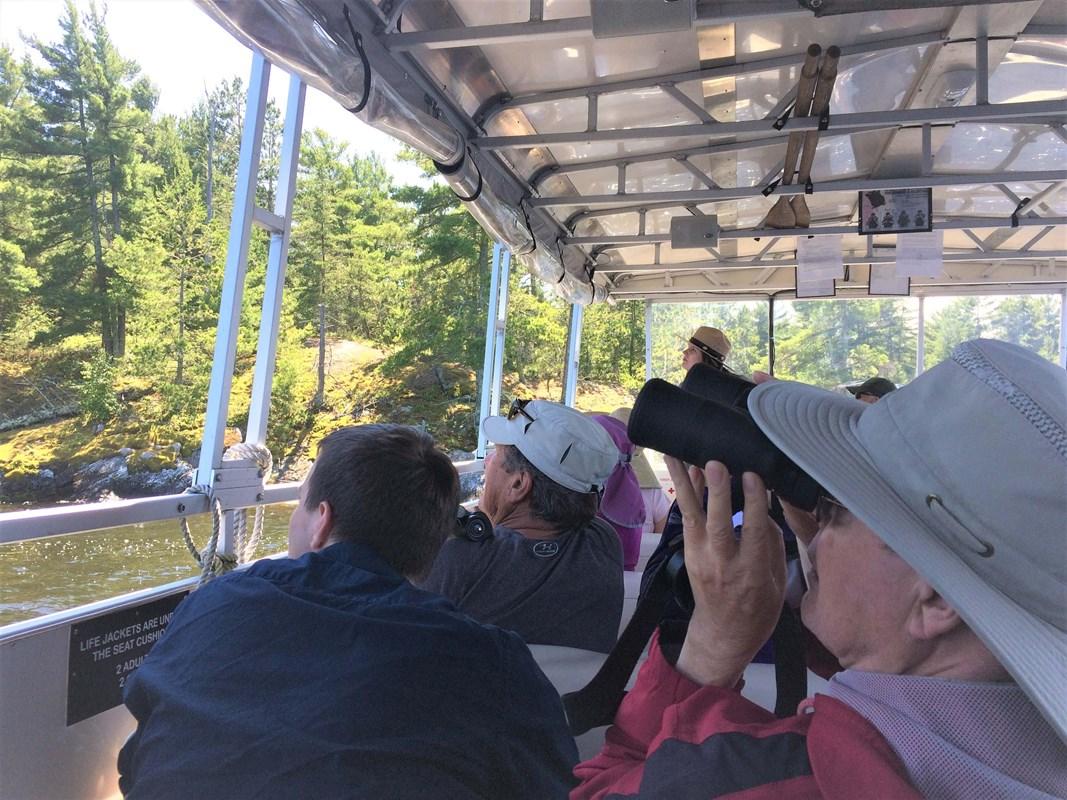 Voyageurs National Park
 in Minnesota offers island-studded lakes, boreal wildlife, historic waterways, boating and dark northern skies.
-


Swipe for more regions
Explore more

Explore more of Minnesota
Discover Minnesota: From the bustling Twin Cities and cultural landmarks to the serene lakes and expansive wilderness, experience the diverse beauty and welcoming spirit of the North Star State.
Explore Minnesota