

Free Southeastern Minnesota Travel Guide & Mobile App
Explore Southeastern Minnesota with free travel guides. Discover regional history, expert tips, proposed trips, and audio guides on web or mobile app.


Explore Southeastern Minnesota for Mississippi River towns, limestone bluffs, scenic trails, state parks, Rochester culture and farm-to-table flavours.
Read more about Southeastern Minnesota
When is the best time to visit Southeastern Minnesota?
Best: June, August–September · 22–26°C| Month | High (°C) | Rainfall (mm) |
|---|---|---|
| January | -5 | 25 |
| February | -2 | 20 |
| March | 5 | 35 |
| April | 14 | 50 |
| May | 20 | 70 |
| June (best) | 25 | 90 |
| July | 27 | 95 |
| August (best) | 26 | 90 |
| September (best) | 22 | 80 |
| October | 14 | 60 |
| November | 6 | 40 |
| December | -2 | 25 |
Getting to and around Southeastern Minnesota
How to get there
Transportation
Best attractions in Southeastern Minnesota
Southeastern Minnesota’s attractions are organised around landscapes as much as buildings. Mississippi River communities provide riverfront parks, museums, historic commercial streets and opportunities for boating, birdwatching and scenic drives. The National Eagle Center in Wabasha interprets bald eagles and the river ecosystem, while Red Wing, Winona and Lake City offer different perspectives on shipping, manufacturing, arts and local history. Inland, the Root River Trail links or approaches several communities known for cycling, canoeing, fishing and access to the bluff country. Lanesboro and Preston are useful bases for exploring this corridor, although trail conditions and water levels vary seasonally. State parks broaden the region’s appeal: Frontenac overlooks Lake Pepin, Great River Bluffs provides extensive river-valley views, Whitewater protects wooded valleys and streams, and Nerstrand Big Woods preserves mature forest and Hidden Falls. Mystery Cave, within Forestville/Mystery Cave State Park, offers a geological counterpoint to the open river landscape. Rochester contributes museums, public art, gardens and cultural venues, while surrounding rural districts offer farm visits and quieter walking. The result is a destination where outdoor recreation, interpretation, architecture and working landscapes are closely connected rather than concentrated in one resort area.
-
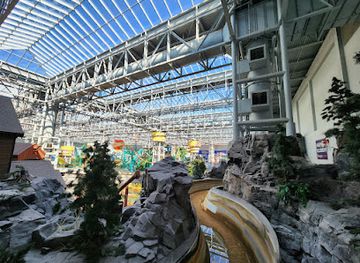
Shopping mall
Mall of America®
Discover the ultimate shopping and entertainment destination at Mall of America® with attractions, dining, and endless shopping options for all ages.
-
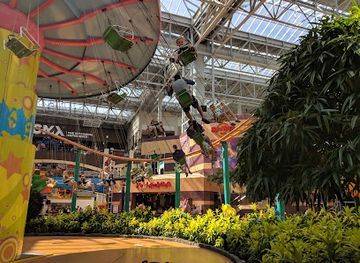
Theme park
Nickelodeon Universe
Experience the thrill of Nickelodeon Universe, an indoor theme park offering rides, attractions, and character encounters at the Mall of America.
-
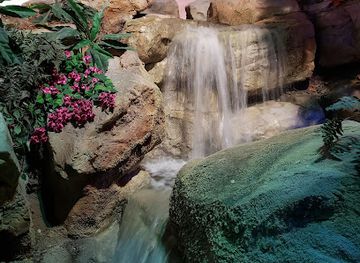
Aquarium
SEA LIFE at Mall of America
Discover the magic of the ocean at SEA LIFE at Mall of America, an aquarium adventure filled with interactive exhibits and breathtaking marine life.
-
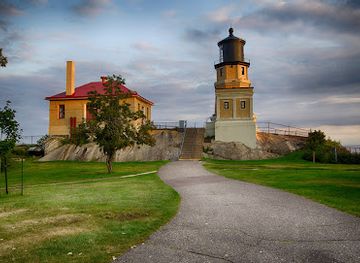
History museum
Split Rock Lighthouse
Explore the breathtaking Split Rock Lighthouse, a historic icon on Lake Superior's shores, rich in maritime history and stunning natural beauty.
Explore Southeastern Minnesota on the map
Plan your trip on one map. See where the top cities, national parks and sights are, and book hotels and experiences in a few clicks.
Best hotels in Southeastern Minnesota
Best restaurants in Southeastern Minnesota
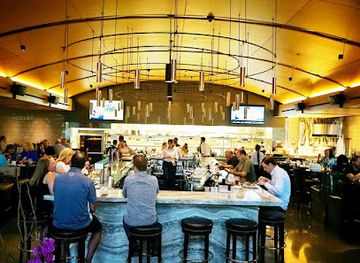
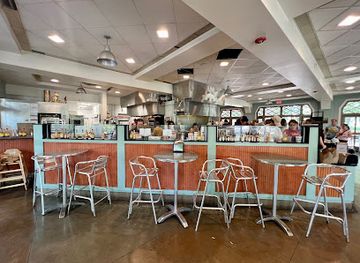
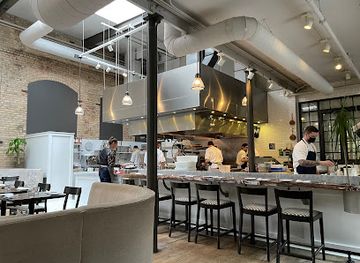
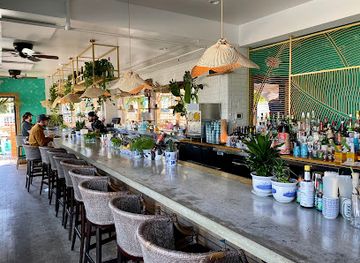
Dining in southeastern Minnesota reflects river geography, productive farmland and the varied histories of its communities. Rochester has the broadest choice, including international cooking, cafés, bakeries, breweries and restaurants serving visitors connected with the Mayo Clinic. Red Wing, Winona, Wabasha and the Root River towns combine independent restaurants with traditional American cafés, pubs and places suited to cyclists and weekend visitors. Regional menus may feature locally raised meat, dairy products, seasonal vegetables, apples, berries, freshwater fish and baked goods, while Scandinavian influences remain visible in some pastries and community food traditions. Farmers’ markets and farm shops are useful for discovering cheese, preserves, honey, bread and seasonal produce, although availability changes through the year. Rural inns and small-town restaurants often provide a more relaxed setting than the larger city dining scene. Minnesota’s broader craft-beer culture is well represented, and locally made cider, spirits and non-alcoholic drinks appear in some communities. Tipping is customary in table-service restaurants, and visitors should check whether a rural kitchen operates limited days or seasonal hours before making a long drive.
-
New American
Hazelwood Food and Drink
Discover the vibrant culinary experience at Hazelwood Food and Drink in Bloomington – where New American cuisine meets warm hospitality.
-
Seafood
Sea Salt
Experience the freshest seafood delights at Sea Salt in Minneapolis – where coastal flavors meet local charm.
-
New American
Spoon and Stable
Discover Spoon and Stable: A top-tier New American restaurant in Minneapolis offering seasonal menus crafted from local ingredients.
-
South East Asian
Hai Hai
Experience the vibrant tastes of Vietnam at Hai Hai - where every dish tells a story and every sip delights your senses.
Best bars in Southeastern Minnesota
Evening life varies considerably across the region. Rochester has the largest concentration of bars, breweries, cocktail-focused venues, live music and late dining, supported by its substantial resident, student and visitor population. Winona adds a collegiate and arts-oriented atmosphere, with performances and informal gathering places alongside traditional pubs. Red Wing, Wabasha, Lake City and the Root River towns are generally quieter, with nightlife centred on historic taverns, brewpubs, restaurants, occasional live music and seasonal events rather than a large nightclub scene. Riverfront and outdoor-oriented venues can be busier in warm weather, while winter evenings tend to favour indoor dining, local performances and community events. Brewery and taproom visits are available in several larger communities, but opening arrangements and entertainment schedules change, so check locally. In rural areas, distances between towns make a designated driver or planned transport particularly important, and enjoying the region’s evening culture does not require drinking alcohol.
-
Restaurant
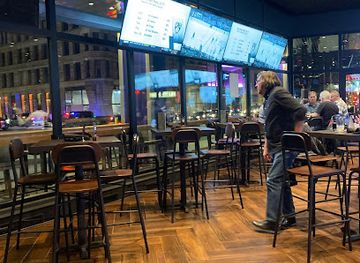
Tom's Watch Bar - Minneapolis
Experience the thrill of live sports at Tom's Watch Bar in Minneapolis, where great food and vibrant atmosphere unite.
-
Bar
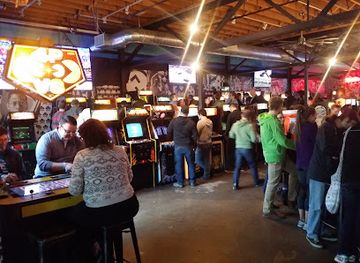
Up-Down Minneapolis
Experience the perfect blend of nostalgia and delicious dining at Up-Down Minneapolis, where arcade games meet mouth-watering pizza.
-
Pub
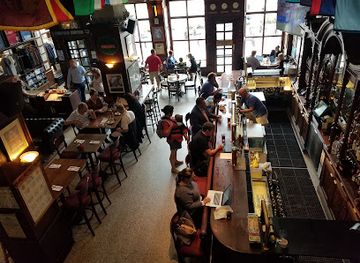
Brit's Pub
Discover Brit's Pub, a lively British pub in Minneapolis offering delicious food, craft beers, and a vibrant atmosphere for sports and socializing.
-
Pub
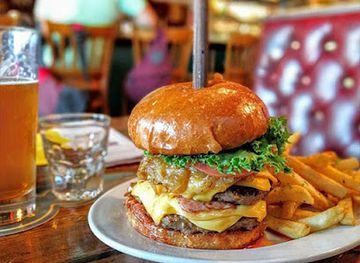
Merlins Rest Pub
Discover the essence of British and Irish culinary traditions at Merlins Rest Pub, a lively spot in Minneapolis with delicious food and live music.
Best nightclubs in Southeastern Minnesota
Evening life varies considerably across the region. Rochester has the largest concentration of bars, breweries, cocktail-focused venues, live music and late dining, supported by its substantial resident, student and visitor population. Winona adds a collegiate and arts-oriented atmosphere, with performances and informal gathering places alongside traditional pubs. Red Wing, Wabasha, Lake City and the Root River towns are generally quieter, with nightlife centred on historic taverns, brewpubs, restaurants, occasional live music and seasonal events rather than a large nightclub scene. Riverfront and outdoor-oriented venues can be busier in warm weather, while winter evenings tend to favour indoor dining, local performances and community events. Brewery and taproom visits are available in several larger communities, but opening arrangements and entertainment schedules change, so check locally. In rural areas, distances between towns make a designated driver or planned transport particularly important, and enjoying the region’s evening culture does not require drinking alcohol.
-
Gay bar
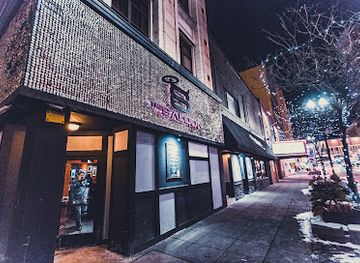
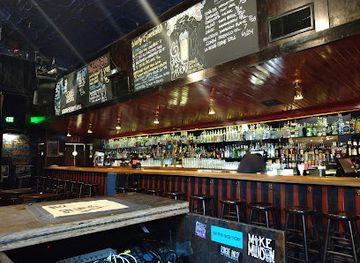
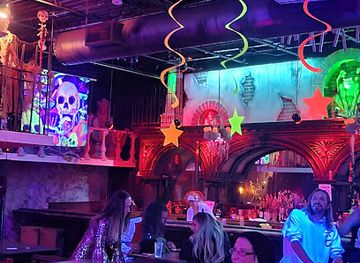
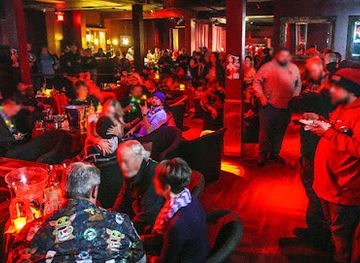
The Saloon
Discover the vibrant nightlife at The Saloon, Minneapolis's premier destination for dancing, drinks, and unforgettable entertainment.
-
Bar
331 Club
Experience the vibrant nightlife at 331 Club, where affordable drinks and lively entertainment create unforgettable evenings in Northeast Minneapolis.
-
Night club
Ground Zero Nightclub
Discover the lively nightlife at Ground Zero Nightclub in Minneapolis, where diverse music and a welcoming atmosphere create unforgettable nights.
-
Adult entertainment club
Rick's Cabaret Minneapolis
Discover the ultimate nightlife experience at Rick's Cabaret Minneapolis, where adult entertainment meets delightful dining in a captivating atmosphere.
Best shops in Southeastern Minnesota
Shopping in southeastern Minnesota is strongest in its historic town centres rather than in a single regional retail district. Rochester offers the widest selection of national retailers, independent shops, galleries, books, clothing and practical services, while Red Wing combines a traditional downtown with locally associated pottery, North Star Museum displays and shops selling art, gifts and regional products. Winona’s compact centre includes galleries, independent retailers and bookshops alongside cafés and cultural institutions. Lanesboro, Preston and Harmony cater to visitors exploring the Root River area, with craft goods, antiques, artwork, outdoor equipment and food products often found in small independent businesses. Farmers’ markets and farm stands provide seasonal fruit, vegetables, honey, preserves, baked goods and locally made specialities; days and locations vary by community and season. Mississippi towns also sell river-themed gifts, regional art and practical outdoor goods. Visitors seeking souvenirs should favour locally made pottery, textiles, artwork or food rather than generic items, and should remember that small shops may maintain shorter or seasonal hours outside the main summer and autumn travel periods.
-
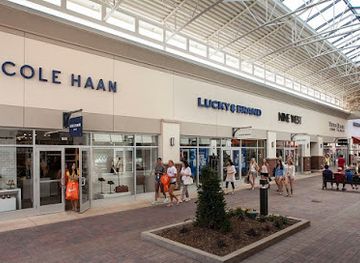
Outlet mall
Twin Cities Premium Outlets
Experience unbeatable savings and top brands at Twin Cities Premium Outlets, the ultimate shopping destination in Eagan, Minnesota.
-
Shopping mall
The Shoppes at Arbor Lakes
Explore The Shoppes at Arbor Lakes in Maple Grove, Minnesota – a vibrant shopping mall with diverse retail stores, delicious dining, and an enchanting outdoor atmosphere.
-
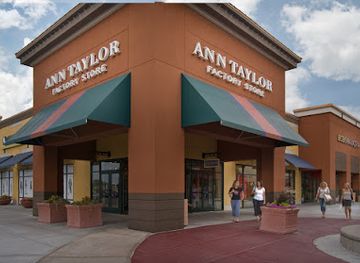
Outlet mall
Albertville Premium Outlets
Discover amazing deals and a wide selection of brand-name stores at Albertville Premium Outlets, the ultimate shopping destination in Minnesota.
-
Gift shop
General Store of Minnetonka
Explore the General Store of Minnetonka for unique gifts, artisan finds, and a cozy café experience in a charming setting.

Get your free copy of our complete guide to Southeastern Minnesota, delivered straight to you.
Everything on this page, from attractions and restaurants to essentials and local phrases, in one PDF you can read offline, print or share.
Already have an account? Sign in
Your Southeastern Minnesota guide is ready.
We'll send it to · Not you? Sign out

Getting your guide ready…
We are putting together a fresh copy of the Southeastern Minnesota guide. This can take up to a minute.
This can take a few moments. If your browser asks, choose Allow so the download can start. You'll find the guide in your Downloads folder.
Nothing happened? Download it again
Sorry, the guide is taking longer than usual. Please try again in a minute, or get it by email instead.
Southeastern Minnesota essentials
Currency and Payment
Safety
Emergency Situations
Do's and Don'ts
Local Tips
From Eve
Local phrases worth knowing
You don't need to get them perfect. A few words go a long way, and locals appreciate the effort.
Basics
| English | Local | Say it |
|---|---|---|
| Hello | Hi | [Hai] |
| Goodbye | See ya | [See yah] |
| Yes | Yup | [Yup] |
| No | Nope | [Nope] |
| Please/You're welcome | Please/You bet | [Pleez/Ya bet] |
| Thank you | Thanks | [Thanks] |
| Excuse me/Sorry | Excuse me/Sorry | [Excuse me/Sorry] |
| How are you? | How's it going? | [How's it goin'?] |
| Fine. And you? | Good. And you? | [Good. An' you?] |
| Do you speak English? | Do ya speak English? | [Doo ya speek English?] |
| I don't understand | I don’t get it | [I don’t get it] |
Eating & Drinking
| English | Local | Say it |
|---|---|---|
| I'd like to see the menu, please | Can I see the menu, please? | [Can I see the menu, pleez?] |
| I don't eat meat | I don’t eat meat | [I don’t eat meat] |
| Cheers! | Cheers! | [Cheers!] |
| I would like to pay, please | Can I get the check, please? | [Can I get the check, pleez?] |
Emergencies
| English | Local | Say it |
|---|---|---|
| Help! | Help! | [Help!] |
| Go away! | Leave me alone! | [Leave me alone!] |
| Call the Police! | Call 911! | [Call 911!] |
| Call a doctor! | Get a doctor! | [Get a doctor!] |
| I'm lost | I'm lost | [I'm lost] |
| I'm ill | I'm not feeling well | [I'm not feelin' well] |
Shopping
| English | Local | Say it |
|---|---|---|
| I'd like to buy... | I wanna buy... | [I wanna buy...] |
| I'm just looking | Just browsing | [Just browsing] |
| How much is it? | What's the price? | [What's the price?] |
| That's too expensive | That's too pricey | [That's too pricey] |
| Can you lower the price? | Can you give me a better deal? | [Can you give me a better deal?] |
Time & Numbers
| English | Local | Say it |
|---|---|---|
| What time is it? | What time is it? | [What time is it?] |
| It's one o'clock | It's one o'clock | [It's one o'clock] |
| Half past (10) | Half past ten | [Half past ten] |
| Morning | Morning | [Morning] |
| Afternoon | Afternoon | [Afternoon] |
| Evening | Evening | [Evening] |
| Yesterday | Yesterday | [Yesterday] |
| Today | Today | [Today] |
| Tomorrow | Tomorrow | [Tomorrow] |
| 1 | One | [One] |
| 2 | Two | [Two] |
| 3 | Three | [Three] |
| 4 | Four | [Four] |
| 5 | Five | [Five] |
| 6 | Six | [Six] |
| 7 | Seven | [Seven] |
| 8 | Eight | [Eight] |
| 9 | Nine | [Nine] |
| 10 | Ten | [Ten] |
Transport & Directions
| English | Local | Say it |
|---|---|---|
| Where's a/the...? | Where's the...? | [Where's the...?] |
| What's the address? | What’s the address? | [What’s the address?] |
| Can you show me (on the map)? | Can you point it out? | [Can you point it out?] |
| When's the next (bus)? | When's the next bus? | [When's the next bus?] |
| A ticket (to ....) | A ticket to... | [A ticket to...] |
History of Southeastern Minnesota
Dakota homelands and ancient river cultures
Southeastern Minnesota lies within the traditional homeland of Dakota peoples, whose communities used the Mississippi River, its tributaries, prairies and wooded valleys for travel, hunting, fishing, farming and trade. The landscape also preserves evidence of earlier Indigenous societies, including archaeological sites associated with long histories of settlement in the Upper Mississippi region. River confluences, bluffs and springs were important places long before European exploration. Visitors should understand the region’s historic towns and landscapes within this deeper Indigenous context, as well as recognising the continuing presence of Dakota people in Minnesota today.
French exploration and the Mississippi corridor
European exploration reached the Upper Mississippi in the seventeenth century, followed by fur trading networks and changing imperial claims involving France, Spain, Britain and eventually the United States. The river became the region’s principal transport route, linking settlements and trading posts with larger markets downstream. Names, abandoned landing places and later town sites reflect this era, although the commercial relationship between newcomers and Indigenous communities brought disease, pressure on resources and political disruption. The Mississippi’s role as a route for commerce remained central long after formal territorial control changed.
Treaties, settlement and the creation of Minnesota
During the nineteenth century, United States treaties and the creation of the Minnesota Territory opened southeastern lands to increasing Euro-American settlement, while dispossession and government policy severely damaged Dakota communities. River towns grew around landings, mills, warehouses and ferries, and newcomers from Scandinavia, Germany and elsewhere established farms and businesses inland. Minnesota became a state in 1858. The region’s Norwegian and German architectural, religious and agricultural legacies date substantially from this period, but they should be considered alongside the profound loss of Dakota land and autonomy.
River towns, steamboats and regional commerce
The Mississippi supported a chain of commercial communities including Red Wing, Lake City, Wabasha and Winona. Steamboats moved grain, timber and manufactured goods, while warehouses, flour mills, sawmills and rail connections expanded the towns’ economic reach. Winona became a significant lumber and river port, and Red Wing developed manufacturing as well as trade. Railways later reduced the river’s dominance as a long-distance transport route, but surviving warehouses, historic commercial streets, industrial remnants and riverfront parks still show how strongly commerce shaped southeastern Minnesota.
Agriculture, mills and immigrant communities
The region’s valleys and uplands supported dairy farming, grain production, orchards and small-scale mixed agriculture. Waterpower from tributaries helped operate mills, while limestone was quarried for building and industrial purposes. Scandinavian settlers contributed distinctive churches, farm buildings and foodways, particularly in the Root River country and other rural districts. Towns became service centres for dispersed farms, with general stores, grain elevators, schools and local newspapers. Although modern agriculture is more mechanised and consolidated, farmers’ markets, heritage buildings and rural landscapes continue to reflect this nineteenth- and early twentieth-century economy.
Conservation and the preservation of the bluff country
As farming, logging, quarrying and urban growth altered the landscape, public agencies and local communities increasingly protected forests, wetlands, prairies, river corridors and scenic bluffs. State parks such as Frontenac, Whitewater, Great River Bluffs and Nerstrand Big Woods preserve different parts of southeastern Minnesota’s ecological character. The Root River Trail and other recreational routes also supported the growth of bicycle tourism and small-town outdoor travel. Conservation has not frozen the region in time; it has created a modern framework for enjoying landscapes that remain working farms, waterways and living communities.
Rochester and the Mayo Clinic era
Rochester’s modern identity has been strongly shaped by the Mayo Clinic, which grew from the medical practice established by Drs William Worrall Mayo and Charles and William Mayo in the late nineteenth and early twentieth centuries. The institution attracted patients, researchers and workers from around the world and helped transform Rochester into an international centre for medicine. Its influence extends beyond healthcare into architecture, employment, hospitality and civic development. The city nevertheless remains part of a wider agricultural and river-oriented region rather than a separate enclave from southeastern Minnesota’s rural communities.
Southeastern Minnesota in Photos
Browse through our photo collection highlighting the charm and character of the destination.
Neighbouring regions of Southeastern Minnesota
The closest regions to Southeastern Minnesota, if you have time for more than one.
-

-
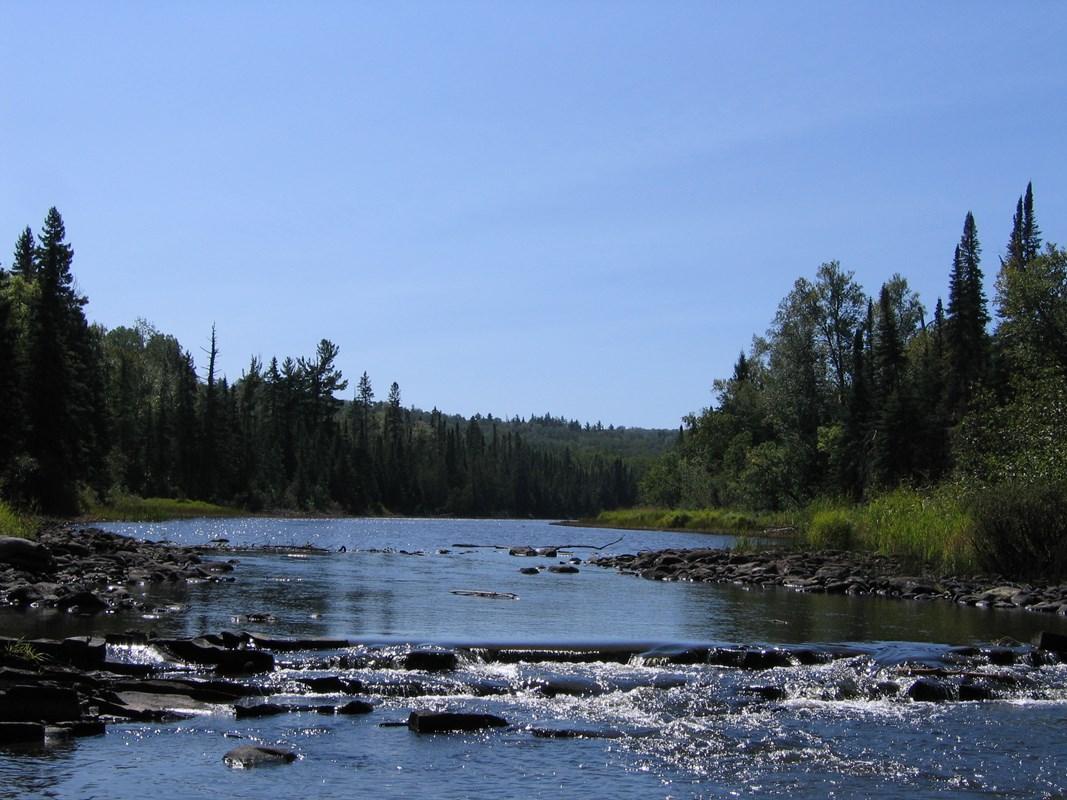 Minnesota Driftless Area
Explore the Minnesota Driftless Area for Mississippi River views, limestone bluffs, cave country, historic towns and Root River trails.
Minnesota Driftless Area
Explore the Minnesota Driftless Area for Mississippi River views, limestone bluffs, cave country, historic towns and Root River trails.
-

-

-


Swipe for more regions
Explore more

Explore more of Minnesota
Discover Minnesota: From the bustling Twin Cities and cultural landmarks to the serene lakes and expansive wilderness, experience the diverse beauty and welcoming spirit of the North Star State.
Explore Minnesota