

Free Minnesota Driftless Area Travel Guide & Mobile App
Explore Minnesota Driftless Area with free travel guides. Discover regional history, expert tips, proposed trips, and audio guides on web or mobile app.


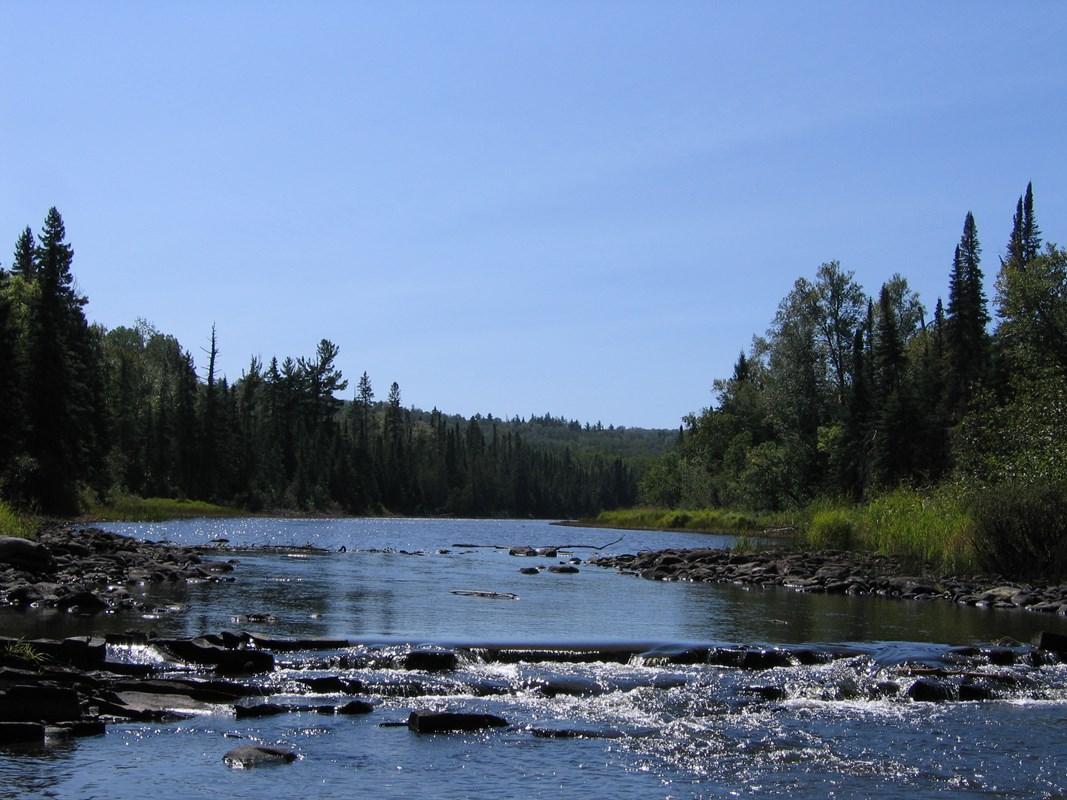


Explore the Minnesota Driftless Area for Mississippi River views, limestone bluffs, cave country, historic towns and Root River trails.
Read more about Minnesota Driftless Area
Getting to and around Minnesota Driftless Area
How to get there
Transportation
Top city travel guides in Minnesota Driftless Area
The cities of Minnesota Driftless Area, and the easiest places to base yourself.
-
-
-

-


Swipe for more cities
Destinations in Minnesota Driftless Area
Resorts, valleys and scenic spots worth a trip of their own.

Swipe for more destinations
Best attractions in Minnesota Driftless Area
The Minnesota Driftless Area's attractions combine outdoor landscapes with small-town heritage. Along the Mississippi, Frontenac State Park offers wooded slopes, prairie remnants and elevated views over Lake Pepin, while Great River Bluffs State Park presents hiking trails and wide panoramas from the valley's western side. Whitewater State Park, inland from the river, is known for limestone valley scenery, cold streams and woodland trails. The Root River State Trail links a sequence of communities including Fountain, Lanesboro, Whalan, Peterson, Rushford and Houston, making the corridor suitable for cycling and gentle exploration. Underground, Mystery Cave near Preston and Niagara Cave near Harmony reveal the region's karst geology through guided interpretation. Forestville/Mystery Cave State Park also preserves Historic Forestville, a nineteenth-century village presented as a living-history site. In Wabasha, the National Eagle Center interprets bald eagles and their Mississippi River habitat. Winona adds museums, galleries and cultural venues, while Red Wing combines river scenery, historic streets and the legacy of its pottery industry. The result is a varied attraction landscape in which geology, wildlife, recreation and settlement history are closely connected.
-
Aquarium
SEA LIFE at Mall of America
Immerse yourself in the magical underwater world at SEA LIFE, Mall of America, where marine wonders await every visitor.
-
State park
Itasca State Park
Explore Itasca State Park, Minnesota's natural gem, where the Mississippi River begins amidst stunning landscapes and rich outdoor adventures.
-
State park
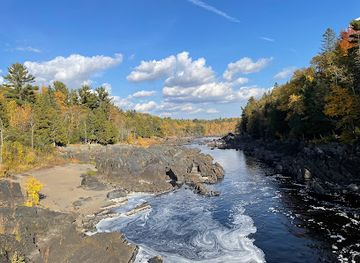
Jay Cooke State Park
Explore the scenic beauty of Jay Cooke State Park in Minnesota, where nature and adventure await in every trail and river bend.
-
Park
Riverside Park
Explore Riverside Park in La Crosse, Wisconsin – a stunning riverside escape perfect for relaxation, picnics, and outdoor adventures.


Best landmarks in Minnesota Driftless Area
The region's most recognisable landmarks are often geological or river-based rather than monumental. Barn Bluff rises above Red Wing and provides a defining view over the Mississippi valley; its trails and exposed rock also reflect the area's long geological history. Frontenac State Park overlooks Lake Pepin from the western side of the river, while the bluffs at Great River Bluffs State Park form a high natural balcony above the Mississippi corridor. In Winona, the dramatic limestone bluffs surrounding the city explain much of its visual identity, while the historic downtown preserves commercial architecture from its river-and-rail era. Wabasha's riverfront setting and connection with bald-eagle conservation have become central symbols of the community. The Root River valley is itself a landmark landscape, marked by steep wooded sides, spring-fed watercourses and former railway corridors. Below ground, the chambers and passages of Mystery Cave and Niagara Cave provide a less visible but equally characteristic expression of the region's limestone foundation.
-
History museum
Split Rock Lighthouse
Explore the historic Split Rock Lighthouse, a scenic gem on Lake Superior's North Shore, offering breathtaking views and rich maritime history.
-
History museum
James J. Hill House
Discover the grandeur of the James J. Hill House, a historical museum in St. Paul showcasing the life of a railroad tycoon and exquisite architecture.
-
Historical landmark
Historic Fort Snelling
Discover Minnesota's history at Historic Fort Snelling, a landmark where the past and present converge along scenic riverbanks.
-
State park
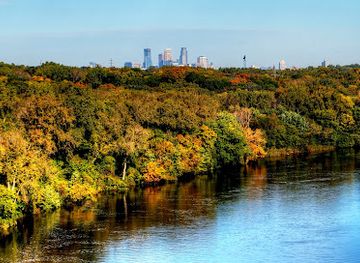
Great River Bluffs State Park
Discover the breathtaking views and serene landscapes of Great River Bluffs State Park in Minnesota, a premier destination for hiking, camping, and picnicking.



Explore Minnesota Driftless Area on the map
Plan your trip on one map. See where the top cities, national parks and sights are, and book hotels and experiences in a few clicks.
Best hotels in Minnesota Driftless Area
Best restaurants in Minnesota Driftless Area
Dining in the Minnesota Driftless Area reflects the region's farming landscape, river communities and practical Midwestern traditions. Restaurants, cafés and bakeries in towns such as Lanesboro, Winona, Red Wing, Wabasha and Preston range from casual breakfasts and sandwiches to contemporary cooking built around seasonal produce. Farm products, dairy, trout, locally raised meat, apples and baked goods appear in different combinations, while classic American and Midwestern fare remains common in cafés and pubs. Small-town restaurants and rural inns are often important social centres, particularly along the Root River. Farmers' markets, farm stands and food shops provide opportunities to buy local produce, preserves, honey and baked goods during the growing season. Red Wing's pottery heritage adds a distinctive material dimension to regional dining, although the food culture is shared broadly with southeastern Minnesota rather than defined by one signature dish. Because communities are separated by winding rural roads, check dining options in advance and avoid assuming that every valley has late-evening service.
-
Russian
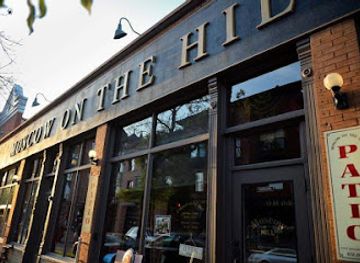
Moscow on the Hill
Experience authentic Russian cuisine at Moscow on the Hill - where tradition meets flavor in a vibrant setting.
-
New American
Spoon and Stable
Discover Spoon and Stable: A premier New American restaurant in Minneapolis's Warehouse District offering seasonal dishes and exquisite cocktails.
-
Native American restaurant
Owamni by The Sioux Chef
Discover authentic Native American cuisine at Owamni by The Sioux Chef in Minneapolis, where tradition meets modern dining in a stunning setting.
-
American
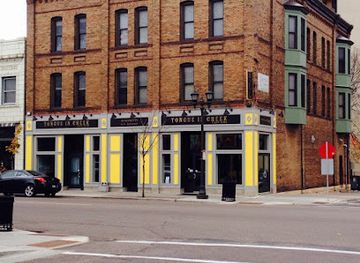
Tongue in Cheek
Discover the exquisite flavors of American cuisine at Tongue in Cheek, where culinary innovation meets a welcoming atmosphere.

Best bars in Minnesota Driftless Area
Evening life in the Minnesota Driftless Area is centred more on traditional pubs, breweries, restaurants, live performances and community events than on large nightclubs. Winona has the region's broadest cultural programme, with arts venues and a comparatively youthful atmosphere connected to its higher-education institutions. Red Wing, Wabasha and the Root River towns offer local bars, taprooms, historic inns and restaurants where evenings are usually social and low-key. Lanesboro is particularly associated with theatre and cultural activity, while seasonal concerts and festivals can bring additional life to town centres. Rural nightlife is dispersed, so a designated driver or planned accommodation is important when visiting venues outside a town. Opening patterns and entertainment schedules vary by season, and visitors should confirm current arrangements rather than expect a continuous late-night scene.
-
Bar
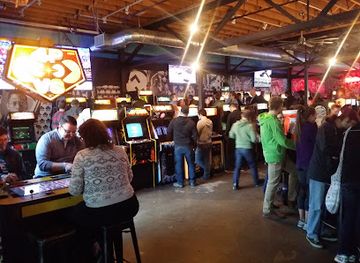
Up-Down Minneapolis
Experience the excitement of arcade games, delicious pizza, and vibrant nightlife at Up-Down Minneapolis, where fun meets flavor.
-
Bar
Psycho Suzi's Motor Lounge
Experience the eclectic charm of Psycho Suzi's Motor Lounge, a tropical-themed bar and restaurant in Northeast Minneapolis offering unique drinks and delicious food.
-
Pub
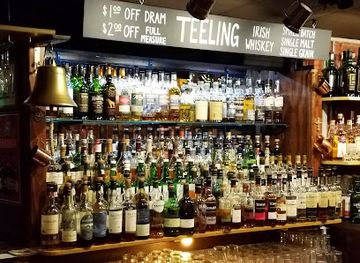
Merlins Rest Pub
Experience the charm of British and Irish cuisine at Merlins Rest Pub, where live music and a welcoming atmosphere await in Minneapolis.
-
Live Music
Turf Club
Experience live music, delicious food, and a vibrant atmosphere at Turf Club in St. Paul, a local gem for music lovers and foodies alike.
Best nightclubs in Minnesota Driftless Area
Evening life in the Minnesota Driftless Area is centred more on traditional pubs, breweries, restaurants, live performances and community events than on large nightclubs. Winona has the region's broadest cultural programme, with arts venues and a comparatively youthful atmosphere connected to its higher-education institutions. Red Wing, Wabasha and the Root River towns offer local bars, taprooms, historic inns and restaurants where evenings are usually social and low-key. Lanesboro is particularly associated with theatre and cultural activity, while seasonal concerts and festivals can bring additional life to town centres. Rural nightlife is dispersed, so a designated driver or planned accommodation is important when visiting venues outside a town. Opening patterns and entertainment schedules vary by season, and visitors should confirm current arrangements rather than expect a continuous late-night scene.
-
Night club
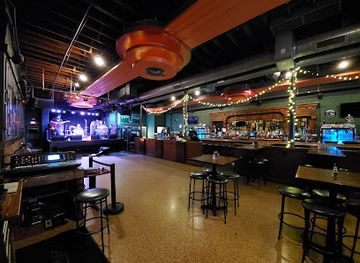
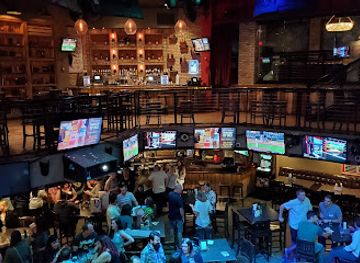
The Pourhouse
Experience vibrant nightlife and live music at The Pourhouse in Minneapolis, where American cuisine meets an electrifying atmosphere.
-
Gay bar
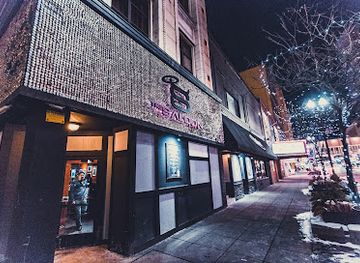
The Saloon
Experience the electrifying nightlife at The Saloon, Minneapolis' premier gay bar and dance club, where every night is a celebration of diversity and fun.
-
Night club
Ground Zero Nightclub
Discover the electric atmosphere of Ground Zero Nightclub in Minneapolis, where every night is a celebration of music, dance, and inclusivity.
-
Night club
The Exchange & Alibi Lounge
Experience the vibrant nightlife of Minneapolis at The Exchange & Alibi Lounge, where music, dance, and fun come together for an unforgettable night out.

Best shops in Minnesota Driftless Area
Shopping in the Minnesota Driftless Area is concentrated in historic town centres, independent main streets, galleries, farm shops and seasonal markets rather than large retail districts. Red Wing is the region's strongest centre for heritage-linked shopping, with pottery and other locally associated goods alongside clothing, books, antiques and gifts. Winona offers galleries, independent retailers and arts-related purchases, while Lanesboro, Preston, Wabasha and Lake City combine small shops with cafés and visitor services. Farmers' markets and farm stands are useful for regional produce, honey, preserves, baked goods and other food gifts, particularly during the warmer months. Craft businesses and galleries may feature ceramics, woodwork, textiles, prints and jewellery, although stock and opening patterns vary between communities. Visitors should distinguish durable local products from generic souvenirs and allow time for browsing, since many independent shops are located in compact historic districts and may keep shorter hours outside the main tourism season.
-
Toy store
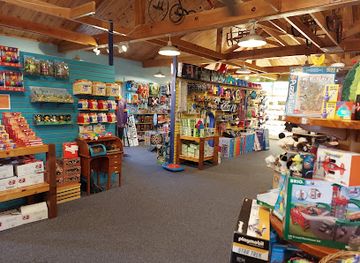
LARK Toys
Explore LARK Toys in Kellogg, MN – a magical toy store, amusement center, and museum offering endless fun for families and tourists.
-
Department store
Walmart Supercenter
Explore Walmart Supercenter in Winona, where convenience meets variety for all your shopping needs during your travels.
-
Gift shop
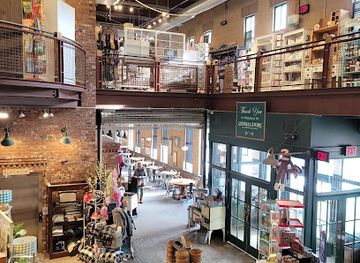
General Store of Minnetonka
Explore the charm of the General Store of Minnetonka, a hub for unique gifts, boutique fashion, and a cozy café experience in one delightful location.
-
Gift shop
Stockholm Pie and General Store
Explore the delightful blend of gourmet pies, artisanal cheeses, and unique gifts at Stockholm Pie and General Store in Wisconsin.


Get your free copy of our complete guide to Minnesota Driftless Area, delivered straight to you.
Everything on this page, from attractions and restaurants to essentials and local phrases, in one PDF you can read offline, print or share.
Already have an account? Sign in
Your Minnesota Driftless Area guide is ready.
We'll send it to · Not you? Sign out

Getting your guide ready…
We are putting together a fresh copy of the Minnesota Driftless Area guide. This can take up to a minute.
This can take a few moments. If your browser asks, choose Allow so the download can start. You'll find the guide in your Downloads folder.
Nothing happened? Download it again
Sorry, the guide is taking longer than usual. Please try again in a minute, or get it by email instead.
Minnesota Driftless Area essentials
Currency and Payment
Safety
Emergency Situations
Do's and Don'ts
Local Tips
From Eve
Local phrases worth knowing
You don't need to get them perfect. A few words go a long way, and locals appreciate the effort.
Basics
| English | Local | Say it |
|---|---|---|
| Hello | Hey there | [Hay thair] |
| Goodbye | See you later | [See ya lay-tur] |
| Yes | Ya | [Yah] |
| No | Nah | [Nah] |
| Please/You're welcome | Sure thing | [Shoor thing] |
| Thank you | Thanks a lot | [Thangs a lot] |
| Excuse me/Sorry | Pardon me | [Pardon me] |
| How are you? | How's it going? | [How's it goin'?] |
| Fine. And you? | Good, and you? | [Good, an' you?] |
| Do you speak English? | Do ya speak English? | [Do ya speek English?] |
| I don't understand | I don't get it | [I don't get it] |
Eating & Drinking
| English | Local | Say it |
|---|---|---|
| I'd like to see the menu, please | Could I see the menu, please? | [Cud I see the menu, pleez?] |
| I don't eat meat | I don't do meat | [I don't do meat] |
| Cheers! | Cheers! | [Cheers!] |
| I would like to pay, please | Can I get the bill, please? | [Can I get the bill, pleez?] |
Emergencies
| English | Local | Say it |
|---|---|---|
| Help! | Help! | [Help!] |
| Go away! | Get lost! | [Get lost!] |
| Call the Police! | Call the cops! | [Call the cops!] |
| Call a doctor! | Get a doctor! | [Get a doctor!] |
| I'm lost | I’m kinda lost here | [I’m kinda lost here] |
| I'm ill | I’m not feelin' well | [I’m not feelin' well] |
Shopping
| English | Local | Say it |
|---|---|---|
| I'd like to buy... | I wanna buy... | [I wanna buy...] |
| I'm just looking | Just browsing | [Just browsing] |
| How much is it? | What’s the price? | [What’s the price?] |
| That's too expensive | That's a bit rich | [That's a bit rich] |
| Can you lower the price? | Can you knock down the price? | [Can you knock down the price?] |
Time & Numbers
| English | Local | Say it |
|---|---|---|
| What time is it? | What time ya got? | [What time ya got?] |
| It's one o'clock | It's one o'clock | [It's one o'clock] |
| Half past (10) | Half past ten | [Half past ten] |
| Morning | Morning | [Mornin'] |
| Afternoon | Afternoon | [Afternoon] |
| Evening | Evening | [Evening] |
| Yesterday | Yesterday | [Yesterday] |
| Today | Today | [Today] |
| Tomorrow | Tomorrow | [Tomorrow] |
| 1 | One | [Wun] |
| 2 | Two | [Too] |
| 3 | Three | [Three] |
| 4 | Four | [For] |
| 5 | Five | [Fiyv] |
| 6 | Six | [Six] |
| 7 | Seven | [Sev-en] |
| 8 | Eight | [Ayt] |
| 9 | Nine | [Nyn] |
| 10 | Ten | [Ten] |
Transport & Directions
| English | Local | Say it |
|---|---|---|
| Where's a/the...? | Where’s the...? | [Where’s the...?] |
| What's the address? | What’s the address? | [What’s the address?] |
| Can you show me (on the map)? | Can ya show me on the map? | [Can ya show me on the map?] |
| When's the next (bus)? | When’s the next bus? | [When’s the next bus?] |
| A ticket (to ....) | A ticket to... | [A ticket to...] |
History of Minnesota Driftless Area
Ancient River and Karst Landscapes
The Driftless Area's defining physical history began with the survival of an ancient dissected landscape during the last major glaciation. While ice sheets reshaped surrounding parts of the Upper Midwest, this southeastern Minnesota terrain retained its deeply incised valleys, exposed bedrock and underground drainage. Over time, rivers and groundwater enlarged limestone passages, producing springs, sinkholes and caves such as Mystery Cave and Niagara Cave. These geological processes explain the region's steep bluffs, narrow valleys and unusually productive cold-water streams.
Dakota and Ho-Chunk Homelands
Long before Euro-American settlement, the Mississippi valley and its tributaries supported Indigenous communities, including Dakota peoples whose cultural and political presence remains important to Minnesota's history. Ho-Chunk people also have longstanding connections with the Driftless landscape. River bottoms, wooded uplands and prairie provided routes, food and materials, while the Mississippi served as a major travel and exchange corridor. Visitors should understand the region not as an empty wilderness encountered by settlers, but as a homeland shaped by Indigenous knowledge, movement and continuing communities.
Fur Trade and River Commerce
During the eighteenth and early nineteenth centuries, French, British and later American traders used the Mississippi and connected waterways as conduits for commerce. European goods, furs and foodstuffs moved through a network that depended on Indigenous trade relationships. As American control expanded, river landings became increasingly important for transporting timber, grain and manufactured goods. The later towns of Red Wing, Wabasha and Winona grew from this combination of river access, agriculture and regional trade.
Settlement, Treaties and Town Building
The nineteenth-century expansion of the United States brought intense change through treaties, land surveys and the displacement of Indigenous communities. New settlers established farms on valley floors and uplands, while towns developed around mills, shops, churches and river landings. Red Wing, Winona, Wabasha and smaller communities acquired the brick commercial buildings and houses that still shape their historic districts. The period also established many of the region's continuing farming patterns, even as it caused profound and lasting harm to Indigenous sovereignty and landholding.
Milling, Logging and Railways
The region's rivers powered mills, carried logs and connected agricultural producers with larger markets. Winona became a major centre for lumber and river commerce, while railways later strengthened links between the Mississippi valley, inland farms and cities elsewhere in the Midwest. Mills, depots, warehouses and riverfront buildings reflected this industrial growth. Rail transport also helped small valley communities expand, although many former lines have since disappeared or been converted into recreational trails.
Agricultural and Manufacturing Legacies
By the late nineteenth and early twentieth centuries, mixed farming, dairy production, grain growing and small-scale manufacturing had become fundamental to the regional economy. Red Wing developed a nationally recognised pottery industry, whose legacy remains visible in museums, collections and the city's identity. Other communities supported food processing, farm services and local workshops. The combination of productive soils, river transport and skilled labour created an economy that was more varied than the region's present-day reputation as a scenic rural destination might suggest.
Conservation and Heritage Tourism
Twentieth-century conservation efforts protected bluffs, forests, prairies, caves and river corridors from more intensive development. State parks such as Frontenac, Whitewater and Great River Bluffs preserve representative landscapes, while the Root River State Trail reuses former railway corridors for cycling and walking. Historic preservation has also supported community revitalisation in towns including Lanesboro and Winona. Tourism now complements agriculture and local industry, with outdoor recreation, cave geology, cultural events and wildlife observation building on the region's natural and historical assets.
Minnesota Driftless Area in Photos
Browse through our photo collection highlighting the charm and character of the destination.
Neighbouring regions of Minnesota Driftless Area
The closest regions to Minnesota Driftless Area, if you have time for more than one.
-

-

-

-

-


Swipe for more regions
Explore more

Explore more of Minnesota
Discover Minnesota: From the bustling Twin Cities and cultural landmarks to the serene lakes and expansive wilderness, experience the diverse beauty and welcoming spirit of the North Star State.
Explore Minnesota